Why Does Saying No Hurt?

A focused look at boundary guilt, related tarot cards, and reading insights around the ache of choosing your own edge.

Boundary Guilt

What does this feel like?

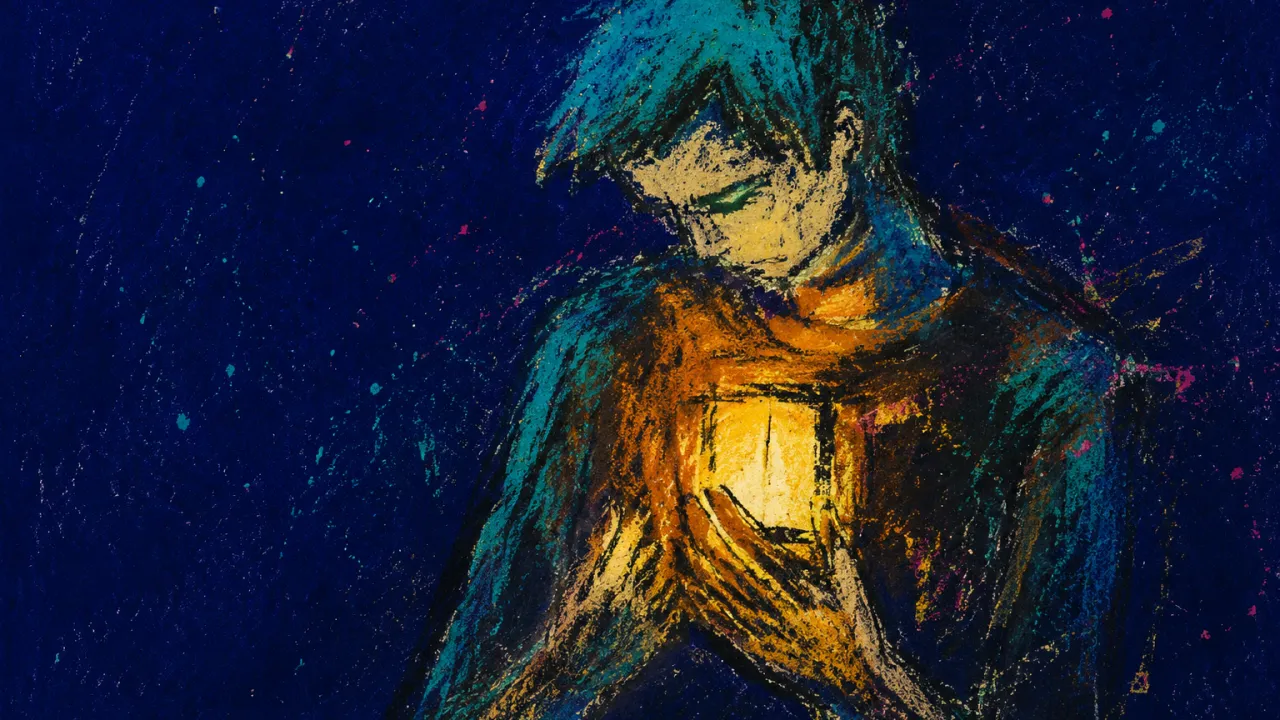
Boundary Guilt — it hits in the pause after you say no, when your chest tightens and your stomach drops as if the sentence has landed too loudly in the room. You may have been calm a second ago, clear about your limit, clear that you do not have the time, energy, privacy, or softness to keep giving in the same way. Then the other person's silence, disappointment, or even imagined reaction starts pressing against you, and suddenly the boundary feels less like a simple edge and more like evidence being held up against your care. You reread your message, soften the wording, add extra explanations, offer a smaller yes, or keep the door cracked open so you do not feel like the cold one. In your body, it can feel like holding a line with both hands while your heart keeps trying to apologize for having a shape. The guilt is not always loud; sometimes it is a low buzzing under the ribs, a need to prove you still care, a private fear that being less available means becoming less loving, less loyal, less good. You can know the boundary is reasonable and still feel yourself scanning for damage, as if someone else's discomfort has become the measure of whether you were allowed to protect yourself. Boundary Guilt lives right where care, loyalty, and self-protection touch, much like the cross at the High Priestess's chest, centered between what is hidden, what is sacred, and the threshold she does not let anyone pass through without pause.

Why you're feeling this?

Boundary Guilt makes sense because care does not disappear the moment you need a limit. You are not wrong for feeling the ache after protecting your space. Sometimes guilt is just the feeling that arrives when an old version of access meets a clearer edge.

Boundary Guilt in Tarot Cards

Boundary Guilt has a specific pressure: the tight chest that shows up after you say no, even when the limit is clear. This is a universal emotional experience, the ache of caring while trying to keep your own edge intact. The cards below give that pressure a visual language without turning it into a verdict. Here are the Tarot Cards that mirror Boundary Guilt.

The High Priestess Reversed
The cross at the High Priestess's chest sits exactly between the crown, the hidden scroll, and the crescent at her feet. Her body guards the threshold, turning access into something that must pass through a centered point rather than flow without limit. In friendship, Boundary Guilt forms when that centered point feels morally charged. The card shows why saying no can feel heavier than a simple preference: the boundary sits right where care, loyalty, and self-protection intersect.
The Empress Reversed
The heart-shaped shield rests outside The Empress's body, making care visible as an emblem while the throne still gives her a defined seat. Around her, the garden is abundant and surrounding, but the central figure is not dissolved into it. Boundary Guilt emerges when social warmth has become part of your expected identity. Saying no, leaving early, muting a chat, or refusing to host the group's feelings can feel like withdrawing love, even when the deeper structure is simply asking care to have a clearer edge.
The Emperor Reversed
The stream behind the Emperor is present but obstructed, visible only at the edges of the throne. His mouth is sealed, the lower face partly hidden, and the stone boundary between body and landscape makes separation look necessary but emotionally costly. Boundary Guilt enters friendship when saying no feels correct in structure but heavy in the chest. You may know the limit is reasonable, yet the moment it becomes visible, old expectations rush in and recast self-protection as abandonment. The card does not treat that guilt as proof that the boundary is wrong. It shows the friction between emotional flow and protective form, naming the exact place where care needs a shape strong enough to survive someone else's disappointment.
The Hierophant Reversed
The crossed keys lie between the kneeling figures and beneath the Hierophant's authority, making access look mediated rather than personally held. The steps, staff, and temple threshold suggest that permission has a location, and it is not fully in the hands of the people seeking entry. Boundary Guilt forms when a family boundary feels like reaching for a key you were trained to leave alone. You are not only saying no to a request; you are touching an old access system where closeness, approval, and silence were once bundled together.
The Lovers Reversed
The two figures stand close enough to be vulnerable, but their hands do not meet, and the space between them remains visible. Above them, the angelic figure and the high sun make the private act of choosing feel witnessed by something larger than the couple. Inside a family system, that visible gap becomes the emotional charge around saying no, stepping back, or refusing a role that used to be automatic. Boundary Guilt forms when your body reads separation as danger, even while your clearer self can see that distance is the only way to keep the relationship honest.
The Chariot Reversed
The moat, city wall, and squared chariot create a sequence of visible separations. The figure stands at the boundary line, protected but not untouched by the place behind him. Boundary Guilt forms when separation is emotionally necessary but internally charged. In family life, a limit can be logical, fair, and still followed by a sinking feeling that you have broken an unspoken rule of access. The paired symbols on the card keep opposing forces in the same visual field, which is why this emotion does not feel simple. You can want closeness and still need distance; you can care about your family and still refuse to be available in the old way.
Strength Upright
The woman does not abandon the lion, and she does not let its mouth take over the scene. Her hands create a limit through contact, with white robes and roses softening a gesture that is still unmistakably firm. Boundary Guilt lives in that exact contact point. In friendship, it feels like the ache that comes when saying no is necessary but the bond still matters, especially when the other person looks to you as a source of comfort, approval, or containment. Strength gives this emotion a cleaner shape: guilt may appear because the boundary is intimate, not because it is wrong. The card shows that care can remain present while access changes, and that softness does not have to mean leaving your inner door permanently open.
Reversed
The flower garland loops around the woman and visually ties the encounter to the lion, making contact look beautiful and binding at the same time. Her hands create a limit, but the limit happens inside a relationship rather than outside it. In family systems, Boundary Guilt appears when separation feels like harm because closeness has been trained to mean access. The card shows why a gentle no can still ache: the bond is real, the pressure is real, and your edge is real. Naming the guilt lets the boundary become a fact instead of a moral trial.
The Hermit Upright
The gray cloak gives The Hermit a firm outline against the dark, while the lantern keeps its light contained in one deliberate radius. The figure is visible, but not fully available; present in the world, yet protected from being entered by it. That is the emotional architecture of Boundary Guilt in a family system. You may know that privacy, distance, and selective contact are necessary, but the inherited expectation of availability can make every protective edge feel like an accusation. The mountain does not frame separation as cruelty. It frames it as a needed container: a place where You can notice the guilt without letting it become proof that your boundary is wrong.
Reversed
The staff marks a line in the snow, and the cloak gathers the Hermit's body into a protected outline. Even while the lantern is raised for others, the figure does not step down from the ridge or dissolve into the surrounding dark. When friendship asks for more access than you can give, this image maps the guilt that appears the moment a boundary becomes visible. The card does not frame the boundary as rejection; it shows care and separation existing in the same hand, which is why the feeling can be so difficult to hold.
Wheel of Fortune Reversed
The wheel's concentric rings draw a hard line between center, rim, and surrounding figures, while the corner creatures keep reading from their open books. The image is orderly, but it also makes every boundary look like part of a larger script that expects compliance. In family territory, that script can make a simple no feel like a rupture. Boundary Guilt appears when you protect your own space and immediately feel as if you have disturbed the whole family mechanism. The card reframes the guilt as a signal of pressure, not a verdict on your care. Once the ring is visible, you can tell the difference between connection and the old demand to stay endlessly available.
Justice Upright
The sword is raised but not striking, and the balanced scales stay suspended beside it. That restraint turns the image into a boundary held with care rather than a weapon used for dominance. Boundary Guilt appears when protecting your own limits in love still feels like harming the bond. The card shows the hard emotional arithmetic of staying compassionate while refusing to keep absorbing imbalance just to preserve closeness.
Reversed
The sword is held upright but not brought down, making the boundary visible before it becomes an action. The scales remain suspended, as if the line must keep proving its fairness even after its shape is already clear. With family, Boundary Guilt appears when self-protection feels like an accusation against the people who want access to you. The card mirrors the pressure of holding a necessary line while the old system asks you to confuse care with unlimited availability.
The Hanged Man Upright
The rope creates a precise boundary around the ankle, while the figure’s calm expression makes the restraint look almost acceptable. The halo and balanced posture soften the severity of the image, turning restriction into something that can be rationalized, dignified, and silently endured. In friendship, this is the emotional atmosphere that forms when a needed limit immediately becomes morally confusing. You can know that a friend has had too much access to your time, attention, or private emotional bandwidth, and still feel a tightening sense that saying no makes you unkind. Boundary Guilt lives in that split between clarity and self-questioning. The card does not frame the boundary as coldness; it exposes the inner pressure to make your own restraint look graceful so nobody has to confront how much it has cost you.
Death Upright
The kneeling woman’s lowered hands and turned face create a body that has stopped fighting but cannot fully look at what is happening. Around her, each figure holds a different position before the same advancing rider, making the card feel like a family tableau where everyone responds to change from a different role. Boundary Guilt grows from that split posture. One part of you may know that separation is needed, while another part still reads distance as betrayal, coldness, or proof that you have failed the emotional terms of the family system. The upright flag matters because it gives the boundary a clean symbolic center. This feeling is not asking you to erase care; it is asking you to see where care has been fused with compliance, and where your autonomy needs a shape strong enough to remain visible.
Reversed
The kneeling woman lowers her hands and turns her face aside while the praying figure holds a formal posture in front of the rider. The card places yielding bodies beside an advancing boundary, making surrender look visible before the mind has caught up. In friendship, that structure captures the guilt of saying no to someone who still expects access to you. You may know the boundary is necessary, yet your body reads their disappointment as if you have harmed the bond rather than stopped participating in its imbalance.
Temperance Upright
One foot rests on solid earth while the other touches the pool, and the angel keeps the cups connected through a controlled stream. The shoreline is visible, but the body does not abandon either side; the image holds separation and contact in the same frame. That is why Temperance speaks so clearly to Boundary Guilt in family systems. You may know that a limit is necessary, yet the moment you create one, the old emotional water rises with the fear that distance means cruelty, disloyalty, or abandonment. The card gives that guilt a cleaner structure. It shows that a boundary does not have to be a wall; it can be a measured channel where connection remains possible without letting every inherited expectation pass through you unchecked.
Reversed
The angel stands at a threshold: one foot in water, one foot on land, with both hands controlling the flow between cups. The image makes contact and limit visible at the same time, showing how care needs a boundary in order to stay clean. Reversed, that threshold can feel internally expensive. In friendship, the moment you stop pouring on command, guilt can rise as if the bond depends on your unlimited emotional availability. Boundary Guilt belongs to Temperance because the card’s whole structure is about proportion. When proportion has been missing in a friendship, even a reasonable limit can feel like a spill you are responsible for preventing.
The Devil Upright
The chains around the two figures are loose enough to be removed, yet they still rest at the neck and lead back to the black cube. That visual contradiction is the emotional signature of The Devil: the bond is not held only by force, but by the internal pressure that makes removal feel charged, visible, and morally loaded. Family boundaries often carry that same double bind. You can decline the call, refuse the demand, leave the room, or choose your own life, but the moment you do, the old attachment ring pulls guilt into the body. Boundary Guilt lives in the gap between physical possibility and emotional permission. This card mirrors the moment when separation is available on paper, yet the family system has taught your nervous system to experience distance as harm.
The Tower Reversed
The tower's boundary fails all at once: fire comes through the windows, bodies are thrown outward, and the crown separates from the top. The image turns separation into a visible rupture, which is exactly why a boundary can feel emotionally larger than the sentence that creates it. Boundary Guilt lives in the belief that stepping outside the family structure will make the whole thing fall apart. You may only be naming a limit, but the inherited system can make that limit feel like damage, disloyalty, or abandonment. The unreadable faces sharpen the guilt because no one in the image can calmly explain what is happening. The card reflects the inner weather of leaving an old role without yet having a family language that treats separation as healthy and real.
The Star Reversed
The two streams leave the vessels and move into different terrains, while the figure's face stays lowered and unreadable. The body appears open, yet the water shows how easily personal resources can cross into surrounding space when the edges are too soft. Boundary Guilt forms when family contact makes separation feel like harm, even when the limit is necessary for emotional clarity. The Star's imagery reveals the hidden cost of endless flow: if everything in you is available to the family field, your own inner pool has no protected edge.
The Moon Upright
The path in the Moon begins at a shoreline that is not cleanly divided from the water. The crayfish is half-emerged, the road is present, and the towers wait in the distance, but the first boundary between the submerged and the visible is still wet, unstable, and emotionally charged. That image captures the guilt that appears when family boundaries are real but not yet internally settled. You may step toward separateness, yet part of the old emotional water still clings to the movement, making autonomy feel mixed with exposure, doubt, and the fear of being seen as disloyal. Boundary Guilt fits this card because the Moon makes separation feel liminal rather than simple. The emotional task is not whether a boundary is allowed; it is recognizing how much inherited pressure gathers at the exact moment you begin to leave the family script and define your own edge.
The Sun Reversed
The stone wall runs across the lower card with a firm, gray line, while the child and horse stand in front of it under full light. The boundary is not hidden; it is part of the picture's structure. Boundary Guilt belongs to the reversed Sun when a clear limit makes you feel overlit, watched, or harsh. The card's wall turns that feeling into something inspectable: the guilt is attached to the visibility of the limit, not proof that the limit is wrong.
Judgement Upright
The bodies in Judgement are upright, receptive, and exposed, but each one is still held by the outline of an individual coffin. That visual tension matters for friendship: the call to change is shared, yet the body still needs a boundary around its own space. Boundary Guilt appears when your private limits become visible after a long period of automatic availability. You can feel the truth of needing space while also feeling pulled by the old script that said a good friend should always answer, always absorb, always stay open. The card’s emotional logic is not about cutting people off. It is about hearing the call to become more honest without letting the shared history erase the fact that you are separate, finite, and allowed to protect your attention.
Reversed
The red cross flag hangs from the trumpet like a visible standard, suspended between the elevated call and the exposed bodies below. The figures raise their arms toward it, creating a scene where response, obligation, and visibility are fused into one charged posture. In a family system, Boundary Guilt appears when separating from an expectation feels like failing a shared code. The mirrored family groups intensify that pressure, because everyone seems positioned inside the same formation, making your individual limit feel louder than it objectively is. Judgement holds this emotion because it shows a call that reaches everyone at once, while each figure still stands in a separate body. The card helps name the difference between hearing the family signal and automatically surrendering your boundary to it.
The World Reversed
The oval wreath creates a boundary, but it also puts the central figure on display. The same ring that gives form to the body can feel like an exposed edge when every corner of the image is occupied by a watching presence. Boundary Guilt grows from that double bind: having a self-contained shape while feeling watched for having one. In family dynamics, the card names the pressure that appears when your no, your distance, or your separate life becomes visible to the people who are used to accessing you without friction.
Ace of Cups Reversed
The rim of the chalice is a clean edge, but the reversed emotional structure turns the whole image into one closed circuit of offering, receiving, pouring, and returning. The hand must keep the ornate vessel upright while water keeps moving through a system larger than the cup itself. That is why a boundary with family can feel like blocking the water supply. You may only be choosing not to answer a call, not to explain yourself again, or not to absorb a parent's mood, yet the inner signal says you have damaged the whole emotional arrangement. Boundary Guilt belongs to the Ace of Cups because the cup's edge becomes the central question: where does care end and self-erasure begin? The reversed current names the guilt that appears when you try to keep your own vessel intact inside a family system that treats access as affection.
Two of Cups Reversed
The central space between the figures is full: cups, hands, staff, serpents, wings, and the lion head all press into the meeting point. Even with matching cups, each person still holds a separate vessel, and that separation is visually necessary for the exchange to exist at all. Boundary Guilt grows from that exact tension. In family dynamics, closeness can be treated as proof that access should be unlimited, so any line you draw feels like a violation of the ritual. The card gives that guilt a clean mirror: the bond only stays honest when the cups remain distinct.
Three of Cups Reversed
The circle is clear, attractive, and socially legible, with cups lifted in a gesture that invites participation. Because every body is already turned inward, stepping back from the formation would be visually obvious. Boundary Guilt emerges when separating from a family ritual feels like breaking the whole shape. The card clarifies why a simple no can feel disproportionately heavy: the group structure has trained closeness to look like proof of care, so distance feels like an accusation even when it is just self-protection.
Four of Cups Upright
The folded arms and tucked feet make the seated figure look physically unavailable, even though the offered cup is whole, near, and clearly aimed at him. Nothing in the image is attacking him, yet his body still builds a small private enclosure. Boundary Guilt grows from that exact tension. In family life, the hardest refusals are often not against obvious harm, but against offers that look reasonable, loving, or harmless from the outside. You may know you need distance and still feel the pressure of the intact cup in front of you. The Four of Cups shows the emotional cost of protecting your perimeter when family closeness has been trained to feel like something you must either accept or justify.
Five of Cups Upright
The river cuts a clear line between the cloaked figure and the distant place of shelter, while the bridge makes that line crossable rather than hostile. In friendship, that geometry mirrors the guilt that appears when you realize closeness needs a boundary, not because the bond meant nothing, but because the emotional field has become too flooded to navigate without structure. Boundary Guilt forms when every step toward distance feels like a betrayal of the good that still exists. The Five of Cups holds both facts at once: something has spilled, something remains, and the bridge suggests that protecting your access to steadiness can be part of caring clearly.
Reversed
The river draws a clean boundary between the cloaked figure and the distant house, while the bridge shows a crossing that requires conscious choice. In family dynamics, that geometry can make independence feel loaded: the path toward steadier ground is visible, yet every step away from the old emotional bank can feel like a private betrayal. The two upright cups behind the figure matter because they are not a command to return; they are evidence that value can remain without surrendering your center. Boundary Guilt gathers at that threshold, where you can see a way forward but still feel the pull of old expectations in your body.
Six of Cups Reversed
The manor walls and watchful background figure make the courtyard feel protected, but they also make it feel defined by rules. The children are safe inside the scene, yet the safety comes with a visible perimeter. In family dynamics, that perimeter can make boundaries feel emotionally confusing. Saying no may feel like damaging the very place that once offered care, especially when gifts, memories, or shared history are used to keep the old access pattern intact. Boundary Guilt fits the reversed Six of Cups because the card shows how sweetness can become a contract when it is preserved too tightly. The emotion is not proof that your boundary is cruel; it is the residue of a family structure where care and permission were tangled together.
Seven of Cups Reversed
The cups hover close enough to occupy the figure’s whole field, but no firm line separates the person from the visions. Home, reputation, value, achievement, desire, and hidden selfhood all appear as if they are already inside the same emotional atmosphere. In a family system, Boundary Guilt emerges when separation feels like harm before any harm has actually occurred. The thought of saying no, choosing privacy, refusing an inherited role, or delaying contact can feel as if it is already damaging the bond. The Seven of Cups gives that guilt a precise visual structure: the self stands before many family-coded claims without a stable edge around its own desire. The emotional work is not to reject connection, but to notice where connection has been confused with constant availability.
Eight of Cups Reversed
The walking figure leaves the cups standing behind him, which makes the departure morally noisy rather than simple. Nothing in the foreground has collapsed, so the emotional system has to process distance without the clean evidence of disaster. Boundary Guilt grows in that exact ambiguity. In friendship, you may know you need less access, fewer late-night downloads, or a different role, while still feeling responsible for the discomfort your boundary creates in someone who has relied on you. The blurred threshold of water, swamp, and path shows why the feeling clings. You are not cutting off care; you are trying to separate care from automatic availability, and the old friendship pattern may not immediately recognize the difference.
Nine of Cups Reversed
The crossed arms in the Nine of Cups create a clear barrier across the body, while the table and blue cloth draw another line around the cups behind him. The card is full of emotional material, but it is not freely available to every possible claimant. Boundary Guilt comes alive when that necessary line is interpreted through family conditioning. You may know that keeping time, money, privacy, or attention for yourself is reasonable, yet the body still registers the boundary as a possible withdrawal of love. The reversed card makes that aftertaste visible. The intact cups are not proof of cruelty; they show the emotional inventory that remains yours to protect, especially when the family system has trained access to feel like intimacy.
Ten of Cups Reversed
The clear home, garden, river, and joined bodies create a visible inside. The scene knows who belongs in the circle, where the warmth is located, and how the shared space is supposed to hold together. Boundary Guilt appears in friendship when leaving that inside, even briefly, feels like a betrayal of the bond. You may need fewer late-night calls, less group chat access, or more emotional privacy, but the closeness has been coded so strongly that a normal edge starts to feel like harm. The reversed Ten of Cups links to this emotion because its harmony depends on a shared container that can become over-identified with loyalty. The card reveals the pressure point where care remains real, yet your agency needs a clearer line than the group image allows.
Page of Cups Reversed
The fish is alive inside the cup while the sea remains immediately behind the Page, creating a visible tension between care and release. The platform gives him a boundary, but his gaze stays fixed on the living thing he is holding. In a family system, that image captures the ache of protecting your emotional space while still feeling responsible for everyone connected to it. The cup is your private container; the sea is the larger family field that keeps pulling on what you hold. Boundary Guilt forms when separation feels like withholding love. The card gives the guilt a precise image: you can recognize that something needs room, yet still feel the pressure of deciding whether keeping your edge makes you caring or cruel.
Knight of Cups Reversed
The river in the Knight of Cups is a visible boundary, and the rider does not charge through it. He slows the horse, holds the cup carefully, and approaches the crossing as something that requires choice rather than automatic compliance. Within family dynamics, that image can feel like guilt rising the moment you protect your pace, your privacy, or your right to pause. The cup still matters, but the river insists that emotional access needs a threshold, not an open road. Boundary Guilt belongs to this card because the emotional offering is preserved through restraint. The guilt is the pressure around the crossing, where you are learning that love can remain intact even when access is no longer unlimited.
Queen of Cups Reversed
The closed chalice, crossed feet, and islanded throne create a scene where feeling is held behind a deliberate seal. The Queen is not emptying the cup into the surrounding water; she is keeping its contents intact. In a family system that treats access as proof of love, that seal can feel charged. You may know the boundary is necessary and still feel a sharp inner pull to open the cup just to stop the discomfort. The wall and shoreline do not reject connection; they define where contact ends. Boundary Guilt names the ache of protecting your inner life while an old family script insists that privacy is betrayal.
King of Cups Upright
The King’s right foot reaches toward the sea, but his body remains seated on a separate shell throne. The cup is close, the water is near, and the boundary is physical rather than cold. This is the exact visual tension of caring about family while refusing full emotional submersion. You are not outside the water pretending it does not matter; You are close enough to feel it and separate enough to keep a self. Boundary Guilt emerges from that narrow edge where distance feels like betrayal even when it protects clarity. The card gives the guilt a shape: one foot near connection, one body still held on its own seat.
Ace of Pentacles Reversed
The garden is bordered by a low fence, not a wall, and the archway turns access into a visible choice. The path still exists, but it passes through a threshold instead of spilling everywhere. That structure mirrors the ache of Boundary Guilt in family life. You can see the possibility of connection, yet every act of controlling access feels charged, as if a gate makes you responsible for everyone else's comfort. The card gives that pressure a shape so it can be examined instead of automatically obeyed.
Two of Pentacles Upright
The two pentacles stay separate, yet the loop around them keeps turning both objects into one shared system. The figure does not drop either side; every movement has to respect the distance between them while still keeping the connection alive. That visual tension mirrors the emotional pressure of drawing a family boundary without cutting the relationship off. You may know a limit is necessary, but the old loop of care, loyalty, history, and guilt makes separation feel morally loaded. Boundary Guilt belongs here because the card shows balance as an active, costly negotiation rather than a clean escape. The feeling is not weakness; it is the emotional residue of learning how to stay connected without handing over your whole center of gravity.
Reversed
The cord between the pentacles makes two separate weights behave like one connected system. Each hand holds its own coin, yet the loop implies that a shift on one side will tug the other, turning separateness into something that has to be negotiated moment by moment. That is the visual root of Boundary Guilt in friendship. You may know where your limit is, but the relationship can feel so linked that naming the limit seems like causing the whole exchange to drop. The card's value is in making the hidden bind visible. It shows that guilt often appears when a boundary is treated as a break in the loop, even when the healthier truth is that separate hands are what keep the exchange possible.
Three of Pentacles Reversed
The figures stand at the doorway, not fully inside the cathedral and not fully outside the project. The threshold is visible, but the shared structure keeps pulling every role toward the same entrance. Boundary Guilt lives in that doorway feeling. You can see the line you need, yet the family system makes distance feel like betrayal, so even a reasonable limit carries the ache of stepping out of a plan you were expected to keep building.
Four of Pentacles Upright
Hands locked over the pentacle at the chest, feet planted on two more, and a guarded face turned outward make the Four of Pentacles a portrait of protection that has become physically costly. The body is not simply holding something; it is using itself as the lock, the wall, and the warning sign. Inside family dynamics, that image maps cleanly onto the guilt that appears when you try to keep a boundary around money, time, privacy, or emotional access. The family system may not need to physically restrain you for the pressure to register; the card shows how a person can internalize the job of guarding their own space until every act of self-protection feels morally charged. Boundary Guilt lives in that tension between keeping your ground and fearing that keeping it makes you cold. This card does not frame your boundary as selfishness; it reveals the hidden cost of having to grip your own autonomy so tightly that safety and shame start to feel braided together.
Five of Pentacles Reversed
The church window glows without showing a door, making the boundary visible but not easy to negotiate. Warmth exists, but the image refuses a simple access point, so care and limitation occupy the same frame. Boundary Guilt in friendship rises when protecting your own warmth makes You feel like the closed building in someone else’s storm. The card names the guilt without making it a command to reopen everything; it shows that a boundary can be real, costly, and still necessary to understand clearly.
Six of Pentacles Reversed
The giver's arm extends, but the amount and timing of the coins remain controlled by his hand and scales. Clear boundaries exist in the image, yet they are emotionally loaded because access to help depends on who is allowed to open or close the flow. In family dynamics, that structure can mirror the guilt that appears when you try to set limits around giving, receiving, visiting, or explaining yourself. The card does not ask you to erase the boundary; it shows why the boundary feels charged when care has been mixed with permission.
Seven of Pentacles Upright
The single pentacle on the ground changes the whole emotional geometry of the card. It is no longer only about tending the vine; one piece of value has been separated, claimed, and placed near the figure's own feet. That image speaks directly to friendship boundaries because taking back energy can feel heavier than giving it away. You may know that your time, attention, and emotional bandwidth belong partly to you, yet the moment you stop reinvesting everything into the friendship can bring a sharp internal recoil. Boundary Guilt fits the card because the pause is not passive. It is the body registering the cost of choosing what to keep, what to give, and what not to keep growing at your own expense.
Eight of Pentacles Reversed
The craftsman's work area is defined, but it is not hidden. The town remains in the background, the completed pentacles hang in view, and the path keeps the private bench connected to the wider world. Boundary Guilt forms in that porous space between self-definition and family visibility. You may know a limit is necessary, yet the history of what you have already given can be used internally as evidence that more should still be available. The Eight of Pentacles links to this feeling through its tension between dedicated work and public proof. In family dynamics, the card reflects the guilt of trying to keep your own workbench intact while feeling watched by expectations that remember every past act of care.
Nine of Pentacles Reversed
The gloved hand is a precise boundary: close enough to hold the falcon, protected enough not to be pierced. Around her, the cultivated garden shows contact that is managed, not limitless. Boundary Guilt forms when that same protected contact is treated as emotional betrayal inside the family system. The card gives the guilt a visible structure: care can exist with a glove, a distance, and a gate, even when relatives expect bare-handed access.
Ten of Pentacles Reversed
The gateway shows both inside and outside, yet the crest, wall, staff, and seated elder keep the household order firmly marked. The image makes the threshold visible but not effortless; crossing it still carries the weight of position and permission. Boundary Guilt lives in that charged threshold. You may ask for a limit, a pause, or a private life, and the card reflects why the request can feel like betrayal when the family system has made closeness and compliance look like the same thing.
Page of Pentacles Reversed
The Page holds the pentacle close to his face yet raises it high enough to be seen, placing the object between private care and public duty. That position gives the coin a charged quality: it is both his to handle and something he may feel required to present correctly. In friendship, this becomes the guilt that rises when your limits need to become visible. A private need for space, reciprocity, or lower availability can feel like a betrayal once it has to be named to someone who has depended on your access. Boundary Guilt fits the reversed Page because the object is still intact, but the relationship to it has tightened. The emotion comes from treating your own capacity like a duty you must preserve for others, even when your body is asking for a more honest boundary.
Knight of Pentacles Upright
The armor around the knight, the reins between rider and horse, and the pentacle held apart from the landscape create a clear map of separation. Nothing in the image is dissolved into anything else; body, mount, object, and field each keep their own edge. That edge becomes emotionally charged in a family system where closeness has been measured by access. You may know the boundary is fair, but the feeling of guilt rises because the old structure taught you that protecting your space would be read as withdrawal, rejection, or disloyalty.
Reversed
The armor protects the knight, but it also creates distance; the reins, saddle, and pentacle form a managed perimeter around the body. The open field is reachable, yet contact is filtered through equipment and careful holding. In friendship, Boundary Guilt rises when protection feels morally loaded, as if saying no makes the connection less pure. The card's layered defenses show that a boundary can be a structure of care, even when Your nervous system reads it as a risk to belonging.
Queen of Pentacles Reversed
The Queen holds the pentacle with careful containment, while the throne, cloak, carvings, and garden press family-like role symbols around her. The body has a boundary, but the environment keeps implying that the boundary belongs to the whole estate. That visual tension mirrors the guilt that can appear when You try to separate your needs from the family system. A private limit can feel as if it is disturbing a shared structure of care, money, identity, and expected availability. Boundary Guilt is not a sign that the limit is automatically wrong. The card shows the emotional load that gathers around a boundary when family roles have been carved into the space long before You chose them consciously.
King of Pentacles Reversed
The fortified wall and secured pentacle make the king's domain unmistakably his, while the armor under the robe keeps his softness from becoming undefended. Protection feels overcharged, as if every kept resource demands justification. In close friendship, this maps to the guilt that appears when you stop being endlessly available. You can recognize the need for a boundary and still feel a tug that says privacy, time, or money must be explained before it is allowed to belong to you.
Ace of Swords Upright
The sword divides the open sky while the crown carries symbols of peace and victory, yet the branches hang cut away from any rooted ground. That mix fits the strange ache of setting a family boundary that is correct on paper but still pulls on old attachment wiring. Boundary Guilt belongs to the edge of this card: the line is clean, but it is not emotionally weightless. You can know the boundary is necessary and still feel the old family bond tugging at the place where clarity meets belonging.
Two of Swords Upright
Two long swords crossing over the woman's chest make the body's center look protected before it looks open. The blindfold keeps her from performing certainty for anyone watching, while the cold stone under her shows how much discipline it takes to hold that line. In a family system, that visual structure becomes Boundary Guilt because protection is placed exactly where attachment is expected to be easiest. You may know a limit is necessary, yet the act of holding it can feel like becoming the difficult one, the selfish one, or the person who disturbed the unspoken arrangement. The card does not shame the guilt; it makes the mechanics visible. The guilt is a pressure signal around a newly defined edge, not proof that the edge is wrong.
Three of Swords Upright
The swords form clean geometry around the heart, almost too precise for something so tender. The lines create definition, but they also pass through the center of what feels most exposed. In friendship, Boundary Guilt emerges when clarity itself feels like harm. You may be trying to mark where your emotional space begins, yet the bond is tender enough that even a necessary line can feel like a blade entering shared history.
Reversed
Reversed, the heart has no skin, ribcage, or protective frame around it. Its outline is visible, but the swords cross that outline without resistance while the gray weather presses close on every side. Boundary Guilt is the emotional weather of trying to keep an outline inside a family system that treats access as proof of love. Saying no, leaving early, declining a demand, or choosing privacy can feel like a fresh puncture because the boundary touches an old rule about loyalty. The card makes the guilt legible without granting it authority. The pierced outline shows where your emotional perimeter has been crossed before, and the gray field shows how easily family atmosphere can blur your sense of what belongs to you. Naming the guilt helps return the boundary to the present instead of letting old pressure define it.
Four of Swords Upright
The folded hands and closed-off gaze make the knight's rest look almost ceremonial, as if the pause must be justified before it can be allowed. The slab protects the body, but its severity also makes separation feel weighty rather than casual. Boundary Guilt emerges from that visual tension. In friendship, creating space from a close person can feel like placing the relationship inside a solemn chamber, even when the boundary is gentle and necessary. The Four of Swords holds this feeling with unusual precision because it shows protection and discomfort at the same time. You may know that rest is needed, while still feeling the moral ache of not being as available as someone expects you to be.
Reversed
The figure and slab share a similar tone, and the sword beneath the body hides inside the very structure that supports it. The folded hands preserve a formal surface, but the image quietly shows how containment can become entanglement. Boundary Guilt appears when family closeness has taught your body to confuse separation with harm. The card gives that guilt a precise form: the place meant to hold you also contains the blade, so choosing distance can feel wrong even when it restores your agency.
Five of Swords Upright
The two fallen swords create a visible divider between the foreground figure and the people walking away. The boundary is real, but it is made of conflict residue rather than calm agreement. Inside a family system, a line drawn this way can feel emotionally expensive. You may know where your edge is, yet the bowed heads and turned backs make autonomy feel tangled with guilt, loss, and the fear of being cast as the difficult one. The shore adds pressure because the ground is narrow and the water waits nearby. Boundary Guilt belongs to this card because separation is necessary, but it does not arrive with softness or applause.
Reversed
The two figures walking away with covered faces make separation look emotionally expensive. The swords on the ground create a boundary, but that boundary arrives through rupture rather than gentle understanding. Boundary Guilt belongs to the reversed emotional field of this card because the need for distance is entangled with the sight of someone else withdrawing. In friendship, you may know that a limit is necessary and still feel a heavy internal recoil when the other person looks hurt, disappointed, or left behind. The distant bank across the water matters here. It suggests that refuge exists, but reaching it requires allowing the old shoreline to stop being the only place you are allowed to stand.
Six of Swords Upright
The six swords stand in the boat like an ordered fence, close enough to protect the passengers and close enough to make the crossing feel constrained. The woman and child remain hidden behind fabric and turned backs, as if the boundary has to be carried quietly rather than announced. Inside a friendship, this image maps onto the guilt that appears after you stop being endlessly reachable. The boundary may be rational, overdue, and necessary, yet your inner system still checks whether protection has made you ungenerous. Boundary Guilt is not the absence of clarity; it is the emotional residue that comes from changing access in a bond where you were used to absorbing more than your share. The card gives that guilt a container, showing that a clean boundary can still feel heavy while you are learning to trust it.
Reversed
The swords form a clean barrier inside the boat, creating protection through separation. Yet they also take up the same limited space as the passengers, so the boundary is not weightless; it changes the atmosphere of the whole crossing. In family dynamics, this is the emotional shape of a boundary that works but still hurts. You may feel clearer after limiting access, refusing a demand, or stepping out of a role, while another part of you registers the silence, disappointment, or distance as a personal cost. Boundary Guilt fits the reversed Six of Swords because the protective structure starts to feel like something you have to justify. The card shows that the guilt is not evidence against the boundary; it is the pressure of learning to stay separate while still caring.
Seven of Swords Upright
The two swords left standing behind the figure do more than mark what he could not carry. They form a thin barrier near the tents, a visible line between the place he is leaving and the path he has chosen, while his face still turns back toward the camp. That split posture is the exact geometry of Boundary Guilt in family life. You can create distance, withhold a topic, end a call, or choose your own plan, yet some part of you still checks the family perimeter to see whether the old rules are watching. The card gives this guilt a clear shape: separation is happening, but it is not emotionally clean. The swords show that a boundary can be necessary and still feel sharp in the hand, especially when family loyalty has been trained to feel identical to self-erasure.
Eight of Swords Upright
The red robe under the white bindings creates a sharp visual tension: life, will, and heat are present, but they are wrapped into silence. The swords stand near enough to define the woman’s space, yet they leave visible openings, making the restraint feel psychological as much as physical. In a family context, that arrangement captures the guilt that appears when you begin to locate your own perimeter. You can see a gap, you can sense a route, but the inherited emotional code makes the act of stepping through feel disloyal, harsh, or unsafe. Boundary Guilt is anchored in the card’s quiet restraint. The Eight of Swords does not show a locked cell; it shows a body conditioned to hesitate at the edge of its own permission, which is exactly how family boundaries can feel before they become emotionally believable.
Nine of Swords Upright
The quilt covers the lower body, but it cannot protect the woman from the swords crossing the space above her bed. The visual boundary is present, yet it is not respected; the private room is still entered by the blade line. That is the emotional architecture of Boundary Guilt in family systems. You may try to create distance, delay a reply, decline a request, or keep part of your life private, but the inner field still reacts as if privacy has injured someone else. The covered face gives the guilt a physical shape: the self turns inward instead of meeting the outside world clearly. This card holds the moment when a boundary exists but does not yet feel emotionally legal. The task is not obedience or rejection; it is seeing where your nervous system still treats separation as harm.
Page of Swords Reversed
The sword makes a clean boundary in the air, but the Page has to hold it with both hands while his body turns back. The ridge separates him from the surrounding atmosphere, yet the posture shows how much attention still remains tied to what is behind him. In family life, a boundary can feel physically clear and emotionally expensive at the same time. You may know what line needs to be named, but the moment you hold it, the old pressure to explain, soften, or apologize rises through the body. Boundary Guilt belongs to this reversed field because the sword stops feeling like clean discernment and starts feeling like proof that you are doing something wrong. The card helps separate the line itself from the guilt that gathers around it.
Knight of Swords Reversed
The raised sword leaves the frame, making the edge of the action feel larger than the picture can contain. At the same time, the reins, armor, and horse tack show that force still needs structure, even when everything is moving fast. Boundary Guilt appears when that edge is carried into family territory. You may set a reasonable limit and still feel as if the line is too severe, because the old system measured love through access, availability, or emotional compliance.
Queen of Swords Upright
The Queen's sword rises in a clean vertical line while her other hand extends outward, making the boundary visible before any explanation begins. Her body is upright, controlled, and slightly turned away, as if contact is allowed only through a clear line of discernment. In a family system, that line can feel costly because closeness has often been mixed with obligation. Boundary Guilt grows where you can see the necessary limit, yet part of you still registers the limit as emotional disloyalty. The card gives that guilt a shape: not proof that the boundary is wrong, but evidence that the old family script is still pressing against your autonomy.
Reversed
The Queen's sword, throne, cloak, and clouds create multiple borders around a figure whose hand still reaches outward. The image holds two truths at once: contact is not rejected, and access is not unrestricted. In love, that divided posture can surface as guilt around needing space, saying no, or refusing to keep translating discomfort into accommodation. The card reveals the emotional friction between care for the relationship and care for your own perimeter. Boundary Guilt belongs to the moment when protection feels morally complicated even though it is structurally necessary. The Queen's blade does not ask you to become colder; it shows why a clear line can feel heavy when tenderness is still present.
King of Swords Reversed
The elevated throne, self-contained posture, and upright sword all create separation inside the image. The King is present, but he is not blended into the landscape; his position is clear, held, and visibly apart. In a family system, that separation can trigger guilt because distance has often been coded as betrayal rather than self-definition. The sword marks a clean line, but the body still has to hold the emotional charge of being seen as difficult, cold, or ungrateful for needing that line. Boundary Guilt belongs to the reversed King of Swords because the boundary is visually strong while the inner atmosphere remains pressured. You may know the limit is necessary, yet still feel the old pull to soften it so no one has to experience your separateness.
Ace of Wands Reversed
The hand enters from a cloud with no visible body, gripping the wand as if the source of energy has to be claimed in a single tight contact point. The wand is alive, but the grasp can become so central that vitality starts to look like something owed, held, or taken. In friendship, that visual pressure maps onto the guilt that appears when you stop offering automatic access to yourself. The card shows why a boundary can feel emotionally loaded even when it is reasonable: the relationship has trained the body to confuse availability with care. Boundary Guilt is the ache of reclaiming your energy while still wanting to be a good friend.
Two of Wands Reversed
One wand is held in the hand, while the other is strapped to the battlement as if a living impulse has been fastened to stone. The castle wall protects the figure, but it also turns connection into something managed from behind a ledge. Boundary Guilt forms when protection feels like betrayal. You may know the friendship needs less access or clearer limits, yet the old attachment makes every small no feel heavier than the actual request.
Three of Wands Reversed
The cliff edge and three upright wands create a threshold that is both protective and hard to ignore. The figure has space in front of him, but the posts behind and beside him still mark the place he has crossed from. Boundary Guilt appears when a friendship has been used to your constant access, and your new limit feels like stepping past a gate you were never supposed to notice. The card shows the body bracing around a reasonable edge because the old bond trained closeness to mean availability.
Four of Wands Reversed
The Four of Wands is built around thresholds: four posts, a decorated entry, and a bridge leading toward the distant house. These are not vague spaces; they mark where one area ends and another begins. Inside family dynamics, a visible boundary can carry a surprising emotional cost. The stronger the image of home and celebration appears, the more a simple limit can feel like an interruption of the entire family atmosphere. Boundary Guilt appears when the act of choosing where you stand feels heavier than the boundary itself. The card reflects the pressure of wanting connection while knowing that access to you cannot remain permanently open just because the structure calls itself home.
Five of Wands Reversed
Each figure holds a separate wand, yet every separate angle immediately enters the shared collision field. The uneven ground makes even a simple stance feel consequential, as if one person's footing can disturb the whole arrangement. Boundary Guilt grows from that family geometry. You may experience an ordinary act of self-definition as harm because the system has taught your separateness to register as disruption before it can register as clarity.
Seven of Wands Reversed
The stream under the figure's stance cuts through the ground he is trying to hold. His body has to bridge a split while the wands below keep pressing upward, turning a boundary into something that feels physically divided. In family life, Boundary Guilt shows up when saying no feels like tearing through an invisible contract. You may know the line is necessary, but the old emotional weather frames separateness as harm, leaving your adult clarity tangled with the feeling that someone will be hurt by your freedom.
Eight of Wands Reversed
The stream divides the ground into banks, but the wands travel above that division as if speed can ignore the landscape below. The picture holds a visible boundary and a force that has not yet learned to respect it. In family systems, this becomes guilt at the exact point where separation tries to become real. You can see the line, you can feel why it needs to exist, and still the incoming demand makes you question whether having a boundary is already a form of betrayal.
Nine of Wands Reversed
The wall has a gap, and the figure stands exactly where the missing piece would be. His body and staff complete the defense, making the boundary visibly dependent on his own effort. In a family system, Boundary Guilt grows when saying no feels like removing the one post that keeps everyone else stable. The card reframes that guilt as pressure created by the structure around you, helping you separate care from compulsory self-erasure.
Ten of Wands Upright
Every wand is off the ground, and the man's arms keep the entire bundle pressed against him. The image contains no clean boundary between carrier and carried thing; the body has become the support structure for the load. In family life, that compression can feel like guilt the moment you imagine a limit. A simple boundary becomes emotionally charged because the old system has treated your availability as part of its structure. Boundary Guilt belongs here because the pain is not just about saying no. It is the inner recoil that happens when setting something down feels like dropping the whole family architecture, even when the card clearly shows that one body was never meant to hold all of it alone.
Queen of Wands Reversed
The Queen holds the sunflower outward while the wand stays close to her seat, and the throne steps create a clear threshold beneath her. Her warmth is visible, but the architecture still insists that not everything is available to be crossed. In friendship, this becomes the guilt of wanting to stay kind while changing access. You may fear that a boundary will make your care look smaller, yet the card shows warmth and limits occupying the same body without canceling each other.
King of Wands Upright
The throne steps and grounded wand draw a visible line between the King and the surrounding wilderness. His territory is clear, but the lightly clenched hand suggests that holding a line can still require muscular effort. In family dynamics, a boundary often feels emotionally heavier than it looks from the outside. You may know the limit is reasonable, yet the old system can make separation feel like harm, disrespect, or abandonment. Boundary Guilt names that heat at the edge of self-protection. The card shows that a defined space is not an attack on the family field; it is the condition that allows your own life force to remain alive in it.

Boundary Guilt in Tarot Card Reading Insights

Boundary Guilt often follows the moment you protect your space and then feel the ache of someone else's disappointment in your body. Others have brought that same tight, conflicted feeling into readings, especially when a limit still carries care. Tarot Reading Insights from sessions where Boundary Guilt entered the room.

Psychological emtions related to Boundary Guilt