Can You Belong Without Disappearing?

Explore the push-pull of wanting a circle while keeping your edges, with related tarot cards and reading insights.

Belonging Ambivalence
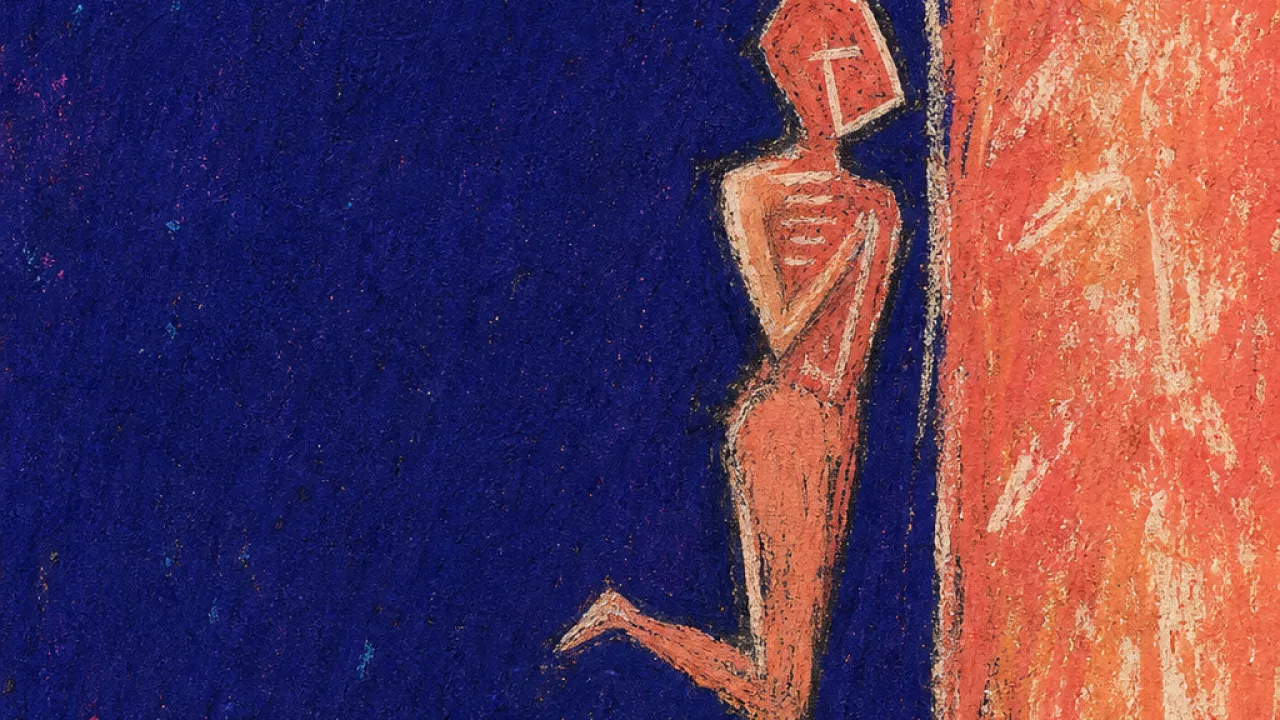
What does this feel like?

Belonging Ambivalence — you feel it in the half-second before you answer a group text, step into a party, join the voice chat, or say yes to plans, that small tightness under your ribs like your body is leaning toward the room while one heel stays hooked behind the door. You want the ease of being known without having to translate yourself, the warmth of inside jokes, the relief of not having to stand outside the circle and guess where you fit, but the moment the door opens, something in you starts scanning the terms: how much of your mood, your time, your language, your weirdness, your quiet will this place ask for? It can make ordinary social moments feel oddly split, like smiling while holding your breath, typing a reply and deleting it, staying at the edge of the kitchen at a gathering, laughing at the right moment but noticing your shoulders are still slightly raised. You may crave being included and still feel a thin inner pullback when people get too close too fast, as if belonging might become a room with no private corner. The inner dialogue loops in soft contradictions: I want to be part of this, but I don't want to disappear into it; I miss having people, but I don't want access to me to become automatic; I want to be chosen, but I still need to choose myself. Belonging Ambivalence is that charged threshold where welcome feels both comforting and risky, much like The Lovers, where two figures stand in the same garden, close enough for connection, yet separated by a visible gap and different sightlines.

Why you're feeling this?

Belonging Ambivalence is not a flaw in you. Wanting a place to land and wanting to keep your own edges can both be honest at the same time. You are allowed to feel the pull toward closeness and the pause that asks for room.

Belonging Ambivalence in Tarot Cards

That small tightness under your ribs before you answer the group text is the body-shape of Belonging Ambivalence. It carries the pull of wanting the room and the pause of keeping one heel near the door. This is a universal emotional experience: the wish to be included can live right beside the need to stay distinct. The Tarot Cards below mirror that charged middle space, where connection is visible but the body has not fully stepped in.

The Lovers Upright
The man looks toward the woman while the woman looks upward, and the garden holds both safety and separation inside the same frame. The bodies belong to the same landscape, yet their sightlines split the field into different sources of orientation. In family dynamics, that split becomes the feeling of wanting connection without being absorbed by it. Belonging Ambivalence is the weather of missing the warmth of home while sensing that full belonging may cost you too much of your own voice.
Reversed
The garden is shared, but the figures are not fused: one gaze moves sideways, the other rises upward, and the space between them stays intact. The angel, trees, serpent, and mountain create a relational field that is inviting and pressurized at once. In a friend group or core friendship, Belonging Ambivalence feels like wanting to stay inside the circle while noticing that your inner direction is no longer fully aligned with it. The card anchors this feeling because it shows connection as a threshold, not a cage and not an exit.
The Chariot Upright
The chariot stands outside the city with the city still fully visible, while the black and white sphinxes sit side by side and pull the eye toward different possible directions. The figure does not abandon the social world behind him, but he also does not merge with it. That threshold position captures the inner split of wanting a circle and resisting the cost of being absorbed by one. You may crave recognition, ease, and shared language while also feeling the need to keep enough distance to hear your own signal. Belonging Ambivalence is anchored in the card's physical geometry: the city, the moat, the vehicle, and the divided sphinxes all create a social borderland. The emotion is not indecision in a shallow sense; it is the felt complexity of wanting connection without losing direction.
The Hermit Upright
The gray-cloaked figure stands apart on the icy summit, holding a lantern outward while keeping his face lowered into the hood. The body is present to the world, but the eyes and mouth stay inside a private circuit of light, creating a social signal that reaches out without fully opening the self. That visual structure mirrors the split inside Belonging Ambivalence. You may want a place in the group, but only if the contact has enough depth, rhythm and space to keep your inner signal intact. Around friends, communities or wider social circles, this card names the moment when shallow inclusion starts to feel more invasive than comforting. The lantern does not reject connection; it asks connection to meet you without swallowing the protected center that makes you feel real.
Justice Upright
The figure sits exactly between two pillars while holding two different instruments, one for weighing and one for cutting through confusion. That split posture mirrors the social feeling of wanting connection while still needing the room to prove it can hold your boundaries. Belonging Ambivalence is not indecision for its own sake; it is the measured pause before you let a circle closer. Justice gives that pause dignity, showing the desire for community and the need for self-protection occupying the same seat.
The Hanged Man Upright
The body is fastened to the living frame but still hangs apart from ordinary ground. The tree is contact, support, and restraint at the same time, while the blank field around the figure keeps separation visible. That mixed structure maps cleanly onto social belonging that feels both wanted and costly. You may crave the warmth of a circle while also sensing how quickly your energy disappears when closeness becomes automatic access. Belonging Ambivalence names the double signal inside that experience. The card holds both impulses in the same image: connection matters, and so does the space that lets you remain distinct within it.
The Moon Upright
The dog and wolf stand under the same moon, close enough to belong to one scene and different enough to carry separate instincts. The path begins at the waterline, crosses open land, and moves toward two towers that look like both an entrance and a test. Belonging Ambivalence is the social weather of wanting a circle without losing the part of you that stays wild, private, or hard to translate. The Moon gives that split a landscape: one part of you moves toward community, while another part keeps checking the exits and thresholds.
Judgement Upright
The figures in Judgement rise together, but they do not step away from their coffins. Their arms answer the trumpet while their feet remain inside the old containers, creating a threshold posture that is both open and unfinished. That threshold is the emotional architecture of Belonging Ambivalence in social life. You can want the group call, the shared language, the feeling of being included, while another part of you stays inside a familiar boundary because past social spaces have cost more energy than they returned. The card holds the tension without forcing a clean resolution. It shows belonging as a call that reaches the body before the body has decided whether it is safe to fully enter the circle.
The World Reversed
The dancer is centered inside a beautiful wreath while four clear faces occupy the corners of the image. The scene offers recognition and containment at the same time, so the central figure is held but also fully visible. In friendship, that becomes the mixed feeling of wanting the circle and resisting what the circle asks from you. You may crave the warmth of belonging while also sensing that being included comes with observation, expectation, and less room to change privately.
Two of Cups Reversed
The cups make a bridge, but the caduceus rising between the figures also gives that bridge an official weight. Beyond them, the distant town implies a social container waiting to form around the encounter. Belonging Ambivalence lives inside that geometry. You can want the circle, the shared language, and the relief of being included, while another part of you tightens at the thought that the group may start naming who you are before you have chosen it for yourself.
Three of Cups Reversed
Different colors, wreaths, faces, and placements keep each woman visually separate, while the circular choreography pulls all movement toward one shared center. The image holds individuality and group belonging in the same tight frame. Belonging Ambivalence surfaces when family closeness feels both nourishing and risky. The card gives shape to the split between wanting to be included and needing enough distance to keep your adult self from dissolving back into the old pattern.
Four of Cups Upright
Crossed arms and legs beneath the tree create a body that is physically near the cups yet kept inside its own boundary. The fourth cup is close enough to matter, but the closed eyes prevent immediate contact, making the scene less about rejection than about distance management. Across social circles, that structure maps to the feeling of wanting a place in the room while not wanting the whole room inside you. You are not simply detached; the card names the mixed weather of craving real belonging while needing enough separation to stay intact.
Seven of Cups Upright
The castle appears as a floating image of home, lifted into the same mist as wealth, status, desire, reputation, and the hidden self. It is recognizable as shelter, but it is not grounded; it hovers as an ideal rather than a place the figure can safely enter. That is the emotional structure of Belonging Ambivalence in a family system. You may want closeness, shared history, and a sense of being claimed, while also knowing that belonging may come bundled with expectation, comparison, or pressure to stay legible to the group. The card does not treat home as simple comfort. It shows home as one charged cup among many, beautiful and unstable, asking whether the longing to belong can coexist with the need to remain internally separate.
Eight of Cups Upright
The stacked cups create a recognizable emotional home, yet the visible gap in the arrangement keeps the structure from feeling complete. The figure's back does not deny the cups; it marks the body pulling away from a container that still has shape. Belonging Ambivalence lives in that split signal. In social circles, you can crave the ease of being included and still feel your attention drawn toward the place where the group cannot meet you, and the image gives both impulses room to be true.
Nine of Cups Upright
The man faces forward, but his arms are crossed over the center of the body. Behind him, the cups are full and visible, yet they remain set back on a raised table rather than passed into shared hands. That arrangement creates a social weather of openness held inside a boundary. You may want to be seen, included, and emotionally met, while another part of you keeps the most valuable material behind a private threshold. Belonging Ambivalence fits the Nine of Cups because the card is full without being communal. The image shows enough feeling to share, but also a precise hesitation around who gets access to it, which mirrors the push-pull of wanting a circle while protecting your inner supply.
Page of Cups Upright
The fish is held in a cup while the sea rises behind the Page, placing the private living thing between containment and return. The platform keeps him separate from the water, but not far enough for the water to stop mattering. Belonging Ambivalence appears when you want the warmth of a group and still hesitate at the cost of being absorbed by it. You may be drawn toward the circle while also protecting the inner part that needs a smaller, more precise container than group belonging can provide.
Knight of Cups Reversed
The horse nears the riverbank while the Knight's eyes stay caught by the cup. The scene contains motion, boundary, and hesitation at once: water ahead, hills beyond, and no visible path after the crossing. Belonging Ambivalence comes from that suspended social threshold. You may want the relief of a group that finally fits, but another part of you keeps checking whether entry will cost too much of your pace, taste, or emotional privacy.
Ace of Pentacles Reversed
The archway connects the outer path to the protected garden, but it also marks the moment before entry. The manor and mountain sit beyond the threshold, suggesting a wider social world that is visible without yet being inhabited. Belonging Ambivalence forms in that threshold space. You may want community, recognition, or shared ground, while another part of you studies the fence and asks what will be required once you step inside. The Ace of Pentacles carries this emotion in social contexts because its promise is concrete. The card does not show abstract togetherness; it shows access, territory, and a path, which makes the question sharper: what kind of belonging can you receive without losing the boundary that lets you remain yourself?
Two of Pentacles Upright
The two pentacles are not fused, but they are not free-floating either. One hand draws focus while the other keeps the second coin moving, and the bright contrast of red and green holds activation and grounding in the same body. That divided attention captures the emotional ambiguity of family belonging. You may want warmth, shared history, and recognition, while another part of you tracks how quickly belonging can become expectation, comparison, or emotional debt. Belonging Ambivalence emerges from the card's refusal to choose one clean position. The inner weather is not simple rejection or simple devotion; it is the uneasy intelligence of wanting connection while protecting the self that connection once overruled.
Seven of Pentacles Upright
The cultivator is not surrounded by a crowd of fields; the whole scene narrows around one vine, one tool, and one body pausing inside a clearly defined working space. The empty background gives the figure room to breathe, but it also isolates the act of tending from any immediate shared celebration. That visual narrowness maps closely onto the push-pull of social belonging. You may want a circle that feels steady and alive, yet your attention keeps returning to the cost of maintaining it, the limited bandwidth you have, and the question of whether one carefully cultivated group is safer than spreading yourself across too many weak ties. Belonging Ambivalence is the mixed inner weather of craving community while needing distance from the noise of constant access. The card holds that ambivalence without forcing a verdict: it shows a social field that can be tended deliberately, at a scale your body can actually sustain.
Eight of Pentacles Upright
The town is visible but far, and the craftsperson's eyes remain on the coin rather than the road. The card keeps community in the background while the body stays anchored to a solitary task. That distance captures the split inside Belonging Ambivalence: wanting the warmth of a circle while needing enough room to keep your inner rhythm intact. You are not outside the social field; you are measuring how close a group can come before connection starts to crowd the self.
Ace of Swords Upright
The crown carries olive fruit and palm leaves, yet the land beneath it remains dry and remote. Nourishment is present in the symbol, but it is suspended above the ground rather than rooted in a living social landscape. That split mirrors the feeling of wanting a circle that offers recognition, warmth, and shared language while still sensing the sharp cost of entry. You can crave belonging and question it at the same time when the available group asks you to trade too much of your own shape for access.
Two of Swords Upright
Seated at the shore with her back to the sea, the woman occupies a threshold rather than entering the water or leaving it behind. The blindfold narrows outward contact, while the shoreline still keeps the body in relation to the wider field. That threshold becomes the emotional weather of wanting a place in the group while needing enough distance to stay coherent. In social life, you may crave the warmth of being included and still feel pulled to protect the quiet boundary that lets you remain yourself.
Four of Swords Upright
The most vivid human connection in the image is not beside the knight; it is lifted into the stained-glass window, separate from the pale body on the tomb. Color, warmth, and relational imagery exist in the room, but they remain at a distance from the figure's closed inward posture. In social life, that separation captures the strange double pull of wanting a circle and needing to be unreachable at the same time. You may crave recognition, shared language, and ease, while another part of you reads the cost of belonging as too much access to your attention, your mood, and your identity.
Six of Swords Upright
The passengers sit together in one boat, yet every face is turned away. The vessel creates a shared container, but the hidden sightlines keep connection muted, indirect, and carefully controlled. Belonging Ambivalence emerges from that exact social shape. You may want a circle, a community, or a network that feels real, while another part of you keeps lowering its gaze because too much group contact has started to blur your boundaries. The distant shore gives the feeling somewhere to go, but it does not rush the answer. The card mirrors the uneasy middle ground between isolation and overexposure, where belonging has to become more precise before it can feel safe.
Page of Swords Upright
The Page stands alone below birds that move together in the distance, close enough to be seen but too far to become company. The ridge offers perspective, yet its rough surface makes every step toward the wider world feel conditional. In social belonging, this creates a double pull: the wish to find your people and the need to keep enough distance to stay intact. Belonging Ambivalence names the moment when connection is desired, but group access still feels like something that must be tested before it can be trusted.
Queen of Swords Upright
The Queen's hand reaches outward, but her body stays side-on and her gaze goes elsewhere. Behind her, the water and trees remain visible only at a distance, suggesting that contact and organic warmth are present in the scene without being allowed into the center. In a wider social network, this becomes the push-pull of craving a circle while bracing against being absorbed by it. You are not simply antisocial or needy; the card reveals a precise inner weather where the desire for belonging and the need for clean edges keep negotiating for the same space.
Two of Wands Upright
The castle wall gives the figure a clear boundary while his gaze travels beyond it. One hand stays on the wand, one hand holds the globe, and the body remains between a secure place and an unentered horizon. In social life, this creates the feeling of wanting community without wanting to be absorbed by it. You may crave a circle that feels real, yet every invitation also makes you check the exit, the cost, and how much of yourself will have to be edited to belong.
Four of Wands Reversed
Soft garlands are tied to hard wands, and the threshold they create is both beautiful and sharply defined. The Four of Wands holds welcome and structure in the same image, which makes it especially precise for family emotions that are not cleanly warm or cold. The scene invites participation, yet it is also choreographed around a shared idea of home, celebration, and belonging. When family history is complicated, that invitation can stir comfort and resistance at the same time. Belonging Ambivalence is the push-pull of wanting to be included while fearing what inclusion will cost. You may miss the circle and mistrust it in the same breath, because your body remembers that closeness once came with terms you did not choose.
Seven of Wands Upright
The figure stands above the lower wands, yet his feet are split across uneven ground and a small stream. The green of his clothing blends with the land, while the cliff edge keeps him visibly apart from the pressure below. That split creates a social map where connection and distance occupy the same body. You may want the warmth of a circle and still notice how quickly the circle can ask you to flatten yourself. Belonging Ambivalence fits this card because the scene never gives simple inclusion. It shows the inner weather of someone who can see the group, feel its pull, and still need a separate patch of ground to remain whole.
Nine of Wands Upright
The visible gap in the wand wall is not empty; the figure stands in it, using his own body and staff to complete the line. He is both inside the social perimeter and responsible for keeping it intact. Belonging Ambivalence appears when a group feels like shelter and demand at the same time. You can crave the relief of being included while also sensing that full inclusion may cost too much of your private space, attention, or energy.
Ten of Wands Upright
The house in the distance suggests arrival, shared space, or a place where the carried bundle might finally be received. Yet the figure moves toward it with his head down and his body visually merged with the load, so belonging appears less like open welcome and more like a demanding route into membership. That is why this card can hold the mixed feeling of wanting a circle and resisting what it seems to cost. You may long for a group that feels like home while also sensing that the current path to inclusion asks you to shrink your pace, mute your limits, and arrive already overextended.

Belonging Ambivalence in Tarot Card Reading Insights

Belonging Ambivalence often enters a reading as that pause before joining in: wanting the circle, while still checking the cost of entry. Other people have brought this same push-pull into readings, letting the cards hold the tension without rushing it. Tarot Reading Insights from sessions shaped by Belonging Ambivalence.

Psychological emtions related to Belonging Ambivalence