Holding What Wasn't Yours?

Explore how inherited family repair becomes an inner burden, with related tarot cards and tarot reading insights for clearer reflection.

Inherited Repair Burden
What does this feel like?

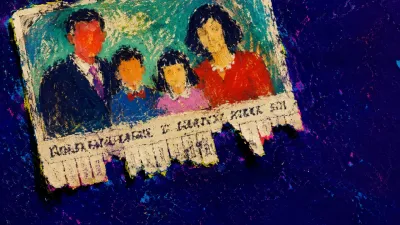
Inherited Repair Burden is what it feels like when you enter a family conversation and your body starts working before anyone has formally asked you to do anything. You notice the shift in someone’s tone, the pause after a certain name is mentioned, the way one person goes quiet and another gets sharper, and something in you steps forward almost automatically: smooth it over, translate it, make it less painful, keep the evening from cracking open. Your chest tightens while your face stays calm. Your mind begins sorting everyone’s feelings into separate piles, deciding who needs reassurance, who needs space, who needs their words softened before they reach someone else. It can look like maturity from the outside, even grace, but inside it often feels like standing in the middle of a room holding a leak in the ceiling with both hands while everyone else keeps talking as if the floor is dry. You may love these people, and you may also feel a private resentment you barely let yourself touch, because the work seems to arrive wrapped in words like understanding, forgiveness, being the bigger person, keeping peace. The hardest part is that no one has to say, "This is your job" for your body to know the assignment. You become the one who remembers what happened years ago, predicts what might happen next, edits your own reactions so others do not have to meet theirs, and quietly carries emotional material that began before you had any say in it. Over time, your own needs start to feel inconvenient, not because they are too much, but because the whole system has grown used to you being the place where unfinished repair lands. The cost is subtle at first: a delayed answer to your own wants, a habit of checking the room before checking yourself, a life lived slightly behind the needs of people you did not choose to manage. And after a while, hope itself stops feeling like something that nourishes you and starts feeling like a shift you are expected to cover, much like The Star kneeling under an open sky, pouring from both vessels at once, her body turned into the visible channel that keeps earth and water replenished.

What's pulling at you?

You are caught between caring enough to notice what everyone is carrying and knowing you were never meant to become the person who keeps the whole emotional system working. The stuck place is simple and heavy: if you stop smoothing things over, tension may surface; if you keep doing it, your own life keeps getting postponed behind repairs you did not create.

How It Shows Up?

  • You wake up on a Saturday to three family notifications already stacked on your lock screen, and before you even unlock the phone, your stomach tightens like you know the job waiting inside. You read between every line, decide who is upset, who needs softening, who will feel left out if you answer too directly, and your thumb hovers there while your shoulders creep toward your ears. You can let the phone stay face-down for a few minutes; not every tension needs your first breath of the day.
  • A parent or relative makes a small comment at dinner, and the whole table goes quiet for half a second, just long enough for your body to move before your mind catches up. You laugh lightly, change the subject, translate the comment into something less sharp, and feel the familiar pinch in your throat as if you are holding back five versions of what you could say. It is allowed to notice the silence without becoming the bridge across it.
  • You're trying to finish work or study, but a message thread keeps pulling your attention sideways: someone is upset, someone wants your read on it, someone needs you to explain what another person meant. Your tabs are open, your cursor blinks, and there is a dull pressure behind your eyes from switching between your own deadline and the family's unfinished weather. You can return to the task in front of you without proving you care by being immediately available.
  • You're out with friends, and someone asks a casual question about your family; you give the short version, polished and harmless, while your smile lands a little late. The room keeps moving around you, but inside you are counting what not to say, holding the family image upright like the delicate hand beneath the Ace of Cups, exposed but steady. You do not have to make a complicated history sound easy just because the setting is casual.
  • At night, you lie in bed replaying a conversation you mediated earlier, checking whether you said too much, not enough, the wrong tone, the safer tone. Your chest feels crowded, your jaw is locked, and there is a hard knot between your shoulder blades, like the Ten of Wands pressed so close you can barely see the road ahead. You can stop rehearsing for tonight; the whole bundle does not have to be sorted before sleep.

Inherited Repair Burden in Tarot Cards

Inherited Repair Burden lives in the place where old family tension keeps being handed to the person most willing to translate, soothe, and hold the shape together. You may feel it as a tight throat at dinner, a hard knot between your shoulder blades at night, or the quiet pressure of answering before anyone asks. From an existential perspective, the structural framework of this struggle is about what happens when care becomes an assigned repair function instead of a mutual exchange. The Tarot Cards below make that outline visible without turning it into a verdict.

The Star Reversed
The star-lit figure kneels as if the sky itself has handed her the work of replenishing both earth and water. Both vessels are active, both surfaces receive, and the body at the center becomes the visible mechanism that keeps renewal moving. In a family system, that image can become the burden of being appointed as the hopeful one, the emotionally clear one, or the person expected to make old patterns finally heal. You are not just caring for relatives; you are being positioned as the repair channel for something larger than your own life. The Star reveals the sacredness and the cost of that role at the same time. It gives shape to the moment hope stops being a resource you can receive and becomes a job your family silently expects you to perform.
Ace of Cups Reversed
The hand beneath the chalice is delicate, but the object it steadies is ornate, central, and overflowing in every direction. The vessel looks blessed and abundant, yet the actual work of keeping it upright is concentrated into one exposed support. That is the family pattern carried by Inherited Repair Burden: one person becomes the quiet stabilizer for emotional material that predates them. You may be asked to be understanding, mature, forgiving, or calming because the family needs the cup to keep looking whole. The Ace of Cups makes the repair burden especially sharp because the imagery is loving on the surface. The struggle hides inside the assumption that because care is sacred, the person holding it should not feel the weight.
Two of Cups Reversed
The caduceus promises healing, but in reversal it can become a sign that repair is being displayed more than completed. The bodies remain organized around that central axis, and the forward-leaning figure carries motion into a structure that may not be capable of receiving it evenly. This is how inherited family repair often works. You step into conversations that began long before you had language for them, then find yourself translating, soothing, explaining, and stabilizing patterns that were handed down as normal. The card does not make you responsible for the whole system. It shows the exact place where responsibility became misassigned: the healing symbol stands in the middle, but the burden of making it real keeps landing in one body.
Five of Cups Upright
The three fallen cups create a field of damage that the figure watches without any visible tool for restoration. The liquid is already outside the containers, and the ground cannot return it to its former shape. Inherited Repair Burden emerges when a family system positions you at a spill you did not create. You can become the witness, translator, mediator, or emotional cleanup person for losses that began before your own choices were even available. The two upright cups behind the figure matter because they show that your own resources are still present, but not currently organized as yours to use. The card gives shape to the burden of being pulled toward repair while your own life, support, and exit routes remain behind your back.
Eight of Cups Reversed
The staff in the figure’s hand supports movement across difficult ground; it is not being used to rearrange the cups. The swamp-like field around the old structure shows emotional material that has become too stagnant to be repaired by another round of effort. Inherited Repair Burden emerges when a family’s unresolved gap keeps being handed to the person most willing to notice it. You may find yourself trying to translate, soothe, organize, or compensate for patterns that started long before you had language for them. The reversed Eight of Cups places the burden at the moment when repair energy must become departure energy. The card does not deny your capacity to care; it shows the point where using that capacity to stabilize the old system would cost the path that belongs to you.
Knight of Cups Reversed
The cup stays upright, but it is carried beside a stream that is wider than the vessel itself. In the reversed structure, the small container is no longer just an offering; it becomes a repair device for a current it cannot realistically manage. That is the family burden of being expected to soothe old tensions, translate between people, absorb unfinished apologies, or make the past feel less damaging. You may be moving carefully because every step seems to risk spilling something that did not begin with you. Inherited Repair Burden names the pressure of being assigned a healing task across generations. The Knight of Cups gives that task a precise shape: a fragile emotional vessel held with devotion, asked to carry more family history than one adult life can repair alone.
Queen of Cups Reversed
Cherubs, shell carvings, and the guarded cup surround the Queen with imagery of devotion and emotional protection. Yet the cup is sealed, and the surrounding water does not refill it; the scene asks one figure to preserve a vessel that cannot visibly replenish itself. In family systems, that becomes the inherited demand to repair what was damaged before you had language for it. You may be expected to soothe a parent, translate between relatives, carry guilt for past choices, or keep the family emotionally intact without ever being given an equal source of support. Inherited Repair Burden is the structure where care travels downward or sideways as an assignment rather than a mutual exchange. The card names the burden without romanticizing it: the vessel is sacred, but your life cannot be reduced to maintaining it.
King of Cups Reversed
The small cup is held beside an ocean it cannot possibly drain, and the distant boat keeps navigating waves beyond the king's reach. The body stays central, but the surrounding water exceeds any one vessel's capacity. Reversed, this becomes the burden of trying to repair what the family system keeps producing. You may feel responsible for calming parents, translating conflict, or making old pain usable, while the card shows the disproportion: a single cup asked to manage a sea.
Seven of Pentacles Upright
The figure has stopped beside a single cultivated vine, body propped on the hoe that made the harvest possible. The tool is no longer only an instrument of work; it is carrying part of the body's weight while the fruit remains mostly attached to the plant. In a family field, that posture mirrors the person who becomes the maintenance point for everyone else's growth. You can see results, yet the system keeps your body close to the tool, as if repair only continues while you keep standing there.
Eight of Pentacles Reversed
The hammer and chisel keep returning to one small surface, and every strike carries the possibility of refinement or damage. The improvised bench holds the work just well enough to continue, even though the body must absorb the strain of making the setup function. In family systems, that is the shape of inherited repair. You become the one who smooths the tone, explains one person to another, keeps the peace, fixes the image, or tries to make old patterns less sharp, while the larger structure remains mostly unchanged. The reversed field of this card does not simply show hard work; it shows repair becoming the system's substitute for transformation. You are not only tired from caring, but from being placed at the tool-point of a family mechanism that keeps handing the same fracture back to you.
Ace of Swords Reversed
The sword is brilliantly charged, but the land beneath it stays barren. Peace, victory, and authority hang from the same point, concentrating too much symbolic weight on one instrument and one hand. In a family system, that becomes the burden of being the person who can see the pattern, name the pattern, and somehow fix the pattern. Your clarity is treated less like a private resource and more like a tool the family can unconsciously assign to repair what it has not learned to hold together. The struggle is not that you care too much. It is that inherited tension keeps converting your insight into unpaid repair work, leaving your own separation, grief, and autonomy waiting below the blade.
Three of Swords Reversed
The heart is not only wounded at one point; the three blades create multiple openings that one organ would have to hold, seal, and survive at the same time. The rain keeps falling around it, so the scene has the feeling of ongoing maintenance rather than a single clean injury. In inherited family conflict, this image names the burden of becoming the place where older wounds are supposed to be processed. You may find yourself mediating, translating, calming, or carrying pain that began before your adult choices, while the actual repair demand keeps landing in the same vulnerable center.
Six of Swords Reversed
The ferryman is the only figure whose labor is visible, braced with one foot forward and one foot back while the long oar pushes against the water. The passengers and swords remain carried inside the boat, so the movement depends on one body absorbing the work of passage for everything onboard. Reversed, that structure hardens into the family role of making the crossing possible for everyone else. You may find yourself translating conflict, cushioning difficult conversations, managing a parent’s reactions, or carrying the emotional residue that no one names. The water can look calm from the outside while the boat is heavy with inherited material. This struggle is not ordinary responsibility. The card points to the burden of being made into the repair mechanism for a family system that still expects movement without redistributing the weight.
Ten of Swords Upright
The right hand keeps a sacred sign even while the body is already pinned to the ground. That small gesture matters because it shows a remaining duty to bless, hold meaning, or keep faith while every larger system of movement has failed. In family life, this becomes the burden of being the one who translates conflict, absorbs the emotional aftermath, remembers everyone's pain, and still tries to make the system humane. You are not only carrying your own hurt; the card shows one body turned into the place where the family's unprocessed blades are stored. The red cloth makes the cost visible without making it theatrical. The struggle has a boundary: repair is no longer care when it requires your body, future, and emotional authority to become the family's holding site.
Nine of Wands Upright
The row of wands behind the figure looks like a prepared defense, but the line is not complete without him. One body and one held wand become the missing structural element, turning a person into the patch that keeps the wall visually intact. That is the family logic behind Inherited Repair Burden. You are not merely participating in family communication; you are being positioned as the stabilizer who absorbs tension, anticipates escalation, translates silence, or keeps old fractures from becoming visible. The card's pressure comes from the fact that the wall appears orderly only because someone is standing in the gap. In a family system, this can make your maturity, calmness, or emotional labor feel less like a choice and more like the hidden support beam everyone has stopped noticing.
Ten of Wands Upright
The Ten of Wands shows a figure carrying every wand at once, with the whole living bundle lifted off the ground and pressed against his body. The destination is visible, but the path toward it requires a posture that sacrifices sight, balance, and free movement. That visual structure mirrors the family role where old conflicts, emotional logistics, and inherited duties are kept from touching the ground by one person's effort. You are not simply dealing with a difficult relative or a tense conversation; the card locates the strain in the way the family system has made repair feel like a load that must arrive intact. The bowed body matters because the burden has not been delegated, named, or set down for sorting. In this struggle, clarity begins when the inherited bundle is seen as a structure you are carrying, not as proof that your own needs are too heavy to matter.

Inherited Repair Burden in Tarot Card Reading Insights

When Inherited Repair Burden follows you into a reading, the question is often less about one argument and more about why the repair work keeps landing in your hands. Others have brought this same pressure into readings when they felt pulled between family care and their own life. Tarot Reading Insights from sessions shaped by this burden.
Psychological struggles related to Inherited Repair Burden