Too Easy To Need?

Explore the felt experience of quiet need-shrinking, related tarot cards, and tarot reading insights from reflective sessions.

Low-maintenance Shame
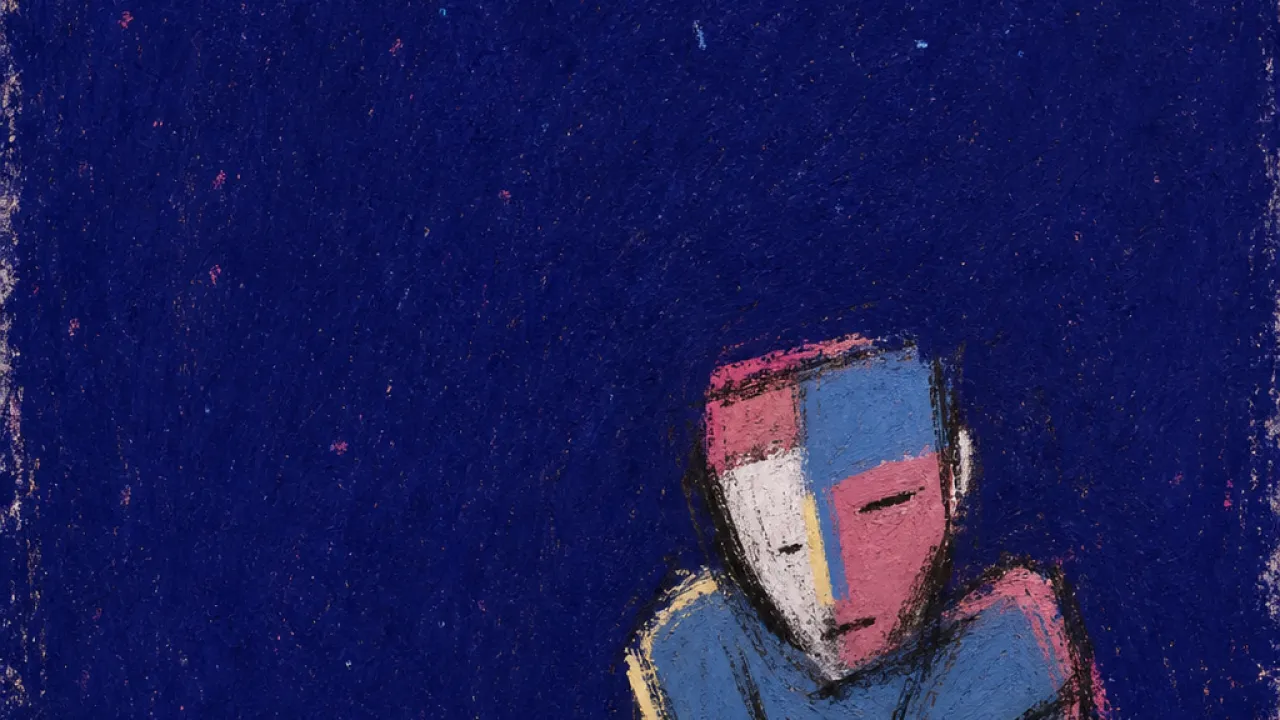
A solitary figure with shoulders drawn inward, muted rose heat compressed against cold steel-blue space near a lit window

What does this feel like?

Low-Maintenance Shame — you feel it in the tiny pause before you ask for something, the way your shoulders lift toward your ears and your mouth starts editing the sentence before it leaves you. You tell yourself it is easier to be chill, easy, flexible, the person who does not need a reply right away, does not need reassurance, does not need help carrying anything, does not need anyone to change plans or make room. The feeling is quiet but constant, like living with an internal volume knob turned down on every want you have, until even normal needs start to sound too loud inside your own head. You apologize before anyone is annoyed. You add “no worries if not” to messages you actually care about. You feel a hot, private sting when you notice you wanted more than you meant to, and then you rush to make yourself smaller, tidier, less complicated. The inner voice is not dramatic; it is almost practical: don’t be a burden, don’t make it weird, don’t ask twice, don’t let them see how much this matters. Low-Maintenance Shame makes you stand just outside your own needs, pretending the cold is fine, much like the figures on the Five of Pentacles moving through the snow beside a lit window, close enough to see warmth but not letting yourself believe you can ask for it.

Why you're feeling this?

Low-Maintenance Shame makes sense when part of you has learned to treat needing less as a form of safety. You are not wrong for feeling the sting around wanting, asking, or taking up space. That shame is a signal that something in you has been trying very hard to stay acceptable.

Low-maintenance Shame in Tarot Cards

That tiny shoulder-tightening moment before you say what you need — Low-Maintenance Shame has a quiet shape, even when you keep it almost invisible. It is a universal emotional experience: the attempt to make yourself easy to love by making your needs smaller than they are. Tarot can hold the outline of that smallness without turning it into a flaw. Here are the Tarot Cards that tend to mirror Low-Maintenance Shame.

The Empress
Reversed
Wheat, flowing water, a forest, and a cushioned throne surround the Empress with unmistakable images of nourishment and embodied care. Reversed, that abundant environment can feel difficult to receive inwardly, mirroring a family role in which comfort exists as an idea but needing it personally produces embarrassment or guilt. The reversal reveals blocked receptivity rather than a lack of worthiness. You may know how to care for relatives, preserve the household atmosphere, or make others comfortable while becoming tense when care is directed back toward you. Low-Maintenance Shame appears in the gap between a family system capable of nurture and the internal permission required to occupy its receptive side.
The Devil
Upright
Two human figures stand loosely chained to the Devil's pedestal, their collars visible beneath a structure that appears powerful because participation has become normalised. The image mirrors the core contract of Low-Maintenance Shame: remain easy, need little, and avoid friction in exchange for a sense of continued acceptability. The upright card brings the binding agreement into full view, where it can be named without turning it into destiny or identity. You can recognise both the short-term safety and the long-term narrowing produced by the rule. The loose chains make the central growth question concrete: not whether needs can be eliminated, but how much of your life has been organised around treating their visibility as a threat to belonging.
Page of Cups
Reversed
A fish rises unexpectedly from the cup held by a richly dressed Page, turning a small emotional offering into something alive, surprising, and difficult to keep polished. Reversed, that intimate encounter feels dislocated: tenderness, affection, and reassurance needs can seem childish or embarrassing the moment they become visible to a partner. The reversal shows emotion struggling to move through a safe channel rather than simply disappearing. You may edit a soft message, turn a sincere request into a joke, or retreat into chill detachment after revealing that you care. Low-Maintenance Shame appears as the rush to make the emotional cup look ordinary again before another person can see what surfaced inside it.
Four of Pentacles
Upright
The figure presses a pentacle over his heart while securing two more beneath his feet and carrying one above his thoughts. Internally, the image resembles a containment strategy in which feeling, grounding, and attention are all recruited to keep need controlled, private, and unlikely to reach another person. The upright card allows you to witness why the grip feels protective before measuring its emotional cost. You may hold reassurance needs so tightly that they become repetitive inner monitoring rather than communicable information. Low-Maintenance Shame is visible in this closed loop: the need is preserved, but it cannot circulate, be answered, or be revised through contact with another person's actual response.
Five of Pentacles
Upright
The snowbound travellers continue beneath five pentacles glowing through stained glass, turning exclusion from warmth into the card's central spatial fact. As a growth pattern, this mirrors a bottom-level belief that becoming acceptable means becoming increasingly self-sufficient, quiet, and inexpensive to care for. The upright card keeps both the hardship and the possible resource visible, allowing the belief to be inspected as a structure rather than accepted as identity. You can distinguish genuine autonomy from the smaller life produced by never testing whether support is available. Low-Maintenance Shame then becomes a measurable gap between the needs required for growth and the needs your internal eligibility rule permits you to acknowledge.
Six of Pentacles
Reversed
A robed figure controls both the scales and the flow of coins toward two people positioned below. Reversed, this arrangement resembles family care that arrives with measurement, hierarchy, comparison, or remembered obligation, teaching you that receiving support can alter who holds leverage in the system. The reversal gives Low-Maintenance Shame an interpersonal history. You may refuse money, comfort, childcare, housing, attention, or practical help because needing family resources feels likely to create commentary or future claims. The card names why remaining easy can feel safer than entering an exchange whose emotional terms have not been made explicit.
Two of Swords
Upright
A blindfolded figure sits before the sea with two swords crossed tightly over her chest, forming a guarded barrier between inner feeling and outward decision. When options require you to state what you prefer, that posture mirrors the freeze that appears because any clear choice might make another person adjust, wait, spend, or feel disappointed. The upright card contains the conflict in a still, visible arrangement. You can recognise that indecision may be protecting you from preference exposure rather than reflecting equal uncertainty about the options themselves. Low-Maintenance Shame sits beneath the crossed response: if wanting one outcome feels burdensome, saying that you do not mind becomes the safest available answer.
Eight of Swords
Upright
Eight upright swords surround a bound, blindfolded figure while open space remains partially visible between them. As a growth pattern, this is the architecture of a limiting belief that says expansion is acceptable only if it creates no new requirements, asks, dependencies, or interpersonal friction. The upright card contains the belief in a visible perimeter, making it possible to examine where restriction is learned, repeated, and reinforced. You may discover that the growth ceiling is not a lack of desire but the shame attached to the support a larger life would require. The swords expose how becoming more visible can feel synonymous with becoming more demanding, even when the two are not objectively the same.
Ten of Wands
Upright
A single figure carries the entire bundle of ten wands toward the town, his strained posture showing that responsibility has become physically concentrated. In a family system, this resembles becoming the reliable one who remembers, organises, absorbs, and copes so other members do not have to respond to your limits. The upright image lets loyalty and cost remain visible together. You can recognise that carrying family weight may express care while also seeing the shame rule that blocks reciprocal care from reaching you. Low-Maintenance Shame is embedded where putting down even one responsibility feels less like redistribution and more like becoming difficult for the people whose stability you have learned to protect.

Low-maintenance Shame in Tarot Card Reading Insights

Low-Maintenance Shame often enters readings as that almost-invisible habit of swallowing the ask before it becomes a sentence. Others have brought this same quiet shrinking into their sessions, looking at what the cards reflected back. Tarot Reading Insights from sessions shaped by Low-Maintenance Shame.

Cold Tea, an Active Dot, and the Two Sentences She Finally Sent

Cold Tea, an Active Dot, and the Two Sentences She Finally Sent

Topic:Timing Tarot Reading

Struggle:Sunk Cost Paralysis

Context:Sunk Cost Exit Dilemma

From a TTC Notes Draft to a Ten-Minute Talk About Hidden Hurt

From a TTC Notes Draft to a Ten-Minute Talk About Hidden Hurt

Topic:Love Tarot Reading

Struggle:Emotional Secrecy Spiral

Context:Unspoken Expectations Gap

She Sent

She Sent "Anywhere Works," Then Named the Quieter Place She Wanted

Topic:Love Tarot Reading

Struggle:Belonging-Authenticity Split

Context:Direct Communication Trial

After the Deleted Roommate Text, One Clear Request Reached the Table

After the Deleted Roommate Text, One Clear Request Reached the Table

Topic:Lifestyle Tarot Reading

Struggle:Unspoken Expectation Load

Context:Direct Communication Trial

When a Just-Us Catch-Up Becomes a Group Hang: One Clean Ask

When a Just-Us Catch-Up Becomes a Group Hang: One Clean Ask

Topic:Friendship Tarot Reading

Struggle:Projection-Connection Split

Context:Friendship Boundary Creep

At 5:41 PM,

At 5:41 PM, "No Worries :)" Beat Honesty; Self-Respect Caught Up

Topic:Love Tarot Reading

Struggle:Boundary Collapse

Context:Relationship Boundary Negotiation

Meme Under a Serious Text: From Acting Chill to One Honest Line

Meme Under a Serious Text: From Acting Chill to One Honest Line

Topic:Love Tarot Reading

Struggle:Vulnerability Containment Strain

Context:Situationship Ambiguity

Menu in Hand, Throat Tight, Then One Honest Sentence Toward Mutuality

Menu in Hand, Throat Tight, Then One Honest Sentence Toward Mutuality

Topic:Choice Tarot Reading

Struggle:Fairness-Agency Split

Context:Direct Communication Trial

Saying 'Nothing' to Dad's Birthday Text, Then Practicing One Real Ask

Saying 'Nothing' to Dad's Birthday Text, Then Practicing One Real Ask

Topic:Family Tarot Reading

Struggle:Desire-Agency Split

Context:Family Script Pressure

Cold Takeout, Therapy Tabs, and the Night Booking Changed Meaning

Cold Takeout, Therapy Tabs, and the Night Booking Changed Meaning

Topic:Choice Tarot Reading

Struggle:Masked Self-Division

Context:Support Access Barrier

From Fork-Down Panic to Your Own Pace: Rewriting the Old Table Rule

From Fork-Down Panic to Your Own Pace: Rewriting the Old Table Rule

Topic:Introspection Tarot Reading

Struggle:Internal Authority Collapse

Context:Work Life Boundary Creep

When

When "Low-Key" Was Fear in Neutral Colors: Sending the Birthday Text

Topic:Choice Tarot Reading

Struggle:Clarity-Exposure Split

Context:Conditional Belonging Pressure

Psychological Emtions Related to Low-maintenance Shame