Did Everyone Get the Manual?

Explore the body-level experience of hidden wrongness, the tarot cards that mirror it, and related reading insights from sessions.

Rulebook Shame
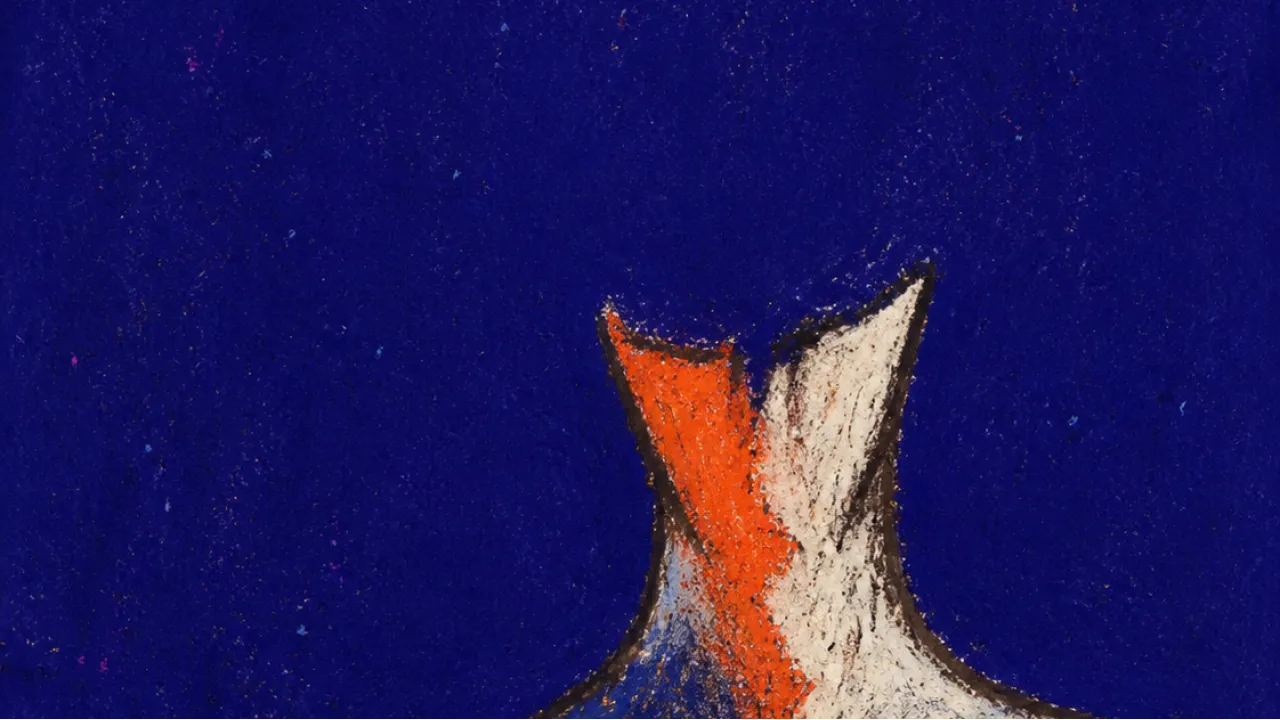
What does this feel like?

Rulebook Shame — it starts as a hot, private pinch under your skin, like your body has been caught doing something wrong before your mind can even name what the rule was. Your throat tightens, your shoulders pull inward, and your stomach drops over small things: an email you phrased too casually, a need you admitted too openly, a timeline you are not following, a desire that does not match the version of life you were told would make sense. It is not always loud; sometimes it is the quiet heat that rises when you pause before posting, texting, asking, resting, choosing, spending, leaving, wanting. You start scanning yourself for evidence: Was that too much? Was that selfish? Was that unprofessional? Did everyone else get a manual I missed? The day can look normal from the outside, but inside there is a cold, formal room where every impulse has to stand trial before it is allowed to exist. Rulebook Shame makes your own wants feel like violations, not because they are harmful, but because some old code still lives in your body with the weight of an official verdict. You may shrink your voice, polish your reasons, over-explain your choices, or try to become acceptable before anyone has even questioned you. The hardest part is how convincing it feels: the shame arrives dressed as truth, even when it is only a rule you learned to carry, much like the kneeling figures on The Hierophant, seen from behind beneath patterned robes and raised symbols, their private faces hidden while the signs of correct conduct tower above them.

Why you're feeling this?

Rulebook Shame makes sense when a part of you is trying to stay acceptable inside a code it learned before it could question it. You are not wrong for feeling that heat. Your body may be reacting to the pressure of being measured, even when no one is speaking the rule out loud.

Rulebook Shame in Tarot Cards

That hot tightening in your throat, the shoulder-pull inward, the stomach-drop before you even know what rule you crossed — Rulebook Shame has a very specific shape. It belongs to a universal emotional experience: the body registering a code of correctness before the mind can decide whether that code is yours. The cards below don't make the rulebook final; they reflect the pressure of being measured by symbols, standards, and scripts. These are the Tarot Cards that tend to mirror Rulebook Shame.

The Hierophant Reversed
The kneeling acolytes, stacked crosses, high crown, and formal blessing make the scene look less like free inquiry and more like a standard being administered. The body lowers itself while the rule remains elevated. Rulebook Shame grows when self-improvement turns into a silent moral test. The card reflects the feeling that being inconsistent, slow, or unpolished makes you wrong, even though the deeper work is learning which rules actually belong to you.
The Lovers Reversed
The serpent coils around the leafy tree while the flame-fruited tree stands behind the man, splitting the garden into appetite, knowledge, and inherited rules. The bright overhead presence makes the scene feel watched before anyone has actually moved. In a family system, that split can turn personal choice into a private trial, as if wanting differently already counts as doing something wrong. Rulebook Shame names the heat that rises when old household laws keep living inside your body long after you have outgrown their authority.
Strength Reversed
The woman's controlled posture, floral restraint, and distant mountain create a visual field where raw force is being shaped against an ideal of grace. Nothing is messy on the surface, even though the lion's body still carries heat, claws, and pressure. In academic life, this becomes the shame of feeling like your mind does not learn in the approved shape. You may compare your focus, reading speed, writing rhythm, or study habits against an invisible rulebook and feel wrong before you have even measured what actually works. Rulebook Shame fits the reversed texture of Strength because the card's graceful control can become a standard that punishes natural intensity. The emotional pain is not simply struggling with school; it is feeling defective because your way of learning does not look smooth enough.
Wheel of Fortune Reversed
The four winged creatures hold open books while the wheel carries letters, symbols, and a sword-bearing guardian at its crown. The whole image feels governed by a script that existed before any single voice speaks. In family territory, Rulebook Shame appears when inherited expectations keep reading themselves through you: how to succeed, whom to please, when to stay quiet, what counts as being a good child. The shame is not random; it gathers where your self-chosen life presses against an older manual. The card does not ask you to obey the manual. It helps you see which page is speaking, so the feeling can be examined instead of mistaken for the truth about your worth.
Justice Reversed
The crown, robe, pillars, sword, and scale form a formal system around a face that gives very little away. When that system becomes too rigid, the person at the center starts to look less like a human body and more like a public standard. Rulebook Shame appears when personal growth turns into an inner courtroom with invisible rules. You start measuring your worth through routines, streaks, and correct choices, and the card exposes how a useful structure can become a cold mirror when compassion drops out of the frame.
The Devil Upright
The raised hand mimics a formal blessing while the inverted pentagram sits above the horned face like a rigid emblem. The human figures have been given horns and tails, as if the environment has stamped their wanting with a label before they can interpret it themselves. Inside a direction question, that visual structure becomes the shame of measuring your path against a rulebook you no longer fully believe. You may feel wrong for wanting a route that looks less respectable, even when that wanting is the clearest signal your inner compass has produced.
Reversed
The raised hand echoes a teaching gesture, but it is staged under an inverted pentagram and anchored to a dark block with chains. The image turns instruction into a hard visual law, where the body learns the rule before it can feel its own choice. In study, that structure shows up when academic discipline stops feeling like support and starts feeling like a moral test. Rulebook Shame names the heat of believing that using the wrong method, needing an extension, or losing focus says something contaminated about you rather than something specific about the system you are trying to work inside.
Judgement Reversed
The flag beneath the trumpet hangs like a stark standard over the entire scene. Every figure turns toward the same signal, and the mirrored family groups make the response feel public, comparable, and organized around one visible code. Rulebook Shame belongs to family systems where the rules are rarely spoken plainly but are felt immediately. You may feel wrong for needing space, changing plans, dating differently, spending differently, resting differently, or simply not reacting in the approved way. Judgement connects to this emotion because its visual order can become a pressure field when internalized as family law. The card reveals how shame forms when an inherited standard is mistaken for your own inner truth, giving you a chance to inspect the rule before accepting its verdict.
Three of Pentacles Reversed
The blueprint in the bishop's hands and the rigid geometry above the doorway create a world where the line seems drawn before the hand moves. The worker's living motion is placed beneath a structure that already appears to know what correct should look like. Rulebook Shame forms when introspection becomes governed by invisible standards. You are not simply noticing a flaw; you are feeling the sting of an inner rule system that treats every unfinished reaction as evidence that you are built incorrectly.
Eight of Pentacles Reversed
The pentacles hang in a straight line above the worker like visible proof of performance, while the active coin receives the full force of his gaze. The tools are precise, the posture is serious, and the whole scene carries the weight of standards being applied to a small surface. Rulebook Shame forms when family expectations become an invisible scoring system. You may not be told the rules directly, but the body learns the feeling of being measured: say it correctly, care enough, do not disappoint, do not need too much, do not become too separate. The Eight of Pentacles connects to this emotion through the pressure of perfectible work. In the family context, the card reflects the shame of living under standards that keep moving, where every attempt to be acceptable becomes another coin placed under inspection.
Ten of Pentacles Reversed
The crest, balance symbol, carved pillars, and guarded architecture turn the Ten of Pentacles into more than a picture of wealth. They create a visible code of legitimacy, as if the scene has rules about who belongs, what counts, and how success is recognized. Rulebook Shame forms when personal growth gets measured against an invisible standard instead of an honest inner process. You may feel that every unfinished habit, unclear direction, or unpolished part of yourself is evidence that you have failed some adult template. The reversed card gives that shame a structure. It shows how inherited standards can become internal architecture, not because they are true, but because they have been repeated long enough to feel like the only acceptable shape of becoming.
Page of Pentacles Reversed
The Page's gaze on the pentacle can feel like a search for the correct reading of a single object. The coin is intact, centered, and held up with care, creating the image of a private standard that must be handled properly. Rulebook Shame forms when introspection starts to feel governed by invisible rules. You may sense that there is a correct way to heal, regulate, understand your shadow, or be self-aware, and every deviation becomes quietly charged with self-judgment. The card reveals how a symbol of learning can become a symbol of inner grading. The pentacle is not attacking the Page, but the way it dominates his attention mirrors the feeling of being measured by a rulebook no one else can see.
Seven of Swords Reversed
The tents behind the figure give the scene a visible social order, while the figure moves along its edge with stolen tools in hand. The two swords left behind make the boundary ambiguous: part defense, part evidence, part unfinished business. In academic life, that image maps onto the shame that appears when your learning process does not match the official script. You may need unconventional pacing, selective reading, extensions, tactical help, or messy drafting, but the inner rulebook turns those adaptations into evidence against you. Rulebook Shame is not about whether a choice is objectively right or wrong. The card reveals the emotional sting of feeling watched by an invisible standard, especially when survival inside the academic system requires methods you cannot fully explain without judging yourself.
Eight of Swords Reversed
The bindings on the woman are neat, visible, and almost procedural, as if restriction has been organized into a rule. Around her, the swords mark a code of permitted space while the blindfold keeps her from checking that code against her own sight. Rulebook Shame arises when family expectations become an internal standard for what a good child, good sibling, or good relative is allowed to want. The shame does not always say that you did something wrong; often it says that wanting differently makes you wrong. The Eight of Swords fits this emotion because the card shows constraint that has become mentally legible before it is physically absolute. You are not looking at a sealed prison; you are looking at the painful force of an inherited rulebook that can make autonomy feel like exposure.
King of Swords Reversed
The crown, throne, and sword build a strict vertical architecture around the King. His face is solemn, his body is locked forward, and the symbols of judgment are arranged with almost no softness between them. Rulebook Shame grows from that architecture when personal growth becomes a private code you are always failing. The habit tracker, the morning routine, the reading list, or the ideal version of yourself begins to feel less like support and more like a standard that can silently condemn you. The card does not turn discipline into moral law. It shows the emotional cost of treating every imperfect day as evidence that you are defective, when the deeper issue is the rulebook you have mistaken for truth.

Rulebook Shame in Tarot Card Reading Insights

Rulebook Shame often enters a reading as the feeling that everyone else got the manual and you are still trying to decode the room. Others have brought that same private heat, tightness, and second-guessing into readings. Tarot Reading Insights from sessions where this feeling was part of the question.
Psychological emtions related to Rulebook Shame