Why Does Rest Feel Earned?
Explore the tense feeling of rest guilt through related tarot cards and tarot reading insights from reflective sessions.

Rest Guilt

What does this feel like?
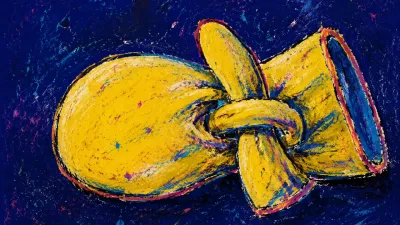
Rest Guilt — you finally sit down, close the laptop, lie on the bed, or take a slow hour for yourself, and instead of relief, your body stays braced, like some invisible clipboard is still hovering over you. Your chest may feel tight, your shoulders slightly lifted, your hands restless even when there is nothing in them, and the quiet around you does not feel soft; it feels like a room waiting for you to explain why you are not doing more. You might scroll, nap, watch a show, or stare at the ceiling, but the pause has a thin layer of tension over it, as if rest only counts if it is productive, deserved, or timed perfectly between tasks. There is a part of you that knows you are tired, and another part that keeps checking the unfinished list, measuring your stillness against messages unanswered, dishes in the sink, goals not touched, work not finished, life not optimized. Even comfort can feel suspicious, like the couch is holding you but not fully letting you land, like your body has stopped but your sense of worth is still standing in the doorway with its arms crossed. Rest Guilt is not laziness hiding under a nicer name; it is the strange ache of needing recovery while feeling watched by everything you have not done, much like the figure on the Four of Swords, lying still with clasped hands on a stone slab beneath the swords, paused but not fully released.
Why you're feeling this?
Rest guilt makes sense when your body is asking for recovery while another part of you still believes stopping has to be justified. You are not wrong for feeling uneasy in stillness. The guilt is a signal that rest has become tangled with worth, permission, and the need to prove you are still keeping up.
Rest Guilt in Tarot Cards
The rigid feeling in your body when you finally stop is part of what rest guilt can feel like. The tight chest, braced hands, and monitored stillness give this emotion a shape you can almost see. This is a universal emotional experience: the body reaches for recovery while the mind keeps counting what remains undone. Here are the Tarot Cards that often mirror rest guilt.
Rest Guilt in Tarot Card Reading Insights
Rest guilt does not only show up as pressure to keep moving; it can also enter readings as a quiet discomfort with pause itself. Others have brought this same braced stillness into tarot readings when rest felt scheduled but not fully allowed. Tarot Reading Insights for rest guilt appear below.

Saving PTO Until It Is Nearly Gone: Making Rest Ordinary
Topic:Timing Tarot Reading
Struggle:Boundary Ambiguity Lock
Context:Always On Availability
When Complete Closure Delayed Living: Choosing One Bounded Task
Topic:Lifestyle Tarot Reading
Struggle:Mental Bandwidth Depletion
Context:Breakup Closure Limbo

When Rest Felt Disloyal: Separating Privacy From Permanent Access
Topic:Friendship Tarot Reading
Struggle:Boundary Ambiguity Lock
Context:Always On Availability

Closing the Friday PTO Tab, Then Letting One PTO Hold Stay Put
Topic:Lifestyle Tarot Reading
Struggle:Resource Control Bind
Context:Work Life Boundary Creep

Mutual Burnout Disguised as Loyalty—From Rescue to Shared Care
Topic:Friendship Tarot Reading
Struggle:Boundary Collapse
Context:Always On Availability

Why Days Off Become Recovery: From Shutdown Toward Cautious Aliveness
Topic:Lifestyle Tarot Reading
Struggle:Energy Distribution Strain
Context:Work Life Integration Trial

Three Calendar Checks, One PTO Request: Choosing Before Depletion
Topic:Lifestyle Tarot Reading
Struggle:Internal Authority Collapse
Context:Always On Availability

Silencing the Leaving Reminder—Then Choosing Rest Before Depletion
Topic:Timing Tarot Reading
Struggle:Social Exit Paralysis
Context:Social Clock Pressure

Bridesmaid Burnout: From Cold Dinner to Capacity Before Commitment
Topic:Timing Tarot Reading
Struggle:Responsibility-Authority Split
Context:Always On Availability

Leaving the Mug Until Morning: How an 8:30 Boundary Protected Rest
Topic:Lifestyle Tarot Reading
Struggle:Unseen Cost Bind
Context:Invisible Domestic Labor