Still thinking, still stuck?

Define the loop of over-checking, then see the tarot cards and reading insights that mirror its stalled decision field.

Analysis Paralysis
What is this really?

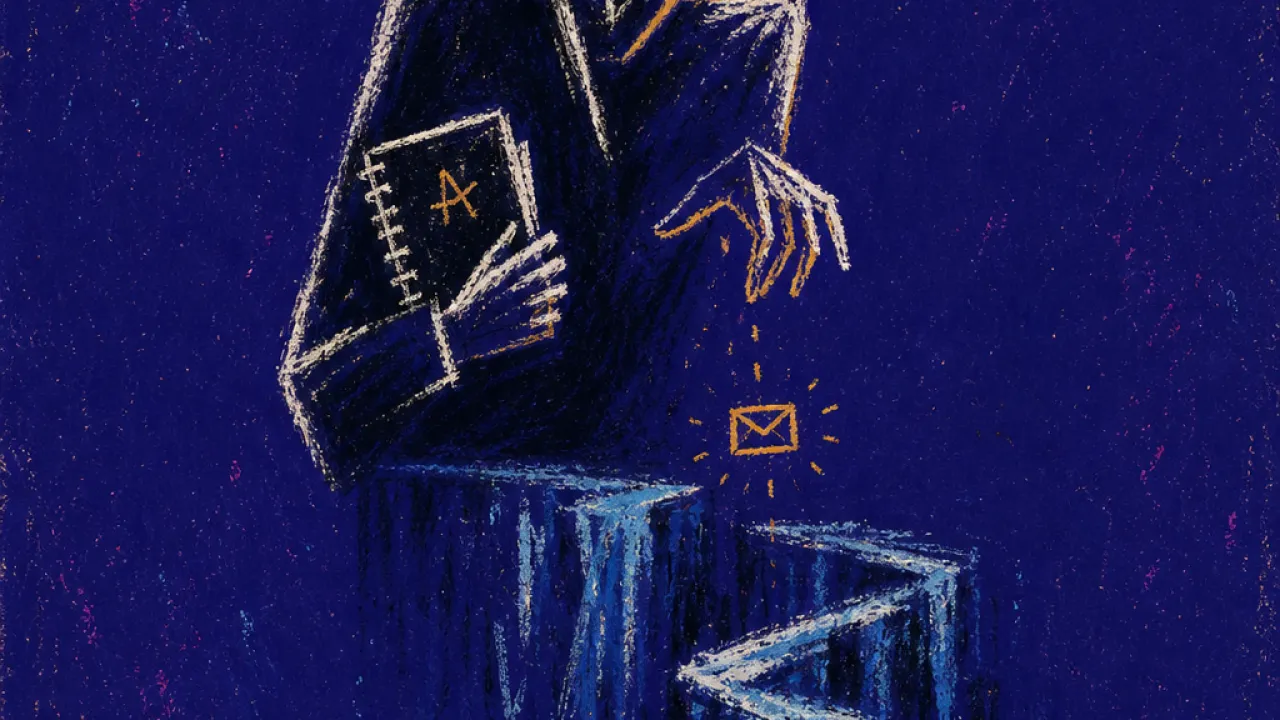
You keep opening tabs, rereading notes, rebuilding plans, comparing options, asking for one more data point, and calling it being responsible while the email, draft, application, or decision stays untouched. Underneath, this defensive loop is trying to reduce cognitive dissonance: if the next move becomes perfectly defensible, regret, judgment, and the loss of other futures might not hit all at once. Yet the more you hold every side in perfect balance, the less any choice can become lived; your chest stays locked around competing futures like the blindfolded figure in the Two of Swords, blades crossed over her heart while the tide moves behind her.

Why did it happen?

At some earlier point, slowing down and checking one more angle may have kept you from being rushed, embarrassed, or trapped in a choice you could not easily undo. Your body learned that staying in review felt safer than being seen making an imperfect move. Now the same inner pattern can keep firing after enough is known, turning research, rehearsal, and comparison into a subconscious loop that leaves you mentally drained while life keeps asking for a first step.

How does it feel?

  • At work, your index finger rests on the trackpad while you reread the same email twice, change one word, change it back, and leave the cursor blinking beside the unsent line. In that pause, your shoulders may climb toward your ears and your breathing can turn shallow, as if your body is waiting for a verdict. The pause can be noticed without forcing it to become a final answer.
  • When you are studying or making something, you open the outline, drag a heading into a new place, check the brief again, then open another source before writing the first rough sentence. After a few minutes, your eyes may feel dry and your temples tight, while the page starts to look louder than it did at the start. It is okay for the first contact with the work to feel unfinished.
  • In a social moment, you type a reply, hold your thumb above send, reread the other person's message for tone, then lock the screen and place the phone face down. Right after, your stomach may pull inward and your chest can feel held, like the conversation is still happening inside your body. Uncertainty can be present without needing to be solved immediately.
  • When choosing something small, you compare two tabs, open reviews, sort by rating, check the return policy, then realize your jaw has been set while both options are still in the cart. Your body may feel oddly wired and tired at the same time, with a thin pressure behind the eyes. That tiredness can simply be information you are allowed to register.
  • Alone at night, you rewrite tomorrow's plan in a notebook, draw arrows between tasks, add one more condition, then sit back with the pen still touching the paper. Your throat may feel narrow and your hands may stay tense even though nothing is moving. The plan can remain imperfect and still be held gently for now.

Analysis Paralysis in Tarot Cards

The moment you reread the same email and your shoulders climb toward your ears is where Analysis Paralysis becomes visible in the body. Jungian archetypal theory gives this suspended choice a symbolic frame without turning it into a flaw. The cards below reflect the unconscious dynamics under the reviewing, comparing, and waiting for enough certainty to act. Start with these Tarot Cards.

The Magician Reversed
The raised wand, lowered hand, and carefully staged tools create a ritual that looks ready to begin, yet the whole scene depends on sustaining the pose. When that concentration turns brittle, preparation stops being a bridge to action and becomes an enclosed loop that keeps rehearsing the start. In academic work, you can feel productive while reorganizing notes, comparing sources, or refining the study system because the ritual preserves the feeling of control. The trap is that the mind treats one more setup pass as progress, so the essay, problem set, or revision session never gets enough raw contact to move.
The High Priestess Upright
The High Priestess sits exactly between the black and white pillars, with no lean toward either side and no visible movement through the sanctuary behind her. The scroll is already in her lap, yet it remains only partly exposed, and the veil still stands between perception and full revelation. That visual logic fits Analysis Paralysis in a decision reading because You are not empty-handed; You already have meaningful information, but the mind keeps treating incomplete certainty as a reason to remain seated at the threshold. You compare, interpret, and refine because choosing would force one living option to become the road not taken. The card points to a system that protects itself through prolonged discernment until discernment quietly becomes delay.
Reversed
The High Priestess sits completely still between the black and white pillars, with the veil behind her and the scroll only partly exposed. The image contains knowledge, but it withholds release. Even the composition refuses momentum, as if movement must wait until truth is fully decoded. That visual logic fits Analysis Paralysis because your growth system keeps turning insight into a gatekeeping ritual. When clarity feels valuable only in its complete and final form, thinking keeps circling the threshold instead of crossing it. You are not blocked by lack of intelligence here; you are blocked by a protective need to make action feel fully sanctioned before it can begin.
The Emperor Reversed
The same stone throne that signals order can also become a locking device when the body stays rigid, armored, and over-upright without actually moving. The central axis is so controlled that the river behind the throne barely enters the frame, and the whole field feels heavy, frontal, and unable to redistribute weight. In decision work, that turns command into gridlock. You may revisit the same two or three scenarios because every real option requires surrendering some control, accepting some uncertainty, or tolerating a future you cannot fully rule. The freeze is not lack of intelligence; it is a defense system refusing irreversible motion until authority feels perfectly preserved.
The Hierophant Reversed
The repeated gestures, fixed symbols, and compressed symmetry create a scene with almost no lateral movement. Everything points back into the ritual itself, so the body stays occupied, the mind stays narrowed, and the next step never quite leaves the stage. In personal growth, that becomes Analysis Paralysis. You may keep researching, sequencing, and comparing systems because motion inside preparation feels safer than one unscripted move in reality. The pattern disguises fear as refinement, so prolonged initiation starts to feel like progress even while action remains postponed.
The Lovers Upright
The man looks toward the woman with visible hesitation, the woman looks upward, and the angel presides above them, creating three competing lines of attention inside one frozen moment. The hands are open, but nothing is being touched or completed. You can feel a system caught between options, trying to hold every variable in view long enough to avoid the wrong move. In daily structure, that becomes endless comparison between planners, routines, meal systems, workouts, and optimization strategies. Energy gets spent designing the architecture of life instead of inhabiting it. The Lovers fits Analysis Paralysis because its central drama is not movement but suspended choosing: the field is balanced enough to think, yet so charged with consequence that thought starts replacing action.
Reversed
Both figures stand in full exposure under a bright sky, but the card is all suspension: open hands, no contact, and a gaze pattern that keeps circulating instead of landing. The mountain rises between them like a decision that has already gathered pressure, yet the bodies below do not move. That is the physical shape of a system that stays activated without committing. In personal growth, this often shows up when the next move carries real identity consequences. The mind keeps comparing paths, meanings, and possible futures because choosing would end the fantasy that every version of you can remain available. The card connects your freeze not to laziness, but to an overloaded decision field where action has become psychologically expensive.
The Chariot Reversed
Two sphinxes sit in front of the chariot facing different directions, and no visible reins explain how they will be coordinated. The figure remains rigid and upright, but the image of movement depends on a tense internal organization rather than a simple mechanical pull. You can feel how much of the system is being held together by concentration alone. In study life, that becomes the loop of trying to align every source, method, standard, and possible outcome before you permit yourself to begin. You are not lacking ambition; you are stuck in a control system where competing demands cancel motion out. The more evaluative the academic task feels, the more your mind keeps arranging the route instead of taking the first imperfect step.
Strength Upright
This image is a held pose. The woman does not strike, flee, or release; she maintains one exact point of contact with a powerful animal and keeps the tension suspended in bright stillness. The scene is stable enough to continue, but not resolved enough to conclude. That visual logic maps cleanly onto a mind that keeps a decision alive by regulating it rather than ending it. At a life crossroads, Analysis Paralysis is not a lack of intelligence or information. It is a prolonged holding pattern where processing starts to feel safer than committing to one direction. The card makes that mechanism visible because the field is calm, the force is real, and yet nothing moves. The problem is not chaos. The problem is that containment becomes its own trap.
Reversed
The whole composition funnels attention toward a single problem: the lion's mouth, the woman's hands, and the narrow point where instinct must be precisely managed. Even the upward line to the infinity symbol can start to feel less like freedom and more like an endless demand to refine, understand, and regulate before moving. You see this pattern when self-development becomes a loop of one more insight, one more framework, one more adjustment before action is allowed. The mind keeps tightening around calibration because movement feels riskier than analysis. The image reveals paralysis as a control ritual: thinking stays active so exposure can stay postponed.
The Hermit Upright
The figure does not stride forward; he freezes on the ridge with lamp, staff, and body locked into a tight vertical ritual. His eyes close inward, and the whole card compresses movement into observation, as if seeing more has become more important than stepping. That physical stillness is the engine of Analysis Paralysis in personal growth. You keep refining language, frameworks, and self-understanding until reflection starts impersonating progress. The pattern protects you from crude or premature action, but it also traps your evolution inside interpretation rather than repetition.
Reversed
On the frozen summit, the Hermit's stillness can harden from disciplined pause into bodily arrest. The lowered head, fixed grip, and minimal room on the ledge create a scene where attention keeps narrowing, but movement never follows. That is the reversed logic behind Analysis Paralysis. You keep revisiting the same inner data, hoping one more round of examination will deliver certainty, relief, or permission. In shadow work, reflection stops being a passage and becomes a loop, so insight accumulates without changing the state you are in.
Wheel of Fortune Reversed
The same reading gesture repeats in every corner while the wheel itself is packed with layered letters, mirrored permutations, and symbolic correspondences. Instead of offering one clear line forward, the image can feel like a closed circuit where every answer leads to another sign that also needs decoding. That is how Analysis Paralysis operates in personal growth when the system overloads. Learning turns into motion without traction: another framework, another tracker, another rewrite of the routine. You are not short on desire; the card shows a mind trying to think its way past uncertainty until thinking itself becomes the stall.
Justice Reversed
The sword is lifted but not brought down, and the scales remain suspended in perfect balance as if the decision is always almost ready. The scene carries no chaos, yet the symmetry is so controlled that it starts to look motionless. That is how Analysis Paralysis works: evaluation becomes the action, and the action itself keeps getting postponed. In personal growth, you can end up trapped in a loop of auditing your readiness, rewriting your system, or rechecking whether the move is wise enough to survive scrutiny. The card shows a mind trying to reduce risk by weighing every variable, but the weighing starts canceling out momentum. You do not lack intention here; you are caught in a courtroom where every beginning has to defend itself first.
The Hanged Man Upright
The inverted body creates a strange vertical line of attention, with the bound ankle above and the glowing head below. The crossed leg forms a careful geometric shape, and the empty white background removes distraction until the whole image feels like a mind held inside one sustained thought. Analysis Paralysis emerges when perspective-taking becomes a substitute for movement. The card's stillness is meaningful, but its visual perfection also shows how reflection can become a closed cognitive loop: every angle is considered, every signal is reinterpreted, and the next step keeps receding. In career questions, this often appears around promotion timing, industry pivots, manager politics, or skill-gap audits. You may not be lacking insight; the pattern may be using insight itself to postpone exposure, negotiation, or a decision that cannot be made risk-free.
Reversed
The halo gathers the eye around the Hanged Man's head while the body remains tied, inverted, and motionless. The card is full of awareness, but that awareness has no visible pathway into movement; the figure is illuminated and immobilized at the same time. That is the anatomy of Analysis Paralysis in personal growth. The mind keeps producing new angles, deeper meanings, and cleaner frameworks, while the body never enters the experiment that would make those insights real. Reflection becomes a closed loop when it no longer hands anything over to behavior. This pattern does not mean You lack intelligence or desire. It shows a system that has learned to stay safe by converting action into interpretation, keeping transformation suspended in the head because embodied change would require risk, feedback, and imperfection.
Death Upright
The horizon in Death refuses to clarify whether the sun is rising or setting. A river moves through the background, a boat travels away from the scene, the towers frame a distant threshold, and the horse advances through the foreground with absolute momentum. This creates a field where the mind can keep generating interpretations instead of entering the passage. Analysis becomes a substitute for contact with the decision itself, because every path seems to contain both loss and renewal. In choice work, this is the pattern of trying to think your way into emotional certainty before acting. The card shows why that strategy stalls: transformation does not become safe just because every branch has been simulated.
Reversed
The horse continues forward while the human figures below respond with collapse, prayer, stillness, or refusal. The distant river and sun remain visible, but the foreground impact is so dominant that the next passage becomes hard to inhabit. Analysis Paralysis forms when the mind turns a threshold into an endless internal hearing. Each possible move feels like it will erase something important, so thinking becomes a substitute for crossing. In personal growth, this pattern shows up when you keep researching the next system, identity, or strategy because choosing one would mean letting the others die. The card links the paralysis to fear of irreversible transformation: the mind is not short on information; it is overloaded by the cost of becoming specific.
Temperance Upright
The angel stands with one foot on solid ground and one foot in water, holding two cups in a suspended act of transfer. The body is not collapsed, but it is held at a threshold, managing two domains before taking the road behind it. That threshold is the visual logic of Analysis Paralysis. The mind keeps trying to balance evidence, intuition, structure, feedback, and possible outcomes before it will let the body enter the next step. In academic work, this can feel like researching, outlining, comparing, and refining are all necessary before the first imperfect page can exist. The card shows a system that is highly aware, but so committed to integration that action gets delayed at the crossing point.
Reversed
The angel’s eyes are lowered toward the cups, and the liquid moves from one vessel to the other in a closed circuit. Behind the figure, the path to the distant light is visible, but the central action keeps attention fixed on refinement rather than departure. That is the exact architecture of Analysis Paralysis in a personal growth context. You may keep transferring the same energy between research, reflection, journaling, planning, and self-diagnosis, feeling productive because the inner material is moving while the outer path remains untouched. Temperance connects this pattern to the trap of endless recalibration. The issue is not that thinking is useless; it is that the ritual of thinking has started absorbing the energy that was meant to become action.
The Devil Reversed
When the Devil's loose chains are read as an inverted psychological state, the scene becomes less about obvious captivity and more about frozen possibility. The figures could test the loops around their necks, but their bodies remain arranged in the same ritual position, spending energy on staying inside the field rather than moving through it. Analysis Paralysis works the same way in a high-stakes choice. The mind keeps producing more scenarios, more comparisons, more risk maps, and more requests for certainty, but the extra material does not create movement. It turns the decision chamber darker and tighter until thinking itself becomes the chain. In choice tarot, this pattern reveals that the blockage is not always missing information. Sometimes the real obstruction is the demand to choose without eliminating all emotional cost. Clarity returns when the audit shifts from collecting more data to naming the consequence you are trying not to feel.
The Tower Reversed
The falling figures are caught between tower and ground, upside down, with no stance from which action could begin. Around them, smoke, flame, falling debris, and the lightning strike fill the field so completely that the eye has almost nowhere calm to rest. Analysis paralysis takes shape in that suspended zone. The mind has seen enough to know something must change, but the volume of possible meanings becomes its own trap. Instead of choosing one repair, one habit, or one next experiment, the system keeps interpreting the collapse from every angle. In a personal growth reading, this is the moment where insight overload becomes a defense against embodiment. The Tower reversed does not ask for more information first; it exposes the cost of staying mid-air, endlessly decoding the fall while avoiding the first grounded move.
The Star Reversed
The eight stars, the reflective pool, and the two separate water streams give the eye several systems to track at once. Nothing in the image is chaotic, but there are enough readable signals that the mind can keep mapping correspondences instead of landing on one usable orientation. Analysis Paralysis appears when the search for clarity multiplies the variables faster than it resolves them. In choice tarot, You may gather readings, screenshots, opinions, timelines, and risk models until the decision becomes more abstract than alive. The Star's clear sky becomes the reversed field of the pattern: too many points of guidance can keep the mind suspended above the actual choice.
The Moon Upright
The animals direct their energy upward at the moon while the path remains unused beneath them. The road is visible, the towers are visible, and the threshold is visible, yet the scene is dominated by reaction rather than movement. The body knows there is a route, but attention keeps circling the signal source. That is why The Moon can anchor Analysis Paralysis in a career reading. The mind keeps interpreting the professional landscape: whether the manager is supportive, whether the market is safe, whether the promotion track is real, whether the next role is the right one. The analysis feels necessary because the light is unstable, but it also becomes a ritual that prevents contact with the actual step. In career terrain, this pattern often hides inside strategic intelligence. You may genuinely be good at reading complexity, but the card shows the point where interpretation becomes a substitute for entry. The path does not need to be perfectly decoded before it can begin to test your next move.
Reversed
The path under the Moon can be seen, but not verified. It bends away from the pool toward two towers that narrow the horizon, so the eye keeps searching for the right route while the light keeps refusing full clarity. Analysis Paralysis forms when thinking becomes a defense against exposure. In academic work, comparing essay topics, research methods, readings, or possible thesis claims can feel safer than choosing one, because choosing would make the work visible enough to be wrong. You may experience this as intelligence turning against itself. The card reveals the hidden structure: the mind is trying to use more analysis to escape the discomfort of uncertainty, but the Moon's path only becomes clearer after movement begins.
Judgement Reversed
Judgement shows bodies awakened enough to rise, but not yet free enough to leave the coffins. Around them, the ground reads almost like water, so the place of transition feels both solid and unstable, as if every route forward changes shape once it is examined. That is the embodied logic of Analysis Paralysis in a choice spread. Awareness has arrived, but it multiplies implications faster than the body can convert them into movement. The mind keeps mapping consequences, hidden costs, and future selves until the analysis becomes another coffin: open, intelligent, and still containing you. The card's audit is not against thinking. It asks whether thought is helping the decision become more honest, or whether it has become a controlled environment where no option has to be lived yet.
The World Reversed
The wreath encloses the dancer in a complete field, and the card's symbols pull the eye toward integration rather than sequence. The image offers a whole world at once, with little visual space for the awkward middle stage where knowledge is partial and unfinished. Analysis Paralysis appears when the academic mind tries to hold the whole system before taking the first step. You may feel unable to start an essay, choose a research angle, or solve a problem set until every implication has been mapped. The planning mind becomes overloaded by the demand for total coherence. The reversed World makes this pattern especially legible because wholeness stops being a destination and becomes an entry requirement. The student does not move toward completion; they wait to feel complete before they allow movement.
Two of Cups Reversed
The two cups are held in mirrored positions, and the central staff turns the whole scene into a perfectly balanced axis. The exchange is visible, but it has not completed; the figures remain inside a poised, suspended moment where each side can still be compared against the other. Analysis Paralysis emerges when that symmetry hardens into a decision trap. You keep both options level because choosing one would break the balance and expose a cost. The card's visual harmony becomes psychologically expensive when every new detail restores the stalemate instead of clarifying the choice.
Four of Cups Upright
The figure sits in front of the cups without reaching, testing, rejecting, or accepting any of them. His eyes are closed, his body is locked, and the offered cup hovers in the same visual field as the cups already on the ground, turning the whole scene into a decision that keeps being observed but never entered. The stillness becomes a mental ritual. Instead of gathering new data from the cups, attention folds inward and recycles the same material: past satisfaction, possible disappointment, imagined alternatives, and the fear of choosing too soon. The card’s quietness carries the weight of a mind that has mistaken review for movement. Analysis Paralysis appears when the decision process becomes more compelling than the decision. You may keep comparing risks and hidden costs because that feels responsible, but the structure shows a loop where thought is no longer clarifying the choice; it is shielding you from the exposure of making one.
Reversed
The cups create options inside the frame, but the seated figure does not convert any option into contact. His attention is neither fully with the three cups nor with the fourth; the body holds possibility in suspension until choice itself becomes the main burden. Analysis Paralysis in academic work often hides inside responsible thinking. Comparing essay topics, thesis directions, sources, structures, and revision plans can feel like intellectual care, but the loop keeps every path unchosen and therefore untested. The Four of Cups shows a mind preserving potential by refusing the vulnerability of selection. You are not simply thinking too much. The pattern is using analysis as a protective container: as long as the topic is not chosen, the draft cannot disappoint, the supervisor cannot respond, and the work cannot reveal its limits. The price is that the academic field becomes crowded with options but starved of movement.
Five of Cups Reversed
The reversed reading of the same image makes the figure's stillness feel less like mourning and more like a stalled mechanism. The scene contains enough information to move: two cups remain, the bridge is visible, and the castle marks a stable destination, yet the foreground keeps absorbing the whole decision field. Analysis Paralysis appears when the mind keeps processing the same evidence because the emotional system has not accepted the risk of action. In a choice reading, more comparison can become a loop that disguises fear as due diligence. The card's structure shows why the loop feels convincing. There really was a spill, so the mind can justify another review, another spread, another scenario map; but the bridge remains unused because the block is not information scarcity, it is the emotional cost of committing after loss.
Seven of Cups Upright
The figure in the Seven of Cups stands before seven suspended visions without touching any of them. The body is present, but the decision-making system has moved upward into the mist, where every cup becomes another possible meaning, identity, desire, or warning. That visual field mirrors Analysis Paralysis because attention keeps producing more symbolic material than the psyche can integrate. The cups do not merely offer options; they multiply interpretations, making clarity feel like something that will arrive only after one more scan of the inner landscape. For introspective work, this pattern can make self-knowledge feel permanently almost-ready. You may keep reading the signs, comparing meanings, and waiting for the perfect internal certainty, while the actual emotional truth stays untouched because choosing one thread would mean letting the others lose their spell.
Reversed
The figure's raised hand stalls between surprise and selection while seven cups compete for the same field of vision. The cloud removes the floor from the scene, so there is no visible place where a choice could become a next step. Analysis Paralysis begins when comparison becomes a defense against exposure. In personal growth, you may keep refining the strategy, checking the method, and scanning for a better route because action would force one imperfect version of you into the open. The reversed pressure of this card is not simple indecision; it is a mind trying to prevent the vulnerability of evidence.
Eight of Cups Reversed
The gap in the cup structure pulls attention toward what is missing, while the moon and water blur the evidence around the path ahead. The composition gives the mind enough symbols to investigate endlessly: the known cups, the unseen cup, the river, the climb, and the dark sky. Analysis Paralysis emerges when the decision field becomes a loop of incomplete data. You keep trying to make the missing cup visible before moving, but the card shows a choice that cannot be solved by total certainty; the deeper issue is how much unknown your system can tolerate before it turns thinking into delay.
Nine of Cups Reversed
The crossed arms can harden into a locked posture when the same satisfied pose is read under pressure. The open yellow field gives the scene visibility and space, but the body remains closed, as if any movement might disturb the image of having chosen well. That tension turns clarity into over-monitoring. The row of cups keeps attention fixed on what has already been secured, while the psyche keeps scanning for a choice that will preserve every visible reward without exposing any tradeoff. In a choice reading, this pattern names the paralysis that forms when analysis is secretly protecting the display. You may be gathering more certainty, not because the facts are missing, but because choosing would force the polished picture to meet consequence.
Knight of Cups Reversed
The river creates a clean threshold, but the card gives no detailed map of what comes after crossing. The Knight holds the chalice, controls the horse, and faces a terrain where meaning exists but certainty does not. Analysis Paralysis takes hold when academic choice becomes loaded with too much consequence. You may freeze around thesis topics, sources, essay structures, graduate pathways, or revision decisions because each option feels like it could expose the wrong identity, wrong competence level, or wrong future. The card connects this pattern to a threshold of commitment. The mind keeps scanning for the route that will preserve the cup perfectly, but study usually requires choosing a path before the full landscape can be known.
King of Cups Reversed
The Cup draws the King's gaze into a narrow channel while the scepter, boat, dolphin, and waves all imply possible directions of movement. The scene contains many signals, but the body remains seated at the center of interpretation. In the reversed state, that concentration turns into Analysis Paralysis. The mind keeps searching for the feeling, framework, or certainty that will make the next move risk-free, while the available paths continue to drift. For personal growth, You may wait until the inner signal feels perfectly clear before choosing one practice, application, conversation, or risk. The card shows the trap: emotional intelligence becomes a holding pattern when every path must be interpreted one more time before it can begin.
Ace of Pentacles Reversed
The hand holds a thin golden disc that could tilt, slip, or fall if the contact becomes careless. In the reversed psychological field, that careful stabilization turns into micro-control. The bright pentacle absorbs attention until the gate, path, and mountain lose their practical importance. Analysis Paralysis emerges when the mind keeps trying to make the academic object perfectly stable before allowing movement. You may reread the prompt, rebuild the outline, compare sources, or refine the plan because action would make the work visible and therefore judgeable. The analysis is not useless; it has simply become a defense against exposure. The Ace of Pentacles is a precise match because it shows a material opportunity that must be handled, not worshipped. When the holding gesture becomes the whole task, potential stays suspended in the hand. In study life, the audit is clear: preparation has crossed into paralysis when it protects the idea of progress from the risk of actual output.
Two of Pentacles Upright
The figure's gaze narrows toward one pentacle while the other remains inside the moving loop, and the sea behind him keeps shifting with no stable horizon of certainty. The image concentrates attention into a tiny operational field while the larger situation continues to move. That is the cognitive structure of Analysis Paralysis in a choice spread. The mind keeps zooming into variables, consequences, timing, and imagined outcomes because more analysis feels safer than the exposure of choosing. You may experience the process as being thorough, rational, or careful. The card reveals where carefulness becomes a tunnel: the decision is no longer being clarified by thought, it is being postponed by thought.
Reversed
The figure's gaze locks onto one pentacle while the other remains tied into the same endless cord. You can feel how the body is technically moving, yet the attention has narrowed into a single pressured point where every possible adjustment seems to affect everything else. Analysis Paralysis is the mental version of that trapped loop. In your growth work, the mind keeps comparing paths, tools, plans, and versions of the future until choosing one feels like breaking the whole structure, so the system protects itself by staying suspended.
Three of Pentacles Reversed
The hammer is raised, the blueprint is open, and the stone waits for contact. In the reversed texture of the card, the loop between plan and tool can become so tight that the strike itself keeps being postponed. That is the body of Analysis Paralysis. In personal growth, the mind keeps refining the system, comparing frameworks, and seeking the cleaner blueprint while the action that would generate real feedback remains suspended. You feel productive because the architecture is mentally active, but the stone has not changed. Three of Pentacles makes the trap precise because planning is genuinely useful here; the problem is not thought itself. The problem appears when the plan stops serving the hand and becomes a protective barrier against the discomfort of testing yourself in matter.
Four of Pentacles Reversed
The figure must remain still to keep the crown pentacle from falling, while his hands and feet maintain separate points of control. The blank foreground and pale sky leave little visual movement around him, so the whole scene feels suspended inside a single fragile calculation. This is not open reflection; it is cognition trapped in muscular stillness. The more the figure tries to preserve every variable, the less room there is for movement. In personal growth, that can become endless reviewing, optimizing, and comparing of possible next steps while the actual threshold remains uncrossed. Analysis Paralysis is the mind trying to solve movement before allowing movement. You may call it research or strategy, but the card shows the deeper defense: if no step is taken, no part of the current self has to risk falling out of place.
Five of Pentacles Reversed
The card holds two worlds in the same frame: the bright window and the freezing path. Yet the figures do not cross, knock, stop, or visibly choose; the scene stays suspended inside movement without resolution. Analysis Paralysis does not always look like sitting still. In decision space, it can look like continuing a default motion while the mind keeps comparing risk maps, costs, and hypothetical outcomes without letting any insight become a crossing point. This card connects the pattern to the cost of suspended agency. You may be collecting more reasons, more angles, and more warnings, while the default path quietly keeps making the decision for you.
Six of Pentacles Reversed
The scales hang in the merchant's left hand while coins hover in mid-transfer and the pentacles above are visibly uneven. The eye keeps bouncing between measurement, distribution, and imbalance, as if the scene cannot finish until every variable has been made fair. As Analysis Paralysis, that visual loop shows how a decision can become trapped inside its own audit. You keep seeking one more comparison, one more hidden cost, one more reading of the odds, but the measuring ritual begins to replace movement.
Seven of Pentacles Reversed
The worker's body is paused over the hoe, with his gaze fixed on the crop and the pentacles clustered in front of him. In reversal, the same stillness that could support wise assessment starts to look like a closed circuit: body braced, attention narrowed, action deferred. This is how Analysis Paralysis becomes visible in the card. The mind keeps inspecting the harvest, checking the timing, replaying the investment, and searching for certainty before it allows the next movement. The tool meant for work becomes a prop for waiting, and the evidence meant to guide choice becomes another object to re-check. In personal growth, this pattern often feels like deep reflection from the inside. The card exposes the hidden cost: the review process has stopped feeding action and started protecting you from the vulnerability of choosing while the outcome is still incomplete.
Eight of Pentacles Reversed
The worker is physically committed to one small point on one coin, with the rest of the sequence still surrounding him. In the reversed field, that focus stops being discipline and becomes a closed attention tunnel. Psychologically, thought keeps gathering more material because action would expose the work to reality. In study, research tabs, reading lists, outline revisions, and method planning can feel productive while the draft or practice attempt never begins. The pattern links to Analysis Paralysis because the card's tools are poised for making, yet the mind can keep using preparation to postpone contact with the unfinished object. You stay near the work without crossing into the vulnerable act of producing it.
Nine of Pentacles Reversed
The hooded falcon cannot scan the horizon, and the snail at the woman's feet moves through the estate at an almost imperceptible pace. Around them, the eye can keep counting fruit, pentacles, vines, patterns, and property without reaching an exit. Analysis Paralysis takes shape when You keep gathering visible evidence because the choice still feels unsafe to close. The pattern turns review into a holding ritual: more information creates the sensation of control, while the actual decision remains suspended.
Page of Pentacles Reversed
The Page's gaze and both hands close around the pentacle so completely that the open landscape becomes secondary. His right foot hovers back while the coin stays lifted in front of his face, creating a body that prepares more intensely than it moves. In this reversed pattern, scrutiny becomes a holding cell. You keep trying to make the next growth step perfectly legible before taking it, but the system spends its force on inspection until action feels farther away than when the process began.
Knight of Pentacles Reversed
The horse stands completely still even though the field is open, and the Knight's attention is caught between the pentacle in his hand and the horizon ahead. The image holds a visible contradiction: everything is prepared for movement, but no movement enters the scene. Psychologically, that contradiction becomes a closed assessment loop. You keep converting uncertainty into research, planning, and self-monitoring because the mind wants a guarantee before it lets the body begin. In personal growth, Analysis Paralysis shows up when another framework feels safer than a small experiment. The card exposes the cost of treating clarity as a prerequisite for motion: the field stays open, but the self remains mounted in place.
Queen of Pentacles Reversed
The Queen's eyes stay fixed on the pentacle while her body remains completely seated, supported, and still. The hands create a closed loop around the object, so the image can hold endless review without requiring movement. When that loop tightens, it mirrors Analysis Paralysis: the decision becomes a private inspection ritual where more detail feels like progress but never turns into commitment. You are being shown how the search for one more angle, spread, or comparison can become the very structure that keeps the choice suspended.
King of Pentacles Reversed
The figure is still, the pentacle is fixed on the knee, and the downward gaze loops back into the same material object. Both hands are occupied, so the body has the posture of evaluation without the mechanics of motion. When appraisal becomes a closed circuit, thinking stops producing clarity and starts preserving delay. In a choice spread, this pattern shows the moment research, comparison, and scenario-building become a way to stay seated inside the decision instead of crossing the threshold it reveals.
Ace of Swords Upright
The sword is already raised, already gripped, already aligned with a single path through the sky. Yet the image captures the instant before the cut, when mental force is fully gathered but not yet translated into movement. That suspended sharpness is where Analysis Paralysis hides. The mind keeps refining the line of thought, polishing the argument, and narrowing attention until thinking starts to feel like progress even when no decision has actually crossed the threshold. In a choice reading, the card exposes the difference between clarity and endless preparation for clarity. You may not need more information; the pattern may be using analysis as a controlled holding posture to avoid the emotional consequence of choosing.
Reversed
The sword is lifted but not placed anywhere; it stays suspended in the air, brilliant and slightly tilted, as if action has been captured at the moment before contact. The crown is visible, the direction is clear, and yet the barren ground below remains untouched. Analysis Paralysis forms when clarity becomes another object to inspect rather than a force that enters behavior. The mind keeps sharpening the blade, refining the angle, and checking the point, but the body never crosses the distance between insight and movement. You may already know enough to begin. The pattern reveals the hidden bargain: as long as the next step remains theoretical, the self can feel prepared without risking the discomfort of real change.
Two of Swords Upright
The blindfolded woman sits between sea and sky with two swords crossed over her chest, creating a precise V that holds both options in suspended tension. Her body is not moving toward either shore; it is preserving balance by making the decision field perfectly still. That physical stillness maps onto Analysis Paralysis in personal growth: thinking becomes a way to keep risk contained until every variable feels measurable. You may believe you are preparing for a better move, but the crossed swords show how cognition can become a closed circuit that protects you from the discomfort of choosing. The calm sea behind her matters because the emotion is not absent; it has been pushed out of view. The pattern keeps your growth strategy looking composed while the real cost is delayed embodiment, where insight accumulates but no threshold is crossed.
Reversed
The two swords create a perfect but exhausting balance, and the blindfold prevents the figure from testing either option against reality. The body keeps calculating without moving, turning the pause into a closed mental corridor. Analysis Paralysis appears when family choices become too loaded to treat as ordinary choices. You may reread a text, script every possible reaction, and compare every outcome until the decision loses its practical size and becomes a referendum on who you are allowed to be. Reversed, the Two of Swords shows the moment when thinking stops clarifying and starts preserving the stalemate.
Three of Swords Upright
The three swords form a clean, almost diagram-like geometry around a wounded heart, turning an emotional impact into something that looks analyzable. Their even spacing creates the feeling of a rational model, but every line still ends at the same exposed center. That is the mechanics of Analysis Paralysis in a decision field: more angles, more scenarios, and more comparisons keep returning to the same unprocessed vulnerability. You are not gathering neutral data at that point; the loop is using analysis to postpone the emotional cost of choosing.
Reversed
The three swords approach from different angles, but none of them opens a path through the image. Every line of force ends at the same heart center, so motion becomes penetration rather than movement. That is the structure of Analysis Paralysis when it turns inward. In a direction reading, You may keep examining the same future choice from every possible angle, but each angle lands back in the same emotional wound: fear of wasting time, choosing wrong, disappointing others, or proving an old failure true. The card's grey field offers no side road because the attention system has narrowed too far. The pattern is not a shortage of analysis; it is analysis trapped inside pain, where each new thought feels productive while quietly preventing orientation from becoming action.
Four of Swords Reversed
The three swords hang directly above the knight’s head and chest while the body remains perfectly still beneath them. The mind is visually crowded by sharp possibilities, but the body does not move toward any one of them. That is the mechanism of Analysis Paralysis: thought becomes a chamber of suspended threat where every possible move must be mentally neutralized before action feels allowed. The armor suggests protection, but in the reversed texture it also seals the system into overprocessing. In personal growth, this pattern appears when You keep studying the next upgrade, measuring readiness, and rehearsing consequences until the experiment never begins. The card exposes the hidden cost of mistaking mental containment for real transformation.
Five of Swords Reversed
The five swords do not create a clean line of action; they scatter the eye into competing directions. The water, wind, cloud movement, and retreating figures keep the scene active even though the conflict has technically ended, so the mind has nowhere stable to rest. In a decision reading, that visual overload becomes Analysis Paralysis. You may keep collecting reasons, risks, interpretations, and counterarguments because each new sword seems like it might finally make the choice safe, but the added evidence only multiplies the directions of threat. The reversed texture of Five of Swords makes this pattern feel especially costly: the battle is over, yet the nervous system keeps fighting it internally. The decision stalls because the mind mistakes more analysis for more agency, while the real task is to identify which cost You are willing to consciously own.
Six of Swords Reversed
The swords stand in disciplined rows, but their order does not make the boat lighter. They create a narrow channel of thought inside the vessel while also adding weight to the crossing, so the ferryman must keep rowing through a mental structure that is both protective and burdensome. Analysis Paralysis forms when the mind keeps adding structure before it allows movement. In personal growth, this can look like one more framework, one more journal spread, one more theory of your limiting beliefs before taking the action that would actually test the new self. The card's reversed logic is not the absence of thought; it is thought becoming so orderly that it turns into drag. You may feel as if you are preparing responsibly, but the boat shows a different audit: the cognitive system has become heavier than the next step it is supposed to support.
Seven of Swords Reversed
The five swords gathered against the figure's body create a crowded, awkward bundle, while the two remaining swords stand behind as unfinished variables. The image does not show a clean victory; it shows a mind trying to carry too much meaning at once while still tracking what has been left unresolved. In a decision context, this visual pressure maps onto the loop of over-modeling every possible outcome. You keep adding conditions, exceptions, risks, and hidden costs until the choice becomes a mental object too sharp to hold comfortably. Analysis Paralysis appears when thinking stops being clarification and becomes a defensive ritual. Seven of Swords makes that ritual visible through the overloaded grip: the intellect is trying to prevent regret by carrying every sword, but the scene itself proves that no decision can include every variable.
Eight of Swords Upright
The eight swords do not simply surround the woman; they organize her attention. Their straight vertical lines create a mental corridor, while the blindfold prevents fresh information from entering the system. The scene feels overdefined by thought and underfed by direct contact with reality. Analysis Paralysis grows from that imbalance. The mind keeps building sharper maps of the restriction, but every new layer of analysis can become another sword in the ground. You may keep researching, journaling, comparing frameworks, and refining your plan because thinking feels safer than letting an imperfect action produce real feedback. In personal growth, the pattern hides inside sophistication. The more intelligent the explanation becomes, the harder it can be to notice that no lived experiment has happened. The card anchors the mechanism clearly: a crowded cognitive field, blocked perception, and a body waiting for the mind to finish a problem it can only solve by moving.
Nine of Swords Upright
The woman remains upright in bed, but her hands block the very field she would need to orient herself. Beneath her, the quilt is filled with repeated, incomplete symbols, a surface of many signals without a coherent order. Analysis Paralysis emerges from that exact split: the mind keeps gathering signs, inputs, interpretations, and comparisons while the body remains unable to move. In a choice reading, the problem is not a lack of information. It is the absence of a decision threshold that tells you when enough has been seen. You may keep searching because more data feels safer than commitment. The card shows how that safety ritual becomes its own trap, turning the decision into a symbolic maze where every new clue delays the moment of choosing.
Reversed
The reversed pressure of the image is not quiet reflection; it is a body trapped in alertness with no behavioral exit. The swords create parallel tracks above the figure, while the bed holds her still, turning mental effort into a closed circuit. Analysis Paralysis enters a career field when thinking becomes a substitute for power. The person keeps reviewing whether to apply, speak up, negotiate, pivot, or leave, but each new review produces another condition instead of a decision. The card exposes the hidden cost of this pattern: the mind calls it preparation, but the body experiences it as depletion. Strategy requires contact with reality; this loop keeps the decision inside the dark room, where imagined outcomes multiply faster than usable evidence.
Ten of Swords Reversed
The ten swords are arranged with almost mechanical precision, each one repeating the same downward verdict along the spine. The body lies face down and cannot use the calm river nearby, while the horizon remains visible but practically unreachable. That structure mirrors Analysis Paralysis when choice becomes a sequence of mental punctures rather than a path toward action. You are not simply gathering more information; the pattern is turning each new argument, spread, warning, or scenario into another reason the body cannot move. The mind keeps trying to solve the decision, but the repetition itself becomes the restraint.
Page of Swords Upright
The Page's sword points one way while his face turns the other, splitting the card into competing vectors of attention. The uneven ground and close clouds make the scene feel like every next step has to be inspected before weight can safely shift. That split creates the psychology of a mind trying to think its way into risk-free movement. You may keep comparing scenarios because the analysis has become a defense against the moment when one path has to stop being theoretical and become chosen.
Reversed
The Page's torso twists between the raised sword, the backward gaze, and the unstable ground under his boots. In reversal, those vectors no longer create alert readiness; they cancel each other until the body is busy without moving forward. That physical contradiction maps onto Analysis Paralysis because every possible direction demands one more check. In personal growth, you may understand the next move, then reopen the decision because the mind wants a cleaner certainty than real change can provide. The card's tension shows why the freeze can feel productive. The system is full of mental motion, but the motion loops inside the lookout position instead of becoming a lived experiment.
Queen of Swords Upright
The sword is held perfectly upright, and the Queen's extended hand makes the scene feel paused at the moment before a verdict. Nothing in the card is casual; even the body seems arranged around evaluation, precision, and the right to decide. That stillness can become a mental bottleneck in academic work. You may keep searching for the cleanest thesis, the safest citation, or the most defensible structure because action feels premature until every possible objection has been neutralized. Analysis Paralysis belongs to this card because the visual intelligence is real, but it is also immobilizing. The sword can cut through confusion, yet in this pattern it keeps hovering above the page, turning preparation into a substitute for contact with the work itself.
Reversed
The raised sword creates a narrow vertical axis that dominates the whole image. The Queen's extended hand adds a second layer of control, as if every incoming possibility must be paused, inspected, and judged before it is allowed to move closer. In its reversed pressure, that clarity stops being liberating and becomes a bottleneck. The mind keeps sorting for the perfect interpretation, the safest strategy, or the most mature next step, while the body remains seated above the terrain where change would actually happen. In personal growth, Analysis Paralysis often looks like responsibility from the outside. The card reveals the hidden loop: you keep trying to think your way into certainty because action would expose the part of the self that cannot be fully managed in advance.
King of Swords Upright
The sword is raised as if the King is ready to cut through confusion, yet the body stays seated on the throne. The entire image concentrates force into one vertical line of judgment, while the open sky and distant trees remain background material rather than a place he steps into. That tension captures the moment when clarity becomes a ritual instead of a threshold. You may keep refining the principle, the plan, or the self-diagnosis because the mind believes the next analysis will finally remove the risk from action. In personal growth, this is the loop where insight feels productive while the real experiment keeps getting postponed. The sword promises decisiveness, but the throne shows how easily the search for the cleanest answer can become another way to stay still.
Reversed
The raised sword is ready to cut, but the image captures it suspended in the air rather than moving through anything. The King's gaze travels along the blade, while the cloudy sky offers motion that never reaches his seated body. In the reversed current, the thinking system keeps sharpening the decision point until choosing an argument, source, or method feels more dangerous than continuing to analyze. For you, research can become a holding pattern where every option is examined for flaws and the draft remains untouched.
Ace of Wands Reversed
The hand grips the wand with force, yet the wand never touches the ground. The river bends, the terrain varies, and the castle remains distant, while the strongest action in the image is still a suspended hold. Analysis Paralysis grows from that suspended activation. You may keep returning to the same sign, option, or comparison because holding the decision feels close to making it, but the system never sets the threshold where enough information becomes enough to move.
Two of Wands Reversed
The figure stands on the battlement with the world in one hand and a wand held in the other, but his body does not cross the threshold he is studying. The globe, the fixed wand, and the distant horizon all concentrate attention into a controlled field of possibility, while the actual landscape remains untouched below him. That visual suspension maps cleanly onto Analysis Paralysis: the mind keeps expanding the map because the body has not yet agreed to enter the terrain. In personal growth, this pattern often feels like seriousness, strategy, or self-awareness, but its hidden function is to keep uncertainty in the realm of thought where it can be rearranged without consequence. You are not simply thinking too much; the thinking has become a defensive container. The card shows the moment when planning stops serving movement and starts protecting the current identity from the destabilizing evidence that only action can provide.
Three of Wands Reversed
The figure faces the open sea, but his feet remain fixed on the high ground and his hand stays locked to the wand. The horizon offers movement, yet the body converts that movement into watching, scanning, and evaluating. Analysis Paralysis appears when the future-facing gaze becomes a cognitive tunnel. Instead of turning vision into a next step, the mind keeps widening the map until the body cannot choose where to begin. In personal growth, this pattern often feels like being serious, strategic, and self-aware while still not moving. The card exposes the defense hidden inside endless review: preparation can become a way to avoid the vulnerability of execution.
Five of Wands Reversed
The wands in the Five of Wands do not only clash; they block sightlines. Each possible path through the image is interrupted by another raised staff, another body, another angle of force competing for attention. In its reversed psychological texture, the conflict stops being energizing and becomes cognitively jammed. The mind keeps scanning every stakeholder, risk, and possible reaction until decision-making turns into a closed circuit of threat mapping. For career questions, Analysis Paralysis often appears when the politics are real but the response becomes over-processing. You may keep studying the power dynamics, waiting for a perfectly safe move, while the promotion window, negotiation moment, or strategic opening quietly passes.
Seven of Wands Reversed
Six wands rise from below at once, each demanding a response from the single figure on the ledge. His feet are split across uneven ground, so the body is already divided before the next move can happen. Analysis Paralysis forms when every option, objection, and hidden cost stays active in the mind at the same time. You may feel as if choosing one path means failing to answer the other six, so the system keeps generating more comparison instead of allowing selection. The reversed pressure of this card shows a decision process that has become a defensive loop: it protects you from regret by postponing the moment when one wand has to matter most.
Eight of Wands Reversed
The eight wands repeat the same directional logic so strongly that the eye keeps following one line after another, as if more movement will produce more certainty. The open sky becomes a tunnel rather than a spacious field, and the ground below remains separate from the mental velocity above it. Analysis Paralysis appears when thinking accelerates faster than integration. In a choice reading, You may keep comparing outcomes, risks, timings, and hidden costs until the audit stops clarifying the decision and starts protecting You from the emotional finality of choosing.
Nine of Wands Reversed
The figure is standing, but the stance is so braced that movement looks costly. The wand line channels attention into a narrow perimeter, while the sideward gaze keeps searching for the next problem rather than reading the whole field. That is the reversed pressure of Analysis Paralysis: the mind keeps working, but the working does not convert into a choice. Each new variable becomes another wand in the fence, adding defense without creating direction. In decision tarot, this card exposes the moment when objective analysis has been recruited by fear. You may appear careful and rational on the surface, but the deeper system is trying to avoid the vulnerability of choosing under incomplete certainty.
Ten of Wands Reversed
The wands form a dense screen in front of the man's face, while his body keeps straining toward the distant building. The scene contains motion, but not spacious perception; the more weight he carries, the less room there is to look sideways. Analysis Paralysis can look active from the outside because the mind is still processing, comparing, and rehearsing outcomes. Inside the pattern, however, each variable becomes another wand in the bundle until the decision field stops feeling navigable. In a choice reading, the reversed pressure of this card points to cognitive overload rather than laziness. You may be trying to make the perfect decision from inside the burden itself, when the first clear data point is that the current load is already impairing your ability to see.

Analysis Paralysis in Tarot Card Reading Insights

For anyone who keeps comparing options until the first step stays untouched, others have brought the same suspended choice into readings. Below are Tarot Reading Insights where these cards showed up around research, rehearsal, and delayed commitment.
Psychological patterns related to Analysis Paralysis