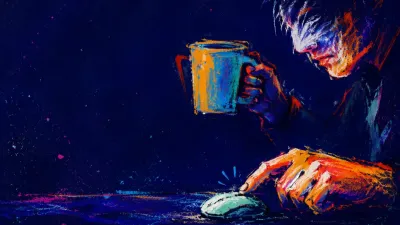
Is everything already collapsing?

A clear look at Catastrophizing, the tarot cards that mirror it, and reading insights for similar moments of threat inflation.

Catastrophizing
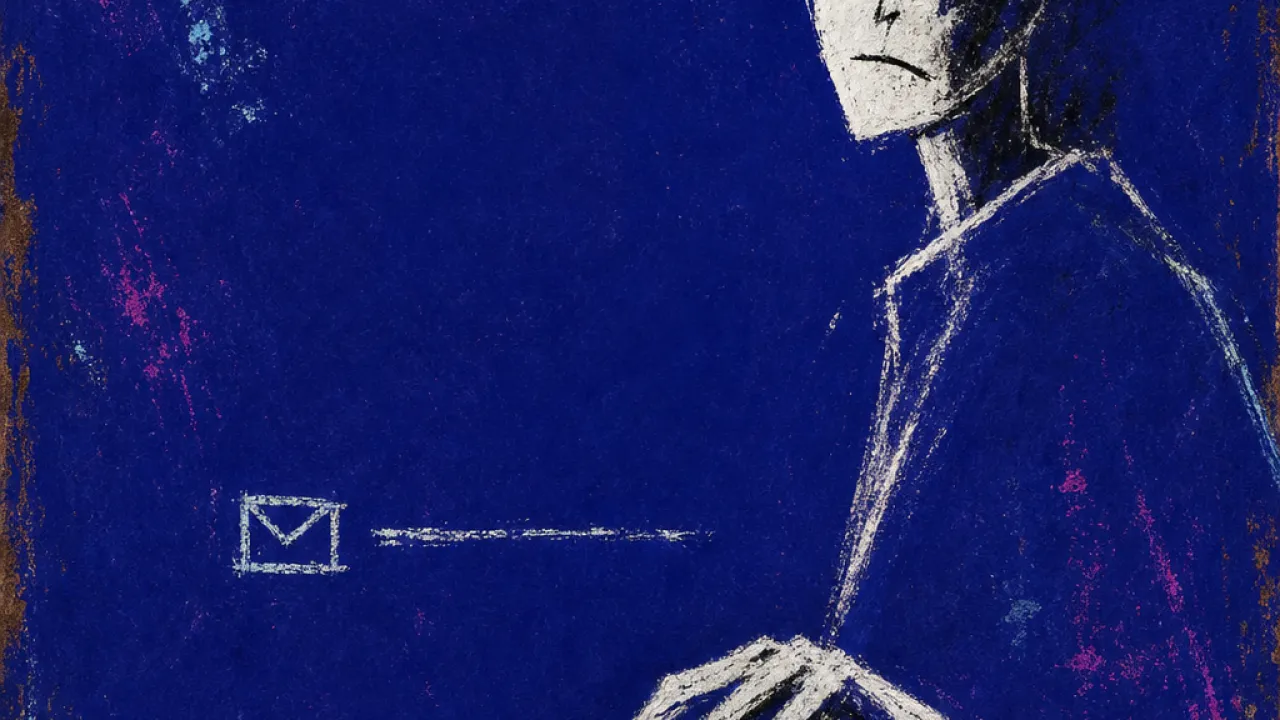
What is this really?

You catch one uncomfortable signal, a delayed reply, a lower grade, a tense meeting tone, and your mind rushes straight to the version where everything breaks. It is trying to give you control by rehearsing impact early, scanning for consequences before they can surprise you, and turning uncertainty into something that at least feels knowable. Yet the more your brain tries to protect you with worst-case certainty, the more one spark fills the whole room with smoke, until your body responds to a predicted ending as if it has already landed, much like the Tower, where lightning, fire, falling bodies, and a dislodged crown crowd the eye before any wider horizon can be seen.

Why did it happen?

At some point, imagining the hardest ending may have helped you feel less blindsided: if you could picture the fall first, you could brace before anyone else noticed the ground shifting. Now that same inner pattern can start running before the present moment has finished speaking, turning partial cues into a subconscious loop of shallow breath, tight muscles, and mental overdrive. The result is not clarity but a drained feeling, as if your whole system has already lived through an outcome that has not arrived.

How does it feel?

  • You open one email, see a short line of feedback, and your hand stays frozen over the trackpad while your eyes reread the same sentence three times... in that pause, your chest may tighten and your breathing can get shallow before you've even checked what the message actually says. Let the first wave exist without treating it as the whole map.
  • A friend takes longer than usual to reply, and you unlock your phone, lock it again, then reopen the chat to check the timestamp... afterward, your stomach may drop as if something has already happened, even though the screen has not changed. Uncertainty can sit there for a moment without needing an immediate verdict.
  • At work or school, one small mistake lands in your mind and you start opening tabs, calendars, old messages, and backup plans all at once... your shoulders may climb toward your ears, and your jaw might lock while your body acts as if the consequence is already in the room. It is allowed to be a signal before it becomes a conclusion.
  • You lie in bed after a normal day, staring at the ceiling while one awkward comment from earlier replays with sharper and sharper edges... your throat may feel dry, your pulse louder, and your body more awake than the present moment requires. That alertness can be noticed without having to obey every image it produces.
  • When someone says, "Can we talk later?" you may give a quick nod, keep your face still, and immediately start rehearsing the worst version of the conversation... inside, your belly may clench and your hands may feel colder, as if the ending has already been decided. Not knowing can remain unfinished for now.

Catastrophizing in Tarot Cards

That moment when one short message or missed step becomes a full collapse scenario is the signal Catastrophizing is built around. You may recognize it in the frozen hand over the trackpad, the shallow breath, or the jaw that locks before the facts have been sorted. From a Jungian perspective, archetypal theory gives this pattern a visual language without turning it into a verdict. The cards below reflect the unconscious dynamics of threat, scale, and imagined impact; these are the Tarot Cards that tend to mirror this pattern.

Death Reversed
The skeletal rider, the fallen body, the dropped crown, and the kneeling figures can overwhelm the eye before it reaches the river and horizon light. When the foreground dominates perception, the whole image can feel like absolute ruin rather than a hard passage through change. Catastrophizing appears when the mind reads an academic setback as total future collapse. A bad grade, harsh comment, missed deadline, rejected application, or failed exam becomes the fallen crown: not a data point, but proof that the entire academic identity has been defeated. The card's distant sunrise matters because the symbol of continuation is present but psychologically hard to access. The pattern is not that the setback is meaningless; it is that threat perception compresses the whole academic future into the worst possible interpretation of one moment.
The Devil Reversed
The Devil's dark enclosure compresses the scene, while the inverted pentagram and downward torch pull awareness toward descent. The visual field gives very little psychological air; attention is guided into the worst possible meaning of the moment. Catastrophizing works like that in academic pressure. One grade, one missed reading, or one confusing lecture stops being a limited event and becomes a symbol of total collapse. You can see the body-level freeze in the figures below the Devil. When the mind treats a study setback as proof of a doomed future, the next practical move becomes harder to access because the nervous system is already responding to the imagined ending.
The Tower Reversed
Smoke spreads across the Tower scene while flames burst from the windows and bodies fall without a visible landing place. The visual field makes it hard to separate what has actually broken from what merely feels engulfed by the shock. Catastrophizing works through that same expansion of threat. A single failed habit, missed deadline, awkward attempt, or piece of feedback becomes evidence that the entire growth project is collapsing. The mind stops reading the event as local information and starts reading it as total ruin. The Tower reversed sharpens the audit because the card already contains real disruption. The pattern is not pretending nothing happened; it is noticing where the nervous system turns correction into catastrophe, making rebuilding feel impossible before the ground has even been reached.
The Moon Reversed
The moonlit path is not blank; it is partially visible, which is exactly what makes it unstable. The animals respond to the charged night as if the atmosphere has already announced danger, even though the actual road has not yet been tested. Catastrophizing grows from that same half-lit condition. When information is incomplete, the mind fills the missing space with threat, then treats the threat simulation as if it were foresight. In personal growth, this pattern can turn one uncertain step into a whole imagined collapse: public embarrassment, wasted effort, rejection, exposure, or proof that the dream was unrealistic. The Moon shows how the nervous system may be trying to prepare you, while accidentally building a maze out of unverified fear.
Judgement Reversed
The same trumpet that awakens the figures can also dominate the whole cold landscape as an alarm, with the red wings and red cross carrying nearly all the color in the scene. The mountains, coffins, and icy ground make the call feel total, as though there is no smaller scale available. That is how Catastrophizing works under academic pressure. A single exam, deadline, rejection, or critical comment gets scaled up until the mind treats it as evidence that everything is ending. When this pattern is active, You are not just worried about performance; the nervous system is using final-judgment imagery to organize the threat. The card makes the distortion visible by showing how one signal can occupy the entire psychological field.
Five of Cups Reversed
The dark sky, black cloak, and spilled cups create a scene where the emotional tone seems to spread across everything. The card still contains upright cups and a bridge, but the atmosphere makes the loss feel larger than the actual inventory of the image. Catastrophizing fits the reversed card because perception starts escalating a real wound into a total forecast. The psyche takes one vivid emotional fact and lets it contaminate the whole inner landscape. For introspection, this pattern matters because it can sound like realism from the inside. The card shows that the intensity of the scene is not the same as the totality of the scene, and that distinction is where clarity begins.
Two of Swords Reversed
The blindfold blocks direct sight while the dim sea behind the woman keeps moving under moonlight. In the reversed pattern, what cannot be seen becomes easy to fill with threat, and the crossed swords become a brace against outcomes that have not actually arrived. Catastrophizing in study turns uncertainty into a chain of academic disaster. One unclear email, one difficult reading, one lower mark, or one awkward tutorial can become proof that the course is slipping away or that you were never capable enough. The card's tension matters because the danger is largely anticipated rather than visible. You are not failing because a feeling says the tide is rising; the pattern is revealing how quickly the mind converts ambiguity into a full future collapse.
Three of Swords Upright
Grey clouds and rain expand around one wounded heart until the injury becomes the weather of the whole card. The three blades concentrate separate impacts into a single vital point, making one breach feel like the total climate. In your daily structure, Catastrophizing appears when one bad morning, one missed habit, or one messy room becomes proof that the whole system is ruined. The pattern does not simply notice disruption; it inflates disruption into a forecast, which makes practical recalibration feel like crisis management.
Reversed
The three blades narrow the whole image into one severe point, while the clouded sky and rain remove visual breadth. The card does not give the eye a future path; it gives the eye a wound that seems to explain everything. Catastrophizing in personal growth works by turning one painful signal into a total forecast. You miss one habit, receive one critique, or feel one moment of resistance, and the mind rushes to the largest possible conclusion about identity, potential, or the future. The reversed pressure of this image is not simply sadness; it is prediction built from injury. The swords become mental lines that move from a single puncture to an imagined collapse, showing how pain can shrink reality until only the worst outcome feels visible.
Four of Swords Reversed
The downward sword tips aim toward the knight's head, throat, and chest, giving a quiet room the geometry of threat. The tomb-like support intensifies the image, because a pause can start to look like proof that something has already gone wrong. Catastrophizing forms when one academic signal, a grade, a blank page, a difficult reading, or a sharp comment, expands into a forecast about your whole future. The pattern does not simply notice risk; it builds a ceiling of imagined consequences over the body until the next task feels loaded with irreversible meaning.
Six of Swords Reversed
The water is calm on one side and visibly disturbed where the oar cuts through it, while the far shore stays pale and indistinct. The scene contains no visible disaster, but the unknown destination gives the mind enough blank space to project danger into it. That is how Catastrophizing operates in academic pressure. One unclear lecture, one lower grade, one delayed reply from a supervisor can become a mental forecast of total failure because the mind treats uncertainty as evidence. The card's reversed texture is not about movement ending; it is about the future becoming a screen for threat projection. You are still in the boat, still in passage, but the nervous system starts reading every ripple as proof that the whole academic route is unsafe.
Eight of Swords Reversed
The swords are close enough to look dangerous, but they are not actually cutting into the woman. Because the blindfold removes reality testing, the mind has to complete the scene from inside the threat image rather than from direct evidence. That is the Eight of Swords logic behind catastrophizing in family dynamics. You may treat a message, visit, or boundary conversation as the beginning of disaster because the nervous system is predicting the whole family reaction before the present moment has fully happened.
Nine of Swords Upright
The swords do not scatter through the room; they line up in one direction, creating a corridor of threat above the figure's head and through the heart line. The dark background gives the mind no alternate image, no daylight, and no wider scale. Catastrophizing works through that same compression. One possible failure becomes the only visible future, and the body reacts as if the feared outcome has already arrived. In personal growth, this can make a stretch goal feel less like expansion and more like walking into a blade. The figure's covered face shows the final move of the pattern: once the threat image becomes total, reality contact narrows. The card does not simply show fear; it shows fear becoming a full internal projection system.
Reversed
The repeated swords and broken quilt codes crowd the black room until every fragment feels like evidence. Nothing is moving, yet the composition makes the mind race forward, as if one blade implies the next and one sign on the quilt must decode the whole threat. Catastrophizing in family contact often begins with a small cue: a short message, a tone change, a parent saying we need to talk. You may leap from that cue to rejection, punishment, or total fallout because the nervous system is trying to outrun surprise. The reversed pressure in the card shows the cost of that strategy: prediction becomes another form of captivity.
Ten of Swords Upright
The body in the Ten of Swords is not simply hurt; it is visually overdetermined by ten blades, each one driving the same conclusion downward until the whole scene reads as total mental finality. The dark sky, the flattened posture, and the nearly unreachable strip of dawn create a field where one impact is interpreted as the end of every possible route. That is the internal logic of Catastrophizing in personal growth: the mind does not register a setback as information, it turns it into a complete system verdict. One missed routine becomes proof that discipline is impossible, one awkward attempt becomes proof that visibility is unsafe, one failed experiment becomes proof that the future has already closed. The card still shows a horizon, but the body cannot yet use it. You are being shown the difference between an actual ending and a cognitive collapse that makes the next iteration feel unavailable before it has even been tested.
Reversed
The ten swords are excessive: one blade would be enough, but the image repeats the fatal point until the back becomes overfilled with proof. Above it, the dark sky occupies almost everything, leaving the dawn as a narrow strip rather than a usable horizon. When this pattern turns inward, the mind treats impact as totality. You may read one trigger, one mistake, or one remembered sentence as evidence that the whole inner structure is ruined, and the overkill of thought leaves no room for scale, timing, or repair.
Page of Swords Reversed
The ridge beneath the Page is rugged enough to suggest a fall, while the clouds gather close to his body and blur the wider horizon. When the scene folds inward, the landscape stops being a challenge and becomes a mental slope where one unstable step seems to pull the whole field downward. For study, this turns one mark, missed reading, or awkward seminar answer into a total prediction about your future. You are responding to a real signal, but the pattern shows how the mind enlarges a single academic event until it feels like a verdict on your whole capacity.
Nine of Wands Reversed
The figure's bandage turns prior impact into a visible filter over the present scene, while his eyes angle toward a threat that has not yet appeared. The wall of wands contains him, but it also gives the imagination a structure for expecting another strike. In the reversed state, the timing field becomes distorted by Catastrophizing. A small delay, a quiet period, or an uncertain signal is mentally expanded into proof that the whole cycle is about to collapse. This pattern fits the card because the danger is not fully visible, yet the body is already organized around it. You may be trying to predict the right moment, but the mind is fast-forwarding from incomplete information to worst-case timing, making every pause feel like a last chance.

Catastrophizing in Tarot Card Reading Insights

For anyone who has watched one uncertain cue expand into a full collapse scenario, others have brought that same pressure into readings too. The shift from cards to readings shows how this pattern can appear when people sit with uncertainty, prediction, and fear of impact. Below are Tarot Reading Insights that speak to this pattern.
Psychological patterns related to Catastrophizing