Organized, But Still Stuck?

A grounded look at the performance of productivity, related tarot cards, and tarot reading insights from similar readings.

Productivity Theater

What is this situation?

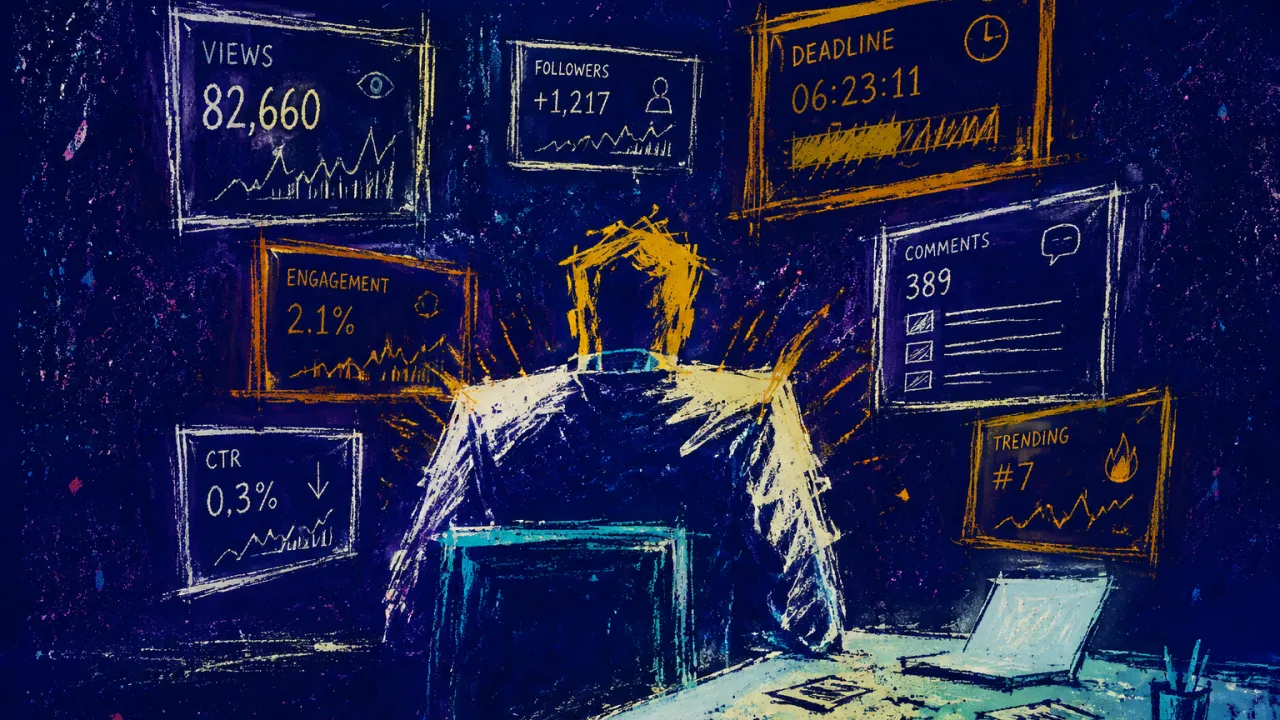
Productivity Theater: you open the laptop, the planner, the habit app, the calendar, or the Notion dashboard before the actual work has even begun, and the day quickly turns into a display of readiness. You color-code the tasks, rename the project, rebuild the tracker, save another template, write a reset plan, and maybe post or mention the new system because it feels like something has finally taken shape. Around you, the culture keeps feeding the loop: classmates compare study setups, coworkers reward polished status updates, creators show morning routines, and every platform makes discipline look more convincing when it can be photographed, counted, or explained. The problem is that the external proof starts taking over the function. The essay is still unwritten, the room is still messy, the message is still unanswered, the project is still waiting for its first uncomfortable draft, but the system around it looks impressive enough to buy another day of delay. You may spend the whole evening arranging the conditions for focus, then realize your chest is tight, your tabs are full, your tools are perfect, and the actual task has barely been touched. The pressure is not just to do the thing; it is to look like the kind of person who is always already doing the thing. Eventually the routine becomes a second workload: maintaining the dashboard, protecting the streak, updating the plan, proving that control exists, while the ordinary body underneath still needs sleep, food, clean space, finished work, and time that is not being performed for an invisible audience, much like The Magician reversed, with the wand raised and every tool arranged on the table while the real transfer into action has stalled.

Why it's not you?

The problem is not that you are lazy, unserious, or bad at discipline. Productivity Theater is built by environments that reward visible systems, polished updates, and constant proof of effort more quickly than they reward quiet completion or workable routines. When the setup becomes more important than the function, the strain belongs to the structure around the work, not to some flaw in you.

Productivity Theater in Tarot Cards

Productivity Theater is the situation where the planner, dashboard, routine, or public update starts carrying more visible weight than the work it was meant to support. The tight chest you feel while rearranging the system again is part of the same loop: the setup keeps asking to be maintained before the day can move. This is an environmental, structural dynamic, not a private failure of discipline, because the surrounding culture keeps rewarding visible proof over useful function. The Tarot Cards below reflect that split between displayed control and working traction.

The Magician Reversed
The raised hand, fixed gaze, and arranged tools can become a perfect display of command even when nothing in the scene has visibly changed yet. The table starts to read like a stage where competence is demonstrated before it is tested. In personal growth, this is the polished planning system, the color-coded tracker, the routine reveal, and the disciplined aesthetic that makes progress look legible. The structure becomes painful when the performance of control absorbs the energy that was supposed to move into the work. Productivity Theater is the reversed Magician's most modern stage. You are surrounded by signs of agency, but the card asks whether those signs are delivering output or only proving that you know how progress is supposed to look.
The Emperor Reversed
The Emperor holds the emblems of command, but the scene contains no visible labor in motion. The throne, crown, robe, and tools create a complete image of control while the body remains fixed inside a formal pose. Reversed, this becomes the growth environment where organization performs mastery without producing movement. Dashboards, routines, trackers, planners, and polished systems can create the appearance of self-command while the actual point of friction stays untouched. The card links to Productivity Theater because its symbols can become a stage set for discipline. The useful question is not whether your system looks impressive, but whether it transfers authority back into concrete decisions, repeated action, and visible change.
The Hierophant Reversed
The bright robes and elaborate ceremonial signals stand against a gray, almost colorless temple. The surface is highly legible and impressive, while the deeper space behind the throne remains blank and inaccessible. In personal growth, that contrast becomes productivity theater: the visible performance of routines, tracking, discipline, aesthetic desk setups, habit stacks, and public self-improvement signals. The image of growth becomes easier to maintain than the less visible work of changing the systems that keep life stuck. The Hierophant exposes the social reward built into that performance. You can look initiated, optimized, and serious while the actual keys to change remain untouched, which is why the card points attention from visible discipline toward structural transfer.
The Chariot Reversed
The chariot is loaded with signs of command, protection, and forward force, yet the vehicle remains visibly parked. The wheels are easy to miss, and the driver holds the pose of control while the actual mechanism of movement stays under-engaged. For personal growth, this is the external stage where productivity systems start performing progress instead of producing it. You may have the planner, the tracker, the routine language, and the public goal, but the structure reveals whether those tools are transmitting motion or only displaying discipline.
Strength Reversed
The image is full of visible regulation: the controlled mouth, the floral sash, the still posture, and the symbolic loop above the head. Yet the scene itself does not advance toward the mountain; the labor is concentrated on maintaining the convincing appearance of control. That is why this card fits Productivity Theater in a personal growth context. You may have dashboards, streaks, systems, and visible discipline, but the card isolates the structural bottleneck where performing control becomes easier than letting the lion's power enter a real project.
Justice Reversed
The robe covers nearly the entire body while the symbols of authority face outward. Sword, scales, crown, and formal posture become highly visible, yet the living person underneath is mostly hidden by the display. That reversed image maps cleanly onto productivity theater in personal growth: systems, streaks, Notion dashboards, routines, and public updates can look disciplined while leaving the deeper behavior unchanged. You are dealing with an environment where visible order has become easier to maintain than honest transformation.
Temperance Reversed
The cup-to-cup movement gives the scene visible activity, but the road in the background holds the larger question of direction. When the foreground operation becomes the whole performance, motion can look like progress while the actual path remains untouched. In personal growth, productivity theater appears through elaborate dashboards, color-coded plans, reset rituals, public goals, and optimized tools that display discipline without changing the underlying behavior. The system looks composed, but the important transfer into real action stays suspended. Temperance reversed helps separate structure from spectacle. It shows where the visible ritual of improvement is absorbing energy that needs to move into a smaller, less aesthetic, more consequential step.
The Devil Upright
The emblem, hand gesture, cube, and symmetrical bodies create a convincing display of order. Everything in the frame looks arranged, but the arrangement does not open into a road; it keeps the figures performing discipline inside the same closed stage. In academic life, that becomes the study setup that looks optimized while learning stays stalled. You can track hours, redesign notes, and refine systems while the actual transfer of knowledge remains chained to visibility rather than comprehension.
The Tower Reversed
The Tower is impressive from the outside: high, crowned, and visually dominant. Yet the inner chambers are burning, and the height that made the structure look powerful also makes the collapse more visible. In personal growth, this captures the performance layer of productivity: the trackers, systems, routines, reading lists, and public signals that create the appearance of control while the inner workflow remains unstable. The reversal quality holds the person inside the structure longer, keeping the presentation intact even as pressure accumulates. You regain clarity by separating visibility from function. The card exposes where optimization has become stagecraft, and where a smaller, less impressive system may carry more real life than the tall one.
Page of Cups Reversed
The Page looks composed, beautifully dressed, and centered, while the actual question of what happens to the fish remains unresolved. The ceremonial cup can make the scene look complete even though the live situation inside it still needs practical care. That is the structure of productivity theater in personal growth. Trackers, routines, reading lists, polished notes, and public accountability can create a convincing image of evolution while the deeper behavior remains untouched. The empty background intensifies the staging. This card points to the difference between looking organized around growth and building the conditions that let growth survive when no one is watching.
Ace of Pentacles Reversed
The card's manicured lawn, clean gate, and perfect coin can become a display case when the pentacle never reaches the soil. Order is visible everywhere, yet the central resource remains staged in the air rather than absorbed into the garden. For personal growth, this links to beautifully arranged systems that produce the feeling of progress without changing the underlying pattern. The structure names the gap between looking organized and becoming different: planners, dashboards, and routines can decorate the gate while the actual threshold remains uncrossed.
Two of Pentacles Reversed
The figure is dressed like a performer, placed at the center, and visibly managing the pentacles in a way that looks skillful from the outside. The loop gives the act a clean shape, even though the raised foot and rough water show how unstable the whole arrangement remains. This is productivity theater in the field of personal growth: color-coded systems, public routines, app streaks, aesthetic planning, and polished self-improvement signals can make the performance look ordered while the deeper life structure stays under-supported. The card does not attack visibility; it separates visible motion from meaningful traction. It asks where the stagecraft of improvement is using energy that could be redirected into quieter, less impressive, more durable change.
Three of Pentacles Reversed
The craftsperson works in a highly visible threshold, framed by arches, symbols, robes, and a plan. The scene can become less about the pillar receiving careful work and more about the performance of being seen as careful. In personal growth, productivity theater appears when trackers, routines, aesthetic workspaces, and public updates replace the harder evidence of change. The structure looks organized from the outside, but the tool may be serving the audience more than the build. Productivity Theater fits the reversed side of Three of Pentacles because its symbols of craft can become props when recognition outruns substance. The card gives you a way to separate visible discipline from material progress without collapsing into self-attack.
Seven of Pentacles Reversed
The hoe is present, planted, and visible, yet the soil is not being turned. The neat arrangement of pentacles can make the garden look managed even while the actual movement of value is paused. For personal growth, this is the stage where trackers, planners, and routines create a convincing surface of discipline. The card separates cultivation from display, showing how a system can document effort while leaving the harvest mostly untouched.
Eight of Pentacles Reversed
The five pentacles hanging in a straight line look like evidence arranged for inspection, while another coin is still under the hammer. In a personal growth setting, that visual split maps onto routines, streaks, and public updates that display discipline before the deeper work has finished changing behavior. Because the workshop is open and visible, labor can become a surface others can read. You remain close to real craft, but the pressure point is the audience-facing proof: the system rewards looking disciplined faster than it rewards integrating the discipline.
Page of Pentacles Reversed
The Page’s presentation of the pentacle can look orderly, serious, and convincing from the outside. In the reversed texture, that visible arrangement can become the main event while the feet remain planted and the wider terrain remains unentered. That is the external stage of productivity theater in personal growth. Dashboards, trackers, reset announcements, curated routines, and polished systems can display discipline before they prove behavioral change. The card makes the performance layer visible without dismissing the desire for structure. It asks the structure to be audited: whether the visible system is carrying practice forward, or whether it is only making the idea of progress easier to look at.
Knight of Pentacles Reversed
The Knight is fully equipped, visibly disciplined, and positioned for work, yet the horse does not advance. The polished readiness becomes the most visible part of the scene while the field remains largely untouched. In personal growth, that becomes the outer stage of optimization that looks convincing from the outside. You may have systems, trackers, templates, and routines on display, but the card points to the gap between performing preparedness and actually crossing the field.
Ace of Swords Reversed
The glowing hand, crown, jewels, and victory leaves make the sword highly visible in an empty sky. The image has all the signs of achievement on display, yet the barren hills below show no evidence that the display has altered the ground. Productivity theater grows in that gap between visible proof and actual transformation. In a self-improvement context, the tracker, routine, vocabulary, and polished update can become the crown on the blade while the deeper system stays untouched. The card strips the performance down to its structure: visibility is not the same as integration.
Five of Swords Reversed
The foreground figure appears to possess the symbols of success, holding multiple swords while the scene behind him remains bleak and unresolved. The visual win is undeniable, but it has not repaired the space around it. That is the lifestyle texture of Productivity Theater. You may have trackers, routines, clean screenshots, early alarms, streaks, and visible discipline, while the actual system still leaves rest, meals, relationships, or home maintenance scattered. The card fits this context because it exposes a hollow victory: the routine looks conquered, but the environment shows what the win cost.
Seven of Swords Reversed
The figure looks busy, agile, and tactical, yet the awkward bundle of swords and unresolved destination complicate the display of competence. The card is full of visible maneuvering, but the scene does not show a completed structure, only an impressive-looking extraction in progress. In personal growth, this maps to systems that look disciplined from the outside: trackers, templates, streaks, dashboards, elaborate routines, and polished updates. The reversed card asks whether the visible performance is carrying the work forward or simply proving that work appears to be happening. This context matters because productivity can become a costume for avoidance when the tools are more visible than the transformation. The card makes that costume concrete, showing how motion, style, and strategy can crowd out the deeper question of whether anything has actually changed.
Nine of Swords Reversed
The figure is upright, but the setting is still a bed, not a place of effective action. The quilt is visually elaborate, yet its symbolic order does not produce a usable path, and the room offers no practical work surface or exit. That visual contradiction captures productivity theater in daily life. The system can look busy, organized, tracked, and self-aware while the material conditions of energy, sleep, task flow, and recovery remain unchanged. In this context, the card points to the gap between appearing activated and actually being supported. You are being asked to audit what produces movement, not what merely produces the image of being on top of things.
Knight of Swords Reversed
The knight is not only armed; he is visibly decorated, centered, and arranged as a spectacle of readiness. Red cloth, polished armor, symbolic markings, the lifted sword, and the dramatic gallop all make action highly visible before any result can be verified. That visual surface fits productivity theater in personal growth. The trackers, routines, public resets, Notion dashboards, and challenge announcements can become the decorated armor of change: impressive from the outside, but not always connected to the quieter work that moves a life. The card does not mock the need for structure. It reveals when the performance layer has started absorbing energy that should be going into repetition, feedback, and actual integration.
King of Swords Reversed
The crown, throne, and raised sword create a perfect image of control, yet the ground around the figure is sparse and the robe is stripped of ornament. The scene displays authority more clearly than it displays movement. For personal growth, this is the polished routine, tracker, or public identity that looks disciplined while the underlying system stays underbuilt. The card points to the gap between looking governed and actually being supported by a structure that changes behavior.
Ace of Wands Reversed
The raised wand makes a clean, decisive visual statement, but the hand has no visible body and the living branch is not integrated with the soil, river, or trees below. The posture displays purpose more clearly than it displays a working system. In personal growth, this becomes the stage where planners, trackers, public goals, and polished routines look convincing from the outside while behavior remains unchanged underneath. The card gives that performance a structure: visible command without grounded exchange.
Two of Wands Reversed
The globe, wand, castle wall, and elevated posture create a convincing image of command, but the scene contains no concrete descent into the land below. The visual signal of control is strong, while the actual movement remains suspended. Productivity Theater appears in lifestyle work when the visible system becomes more polished than the lived routine. Planners, dashboards, reset notes, habit apps, and public declarations can create a surface of order while sleep, recovery, home care, and focused work remain unchanged. The card reveals the difference between surveying a life and inhabiting it. Its reversed structure points to the moment when organization becomes a performance layer, and the real audit is whether the system is producing lived capacity or only evidence of effort.
Four of Wands Reversed
The wands stand in perfect order and the celebration faces outward, but the visible activity is mostly ceremonial. The frame appears ready, while the real question is whether anything inside it is carrying daily weight. For routines and self-management, this maps to tracking, staging, and announcing progress without changing the load underneath. You are looking at a polished surface that can be audited: which visible rituals produce stability, and which only prove that you are trying to look structured.
Five of Wands Reversed
The scene is full of visible effort: raised arms, lifted wands, wide stances, and bodies arranged as if action itself has become the main event. Yet the card shows no completed structure, no finished work, and no shared direction emerging from all that display. In personal growth, this becomes productivity theater. The outside world can reward visible effort through streaks, dashboards, public goals, challenge posts, aesthetic routines, and constant updates, even when the deeper work remains untouched. The reversed Five of Wands exposes the gap between performance and integration. You are not being asked to abandon structure; the card makes clear that the structure has to be reclaimed from the audience effect, so effort can stop proving itself and start producing real internal change.
Six of Wands Reversed
The scene is full of motion, symbols, and public confirmation, yet the horse advances slowly in a ceremonial line. The visible activity is impressive, but the card’s structure makes it possible for display to take up more space than functional movement. In personal growth, this points to the outer culture of trackers, routines, optimization systems, reading lists, streaks, and visible discipline. These tools can support change, but they can also become a parade of progress that keeps circling the real behavior shift. Reversed, the Six of Wands exposes the difference between signal and transformation. It names the moment when a growth system looks active from the outside while the leverage point remains untouched.
Ten of Wands Reversed
The bundle is visually orderly while the carrier’s face disappears behind it. From the outside, the structure looks controlled: ten wands aligned, carried in one direction, still alive at the tips. From the body’s position, the system has become the most visible part of the person. That is the pressure behind Productivity Theater in personal growth. You may have dashboards, templates, trackers, streaks, and routines that prove activity, but the card exposes the gap between looking structured and actually being free enough to move, choose, and integrate.
Page of Wands Reversed
The bright clothing, salamander pattern, and proclamation stance stand out sharply against a barren working field. The image has the look of momentum, but the ground around it has not yet become a functional system. That gap is the core of productivity theater. You may be maintaining the signal of discipline through trackers, posts, or visible busyness while the ordinary architecture of sleep, chores, focus, and recovery remains underbuilt.
King of Wands Reversed
Crown, robe, throne, lion emblems, and the upright wand create a complete visual language of command around a body that is still seated. The cloak covers the chair and reaches the ground, turning authority into a large surface of display. That structure fits the personal growth stage where routines, dashboards, planners, and online updates begin to look more disciplined than the behavior they are meant to support. You may have a system that photographs well, tracks well, or sounds impressive, while the actual habit remains fragile. The card points to the difference between visible order and embodied momentum. Growth becomes real when the symbol stops carrying the whole performance and the body starts making repeatable contact with the task.

Productivity Theater in Tarot Card Reading Insights

Productivity Theater shows up in readings when someone brings in the pressure to look organized while the underlying routine still will not move. These readings shift from the cards themselves into how others have sat with the same gap between visible discipline and usable change. Tarot Reading Insights from related sessions.

Psychological contexts related to Productivity Theater