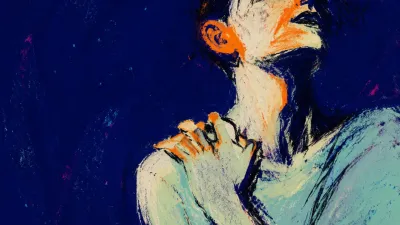
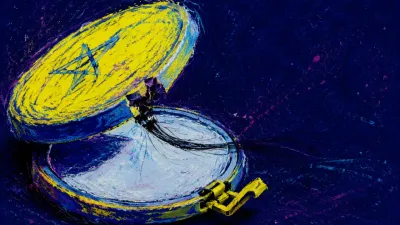
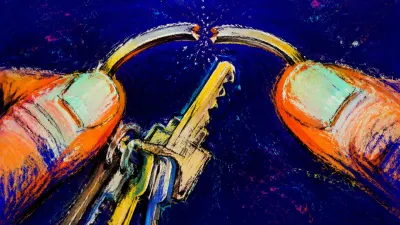
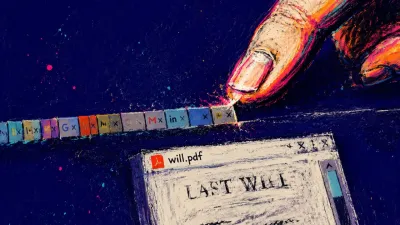
That moment when the spreadsheet reopens, the draft stays unsent, and your chest feels lightly compressed is where Decision Deferral becomes visible. Jungian archetypal theory gives this suspended choice a language without turning it into a verdict. These cards reflect the unconscious dynamics beneath the loop: activity without commitment, balance without a step, options kept alive so no loss has to be felt yet. Below are the Tarot Cards that mirror this pattern.
Temperance UprightThe path to the distant light is already present, but the angel's gaze stays lowered toward the cups, absorbed in the delicate exchange between them. The card places a route of movement behind a ritual of refinement, creating a subtle split between knowing there is a way forward and continuing to perfect the conditions at the threshold. Decision Deferral grows from that split. The mind keeps returning to one more internal check, one more sign, one more adjustment, not because it has no options but because choosing would end the safety of the calibration phase. In timing questions, the delay can feel responsible while quietly becoming a way to avoid the vulnerability of an imperfect window. You may recognize this when waiting for clarity starts to feel strangely circular. Temperance shows the intelligence of preparation, but it also reveals when preparation has become a closed loop. The psychological audit is not whether the timing is perfect; it is whether the repeated checking is still producing information or only postponing exposure to choice.
ReversedThe path to the distant crown is visible behind the angel, but the body remains absorbed in the exchange between the two cups. The image holds both motion and suspension: something is always being transferred, yet the larger journey has not begun. When reversed into career pressure, that suspended motion can become a way to avoid commitment while feeling intensely busy with preparation. You keep refining the plan, comparing roles, asking for more certainty, or waiting until both sides of the decision feel perfectly reconciled. Decision Deferral is the hidden loop inside that image. The cups keep moving, but the path waits, and the career question becomes less about lack of options than about the fear of letting one possible self become real while the others close.
The Devil UprightThe two figures stand before the altar in a fixed, repeated arrangement: chained, exposed, and close to a structure that looks more absolute than it is. The chains are loose, but the bodies do not test them. The scene has enough room for movement, yet the composition keeps returning the eye to the same central force. Decision Deferral appears when delay becomes a coping ritual rather than a genuine pause. The mind keeps the choice technically open because closing it would force a cost into reality. More time, more readings, more opinions, or more imagined scenarios can become a way of preserving the current bond without admitting that preservation is the choice being made. In choice tarot, this pattern is especially important because it exposes the hidden decision inside indecision. You may not have chosen between the visible options, but the repeated delay is already choosing the familiar structure. Seeing that covert choice restores the possibility of making an intentional one.
The Tower ReversedThe falling figures are moved by gravity, not intention, and the lightning has already made the first move. The card's motion runs from sky to crown to fall, leaving no visible pause where a calm, self-directed choice could enter. In a choice reading, that sequence shows what happens when a decision is postponed until external force takes over. The pattern is not confusion alone; it is the outsourcing of agency to deadlines, ruptures, or consequences that finally collapse the options into one unavoidable direction.
The Star ReversedThe figure's body is placed exactly between two domains: one knee on the earth, one foot at the water, arms pouring in separate directions. In the reversed texture, that threshold position can become less like balance and more like suspension, where every channel stays open because no path is allowed to become final. Decision Deferral is not simple laziness in this card. It is a protective pause that keeps the self from facing the cost of choosing: once the topic, method, degree path, or study strategy is selected, the fantasy of all other versions has to narrow. You may keep calling the delay research, reflection, or staying flexible. The Star's image shows the hidden tradeoff: while the mind keeps honoring every possible stream, the academic body remains kneeling at the edge instead of entering the work with a committed direction.
The Moon ReversedThe crayfish sits at the exact line where water becomes land, touching the path without yet committing to it. Behind it, the road continues toward the towers, but the first movement is still unresolved. Decision Deferral is the pattern of keeping a choice in a reversible state so the nervous system never has to feel the cost of commitment. You may draft the message, reopen the spreadsheet, ask for timing, or wait for the mood to change, while the decision remains half-submerged.
Judgement ReversedThe people in Judgement are awakened by the trumpet, yet they are still standing inside the coffins. Their arms are raised toward the call, but the image freezes them at the exact point where recognition has happened and embodied movement has not. That frozen interval is the visual core of Decision Deferral. In a decision reading, the trumpet can become another signal to wait for rather than the signal to act; the mind keeps listening for a clearer summons while the body remains inside the old container. The defense protects you from the exposure of agency by making more confirmation feel like responsible discernment. The cost is that the decision field starts to narrow around the next cue instead of the real tradeoff. You may feel busy, reflective, and spiritually engaged, while the actual choice continues to sit untouched in the coffin-shaped space of the life you have already outgrown.
Two of Cups ReversedThe balanced exchange in the Two of Cups depends on movement between two sides, but the same symmetry can become a closed loop when neither side changes the state of the field. The cups stay raised, the bodies stay positioned, and the moment stretches into a waiting room without new information. Decision Deferral forms when timing language becomes a defense against the risk of choosing. Instead of observing the cycle and making a calibrated move, the mind keeps asking for more clarity, more alignment, or a cleaner signal while the actual decision remains untouched. In a timing question, this card makes the hidden cost visible: waiting can be wise only when it is gathering real data. When the wait becomes a ritual that protects you from commitment, the timing problem is no longer outside the gate; it is inside the decision system itself.
Three of Cups ReversedThe cups are raised, the dance continues, and the scene holds itself in a suspended moment of celebration. Nothing in the image has to move into the next phase yet; the ritual can keep repeating. Decision Deferral works the same way when discussion, input, and possibility keep the choice socially alive without requiring commitment. You may feel active because the topic is constantly being talked through, but the lifted cup has not been set down into action. The Three of Cups makes the cost subtle because the delay can feel warm, connected, and reasonable. The audit looks for the point where consultation stops clarifying the decision and starts protecting you from making it.
Four of Cups UprightThe seated figure does not attack the cup, walk away from it, or reach for it; he keeps every limb folded into a closed loop while the offer remains suspended. The card's action is the absence of action, and the body turns waiting into a ritual. In personal growth, Decision Deferral forms when reflection becomes the acceptable shape of avoidance. You stay close enough to the goal to keep thinking about it, but far enough from the cup that no choice has to reorganize your life.
Five of Cups UprightThe bridge across the river is already built, but the figure does not move toward it. The body stays fixed at the site of the spilled cups, creating a clear visual split between a possible transition and the refusal or inability to enact it. Decision Deferral is the mechanism of keeping the choice suspended so the emotional cost of closure does not have to be paid yet. In this card, the delay is not passive laziness; it is a protective freeze around the moment where one path must be acknowledged as over. You may keep asking for more certainty, more signs, or one final comparison between options. The card suggests that the missing piece may not be information; it may be the unresolved feeling that crossing the bridge would make the loss official.
ReversedThe bridge is already built across the river, but the figure does not approach it. The card holds a strange tension: the next threshold is visible, while the body remains fixed in the foreground. Decision Deferral appears when waiting becomes a coping mechanism. The mind frames delay as respect for uncertainty, emotional readiness, or better timing, but the result is that the bridge stays symbolic instead of becoming usable. In a direction reading, this pattern often shows up when enough information exists to take a directional step, yet the person keeps postponing movement until the feeling of risk disappears. The card does not demand instant action; it names the moment when non-movement has become the decision.
Six of Cups ReversedThe card's central gesture is suspended in a sweet handoff, with no visible next step after the cup is offered. In reversal, the same gentle scene can become a loop: another exchange, another reassurance, another return to the emotional center of the courtyard. That is how Decision Deferral forms around this card. The mind keeps the decision inside a protected interval because action would end the ambiguity and expose the real cost of choosing one path over another. In a choice reading, this pattern often looks like seeking one more sign or one more emotionally confirming perspective. The card names the hidden function of the delay: it preserves the comfort of possibility while postponing the accountability of selection.
Seven of Cups UprightThe figure stands before the cups but does not reach for any of them. The body is present, the options are visible, and yet the scene remains suspended in observation rather than contact. That held distance is the mechanism behind Decision Deferral. The mind tells itself it is still gathering information, but the deeper defense is preserving possibility by avoiding the irreversible moment of selection. In timing work, this pattern often appears as waiting for one more sign, one more resource, one more emotional confirmation. You remain near the decision, but not inside it, which keeps the imagined futures alive while quietly draining the energy needed to enter one of them.
ReversedThe figure is surrounded by possibilities, but the scene contains no path, no hand reaching into a cup, and no grounded object to test. The cups stay suspended in cloud, each offering a different promise and a different risk. The visual system is full of signals but empty of resolution. Decision Deferral forms when the mind keeps postponing choice in the name of more information, better timing, or stronger certainty. In relationships, that can look like waiting to define the connection, delaying a breakup, avoiding a boundary conversation, or keeping emotional ambiguity alive because every clear move seems to destroy another possible future. The reversed texture of this card is not simple indecision. It is an internal stalemate where each imagined outcome cancels the next, leaving you emotionally active but relationally still. The pattern keeps you in the cloud because the cloud protects you from the cost of choosing.
Eight of Cups ReversedThe figure is already turned away, but the night path, river crossing, and hidden face leave the decision suspended between departure and arrival. The scene captures the body of someone in motion without offering the closure of a completed landing. Decision Deferral takes shape when movement replaces commitment. You may keep researching, rehearsing, or emotionally preparing to leave while avoiding the final cut that would make the choice real; the Eight of Cups shows how a threshold can become a place to live when the unknown path asks for more ownership than the old cups did.
Nine of Cups UprightThe man's arms are crossed in a pose that looks settled, but the same stillness also suspends action. The cups are all visible, counted, and arranged behind him, yet he does not touch them, offer them, or move beyond the display. That visual distance creates a decision field where evaluation replaces movement. The table separates the body from the reward, and the neat row of cups keeps attention focused on what has already been gathered rather than what must now be chosen. In a choice reading, this pattern points to the comfort of staying in review mode. You may keep calling the pause discernment because the options still look emotionally meaningful, while the actual act of choosing remains protected from consequence.
Page of Cups ReversedThe cup is held between the Page and the sea, turning the fish into something neither fully kept nor released. His balanced stance and serious gaze preserve the pause, as though the decision can stay emotionally pure if it remains undecided. Decision Deferral protects you from the grief of choosing one route over another, especially when every future carries a tender attachment. The cost is that your direction stays on the deck, endlessly considered but never allowed to meet the water of real consequence.
Knight of Cups ReversedThe horse is moving, but only just; the knight is still on the near bank, holding the cup with enough care that speed becomes impossible. The river is a real threshold, not a decorative backdrop, and the card's tension lives in the pause before crossing. Decision Deferral forms when careful consideration turns into a protected waiting state. In career terms, the mind keeps the future alive as an option while avoiding the moment that would make it measurable: applying, negotiating, asking, leaving, or committing. You may experience this as being thoughtful, strategic, or not quite ready, and sometimes that is true. But when the same crossing stays pending for too long, the cup becomes a reason to preserve possibility instead of testing it against reality.
Queen of Cups ReversedThe Queen remains seated on a small island, feet contained, gaze turned toward the closed cup rather than the wider shore. There is no visible path, tool, or outward gesture; the whole composition keeps the decision inside a protected interior space. Decision Deferral emerges when the phrase not yet stops being a timing read and becomes a shelter from threshold anxiety. You may be waiting for the cycle to speak louder, but the visual field suggests that the system is also reducing exposure to any cue that would require movement. The pattern is not the same as wise patience. The difference is whether the pause is still collecting real data or simply preserving the comfort of an unopened decision.
King of Cups ReversedThe king sits in the exact center of a vast sea, with one foot almost touching the water and a ship already navigating the waves in the distance. The image holds the moment before contact: emotionally present, symbolically equipped, but physically still. Decision Deferral lives in that suspended edge. You may keep waiting for the option to feel internally settled before acting, but the waiting itself becomes a choice that lets the external current keep moving without your direct agency.
Ace of Pentacles ReversedThe hand receives the pentacle in the sky, but no figure steps through the archway. The path is visible, the garden is open, and the mountain gives the route depth, yet the image remains suspended at the point before embodied action. The decision exists as potential rather than lived movement. Decision Deferral appears when keeping the option open becomes safer than becoming the person who chose it. In a choice reading, this can look practical from the outside: one more week, one more reading, one more comparison, one more reason to wait. Underneath, the delay protects the self from the identity shift that follows commitment. You are being shown a gap between receiving an opportunity and entering it. The card makes that gap visible so delay can be recognized as a coping mechanism, not mistaken for neutral timing.
Two of Pentacles UprightThe figure keeps both pentacles moving through the same looping cord while one foot stays lifted, so the whole body has to keep adjusting instead of settling. Nothing has fallen yet, but the posture shows that stability is being maintained through motion rather than through resolution. That is the inner mechanics of Decision Deferral in a choice spread. The mind keeps both paths active because choosing would break the loop, expose a cost, and force one possible future to stop receiving energy. You may experience this as responsible caution, especially when both options look defensible. The card makes the hidden tradeoff visible: constant balancing can feel like control, but it also keeps the decision from becoming real.
ReversedThe two pentacles never settle; the cord keeps them circulating in a closed figure-eight while the figure remains mid-step. Nothing in the image has fully landed, so the whole scene depends on postponing a final placement. In your career field, that visual loop becomes Decision Deferral. You can keep researching roles, weighing paths, or maintaining two possible futures because choosing one would end the comfort of reversible motion, and the cost is that your next professional identity never gets a stable base.
Five of Pentacles ReversedThe figures keep moving through the snow while the window remains visible but unused. Nothing in the image shows a deliberate refusal or a clear acceptance; the path continues because stopping would require a different kind of act. Decision Deferral lives inside that gap between movement and choice. The mind avoids the pressure of naming a direction, so time, fatigue, and circumstance begin to make the choice indirectly. In a decision reading, this card exposes the hidden cost of leaving the question open. You may feel like you are buying time, while the default environment is already shaping the outcome.
Seven of Pentacles ReversedThe figure is physically close to the harvest but remains suspended over the choice, neither cutting more fruit nor walking away with the pentacle already on the ground. The hoe becomes a brace for a decision that has not moved into action. Decision Deferral grows from that suspended posture. In family conflict, the mind can keep reviewing whether to speak, visit, confront, pay, stay quiet, or create distance because every option seems to disturb an old role. The card's pause becomes a warning when evaluation stops clarifying the choice and starts protecting the family system from disruption.
Page of Pentacles ReversedOne foot supports the body while the other stays slightly back, as if the figure is ready to move but has not transferred weight into action. The open field offers space, yet the pentacle remains between the Page and the next step. This shows the defense inside delay. You may call the pause careful evaluation, but the pattern keeps the decision in a reversible mental space, where no path has to be grieved and no future has to be fully claimed.
Ace of Swords ReversedThe sword is held high, but no cut is shown. The whole card is charged with readiness, and reversed that readiness can become a loop: the posture of decision remains visible while the actual decision keeps being postponed. Decision Deferral is not passive indecision; it is active suspension. The mind keeps the blade raised through one more comparison, one more reading, one more imagined consequence, preserving the feeling of agency while avoiding the irreversible edge of choice. In a choice reading, this pattern reveals where delay has become its own hidden selection. You may still feel undecided, but the field is already being shaped by what your postponement protects, costs, and keeps alive.
Two of Swords UprightThe seated posture on the stone slab gives the card its behavioral grammar: her legs stay planted while her arms perform the work of holding the conflict in place. The crossed swords create a temporary barrier, not a chosen direction. Decision Deferral grows from that held position. You keep the possibility of multiple futures alive by refusing to authorize one of them, which can feel mature and careful in a personal growth phase. The body cannot hold this configuration forever. The soreness implied in the lifted arms mirrors the hidden cost of postponement: the future does not stay open for free, and the energy spent maintaining neutrality quietly drains the energy needed for action.
Four of Swords UprightThe clasped hands, the still body, and the sword hidden beneath the tomb all create a scene of suspended choice. Nothing is being attacked, but nothing is being moved either. The card holds the tension between necessary pause and prolonged non-decision. Decision Deferral shows up in career questions when waiting starts to feel like wisdom even after the useful information has already arrived. You may keep delaying the promotion ask, the industry pivot, or the difficult conversation with a manager because the mind wants a safer timing window than reality can provide. The Four of Swords makes the hidden cost visible: the decision is not gone; it is lying under the whole structure, quietly shaping every day of inaction.
ReversedThe figure's prayer-like posture can look peaceful, but the body and the stone slab are so visually merged that rest begins to resemble entombment. The pause has a container, but the container risks becoming the entire decision environment. Decision Deferral appears when the language of needing space, signs, or more clarity protects the person from the cost of choosing. You may feel like you are preserving options, but the unmade decision is already shaping the field from underneath. The card does not show escape from conflict; it shows conflict temporarily sealed. In a crossroads reading, this pattern asks whether the delay is giving the choice room to mature or quietly letting the choice make itself through inaction.
Six of Swords UprightThe passengers sit with their backs turned, faces hidden, while the ferryman handles the movement. The boat contains everyone neatly, and the swords create a guarded channel around the journey, making the transition look organized without showing a visible act of choosing from the seated figures. That visual structure maps onto a decision state where postponement feels mature because it is quiet, contained, and rational-looking. You may be staying in the crossing, asking for more signs or more information, because the boat feels safer than the moment of naming the shore. Decision Deferral belongs here because the Six of Swords shows movement that can still avoid direct emotional ownership. The pattern is not laziness; it is a protective delay that lets transition happen around you while the decisive inner consent remains suspended.
ReversedThe passengers sit still while the ferryman handles the long oar, and the boat follows the water toward a distant shore that has not yet gained clear detail. Their bodies are present in the transition, but the visible agency belongs to the person rowing behind them. Decision Deferral appears when a career move is allowed to happen around you instead of through you. A manager, reorg, recruiter, deadline, or market shift becomes the oar, while your own preference stays cloaked and quiet. The Six of Swords links this pattern to a passage where movement is real, but ownership of the direction is still psychologically outsourced.
Seven of Swords ReversedThe figure's feet are already leaving the camp, but his head is still turned back toward the place he is trying to exit. That split body line is the core visual tension of Seven of Swords: movement without full psychological release, strategy without clean commitment. In a choice reading, this becomes the mechanism of postponing the real decision while staying busy with tactical motion. You may be gathering information, preserving backup plans, or waiting for a better moment, but the backward glance shows that the mind is still negotiating with the old option. Decision Deferral is not simple passivity here. It is a covert control strategy: keeping multiple exits alive so no single loss has to become real yet. The card exposes the cost of that strategy, because the longer the body moves one way while attention stays behind, the more the choice becomes divided against itself.
Eight of Swords UprightThe bound woman stands on unstable ground with one foot near the pooled water and the other on muddy earth, while the swords create a narrow field of possible movement. Nothing in the image shows an active attack, yet the body remains suspended in the pause before action. The card’s tension comes from a choice environment that feels too threatening to enter, even though stillness is also becoming costly. Decision Deferral forms when the mind treats uncertainty as a reason to keep waiting for more certainty. In love, this can mean delaying the conversation, postponing the breakup, avoiding the relationship label, or waiting for the other person to make the move that would relieve you of choosing. The blindfold does not only block sight; it turns incomplete information into permission to stay frozen. The Eight of Swords links this pattern to a very specific kind of relational paralysis: the decision is not absent, it is being endlessly deferred because every available route seems emotionally loaded. The psychological audit here is the difference between needing more information and using uncertainty as a shield against the grief, conflict, or responsibility that a clear choice would bring.
Nine of Swords UprightThe upper body is awake, distressed, and exposed, while the lower body remains buried under the quilt. The bed contains the figure inside the same room where the swords dominate the air, so awareness is active but movement is withheld. Decision Deferral grows from this split between insight and execution. In a choice reading, the mind may understand the stakes, list the options, and even know the likely next step, while the nervous system treats action as the moment danger becomes irreversible. You may call it needing more time, but the card shows a more precise structure: postponement is being used as emotional containment. The cost is that the choice does not disappear; it stays overhead, becoming heavier each time action is delayed.
Ten of Swords ReversedThe fallen figure is positioned at the riverbank, close to a crossing that still looks calm and physically possible. The tragedy is not that no route exists; the body has reached the threshold too late to use it. That scene gives Decision Deferral its psychological weight. You may experience waiting as caution, fairness, or needing one more sign, but the pattern slowly hands the decision to time pressure and external collapse. By the time movement feels unavoidable, the choice field has narrowed from agency into consequence.
Page of Swords ReversedThe Page's body twists between the direction of the sword and the direction of his gaze, and on rough ground that twist can no longer stay purely alert. The stance begins to look like a body caught mid-turn, prepared for movement but unable to place its full weight anywhere. When this mechanism folds inward, attention keeps rotating between possible threats, possible proof, and possible regret. You may postpone the choice because choosing would force the body to stop scanning and accept one direction as real.
Queen of Swords ReversedThe sword is raised and ready, but the card freezes the moment before any cut is made. The Queen's stillness turns judgment into suspension: the capacity to choose is present, yet movement remains withheld. Decision Deferral appears when the mind keeps a choice open to avoid the emotional finality of closing other paths. In lifestyle matters, that can attach itself to small decisions about clutter, subscriptions, schedules, routines, or commitments. The card reveals that the delay is not only practical. You may be postponing the tiny cut because it represents a larger psychological act: admitting what your current life can and cannot realistically hold.
King of Swords ReversedThe King has the authority to decide, but the image still shows him seated. The landscape sits below and behind him, while the throne creates a stable distance from the world where consequences would unfold. That distance becomes Decision Deferral when the observer position turns into a hiding place. The mind can keep evaluating from above, preserving the feeling of control while avoiding the moment when a choice has to become owned behavior. In a choice reading, this pattern often sounds strategic on the surface. The card asks whether continued observation is still producing insight, or whether it has become a way to keep every option imaginary and therefore protected from loss.
Two of Wands UprightOne wand is in the figure's hand while the other is fastened to the battlement, and his gaze stretches past both toward the far coast. The body is positioned at a decision threshold, but the split between the held wand and the fixed wand keeps movement suspended between a chosen direction and a protected attachment. Decision Deferral emerges when keeping the choice open feels safer than committing to the consequences of one structure. You can keep studying routines, comparing lifestyles, and imagining different daily architectures because the unchosen option still carries the emotional charge of freedom. The cost is subtle: the horizon keeps expanding while the body remains at the wall. In lifestyle terms, the unmade decision becomes the hidden drain, because every possible plan continues to occupy bandwidth even though none of them is organizing the day.
ReversedThe figure holds the globe but does not move toward the coast, while one wand remains fixed to the wall and the other stays in his grip. The card places decision in the body as a split posture: one part reaches into possibility, another remains fastened to the old structure. In the reversed texture, that threshold becomes a loop. You keep the decision alive because choosing would force the family system to respond, and that response may include guilt, withdrawal, comparison, or pressure to return to the expected role. Decision Deferral is the mind trying to avoid emotional rupture by delaying visible separation. The Two of Wands shows why the delay can feel rational: from the wall, every route is visible, but none is emotionally neutral.
Three of Wands ReversedThe figure stands at the edge of land with two wands behind him and one wand under his hand, facing a sea crossed by more than one ship. The composition contains direction, but it also contains too many possible cues: stay with the foundation, follow the ships, cross later, cross now. In reversal, the threshold can become a holding pattern. The mind keeps reading the horizon for more evidence while the body remains parked at the same edge. Preparation becomes a way to avoid the irreversible moment when timing has to be tested through action. Decision Deferral appears when You keep extending the evaluation phase so the choice never has to become real. The Three of Wands makes the mechanism concrete: the future is visible enough to obsess over, but not close enough to force a commitment unless the psyche chooses one.
Four of Wands ReversedThe decorated threshold is full of motion, but the bridge to the distant home remains uncrossed. Raised garlands and public cheer create activity at the gate without requiring the figures to leave the safety of the marked square. Decision Deferral fits the reversed tension of this image because the ritual of readiness can replace the act of choosing. You may keep gathering readings, opinions, and signs around the decision, not because there is no path, but because crossing it would disturb the current container of safety.
Five of Wands ReversedThe wands are raised, engaged, and active, but the card gives no finish line, no referee, and no visible moment of conclusion. Effort is unmistakable, yet resolution keeps slipping out of frame. This is the defensive structure of Decision Deferral. The psyche keeps the choice alive through more movement, more debate, more rehearsal, or more input, while the irreversible cost of choosing remains postponed. For you, the card exposes the difference between processing a decision and preserving it in suspension. The pattern may look responsible from the outside, but internally it can become a way to avoid the grief, risk, or identity shift that a real choice would require.
Eight of Wands ReversedThe eight wands are close to landing, but the card freezes them in transit: not held, not grounded, not yet arrived. The whole image is a decision suspended between launch and consequence, with no figure present to take ownership of the final contact. Decision Deferral can look active from the outside because there is movement, comparison, and anticipation everywhere. In a choice reading, You may keep the decision in the air through another spread, another opinion, or another round of thinking, while the avoided moment is the landing itself: the cost of making one path real.
Nine of Wands ReversedThe figure keeps the wand held in front of his chest while the eight wands behind him maintain the same guarded line. Nothing in the posture suggests a next step; the energy is spent on holding the position steady. Decision Deferral emerges when staying braced starts to feel like a decision, even though the choice has only been delayed. The body remains active, but the activity protects the threshold instead of crossing it. In a choice reading, this pattern names the cost of waiting for conditions to feel less exposed. The delay may sound like patience or strategy, but the card shows a defensive loop where the open space ahead is treated as danger before it is evaluated as possibility.
Ten of Wands ReversedThe figure's effort is real, but the bundle remains unsorted. All ten wands travel together, and the body keeps paying the cost of postponing any separation between what must be carried, what could be released, and what belongs somewhere else. Decision Deferral often hides inside productivity, planning, and endurance. The system keeps moving because movement delays the sharper moment of selection, where one path must be named and another path must lose its claim. Reversed, the Ten of Wands exposes the exhaustion underneath delay. You may be working hard around the choice, but the choice itself is still waiting for a cut through the bundle.
No cards available for this filter.