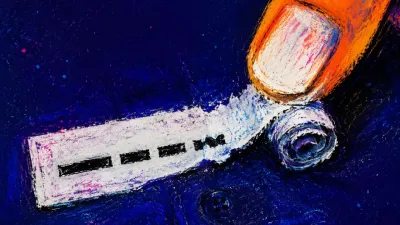
Thinking harder, moving less?
A clear definition of overthinking, tarot cards that mirror the pattern, and reading insights where the pause before action appears.

Overthinking
What is this really?
You replay conversations after they end, draft messages without sending them, open ten tabs for one decision, and keep saying you just need to think it through one more time. The drive is understandable: analysis works like a defense against exposure, reducing uncertainty for a moment and keeping an imperfect next step from becoming visible. Yet every extra interpretation adds cognitive load, and the search for clarity becomes an avoidance loop where movement disappears, much like the figure in the Nine of Swords, sitting under a row of blades while patterned fragments crowd the bed below.
Why did it happen?
If there were earlier moments when being rushed, corrected, or misunderstood left you feeling exposed, slowing everything down in your head may have helped you keep your footing. Your mind learned to scan every angle before moving, because one more thought felt steadier than one visible choice. Now the same inner pattern can keep running after the situation is clear enough, leaving you mentally tired, physically still, and caught in a subconscious loop where thinking replaces the next small move.
How does it feel?
- You reread a work email three times, hover over Send, delete one adjective, retype it, then move the cursor back to the subject line. In that pause, your chest may tighten, your breath goes shallow, and your fingertips hold very still; you can let the unfinished feeling be there without turning it into a verdict.
- When a friend replies, “sure, no worries,” you tilt your head, squint at the punctuation, and replay the tone as if the comma has weight. After a few seconds, your jaw may lock and your stomach can dip, like your body is waiting for the next line; uncertainty can sit beside you for a moment without needing an instant answer.
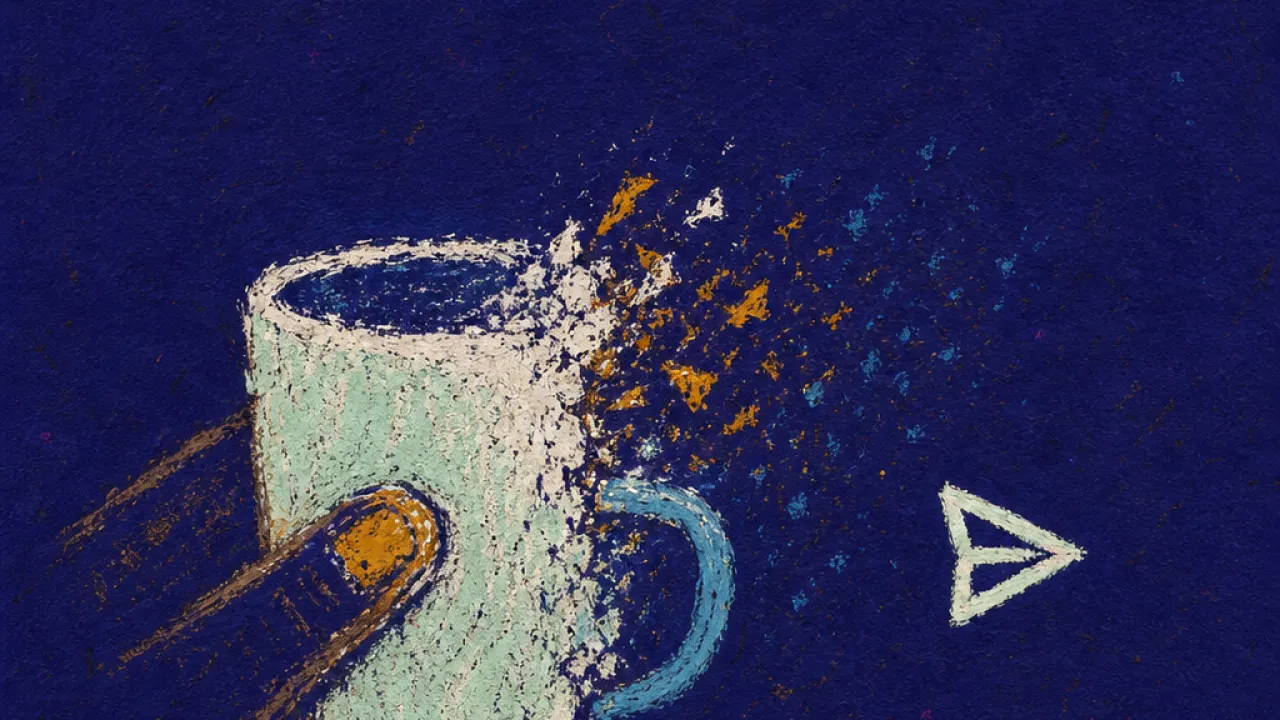
- In a meeting, someone asks what you think and you press your thumb into the side of your mug, look down at your notes, and start with “I mean, maybe...” before adding three caveats. As you speak, your throat may dry out and your shoulders may rise toward your ears; a half-formed sentence is allowed to exist.
- At night, you lie under the covers with your eyes on the ceiling, silently rebuilding an old conversation with cleaner lines and different timing. Your body can feel wired and heavy at once, with a buzz at the scalp and no clean exhale; naming the moment is enough for now.
- When choosing between two plans, you open reviews, maps, and calendars, rub the inside corner of your eyebrow, scroll back to the first option, then close the app without choosing. Right after, your forehead may feel tight and your belly may clench, while time feels oddly thin; not choosing yet can simply be noticed.
Overthinking in Tarot Cards
The reflex to add one more interpretation before the next small move is the same place where your breath goes shallow. From a Jungian perspective, archetypal theory gives this pattern a language without turning it into a verdict. The cards below mirror the unconscious dynamics underneath that stalled movement. These are the Tarot Cards that tend to feel closest to Overthinking.
Overthinking in Tarot Card Reading Insights
For anyone who keeps adding one more interpretation before the next small move, others have brought that same stuck point into readings. The cards may look different, but the pause before action will feel familiar. Below are Tarot Reading Insights that speak to this pattern.
Overthinking Where to Stand in Group Photos—and Staying Present
Topic:Social Tarot Reading
Struggle:Status-Belonging Fusion
Context:Conditional Belonging Pressure

When Job Links Feel Like Verdicts: From Bracing to Cleaner Boundaries
Topic:Introspection Tarot Reading
Struggle:Inner Tribunal Lock
Context:Family Boundary Negotiation