Waiting for absolute proof?

A clear audit of Certainty Seeking, the tarot cards that mirror it, and Tarot Reading Insights where this delay pattern appears.

Certainty Seeking
What is this really?

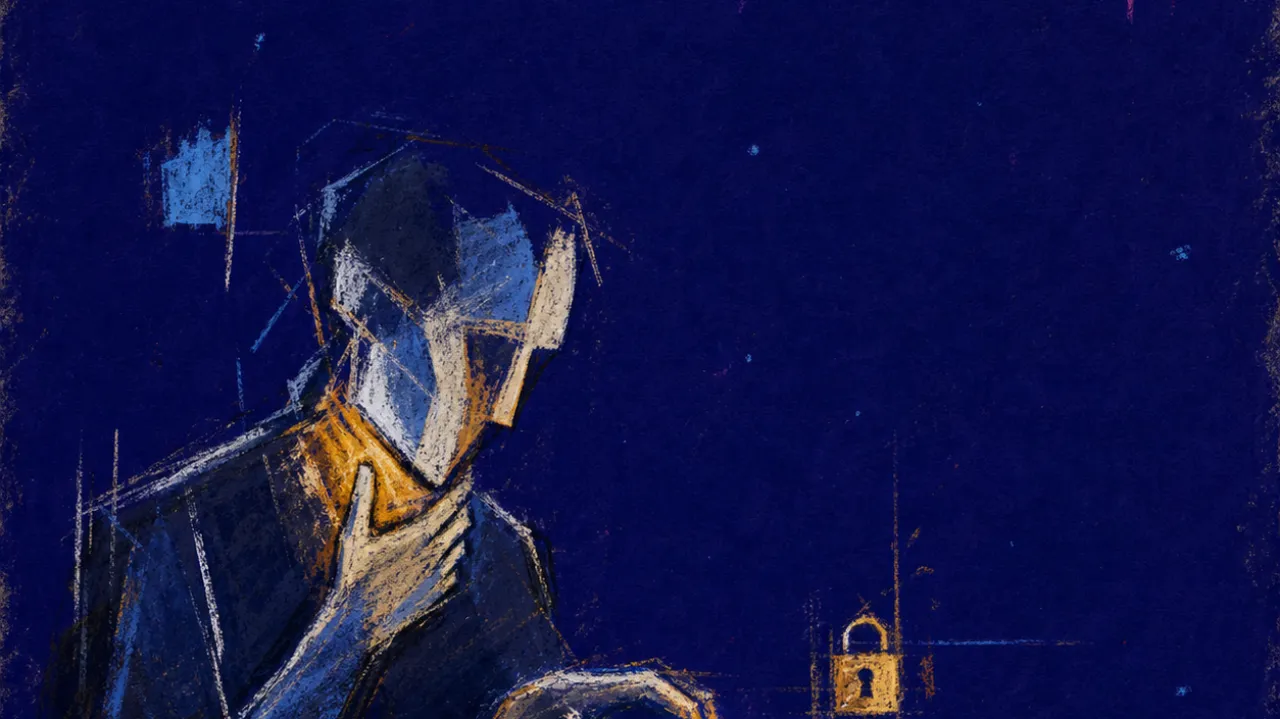
You keep looking for one more sign, one more metric, one more inner click before you send the message, choose the path, define the relationship, or start the work. It makes sense: you are trying to protect yourself from regret, misreading, wasted effort, and the exposed feeling of acting before every variable has lined up. Yet the safety check becomes a cognitive trap, because the more you demand absolute clarity, the more your life gets held at the doorway with enough light to move but not enough to feel guaranteed, much like the High Priestess sitting before a closed veil with a half-hidden scroll in her lap.

Why did it happen?

At some point, waiting for the clearer answer may have helped you avoid being rushed, misunderstood, or cornered into a choice you could not take back. Your body learned to slow everything down until the next move felt internally clean enough to survive. Now that inner pattern can keep running even when enough is already visible, leaving you mentally tired from checking, rereading, and holding your life at the edge of action.

How does it feel?

  • You have the reply typed out, then your thumb hovers over send while you reread one sentence for the fourth time, trimming a word, adding it back, checking the tone again. In that pause, you may notice your shoulders lifting toward your ears and your breath getting smaller, as if the message has to become risk-free before it can leave your body. It is okay to let that pause be visible for a moment; uncertainty can exist without needing an immediate verdict.
  • In a meeting, someone asks what you think, and your eyes flick to the agenda, the Slack thread, then the faces on the screen before you answer with, 'I need to check one thing first.' Right after, your jaw may tighten and your chest may feel held in place, not panicked, just braced around the need for cleaner footing. You can let the incomplete feeling sit beside you without treating it as a command.
  • When choosing between two plans, you open another tab, compare reviews, scan Reddit threads, then make a tiny spreadsheet even though you already know which option is workable. Your stomach may feel slightly hollow, and the more information you collect, the harder it can feel to land anywhere. That loop does not need to be judged; it may be an old way of making open space feel less exposed.
  • In a relationship conversation, you notice a shift in someone's tone and immediately replay the last few texts, looking for the exact word that explains where you stand. Your throat may feel dry, and your attention can narrow until the rest of the room blurs behind the need for one clean signal. It is allowed to not know the full meaning yet; not every unclear moment has to become evidence.
  • Alone at night, you sit with your laptop still open, cursor blinking on a plan you keep revising before Monday even exists. Your eyes may feel gritty, your neck stiff, and your mind keeps reaching for one more condition that would make starting feel fully justified. You can close the loop for now without forcing total confidence; a partial next step can remain partial.

Certainty Seeking in Tarot Cards

That moment when a workable choice still feels unsafe because it is not unquestionable is the core signal of Certainty Seeking. You can feel it in the thumb hovering over send, the shoulders lifting, the breath getting smaller while the mind asks for one more proof point. From a Jungian perspective, archetypal theory gives this pattern a symbolic language without turning it into a verdict. The Tarot Cards below reflect the unconscious dynamics of waiting at the threshold until ambiguity stops feeling dangerous.

The High Priestess Upright
The equal-armed cross, the paired pillars, and the centered stone seat build a card out of symmetry, order, and controlled balance. Even the body participates in that design by staying contained, guarded, and perfectly placed at the entrance rather than beyond it. That structure mirrors Certainty Seeking in personal growth. You keep trying to stabilize the entire inner system before you let yourself move, as if ambiguity must be resolved before the next version of you can be trusted. What looks like discernment on the surface can become a private rule that says progress is only safe once doubt has been eliminated.
Reversed
The High Priestess sits between exact opposites, with a half-hidden scroll in her lap and a veil keeping the rest out of reach. Nothing in the scene is chaotic, but everything is conditional: truth must be approached carefully, disclosure is partial, and the space leaves little room for ambiguity. That makes uncertainty feel like a barrier rather than a normal part of inner life. In introspection, that geometry becomes Certainty Seeking. You may keep waiting for the definitive explanation, the clean read, or the perfect internal signal before you let yourself rest, decide, or trust what you feel. The card fits because its symbols do not merely hide knowledge; they stage the pressure of needing full clarity before contact feels safe.
The Empress Upright
The crown of twelve stars and the orderly layering of shield, throne, field, forest, and water create a scene where timing looks readable if you collect enough signals. Nothing appears chaotic here; even abundance is framed. That visual order makes uncertainty feel like a problem that should be solved by better interpretation rather than tolerated as part of the process. This is the logic of Certainty Seeking in timing decisions. You may keep asking for one more sign, one more metric, one more piece of external validation before making the move, because action only feels safe when regret seems preventable. The deeper trap is that timing stops being relational and becomes contractual, as if enough proof could guarantee the season will answer exactly as planned.
The Emperor Upright
The Emperor sits on a square stone throne, body centered, scepter vertical, mountains locked behind him. Almost every line in the card points toward order, hierarchy, and stable command, while the river of feeling is pushed to the edges and mostly hidden. That visual arrangement mirrors a mind that trusts structure before experience. You can feel the personal growth version of it when plans, frameworks, and certainty become the price of admission for action. The card links to Certainty Seeking because control is not just a preference here; it is the psychological container that makes expansion feel safe enough to attempt.
The Hierophant Upright
The crown, blessing hand, staff, and keys stack into one controlled vertical line, while the feet stay pressed together and the temple seals everything inside a highly ordered frame. The whole image channels attention toward one approved route and makes stability feel morally safer than wandering. In personal growth, that becomes Certainty Seeking. You may keep tightening rules, systems, and frameworks because uncertainty feels less like openness and more like exposure. The pattern gives you temporary calm by replacing experimentation with structure, but it also makes real evolution wait until risk has been reduced to zero.
The Lovers Upright
The two trees stand behind the figures like two complete but different systems, while the mountain between them fixes the scene at a decisive threshold. The composition is orderly and symmetrical, yet the choice inside it is not simple. That tension mirrors a mind that wants the whole map settled before it can step forward. In personal growth, this pattern turns evolution into a search for the perfectly correct framework, the flawless plan, or the morally clean decision. You are not avoiding growth because you do not care; you are trying to protect yourself from the cost of being wrong. The card exposes how certainty can become a gate you keep polishing instead of a bridge you actually cross.
The Chariot Upright
The chariot pauses at a threshold: city behind, horizon ahead, star canopy above, opposing sphinxes below. Everything in the image waits for the exact line of movement to become unquestionable, as if direction must be cosmically confirmed before motion is safe. That is the texture of Certainty Seeking in personal growth. You can keep refining frameworks, scanning for the perfect signal, and delaying the next step until every inner force agrees. The card shows how a disciplined mind can become trapped by its own demand for clean alignment.
Reversed
The black and white sphinxes make opposition visible, but reversed they stop feeling like workable tension and start feeling like a demand to choose the one correct side. The threshold behind and ahead becomes harder to cross, because the mind keeps trying to eliminate ambiguity before movement is permitted. In timing questions, this becomes Certainty Seeking. You may keep asking for one more sign, one more confirmation, or one more clean answer before acting, not because nothing is available, but because uncertainty itself feels unsafe. The card shows how the search for clarity can quietly turn into a delay mechanism when the season requires responsiveness rather than guarantees.
Strength Upright
Above the woman's head, the infinity symbol hangs like a promise that every force in the scene can be brought into one clean loop. Her body channels the lion's power without visible panic, and the encounter feels measured down to the smallest adjustment. The card therefore visualizes a mind that does not merely want a good choice. It wants a choice that feels fully coherent, internally settled, and safe from contradiction. In decision-making, that becomes Certainty Seeking. You keep comparing, calibrating, and waiting for instinct, logic, timing, and downside risk to line up in one seamless pattern. The image matters because it shows how regulation can become a precondition for action: until the inner and outer field feel perfectly aligned, movement keeps getting postponed.
Reversed
The lemniscate above the woman suggests an infinite loop, and in this orientation that loop hardens into a rule: safety comes only from perfect containment. Because the grip is fixed on one narrow point, uncertainty stops being part of thinking and starts feeling like an intrusion that must be sealed out. In study life, that pattern often becomes Certainty Seeking. You keep looking for one more source, one more clarification, or one more sign from a supervisor before choosing a topic or backing an argument. The card shows why movement stalls: the mind is trying to eliminate the risk of being wrong instead of building tolerance for being unfinished.
The Hermit Upright
The Hermit's lantern is the only light in a starless sky, and it reveals only a narrow slice of ground ahead. His bowed head stays loyal to that one beam rather than the whole landscape, so knowledge is organized through a controlled, limited field of vision. That image maps cleanly onto Certainty Seeking in personal growth. You keep trying to evolve only through what feels fully legible, researched, and internally verified, because ambiguity registers as unnecessary risk. The pattern is not a lack of intelligence; it is an overreliance on clarity as a safety condition, which turns waiting into a disguised form of self-protection.
Reversed
A single lantern holds back a starless night, but it only lights a few steps. The bowed head keeps attention glued to that small circle of visibility, and the planted staff turns the body into a check-before-move instrument. You experience this as Certainty Seeking when timing decisions stop being about direction and become a demand for full visibility before the first step. The pattern mistakes partial light for insufficient light, so it keeps asking for one more sign, one more confirmation, one more guarantee. In a timing problem, that is how discernment hardens into delay.
Wheel of Fortune Upright
The four winged creatures hover in the corners with their books open while the wheel stacks letters, alchemical signs, and spokes into a system that looks fully decipherable. Your eye is pulled toward pattern, correspondence, and the promise that if you read enough of the map, change will stop feeling random. That is the logic of Certainty Seeking in personal growth. You are not avoiding evolution because you lack ambition; you are trying to make transformation feel risk-proof before you step into it. The card links wisdom with motion, but the fixed frame around the wheel shows how easily learning becomes a safety ritual that keeps you studying your next chapter instead of entering it.
Justice Upright
The crown, pillars, and balanced scales create a courtroom of authorized truth, while the raised sword waits for a decision that must feel justified before it is used. The card's geometry narrows attention toward what can be verified, measured, and defended. That is the body language of a mind that feels safer with proof than with experimentation. In personal growth, Certainty Seeking turns evolution into something you believe you must fully understand before you can embody it. You may keep collecting frameworks, insights, or timing signals so you never have to enter the part of change that is still unproven. Justice links this pattern to a deep wish to act cleanly, but the need for airtight clarity can quietly delay your next level.
The Hanged Man Upright
The figure hangs from a single ankle while the rest of the body stays remarkably composed, and the blank field around him removes almost every outside cue. You can feel how the card converts movement into suspension and forces attention inward, as though action must wait until the frame becomes perfectly legible. In decision-making, that posture often becomes Certainty Seeking. You slow the choice down until every hidden variable looks named and every risk looks mapped, because ambiguity itself feels unsafe. The calm face is what makes the pattern so persuasive: it can look like wisdom from the outside while it quietly turns uncertainty into a veto.
Reversed
The entire scene is organized around arrested perception: a centered beam, an upside-down body, and a head that becomes the visual and symbolic focal point. Nothing in the card is chaotic, but nothing is allowed to proceed either. That is how certainty seeking works when you are trying to orient your future: perception keeps being prioritized over commitment until action begins to feel irresponsible without total clarity. You may experience this as discernment, but the card exposes a harsher internal rule. Movement is postponed until the path feels fully legible, emotionally safe, and somehow guaranteed in advance. The longer you keep trying to eliminate ambiguity, the more the suspended state starts feeling like proof that you are being wise, when it is actually the mechanism that keeps your direction frozen.
Death Upright
The sun between the distant towers is visually undecidable, and the praying figure stands before the rider with folded hands. The scene holds a human wish for confirmation inside an environment that will not provide full interpretive safety. That is the cognitive posture of certainty seeking in a major choice. You may want the horizon to announce whether this is loss or rebirth before you commit, but the card shows a threshold that only reveals itself through passage. Death exposes the hidden cost of waiting for perfect knowing. The search for certainty can look responsible, yet it may quietly become a way to avoid carrying the emotional weight of choice.
Reversed
The sun between the distant towers cannot be fixed as fully rising or fully setting, and the foreground offers no clean answer about what comes next. The card holds the eye in a threshold state where the old world is visibly ending but the future refuses to become a guaranteed map. Certainty Seeking emerges when that threshold becomes intolerable. The mind tries to convert ambiguity into a perfect sign, a final confirmation, or a future-proof decision before it will risk moving. In direction work, this pattern keeps the compass frozen by demanding a level of clarity that transitions rarely provide. The card does not remove uncertainty; it shows where the demand for certainty has become the very thing blocking the next honest step.
Temperance Upright
The sun-like mark on the angel's forehead sits above a face turned downward in concentrated observation. The cups, stream, path, and distant light all create a chain of controlled knowing, as if the next move must be diagnosed before it can be trusted. Certainty Seeking grows from that need for clean inner confirmation. It tries to protect you from wasting effort, choosing the wrong method, or being exposed by an academic mistake. In study life, the pattern can make every beginning depend on a guarantee: the right reading list, the right supervisor response, the right framework, the right plan. The card shows how the search for clarity can become a gatekeeper that blocks the learning it was meant to support.
Reversed
The forehead mark, the rising sun, and the bright road toward the distant mountains create a strong corridor of illumination. In the reversed state, that light can become too narrow, as if the future must reveal one unmistakable answer before the body is allowed to move. Certainty Seeking forms when clarity becomes a prerequisite rather than a consequence of engagement. The psyche tries to protect itself from regret by demanding a sign, a guarantee, or a perfectly readable destiny before choosing any direction at all. In direction work, this card exposes the trap of treating the future like a hidden solution that must be decoded from a distance. You may not need more light before the first step; the path may only become legible through participation. The pattern is not the desire for clarity, but the way that desire can freeze life at the edge of decision.
The Devil Reversed
The collars on the figures are loose, but the bodies remain inside the Devil's field. The visible possibility of movement does not immediately become movement, because the scene is organized around a powerful demand for certainty, safety, and proof. Certainty Seeking turns timing into a test that must be solved before life can proceed. The mind waits for a final signal strong enough to remove risk, but the waiting itself becomes another form of bondage. The downward symbols keep attention fixed on control, security, and guaranteed outcomes. In timing questions, this pattern appears when no amount of evidence feels sufficient to either act or pause. You may keep asking for one more confirmation, one more reading, one more sign, or one more condition to align. The Devil shows where the desire for certainty has become the thing preventing a clean relationship with timing.
The Star Reversed
The largest star holds the eye like a fixed point of navigation, while the smaller stars organize the night around it. The figure below receives that orientation through water and posture, as if movement waits for the sky to clarify the next direction. In the reversed state, the same guidance structure can become Certainty Seeking: the psyche keeps scanning for a sign strong enough to remove ambiguity. In personal growth, this delays action because the inner system treats uncertainty as evidence that the next step is not authorized yet.
The Moon Upright
The dog and wolf stand on land with their bodies turned toward the moon, pouring their energy upward while the path beside them remains unused. The scene shows activation without forward motion: instinct is awake, attention is intense, but the body is not yet crossing the uncertain terrain. That visual structure mirrors a mind that keeps scanning for the final piece of reassurance before it allows itself to move. The moon gives enough light to make the path visible, but not enough to remove ambiguity, so the nervous system tries to solve uncertainty by demanding more signs, more interpretation, and more internal readiness. In personal growth, Certainty Seeking often feels like being responsible and self-aware, but it quietly converts evolution into a waiting room. You may keep asking for the perfect plan, the clean inner yes, or the unmistakable signal, when the actual threshold is learning to act while some part of the path is still dark.
The Sun Reversed
The Sun leaves almost nothing in obscurity: rays fill the sky, the wall is plainly visible, and the child rides in full exposure. The card's visual language is not dim intuition but direct illumination, a world where ambiguity appears to have been burned out of the frame. That same need for daylight can harden into Certainty Seeking. The psyche waits for every variable to become visible before it will cross the wall, so clarity stops being a tool and becomes a gatekeeper. You may call it being careful, but the pattern is using impossible visibility to delay the risk that every real choice contains.
Judgement Reversed
The trumpet in Judgement sends one unmistakable sound across the whole scene. The figures below all orient toward it, and the visual field becomes organized around a single vertical line from the angel's call to the bodies rising from the coffins. In a decision spread, that same structure can become Certainty Seeking. The psyche wants one clean signal powerful enough to silence ambiguity, rank every option, and remove the personal risk of choosing. The call from above is then treated less like an awakening and more like a demand for a final, unquestionable answer. This pattern matters because major choices rarely offer the kind of certainty the nervous system is asking for. The card exposes the hidden bargain: if you wait for a trumpet loud enough to erase all doubt, you may also erase the quieter evidence of values, timing, fear, desire, and hidden cost that actually makes the decision yours.
The World Reversed
The oval wreath forms a sealed frame around the dancer, while the four corner creatures make the whole image feel mapped, witnessed, and complete. Every direction has a place. Every force appears accounted for. Reversed, that completeness can turn into Certainty Seeking. The mind starts treating a decision as valid only when it feels total, symmetrical, and risk-free. Instead of using information to clarify the next move, the system demands a guarantee that no hidden variable will later disturb the frame. For you, this pattern appears when uncertainty feels like a warning sign rather than a normal part of choosing. The card reveals how the hunger for a complete map can keep the decision inside the wreath forever, polished but unmoved.
Seven of Cups Reversed
The cups present themselves as possible signals, but none of them offers final confirmation. The figure keeps looking, held at the edge of action by the hope that one image will become clear enough to remove doubt. Certainty Seeking is the defense that converts timing discernment into an endless search for permission. The mind wants a signal so complete that it can move without feeling the vulnerability of partial information. In timing questions, this pattern can make the next step depend on a level of confirmation life rarely provides. The card reveals where the search for clarity is valid, and where it has become a way to postpone contact with risk.
Eight of Cups Reversed
The moon covers the sun, leaving the landscape lit by ambiguity rather than certainty. The figure can see enough to move, but not enough to guarantee the whole route. The card's visual intelligence is that the path becomes available before proof becomes complete. Certainty Seeking reverses that order. You may keep searching for one more sign, one more interpretation, one more perfectly coherent plan before allowing direction to become embodied. The missing cup then becomes a cognitive trap: attention fixes on the absent confirmation instead of the movement already being asked of you. In direction work, this pattern exposes how the demand for clarity can become a disguised form of delay. The card does not remove uncertainty; it shows the threshold where uncertainty must stop being treated as evidence that the inner compass is wrong.
Ten of Cups Reversed
The rainbow of cups hangs above a settled house and a complete family scene, creating a picture with no visible crossroads. Everything in the composition looks resolved, which can make uncertainty feel like a flaw rather than a normal condition of choosing. Certainty Seeking appears when the mind waits for the emotional equivalent of a rainbow before it permits action. In a choice reading, this card can show how the demand for a guaranteed future is quietly freezing the decision, because no real option can provide the total safety that the image seems to promise.
Page of Cups Reversed
The empty sky and the Page's fixed gaze create a clean visual channel from face to cup, as if the world has been stripped down to one message that must become clear. The broad water behind him is not gone, but his attention compresses the whole emotional field into the fish in the chalice. Certainty Seeking turns that compression into a rule for decision-making. You may keep waiting until the choice feels completely safe, fully confirmed, and emotionally uncontaminated by doubt. The Page shows why that waiting can feel responsible: the body is trying to protect you from regret by demanding a level of clarity that real thresholds rarely provide.
Knight of Cups Upright
The Knight approaches the stream without rushing, holding the cup upright and steady while the horse is kept to a controlled pace. The body seems to be waiting for the emotional object to remain perfectly intact before the crossing can happen. Certainty Seeking turns that carefulness into a gatekeeping ritual. In a decision spread, the cup becomes the internal guarantee you keep checking before choosing, as if the right path should arrive with no doubt, no spill, and no residue of loss. You may have enough information to move, but the pattern is demanding a level of emotional proof that real choices rarely provide.
Queen of Cups Reversed
The narrow sandbar gives the Queen ground, but the surrounding water and distant wall keep the scene enclosed. Her lidded cup promises depth without showing its contents, so the visual field rewards waiting for an inner signal that feels perfectly clean. Certainty Seeking enters when a decision cannot move until the cup gives an answer with no residue of fear, grief, desire, or risk. In a choice spread, that structure reveals how the search for a flawless sign can become a control strategy that protects you from ambiguity while also trapping the choice in place.
King of Cups Reversed
The king carries a Cup and a cup-shaped scepter, as if emotional truth must be held in both hands before the ocean can be trusted. His golden crown and throne create a hard frame of authority above water that never stops moving. Certainty Seeking forms when the psyche tries to turn a fluid decision into a fixed guarantee. You may look for a reading, sign, or inner feeling that removes all risk, but the card's structure shows authority existing with uncertainty, not after uncertainty disappears.
Ace of Pentacles Reversed
The hand's grip on the pentacle is exact, almost procedural. The coin is visible, the gate is visible, and the garden is visible, but the image still contains a delicate moment of holding before movement. In reversal, that holding can become a demand for one more confirmation, one more sign, one more proof that the crossing will be safe. Certainty Seeking appears when the psyche tries to remove the emotional risk from timing. The question is no longer whether the field is reasonably aligned; it becomes whether the future can be guaranteed before the body agrees to move. The open gate then stops functioning as an invitation and becomes another object to inspect. In timing questions, this card shows how a valid readiness check can turn into a reassurance loop. You may be collecting signals long after the useful information has arrived, because what is being sought is not data but relief from the vulnerability of choosing.
Two of Pentacles Reversed
The figure focuses on the pentacle closest to hand while the ships behind him ride conditions he cannot fully read or control. The image compresses attention around the nearest variable because the wider field refuses to become still. Certainty Seeking enters when the mind demands a level of proof that real life choices cannot provide. One more sign, one more metric, one more comparison feels like it might finally remove risk, but the sea keeps moving. You may believe clarity will arrive once every variable is visible. The card shows why that demand becomes a trap: the decision field is dynamic, so waiting for total certainty can quietly become another way of refusing the threshold.
Four of Pentacles Upright
The crown pentacle, chest pentacle, and foot-pinned pentacles create a vertical line of control from thought to heart to ground. The figure's attention is not dispersed across the town behind him; it is locked into the single problem of keeping the structure intact. That narrow visual channel mirrors a mind that wants guaranteed safety before it moves. The pentacles become load-bearing beliefs, and every part of the body is recruited to preserve the arrangement. In personal growth, this can become the search for the perfect system, complete proof, or risk-free plan before any real experiment begins. Certainty Seeking is the defense that disguises fear of exposure as responsible preparation. You may feel like you are being strategic, but the card shows a subtler loop: the need to know everything in advance can become the exact mechanism that prevents the self from evolving through contact with reality.
Six of Pentacles Reversed
The scales promise a clean answer, while the skewed pentacles above quietly show that the field is not perfectly balanced. The tool of measurement is real, but the image refuses to become a flawless equation. As Certainty Seeking, the card exposes the wish to make an uncertain future measurable before you move. You may keep asking for proof that one path is objectively correct, when the real decision requires tolerating a remainder that no scale can remove.
Eight of Pentacles Upright
The bench, tools, and row of pentacles create a controlled pocket of certainty inside an open world. The distant town is visible, but the craftsman keeps his body inside the small zone where every movement has a tool, a surface, and a measurable result. This visual field mirrors a mind that tries to make a live choice behave like a finished object. You may keep asking for more proof because uncertainty feels like a flaw in the decision, not a normal part of crossing a threshold. Certainty Seeking fits because the card shows the comfort of evidence before exposure. The problem is not the desire for clarity; it is the moment when clarity becomes a condition that no real-world option can fully satisfy.
Ten of Pentacles Upright
The ten pentacles sit over the living scene as a fixed pattern, while the crest, wall, and arch turn ordinary life into something sealed and legible. The image gives the eye a completed structure before it gives the body a path forward. That is the mechanism behind Certainty Seeking in a crossroads reading. You look for a decision that arrives already protected, already validated, already safe from regret. The card exposes how a demand for total security can keep agency suspended at the threshold.
Page of Pentacles Upright
The Page does not merely hold the pentacle; he studies it until the object becomes the organizing center of the whole scene. His body is ready for a journey, but the gaze remains suspended at the checkpoint of understanding. This is the inner mechanics of Certainty Seeking. The mind tries to make movement safe by requiring one more explanation, one more confirmation, one more proof that the internal signal is valid. For introspection, the pattern can make self-knowledge feel responsible while quietly delaying emotional trust. You may keep asking what a feeling means because letting it exist without a perfect explanation would expose a less controlled part of the psyche.
Reversed
The Page's attention is calm but extremely narrow; the pentacle becomes the gate through which the whole scene must pass. The field is open, the mountains are distant, and yet the body behaves as if one object must provide enough proof before movement can resume. Certainty Seeking in love uses the same narrowing mechanism. Labels, replies, timelines, reassurance, and concrete signs become emotional checkpoints, not because clarity is wrong, but because ambiguity feels too destabilizing to hold. You may be asking for proof when the deeper system is asking for safety. The card makes that distinction visible: the need is real, but the fixation on certainty can make the relationship feel constantly audited instead of mutually inhabited.
Knight of Pentacles Upright
The knight does not charge into the field; he pauses, holds the pentacle at the center of attention, and scans the route ahead before moving. The open landscape is available, but the body waits until the next step feels sufficiently mapped. That pause reflects a mind that uses information as a stabilizer. In academic life, the rubric, the advisor's wording, the grading criteria, or the exact reading list can become the pentacle: a concrete object that makes uncertainty feel containable. Certainty Seeking is not the same as laziness or lack of ambition. The card shows a capable system trying to reduce risk before action, but it also reveals how the need for perfect clarity can delay the independent judgment that serious study eventually requires.
Reversed
The armor, the planted horse, and the solid pentacle all create a world where weight, proof, and preparedness matter more than speed. The knight does not move until the visible facts feel firm enough to stand on. In a choice reading, this becomes Certainty Seeking when the need for proof starts to outrank the actual decision. The pattern tries to turn uncertainty into a fully measurable object, so you keep asking for one more confirmation before allowing your own agency to enter the field.
Queen of Pentacles Reversed
The pentacle sits at the center of the Queen's gaze like a single clean answer held inside both hands. Around it, the living landscape is wider and less controllable, but her attention is pulled toward the one object that can be gripped, measured, and returned to. That focus mirrors Certainty Seeking when a choice is treated as unsafe until it becomes completely unambiguous. You are being shown how the demand for a perfect signal can shrink a living decision into a rigid proof test, where ambiguity feels like danger instead of normal decision material.
King of Pentacles Reversed
The King's gaze drops toward the pentacle while the scepter, throne, wall, armor, and castle supply visible proof of control. The picture privileges what can be held, measured, owned, and defended. When the need for proof tightens, the decision field narrows around guarantees that no real crossroads can fully provide. You may keep waiting for a risk-free signal, not because the choice has no answer, but because the mind is trying to turn uncertainty into a solid object before it lets you move.
Ace of Swords Upright
The crown sits on the sword point as if the mind could reach a final, elevated proof above the cold hills below. The hand's grip is controlled and the air is clear, but the landscape still remains barren and distant, reminding the eye that sharp thought cannot remove every unknown from the terrain. Certainty Seeking forms when the intellect tries to turn a decision into a guarantee. The sword can reveal truth, but the crown can also seduce the mind into believing that the right choice should feel fully sealed, validated, and risk-free. In a choice reading, this pattern shows where You may be waiting for a level of certainty that no real crossroads can provide. The card does not erase ambiguity; it exposes which ambiguity is real and which uncertainty has become a defense against agency.
Reversed
The sword glows in an otherwise spare sky, and that brightness can feel almost too clean. When the surrounding field gives little feedback, the mind may start treating the brightest inner signal as proof, even before the outer conditions have answered. Certainty Seeking grows from that gap between insight and confirmation. The hand keeps hold of the sword as if one more reading, one more sign, or one more internal click could remove the risk of choosing the wrong moment. The issue is not the desire for clarity; it is the attempt to make clarity do the job of certainty. For You, this pattern names the checking loop that keeps timing questions open long after the useful information has already arrived. The Ace of Swords can cut through confusion, but it cannot make a living cycle completely risk-free before You engage it.
Two of Swords Upright
The crescent moon hangs between the two swords like a small signal caught inside a controlled frame. The sky is grey, the water is dim, and the figure sits still on stone, trying to let one clear line emerge from a field that is built out of ambiguity. The image does not offer total visibility; it offers containment. Certainty Seeking appears when the inner compass is treated as something that must become unmistakable before movement is allowed. You may keep waiting for a sign strong enough to cancel doubt, a feeling stable enough to remove risk, or a future image clear enough to justify commitment. The swords create the illusion that ambiguity can be held still until it turns into certainty. In a direction reading, this card shows the trap of asking the future to become safer than life can be. Some clarity arrives only after contact with a path, not before it. The moon between the blades suggests that intuition is partial, cyclical, and real, but it cannot become a guarantee without being distorted into another control mechanism.
Reversed
The blindfold and crossed swords create a scene where the woman has removed direct sight while still trying to hold perfect balance. Her arms can maintain the position for a while, but the image makes the strain obvious: a posture this controlled eventually becomes its own pressure. Certainty Seeking appears when the mind treats ambiguity as a threat that must be eliminated before movement is allowed. The blindfolded stillness becomes a closed information loop, where every new detail is tested for whether it can finally remove risk, not whether it actually changes the decision. In a major choice, this pattern can feel like responsibility, but the card shows how the search for absolute assurance can become a sophisticated form of immobility. You are not waiting for enough information anymore; the system is waiting for a kind of certainty that real life rarely offers.
Four of Swords Reversed
The three swords point down into the body's most vulnerable line while the figure remains unable to respond. The mind is placed under a ceiling of possible harm, and the composition gives more visual power to threat than to exploration. Certainty Seeking forms when uncertainty is coded as danger rather than as a normal condition of choice. You start looking for the guaranteed path, the risk-free answer, or the perfect proof because any unknown feels like a blade hanging overhead. The hidden lower sword suggests that one premise is already running the decision: movement is unsafe unless the outcome can be controlled. In a crossroads reading, the card exposes how the demand for certainty can become the very mechanism that removes choice.
Eight of Swords Upright
The white blindfold removes direct sight while the swords supply hard, clean lines around the body. The contrast creates a mind that wants perfect orientation before it will risk one step, even though the physical enclosure is incomplete. Certainty Seeking turns uncertainty into a prerequisite problem: if every hidden cost is not visible, movement feels irresponsible. You are not lacking every piece of information; the pattern is demanding impossible clarity before allowing an ordinary decision to become real.
Nine of Swords Upright
The quilt beneath the woman carries a dense grid of repeated and incomplete symbols, while the dark room gives those symbols no broader frame. The bed should be a place of rest, yet it becomes a closed container for searching, decoding, and trying to make uncertainty speak clearly. Certainty Seeking appears when the mind cannot tolerate the open edge of a decision, so it keeps demanding one more sign, confirmation, reading, or guarantee. In a choice reading, this pattern can disguise itself as being careful, but its deeper function is to avoid the vulnerability of acting without perfect assurance. You may be looking for the final piece that will remove all doubt. The card shows why that piece keeps moving: the demand for certainty is not just about the option, it is about trying to make risk disappear before the choice is made.
Page of Swords Upright
The Page stands on a high ridge with the sword lifted like an instrument for cutting through fog, yet his eyes are turned toward a different line of threat. The clouds are close, the ground is uneven, and the body seems organized around the need to know before anything gets closer. That posture translates into a relationship pattern where ambiguity feels unsafe until it has been named, labeled, or mentally contained. You may ask for clarity not because clarity is wrong, but because uncertainty activates a defense that wants the whole emotional map before risk is allowed. In romantic connection, Certainty Seeking can make timing, tone, labels, and future plans feel urgent before trust has had time to form. The Page's blade shows the intelligence of the defense, while the surrounding weather shows the cost of needing love to become fully legible before it can become intimate.
Knight of Swords Upright
The sword points past the frame, and every visible force is pulled into the same line of attention. The knight does not scan the open landscape; the whole body is organized around the need for one clean target. Certainty Seeking appears here as the attempt to make a vast future manageable by narrowing it too quickly. You may look for the perfect sign, plan, or answer because ambiguity feels like drift, but the card shows how a single clear line can become a tunnel before it becomes a true direction.
Queen of Swords Reversed
The single vertical sword draws a clean line through a sky that is not fully clear below. Around the throne, cloud and air coexist, but the blade tries to make one truth stand above the mixed field. Certainty Seeking grows from that split: the mind wants a final sign, a verdict clean enough to remove responsibility from the choice. In a crossroads reading, this pattern reveals the hidden bargain of waiting for perfect proof: it protects you from regret, but it also keeps the decision outside your own authority.
King of Swords Upright
The sword is raised like a single vertical answer, while clouds and birds drift behind it without disrupting the King's fixed line of sight. The image holds mental weather in the background and treats the blade as the path to a clean verdict. That is the logic of a study mind that keeps asking for one more source, one more rule, one more proof before it allows a draft to exist. You are not simply being careful; the system is trying to turn academic ambiguity into certainty before it risks being evaluated.
Reversed
The sword stands upright like a demand for one clean line through a cloudy sky. Around it, the throne is hard, elevated, and stable, creating the impression that judgment should be firm before the surrounding uncertainty is allowed to move. That visual demand becomes Certainty Seeking when the psyche treats uncertainty as a flaw in the decision instead of a feature of the situation. The mind keeps looking for a proof point strong enough to make risk disappear. In choice work, this pattern can disguise itself as responsibility. You may keep waiting for the option that feels guaranteed, but the card shows that the search for absolute clarity can become a protected enclosure that keeps you away from the living field where the decision actually has to be tested.
Ace of Wands Reversed
The hand appears from a cloud and presents the wand as a single vertical signal. The source is hidden from view, which makes the object feel both compelling and outside ordinary ownership. Certainty Seeking forms when that outside signal is asked to absorb the risk of choosing. You may want the reading, the sign, or the perfect confirmation to make the option undeniable, but the deeper mechanism is a boundary problem between guidance and self-authorization.
Four of Wands Upright
The four unheld wands stand like proof that the ground is already reliable, while the castle and bridge give the future a defined outline. The scene makes stability visible before anyone has to take the next step. Certainty Seeking forms when the mind asks every choice to look this structurally guaranteed before it will move. You may keep testing options for pillars, bridges, and future security until uncertainty feels like a flaw rather than a normal cost of choosing. The card turns that need for guarantee into something visible enough to question.
Eight of Wands Reversed
The wands look almost too clean in their alignment, as if the sky has temporarily removed every obstacle and every contradiction. Yet they are still airborne; their order has not become contact, proof, or lived consequence. Certainty Seeking forms when the mind demands a perfectly clean signal before it will tolerate choice. In a choice reading, You may keep asking for the kind of answer that removes risk completely, when the real work is naming which uncertainty is unavoidable and which uncertainty is actually useful data.
Nine of Wands Upright
The repeated wands behind the figure create a rigid checklist of defenses, and the wand in his hands becomes the one checkpoint he refuses to release. His gaze does not settle into the whole landscape; it tracks the side of the field where the next problem might appear. This is the visual logic of a mind that keeps asking for the final piece of evidence before choosing. Certainty becomes a defensive object, something to grip when the real discomfort is not lack of information but the exposure of committing without total control. In a decision spread, this pattern points to the moment where preparation stops clarifying the choice and starts protecting you from regret. The card does not shame the need for caution; it shows the cost of demanding a level of certainty that life rarely provides before movement is possible.

Certainty Seeking in Tarot Card Reading Insights

For anyone who keeps rereading the same signal until a workable choice feels undeniable, others have brought this same Certainty Seeking loop into readings. The cards move from symbols into the texture of someone sitting with that delay. Below are Tarot Reading Insights that speak to this pattern.
Psychological patterns related to Certainty Seeking