Being Measured Before Promotion

Explore the pressure of being read for authority, the tarot cards that mirror it, and related reading insights.

Executive Presence Test
What is this situation?

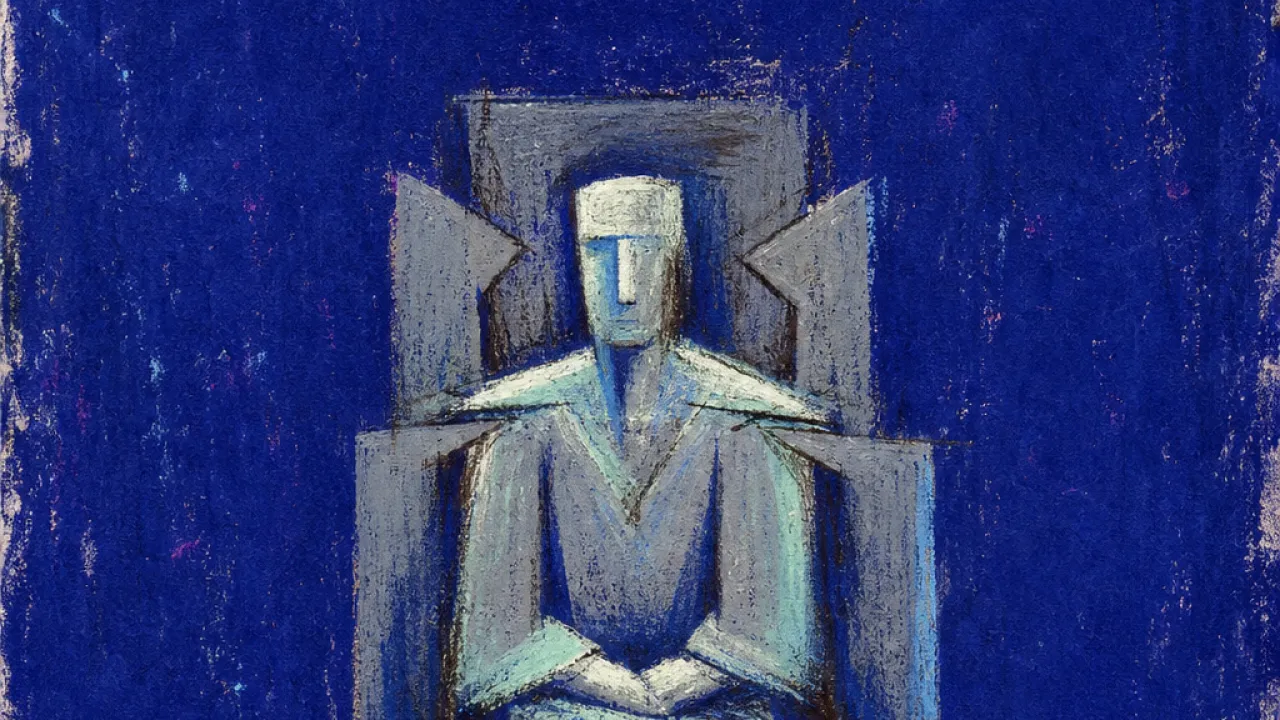
Executive Presence Test — you step into a meeting, presentation, promotion conversation, or senior room and realize the work itself is no longer the only thing being assessed. Maybe your manager says you are doing strong work but need to “show more leadership,” or a stakeholder watches how you answer a hard question before they decide whether to trust your recommendation. The room has its own code: speak too cautiously and you are treated as junior, speak too directly and you are told to soften the edge, pause too long and people fill the space for you, move too quickly and your judgment gets questioned. You start noticing how much gets read through posture, timing, polish, eye contact, meeting control, and whether your sentences sound finished enough for people with more power to stop interrupting. You may already be carrying decisions, context, and responsibility, but the title, pay, and authority are still held back while other people test whether you look ready for them. The daily drain comes from having to translate competence into a visible shape: rewriting Slack messages so they sound senior, rehearsing how to push back without sounding defensive, watching who gets called “confident” for the same tone that gets called “intense” when it comes from you, and leaving rooms replaying not just what you said but how it landed. Over time, the job becomes partly performance architecture, not because the work is fake, but because the environment keeps asking you to be legible before it will let you be powerful, much like The Emperor seated outward on a square stone throne, armored beneath the robe, arranged to be read as command before any action begins.

Why it's not you?

The problem is not that your work suddenly became less solid; the problem is that this environment has added a visibility gate on top of the work. When posture, tone, polish, and timing are treated as proof of authority before authority is granted, the pressure belongs to the room as much as to the role. This is a workplace test with rules, signals, and gatekeepers, not a private failure.

Executive Presence Test in Tarot Cards

That moment when your shoulders tighten before a senior meeting is part of the Executive Presence Test, where output has to pass through posture, timing, and visible authority before it is counted. This is an environmental and structural dynamic built into the room: the organization is not only reviewing your work, it is reading whether your presence can carry power under observation. The cards below do not tell you how to perform leadership; they reflect the visible pressure of being assessed before authority is fully granted. Here are the Tarot Cards that tend to mirror this kind of workplace threshold.

The Emperor Upright
The upright ruler on the stone throne is not simply sitting; his posture is arranged to be read by others. The crown, scepter, orb, and ankh make authority visible before any action happens, and the armor beneath the robe shows that the role requires readiness even when the body appears still. In personal growth, this becomes the stage where development is no longer private preparation. You are being measured by how clearly you can hold a boundary, make a call, and occupy a larger role without collapsing into overexplaining or waiting for permission. The Emperor anchors this context because his authority is externalized through posture, tools, and position. The test is not whether you have a perfect inner state; it is whether your outer structure can carry the upgraded version of your agency in real time.
The Hierophant Upright
The triple crown, red robe, white vestments, and lifted hand make the Hierophant's authority visible before he does anything practical. His body occupies the room through costume, composure, and sanctioned symbolism. Translated into career pressure, the scene exposes the test of executive presence: being judged not only by output, but by whether your voice, posture, polish, and timing match the organization's image of leadership. You are dealing with a visibility filter, where competence has to pass through performance codes before it is counted as authority.
The Chariot Upright
The crowned figure stands upright in full armor, visible from the front of the chariot with a command staff in hand. The body is not hidden inside the vehicle; it is placed where authority can be seen and evaluated. In personal growth, that visual pressure becomes the test of occupying a larger role without shrinking back into old invisibility. You are not only building confidence privately; you are encountering the external demand to take up space, name your direction, and let others see your command.
Strength Upright
Hands placed directly on the lion's head and jaw create a visible scene of authority without weapons, titles, or distance. The woman's control comes through timing, steadiness, and proximity to force, while the infinity sign above her head makes that control look repeatable rather than improvised. At work, this maps to the moment when credibility is judged less by raw output and more by how You hold pressure in front of others. You are being read for whether your presence can keep a high-force room coherent, whether a senior stakeholder, tense meeting, or ambitious team can feel contained without being crushed.
Justice Upright
The crown, straight-backed posture, upright sword, and visible scales make Justice look less like a private individual and more like someone being asked to embody a role. The body is still, centered, and watched; authority here is performed through composure, restraint, and the ability to make balanced calls under pressure. In the workplace, that image translates into a leadership visibility stage. You may be doing the work already, but the system is evaluating whether you can carry judgment, boundaries, and credibility in a room where other people look for signals of seniority. The card reveals that the test is not simply whether you are competent. It is whether your competence can be read by the organization as authority without becoming reactive, apologetic, or overly forceful.
The Sun Upright
The naked child rides beneath full daylight with arms open and a red flag lifted, turning the whole body into a visible signal. Nothing about the posture is hidden or tentative; the scene places confidence, clarity, and public readability at the center of the image. In a career setting, that visual structure maps onto the moment when competence has to become legible to other people. The work itself may already exist, but the room is now reading posture, timing, tone, and steadiness as evidence of leadership capacity. You are meeting a stage where authority is not only assigned on paper; it is tested through visibility. The Sun does not reduce that test to personal charisma, but shows how external attention can become the arena where a new professional role is either recognized or left unsupported.
The World Upright
The central dancer holds two wands while standing inside a completed laurel frame, with four corner figures arranged around the scene like a full panel of witnesses. The body is not hiding, rushing, or defending itself; it is occupying the visible center of a structured field. In career terms, that visual structure maps onto the moment when output alone is no longer enough. The workplace starts testing whether you can hold authority while being watched by managers, peers, clients, or stakeholders who each read performance from a different angle. The card turns executive presence into a concrete stage rather than a vague personality trait. You are dealing with a visibility threshold where composure, timing, symbolic authority, and integrated competence become part of the job itself.
Nine of Cups Upright
The man does not lean forward to prove himself through motion; he sits squarely, arms crossed, with the cups arranged above and behind him like visible credentials. His body is guarded, but it is also centered, composed, and fully available to be assessed. That posture reflects a career environment where the evaluation has shifted from output alone to presence under visibility. The work may already be strong, but the room now measures whether you can hold authority, signal confidence, and remain legible as someone ready for a larger role. This context is especially sharp when a workplace asks for senior behavior before it grants senior power. The card shows the pressure of appearing ready while still sitting beneath the symbols that are supposed to validate you.
Queen of Cups Upright
The Queen sits inside a throne that is larger than her body, yet her posture does not shrink from the role. The visual structure points to a career moment where authority is being measured through steadiness, containment, and the ability to hold a room without forcing dominance. The cup stays closed and carefully held, so the test is not raw transparency or loud performance. It is the social skill of deciding what to reveal, what to protect, and how to remain legible as a leader while surrounded by emotional currents that could easily pull the conversation off course. You are not being shown a simple confidence issue. The card maps a workplace stage where promotion, credibility, or leadership trust depends on whether your presence can carry complexity without becoming swallowed by it.
King of Cups Upright
The centered King sits upright above restless water, dressed in repeated gold and blue that make his authority visually legible. His posture, cup, and scepter all communicate controlled emotional intelligence under public observation. That arrangement maps cleanly onto a career moment where competence is being judged through composure, tone, and room command rather than output alone. You are not only being assessed on what you deliver; the structure is testing whether you can remain readable, calm, and authoritative while the environment around you stays fluid.
Nine of Pentacles Upright
The elegant robe, measured posture, and trained falcon create a scene of visible control under observation. Nothing in the image is casual; refinement, restraint, and command are part of the social equipment around the woman. In career terms, this fits the stage where technical competence is no longer the only thing being evaluated. The workplace is testing whether your authority reads clearly to others, whether your presence can hold a bigger room, and whether polish is being used as a real leadership signal or as an extra gate before advancement.
King of Pentacles Upright
The sceptre, crown, black marble throne, and grounded posture create a workplace image of authority that is not hidden in effort. Rank is made visible through composure, controlled space, and the ability to appear steady while holding material responsibility. Executive Presence Test surfaces when your career is no longer being assessed only through output. You may be entering a stage where meetings, senior rooms, and leadership visibility evaluate whether your authority reads as legitimate, whether your boundaries hold, and whether your competence can occupy space without overexplaining itself.
Ace of Swords Upright
The hand in the card is not surrounded by a team, a desk, or a visible title; it is visually alone, holding the sword steady in open air. That isolation turns the image into a workplace test of presence, where authority has to be carried through clarity before the environment fully validates it. The crown at the blade’s tip makes recognition visible but demanding. It suggests a professional room where people are not only listening to what you say, but measuring whether your judgment can hold weight under scrutiny. This context fits the career moment when competence is no longer enough by itself. You may be asked to sound decisive, frame tradeoffs, and make your thinking legible to power, even while the formal structure has not yet caught up to what you are already carrying.
Page of Swords Upright
The page is young, exposed, and visibly placed on a height that makes every movement readable. The sword gives him seriousness, but the open ridge gives him no cover, so the scene becomes a test of whether composure can hold while status is still provisional. Executive presence in a career setting often appears before authority is fully granted. You may be watched for steadiness, judgment, and signal control before anyone names the test directly, which makes the pressure feel strangely real and unofficial at the same time.
Knight of Swords Upright
Armor, plume, raised sword, and open mouth make the rider impossible to miss. The figure is not hidden inside the landscape; he is pushed into the foreground, where performance, authority, and exposure occupy the same visual space. That configuration fits a career moment where your presence is being evaluated before the outcome is secure. The workplace is testing whether your voice can hold a line under pressure, whether your confidence has a real target, and whether visibility strengthens your position or turns into performance strain.
Queen of Swords Upright
The Queen sits upright on a carved stone throne, holding the sword vertically while her other hand extends into the air with controlled precision. The image does not show movement or persuasion; it shows composure under visibility, where authority has to be carried through posture, timing, and exact language. In a career setting, that visual structure maps closely onto the moment when competence alone is no longer enough. You are being read for judgment, restraint, and the ability to hold a room without overexplaining yourself or performing warmth on demand. The low clouds below her seat matter because the Queen is not inside the fog; she is positioned above it. This context names the pressure of proving that your clarity can function as leadership, especially when promotion, seniority, or stakeholder trust depends on whether others believe you can make hard calls cleanly.
King of Swords Upright
The upright king seated squarely on the stone throne turns authority into something visible before a word is spoken. His raised sword, level gaze, and centered posture create a scene where judgment, composure, and verbal precision are being watched as much as any concrete output. In career terms, this maps onto the moment when technical competence is no longer the whole test. You are being read for whether you can hold a room, make clean decisions under pressure, and communicate with enough structure that others trust your authority. The card does not frame leadership as charisma or performance polish. It shows the pressure of becoming legible to power through clarity, restraint, and decisive thinking while the surrounding workplace waits to see whether your authority can carry real weight.
Six of Wands Upright
The rider sits above the crowd on a white horse, holding a laurel-topped wand like a visible standard. His body is not hidden in the work anymore; it is placed where everyone can read posture, timing, authority, and steadiness at once. That is the exact architecture of an executive presence test in career life. The work may already be strong, but the next gate is social legibility: whether senior people, peers, and stakeholders can recognize you as someone who can carry the room without borrowing authority from the room. Six of Wands makes the pressure public rather than private. You are not only being measured by what you delivered, but by whether your visible role can hold under attention, applause, comparison, and expectation.
Seven of Wands Upright
The figure's stance is wide, exposed, and unmistakably visible. His wand is not hidden as a private tool; it is held where everyone below can measure his steadiness. That visual pressure maps onto career moments where authority is evaluated before it is fully granted. Presenting to leadership, taking over a team, defending a strategy, or stepping into a more senior room can turn posture, timing, and verbal control into evidence of whether you are treated as credible. The card connects to an Executive Presence Test because the challenge is not only the work itself. You are being assessed on whether you can hold shape under scrutiny, keep your position clear, and avoid letting other people's pressure define the limits of your authority.
Knight of Wands Upright
The rider’s armor, plume, and upright wand create authority before any practical outcome is shown. He is not hidden in the landscape; he is staged in the center, elevated above the terrain, and required to make controlled force visible. That visual structure matches the workplace moment where competence alone is no longer the full test. A room, panel, manager, client, or leadership circle is watching how you occupy space, hold pace, and signal ownership under pressure. Executive presence here is not reduced to polish or charisma. The card points to the external audit of credibility that happens when your career depends on being seen as someone who can hold speed, conflict, and responsibility without losing the thread.
Queen of Wands Upright
The Queen sits upright on a lion-carved throne, facing the viewer with her tools held visibly in both hands. Her posture does not hide effort; it converts effort into composed authority, making competence legible before anyone asks for proof. In a career setting, that visual structure maps onto the moment when your work is no longer judged only by output. You are being read through presence, steadiness, judgment, and the ability to occupy a visible seat without shrinking or overperforming. The card frames this as an external evaluation stage, not a personality flaw. The real question is whether the room is recognizing authority that is already functioning, or whether it is still making you audition for a role you are effectively carrying.
King of Wands Upright
The crown, lions, robe, and steady forward gaze make the King of Wands a study in visible authority. Nothing in the image hides his role; the throne elevates him, the emblems identify him, and the wand makes his presence operational rather than decorative. This aligns with a personal growth moment where the outside world asks whether your new identity can hold up in public. You are not only working on confidence in private; you are being tested by rooms, audiences, collaborators, or social settings that read posture before they understand intent. The card links executive presence to embodiment. The growth edge is not pretending to be certain, but occupying a role long enough for voice, body, and direction to stop scattering under observation.

Executive Presence Test in Tarot Card Reading Insights

When an Executive Presence Test turns strong work into a visibility filter, other people bring the same pressure into readings: the senior meeting, the promotion gate, the stakeholder room, the need to sound decisive without overperforming. The articles below move from card patterns into how this situation appears during readings. Tarot Reading Insights from sessions shaped by this workplace threshold.

Psychological contexts related to Executive Presence Test