Escaping Relief, Keeping Pressure?

A clear audit of Avoidance Coping, the tarot cards that mirror it, and reading insights where this loop appears.

Avoidance Coping
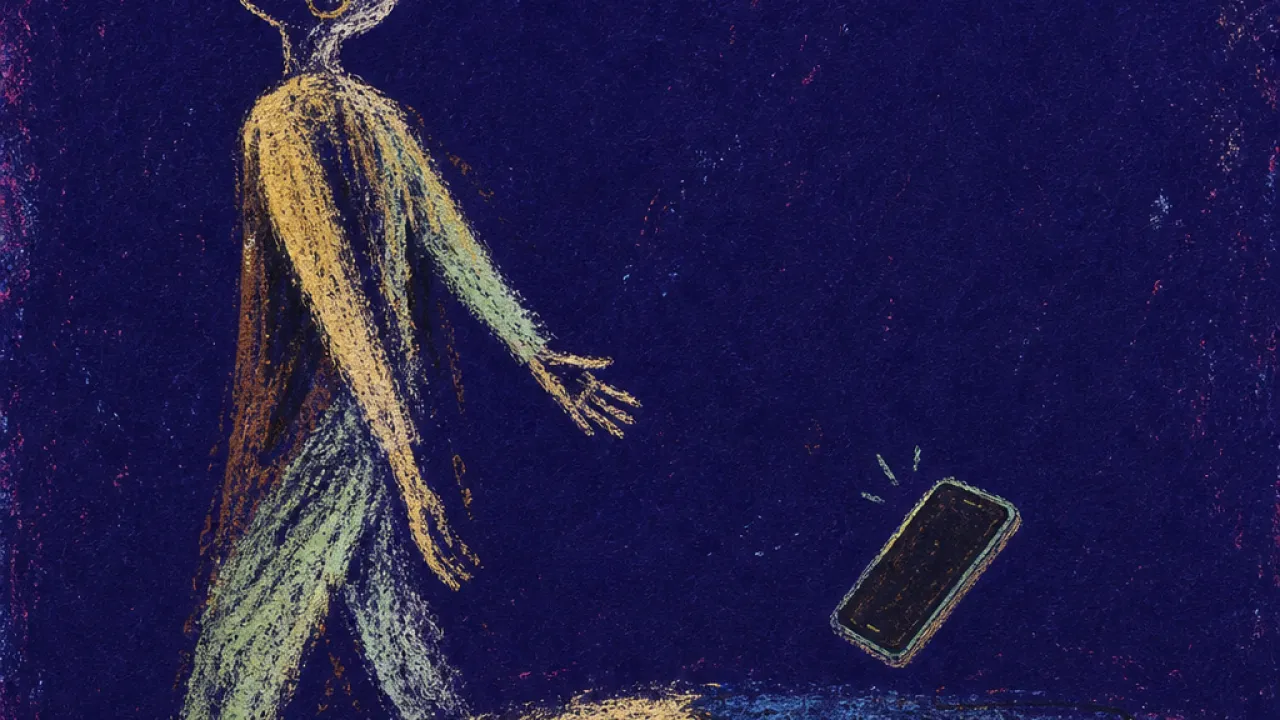
A figure steps past a cluttered desk edge, chin lifted from an unopened document and phone, pale gold split by bruised blue

What is this really?

Avoidance Coping is when you reach for distance before you reach for contact: you plan the reset, clean the setup, delay the reply, scroll for one more resource, or imagine a cleaner future while the task, conversation, or decision stays just outside your hands. You are usually trying to lower the spike of pressure long enough to breathe, protect your focus, or avoid being flooded by feedback, disappointment, or the risk of finding out where you really stand. Yet the same distance that gives you relief can train your body to treat ordinary contact as a threat, leaving your life half-organized around what you have not opened yet, much like the Fool reversed, chin lifted and stride unbroken while the cliff edge and the dog's warning sit below his line of sight.

Why did it happen?

At some earlier point, stepping back may have been the only way to keep a hard moment from taking over your whole body: look away, get busy, wait, make the room quieter, try again later. Over time, that old relief can become a subconscious loop, so the same move switches on even when the thing in front of you is an email, a draft, a bill, a conversation, or a choice that could be handled in smaller pieces. What once gave you breathing room can now leave you tired from circling the edge, feeling temporarily calmer while the untouched object grows louder in the background.

How does it feel?

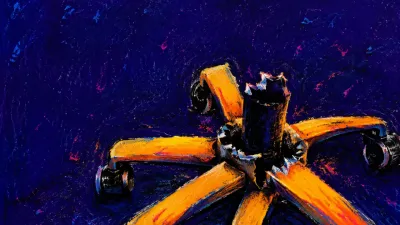
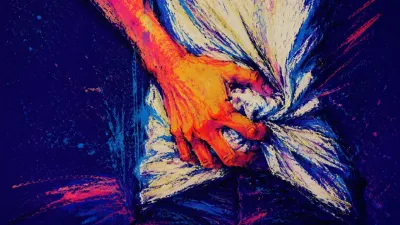
  • You open your laptop to start the assignment, then spend twenty minutes renaming folders, color-coding notes, and adjusting the calendar block by five minutes. In that pause, you may notice your breathing get shallow and your eyes keep sliding away from the blank document; letting that reaction be seen for a moment is enough, without forcing a verdict on yourself.
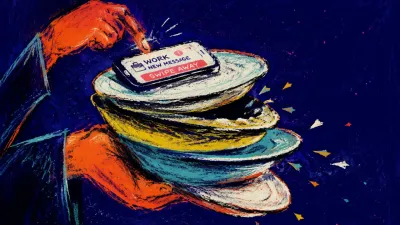
  • A message arrives from a friend asking, 'Can we talk?' and your thumb hovers over the screen before you swipe it away, telling yourself you'll reply when you have the right words. A small tightness can gather behind your ribs while the notification stays there, half-seen; uncertainty can sit beside you for a while without needing to be solved instantly.
  • After a tense meeting, you suddenly search job boards, rewrite your bio, or imagine moving to a cleaner version of your life before the feedback has fully landed. Your body may feel briefly lighter, almost lifted, while your stomach is still clenched underneath; that lift is information, not evidence that you have to act on it right now.
  • You walk past the pile of laundry or the unopened bill, glance at it for half a second, then turn on a show, make tea, or reset the room lighting instead. The relief may arrive fast, followed by a dull heaviness in your shoulders when your eyes catch the same object again; this is a familiar way of lowering pressure, and it can be noticed without turning it into a self-attack.
  • When a decision starts to feel irreversible, you pull up another article, ask another person, or say 'I just need more clarity' while your jaw stays still and your hands keep busy. Under the movement, there may be a floating, suspended feeling, like your body is waiting at the edge of a step; not knowing can be allowed to exist before the next small contact is chosen.

Avoidance Coping in Tarot Cards

That reflex to reorganize, research, or move away before the friction is fully touched is the shape of Avoidance Coping. You may recognize it in the shallow breathing and the eyes sliding away from the blank document. From a Jungian archetypal theory lens, this pattern can be read as the psyche using distance, motion, or stillness to keep difficult contact outside awareness. The cards below mirror those unconscious dynamics through visible postures of turning away, staying sealed, or moving past the edge: Tarot Cards connected to Avoidance Coping.

The Fool Reversed
The gaze rises toward the sky while the immediate terrain at the feet goes unclaimed. That split in attention is the whole mechanism: the mind orients toward elevation, meaning, and possibility, while the body loses contact with the exact step that reality is asking for. Even the scene's beauty helps the defense, because what is inspiring can feel more emotionally tolerable than what is concrete. In personal growth, You can end up living in high-resolution insight and low-resolution follow-through. The pattern does not block awareness; it overfeeds it. By staying mentally above the ground, the psyche avoids the smaller, more exposing experience of being measured by habits, feedback, and embodied change.
The High Priestess Reversed
The veil stays shut, the sanctuary remains behind her, and the body occupies the doorway without crossing it. One hand touches the scroll, but the rest of the information is literally kept under wraps, so the scene performs contact without true entry. In timing questions, that becomes Avoidance Coping disguised as discernment. 'Not yet' starts functioning as a shield against exposure, friction, or the possibility of an imperfect start. You may describe it as waiting for the right moment, but the card exposes a deeper loop in which suspense itself becomes the safety behavior that keeps the real next step deferred.
The Empress Reversed
The throne is so cushioned, the garden so containing, and the body so fully settled that protection becomes part of the composition itself. What looks like ease can, in reverse, turn into a soft enclosure where nothing sharply demands movement and the environment absorbs the urgency that action would require. In academic work, that becomes Avoidance Coping through gentle detours. More reading, more organizing, and more atmosphere temporarily lower anxiety while output keeps getting postponed. This is not laziness in the image; it is comfort being recruited as a buffer against evaluation, deadlines, and the risk of being measured.
The Hermit Reversed
The Hermit pauses on the ridge instead of moving through it, holding his light in place while the surrounding darkness stays untouched. The posture suggests observation without approach, as if thinking can replace contact for a little longer. In love, that becomes the familiar move of retreating into space, solitude, or private processing whenever the conversation starts to feel exposing. The high stone footing and cold negative space make engagement look risky, because one wrong step seems able to disturb the entire balance. That is why this card points to avoidance coping rather than healthy reflection: solitude is being used to lower emotional intensity without resolving the bond. The relationship stays suspended while the inner rehearsal keeps running.
Wheel of Fortune Reversed
The turning wheel never stops, yet none of the figures ever steps onto solid ground; each one stays suspended in relation to motion rather than resolution. That makes delay look elegant and almost justified, because the system itself keeps suggesting that another turn, another phase, another opening is coming. In study life, You may postpone starting until after the next lecture, the next clean schedule, the next surge of focus, or the next calmer mood. The pattern is Avoidance Coping because the real function of the delay is emotional relief, even when the story wrapped around it sounds strategic.
The Hanged Man Reversed
The same suspended body that can suggest chosen stillness can also read as frozen when the posture loses agency. The blank white field around the figure gives no path, no witness, and no next movement. Avoidance Coping in friendship often looks calm from the outside: unread messages, delayed replies, vague plans, pretending nothing is wrong, or letting distance do the work that a boundary would have to name. The body on the card becomes a picture of emotional non-response, not because nothing matters, but because direct movement feels too loaded. The card clarifies that avoidance is not the absence of feeling. It is feeling held in suspension until it becomes harder to act. In a friendship audit, the question is whether the pause is creating perspective or quietly turning the relationship into unfinished business.
Death Reversed
The kneeling woman turns her face away while the fallen ruler lies flat beneath the horse, stripped of crown, scepter, and command. The rider's hollow gaze does not argue with their resistance; it simply exposes what can no longer be managed through status, image, or refusal. Avoidance Coping grows from that exact split between recognition and turning away. The psyche senses that an ending has arrived, but it redirects attention toward discomfort management, symbolic delay, or emotional numbing instead of naming the obsolete structure. For personal growth, this pattern often appears when you keep optimizing around a dead goal, stale routine, or outdated self-image because looking directly at the ending would demand a new identity. The card makes the cost visible: whatever you refuse to face starts using your energy anyway.
Temperance Reversed
The cups can keep exchanging liquid forever, especially when the eye becomes absorbed by the flawless stream between them. In the reversed texture, the ritual no longer integrates energy; it circulates it inside a closed system. Avoidance Coping appears when the academic task is replaced by a safer adjacent task. Notes can be reorganized, folders renamed, readings reread, and study plans rebuilt while the exposed act of writing, testing, or asking for feedback remains untouched. The card's image is precise because avoidance here does not look like doing nothing. It looks calm, busy, and almost sacred, which is why the pattern can hide inside productivity until the deadline reveals what was never actually confronted.
The Devil Upright
The chains around the two figures are loose enough to be lifted, yet both bodies remain positioned in front of the black pedestal. The card does not show a locked prison; it shows a learned obedience to a restriction that has become psychologically convincing. Avoidance Coping works the same way in study. The essay, the email, the feedback file, or the reading list becomes charged with more threat than it physically contains, so the mind chooses delay as a way to lower immediate discomfort. You are not seeing a simple lack of discipline here. The visual logic of the card shows a defense that once reduced pressure but now preserves the pressure source by refusing direct contact with it.
Reversed
The figures stand close to the chain ring, but the chain loops do not clamp tightly around their throats. The image creates a sharp psychological tension: the exit is not clean, but the body has also stopped testing the available space. In the reversed career field, Avoidance Coping appears when the system has trained You to delay the move that would reveal your real leverage. The hard conversation, job search, salary ask, portfolio audit, or team transfer becomes the thing postponed because not knowing feels safer than finding out. The Devil's power flow keeps attention fixed upward on authority, fear, and consequence. The pattern is not laziness; it is a protective freeze around agency, where staying still becomes the short-term method for avoiding the anxiety of action.
The Tower Upright
The figures are not shown walking through a door or climbing down a stairway; they are ejected after the strike. The sealed tower kept the ground at a distance until smoke, flame, and impact made distance impossible. In a choice reading, that scene points to a coping style that keeps uncomfortable evidence outside awareness until the situation chooses the timing. You may avoid the tradeoff because facing it feels destabilizing, but the card shows the higher cost of letting pressure accumulate until it becomes the decision-maker.
Reversed
The windows are already on fire, smoke is already leaving the tower, and the crown has already been struck loose. In the reversed psychological texture, the crisis is not absent; it is being delayed, minimized, or kept inside the walls while the structure continues to stand just long enough to demand more denial. Avoidance Coping in a social circle often looks like staying inside a burning room because naming the problem would force a rupture. The group chat, the recurring invite, or the draining network remains familiar, so the nervous system chooses postponement over impact. The Tower makes the hidden cost visible: what is not faced directly returns as pressure, heat, and eventual expulsion.
The Moon Reversed
The crayfish reaches the beginning of the path, but the water behind it is still close. The road ahead is long, dim, and guarded by instinctive alarm, so the exposed creature appears caught between surfacing and sinking back. The card captures the exact threshold where awareness becomes uncomfortable enough to trigger retreat. That is the reversed Moon's version of Avoidance Coping. In introspection, You may touch a painful truth, an old resentment, a shame loop, or a hidden fear, then quickly move into distraction, over-explaining, numbness, or another interpretive detour. The avoidance is not laziness; it is a protective maneuver around material the system has not yet learned to hold. The image matters because the creature has already emerged. Some part of the truth is not buried anymore. The pattern is the repeated retreat before the path can become metabolized experience rather than another half-seen signal from the deep.
Judgement Reversed
The figures in Judgement are awake, but they are still standing inside the coffins. The lids are open and the call has been heard, yet the bodies have not fully left the old containers that held them. That physical hesitation is the anchor for Avoidance Coping in an introspective frame. The mind can recognize the hidden issue, name the pattern, and even feel the pull toward change while still keeping the original defense in place. Awareness becomes a way to stand upright inside the old box rather than step beyond it. This pattern often feels confusing because it looks like inner work from the outside. Judgement exposes the difference between being called to see something and actually metabolizing it: You may be awake to the issue while still using delay, analysis, or symbolic language to avoid the emotional contact underneath.
Three of Cups Reversed
The dance keeps the bodies moving around the harvest, but the motion is circular. The cups, fruit, and wreaths can make the scene feel complete before the harder work of integration has actually been tested. Avoidance Coping appears when the activity around studying starts to substitute for studying itself. You may plan sessions, talk through intentions, share resources, or celebrate small progress because those actions stay near the work while protecting you from the difficult contact point of writing, recall, or problem solving.
Four of Cups Upright
The seated youth folds his arms and legs beneath the tree while three cups wait in front of him and a fourth cup is held out from the cloud. His body creates a closed perimeter before any cup can be tested, so the scene is not empty; it is full of available contact that the figure has made hard to reach. Avoidance Coping works the same way in academic pressure. The assignment, feedback document, or professor email becomes a cup held close enough to matter, but the nervous system treats contact as evaluation before it treats it as information. You may call the pause rest, thinking time, or needing the right headspace, but the structure reveals a defensive delay. The Four of Cups does not shame the pause; it shows its cost with unusual clarity. When the channel of contact stays closed, the academic resource that could reduce uncertainty becomes part of the threat field, and the work gains power precisely because it remains untouched.
Reversed
The youth sits with arms crossed, legs folded, and eyes closed while an offer appears within reach, creating a complete bodily circuit of non-contact. The defense is not dramatic; it is quiet, still, and highly effective at preventing the next interaction. In personal growth, Avoidance Coping often looks like needing more time, more clarity, or a better mood before you engage the challenge. The Four of Cups shows the trap: the protective pause becomes the place where momentum goes to disappear.
Five of Cups Upright
The figure does not move toward the bridge; the body stays gathered inside the black cloak, facing the cups that have already fallen. The posture creates a private chamber around disappointment, with the outside route visible but unused. Avoidance Coping appears here as emotional processing that has stopped functioning as transition. The inner world is not being ignored; it is being used as the place where contact with the next step can be delayed. In personal growth, this pattern often sounds thoughtful on the surface: more reflection, more meaning-making, more waiting until the feeling is fully resolved. The card shows the cost of that strategy when the bridge to practice remains untouched while the self keeps circling the same emotional scene.
Six of Cups Upright
The scene is quiet enough that the offered cup becomes the emotional center of gravity. The children remain inside a gentle courtyard, and the card's bright, storybook atmosphere softens the pressure of anything beyond the manor walls. That softness can function as a coping strategy when a decision carries risk. You may move toward the interpretation, memory, or option that lowers distress fastest, while the harder data stays outside the psychological garden. Avoidance Coping appears here as a soothing retreat rather than obvious refusal. In a choice reading, the card shows how comfort can calm the system while also postponing the moment when costs, trade-offs, and consequences must be compared without emotional editing.
Reversed
The children remain inside the calm courtyard while the adult figure is distant, almost irrelevant to the emotional center of the card. The eye is drawn toward the sweet exchange and away from the larger context, giving the scene a protected stillness that can also become a hiding place. Reversed, that hiding place becomes Avoidance Coping. The psyche turns toward comforting memory, symbolic innocence, or gentle inner imagery whenever present emotions feel too demanding. The past becomes less a source of wisdom and more a soft enclosure that keeps harder material outside the frame. In introspection, this pattern can look like deep work because it is emotionally rich and reflective. The card sharpens the distinction: the mind may be visiting the past to understand it, or it may be visiting the past to avoid the present feelings waiting at the gate.
Seven of Cups Reversed
The cups float above the ground, bright enough to absorb attention but unreachable enough to prevent contact. The laurel wreath promises achievement, yet the small skull underneath quietly marks the cost that comes with chasing the symbol rather than facing the task. Avoidance Coping takes shape when imagination, planning, and research become safer than the exposed act of doing the work. The defense is subtle because it can look responsible from the outside: more sources, more preparation, more possible strategies. In academic life, this pattern often appears right before the draft, the exam practice, the office-hour question, or the feedback request. The card shows a psyche staying busy in the cloud layer so it does not have to meet the grounded moment where performance can be measured.
Eight of Cups Reversed
The man's face is hidden, his back is turned, and the cups are left unexamined in the foreground. The body creates distance before the viewer can see any conversation with what has been built. Avoidance Coping uses movement to reduce contact with uncomfortable information. In personal growth, the card maps the moment when quitting, moving on, or seeking a higher path temporarily lowers pressure while leaving the underlying lesson intact.
Nine of Cups Reversed
The man's arms close across the torso while the cups form a wall behind him. The scene has abundance, but it also has no visible doorway, no other person, and no sign that the stored pleasure is moving into the rest of life. Avoidance Coping grows from that sealed arrangement. The card shows how comfort can become a locked room where chores, appointments, overdue messages, and necessary decisions stay outside the frame until the life system becomes too chaotic to ignore.
Queen of Cups Reversed
The Queen's attention loops into the covered chalice while the wider landscape stays quiet at the edge of the frame. Water surrounds the island, the wall softens the horizon, and the body remains absorbed in a private object rather than moving into the practical terrain around her. Avoidance Coping grows from that inward enclosure. The mind is not doing nothing; it is using reflection, fantasy, mood, and soothing containment to lower contact with demands that feel too friction-heavy. In lifestyle terms, You may retreat into planning, calming rituals, emotional processing, or private imagination while the physical bottleneck remains exactly where it was. This pattern is especially sharp for daily architecture because the avoided thing is often ordinary rather than dramatic. The inbox, laundry, sleep window, food plan, cluttered room, or calendar boundary becomes the shore that never gets crossed. The card shows how a beautiful inner world can protect You from overwhelm while also keeping the outer system unchanged.
King of Cups Reversed
The King's foot reaches toward the sea but never fully enters it, while the throne keeps his body lifted above the water. In reversal, that almost-contact becomes psychologically important: the figure stays close enough to feel engaged, but not close enough to be changed by direct immersion. That is the structure of avoidance coping in academic work. The student opens the document, checks the brief, organizes the sources, and stands near the emotional water of the task without stepping into the part that could expose uncertainty. The cup makes the task observable, but the distance keeps it from becoming fully active. The pattern can feel responsible because You are near the work. The card reveals the hidden cost: proximity is being mistaken for engagement, and the study system remains protected from the exact discomfort it needs to metabolize.
Two of Pentacles Reversed
The figure's focus is pulled toward the next catch. The movement creates a temporary container, but it also prevents the body from entering the one state the card never shows: stillness. That is how Avoidance Coping can hide inside introspection. The mind keeps adjusting, reading, naming, organizing, and processing because motion feels safer than direct contact with the raw emotion underneath. The card makes the defense precise. You are not avoiding by doing nothing; you are avoiding by doing just enough inner work to stay busy, while the feeling that needs contact remains suspended in the loop.
Five of Pentacles Reversed
The bright window is close enough to dominate the scene, but the figures' direction of travel and attention move past it. The absence of a visible open door intensifies the avoidance pattern, because the body keeps walking before it has to test whether entry is possible. Avoidance Coping emerges when academic feedback, grades, emails, or unfinished drafts become the window. You may know where the information is, but opening it would collapse distance and make the threat concrete. The card translates that into a protective movement that preserves short-term emotional safety while keeping the learning system outside the corrective loop.
Two of Swords Reversed
The blindfold does not merely reduce distraction; it removes the horizon while the swords guard the heart. In the reversed texture, the posture hardens into a defensive refusal to let the next piece of reality arrive. Avoidance Coping appears when the nervous system treats the growth decision itself as the threat. You may call the pause discernment, but the structure reveals a deeper maneuver: staying still protects the current self-image from the demands of the next one. The tide behind her keeps moving whether she turns around or not. That is the cost of the pattern: the outside world and the inner life continue to change, while your conscious strategy tries to keep the moment frozen.
Three of Swords Reversed
Cloud and rain blur the area around the pierced heart, while the blades keep the wound visibly exact. The scene creates a split between what is painfully obvious and what feels impossible to approach without being hurt again. In lifestyle structure, Avoidance Coping appears when the messy apartment, overdue reset, sleep routine, or life admin becomes more than a task; it becomes contact with the wound of having fallen behind. The pattern protects you from that contact by postponing the repair, but the untouched environment keeps the pressure in place.
Four of Swords Upright
The knight withdraws into a stone chamber, body straight, hands closed, and swords held at a distance rather than engaged. The scene is not chaotic; it is carefully contained, which is exactly why the withdrawal can feel justified. You are not running into open disorder, but into a controlled pause where nothing demands an immediate response. Avoidance Coping emerges when that protected pause becomes the whole strategy. In a career field, the unread feedback, the delayed manager conversation, or the postponed promotion ask can sit like the sword beneath the tomb: out of sight, but still aligned with the body. The card shows how a pause can protect your attention while quietly preserving the pressure it was meant to help you face.
Reversed
The knight’s hands are clasped, the body is sealed in stillness, and the tomb-like surface removes the figure from ordinary life. The same posture that can support restoration can also become a ritual of staying unavailable to the next demand. Avoidance Coping appears when retreat is used to reduce the feeling of threat without metabolizing what the threat is asking to change. The card’s protected chamber becomes psychologically double-edged: it soothes the system while postponing contact with the real challenge. For personal growth, this can look like calling every delay integration, preparation, or alignment. The pattern reveals where You may be using the language of inner work to avoid the exposure that comes with actually practicing a new identity.
Five of Swords Reversed
The abandoned swords lie on the ground while the figures move away from the scene. The tools of thought are still there, but no one is picking them up, and the gray shoreline makes the aftermath feel emotionally unsafe. Avoidance Coping appears when the nervous system chooses distance over engagement after academic threat. In study, the unread feedback, unopened email, skipped lecture, or untouched revision file becomes the sword left on the shore. The task is not forgotten; it is being kept outside immediate awareness because contact with it carries too much emotional charge. The reversed Five of Swords does not show resolution; it shows withdrawal from the evidence of conflict. You may feel brief relief after avoiding the material, but the pressure continues to accumulate. The pattern protects You from the sting of exposure while quietly weakening the structure that would let learning restart.
Six of Swords Reversed
The passengers face away from the viewer, wrapped and obscured, while the ferryman supplies the visible agency. The boat gives them safety from the water, but it also lets them leave without directly meeting the emotional current around them. Avoidance Coping appears when movement becomes a way to not feel what is being left behind. In personal growth, that can look like changing routines, identities, teachers, systems, or environments while the limiting belief remains unexamined inside the boat. The crossing is real, but it is incomplete if the old material is only transported, not processed. You may be moving away from a previous self, yet still organizing your growth around not touching the pain, feedback, or fear that made the previous self feel necessary.
Seven of Swords Upright
The figure tiptoes away from the military camp with five swords held against his body, while his head turns back toward the very place he is trying to leave. The body is moving forward, but the attention remains locked on the source of pressure, creating a visible split between motion and commitment. In a direction reading, that split maps onto a coping strategy that keeps you mobile without making you fully honest about where you are going. You may keep taking clever side routes, gathering small tactical wins, or changing the framing whenever the larger path asks for a direct choice. Avoidance Coping is not simple passivity here. It is a defense built around stealth and partial movement, and the card exposes how a detour can feel like progress while quietly protecting you from the vulnerability of naming the real long-term direction.
Reversed
The figure grips the swords by their blades, smiles as if the plan is working, and still tiptoes as though one wrong sound could collapse the whole maneuver. His body is doing caution over and over, but the exposed blades show that the chosen method is already costly. In the reversed texture, the stealth ritual stops looking efficient and starts looking like a loop. The figure is trying to avoid the danger of direct contact, yet the avoidance itself creates more danger: more sharp edges to manage, more distance to explain, more unfinished evidence behind him. In friendship, Avoidance Coping takes shape when You postpone the message, dodge the boundary talk, or wait for the bond to fade naturally because direct honesty feels too risky. The card links to this pattern because it shows avoidance as active labor, not passivity; the mind is working hard to escape a conversation it still has to carry.
Eight of Swords Upright
The woman occupies the smallest possible amount of space between the swords. She does not run, reach, ask, or test the boundary; she holds still in a narrow strip of ground while the castle remains visible in the distance. The visual tension is not pure imprisonment but contact avoidance: help, direction, and exit exist outside the immediate enclosure, yet the body stays contained. Avoidance Coping turns that same containment into an academic strategy. You may avoid tutor feedback, skip office hours, delay opening the grade portal, or choose low-stakes tasks that preserve the feeling of control. The avoidance lowers immediate threat while keeping the real academic demand untouched. The Eight of Swords links this pattern to study pressure because the danger is organized around the mind's relationship to movement. The longer the figure waits, the more the enclosure feels like fact. The card exposes avoidance as a short-term regulation strategy that quietly expands the size of the obstacle.
Reversed
The blindfold is not only a lack of sight; in the reversed field, it becomes a way of not having to verify the opening. The body stays between mud and water, suspended where looking clearly would require choosing what to do next. Avoidance Coping fits because not-seeing reduces immediate pressure while preserving the trap. For your long-term direction, the pattern protects You from the anxiety of confronting desire, change, or consequence, but it also keeps the inner compass uncalibrated.
Ten of Swords Reversed
The figure lies beside the river that could have marked passage, but the body is pinned on the near bank. The calm water and distant mountains remain visible, yet they are separated from the fallen person by a distance the body cannot cross. Avoidance Coping forms when contact with the system feels more threatening than the consequences of delay. In lifestyle terms, You may avoid the planner, the laundry, the health admin, the budget, the sleep reset, or the cluttered room because touching it would make the whole collapse real again. The card shows avoidance as a protective shutdown, not a character flaw. The problem is that the protection keeps You on the same bank, away from the very structures that could make life feel less dangerous to manage.
Queen of Swords Reversed
The Queen's body is self-contained, sideways, and protected by the throne, with the surrounding landscape held at a distance. In the reversed texture, that clean boundary becomes a withdrawal system: contact is reduced so emotional exposure can be delayed. Avoidance Coping appears in academic life when the email stays unopened, the grade portal is ignored, or the supervisor meeting is postponed because direct information feels too sharp. The mind frames the distance as control, but the pressure grows in the space that is not being entered. The sword makes the avoidance more precise than simple distraction. You may know exactly what needs to be faced, yet the system keeps the encounter just outside reach, preserving temporary composure at the cost of longer-term clarity.

Avoidance Coping in Tarot Card Reading Insights

For anyone who has felt the pull to reorganize, research, or move away before the friction is fully touched, others have brought the same pattern into readings. These entries shift from the cards themselves into how this avoidance loop can appear when someone sits with a spread. Below are Tarot Reading Insights that speak to Avoidance Coping.
Psychological patterns related to Avoidance Coping