Already Late to Your Life?

Name the pressure of feeling behind, then explore related tarot cards and reading insights shaped by timing anxiety.

Timeline Panic

What does this feel like?

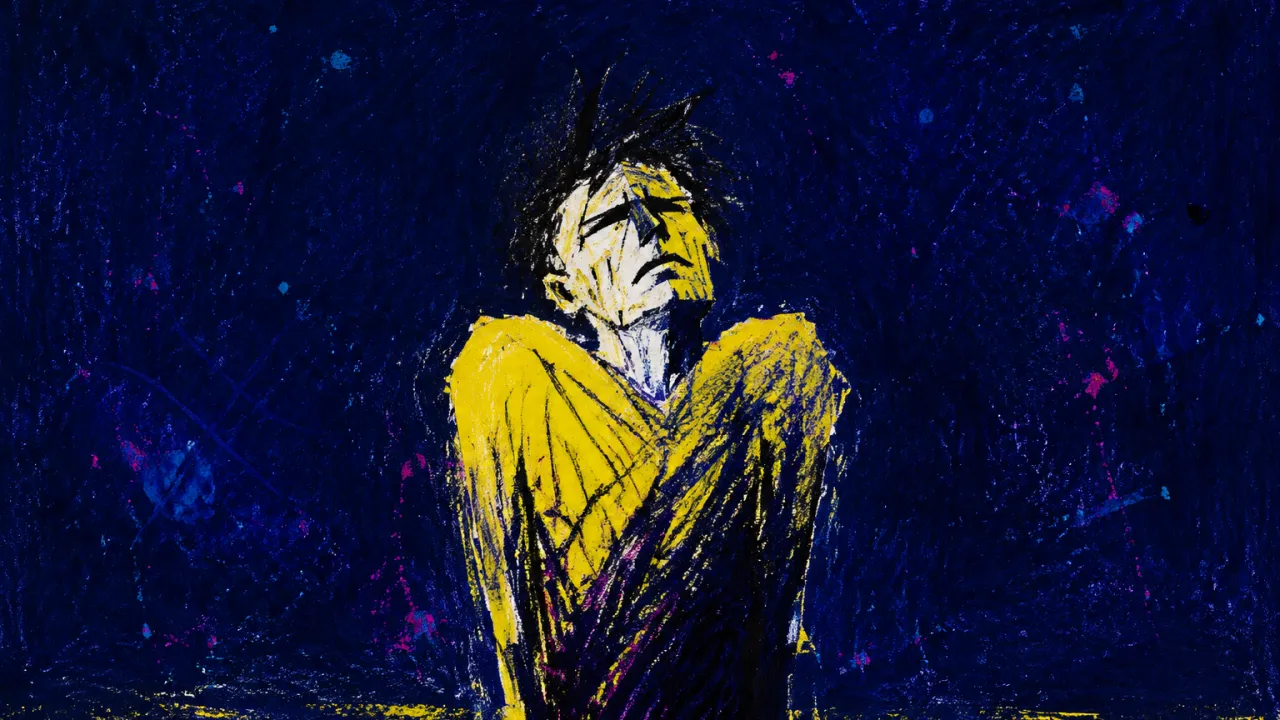
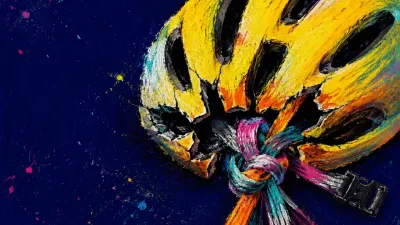
Timeline Panic — you feel it as soon as your mind touches the future, that tight, buzzy surge in your chest that says you are already behind before the day has even started. A date, an age, a semester, a career step, a relationship milestone, someone else's announcement online — suddenly time stops feeling like something you move with and starts feeling like a gate sliding shut. Your body gets ahead of you: shoulders up, jaw set, stomach hollow, thumb refreshing the same screen, calendar open, brain counting years and months like evidence. You may look calm from the outside, but inside there is a frantic little math problem running under everything: if this has not happened by now, what does that mean, and how much time is left before it becomes too late? Ordinary pauses start to feel suspicious. Rest feels like falling behind. Waiting feels like proof that everyone else has found a road while you are still standing at the edge of yours. The panic is not only about wanting progress; it is the feeling that your whole life has been compressed into one exposed next step, much like The Fool with the last strip of yellow earth under his boot, mountains and sunlight around him, but no visible ground where the body is about to land.

Why you're feeling this?

Timeline Panic makes sense when time starts to feel loaded instead of neutral. You are not wrong for feeling the pressure; some part of you is trying to protect your future from slipping out of reach. The feeling is intense because the question underneath it matters to you.

Timeline Panic in Tarot Cards

When Timeline Panic takes over, time stops feeling like rhythm and starts feeling like a closing gate. The tight, buzzy pressure in your chest turns every pause into evidence that you are falling behind, even when the next stable step is not visible yet. This is a universal emotional experience: the body trying to read timing before the ground has fully appeared. Here are the Tarot Cards that tend to mirror Timeline Panic.

The Fool Reversed
The Fool is already in motion before the ground ahead is confirmed. The body’s forward momentum, the cliff’s immediate edge, and the unseen landing point compress the whole scene into a single exposed next step. In school, this becomes the panic of semesters, deadlines, applications, and degree milestones arriving faster than your readiness can stabilize. The card gives time pressure a body: moving, smiling, and nearly out of ground, with no visible pause point where the nervous system can catch up.
The Magician Reversed
The infinity sign above the head and the ouroboros at the waist repeat closed loops around the body. In a reversed timing frame, those loops stop feeling like open potential and start operating like a clock that circles without releasing a clear next point. The raised wand and lowered hand hold the body in suspension while the shallow scene offers no distant route forward. You can feel time as pressure rather than rhythm, as if every delayed move proves the window is narrowing even when the actual signal remains unclear.
The High Priestess Reversed
The crescent moon at the High Priestess’s feet and the lunar crown above her place the body inside a visible cycle, while the scroll remains partly hidden and the horizon beyond the veil cannot be reached directly. The scene does not offer a straight road; it offers phases, thresholds, and information that reveals itself unevenly. When timing pressure turns sharp, that same cyclical structure can feel like a clock closing in. You may start measuring yourself against social milestones, peer progress, or imagined deadlines, and the hidden path ahead makes every pause feel like being late rather than being between phases.
The Empress Reversed
The crown of twelve stars places the year directly on the Empress's head, while ripe wheat and flowing water make cycles impossible to ignore. The scene is full of timing markers: growth, harvest, flow, and seasonal completion all crowd the frame. Inside a timing question, that visual fullness can land as pressure rather than reassurance. You may feel every milestone turning into a clock, where waiting no longer feels strategic and starts to feel like proof that you are late. The card holds this panic without endorsing it. It shows a cycle with visible stages, which means the fear of being behind can be examined as a timing signal rather than treated as a verdict on your life.
The Emperor Reversed
The Emperor’s rigid posture, hidden armor, and tightly sealed mouth make the body look ready for pressure before the pressure is even visible. Behind him, the mountains stack in layers, while the throne rises above his body like a deadline made of stone. In timing questions, this becomes the emotional weather of being watched by the clock. The image does not show movement; it shows the strain of having to appear ready, established, and in command while the field ahead remains unseen. Timeline Panic is the inner surge that turns delay into threat. You may start reading every pause as lost ground, every peer milestone as evidence, and every uncertain window as a demand to force action before the timing has actually opened.
The Hierophant Reversed
The triple crown rises above kneeling figures, while the temple offers no landscape beyond the ceremonial interior. The image stacks rank, steps, keys, and ritual signs into a vertical order where progress appears measured by access to the next sanctioned level. Timeline Panic grows from that pressure of being evaluated against an invisible sequence. You can feel as if every delay places you lower in the hierarchy of adulthood, achievement, or readiness, even when the actual opening has not appeared yet.
The Lovers Reversed
The Tree of Life carries counted fruits, the garden sits under a high sun, and the scene is frozen just before a major turn. Time is visually present as cycles, seasons, and a narrowing window around bodies that have not yet moved. Timeline Panic is the feeling that life has turned into a clock you are already losing to. In timing work, this card reflects the moment when social milestones and personal readiness stop matching, making every pause feel like proof that you are falling behind.
The Chariot Reversed
The city wall behind the chariot creates a visible before and after, while the driver stands in a compressed square vehicle that has not yet moved. The scene carries the pressure of departure without showing the road that would prove where departure leads. Timeline Panic forms when timing becomes a measuring device rather than a living rhythm. The body is dressed for movement, the posture is ready, and yet the vehicle stays suspended between the old boundary and the unknown opening. For timing questions, this emotion can make every pause feel like evidence of being late. The Chariot reveals the deeper structure: your system is trying to convert a missing path into a countdown, and that conversion is what makes the wait feel unbearable.
Strength Reversed
At the lion's mouth, the whole composition narrows into one controlled hinge while the paws disturb the soft ground below. The flat field and sparse markers leave little visual reassurance about what comes next, so pressure gathers where movement is being stopped. Timeline Panic grows from that compressed geometry: every delayed action can start to feel like a closing window. The card reflects the inner weather of measuring yourself against milestones until the body treats waiting as danger rather than timing data.
The Hermit Reversed
The ridge is high, the night is moonless, and the path down is not shown. The lantern offers a narrow cone of light, but the surrounding field gives no wide map for the next move. In timing questions, that visual pressure can turn every delay into a shrinking window. Timeline Panic is the rush of feeling that if you do not move now, the moment will close before your resources have actually arrived.
Wheel of Fortune Upright
The sphinx balanced above the wheel, the rising Anubis figure, and the descending serpent create a picture of timing under pressure: one force holds, one lifts, one pulls down. The wheel does not offer a straight road; it shows a rotating structure where every movement has to be read in relation to a larger cycle. Timeline Panic grows from that visual compression of motion, timing, and judgment. You are not simply wondering what to do; you are feeling the body-level alarm of a window that may open, close, or shift before you can stabilize your response. In timing questions, this card mirrors the moment when external cycles feel louder than your internal pace. Its strongest psychological function is to separate real timing pressure from the panic of believing every turn must be acted on immediately.
Reversed
Eight spokes radiate from the wheel's center like markers on a clock, yet the scene offers no ground, path, or stable horizon to measure progress against. Everything implies timing, movement, and recurrence, while the body has nowhere simple to stand. In personal growth, this becomes the panic of measuring your potential against an invisible schedule. The card captures the pressure of feeling late to your own becoming, as if every cycle, pause, or restart were secretly counting against you.
Justice Reversed
The high pillars rise out of frame, the curtain seals the rear space, and the seated figure is boxed into a narrow central bay of stone. The sword is straight, the scales are exposed, and the chamber can feel less like a place of balance than a room where every delay is being recorded. In timing questions, Timeline Panic forms when the social clock starts acting like an invisible court. You may feel late before anyone has spoken, and the card exposes how the pressure to be on schedule can turn time itself into a judging presence.
Death Reversed
The rider crosses a field where ruler, woman, child, and bishop all occupy different positions before the same mounted force. Status, age, innocence, and belief do not create a private exemption from the crossing; every figure is placed inside the same moving threshold. Timeline Panic turns that image into the feeling of being pressed by milestones that seem to arrive whether or not your inner cycle is ready. The ambiguous sun between the towers intensifies the pressure because the scene does not clearly say whether the light is rising or fading. For timing questions, this emotion is the internal alarm that says you are late before the actual structure has been audited. Death asks for a clearer distinction between external clocks and the real readiness of your own season.
Temperance Reversed
The road behind the angel leads toward a crown-like glow at the horizon, while the hands keep a delicate transfer in progress. When that distant gold becomes the only point of reference, the whole image can compress into a race between the present body and a far-off marker of achievement. Timeline Panic forms when timing stops feeling like rhythm and starts feeling like a countdown. The cups still require steadiness, but the mind keeps measuring itself against the horizon, treating every unfinished transfer as evidence of being behind. This card names the pressure without validating the panic as truth. It shows that the system is still in a mixing phase, and that forcing the road before the vessels are aligned would turn timing into self-surveillance rather than clean movement.
The Devil Upright
Loose chains around the two bare figures' necks sit in front of a black cube while the horned body fills the upper field. Nothing in the image opens into a landscape; the scene stacks pressure vertically, with the raised hand above and the tethered bodies below. That arrangement turns timing into a visible hierarchy. You are not simply asking when to move; every delayed move begins to feel as if it is being measured by a larger clock outside your body. Timeline Panic comes from that neck-level compression, where a milestone feels less like a choice point and more like a loop tightening around your sense of time.
The Tower Upright
The Tower compresses the whole scene into a single violent now: lightning hits, the crown falls, windows burn, and bodies are already outside the structure. There is no gradual sequence in the image, only several consequences happening at once, which makes the card a precise visual anchor for time pressure that has become too concentrated to process. Timeline Panic, in this card, is the feeling of every clock catching fire at the same time. In timing questions, it can surface when social milestones, resource limits, postponed action, and sudden external change converge until waiting feels dangerous and acting feels premature. The structure of the card does not demand frantic movement. It exposes the difference between real timing and compressed pressure, giving you a clear place to ask which clock is actually yours to answer.
The Star Reversed
The star field can orient the eye, but reversed it can also multiply reference points until every light feels like another clock. The body remains low while streams split and drain, making motion visible without a single road opening. Timeline Panic emerges when timing becomes a comparison machine. You feel chased by invented deadlines and social clocks, yet the card exposes those clocks as pressure signals to be examined rather than commands to obey.
The Moon Reversed
The howling dog and wolf turn the Moonlit road into a field of alarm. The path is visible enough to imply movement, but dim enough to withhold reliable distance, while the towers frame the far threshold like a deadline that cannot be measured from where you stand. Timeline Panic grows from that mismatch between visible pressure and unclear readiness. You feel the demand to move because time seems to be advancing, yet the actual conditions for movement remain partial, nocturnal, and hard to verify. In a timing spread, this card exposes the difference between a real opening and a nervous reaction to comparison, age markers, or imagined lateness. It returns agency by showing that panic is a signal to audit the clock you are obeying, not proof that the moment has already passed.
The Sun Reversed
The sun's ordered rays turn the sky into a bright cycle, while the child and horse are already in motion below it. Under pressure, that illumination can feel less like spacious clarity and more like a clock made of light, visible from every angle. For timing questions, the card mirrors the pressure of measuring your life against an overlit schedule. You are not merely worried about a task; you are feeling the whole field of time tighten around the question of whether the window is closing.
Judgement Reversed
The trumpet is high, bright, and impossible to ignore, while the pale figures are pulled upright before they have taken a single step. The scene can feel like an alarm in a cold landscape: a call has arrived, and every body is suddenly visible beneath it. In timing questions, that visual field maps to Timeline Panic, the inner siren that says you are late, behind, or about to miss your place in the sequence. The card does not validate the pressure as truth; it shows how a public clock can enter the body as urgency before you have checked whether the ground is actually ready.
The World Reversed
The oval wreath can become a closed measuring ring, with the four corner figures watching from fixed positions. The dancer has no ground line to prove progress, only a polished frame that looks complete from the outside. That visual pressure mirrors the social clock when every milestone starts to feel like a deadline you failed to meet. You are not simply comparing dates; you are experiencing time as a public evaluation of whether your life is on track. Timeline Panic names the rush of feeling late inside a system that keeps displaying completion. The card helps separate the actual timing question from the shame-loaded scoreboard projected onto it.
Ace of Cups Reversed
The dove, the disc, the hand, the chalice, the streams, and the droplets all press into the same narrow vertical corridor. With no land or horizon line to measure distance, the scene can feel like every signal is arriving at once and demanding interpretation immediately. Timeline Panic grows when timing becomes crowded by comparison. You stop reading the moment itself and start reading pressure: who is ahead, what milestone has not happened, which window might be closing. The overflowing cup gives that panic a visible body. It shows how easily a genuine opening can become hard to use when the inner clock is drowned out by the noise of being late.
Two of Cups Reversed
The distant town behind the pair can turn the meeting into a milestone marker, a visible shape of the life that is supposed to come next. The cups stay raised in the foreground while the stable houses sit beyond reach, making progress feel staged but not yet accessible. When timing pressure takes over, the exchange becomes a checkpoint. You start reading every delay, every non-answer, and every unfinished agreement as evidence that the broader life schedule is slipping. Timeline Panic forms in that squeezed distance between the raised cup and the far-off town. The card mirrors the way a single blocked moment can begin to feel like the whole future is running late.
Three of Cups Reversed
The same circle of raised cups can become intense when every body is gathered around the same visible milestone. Grapes, pumpkins, and wreaths turn the scene into a public timestamp: everyone appears to have reached the harvest moment together. In a timing reading, Timeline Panic grows from that compressed visibility. You may not be afraid of celebration itself; you may be reacting to the way other people's visible milestones make your own pace feel late, exposed, and suddenly measurable.
Four of Cups Reversed
The Four of Cups gathers several time markers into one still scene: three cups already placed, a fourth arriving, and a seated figure fixed between what has been received and what is being offered. The open field suggests movement is possible, but the body stays compact. Timeline Panic enters when those visible markers start to feel like competing clocks. In timing questions, you may feel surrounded by previous chances, current pressure, and imagined deadlines, while your body cannot identify which signal deserves action. The card makes the panic readable by showing accumulation without motion. Its value is not to tell you to hurry, but to separate real timing cues from the pressure created when every cup starts to look like proof that you are late.
Seven of Cups Upright
The laurel wreath shares its cup with a small skull, while the castle, jewels, public recognition, mask, and covered self float in the same clouded layer. Life markers appear together, but nothing in the image tells the figure what should come first. In timing questions, that compression becomes Timeline Panic. You may feel as if achievement, security, identity, and recognition are all demanding proof at once, with no humane sequence to grow into. The card exposes the pressure of treating life rhythm like a narrow scoreboard, then gives that pressure a visible shape.
Eight of Cups Reversed
The moon passing over the light source turns the scene into a pressured threshold, and the missing space in the cup arrangement gives that threshold a visible absence. The path ahead exists, but it is dark enough for the mind to start measuring time by what is not yet secured. In timing questions, this is the panic that comes when a natural transition gets contaminated by clocks, comparisons, and milestone pressure. The card does not confirm that you are late; it shows how a dim passage and an unfinished emotional structure can make timing feel like a verdict instead of a rhythm to read.
Nine of Cups Reversed
The cup row stands above the man like nine visible markers, close to completion but not yet the final shared horizon of the Ten. The bright background offers clarity, yet the image gives no road, calendar, or landscape to measure what comes next. For timing, that visual pressure turns achievement into a clock. You may feel every visible milestone becoming evidence that you are still not far enough along, and the card makes that panic legible as pressure around sequencing rather than proof that you are late.
Page of Cups Reversed
The Page stands alone under an empty sky, with the sea rising close behind and no visible marker telling him where he is in the larger cycle. The lack of external markers can make the whole scene feel like a private timing test, with the body trying to read the tide from a narrow platform. That is the texture of timeline panic: not just wanting movement, but feeling pressed by an invisible clock that the image never actually shows. The card gives you a clean mirror for separating the pressure of comparison from the real signal in your hand.
Knight of Cups Reversed
The winged helmet and winged boots promise lightness, yet the horse advances at a slow walk across an exposed bank. With no close shelter and no shown path beyond the river, the Knight becomes a figure caught inside visible delay. For timing questions, that exposure can turn into the feeling of being measured by an invisible clock. The card's stillness does not need a crowd around it to create pressure; the open space itself can make the pause feel public, comparable, and hard to defend. Timeline Panic names the fear that your life is moving too slowly against an imagined schedule. The card helps separate the actual timing problem from the panic of being seen as late, returning the focus to where the crossing really is.
King of Cups Reversed
The King's gaze can narrow onto the Cup while the boat continues at a distance, turning the wider sea into a background of missed movement. His formal stillness then reads less like ease and more like a body trying to keep control while one visible marker of progress drifts away. In timing questions, that image sharpens into the fear that the moment is passing while you are still checking whether you are ready. The pressure does not come from the sea alone; it comes from watching one signal become everything, until the whole field feels compressed around lateness. Timeline Panic names the inner rush that appears when social clocks, personal milestones, and external windows start to feel fused into one urgent deadline. The card makes that panic visible so it can be separated from actual timing data.
Ace of Pentacles Reversed
The hand must keep the round pentacle from slipping, and the path below funnels the eye toward a gate that looks available now. Beyond that gate, the mountain keeps the future visible as distance, not instant completion. Timeline Panic forms when opportunity and pressure arrive in the same frame. The reversed card turns the pentacle into something that could be dropped, the archway into a narrowing window, and the road into a reminder that choosing the moment does not erase the long climb after it. In timing questions, this is the inner rush that says the chance must be secured immediately or it will vanish. The card gives that rush a structure: a gripping hand, a threshold, and a horizon that make the body confuse readiness with urgency.
Two of Pentacles Reversed
The two pentacles hang at opposite ends of one loop, and the figure has to keep both moving while the waves rise behind him. Nothing in the image offers a clean pause button; the foreground task and the background current both demand timing at once. That is the inner logic of Timeline Panic. The mind starts reading every cycle as a deadline, every comparison as a closing door, and every delay as proof that the rhythm has already moved on without you. In a timing reading, this card does not confirm that the window is gone. It exposes the pressure system that makes all windows feel simultaneous, so you can separate real timing signals from the body-level alarm of trying to juggle every life clock at once.
Three of Pentacles Reversed
The raised hammer, the watching figures, and the blueprint can turn the worksite into a pressure chamber where every move seems to be measured against a plan. The pointed Gothic lines pull the eye upward, making the structure feel organized but also exacting. Timeline Panic enters when timing stops feeling like a sequence and starts feeling like surveillance. The card's physical arrangement places the worker between craft and assessment, which mirrors the feeling of trying to act while an invisible clock keeps asking why the structure is not finished yet. In this topic, the panic is not only about being late. It is the inner compression that happens when social clocks, project windows, and personal readiness collapse into one harsh metric, making the unfinished stage of the build feel like evidence against you.
Five of Pentacles Upright
The snowstorm compresses the scene until the path feels narrow, cold, and hard to measure. The figures keep moving, but there is no clear marker showing how far they have come or how close shelter might be. Timeline Panic enters when uncertainty about pace becomes a bodily alarm. In timing questions, the absence of visible distance can turn into the fear that you are late, falling behind, or running out of usable season. The Five of Pentacles anchors that panic in a concrete weather system. It shows why comparison and social clocks feel brutal when your actual path is being slowed by conditions that cannot be solved through sheer acceleration.
Six of Pentacles Reversed
The scales hang in the giver's hand while the recipients look up from below, turning the whole scene into a suspended judgment about when enough will be released. The uneven pentacles overhead intensify the sense that timing is being counted, but not evenly shared. You may feel as if your window is being measured somewhere outside you. Timeline Panic emerges when waiting stops feeling strategic and starts feeling like evidence that you are late, under-resourced, or about to miss the moment that matters. The Six of Pentacles does not confirm that panic; it displays the structure producing it. By making the unequal pace visible, the card helps separate your actual readiness from the pressure of an external clock.
Seven of Pentacles Reversed
The single harvested pentacle lies near the boots, but the figure keeps staring at the six still on the vine. The eye moves past the result already present and into the unfinished cluster, while the distant mountains offer only a small, unmoving horizon. Timeline Panic appears when the mind cannot let current progress count because it is measuring itself against an invisible schedule. You may be standing beside proof of effort, yet the inner clock keeps pointing at what has not happened, turning timing into a pressure field.
Eight of Pentacles Reversed
The distant town sits behind the craftsman while his face stays fixed on the coin in front of him. The path is visible, the public world is visible, and yet his body remains bent over the private task. That distance becomes emotionally charged when timing is measured against outside milestones. You can be doing real preparatory work and still feel the town of other people's progress looming behind you, as if every unfinished detail confirms that you are late. Timeline Panic belongs to the reversed Eight of Pentacles because the card can trap the eye between private effort and public comparison. The panic is not simply about time passing; it is about being unable to feel your own pace as legitimate while the wider clock stays visible.
Nine of Pentacles Reversed
The snail at the woman's feet and the hooded falcon on her hand create two incompatible clocks: one body crawls, the other is built for flight but cannot launch. The visible manor and ripe vineyard add pressure because the scene appears complete even while movement is still restrained. For timing questions, that compressed image becomes the feeling that every delay is being watched and measured. You may read normal ripening time as proof that you are late, even when the real issue is that your body, resources, and opening have not fully synchronized.
Ten of Pentacles Reversed
The child, couple, elder, family crest, property wall, and complete pentacle pattern compress an entire life script into one decorated frame. The image can be read as stability, but reversed it also shows how quickly a complete picture can become a measuring device. For timing, that compression becomes the panic of feeling late before you have even chosen your pace. You are not simply comparing achievements; you are standing inside a scene where every visible symbol seems to ask whether your life has reached the expected checkpoint yet.
Page of Pentacles Reversed
The pentacle sits directly in front of the Page’s face, close enough to absorb his entire field of attention. When the surrounding meadow and distant mountains fall out of awareness, the broad timing landscape collapses into one object that seems to decide everything. Reversed, the card can turn focus into a clock. The fertile field is no longer allowed to ripen at its own pace; it becomes evidence to be checked for whether progress is happening fast enough. Timeline Panic fits this visual compression because the emotional pressure comes from mistaking one milestone for the whole future. In timing work, it names the spike that happens when social clocks, visible progress, and fear of missed timing shrink your sense of possibility into a single urgent deadline.
Knight of Pentacles Reversed
The knight's eyes travel past the pentacle into the far field, as if the future has become larger than the object he is holding. The horizon opens wide, but the armored body stays rigidly framed by reins, tack, and metal. Timeline Panic forms when the future stops feeling spacious and starts feeling like a measuring device. In timing questions, this card can mirror the sudden inner spike that says every pause is proof of falling behind, even when the visible scene still demands cultivation, pacing, and resource alignment. The emotion is sharp because it compresses a whole life schedule into the next decision. The card helps separate the real timing question from the pressure of an imagined clock bearing down on your body.
Ace of Swords Reversed
The crown sits pierced on the sword tip, lifted high in a sky with little else to absorb the pressure. Achievement, timing, and decision all concentrate on one narrow point, making the image feel exacting rather than spacious. Timeline Panic forms when a life marker becomes fused to a single invisible deadline. The card's visual structure mirrors the mind turning a timing window into a test: if the crown is not reached by this point, the whole story starts to feel behind. You may be responding to real pressure from age, comparison, or opportunity cycles, but the card exposes the compression happening inside the emotional field. The work is not to obey the deadline as a verdict; it is to see how much of your agency has been pinned to one sharp point of time.
Three of Swords Upright
Three blades entering from different directions create the feeling of multiple clocks striking the same inner point at once. The heart has no body around it, no hands to defend it, and no room to step back from the impact. In a timing reading, that visual pressure becomes Timeline Panic: the sense that every social milestone, delayed plan, or comparison point has turned into a blade aimed at your center. You may feel less like you are choosing a moment and more like the moment is closing in on you. The gray weather surrounding the heart intensifies the pressure because it removes emotional distance. There is no clear sky where the larger cycle can be seen, only the immediate sting of feeling behind, exposed, and urgently measured.
Four of Swords Reversed
Three sword points gather above the knight's head, neck, and chest while the colored window sits away from the body's line of movement. The scene has markers of possibility and pressure, but no horizontal road where the figure can simply catch up. Timeline Panic appears when timing becomes a measuring device pressed against your body. You feel the weight of being late, behind, or out of sync, and the card mirrors how a pause can start to feel like public evidence of falling out of rhythm.
Five of Swords Reversed
The swords are held too close to the body, their hard lines cutting upward while the shore, water, and distant bank stretch out in muted gray. The figure grips the tools of action as if timing can be controlled by force, even though the landscape itself remains wide, cold, and not yet crossed. In timing concerns, this image captures the body’s rush to close the gap between where you are and where you think you should already be. Social clocks, peer comparisons, and looming thresholds can turn the future into something sharp against the chest, making patience feel like exposure. Timeline Panic is the inner alarm that says the window is shrinking faster than your real conditions can support. The card helps separate that alarm from the actual timing field, so the pressure to act can be examined instead of obeyed automatically.
Six of Swords Reversed
An adult and child share the same narrow boat, moving together through a crossing where every figure faces away from the viewer. Different life stages are compressed into one vessel, while the pale shore remains far enough to keep arrival abstract. In timing questions, that compression becomes Timeline Panic: the feeling that your whole life has been loaded into a single narrow passage and judged by how quickly it reaches land. The card reflects the pressure of comparison without making that pressure the authority; it shows the crossing as a paced transition, not a measure of your worth.
Seven of Swords Reversed
The dusk sky presses the whole scene into a temporary interval, and the figure's mid-step posture makes that interval feel physically unstable. He is not standing in full daylight with time to explain himself; he is moving inside a narrowing band of visibility. Timeline Panic enters timing questions when life begins to feel like a sequence of closing doors. The body reacts as if being late to the moment would mean being late to the self, so every delay, comparison, and half-finished plan starts to carry extra charge. The reversed Seven of Swords shows this pressure through its backward glance and strained motion. It reflects the inner surge that happens when timing stops feeling cyclical and starts feeling like a single vanishing deadline.
Eight of Swords Upright
The upright swords stand like hard markers around the woman, while the castle in the distance gives the image a visible benchmark: somewhere established, elevated, and not yet reached. The open sky does not create ease because the immediate space around the body is narrowed by blades and bindings. In timing tarot, that composition becomes Timeline Panic: the fear that life has placed markers around you and expects arrival before your body can actually move. The scene is not about ordinary impatience; it is about feeling measured against a route you cannot yet walk. The card’s audit is precise. It shows how social clocks and internal deadlines can turn a temporary restriction into a countdown, making delay feel like evidence that you are losing your place in the sequence.
Nine of Swords Upright
The woman sitting upright in bed, face buried in both hands, gives the body no transition between rest and alarm. The nine swords above her compress the upper half of the image into a hard mental ceiling, so the mind has nowhere to stretch out a sequence, a plan, or a softer order of events. For timing questions, that visual pressure becomes the inner weather of a clock arriving all at once. You are not simply choosing a moment; you are feeling every delayed decision, peer milestone, and imagined deadline crowd the same dark room. The card names Timeline Panic because the body in the image is awake before it is oriented. It shows the nervous rush that happens when timing stops feeling like a rhythm you can read and starts feeling like a verdict you must outrun.
Ten of Swords Reversed
The reversed field makes the swords feel less like a single ending and more like a row of deadlines running through the spine. The body is measured from head to pelvis by fixed points, while the far horizon remains out of reach behind the pressure. In timing questions, this becomes the fear that your whole life is being audited by an invisible schedule. You are not simply wondering when to act; you are feeling each missed marker as if it lands directly in the nervous system. The card exposes how a timeline can stop being a planning tool and become an internal threat. Once that pressure is visible, the panic can be read as a signal about pace and load rather than proof that you are already too late.
Page of Swords Reversed
The Page's body can look prepared, but the same grip can become a brace when the surrounding sky presses low and the path gives no soft landing. His twisted stance holds two pressures at once: the demand to move forward and the need to keep checking what might be coming from behind. Timeline Panic forms when timing stops feeling like rhythm and starts feeling like a closing gate. The clouds around the Page make the upper space feel crowded, as if the mind has less room to pause, breathe, and choose. In a timing question, this card reflects the inner pressure created by social clocks, missed windows, and comparison. It does not prove that you are late; it shows how the fear of being late can tighten the body until every possible opening feels urgent, fragile, and loaded.
Knight of Swords Reversed
The sword tip pushes beyond the border of the image, as if the frame itself cannot contain the knight’s forward demand. The horse is already at full stretch, and the wind compresses the whole scene into the urgent edge of what comes next. That visual compression mirrors the feeling that time is not spacious anymore. You may experience every delay as a shrinking window, every pause as evidence that other people are moving faster, and every unfinished plan as pressure gathering at the front of the body. Timeline Panic is not simply wanting progress. It is the inner weather of being chased by an invisible clock, and the card gives you a way to see that clock as a pressure structure rather than an objective measurement of your worth.
Queen of Swords Reversed
The Queen's stern face turns toward the right side of the scene, away from the viewer, as if measuring an invisible line beyond the frame. The sword stands like a marker of decision, while the low clouds and distant bird stretch the scene into a quiet pressure of before and after. Timeline Panic enters when timing stops feeling like rhythm and starts feeling like a scoreboard. The card makes that pressure visible without endorsing it: you are being asked to separate clean judgment from the social clock that keeps trying to turn your life into a race.
King of Swords Reversed
The same vertical sword that can clarify also becomes a measuring rod when the scene tightens around the King's head and upper body. His fixed posture, high throne, and distant landscape create a visual field where one line dominates every other reference point. That is the inner weather of Timeline Panic: timing stops feeling like rhythm and starts feeling like judgment. You can feel compressed by external clocks, as if every delayed milestone is being held up against a cold blade instead of understood within a wider cycle.
Ace of Wands Reversed
The castle on the hill gives the landscape an endpoint, while the wand rises like a start signal and the leaves fall through the air. The picture compresses beginning, growth, and achievement into one field of vision, even though the actual route across the terrain is still extended. In timing work, that compression can make the future feel uncomfortably close. The milestone is visible enough to create pressure, and the fresh leaves make the present feel perishable, as if the opening could expire before you reach it. You may be reacting not only to the next step, but to the imagined timeline attached to it. Timeline Panic names the inner alarm that appears when a possible beginning turns into a countdown and every pause starts to feel like falling behind.
Two of Wands Reversed
The globe, the coastline, and the distant mountains can become a harsh measuring system when the figure's upright stance locks against the wall. Instead of holding possibility lightly, the eye narrows across the horizon as if one correct window must be found before everything slips out of reach. The card's reversed emotional structure compresses the future into a countdown. The same elevated view that could support perspective becomes a place where comparison, deadlines, and imagined lateness gather in the body. Timeline Panic belongs here because the Two of Wands is already a card of planning, timing, and outward projection. In this state, you are not simply considering when to move; you are feeling watched by the calendar, as if the timing of your life has become a test you might fail.
Three of Wands Reversed
The figure's attention runs straight toward the horizon, while his face remains unavailable to the viewer. Around him, the formal clothing and strategic cloth make the scene feel less casual, as if the timing of the next move carries visible stakes. When that horizon becomes a measuring device, the open distance can start to feel like a countdown. You are not just asking what comes next; you are scanning whether you are late, whether the window is closing, and whether your life rhythm is falling out of sync with the markers around you. In a timing question, Timeline Panic appears when the future stops feeling spacious and starts feeling like a scoreboard. The card reflects the pressure of watching the horizon too tightly, until possibility becomes a clock you cannot stop checking.
Four of Wands Reversed
The public arch of wands stands in front of the castle, with distant figures and children turning the background into a visible social field. The image is full of milestone cues: home, gathering, ceremony, and a marked place where arrival can be seen. For timing concerns, that visual field can compress into a social clock. You may feel exposed against other people's apparent progress, as if every garlanded doorway is measuring whether your own life is late, even when the card is only showing a threshold that has its own sequence.
Five of Wands Reversed
The horizon is present, but it sits behind a knot of bodies and raised wands. The future has not vanished; it has become visible at the exact moment the foreground refuses to give you a clean way toward it. Timeline Panic grows from that split between seeing a possible path and feeling blocked from reaching it on schedule. The card’s bodies stay braced inside the clash, as if every second of delay adds more pressure to prove movement. In timing questions, this emotion often arrives when social clocks, personal ambition, and external friction collide. The card gives the panic a concrete shape: not a warning that you are late, but a signal that your inner clock is being forced to compete with too many visible pressures at once.
Six of Wands Reversed
The raised wands around the rider can become more than celebration; they can read like public markers of where a person is supposed to be. Elevated on the horse, crowned and watched, the central figure has very little room to be unfinished. In timing questions, that visual pressure turns into Timeline Panic. The issue is not simply wanting success; it is the body feeling measured by a public clock, as if every life stage has to be visible, timely, and defensible. The card holds this anxiety because its parade structure makes timing social. You are not just asking when to move. You are trying to tell the difference between a real window and the panic of being seen as late.
Seven of Wands Reversed
The six wands rising from below crowd the lower half of the scene while the figure's feet sit on unstable ground. The pressure is faceless, multiple, and angled upward into the body all at once. Timeline Panic fits the reversed charge of this image because timing stops feeling like a rhythm and starts feeling like a swarm of demands. You may not be reacting to one deadline; you may be carrying the compressed sensation of many clocks pointing at one exposed place.
Eight of Wands Reversed
The wands are already in motion, yet the house and ground remain below, still separate from the flight path. The image holds a suspended interval between launch and arrival, making speed feel measurable before completion is visible. In personal growth, that interval can turn into panic around timing. You may feel as if every delay proves you are late, even when the deeper truth is that movement has begun but has not yet had enough space to become embodied change.
Nine of Wands Reversed
The figure’s eyes cut sideways under an iron blue-gray sky, while the green hills sit beyond the defensive row. The distance is visible enough to invite comparison, but the body is still fixed in place, scanning instead of entering the open land. In timing questions, that image becomes Timeline Panic: the feeling that the life stage ahead is already forming somewhere else while you are still guarding the threshold. The sky presses the scene into seriousness, making delay feel louder than the actual terrain. The card does not confirm that you are late. It reveals how the body can turn timing into surveillance when growth is visible but not yet available under your feet.
Ten of Wands Reversed
The bowed figure walks toward a building that stays small in the distance while the bundle dominates the whole foreground. The future marker is visible, but the body is trapped in the weight of getting there now. For timing anxiety, the card turns the social clock into a carried object: milestones, age markers, launch windows, and comparison points all stacked into one vertical wall. You feel the gap between where you are and where the calendar says you should be, and that gap starts to press against your chest like the wands against his body.
Page of Wands Reversed
The young Page stands dressed for announcement while ancient pyramids sit in the far background. The image places youthful initiation against a much larger scale of time, making the present moment feel measured by distant monuments. Timeline Panic emerges when that scale becomes too loud. You can feel pressured to declare progress, prove territory, or show that your life has reached the expected marker, even when the ground around you is still open and unfinished. In timing questions, the card turns social-clock pressure into something visible rather than absolute. The empty interval between the Page and the pyramids shows that comparison can distort timing, while the upright wand keeps agency located in the next honest signal rather than in someone else's pace.
Knight of Wands Reversed
The rearing horse freezes the body at the top of an attempted launch. The plume, wand, and lifted forelegs stack upward inside the frame, turning movement into a compressed clock-tick of pressure. Timeline Panic is the feeling that delay itself has become evidence against you. In timing work, the card reflects the way a stalled moment can turn into a private countdown, especially when social comparison or life milestones make every pause feel too visible. The image does not prove you are late; it shows how the body can experience suspension as alarm.
Queen of Wands Reversed
The throne is fixed while the desert stretches toward faint pyramids, placing the Queen between present stillness and distant markers of scale. Her body faces forward, but her gaze tracks elsewhere, as if one part of attention is already measuring distance. Timeline Panic gathers when far-off landmarks start behaving like clocks. You may feel exposed to invisible milestones, comparing your current seat to where you think you should already be, even though the actual route across the desert has not become immediate.
King of Wands Reversed
The king’s sharp gaze faces a vast red desert where almost nothing grows beyond the wand in his hand. The scene puts concentrated will in a landscape that offers exposure, heat, and very few visible signs of timing support. When this pressure turns inward, the horizon stops feeling spacious and starts feeling like a clock. The lack of outer growth can make you scan harder for proof that the window is still open, while the body mistakes silence in the field for an emergency. Timeline Panic names that hot internal alarm around being late, missing the moment, or failing to arrive before conditions change. The card does not confirm the alarm; it shows how quickly command energy can become trapped inside a narrow reading of time.

Timeline Panic in Tarot Card Reading Insights

For anyone who has felt Timeline Panic turn a pause into a closing gate, others have brought that same timing pressure into readings. The Tarot Reading Insights below show how this emotion can appear when people sit with the cards.

Psychological emtions related to Timeline Panic