Too Tired To Choose?

Explore the drained feeling of too many choices, the tarot cards that mirror it, and related reading insights.

Decision Fatigue

What does this feel like?

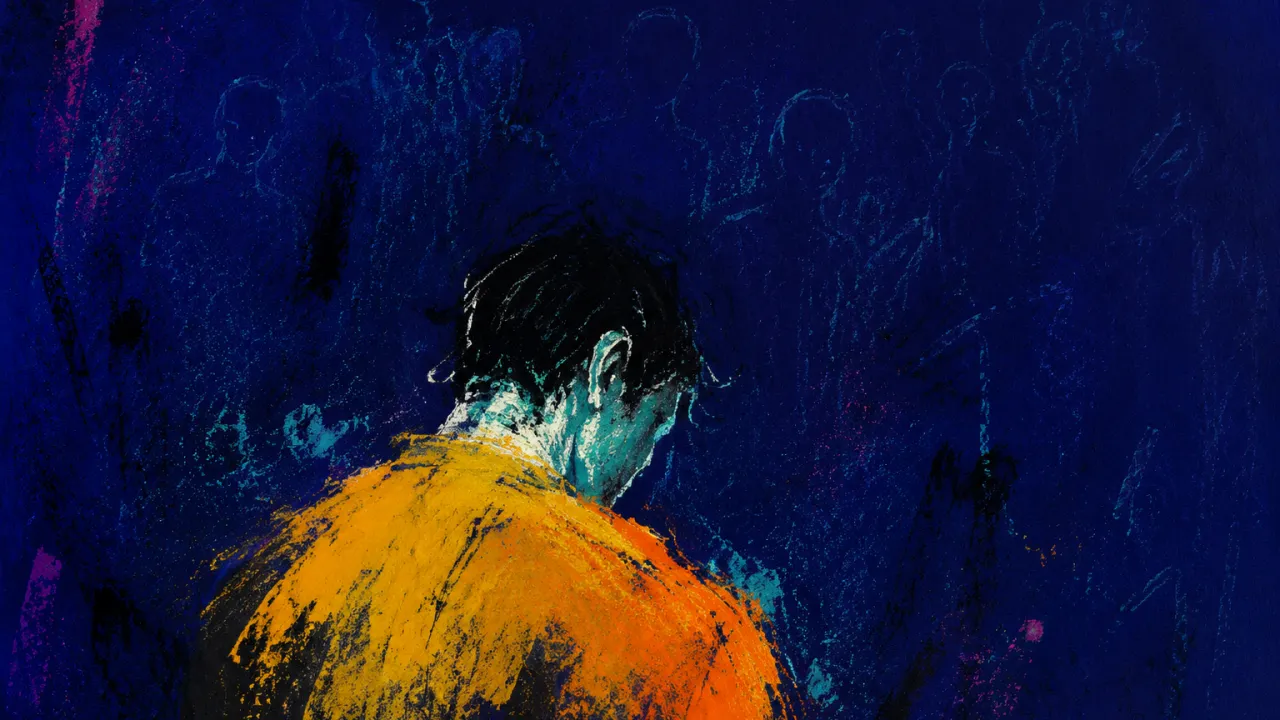
Decision Fatigue — you can feel it before the next choice even arrives, like a tight band across your forehead and a low ache behind your eyes from holding too many tabs open in your mind. Breakfast, messages, what to wear, whether to reply now or later, what to spend, what to save, what to fix first — none of it looks huge from the outside, but inside, every option seems to come with a receipt, a consequence, a future version of you who might regret it. Your body starts moving slower, not because you do not care, but because caring has become expensive; your shoulders stay braced, your jaw keeps checking in, and even a simple yes or no can feel like pushing through wet cement. You might scroll menus and close them, reread the same email without answering, stand in the aisle holding two versions of the same thing, or ask someone else to choose because the act of deciding has started to feel louder than the decision itself. The inner voice gets clipped and tired: just pick, but what if this is wrong, but it probably does not matter, but it might, but I cannot keep doing this. Decision fatigue is not the absence of preference; it is preference buried under comparison, prediction, and the need to keep every possible outcome in view, much like the figure on the Two of Swords, arms crossed and blades raised, holding a balance that costs the whole body to maintain.

Why you're feeling this?

Decision fatigue makes sense when your inner system has been asked to keep choosing without enough space to land. You are not weak for feeling drained by options. Sometimes the tiredness is simply the signal that the process of deciding has started taking more energy than the choice itself.

Decision Fatigue in Tarot Cards

Decision fatigue has a shape: the tight forehead, the braced shoulders, the sense that even a tiny choice now asks for too much. This is a universal emotional experience, not because everyone faces the same options, but because choice can become heavy when the inner field is already full. Tarot gives that pressure a visible language without needing to explain it away. Here are the Tarot Cards that tend to mirror decision fatigue.

The Emperor Reversed
Raised feet, hidden armor, and the throne's hard angles hold the Emperor at the edge of action without rest. The body looks prepared to move, yet the seat keeps the entire frame locked in management mode. Decision Fatigue appears when every option has been processed, ranked, defended, and reopened until choosing itself becomes the drain. You are not simply lacking clarity; the card shows a system that has stayed braced for too long, with the living stream of preference pushed behind the machinery of control.
The Hierophant Reversed
Triple symbols repeat across the crown, staff, robe, carpet, keys, and surrounding architecture until the scene becomes dense with authorized meanings. Decision Fatigue appears when the search for the right framework becomes another weight on the choice. The card shows a mind trying to decode every sign at once, while the actual decision gets buried under sanctioned methods of deciding.
Wheel of Fortune Reversed
The side figures are caught along the rim's movement, one rising and one descending, while the wheel remains packed with marks that never simplify. The image does not show a clean selection point; it shows a mechanism that keeps asking to be read again. That is the texture of Decision Fatigue in a choice spread. You have circled the options so many times that more analysis no longer creates clarity, and the emotional cost comes from keeping every route open after your system has already reached saturation.
Justice Reversed
The sword, scales, crown, pillars, and curtain all ask for discrimination at once. There is no open landscape to wander into, only a seated figure holding the instruments of evaluation in a fixed, frontal field. Decision Fatigue emerges when that visual logic moves into daily life. You are not facing one huge choice; you are being asked to weigh sleep, meals, chores, messages, health, work, and upkeep as if each one deserves the full ceremony of deliberation. Justice reflects the drain of a life system where every small allocation has begun to feel consequential.
Temperance Reversed
The cups ask for constant regulation: lift, pour, receive, adjust, repeat. In the reversed emotional field, the same graceful operation becomes draining because the figure's attention is locked onto keeping the flow exact while the path in the distance stays secondary. Decision Fatigue appears when choice has stopped feeling like agency and started feeling like maintenance. The mind keeps handling variables, edge cases, sunk costs, and possible regret until even useful information begins to feel heavy. The card reflects the particular tiredness of being the one who must keep everything balanced before moving. You are not simply tired of choosing; you are tired of holding every consequence in your hands as if one dropped piece of data would make the whole decision unsafe.
Four of Cups Upright
The three cups in front of the seated figure feel like options that have already taken up space, while the fourth arrives before the body has any visible energy to respond. Nothing in the posture suggests active comparison; the scene is marked by depleted stillness. In a choice reading, that stillness can point to the exhaustion that comes after too much weighing, simulating, and second-guessing. The issue is not a lack of options, but a nervous system that has been asked to keep evaluating past the point of useful clarity. Decision Fatigue names the heavy quiet that follows overexposure to possibility. The card helps separate genuine inner refusal from the drained state that appears when the choice process itself has consumed the available signal.
Seven of Cups Reversed
Seven separate cups divide the field into seven separate simulations, each with its own promise and hidden cost. The figure's lifted arms never resolve into a reach, so the body stays suspended in evaluation rather than relief. You may feel drained not because the decision is trivial, but because every option asks you to preview an entire life branch before moving. Decision Fatigue names the exhaustion of repeatedly converting desire, risk, identity, and consequence into a choice you can stand behind.
Two of Pentacles Reversed
The lifted foot never reaches rest, and the loop between the pentacles never shows a natural stopping point. The figure has to keep the coins moving because the whole apparatus depends on repeated correction. Decision Fatigue appears when a choice has been handled for so long that the act of evaluating becomes its own burden. In this card, the exhaustion is visual: the same options keep returning to the hands, and the body has no place to put the load down. For a decision spread, the reversed texture points to the cost of endless comparison. You are not lacking intelligence; the system has simply asked your attention to keep circulating without giving it a clean pause, exit, or landing place.
Seven of Pentacles Upright
The figure stands between the pentacle on the ground and the six still attached to the vine, visually caught between using what has been gained and continuing to cultivate what remains. The narrowed focus makes the field feel less like open land and more like a decision chamber. Decision fatigue belongs here because the card is not only about waiting; it is about evaluating what to do with partial results. The body is paused, the tool is held, and the mind has too many possible next uses for the same effort. In academic life, this can feel like being drained by choices that all seem reasonable: revise or submit, switch topics or stay, ask for feedback or keep working alone, rest or keep pushing. The exhaustion comes from constant assessment, not from a lack of care.
Eight of Pentacles Reversed
One pentacle is under the tools, another leans near the bench, another sits on the ground, and five more hang behind the worker. The scene is orderly, but it is also full of pending contact points, each one asking for attention. Decision Fatigue grows from that accumulation. The mind may still be capable, but the repeated act of weighing, comparing, revising, and checking has turned choice into labor that never fully clocks out. The Eight of Pentacles gives this fatigue a concrete body. It shows why a decision can feel heavy even when the options are not catastrophic: the system is tired from the sheer number of small evaluations required to keep moving.
Ace of Swords Reversed
The sword is lifted for a cut that has not yet happened, while the crown carries symbols of nourishment, peace, and achievement on the same suspended point. The hand has crossed out of the cloud, but the action still hovers between idea and implementation. That suspended threshold is where Decision Fatigue gathers in lifestyle work. Every small choice starts to feel loaded: rest or push, cook or order, clean or recover, simplify or optimize, protect the body or meet the deadline. The reversed Ace of Swords fits this feeling because the problem is not a lack of intelligence. The blade is present, but the system has asked it to make too many cuts, and each new choice arrives already weighted by all the choices before it.
Two of Swords Reversed
The crossed swords are heavy, symmetrical, and held away from the body by force. The figure can keep the balance for a while, but the wrists, shoulders, and chest are paying for every second of suspended choice. Decision Fatigue grows from that exact posture when daily life becomes a chain of small but loaded choices. You may be choosing between sleep and exercise, chores and recovery, planning and rest, until the act of choosing starts to feel like the most expensive task in the system.
Four of Swords Upright
The four swords are present, but none of them are being swung. The body has gone horizontal beneath the mental symbols, and the scene conserves energy through fixed lines, muted color, and a nearly motionless posture. Decision Fatigue surfaces when every option has been examined so many times that the mind can no longer tell evaluation from exhaustion. The card gives that drained state a physical image: a mental field that needs to stop cutting into itself before it can read the choice clearly again.
Nine of Swords Reversed
The figure is awake when the bed should support rest, and the quilt below her is crowded with repeated marks that do not settle into order. The scene suggests a mind that has not stopped working even in the place meant for recovery. Decision Fatigue in this card is the weariness of revisiting the same fork until the act of evaluating becomes its own burden. The problem is not that the user lacks care; the care has been spent again and again on the same unresolved choice. The swords above the bed make that depletion concrete. They show how repeated review can turn a decision from a moment of agency into a nighttime pressure system that drains the energy needed to choose.
Queen of Swords Reversed
The Queen holds her position with discipline, but the scene around her is sparse: low clouds, distant trees, and only a narrow trace of water behind the throne. The body remains composed while the surrounding field suggests that the resources feeding the decision have thinned. Decision Fatigue appears when evaluation has continued past the point of useful clarity. You may still be able to compare, forecast, and reason, but the process itself starts to drain the emotional oxygen from the choice until even reasonable options feel heavy. In this reversed expression, the sword does not simply clarify; it keeps the audit running. The card reveals a mind that has stayed in judgment mode for so long that the act of choosing now requires recovery of energy, not just more information.
Nine of Wands Reversed
The figure’s body is still upright, but the support wand carries part of the load. The head bandage and tight grip make the scene feel like a system that can remain functional only by bracing itself. In a decision spread, that posture captures the exhaustion of weighing, reweighing, and still not feeling done. The mind may still be capable of analysis, but each new variable lands on a body that has already spent too much energy staying alert. Decision Fatigue belongs to the reversed Nine of Wands because the card shows preparedness wearing thin. The emotional signal is not laziness or confusion; it is the cost of prolonged vigilance turning the act of choosing into another form of strain.
Ten of Wands Upright
The man in the Ten of Wands is not frozen; he is still walking. That detail matters because the strain of the card comes from continued movement under a load that has not been sorted, paused, or redistributed. For a decision, the hidden pressure is not simply choosing A or B. It is the repeated mental lifting: revisiting the same risks, checking the same imagined outcomes, trying to keep every possible future in view while the wands block the face and narrow the field of sight. Decision Fatigue appears when the mind has spent so much energy managing the choice that the act of choosing starts to feel physically depleted. The card gives that depletion a shape: a person still advancing, but no longer spacious enough to evaluate cleanly.

Decision Fatigue in Tarot Card Reading Insights

For anyone who has felt decision fatigue turn ordinary choices into a drained loop, others have brought that same tired choosing into readings too. The Tarot Reading Insights below gather moments where overloaded options, stalled clarity, and the need for a pause appeared through the cards.

Psychological emtions related to Decision Fatigue