Ready, or just pressured?

A grounded look at timing discernment, the tarot cards that mirror it, and reading insights where this pattern appears.

Timing Discernment
What is this really?

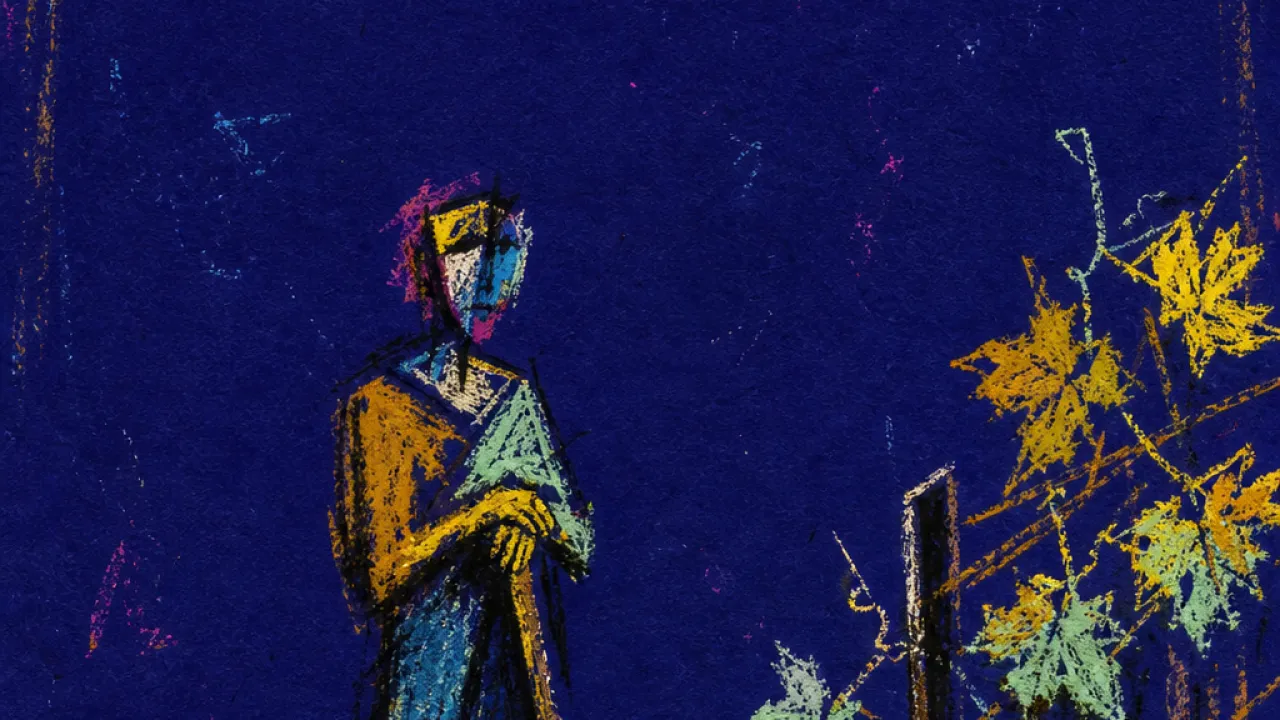
You slow down before committing, watching the mood in the room, the practical constraints, your own body, and the outside window before you act. You are trying to protect your choices from urgency, cognitive dissonance, sunk-cost pressure, and the false clarity that comes from wanting uncertainty to be over. Yet the same careful audit can become a loop where every signal seems to need one more signal, leaving you stuck at the threshold with your body ready and your hand still on the tool, much like the figure in the Seven of Pentacles leaning on his hoe while one coin rests at his feet and the rest remain on the vine.

Why did it happen?

At some point, waiting to read the room may have helped you avoid wasting effort, stepping into friction too early, or mistaking pressure for permission. Now the same inner pattern can keep replaying after enough information is already present, creating a quiet mental strain where the body stays braced at the edge of action.

How does it feel?

  • You draft the message, hover over send, then move the cursor away to reread one sentence for the fourth time; in that pause, your breath may get shallow and your shoulders may lift toward your ears. Let the pause be noticed before it has to become a verdict.
  • In a meeting, you hold your comment until three other people have spoken, fingertips resting on the edge of your laptop while your eyes track the room; afterward, your chest may feel tight from holding the words in place. It is okay to let the signal stay incomplete for a moment.
  • When a friend asks for plans, you open your calendar, tilt your head, and say you need to check one more thing even though the free slot is visible; your stomach may pull inward as if the answer needs extra permission. Uncertainty can be allowed to exist without becoming a demand.
  • Alone at night, you compare two tabs, close one, reopen it, and scroll back to the same detail as if it might finally settle the choice; your jaw may feel locked and your eyes tired before you notice how long you have been looping. This can be held as a familiar way of protecting your next move.
  • Before making a purchase, applying, leaving, or replying, you line up notes, deadlines, and pros and cons, then tap the pen against the page while the room goes quiet around you; your hands may feel restless while the rest of your body stays still. A slower read can be useful, and it does not have to decide your worth.

Timing Discernment in Tarot Cards

That habit of slowing down before you commit, especially when urgency is trying to pass as evidence, is the center of Timing Discernment. You might know it through the shallow breath that appears while your cursor hovers over send and your shoulders stay lifted. From a Jungian archetypal theory lens, this pattern can be understood as the psyche testing whether action belongs to the moment or to the pressure around it. The Tarot Cards below mirror the unconscious dynamics of that threshold: waiting, moving, weighing, and reading the field before the next step lands.

The Star Upright
The large star shines above the scene, but the card keeps the woman's hands, vessels, land, and pool just as visible. Guidance is present, yet it does not erase the practical terrain underneath it. That visual balance maps onto a cognitive function: reading signals without becoming possessed by them. The mind can hold intuition, evidence, readiness, and external timing in separate containers instead of collapsing them into one desperate answer. Timing Discernment appears when you are trying to locate the right moment without outsourcing your judgment. The card's clarity suggests that the useful signal is not a single dramatic sign; it is the pattern that emerges when inner readiness and outer conditions are seen together.
The Moon Upright
The path is present, but it is not sunlit. It winds from the pool through open land toward two distant towers, and every part of the route is filtered through the Moon's reflected light rather than direct illumination. Timing Discernment belongs here because the card's visual logic is not action versus inaction; it is navigation under incomplete visibility. You are placed in a field where instinct, fear, projection, and genuine signal all look similar until they are observed carefully. For timing questions, the card turns the focus away from forcing certainty and toward reading phase conditions. The pattern names the ability to notice whether resistance is a warning, a normal threshold response, or simply the friction that appears before a deeper cycle turns.
The Sun Upright
The sun sits above the whole scene as a direct source of light, while the child, horse, wall, and sunflowers are all visible without fog or shadow. The alternating rays do not just brighten the image; they organize the field so that movement can be read instead of guessed. Timing Discernment forms when the mind stops treating urgency as evidence and starts tracking actual conditions. You can separate a real opening from a mood spike because the card's forward motion is supported by light, boundary, and living response, not by panic. The pattern turns timing into an audit of readiness: what is illuminated, what is grounded, and what is actually moving with you.
Judgement Upright
The trumpet in Judgement does not show ordinary noise; it shows a call that organizes the whole scene. The angel is distant in the clouds, the figures are still in their coffins, and the sound lines form a narrow bridge between an external signal and an internal awakening. That visual structure mirrors Timing Discernment because the bodies do not appear to be forcing their way upward at random. They rise when the signal reaches them, which turns action into response rather than panic. In timing work, this pattern reveals the difference between pressure that makes you move and a threshold that is actually ready to open. You are not being asked to obey a deadline just because it is loud. The card's psychology points to a cleaner audit: what part of the field is calling, what part of you is genuinely awake, and what part is only reacting to the fear of being late.
The World Upright
The dancer in The World does not rush toward an exit or brace against the wreath. Her body stays open inside a completed oval, while the four corner figures hold the scene in a stable, evenly distributed field. The image creates a visual system where movement happens because the whole structure is ready, not because one part of the self is panicking for momentum. That is the psychological basis of Timing Discernment. The card shows action as rhythm-sensitive participation rather than force. The body is moving, but it is also listening to the container, the boundaries, and the surrounding conditions. In timing questions, this pattern helps You separate real readiness from urgency. It names the difference between a node that is actually open and a moment that only feels intolerable because waiting has become emotionally charged.
Ace of Cups Upright
The dove descends toward the open chalice before the water spills into the pool below. The image is not built around muscular force; it is built around sequence, reception, and circulation. Something arrives first, the vessel receives it, and only then does the overflow become movement. That structure mirrors the psychological mechanics of Timing Discernment. The pattern is not passive waiting; it is the ability to separate a real opening from the nervous urge to push. The cup has to be positioned, the signal has to land, and the surrounding pool has to be able to receive what follows. In timing decisions, this pattern helps You read whether a moment is actually supported by emotional clarity, resource availability, and external flow. The Ace of Cups links this to the body-level experience of readiness: a felt sense that the next step can be held, not just desired.
Two of Cups Upright
The two figures do not rush into each other; they meet at a measured distance, each holding a cup at the same height. The visual weight of the card sits in the exact point where two separate rhythms become coordinated without either side overpowering the other. That posture turns timing into a relational intelligence rather than a solo act of willpower. You are not being asked to force the next move simply because desire is present; the card shows a field where action becomes clean only when response, readiness, and mutual signal appear together. Timing Discernment is the pattern of reading those signals without collapsing into passivity. In a timing question, this card points to the psychological skill of noticing when the outside world is actually meeting your effort, so momentum can be built where the field is receptive instead of spent against unnecessary resistance.
Three of Cups Upright
The three women raise their cups at the same height while the harvested fruit sits plainly at their feet. Their bodies are not lunging forward; they are marking a moment that has already ripened, using a shared ritual to name completion before the next movement begins. Timing Discernment is anchored in that pause between effort and action. The image shows emotional energy, social support, and visible harvest converging at one point, so the timing cue comes from alignment rather than panic. When you are anxious about when to move, this pattern reframes the question from forcing the door open to reading whether the season has actually turned. The circle suggests that clear timing is often felt as rhythm, not as pressure.
Five of Cups Upright
The river in the Five of Cups does not erase the path forward; it defines the threshold. The bridge is already there, but it requires the figure to recognize when the mourning field has finished teaching and when the next crossing is actually available. Timing Discernment is the capacity to treat delay as information rather than as punishment or proof of failure. The bowed gaze can be a necessary pause when it helps the nervous system process what spilled, but it becomes costly if the pause never updates into a read of the bridge. In timing work, this pattern asks for a cleaner distinction between waiting, recovering, and avoiding movement. You are not being pushed to cross before you are ready; the card is exposing whether the current stillness is an intelligent rhythm or a habit of staying with yesterday's evidence.
Six of Cups Upright
The cup is not thrown, grabbed, or forced into the other child's hands. It is offered at the scale of a child, in a contained courtyard, with enough stillness for the exchange to land. That physical timing is the core of Timing Discernment: movement occurs when the body, the object, and the relational field are all able to receive it. The card's calm is not passivity; it is a visible rhythm of readiness. For timing questions, this pattern helps separate a real opening from urgency disguised as intuition. You are not being asked to worship delay, but to notice whether the act has a receiving field or whether you are trying to force bloom before the season can hold it.
Eight of Cups Upright
The red-cloaked figure has turned away from eight upright cups, not because they are broken, but because the visible gap in the arrangement tells the body that the old container no longer matches the inner signal. The moon passing over the sun makes the departure feel timed by a subtler rhythm than ordinary daylight certainty, while the river marks a threshold that cannot be crossed halfway. That visual structure mirrors Timing Discernment: the capacity to notice when effort has completed a cycle and when further pushing would only stir stagnant water. You are not being asked to worship hesitation; the pattern names the precise moment when a pause, a departure, or a next step becomes psychologically coherent because the system has actually changed.
Ten of Cups Upright
The rainbow of cups does not hover over a void; it hangs above a house, a river, a garden, and bodies that are already settled enough to receive it. The image creates a difference between a beautiful sign and a sign that is grounded in a workable field. Timing Discernment grows from that distinction. For you, the question is not whether the moment looks promising, but whether the promise is supported by structure, flow, and embodied readiness. The pattern asks the nervous system to read the whole field instead of obeying the loudest signal.
Page of Cups Upright
The Page stands on a narrow platform by the sea, holding the cup high enough to study it while the fish rises unexpectedly from inside. His body does not lunge toward the water or turn away from it; it creates a small pause between the inner message and the outer environment. That pause is the psychological mechanism behind Timing Discernment. The card shows attention becoming precise without becoming panicked: the signal is real, but it is still being observed inside a container before it becomes action. You are not asked to force the wave or deny the fish; the pattern is about reading whether the inner impulse and the external season are actually meeting. In timing questions, this matters because urgency often disguises itself as clarity. The Page of Cups holds a message before acting on it, which turns timing from a fear-based countdown into a process of perception, boundary, and proportionate response.
Knight of Cups Upright
The horse does not charge; it walks with its head lowered while the cup stays lifted and steady in the Knight's hand. The reins, the chalice, and the river ahead create a three-part system of desire, control, and threshold contact, where movement is real but deliberately paced. This is the psychology of Timing Discernment: the pause is not avoidance, and the slow pace is not weakness. You are reading friction as information, letting the outer cycle and inner readiness meet before spending your energy on a crossing that may not yet be open.
Queen of Cups Upright
The Queen's eyes stay on the sealed chalice held steady between both hands, while her body remains composed on the shore between land and water. Her posture does not rush toward the sea or pull away from it; it holds the emotional field long enough for a signal to become legible. That visual structure maps to Timing Discernment because the card separates pressure from readiness. You may be sensing that movement is needed, but the deeper audit is whether the current opening has enough emotional capacity, external support, and low-friction momentum to carry action. The calm water matters because it shows a pause that is not passive collapse. The pattern becomes useful when waiting is used to read the cycle, not to hide from the threshold.
King of Cups Upright
The king sits upright on a shell throne while the sea moves around him, holding the cup in one hand and the scepter in the other. His gaze narrows toward the cup, but the ship, dolphin, and layered waves remain present in the field, so attention is focused without becoming cut off from context. That visual structure mirrors Timing Discernment because timing is not treated as a single emotional impulse or a single external deadline. The pattern lets You read the inner signal, the moving environment, and the available path at the same time, so action is paced by rhythm rather than urgency.
Ace of Pentacles Upright
The pentacle hangs in the open sky as a concentrated signal, but the card does not stop at the signal. The eye is led downward into a garden, across a low boundary, through a flowered archway, and toward a mountain in the distance. The image is organized like a timing map: resource first, entry point second, long-range effort third. That staged movement is the visual logic behind Timing Discernment. The pattern does not chase every opening as if it must be used immediately, and it does not freeze until certainty becomes absolute. It reads whether the field has become navigable: whether there is a path, a threshold, and enough stability to begin without collapsing into force. For timing anxiety, this is the difference between pushing against friction and recognizing the lower-resistance node. You are not outsourcing agency to a sign; you are learning to see the shape of a cycle, where effort belongs, and where premature intensity would only create more drag.
Two of Pentacles Upright
The figure's eyes stay close to one coin while the other coin remains active inside the same loop. The Two of Pentacles makes attention selective without making the whole system disappear; one variable is foregrounded, but the second still shapes the rhythm. That is the core mechanism behind Timing Discernment. The pattern is not about waiting passively or acting impulsively; it is the cognitive skill of separating the signal that matters now from the noise created by every possible timeline. In a timing reading, the linked coins show why this discernment has to include resources, attention, and external conditions together. You can move at the right moment only when the current opening, the remaining constraint, and the next cycle are seen as one connected system rather than isolated decisions.
Three of Pentacles Upright
The hammer is raised at the threshold of action, not yet crashing into the pillar. The blueprint, the doorway, and the unfinished stone all hold the scene inside a precise before-moment. Timing Discernment lives in that pause. It names the capacity to tell whether You are in preparation, first contact, revision, or full entry, instead of treating every pressure spike as a command to move immediately. The Three of Pentacles supports this pattern because the scene is active without being rushed. The next strike matters, but it belongs to a sequence; the card shows timing as placement inside a larger build, not as a single dramatic yes or no.
Six of Pentacles Upright
The eye moves from the suspended pentacles to the scales, then down to the coins and open hands. The card is not frozen at the point of perfect equality; it captures the moment when imbalance is being read, weighed, and adjusted. That is the core of Timing Discernment. You are tracking whether the field is ready, whether resistance is useful data, and whether the next move belongs to giving, receiving, waiting, or redirecting. The clear sky gives the scene room to breathe, which matters psychologically. This pattern is not about obsessively finding the flawless moment; it is about recognizing the usable moment where imperfect conditions still contain enough structure to act intelligently.
Seven of Pentacles Upright
The worker leans into the hoe instead of swinging it, standing at the exact point where effort has slowed into assessment. The six pentacles still hang from the vine while one rests on the ground, so the image does not show failure or completion; it shows a threshold where the nervous system has to read timing, not just desire. This posture turns growth into a pacing problem. You are not being asked to push harder or quit faster; the scene exposes the psychological skill of knowing when a result is ripe enough to use, when a process needs more tending, and when waiting has become avoidance in a more respectable costume. In personal growth, Timing Discernment is the mechanism that separates disciplined patience from frozen potential. The card anchors that pattern because every object in the scene is suspended between investment and harvest, forcing the mind to audit the difference between readiness, fear, and strategic restraint.
Eight of Pentacles Upright
The craftsman's gaze is narrowed to the coin under his chisel while the town and path remain in the background. He is aware of a larger world, but his body does not leap toward it; his attention stays calibrated to the stage directly under his hands. That calibration is the mechanism behind Timing Discernment. The card's visual order separates the present task from the eventual destination, which helps expose the difference between a real opening and a fantasy of relief. You are being shown the stage of the cycle by where the body, tools, and unfinished materials are actually placed. In timing questions, this pattern gives clarity without pretending that every delay is meaningful or every impulse is wrong. It names the psychological skill of reading the friction: whether resistance is a signal to refine, wait, gather, or finally move.
Nine of Pentacles Upright
The hooded falcon rests on the woman’s gloved hand while the snail moves slowly across the foreground, placing sharp instinct and slow organic time in the same frame. The image does not rush the bird into flight or the garden into harvest; it holds potential inside a controlled field until the conditions can be read with precision. Timing Discernment emerges from that controlled pause. You are not being asked to freeze forever, but to notice whether the next move is being prompted by ripeness, pressure, fear of missing out, or the need for visible progress. The card turns timing into an audit of readiness rather than a demand for immediate certainty.
Ten of Pentacles Upright
The archway does not open into blank space; it frames a home, a chimney, a city wall, and a family system already in motion. The elder is seated at the threshold, the couple pauses mid-conversation, and the child reaches toward the dogs, so the scene holds several tempos at once rather than a single command to move. Timing Discernment grows from that layered pacing. You are not being asked to act faster or slower as a rule; the pattern reveals whether the external field, the inner readiness, and the threshold itself are aligned enough for a clean move. In a timing question, the card audits whether pressure is being mistaken for a signal.
Page of Pentacles Upright
The Page holds the pentacle at eye level with both hands, letting the gaze narrow onto one tangible object while the grassland, trees, sky, and distant mountains remain open around him. His body is activated, but not rushing; the posture keeps attention steady enough to notice the difference between impulse and actual readiness. That visual tension turns Timing Discernment into a grounded cognitive filter. The coin becomes a concrete timing signal, while the open field keeps the wider cycle visible, so the pattern is not about waiting forever or forcing a breakthrough. It is the ability to read the current season before spending your energy. For you, this pattern shows up when the pressure to act is loud, but the wiser move is to audit the conditions: resources, stamina, support, skill, and external friction. The card links this pattern to a calm, practical kind of timing intelligence, where clarity comes from observing what is actually available rather than obeying urgency.
Knight of Pentacles Upright
The Knight pauses on a horse capable of movement, with his gaze set beyond the pentacle into the field ahead. The scene is not empty of force; it is force held at the threshold until the next move can be made with contact rather than impulse. Psychologically, the pause functions as calibration. You may be sensing that a growth move needs timing, sequencing, and a clean read of the terrain, not just a surge of motivation. Timing Discernment belongs here because the card separates strategic stillness from avoidance. The body is ready, the resource is visible, and the horizon is open, but the system is checking whether action will land instead of simply proving urgency.
Queen of Pentacles Upright
The Queen's gaze narrows to the pentacle while the wider landscape remains present behind it: flowers, water, hills, and shade. The image holds one focal point inside a living seasonal field. That composition mirrors Timing Discernment because it separates a true signal from background pressure. You can feel the difference between delay that protects the next step and delay that only preserves control, and the card turns that difference into something visible rather than abstract.
King of Pentacles Upright
The King's gaze drops toward the pentacle while the sceptre remains upright but unused. The wall behind him separates the managed estate from the wider world, and the hand-foot arrangement around the coin makes attention feel precise rather than scattered. That narrowed focus is a timing filter. You are not simply delaying; you are learning to tell whether a moment is ripe or merely loud, so the next move is timed by signal strength instead of pressure.
Ace of Swords Upright
The hand rising from the cloud grips the sword with enough firmness to give thought a body. The blade does not wander through the sky; it creates one clean vertical channel through the uncertain air, with the crown held at the point where insight becomes directed action. That visual structure mirrors Timing Discernment because the card is not only about having an idea. It shows cognition becoming precise enough to distinguish signal from noise, opening from pressure, and readiness from urgency. The empty sky around the blade matters: there is space to see the timing field before the strike lands. For You, this pattern names the difference between forcing momentum and recognizing the moment when momentum is actually available. The sword's clarity does not erase uncertainty; it cuts through the part of uncertainty that is only mental fog, leaving the real conditions visible enough to act with less friction.
Two of Swords Upright
The blindfolded woman does not look for the answer on the horizon; she sits between shoreline and sea, holding two swords in equal tension while the crescent moon hangs in the gap between them. Her body is not attacking, defending, or running. It is creating a chamber where external motion can be felt before it is acted on. Timing Discernment appears when you are not frozen because nothing is happening, but pausing because the available signals have not settled into a usable rhythm. The crossed swords show the mind holding competing timelines apart, while the tide and moon show that the environment is still moving beneath the surface. The pattern reveals whether the delay is real attunement or a way to keep the choice suspended under the language of timing.
Four of Swords Upright
The three swords above the knight point toward the head, throat, and chest, but they do not descend. The body is not fighting them, and the church space keeps the threat, the resting figure, and the stained glass window in separate visual zones. Timing Discernment grows out of that separation. You are being shown a mind that can notice pressure without obeying it instantly, which is the core skill of reading whether a blocked moment is a warning, a waiting period, or fear wearing the costume of timing.
Six of Swords Upright
The ferryman does not attack the river; he plants his body between departure and destination, using a long oar to convert current into movement. The boat angles toward the far shore while the water stays mostly calm, so progress is created through leverage, pacing, and the ability to read the conditions around the crossing. That visual structure makes Timing Discernment more than simple patience. The six swords show that thought, planning, and past experience are onboard, but they also add weight; the mind has to organize the transition without pretending that organization removes friction. You are being shown a timing system where effort matters, but only when it cooperates with the current. In timing questions, this pattern names the difference between forcing a result and reading a window. The card's movement is real, but it is not rushed; the distant shore remains pale because the next phase is not fully available yet. Clarity comes from noticing where the river is already carrying you, where the boat is still heavy, and where one precise push does more than constant pressure.
Seven of Swords Upright
The figure moves on tiptoe at the edge of a camp, with one foot lifted into the next step while his head turns back to check the field behind him. The body is not frozen, but it is also not charging forward; it is reading the timing of exposure, resistance, and escape with every small movement. That posture turns the Seven of Swords into a study of calibrated action. The card does not only show secrecy; it shows a nervous system trying to locate the least resistant opening before committing its weight. In timing work, this maps directly onto the difference between wise delay and fear-based hesitation: the pattern becomes visible when You are not asking whether action is good or bad, but whether the current window can actually hold the action. Timing Discernment names the capacity to move when the conditions support movement, not when social pressure, panic, or impatience demands it. The dusk sky, the backward glance, and the careful footwork all point to a psyche that understands timing as a field to be read, not a deadline to obey.
Eight of Swords Upright
One foot rests on muddy ground while the other touches pooled water, placing the woman between material footing and emotional undercurrent. Around her, the swords are close enough to demand caution but spaced enough to require interpretation rather than panic. This card makes timing visible as a body problem: impulse, fear, terrain, and available space are all present at once. The red robe carries urgency, while the white bindings slow the system down long enough to read the field. In a timing question, the issue is not whether movement exists, but whether the next move matches the actual ground. Timing Discernment appears when You stop treating resistance as either a total block or a challenge to overpower. The card's intelligence is in the gap: not every opening is usable, but not every delay is a prison.
Ten of Swords Upright
The ten swords make completion visible, while the riverbank makes timing visible. The body is not simply wounded; it is stopped at a threshold, with a calm passage nearby and a faint line of light beyond. The image asks the mind to distinguish between the route that has ended and the larger field that still contains movement. Timing Discernment appears when you can read resistance without immediately making it personal. The mind stops collapsing every delay into failure and starts sorting signals: what is closed, what is premature, what needs recovery, and what may open later. In timing work, this card becomes a precision instrument rather than a punishment. It shows that the hardest truth may be that this phase is complete, while the wiser move is to stop extracting momentum from a cycle that no longer has any to give.
Knight of Swords Upright
The horse, sword, clouds, and wind all point in a single direction, creating a rare moment where force and field share the same vector. The knight's armor gives structure to speed, so the charge is not just movement; it is movement contained by a clear line. Timing Discernment emerges when your system can separate urgency from alignment. You are not trying to control the whole season; you are reading whether the opening, the resources, and your internal readiness are moving in the same direction. The card's clean forward geometry shows why decisive action can be psychologically grounded instead of impulsive. The pattern names the capacity to wait until the field becomes legible, then move without bargaining with every doubt.
Queen of Swords Upright
The sword rises through the cloudy air as a single vertical line, while the clearer sky above and the lone bird in the distance widen the field of perception. The Queen does not act from inside the fog; she sits high enough to notice both the weather below and the open space above it. Timing Discernment is the mind's ability to read that layered field without collapsing it into panic. In your timing question, friction is not automatically a stop sign and momentum is not automatically permission; the pattern names the work of separating a real opening from noise, pressure, or temporary weather.
King of Swords Upright
The King sits squarely on a stone throne, facing forward while the sword rises in a clean vertical line through the center of the image. Nothing in his body rushes toward the horizon; the authority of the card comes from stillness, posture, and a narrowed field of attention. That visual structure turns timing into a cognitive discipline rather than an emotional reaction. The sword does not swing wildly; it is held upright, making judgment visible as containment, sequencing, and discrimination. You are being shown a mind that can hold urgency without obeying it. Timing Discernment emerges when the pressure to move is filtered through evidence, readiness, and field conditions. In timing questions, this pattern names the capacity to separate a real opening from social noise, panic, or the need to prove momentum.
Ace of Wands Upright
The raised wand cuts a clean vertical line through the sky while the river below moves sideways across the land. The card does not show motion as a single command; it places ignition, emotional flow, terrain, and long-range structure in the same frame. Timing Discernment forms when your system can notice the spark without obeying it automatically. You are not being asked to suppress momentum; the pattern is about reading whether momentum, resources, resistance, and the wider field are actually moving together. The hand's grip gives the impulse a shape, but the landscape gives it a clock. When this pattern is active, the first surge becomes useful data rather than a demand for immediate action.
Two of Wands Upright
The figure stands on the battlement with the globe in one hand and the wand in the other, looking outward without yet leaving the castle. The body is not rushing; it is using height, distance, and a contained vantage point to turn desire into observation. That visual pause is not passivity. It shows a mind trying to separate impulse from timing, ambition from season, and personal will from the conditions outside the wall. The globe makes the future feel close enough to inspect, while the horizon reminds you that the real field is larger than your hand. Timing Discernment emerges when you can hold the tension between readiness and restraint without collapsing into panic. The card links this pattern to the moment when You stop asking whether movement is impressive and start auditing whether the current window can actually carry the move.
Three of Wands Upright
The figure stands above the shoreline with one hand resting on the forward wand, watching the ships move across the water rather than running down toward them. The card's whole geometry is built around distance: high ground, open sea, a visible horizon, and movement that can be tracked but not instantly controlled. That posture turns timing into a perception task. The wand gives the body a grounded point of reference, while the gaze scans the wider field for evidence of momentum, return, and readiness. This is not passive waiting; it is the psychological skill of letting the external cycle become legible before choosing the next push. Timing Discernment emerges when You can tell the difference between a real opening and the discomfort of not acting yet. In the Three of Wands, the mind is asked to hold vision, preparation, and environmental feedback in the same frame, so the next move is guided by rhythm instead of urgency.
Four of Wands Upright
The two figures stand under the garland with raised arms, but the castle remains at a distance beyond the bridge. The image does not show a reckless sprint toward the next destination; it shows a marked threshold where celebration, structure, and future movement are all visible at once. That visual rhythm mirrors Timing Discernment because the psyche is not treating desire as the only signal. The four upright wands hold the moment steady, while the bridge quietly reminds You that a next stage requires a crossing, not just excitement. In timing questions, this pattern names the ability to separate genuine readiness from urgency. You are reading the field before pushing forward, noticing whether the structure can carry the next move and whether the moment has actually opened.
Six of Wands Upright
The raised wands create a visible corridor around the rider, with two behind, two ahead, and the laurel-topped wand crossing the center as the horse moves slowly forward. The scene is not a sprint; it is a paced public passage where support, recognition, and movement line up at the same time. That geometry anchors Timing Discernment because the next move becomes clean only when the field around it has organized. You are not looking at raw ambition; you are looking at a timing system where the audience is present, the path is open, the body is upright, and the pace is sustainable. The pattern reveals the difference between true readiness and anxiety-driven acceleration.
Seven of Wands Upright
The young man stands above six lower wands, with open sky behind him and a single diagonal wand held across the live point of pressure. The height matters: he is not inside the crowd of signals, so he can see which push is actually reaching him and which push belongs below. That visual structure maps to Timing Discernment because the body is not answering every force with equal panic. You are being shown a mind that can separate pressure from timing, opposition from information, and urgency from the moment that actually has leverage. In timing questions, this pattern names the part of you that can hold a contested position without confusing noise for inevitability. The card does not glorify endless resistance; it audits whether your next move is coming from vantage point or from being poked by the nearest wand.
Eight of Wands Upright
The wands do not scatter across the card; they form a clean diagonal corridor through open air. Below them, the stream, land, and distant house remain separate layers of the scene, so movement has direction without collapsing the whole landscape into urgency. That is the visual grammar of Timing Discernment. The card is not only fast; it is legible. The mind can track the vector, the landing field, and the distance still remaining, which turns timing from a panic response into a pattern-recognition process. You may be dealing with a window that is opening, but this pattern asks whether the movement is truly coherent or merely loud. Timing Discernment names the ability to read the difference between a cycle that is ready for action and a nervous system that wants action because uncertainty feels unbearable.
Page of Wands Upright
The Page stands in an open desert with the wand held upright, not planted, not swung, and not abandoned. His body is alert but contained, and the clear horizon gives the image a rare kind of psychological room: the spark is real, but the field has not yet answered it. That posture maps directly onto Timing Discernment because the card separates activation from execution. You can feel the beginning of movement without turning it into an immediate mandate, which is exactly the inner skill required when a timing question is less about desire and more about reading the current cycle. The wand becomes a signal rather than a command. In a timing spread, this pattern reveals the difference between being inspired by a moment and being ready to spend real energy inside it.
Knight of Wands Upright
The red horse rises with its front legs suspended, but the knight does not spill forward with it. His armor, upright spine, taut reins, and raised wand show a body holding heat at the exact edge of movement, where impulse has not yet become action. That suspended posture is the psychological core of Timing Discernment. The card does not remove desire; it organizes desire through restraint, sensory reading, and moment-to-moment control. You can feel the urge to move without treating the urge itself as evidence that the timing is right. In timing work, this pattern names the difference between momentum and readiness. The knight's fire is real, but the reins show that fire still needs a rhythm, a terrain reading, and a launch point that matches the field ahead.
Queen of Wands Upright
The Queen sits upright with the wand held vertically, the sunflower lifted in the other hand, and the black cat positioned at the base of the throne. Nothing in the body is rushing, yet nothing is asleep; the whole figure holds readiness in a contained physical field. That composition turns timing into signal discrimination. You can feel drive, visibility, instinct, and external structure all present at once, but the card does not collapse them into immediate action. Timing Discernment emerges when the system can tell the difference between having energy and having a clean opening for that energy to move through.
King of Wands Upright
The king's wand is held with command, but it is also planted. His fist is lightly clenched, not swinging; his body is active, but the throne still defines the boundary of movement. The whole image holds a decision at the edge of execution. That is the visual logic of Timing Discernment. The card does not flatten readiness into immediate action. It shows the psyche testing whether force has a clean channel, whether desire has ground contact, and whether authority is being used to choose the moment rather than escape uncertainty. For timing questions, this pattern is the internal skill of sensing the difference between an opening and a pressure spike. You are not being asked to suppress momentum. You are being asked to locate the point where momentum can meet the least resistance.

Timing Discernment in Tarot Card Reading Insights

For anyone who slows down before committing because the moment still feels unresolved, similar readings often circle around cards of waiting, movement, and threshold pressure. The shift here is from the cards themselves to how this pattern appears when someone brings a timing question into a spread. Below are Tarot Reading Insights that speak to this pattern.

Psychological patterns related to Timing Discernment