Free, Or Just Untethered?

Explore Freedom-Structure Conflict through grounded struggle language, related tarot cards, and tarot reading insights from lived-feeling readings.

Freedom-structure Conflict

What does this feel like?

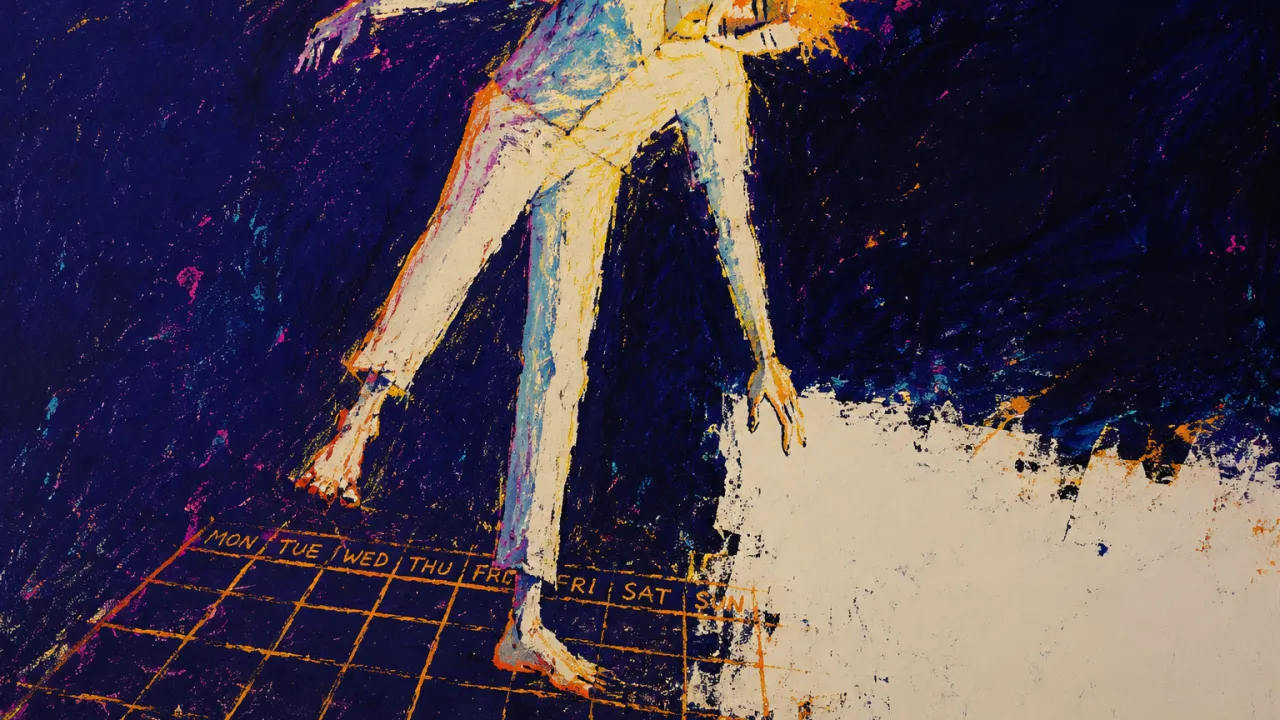
Freedom-Structure Conflict — you feel it when you wake up with a completely open day and somehow feel both relieved and slightly untethered before your feet even touch the floor. No one is telling you what to do, and that should feel like air, but the laundry is still there, your messages are still there, your body still needs food and sleep and movement, and suddenly freedom feels less like space and more like a room with no furniture. You want your life to be self-directed, loose enough to breathe inside, not chopped into blocks that make you feel owned by a calendar. But the moment you avoid every plan, everything starts to blur: meals slide later, sleep gets weird, money becomes a fog, projects stay half-open, and the day slips through your hands while you keep telling yourself you just needed more flexibility. Then you try to fix it by building a routine, and for a few days it works; your shoulders drop, your brain gets quieter, your body remembers what time dinner is. But soon the routine starts to feel like it is closing around you, and you catch yourself resisting the very structure that was helping you. A reminder pops up and you feel annoyed before you know why. Someone asks for a regular plan and your chest tightens. Even a habit you chose can start to feel like proof that your life is becoming smaller. So you swing between open space and hard systems, between disappearing into drift and pushing against your own containers, never quite trusting either side. The cost is subtle but heavy: you spend so much energy protecting your freedom from structure, and your structure from collapse, that you have less energy left to live the life both were meant to hold, much like The Fool with one foot bright at the cliff edge, face turned toward the sky, while the ground quietly asks where the next step will land.

What's pulling at you?

You're not stuck because you hate discipline or because you can't handle freedom; you're stuck because both sides are trying to protect something important. One part of you needs room, spontaneity, and self-direction, while another part needs repeatable anchors strong enough to keep your body, money, time, and relationships from sliding into drift. The hard part is that each side starts to feel like a threat when it gets too much control.

How It Shows Up?

  • You wake up on a free Saturday with no plans, and for the first ten minutes it feels like relief — no alarms, no calendar blocks, no one waiting on you. Then the room gets strangely loud: laundry on the chair, dishes in the sink, three half-started ideas in your notes app, your stomach tight because you forgot breakfast was part of the day too. Your body wants to drift, but your chest feels buzzy and unheld, like The Fool's foot hovering over open air with nowhere solid to land yet. You can let the morning stay open while choosing one small edge for it to rest against.
  • Someone you care about asks, "So what are we doing this weekend?" and you feel your face do that tiny freeze before you answer. You want to say yes to closeness, to plans, to being counted on, but the moment it becomes a time, a place, a promise, your shoulders lift and your throat gets tight, as if the connection has turned from air into a room with a locked door. You may need space and reliability in the same bond, and it is fine to name the smaller version before you agree to the whole thing.
  • You open your laptop for work or study and decide you will do it "your way" today, so you ignore the outline, skip the timer, keep ten tabs open, and follow whatever feels alive. Two hours later, you have interesting fragments everywhere and no finished piece, your jaw sore from clenching and your eyes stinging from the screen. The Magician's table has a quiet lesson in the scene: tools need a surface before they can become useful. You can keep the curiosity and still give it a place to work.
  • You're at a dinner, group hang, studio session, or shared house meeting, and the group starts talking about recurring plans, roles, who brings what, who texts first, who keeps the calendar. Everyone else seems to relax as the shape becomes clearer, while you feel a small pressure under your ribs, like belonging is asking for a badge you did not know you had to wear. Your smile stays polite, but one hand keeps checking your phone, looking for an exit that does not insult anyone. It is okay to stay present without signing your whole self over to the room.
  • There is a fixed spot in your body where this conflict keeps showing up: the base of your neck, the stomach, the jaw, the breath that stops halfway in. It appears when a routine gets too tight and also when there is no routine at all, which is what makes it so confusing; both the cage and the open field can make your body brace. Some days you feel like the dancer inside The World, moving freely inside a circle you keep testing with your fingertips. You can treat the signal as information, not a command to escape or obey.

Freedom-structure Conflict in Tarot Cards

Freedom-Structure Conflict lives in the moment when every open field starts to scatter you, while every container starts to feel like it might claim the day. You can feel it in the tight throat, lifted shoulders, jaw pressure, and breath that stops halfway when a plan becomes too loose or too fixed. From an existential perspective, the structural framework of this struggle is the effort to let freedom have form without making form feel like confinement. The Tarot Cards below make that outline visible through bodies at edges, tools on tables, walls, circles, and open sky.

The Fool Upright
The staff rests across the shoulder instead of meeting the ground, and the rose hand stays open rather than bracing the body. The image carries freedom as real momentum, but the tools that could stabilize the next step remain symbolic rather than load-bearing. When you try to evolve, this becomes the struggle between staying open and letting a structure hold you. You want growth to feel alive, self-authored, and uncontained, yet the cliff edge shows that some forms of freedom collapse unless they are allowed to touch a routine, a limit, or a repeatable practice.
The Magician Upright
The Magician's body holds an open vertical channel, but his work happens from a defined station behind the table. The flowers, garments, tools, and hand positions all carry paired forces that sit together without collapsing into one another. That is why the card can mirror a direction struggle where freedom and structure both feel necessary. You may want a future wide enough to breathe inside, while also needing a form strong enough to protect your energy from drifting everywhere at once. The conflict becomes painful when every structure feels like a loss of freedom and every open field feels like a loss of traction. The image does not erase either side; it shows the pressure of trying to build a life path that can hold movement without turning into a cage.
The Emperor Upright
The red robe, ram-carved throne, and bare mountains press heat and hardness into the same frame. The Emperor's vitality is not absent; it is seated inside a structure so solid that movement becomes inseparable from containment. That is the personal growth bind where You know structure is necessary, but every routine starts to feel like a threat to freedom. The card holds the conflict in a visible shape: ambition needs a frame to become real, yet the frame can become so heavy that it starts to feel like a cage around the very force it was meant to support.
The Hierophant Upright
The throne, pillars, staff, and crown form a strict vertical frame, while the crossed keys and patterned floor create diagonal and horizontal pressure below. The card is not simply stable; it is a system of order that has to keep multiple directions contained at once. Your lifestyle conflict sits inside that same frame when structure feels both necessary and restrictive. The routine holds the day together, but it can also become the architecture that limits movement, spontaneity, and the felt sense that your life is still yours.
The Lovers Upright
The garden is open, bright, and apparently breathable, but it is not an unstructured field. The trees, the serpent, the angel, and the mountain turn every direction into a charged boundary rather than neutral space. Your daily system can carry the same contradiction. The life you want needs room, softness, and self-direction, yet the routines that protect sleep, health, and momentum can feel like fences around the very freedom they were meant to serve. The card gives this friction a clear shape: openness without structure becomes exposure, while structure without aliveness becomes enclosure. The struggle is the effort to build a life that can hold both movement and containment without making either one the enemy.
The Chariot Upright
Open sky surrounds the chariot, but the figure remains held within armor, canopy, cube, and the fixed line of two sphinxes. The image offers a field of possible movement while making that movement depend on a highly structured vehicle. Study can carry the same contradiction. You may want intellectual freedom, a self-directed research path, or a subject that feels alive, while also needing rubrics, deadlines, supervisors, and institutional expectations to make the work real. The Chariot gives Freedom-Structure Conflict a precise academic shape: the structure that makes progress possible can also feel like the frame that narrows thought. The struggle is finding movement that does not collapse into either rigid compliance or directionless freedom.
Justice Upright
The seated judge holds the sword and the scales in one body, with each tool demanding a different kind of control. The sword asks for a clean limit, while the scale asks for measured proportion, and the rigid central posture keeps both demands from spilling out of alignment. In a lifestyle reading, that geometry maps directly onto the fight between freedom and structure. You may want a life that feels spacious, spontaneous, and self-owned, but the physical system of sleep, work, health, money, chores, and attention still requires edges sharp enough to hold the day together. The card does not frame structure as punishment or freedom as irresponsibility. It shows the exact pressure point where your life needs form without becoming a courtroom, and flexibility without dissolving into drift.
The Sun Upright
The child rides beyond the garden wall without reins, holding a bright red flag instead of a steering tool. The scene is full of motion, openness, and trust, yet the wall remains visible behind the horse as the physical trace of structure, containment, and prior safety. This creates a growth tension between the part of you that wants expansion to feel effortless and the part that still needs a container strong enough to hold the expansion. The Sun does not show freedom as escape from structure; it shows freedom becoming real only when vitality can move without losing its boundary memory. For personal growth, this struggle appears when discipline feels like a threat to authenticity, or when unstructured inspiration burns bright but fails to become a life you can repeat. The card gives the conflict a clear shape: your growth is not blocked by lack of desire, but by the unfinished negotiation between open movement and sustainable form.
The World Upright
The dancing figure moves inside a laurel wreath that looks complete, protective, and sealed. Her body is not collapsed into stillness; it keeps a lifted, crossing motion inside a finished oval, so the card holds freedom and containment in the same visual system. That structure mirrors the romantic tension of wanting a bond solid enough to feel real without letting the bond become the whole field of movement. You may be reaching for commitment, clarity, or mutual recognition, while another part of you tracks whether the relationship is quietly shrinking your range. The World does not frame this as a choice between love and independence. It shows a complete circle that still has a dancer inside it, naming the struggle as the need for a relationship structure that can hold intimacy without turning aliveness into enclosure.
Ten of Pentacles Upright
The archway should be a passage, but the passage is already occupied. The elder, dogs, child, and couple fill the threshold so completely that movement through the space becomes secondary to preserving the arrangement. This is the lifestyle struggle of structure that protects and restricts at the same time. A schedule, home setup, budget, fitness routine, or productivity system can create stability, yet the more perfectly it holds the week together, the less room it leaves for improvisation, recovery, or a changed desire. The card does not frame structure as the problem itself. It shows the friction point where the structure has become so meaningful and populated that changing one daily element feels like disturbing the whole architecture of life.
King of Swords Upright
The sky behind the King is broad, but the usable space of the card is narrowed by the throne, mound, and upright sword. Openness exists visually, while authority is physically concentrated into a fixed seat and a single line of command. That geometry mirrors a lifestyle system caught between wanting room to breathe and needing enough structure to stay coherent. Too much openness leaves the day without rails; too much structure turns the day into a verdict-bound schedule with no living margin. The card does not ask You to choose chaos or control. It shows the exact place where freedom and structure have been forced into opposition, so the real work is seeing how the system can hold movement without making every movement answer to a blade.
Two of Wands Upright
The castle wall holds the figure above a calm coastline, giving him wide sightlines and almost no visible exit path. One wand belongs to his hand while the other belongs to the wall, so the scene keeps freedom and structure in the same frame without letting either one disappear. You may feel this in daily life as the demand for routine colliding with the need to keep your inner airspace open. The card does not flatten that conflict into discipline versus laziness; it shows a real design problem where too little structure scatters you and too much structure turns the day into a battlement.
Four of Wands Upright
The four wands stand as a square without walls, creating a frame that is stable but still open to air, movement, and the people moving through it. The garland makes the structure feel alive rather than locked, so the card shows order as something that must leave room for circulation. In lifestyle questions, that visual friction lands where your routines need enough form to protect sleep, health, work, and recovery, but too much form starts to feel like a life you have to obey. You are not only choosing between discipline and freedom; you are trying to build a daily architecture that can hold both without letting either one swallow the other.
Eight of Wands Upright
Eight separate wands keep perfect alignment without touching one another, while the land below remains uneven, green, and materially complex. The sky offers clean direction; the ground demands adaptation. Freedom-Structure Conflict emerges from that mismatch between open motion and grounded form. In personal growth, the self may want expansion, experimentation, and possibility, while transformation still requires repetition, containment, and a structure strong enough to survive contact with real life. The card does not collapse freedom into discipline or discipline into control. It shows that your growth tension has two real demands: the need to move without suffocation, and the need to build enough form for movement to become sustainable.
Knight of Wands Reversed
The desert gives the knight no walls, but it also gives him no shelter. The space looks open, yet the lack of landmarks, shade, and rest points turns freedom into exposure. That spatial contradiction becomes sharp in love when commitment and autonomy start fighting for the same room. You are not choosing between a cage and pure freedom; the card shows a field where too little structure can feel just as unsafe as too much containment.

Freedom-structure Conflict in Tarot Card Reading Insights

When Freedom-Structure Conflict shows up, people often bring readings the same question in different clothes: how do I stay self-directed without letting my life lose its shape? The shift from cards to readings shows how this pressure appears in love, work, study, friendship, and daily routines. Tarot Reading Insights for this pattern are gathered below.

Psychological struggles related to Freedom-structure Conflict