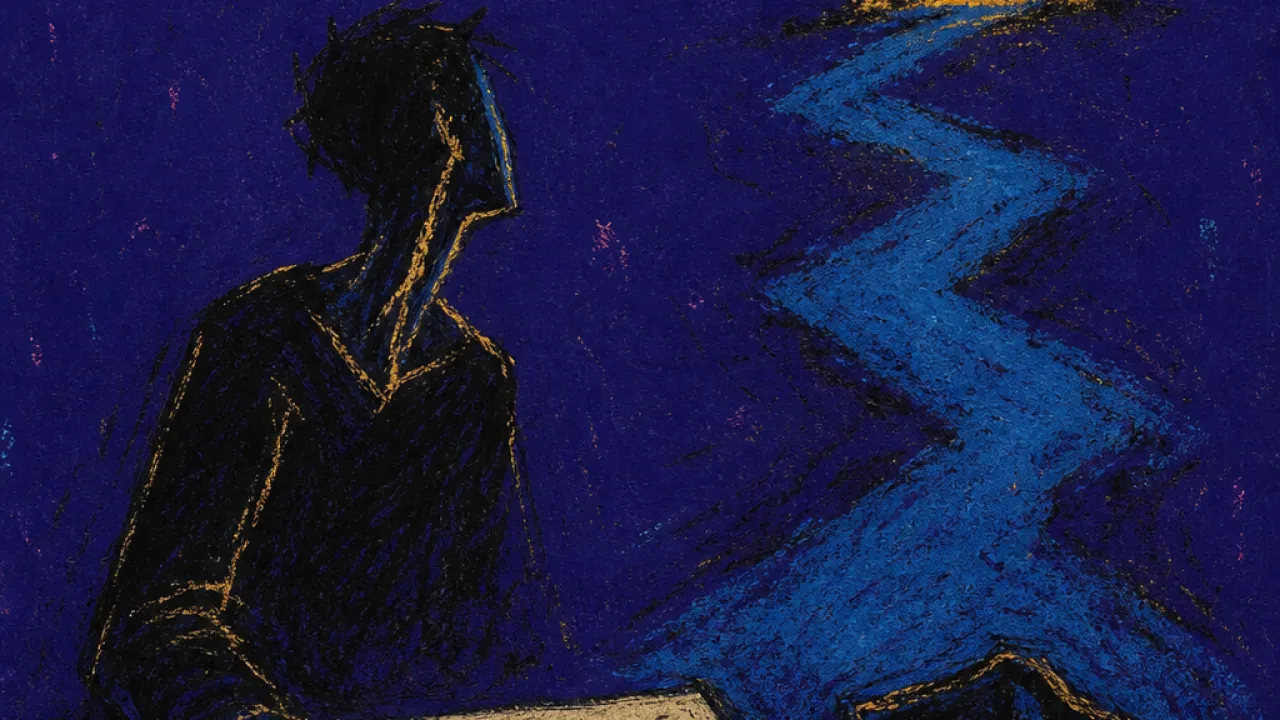
That moment when you open the calendar before answering and your shoulders lift while your jaw sets is the Resource Alignment pattern in motion. Jungian archetypal theory can read this as the threshold between impulse and container, the place where desire asks whether the field can hold it. The cards below reflect the unconscious dynamics inside that resource audit, from the hand at the gate to the system that can or cannot carry the move: Tarot Cards for this pattern.
Two of Cups UprightThe caduceus rises between the two figures like a central axis, while the distant town gives the exchange a stable social world to return to. The card is not just showing attraction or agreement; it is showing different supports arranged into a coherent field. That field is the visual basis for Resource Alignment. The psyche stops treating help as a threat to competence and starts organizing support around the actual blockage. A resource becomes useful when it is neither idolized nor resisted, but placed in the right position within the learning system. In academic work, this pattern speaks to the moment when isolated effort has stopped producing clarity. The card points toward the psychological skill of matching the right mentor, study partner, article, feedback loop, or learning method to the specific point where knowledge is failing to integrate.
Three of Cups UprightThe ripe pumpkins, vines, grapes, and wreaths crowd the lower field of the card while the cups rise above them. The image keeps emotion tied to evidence: celebration is not floating in the air, because there is visible fruit beneath it. Resource Alignment grows from that grounded structure. In personal growth, the mind can chase novelty, frameworks, and future identities while ignoring the places where effort is already producing a return; the harvest asks attention to track what has actually ripened. You can feel this pattern as a shift from abstract self-improvement to evidence-based evolution. The card links joy to usable output, showing that the next stage becomes clearer when energy is organized around real yield rather than imagined potential.
Four of Cups UprightThe three cups sit on the ground while a fourth cup hovers from a cloud, and the seated figure keeps his eyes closed between them. The scene creates a split between available physical resources and a possible emotional renewal, with the body acting like a filter before anything is accepted. That split is the core of Resource Alignment in a lifestyle reading. Your daily system cannot be built only from what looks productive, inspiring, or newly offered; it has to be measured against the energy, space, sleep, appetite, and attention that actually exist. The card exposes the audit point where life modules have stopped coordinating with one another. The pattern asks for a clearer match between what the system contains and what the person inside the system can genuinely use.
Six of Cups UprightThe six cups stand upright as separate vessels, each holding a contained source of growth rather than one overwhelming demand. The boy does not offer an abstract promise; he offers a small, specific resource that fits inside the hand. That visual structure links to the way your life system may need modular support rather than brute willpower. You function better when energy, comfort, and attention are distributed into usable containers: a morning cue, a restorative corner, a simple meal rhythm, or a low-pressure check-in. The psychological mechanism here is resource mapping. The card makes visible where your current routines ignore the small supports that actually keep you steady, and where your daily architecture could be rebuilt around what reliably gives energy back.
Eight of Cups UprightThe staff, red shoes, and uphill path redirect the figure's energy away from the cup structure without denying that the cups have value. The foreground holds visible effort, but the body has begun moving toward a terrain where that effort may become more useful. This is the psychological logic of Resource Alignment: energy stops being spent on maintaining a structure that cannot return growth. The card does not erase prior work; it asks whether that work is sitting in the right container, with the right visibility, leverage, and future yield. At work, this pattern often appears when you are still performing well but can feel your core skill being underpriced or misapplied. The Eight of Cups turns the urge to leave into a resource audit, revealing where effort has become proof instead of power.
Nine of Cups UprightThe nine cups are not scattered, half-hidden, or still being filled; they stand in a clear row behind the seated figure. The composition gives the eye a sense of inventory: what has been gathered, what is stable, and what can be counted before the next move. This visual order supports a timing mechanism based on alignment rather than urgency. The body is centered below the cups, suggesting that desire, emotional satisfaction, and visible resources are being held in one field long enough to be evaluated. Resource Alignment appears when timing becomes a question of fit: whether inner readiness, external support, and the available reserve are moving in the same direction. In a timing reading, the Nine of Cups does not simply celebrate having enough; it audits whether enough is actually organized enough to carry the next step.
Ten of Cups UprightThe house does not float in fantasy; it sits inside a living landscape with a river, trees, open ground, and ten cups arranged above it. The emotional image has infrastructure. Nothing in the scene suggests isolated willpower trying to force growth without support. That visual structure maps cleanly onto Resource Alignment because the card shows fulfillment as an ecosystem rather than a single achievement. You are not looking at one person pushing harder; you are looking at a field where shelter, relationship, emotional flow, and shared attention reinforce each other. When this pattern appears in personal growth, the audit point is not whether you are disciplined enough in a vacuum. The pattern reveals whether your environment, recovery rhythm, support system, and values are actually arranged to make sustained change possible.
Page of Cups UprightThe cup is solid, beautiful, and carefully held, but it is still only a cup. The fish emerging from it belongs to water, and the wider sea behind the Page makes the difference between a temporary container and a sustainable environment impossible to ignore. Resource Alignment grows from that contrast. The image does not dismiss the emotional signal; it asks whether the container around it is large enough, stable enough, and seasonally appropriate. A desire can be sincere and still need more capacity before it can live outside the cup. In timing questions, this turns excitement into an audit of fit. You may have a real impulse, opportunity, or creative opening, but the card grounds it in the question of whether your current resources, support, energy, and external conditions can actually hold the next phase.
Knight of Cups UprightThe Knight wears armor, yet the cup is exposed in his hand; protection and vulnerability are carried at the same time. The horse, reins, armor, and riverbank show a system that does not move only because it wants to move; it moves when the container can hold what is being carried. Resource Alignment appears when timing depends on more than inspiration. You may have the desire, the image, and the emotional charge, but the crossing still asks whether energy, support, bandwidth, and terrain can carry the next step without making the cup spill.
King of Cups UprightThe king holds the cup and scepter at the same time, placing receptivity and authority in the same body. Around him, the boat, the leaping dolphin, the throne, and the waves each carry a different kind of available information rather than merging into one blurred mass. Resource Alignment grows from that distributed field. The pattern asks whether You are only applying willpower, or whether emotional capacity, timing conditions, support, and direction are actually moving in the same system before a major push begins.
Ace of Pentacles UprightThe cloud-borne hand holds a single golden pentacle above a garden, and the image does not scatter its value across many competing symbols. Everything points toward containment: the coin has a clear edge, the garden has a fence, and the path has a gate. That visual architecture mirrors Resource Alignment because potential is being treated as something that needs a usable container. You are not shown vague inspiration; you are shown a tangible resource that has to be held, protected, routed, and eventually planted into a system. When growth is the question, the card makes the audit concrete. Talent, time, attention, money, support, and habit structure have to face the same direction before potential can become embodied.
Two of Pentacles UprightThe figure keeps one foot lifted while both hands maintain the moving pentacles inside a single looping cord. You are shown a system where attention, energy, and material reality cannot be handled as separate compartments, because every adjustment to one side changes the load on the other. Resource Alignment arises here because the image does not reward endless motion; it asks whether motion is actually distributing pressure. In your growth work, the pattern becomes visible when goals, habits, bandwidth, and daily obligations all stay in the air, and clarity returns only when the loop is audited as a resource system rather than a test of willpower.
Three of Pentacles UprightThe blueprint in the bishop's hands and the tool in the craftsperson's hand belong to the same project, but they are not the same function. The card shows labor, planning, and container working together so the structure can hold more than scattered good intentions. That is the psychological basis of Resource Alignment. Emotional support becomes sustainable when time, attention, practical effort, and capacity are matched to the actual shape of the relationship instead of being spent wherever urgency is loudest. In friendship, this pattern names the difference between being generous and becoming the default infrastructure. The bond becomes cleaner when support is built around consent and capacity, not around whoever is most available to absorb the pressure.
Four of Pentacles UprightThe four pentacles are placed at the head, chest, and feet, turning the body into a living map of resource allocation. The figure is not scattered across the scene; every point of contact has a job, and the whole arrangement depends on keeping the essential pieces in position. This visual structure reflects the psychological move of matching limited resources to the places where they matter most. In lifestyle terms, the pentacles become sleep, money, food, physical space, recovery time, and attention: the basic units that keep a personal system from fragmenting. Resource Alignment emerges when You stop asking the daily system to hold everything with equal priority. The card shows a narrow but stabilizing kind of order, where the first task is not expansion but containment, making sure the core supports are actually under your hands and feet before life demands more movement.
Six of Pentacles UprightThe merchant holds the scales in one hand while coins fall from the other, and the six pentacles are visibly uneven rather than symmetrically arranged. The scene is not a flood of abundance; it is a measured transfer inside a clear field where attention, weight, and timing matter. Resource Alignment emerges when you stop treating growth as equal distribution across every ambition. The card's geometry shows a mind learning to weigh real need against available capacity, so your energy can move toward the leverage point instead of being scattered across a dozen upgraded selves.
Seven of Pentacles UprightThe seven pentacles are not scattered; six remain integrated into the vine, and one has been separated onto the ground near the worker's feet. The image makes resources visible in different states: stored potential, harvested result, physical labor, fertile soil, and the attention required to decide what deserves more energy. That arrangement externalizes a clean cognitive audit. You can see what has grown, what can be used, what still needs tending, and what may no longer justify the same input. The worker's distance from the vine matters because evaluation requires enough separation to stop confusing effort with alignment. In personal growth, Resource Alignment is the mechanism that turns self-improvement from vague striving into a grounded inventory of energy, skill, time, and return. The card supports this pattern because its whole structure asks whether your current investment system is feeding your actual development or merely keeping you busy around the idea of growth.
Eight of Pentacles UprightThe finished pentacles, the coin under the tools, and the remaining coins on the ground create a physical inventory of what is complete, what is active, and what still needs conditions. The distant town is present, but it does not invade the workbench; public use and private preparation are held in separate spaces. That separation is the visual logic of Resource Alignment. The card does not only praise effort; it shows effort being placed inside the right tools, sequence, and environment. You can read the timing question through that structure: action becomes cleaner when capacity, attention, support, and external demand are not being forced to pretend they are already synchronized. In timing anxiety, this pattern matters because urgency often disguises missing infrastructure. The card's craft scene slows the question down to a more objective audit: not whether you want the next step badly enough, but whether the resources around that step can actually carry it.
Nine of Pentacles UprightThe garden is not just rich; it is organized. Grapes, pentacles, the estate, the trees, the open sky, and the woman's careful touch all belong to one managed ecosystem where value is not isolated from the conditions that produced it. That is the visual logic of Resource Alignment. The mechanism is the shift from chasing growth through intensity to arranging the resources that let growth continue: time, energy, money, skill, space, attention, and recovery. In personal growth, this pattern turns self-improvement from scattered effort into a coherent operating system. You may already have more usable material than you think, but it is not yet arranged around the person you are becoming. The card reveals that evolution becomes easier when the whole field begins serving the same direction.
Ten of Pentacles UprightThe ten pentacles do not appear as loose objects; they hang across the scene as a complete structure, while the family, dogs, archway, and house occupy a coherent social field beneath them. The image is not only about having resources; it is about where resources are placed, protected, and shared. Resource Alignment translates that visual order into a friendship mechanism. You are not withdrawing care; you are auditing whether your emotional labor, time, and loyalty are invested in connections that can actually hold them responsibly. For friendship, the card makes the hidden economy of support visible. When attention keeps going to bonds that do not return presence, the issue is not generosity itself; it is misallocated care inside a network that needs clearer structure.
Page of Pentacles UprightThe Page's green tunic, brown boots, and steady ground make his body look calibrated to the earth beneath him. The pentacle is not an abstract dream in the sky; it is a concrete object being studied by someone preparing to build from it. That is the core of Resource Alignment. In friendship, emotional energy is also a finite resource, even when the bond feels meaningful. The card shows the moment when You stop treating every connection as equally available and start asking where time, care, attention, and trust can realistically grow. The distant mountains keep the pattern honest. A friendship may have potential, but potential still requires capacity, pacing, and a landscape that can support it. Resource Alignment names the difference between investing with grounded care and spending Yourself into depletion.
Knight of Pentacles UprightThe pentacle sits in the Knight's gloved hand like a concrete inventory item, while the horse, armor, reins, and field show exactly what can carry weight and what still needs cultivation. His gaze does not disappear into the coin; it measures the distance between current capacity and future terrain. This creates a psychology of allocation rather than fantasy. You are invited to see whether attention, energy, time, and discipline are actually arranged to support the growth you keep imagining. Resource Alignment fits this card because the Knight of Pentacles does not glamorize expansion. The image keeps bringing the future self back to the resources presently available, exposing the gap between aspiration and the system meant to sustain it.
Queen of Pentacles UprightThe Queen sits inside a cultivated estate rather than an empty throne room, holding the pentacle with both hands while her gaze stays lowered and precise. The coin, the carved stone seat, the green cloak, the roses, and the distant stream all make resource look like an ecosystem rather than a single possession. Psychologically, that visual structure maps to a pattern where insight becomes usable only when it is embedded in body, routine, environment, and realistic capacity. For you, personal growth stops being a performance of ambition and becomes an audit of whether your time, attention, energy, and practical setup are actually supporting the evolution you keep naming.
King of Pentacles UprightThe King's body is spread across a stable throne while each hand claims a different instrument: the pentacle rests on his knee, the scepter is held upright, and the castle sits behind the wall as a completed field of responsibility. Nothing in the image is scattered; body, tools, land, and attention are organized into one controlled system. As a psychological mechanism, that arrangement mirrors a growth strategy where resources stop competing with each other. You are not chasing every possible upgrade at once; attention, money, time, routines, and physical energy are being gathered under one practical direction so potential can become real behavior.
Ace of Swords UprightThe sword rises above a stark landscape rather than a fertile field. The crown and branches define the aim, but the cold hills beneath the image keep the action honest: vision exists, yet the terrain still has to be assessed. Resource Alignment is the disciplined reading of that terrain. The hand does not try to cover the whole world; it holds one precise tool while the surrounding space reveals what is and is not ready to support the strike. Clarity becomes useful only when it is matched to conditions. For You, this pattern translates timing into fit. The Ace of Swords can reveal the next clean move, but the timing audit asks whether the available energy, support, attention, and external conditions can carry that move without turning clarity into unnecessary depletion.
Four of Swords UprightThe knight's body is held by a narrow stone base, with the hidden sword running parallel beneath him like stored mental force. The cushion under the head and the enclosed sanctuary make the pause feel supported, not discarded. Resource Alignment appears when the body stops expanding outward and begins checking the base. You are not being asked to kill the desire to move; the pattern is showing whether your energy, support, attention, and readiness can actually carry the scale of the next step.
Six of Swords UprightThe six swords stand in the boat like a clean mental system, evenly placed and visually protective. Yet their order does not make them weightless; the same structure that gives the passengers containment also makes the vessel sit heavier in the water. Resource Alignment grows from that tension between protection and load. The card shows that a transition needs a vessel, a guide, a direction, and enough capacity to carry what has not yet been processed. When those resources are coordinated, the crossing becomes possible; when they are ignored, even a calm river can feel exhausting. In timing questions, this pattern asks whether the boat is actually equipped for the crossing being attempted. You may have a destination and a plan, but the card keeps attention on capacity: what is being carried, who is rowing, how much energy remains, and whether the current supports the move. The right time is not only a date; it is the moment when the system can hold the journey without sinking into strain.
Seven of Swords UprightThe man carries five swords because five are what his body can actually manage. Two remain planted behind him, not as a failure of ambition, but as a visible limit: the scene shows a plan shaped by capacity, not fantasy. The psychological mechanism here is resource calibration. The body does not attempt the full seven-sword extraction because the load would become unmanageable; it chooses the portion that can move through the available window. In timing questions, this is the difference between a viable step and an overextended leap. Resource Alignment appears when You stop treating partial readiness as proof that the moment is wrong. The card shows that some cycles require a smaller, cleaner move before the full plan can exist, and that the timing of action depends on what can be carried without collapsing the whole operation.
Ten of Swords UprightThe river is calm, the far mountains are quiet, and the horizon carries a narrow band of light, but the body has no access to them yet. The scene separates desire from availability. A route may exist in the landscape while the embodied system has no current capacity to enter it. Resource Alignment grows from that separation. You may want the next move to be ready because the idea is clear, the need is urgent, or the social clock is loud. The card shows a different audit: whether the environment, body, support, and timing field are actually aligned enough to carry the move. In timing work, this pattern interrupts the fantasy that willpower alone can substitute for conditions. The card does not say the crossing is impossible; it says the current state cannot use it without a realignment of resources.
Queen of Swords UprightThe Queen sits above the low clouds rather than inside them, with distant trees, water, and open sky all held in view. Her throne does not only signal authority; it creates a stable platform from which the whole field can be assessed before movement begins. Resource Alignment emerges from that layered assessment. For timing, the question is not only whether you want to act, but whether the emotional bandwidth, external support, recovery space, and practical structure can actually carry the action once it starts.
King of Swords UprightThe throne is hard, elevated, and deliberate, while the sword gives the scene a single line of priority. The king's authority is not scattered across the landscape; it is concentrated into a clear hierarchy of what matters. That symbolic order translates into the ability to place resources where they actually belong. In lifestyle tarot, time, energy, money, attention, sleep, food, and space all become part of one system that can either support the self or fragment it. You may not need more discipline as much as a cleaner internal ranking system. Resource Alignment names the pattern where daily life starts to obey real priorities instead of whatever is loudest, most urgent, or easiest to justify.
Ace of Wands UprightThe sprouting wand is thick with life, but it is not planted everywhere at once; one hand concentrates the force while the river and green ground show where that force can actually take root. The image is less about endless energy and more about directing a finite living current. In friendship, Resource Alignment names the audit of where Your attention, enthusiasm, and emotional labor are actually feeding mutual growth. The pattern becomes visible when You stop treating every friend request as equally fertile and start noticing which bonds can metabolize the energy You offer.
Two of Wands UprightThe castle wall, the fixed wand, and the held wand create a visible support structure around the figure. He is not standing in open terrain yet; he is using an established platform to evaluate the wider landscape before leaving the safety of what has already been built. That image connects to Resource Alignment because the card does not show ambition as raw force. It shows ambition held inside a system of supports, boundaries, and tools, where the next move depends on whether the available structure can actually carry the plan. For academics, this pattern helps You audit the learning environment instead of treating every struggle as a personal flaw. The issue may be less about intelligence and more about whether the study system, feedback channels, schedule, and materials are aligned with the work being demanded.
Three of Wands UprightThe three wands are not floating symbols; they are planted into the ground, with one held close to the figure's hand. His green scarf and structured clothing reinforce the sense that expansion depends on what can actually sustain it. Resource Alignment emerges when the future-facing gaze is matched by a grounded inventory of support. The card does not treat growth as pure desire; it places desire inside a material and psychological infrastructure. For personal growth, this pattern exposes the difference between a goal that inspires you and a goal your current system can carry. You may have vision, but the deeper audit is whether energy, habits, attention, and support are aligned with the horizon you keep naming.
Four of Wands UprightThe four wands form a clear foreground structure, while the castle sits farther back across the river and bridge. Nothing in the image collapses into one undifferentiated demand: the celebrants, the garland, the community, the bridge, and the distant home each occupy their own level of space. That spacing is the psychological logic of Resource Alignment. The card shows support as something placed in the right position, not something that takes over the whole field. In academic life, You may need a tutor, supervisor, reading list, study group, office hour, or library system, but each resource works only when it is matched to the actual stage of the task. The pattern becomes clear when the next bridge is visible without turning the entire landscape into pressure. Four of Wands does not ask You to prove total independence; it shows how learning stabilizes when help, structure, and long-term direction are arranged in proportion.
Five of Wands UprightThe wands in the Five of Wands could become supports, markers, or building materials, but in this image they remain separate forces held at conflicting angles. The uneven ground makes every body adjust, and no single posture gathers the scene into a usable structure. That visual problem is not a shortage of resources; it is a failure of arrangement. Skills, desire, pressure, advice, and ambition may all be present, yet they do not automatically become a path until their roles are clarified. Resource Alignment fits the upright card when You are not being asked to add more effort, but to see which forces can actually carry the future. Direction becomes possible when the wands stop competing as raw energy and start being sorted into support, signal, and noise.
Seven of Wands UprightThe wand, the green tunic, the brown boots, and the uneven hill make the young man look almost rooted into the same material as his tool. His force is not floating; it is routed through stance, terrain, and the single object he can actually hold. That visual continuity is the logic of Resource Alignment. Effort becomes effective only when body, leverage, ground, and timing support the same line of action, instead of scattering energy across every demand rising from below. For timing questions, this pattern shows why resistance can be useful evidence. You are not being asked to prove intensity; the card audits whether your current resources can carry the push without turning effort into friction.
Eight of Wands UprightThe eight wands do not scatter; they travel with spacing, parallel structure, and a shared line of descent. Beneath them, the stream, banks, open land, and distant house stay visually distinct, giving the fast movement a terrain to enter rather than a blur to crash into. The image shows motion that has been organized enough to become usable. Resource Alignment is the career pattern that turns effort into coordinated leverage. Instead of pouring energy into every available task, the system begins to sort which skill, contact, deliverable, or timing window actually supports the intended outcome. The card's clean parallelism becomes a visual model for attention, energy, and communication moving in the same direction. This pattern matters when your work is valuable but underread. You may already be moving fast, but the question is whether your resources are arranged so the right people can recognize the impact. The card points to the difference between being busy in the air and landing effort where it can become career capital.
Page of Wands UprightThe wand is vivid and vertical, but the surrounding desert is still bare. The distant pyramids suggest long-range structure, while the Page stands at the beginning of that distance with only a carried spark and a clear field around him. Resource Alignment emerges from that gap between inner fire and outer conditions. You may have a real impulse, a real idea, or a real opening, but the card asks whether the available season can actually support the weight of what the impulse wants to become. This is not a denial of movement. It is the psychological audit that distinguishes a workable launch window from a beautiful signal floating in an underprepared field.
Queen of Wands UprightThe wand is alive with small green leaves, the sunflower is bright in the Queen's hand, and both are held against a dry desert landscape. The image does not show endless resources; it shows vitality being carried inside a field where conditions still matter. Resource Alignment appears in that tension between living growth and environmental scarcity. You may have real desire, real talent, and real momentum, but this pattern asks whether the current season can sustain the move you are trying to make. The card links timing to fit, not just motivation.
King of Wands UprightThe cloak does not just decorate the king; it spreads across the throne and reaches the ground, making his authority look physically resourced. The wand is not waving in the air. It is mature, vertical, and grounded, while the throne contains the heat of the desert instead of letting it scatter. That combination points to Resource Alignment because power is shown as held capacity, not constant output. The king's fire has a seat, a symbol system, a body posture, and a point of contact with the ground. Psychologically, the card shows drive being organized through available structure. In timing work, this pattern asks whether the season has enough real support for the move you want to make. You may have vision and intensity, but the audit is whether the ground, container, and fuel are present together. When those parts align, action stops feeling like force and starts becoming leverage.
No cards available for this filter.