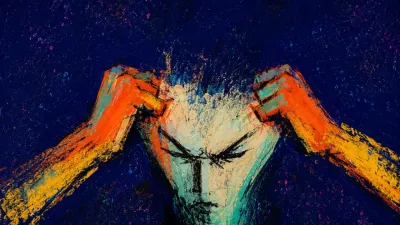
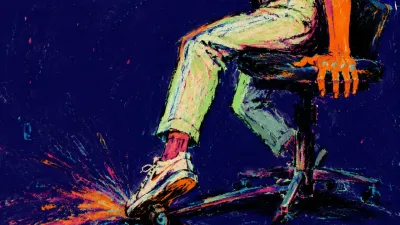
Pausing, or disappearing?

A clear audit of Strategic Surrender, the tarot cards that mirror it, and tarot reading insights where this pause appears.

Strategic Surrender
What is this really?

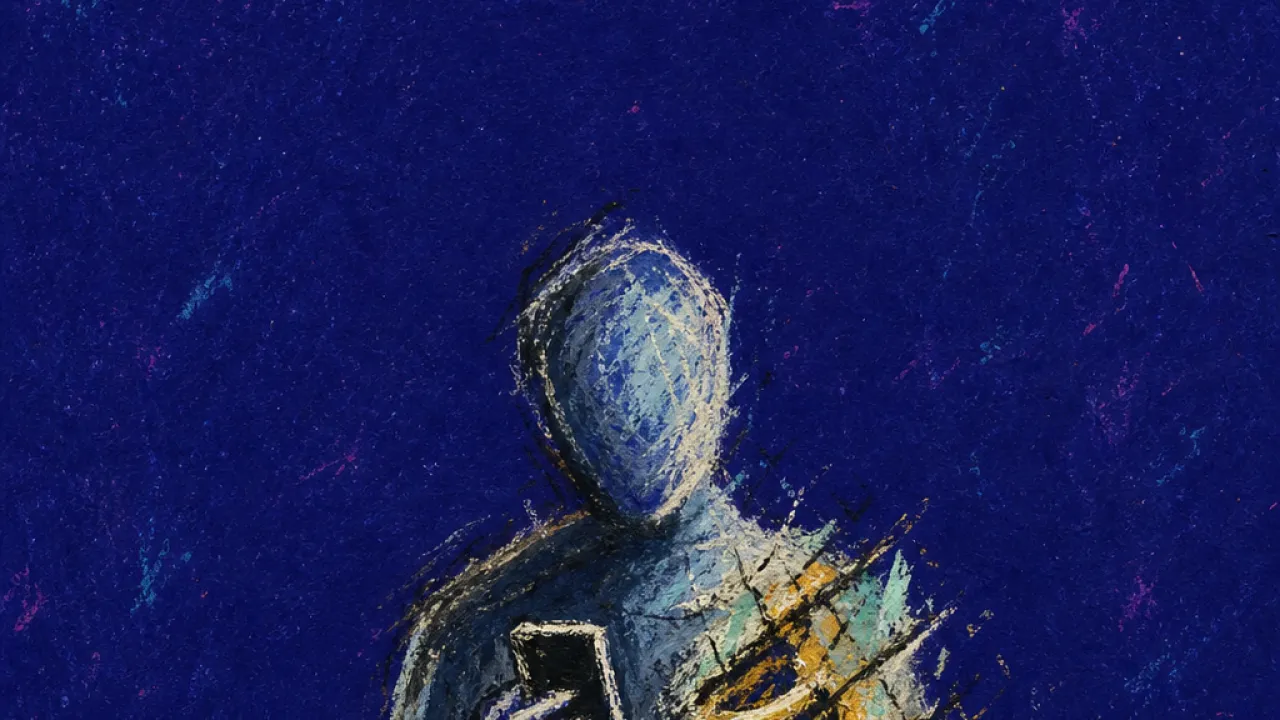
Strategic Surrender is what happens when you stop treating every delay, pause, or ending as something to overpower: you hold the message before sending it, step back from the argument before fixing the vibe, leave the tabs open but stop grinding, or let a plan sit instead of forcing it into a clean answer. Underneath that restraint is a very practical need to protect clarity from urgency, projection, sunk cost, and the inner loop that says control is only real when it is visible. Yet the same defense mechanism can become a trap when stillness starts doing the work of decision for you, leaving you suspended between agency and avoidance, much like the Hanged Man hanging by one ankle from the living tree, calm under the rope while the halo around his inverted head turns interrupted motion into perception.

Why did it happen?

At some point, moving faster may have helped you stay safe, useful, impressive, or ahead of disappointment, so learning to pause became a way to stop the rush from taking over your whole body. Now the same inner pattern can keep you suspended after the signal has already arrived, turning a clear pause into mental overhang, rib-level tension, and a quiet feeling that you are waiting for permission from the moment itself. The pause once gave your attention room to breathe; today it may need to be checked so it does not become another loop you live inside.

How does it feel?

  • You hover over the send button, thumb still on the glass, then delete the line that tries to explain everything in one breath. In that pause, your shoulders may drop a little while your stomach still stays tight, like your body is waiting to see whether silence is allowed. Let the space exist for a moment; it can be a way of keeping your attention intact while the next move becomes clearer.
  • In a meeting or group chat, you notice the conversation speeding up, so you stop fighting for the immediate answer and write one short note instead of five. Right after, your breathing may feel shallow, and your jaw may hold a small lock, as if part of you still wants to prove you are engaged. Not having a complete response right away is allowed; the pause can stay neutral while your body catches up.
  • When someone presses for clarity in a relationship, you soften your voice, look slightly to the side, and say you need time before you can answer cleanly. That moment may bring a warm flush to your neck and a hollow dip in your chest, because slowing the exchange can feel exposed even when it is deliberate. Uncertainty can sit there without being solved on demand.
  • At your desk, you close the laptop halfway, leave the tabs open, and step away from the essay, brief, deck, or decision you have been grinding against. As you stand up, your forehead may feel heavy and your eyes may sting, not from giving up, but from the sudden release of staring too hard at the same angle. It is okay for the next step to become visible after distance, not during pressure.
  • When an old plan, routine, or role starts asking for more than it gives back, you stop adding another fix and place both feet flat on the floor before choosing what to keep. You might feel a tight band across your ribs, followed by a strange quiet behind the eyes, as if your system is no longer spending itself on the same loop. Let that quiet be provisional; it does not have to become a final verdict today.

Strategic Surrender in Tarot Cards

That moment when you stop forcing progress because speed has started to distort the signal is the core of Strategic Surrender. You may recognize it in the shallow breath, the locked jaw, or the thumb hovering over the send button before the explanation gets deleted. From a Jungian archetypal theory perspective, this pattern can be understood as the psyche interrupting ordinary motion so another layer of perception can surface. The Tarot Cards below reflect the unconscious dynamics of chosen suspension, released pressure, and agency that returns through restraint.

The Hanged Man Upright
The suspended figure is physically unable to move forward, yet the face does not register panic. One ankle is bound, the body is inverted, and the living wooden frame holds the entire scene in a strange stillness that feels chosen rather than merely imposed. That visual tension turns surrender into a psychological operation. The body stops forcing action so the mind can stop defending an old angle of perception, and the pause becomes a container where urgency loses its grip. In personal growth, this is not passivity; it is the disciplined decision to stop acting from the same outdated operating system. Strategic Surrender names the moment when You let a stuck identity loosen before building the next one. The card mirrors the kind of growth that begins when movement is temporarily suspended, not because progress is impossible, but because the old way of pushing has become the very thing blocking transformation.
Death Upright
The skeletal rider does not rush, plead, or bargain; he sits upright in black armor while the white horse carries him through every social rank in the scene. The fallen crown, the lowered bodies, and the raised flag all show a force that has stopped negotiating with what has already reached its limit. That visual structure maps directly onto a defense becoming disciplined rather than avoidant. Strategic surrender is not collapse; it is the moment the psyche stops wasting energy on preserving an expired identity and begins using the ending as a boundary. For personal growth, this pattern appears when you stop treating every loss of an old self as evidence that you failed. The card frames surrender as a deliberate psychological audit: what cannot support the next version of you has to be released before your energy can reorganize around something real.
Temperance Upright
The angel stands with one foot on earth and one foot in water, holding two cups in a gesture that requires patience, proportion, and full attention. The liquid does not rush; it moves through a narrow channel because the whole body has agreed to move at the speed of integration. That image turns surrender into an active psychological mechanism rather than passivity. You are not abandoning your growth when you slow down; the system is trying to keep emotion, reality, instinct, and vision in the same conversation before a new identity gets built. In personal growth, this pattern appears when forced progress would split you into competing parts. Temperance links Strategic Surrender to the capacity to let change become metabolized instead of performed, so the next step comes from internal alignment rather than pressure.
The Star Upright
The two vessels are tilted deliberately, sending water into the pool and onto the ground at the same time. The movement is soft, but it is not random; the body stays balanced while release is directed into two different containers. That is the mechanism of Strategic Surrender: control is not abandoned, it is redistributed. In personal growth, the pattern shows up when you stop trying to force evolution through pressure alone and let attention, recovery, and grounded practice carry different parts of the change.
The Moon Upright
The two towers hold the far edge of the card like a gate that cannot be reached by force alone. The path exists, but the night setting, the waterline, and the animal alarm all show that movement has to pass through a psychological climate before it becomes practical motion. Strategic Surrender fits because The Moon does not glorify speed. It shows a phase where the psyche needs containment, where acting too early can turn instinct into noise and uncertainty into unnecessary friction. In timing questions, this pattern reframes waiting as an active relationship with conditions. You are not abandoning the path; you are refusing to spend your force against a cycle that has not yet opened enough to carry it.
The Sun Upright
The naked child rides the white horse without reins, saddle, or visible force, while the body stays open instead of braced. The scene still moves forward, but the movement comes through trust in the carrier rather than a tight grip on the mechanism. Strategic Surrender is the psychology of releasing control only after the field has enough support to hold the release. You are not abandoning agency; the pattern shows where extra gripping would distort timing and create friction. The useful signal is the difference between being carried by aligned momentum and being dragged by anxiety.
Judgement Upright
The risen figures do not control the trumpet, the clouds, the mountains, or the cold water-like ground beneath them. Their part is smaller and more precise: they receive the call, rise into it, and remain held by the coffin-container until the scene can carry the next movement. That is the visual logic of Strategic Surrender. The card does not frame surrender as giving up; it frames it as ceasing to fight the structure of the cycle. In timing work, this pattern appears when effort has become friction and the wiser move is to stop pushing against conditions that have not yet opened. You still have agency, but the agency is no longer brute force. The psychological shift is from trying to manufacture the moment to reading the moment accurately enough that your next action spends less energy and lands with more force.
The World Upright
The dancer does not push against the wreath; she moves with the spiral of the scarf and lets the paired wands balance the rhythm. The image is active, but the activity is circular, timed, and responsive rather than strained. That is the psychology of Strategic Surrender: the system stops mistaking force for growth. For you, this pattern names the moment when self-development becomes less about panic-driven optimization and more about listening to the actual tempo of the cycle you are in.
Ace of Cups Upright
The hand from the cloud does not seize the chalice; it presents and steadies it. The cup stays open, suspended between the descending dove and the pool below, as if its power depends on being receptive enough to let the sequence unfold. That visual logic anchors Strategic Surrender. The defense here is not collapse or avoidance; it is the disciplined refusal to convert every pressure signal into immediate action. The psyche allows the right current to carry the next move instead of trying to manufacture momentum from tension. In timing work, this pattern becomes useful when You are tempted to force a breakthrough just because waiting feels exposed. The Ace of Cups shows a different kind of agency: holding the vessel steady until the moment has something real to pour through it.
Two of Cups Upright
The cup exchange is deliberate, almost ceremonial, and the central staff holds the space between the figures like a vertical pause. Nothing in the image suggests frantic pursuit; the scene is active, but the action is paced by contact, symmetry, and response. This creates a psychological structure where surrender is not collapse. It is the disciplined refusal to waste force before the field is ready to receive it, and the visual ritual of the cups shows how restraint can become a form of precision. Strategic Surrender appears when you stop treating every delay as a personal failure and start reading delay as data. In timing work, this card frames waiting as an active calibration process: energy is conserved until the external cycle offers a clean point of entry.
Three of Cups Upright
The three figures move in a circle, not a straight charge forward. Their raised cups do not dominate the field; they respond to the harvest already gathered around them. Strategic Surrender is the disciplined refusal to fight the season you are in. The image frames surrender as rhythmic participation, where timing is found by entering the cycle clearly rather than trying to overpower it. When you keep meeting resistance, this pattern can reveal that the next intelligent move is not more force but cleaner pacing. You are not abandoning the goal; you are refusing to spend your energy against a closed gate.
Four of Cups Upright
The youth sits beneath the tree as if the shaded ground has become a temporary holding space. His folded posture is closed, yet it is also stable; the body is not chasing the cups, forcing the cloud, or scattering itself across the field. Strategic Surrender connects to the card when retreat becomes a conscious pause rather than passive disappearance. In timing questions, this pattern can interrupt the compulsion to push during a low-leverage season. The tree, the stillness, and the unmoved body all point to a nervous system trying to stop acting from pressure alone. You may need to recognize the difference between a pause that restores timing intelligence and a pause that erases the next step. The card supports surrender only when the inward turn remains connected to the outer field, so the right moment can still be noticed when it arrives.
Eight of Cups Upright
The stacked cups remain upright in the foreground, and the cloaked figure leaves them without carrying a single one. Nothing in the image says the old container is worthless; the psychological charge comes from choosing movement even while the past still has form. Strategic Surrender is the mechanism of withdrawing energy from an identity that still makes sense externally because it no longer organizes the inner search. You are not being asked to reject what was built; the card shows the moment when keeping it central would turn achievement into a closed loop.
Nine of Cups Upright
The seated man does not lunge toward the cups, perform for them, or try to multiply them. His crossed arms and steady posture make the body look contained rather than hungry, as if the current cycle has reached a point where further force would only disturb the structure already built. That physical stillness carries a timing logic. The Nine of Cups holds fulfillment in a completed row behind the figure, not as something he is chasing in front of him. You can read this as a defense against panic-driven action: the system pauses, consolidates, and lets satisfaction become information. Strategic Surrender appears here when restraint is not avoidance but rhythm awareness. In a timing question, the card points to the moment when forcing progress would blur the signal, while a deliberate pause lets you see whether the next move is actually supported by the cycle beneath it.
Ten of Cups Upright
The raised arms in the Ten of Cups are open rather than grasping, and the river keeps moving without being forced by the figures. The bodies participate in the moment, but they do not try to manufacture the whole landscape by effort. Strategic Surrender is the pattern that recognizes when control has stopped creating leverage. For you, the timing issue may not be passivity versus action; it may be whether the current season is asking for reception, stabilization, and trust before another deliberate move can land cleanly.
Queen of Cups Upright
The throne rests on a narrow sandbar, surrounded by water but not submerged by it. The Queen's body is held by the structure behind her, and the scene gives her enough contact with the emotional tide without demanding immediate movement. Strategic Surrender grows from that contained stillness. You are not being shown defeat or passivity; the image shows a system conserving energy because the surrounding conditions are still forming. When timing anxiety pushes for proof of progress, this pattern names the difference between giving up and letting the cycle ripen. The protected island becomes a psychological base where agency is measured by accuracy, not constant force.
King of Cups Upright
The shell throne does not stand on land; it floats in the middle of a shifting ocean. The king does not fight the water, and the distant ship survives by moving through the waves rather than trying to freeze them into a road. Strategic Surrender appears in this controlled relationship with movement. The pattern does not remove agency from You; it relocates agency into pacing, leverage, and the ability to stop spending force against a cycle that is not ready to open.
Two of Pentacles Upright
The figure in the Two of Pentacles does not stand still to create balance; they dance, shift weight, and keep two coins moving through a single looping cord. The card's stability is not rigid control, but live coordination with fluctuation. That visual structure mirrors a timing pattern where clarity comes from rhythm rather than force. You are not being asked to freeze the variables until everything is perfect; the pattern reveals how timing becomes readable when you let motion, feedback, and resistance show you where the real opening is. Strategic Surrender fits because the card's balance is active but not domineering. The waves and ships behind the figure keep moving on their own, so the psychological work is to stop treating every external shift as something to overpower and start seeing which movement can be joined with the least internal friction.
Six of Pentacles Upright
The kneeling figures do not lunge at the coins; their hands are open, their bodies low, and the space between them and the giver remains intact. The posture is receptive without becoming chaotic. That physical restraint is what makes Strategic Surrender different from collapse. You are not abandoning agency; the pattern shows a controlled pause where the smartest move is to stop forcing the season and stay positioned for support, information, or traction. The open sky above the exchange keeps the waiting from feeling like a locked room. In timing work, this card names the difference between passive helplessness and a deliberate pause that protects energy until the field can respond.
Seven of Pentacles Upright
The hoe is in the figure's hands, but it is being used as a resting point rather than a blade for more work. The body stays engaged with the field while refusing to add another stroke of effort at the wrong moment. Strategic Surrender lives in that disciplined noninterference. You are not abandoning the harvest; you are letting the part of the process that cannot be rushed do its work. In timing questions, the pattern reveals where control has to soften so the cycle can finish maturing without being damaged by anxious overmanagement.
King of Pentacles Upright
The king fills the throne without reaching outward, and the robe falls into the same greenery that covers the estate. The castle and wall do not push the scene forward; they hold it, giving slow growth a container instead of forcing it into performance. That stillness is active containment. You may be in a season where surrender is not collapse but conservation, and the pattern reveals how effort can stop leaking into resistance when the timing is not yet open.
Two of Swords Upright
The woman sits still on stone while the tide, moon, and shoreline carry the movement she cannot control. The swords are raised, but they do not cut. Their force is held back, turning action into a deliberate containment rather than an immediate discharge. Strategic Surrender appears when the timing problem is not solved by pushing harder. The body in the card keeps strength available without spending it against the wrong surface, and the quiet water behind her shows a cycle that must be read rather than dominated. The pattern reveals the difference between giving up and stopping the wasteful fight with a moment that has not opened yet.
Four of Swords Upright
The knight lies armored but motionless on a stone tomb, hands folded at the chest while the swords remain mounted rather than wielded. The body has not abandoned the field; it has placed conflict outside the hand so the mind can stop treating every signal as something to solve. Strategic Surrender appears when you let the inner system enter a deliberate holding chamber instead of forcing clarity on demand. In introspection, the pause becomes an active audit: the psyche stops producing noise long enough for the hidden sword beneath the surface to become visible without being immediately acted out.
Six of Swords Upright
The ferryman stands behind the cloaked passengers with one foot forward and one foot back, using the long oar to move the boat through calm water toward a shore that is visible but not yet emotionally close. The passengers are not steering every detail of the crossing; their bodies stay low, contained, and turned away while a structured passage carries them out of the old landscape. Strategic Surrender lives in that exact body logic. The pattern is not passive collapse; it is the decision to let a process, mentor, discipline, or transition container do part of the holding while your nervous system catches up with change. In personal growth, this matters because constant self-command can become another control strategy that exhausts the very self it is trying to upgrade. The six swords still travel inside the boat, so surrender here does not mean pretending the old beliefs are gone. It means recognizing that some crossings require you to move with your cognitive baggage before you fully resolve it. The card shows a disciplined form of release: enough agency to enter the boat, enough humility to let the crossing unfold without turning growth into another fight for control.
Ten of Swords Upright
The figure lies at the riverbank, not in the river. That boundary is crucial: the card does not show motion through the crossing, but a body stopped before it can continue. The face is hidden, the limbs have no leverage, and the surrounding field makes stillness unavoidable rather than optional. Strategic Surrender is the mature reading of that stillness. You stop treating the end of this timing window as a personal collapse and begin reading it as a boundary in the field. The defense relaxes only when the mind no longer has to prove control by forcing one more move. In timing work, this pattern names the difference between quitting from fear and standing down because the cycle has finished. The card's distant light does not erase the ending; it shows that future agency depends on letting the exhausted phase close cleanly.
Queen of Swords Upright
The Queen is armed, but she is seated. Her sword is active without becoming restless, and her throne holds her above the low clouds rather than sending her charging into them. Strategic Surrender appears when stillness is not avoidance but a chosen position of energy management. When you are asking about timing, this pattern reveals the difference between giving up and refusing to waste force before the field can receive it.
King of Swords Upright
The butterfly and cloud motifs sit behind the King's body, while birds move through the open sky and the throne remains fixed on a barren mound. The card contains motion, but the central figure does not chase it; change is present without becoming a command to move. This is a psychology of deliberate non-forcing. The body stays upright, the sword stays held, and the field is allowed to remain spacious enough for the right moment to emerge. You are not being asked to collapse into passivity; the image shows restraint as an active form of timing intelligence. Strategic Surrender appears when the system recognizes that not every season responds to pressure. In timing questions, it names the capacity to stop demanding bloom from a winter field while still staying mentally prepared for the window that will eventually open.
Two of Wands Upright
The figure holds the globe but does not step over the wall, and the landscape beyond remains calm rather than demanding immediate conquest. His hands keep contact with both the known wand and the imagined world, creating a poised relationship between intention and restraint. This visual structure externalizes a mature timing mechanism: the ability to stop forcing friction-heavy movement and let the field disclose where momentum naturally gathers. The sea, mountains, and domain are not obstacles to dominate; they are conditions to read. Strategic Surrender is not giving up. It is the moment when You stop confusing pressure with precision and allow the next action to meet the cycle instead of trying to overpower it.
Eight of Wands Upright
No figure is steering the eight wands, yet the motion is not chaotic; the rods keep a clean parallel formation through an unobstructed sky. The card shows momentum after launch, where control has shifted from the hand to the field. Strategic Surrender is the pattern of letting a chosen direction carry itself long enough to reveal real feedback. In personal growth, You stop treating every internal shift as something to manually force, and the process begins to show which movement is alive and which was only control in a productive disguise.

Strategic Surrender in Tarot Card Reading Insights

For anyone who has hovered over the send button, deleted the over-explanation, and chosen a cleaner pause instead, others have brought this same pattern into readings. The shift from cards to lived reading moments shows how Strategic Surrender can appear when forcing the next move would only add noise. Below are Tarot Reading Insights that speak to this pattern.

Psychological patterns related to Strategic Surrender