Explore the pressure of a forced split, related tarot cards, and reading insights around choices framed too narrowly.
False Binary Trap
What is this situation?
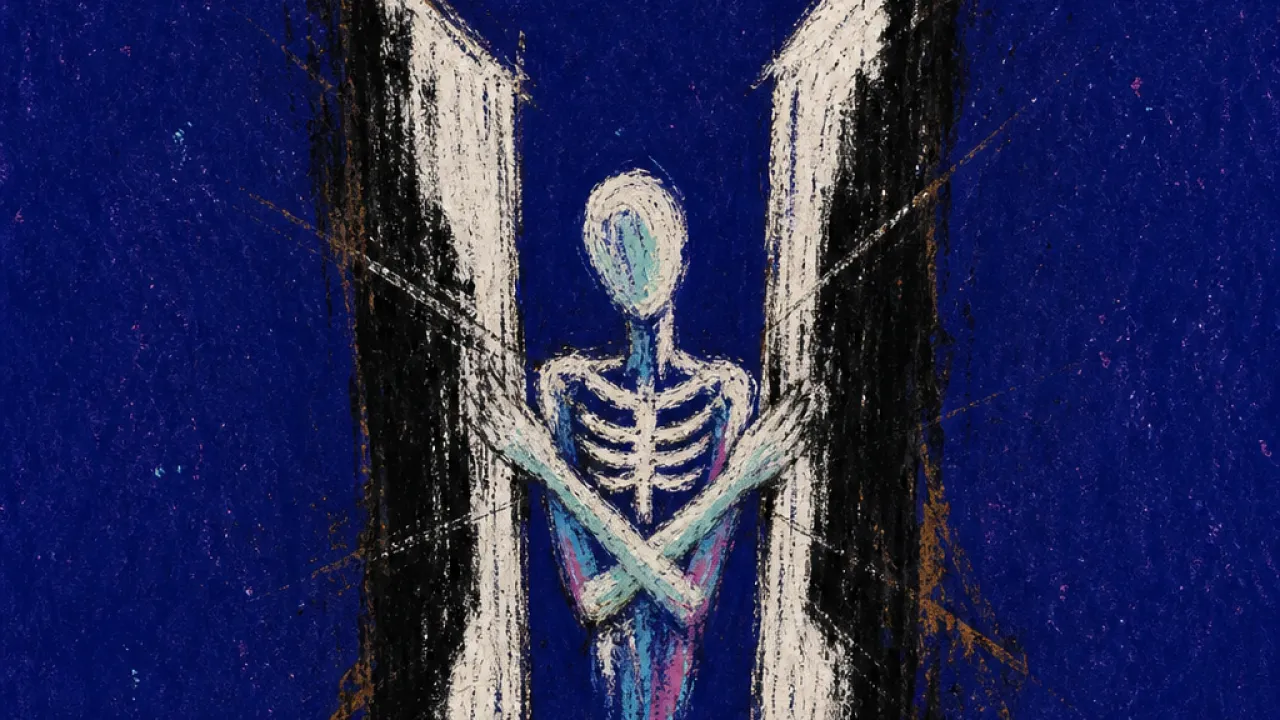
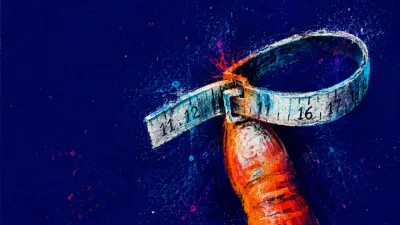
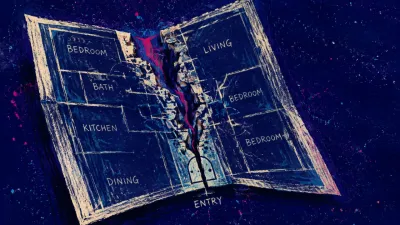
False Binary Trap — you first notice it when a question that should have room suddenly gets squeezed into two boxes: stay or leave, accept or reject, commit or walk away, speak up or keep the peace. It might happen in a meeting where your manager frames the choice as taking the promotion or proving you are not serious, in a relationship where the conversation becomes “choose me exactly this way or you do not care,” in a family chat where a boundary gets translated into loyalty or betrayal, or in a school or career decision where every adviser acts like there are only two legitimate futures. The people around you may sound practical, calm, even reasonable, but the setup keeps removing the middle: no trial period, no changed terms, no slower timeline, no hybrid plan, no pause to ask who designed the options. You find yourself answering messages with your jaw tight because every reply seems to put you on one side of a line someone else drew, and even silence gets treated as a choice. The daily drain comes from having to argue with the frame before you can even address the decision itself; you are not just choosing, you are trying to prove that the question has been made too small. Over time, the pressure makes the world feel like a corridor with two doors and no windows, much like the High Priestess between the black and white pillars, holding the narrow center while the veil behind her hints that the visible split is only the front layer of the structure.
Why it's not you?
The issue is not that you are indecisive or difficult; the issue is that the situation has been arranged to make only two answers look available. When timing, status, belonging, or approval is attached to one side of the split, the frame itself becomes the pressure. A False Binary Trap is not a personal flaw; it is a narrowed decision field being presented as if it were the whole map.
False Binary Trap in Tarot Cards
In a False Binary Trap, the tightness in your chest when someone says “so which one is it?” is tied to the way the choice has been staged around you. This is an environmental, structural dynamic: the pressure comes from a frame that makes two options look complete while pushing timing, terms, negotiation, and missing routes out of view. The cards below do not choose the side for you; they mirror the shape of the frame pressing in. Here are the Tarot Cards that tend to surface around this kind of forced split.
The two pillars on either side of the High Priestess are sharply black and white, but the figure does not collapse into either column. She occupies the middle threshold, where opposites are held without being reduced to a single verdict. A false binary trap in family life works by removing that middle space. You are pressured to appear loyal or selfish, grateful or ungrateful, obedient or rejecting, when the actual situation requires a more precise boundary than either side allows.
The Emperor holds separate emblems in separate hands while the throne reduces the scene to hard angles and fixed positions. The symbols are orderly, but the order can make the field look narrower than it is. For you, this context appears when the available options have been framed as two acceptable scripts and everything else has been pushed off the map. The card does not choose a side; it questions the frame that made only two sides visible.
The two followers kneel on either side of the central figure, while rose and lily, black and white bands, and crossed keys organize the scene around pairs. The composition looks like a choice between two poles, but both sides still face the same authority and remain inside the same temple structure. Reversed, this becomes the architecture of a false binary. A decision may be presented as stay or leave, commit or walk away, comply or disappoint, when both visible options still belong to the same limiting frame. This card connects to the trap by showing how opposition can be staged without real freedom. The useful question is not which side is correct, but who built the frame that made only two sides visible.
The two trees divide the scene into left and right, while the human gazes do not meet in a single shared line. The angel above, the serpent at one side, and the mountain behind the pair create competing reference points inside one decision field. That visual structure maps cleanly onto a growth environment where You are handed a harsh either/or: stay safe or transform, be loyal to the old self or become someone new. The card exposes the binary as an external frame imposed on the decision, not the full architecture of the choice. The deeper pressure is that a false binary makes action feel morally loaded before the options have been examined. The card gives the stuckness a shape: the problem is not that You lack willpower, but that the map has been narrowed too early.
The two sphinxes are sharply contrasted and oriented away from a single clean line. Without visible reins, the driver cannot rely on a simple mechanical pull to force one side into obedience. In personal growth, this shows the trap of turning a complex transition into two rigid options. You may be treating discipline and freedom, ambition and softness, or risk and safety as enemies, while the real movement requires a structure that can coordinate tension without flattening it.
The reversed pressure gathers around the lion's mouth until the whole scene appears to have only one dangerous passage. The woman's body is still close to the force, but the available space around the decision has narrowed into control or exposure. That is the shape of a false binary: two visible choices presented as the entire field, even though both are organized by the same pressure system. One option may look like submission and the other like escalation, but both keep the lion's mouth as the center of the map. You recover clarity by naming the trap before choosing inside it. The card does not ask which extreme is less painful; it asks what unseen structure is forcing the decision to appear smaller than it is.
One lantern lights the night, and everything outside its radius disappears into cold darkness. The scene can make the visible patch feel like the entire world, even when the mountain around it is much larger than the light allows. In a choice reading, that becomes the trap of accepting the presented binary as the full decision field. You may be comparing two options that were handed to you by timing, pressure, or other people's framing, while the real work is to widen the field enough for a third condition, a renegotiation, or a refusal to become visible.
The letters around the wheel can be read in more than one sequence, while the spokes divide the circle into several directions at once. The image does not present a clean fork in the road; it presents a coded system where the first visible reading may not be the only valid one. A False Binary Trap emerges when a decision is framed as two fixed doors even though the real structure contains more moving parts. In your situation, the pressure may come from accepting the offered categories too quickly: stay or leave, commit or quit, risk or safety. The rising and descending figures show that different positions can belong to the same mechanism. The useful question becomes not which side of the wheel is morally cleaner, but which frame lets you recover a third configuration with less hidden cost.
The sword rises as a single vertical line between two pillars, making the visual field feel clean, severe, and divided. Behind that clarity, the curtain closes off the unseen process, while the scales suggest that the situation still has weight on more than one side. In personal growth, this becomes the false binary that turns development into a moral test: disciplined or lazy, healed or broken, ambitious or complacent. You are not trapped because only two paths exist; the card reveals how the framing itself has narrowed the field before the real options could be seen.
The T-shaped frame creates a hard visual axis, and the body is locked into it from a single tied point. With no horizon or side path in the background, the scene can make the available structure feel total even though it is only one constructed frame. A False Binary Trap appears when the decision has been narrowed into two apparent choices before the real problem has been fully mapped. The card shows how a rigid frame can manufacture the feeling of no alternative, pushing you to choose inside a structure that may need to be questioned first.
The black standard rises above the field like a hard rule, while the armored rider presses forward through figures who have little room to negotiate their position. In the reversed texture, the image becomes a decision environment where the frame itself is doing the controlling. The stark black-and-white contrast can compress a complex situation into two severe categories: stay or leave, submit or risk everything, choose A or lose B. That compression is the signature of a false binary, especially when urgency makes the frame feel more real than the wider map. You may be facing a choice that looks clear because it has been stripped of context. The card asks you to inspect the architecture of the options before treating them as final, because agency may return only when the imposed frame is named.
The two cups can become a closed circuit when the stream never leaves the same exchange, and the body stays fixed between land and water. The image shows motion, but that motion can be trapped inside a limited frame. In a choice reading, this names the pressure of being handed two official options while the actual leverage sits outside both of them. You are not dealing with a clean either-or; you are dealing with a decision architecture that has narrowed the field before the real question has been named.
The two lower figures appear as a left-and-right pair, but both chains feed into the same central ring. The composition looks like two positions, two bodies, two sides, yet the mechanism underneath is singular. The visible split hides a shared control point. For a choice question, that structure exposes the exhaustion of choosing between A and B when both options are organized by the same fear, incentive, approval system, or inherited assumption. The card redirects attention away from picking a side and toward the premise that made only two sides appear available.
Two figures fall from the same tower on opposite sides, but the image does not show two stable roads. Both movements are defined by the same collapsing structure, which makes the apparent split less clean than it first appears. You may be treating two options as the entire decision field because the current system only presents two exits. The card asks the structure to be examined before either side is chosen, since both visible choices may still belong to the same failing architecture.
One knee presses into land while one foot rests on water, and the two streams leave the vessels in separate directions. The body is not simply balanced; it is required to maintain a split across two different surfaces and two different flows. This is the visual grammar of a decision that has been over-framed as either-or. You may be comparing two options because those are the only containers on the table, while the deeper structure shows that the binary itself may be the constraint blocking a more workable configuration.
Two towers make the distance look like a single official passage, and the dog and wolf hold both sides of the entrance with raised, reactive bodies. The composition turns movement into a narrow gate: pass through the framed opening, or stay at the threshold. That is how a false binary trap works. You may be asked to choose between two options that look opposed, while both options are shaped by the same hidden rule, deadline, dependency, or fear of losing status. The Moon's scene puts pressure on the frame rather than on your character. The useful question becomes not which side is morally cleaner, but whether the entire A-or-B structure is concealing another route, another sequence, or a renegotiation point.
The wall draws a hard line across the lower scene: garden behind, open ground ahead. In reverse, that line can make the decision look more absolute than it is, as if the only possible choices are total containment or total exposure. A false binary gains power when the environment presents the threshold as final. The horse's forward motion intensifies the pressure, because movement has already begun and the old container is visibly behind it. You are not limited to the most dramatic version of the choice. The card's structure invites a colder map of the threshold: what has to change, what can remain protected, and what middle route has been excluded by the way the decision was framed.
Two mirrored family groups rise in almost the same arrangement, making the field look balanced and complete. The cross banner and vertical trumpet interrupt that symmetry, suggesting that the visible two-sided layout is not the whole structure. For a high-stakes choice, this maps to a false binary where both named options are arranged by the same hidden rule. You gain agency by examining the frame that produced the two choices, because the real leverage may sit outside the pair being presented.
The dancer holds a wand in each hand, creating a clean left-right polarity inside the wreath. The oval frame intensifies that symmetry, making the whole scene look complete even before any side route is visible. In a decision spread, that visual order can describe an external problem that has been over-framed as two choices. Stay or leave, accept or reject, commit or disappear, move or remain: the field looks neat because the real variables have been compressed. The card's structural value is to loosen the frame. You may be dealing with a decision that needs sequencing, negotiation, redesign, or a hybrid route before it can be honestly evaluated as A versus B.
The mark on the chalice can be read as a folded shape, and the water does not behave like a single straight line. It rises, turns, divides into streams, and enters a wider pool where one channel becomes a larger field. That visual logic fits a decision that has been framed too narrowly. The external pressure may be presenting the choice as stay or go, yes or no, this person or that path, security or desire, while the actual structure contains timing, sequencing, renegotiation, partial commitment, or a third arrangement. The Ace of Cups points to a wider container than the binary you were handed. It asks what becomes possible when the decision is examined as a flow system rather than a forced split between two fixed doors.
The scene is built around two figures and two cups, yet the staff between them quietly complicates the apparent binary. The open ground offers space, but no marked road tells either figure that the only possible movement must be toward one of the two visible cups. In decision work, this points to pressure created by the frame itself. You may be treating the choice as if only two answers are allowed, while the structure of the scene shows that the real power may be in questioning who set the options and what has been left outside the frame.
The scene divides the cups into two categories: the three already grounded in the physical world and the fourth arriving from a separate visual plane. That split can make the decision look like a choice between what already exists and what is newly offered. The deeper structure is less binary. The fourth cup is not outside the scene; it is inside the frame but not integrated, which means the leverage may sit in how the existing options and the new offer can be reconfigured. You may be facing a choice that has been framed too narrowly as stay or leave, accept or reject, old or new. The card points to the missing third path: not a fantasy escape, but a more accurate map of the decision system before it gets reduced to two doors.
The river cuts the picture into sides, yet the bridge interrupts that division. The figure appears caught between the spilled cups and the distant dwelling, but the landscape itself refuses a simple either-or structure. That is why this card can surface a false binary trap in a choice reading. The decision may currently look like staying with the loss or abandoning everything, choosing the familiar wound or risking the unknown. The two upright cups and the bridge introduce a more complex architecture: keep what still holds value, cross what needs to be crossed, and stop letting the most dramatic damage define the entire set of options. The card’s realism comes from its refusal to deny the spill. Something has gone wrong, but the external layout still contains more than two moves. Your agency returns when the decision is redrawn as a system of resources, crossings, and costs rather than a forced choice between two painful headlines.
Although there are seven cups, each one is sealed inside its own container. The scene makes life domains look separate: home over here, wealth over there, recognition in another cup, desire in another, identity hidden somewhere else. False Binary Trap appears when a decision field compresses complexity into a forced either-or. The body faces only the options already presented, while the mist hides whether the real move is to combine, delay, renegotiate, or create a third path outside the display. This card helps you question the frame before choosing inside it. The issue may not be which cup wins; it may be why the available cups have been allowed to define the whole decision.
The scene appears to offer two clean options: remain with the eight cups or walk away toward the missing one. Yet the intact cups, the visible gap, and the movable staff complicate that frame, because the structure itself can be redesigned. A false binary trap shows up when the decision has been narrowed into stay versus abandon everything. You regain leverage by asking what can be carried, renegotiated, paused, or rebuilt instead of treating the two visible poles as the whole map.
The whole composition points toward one completed picture: family in the foreground, house in the distance, cups overhead, and the river leading the eye through the same settled scene. The image gives happiness a single visible shape. In a decision spread, that single shape can shrink the field of possible choices. The question may start to feel like keeping the approved future or losing the future entirely, even when the real situation contains more than two paths. The card's value is in breaking that compression. It shows how the binary is being produced by the visual dominance of one success model, so a third path can be searched for without pretending the existing attachments and costs are imaginary.
The cup and the sea create a stark visual split: one small vessel in the Page's hand, one vast body of water behind him. The fish sits between those two realities, making the scene look like a choice between containment and release. That narrow framing is exactly how a False Binary Trap works. The visible options become so symbolically charged that the wider field disappears, even though the card itself shows more than two elements: the Page, the cup, the fish, the platform, and the sea all participate in the decision structure. For choice work, this card asks the decision to be redrawn before it is answered. You may be treating the available options as fixed opposites when the real leverage is hidden in how the problem has been framed, who defined the terms, and what third configuration has not yet been given language.
The King holds a cup in one hand and a scepter in the other, while the boat and dolphin occupy opposite sides of the water. The image can look like a clean split between feeling and authority, movement and instinct, but the throne sits in the middle of a much wider sea. In a choice spread, that geometry exposes a decision frame that has become too narrow. You are not limited to the two objects being presented; the surrounding water shows that the real decision includes timing, boundaries, hidden routes, and the cost of accepting the frame itself.
The two coins look separate, but the cord shows they belong to one continuous mechanism. The figure appears to handle two alternatives, while the loop quietly proves that both ends may be governed by the same constraint. This is the anatomy of a false binary: the decision presents itself as A or B, but both options may be preserving the same cost, role, or dependency. You reclaim choice by testing whether either option changes the structure, or whether a third configuration is the real opening.
The central pillar dominates the visible architecture, while the sides of the building are cropped out of frame. The scene shows three roles and a threshold, yet the composition can make the decision field feel narrower than the full structure actually is. In a choice that appears to offer only two acceptable routes, this card points to the framing mechanism itself. You can examine whether the real issue is not A versus B, but a hidden third variable: who holds the plan, who does the work, and what arrangement would let the decision become livable.
The pentacles are arranged in a strict vertical and horizontal logic, but the lines do not open into a path. The image creates order without integration, as if the available options have been sorted into fixed positions but not allowed to interact. That is the decision structure of a False Binary Trap. You may be treating the choice as A versus B because the current frame only permits two axes, while a third configuration remains hidden outside the closed circuit. The seated figure's grip matters because the binary is maintained by protection. The card suggests that the missing option may not appear through more comparison, but through loosening the rule that the current arrangement must remain intact.
The card divides the scene into two severe worlds: the warm, ordered glow of the church window and the cold, exposed path of the figures below. No door is shown, so the eye receives contrast before it receives access. That composition is the trap inside many high-stakes decisions. The options appear as two totalizing extremes, and the missing threshold makes the decision feel like a forced choice between hardship and surrender, risk and safety, independence and support. The image invites a more exact audit of the frame itself. If the doorway is missing from the first view, the work is to find the conditions, timing, conversation, or hybrid move that the binary has erased.
The arch divides inside from outside, while the black and white checkered pattern reduces the field into alternating squares. The couple stands at the threshold, yet the broader estate keeps defining the visible moves. That is how a decision can be staged as two clean options when the system has already narrowed the board. The card points to the frame around the choice, helping you see whether the real issue is not which square to choose but why only those squares are being offered.
The sword has two edges and one narrow line, dividing the open sky into hard sides while the crown sits directly on the point of decision. Its clarity is powerful, but it also compresses the field into a cut. False Binary Trap appears when timing pressure makes a complex landscape look like only two doors: act now or lose it, wait or fail, choose this path or abandon the whole thing. The card shows that the sharpness of the frame may be real, but the frame itself still needs auditing before you let it define every possible move.
Two swords dominate the picture so strongly that the wider terrain almost disappears. The body holds both blades at equal force, while the sea, island, and distant shore quietly indicate that the world contains more than the visible split. In personal growth, this becomes the pressure to choose between extreme identities: stay disciplined or be free, reinvent everything or remain stuck, commit fully or give up. The card exposes how the frame itself can become too narrow for the life question it claims to solve. False Binary Trap fits because the visual field is ruled by two options while the background keeps contradicting that limit. The leverage point is not picking a side faster; it is recovering the third path that the current framing has made hard to see.
The card looks orderly at first glance, but the order is built from blades. Its symmetry can make the wound appear inevitable, as if the available lines are the only possible structure. That is the mechanism of a false binary trap in decision work. You may be choosing between two visible options while the framing itself keeps sending the cost back to the same center, and the card asks the frame to be audited before either option is treated as final.
Three swords dominate the visible wall, but the fourth blade lies in a different plane beneath the body. The image makes the official decision field look complete while quietly proving that not every decisive element is on the wall. This is the structure of a forced choice that presents itself as exhaustive. You may be evaluating the options You were handed while the missing alternative, the hidden condition, or the reframed question sits outside the visible grid.
The two fallen swords draw a hard line between the foreground claimant and the two figures walking away, while the faint opposite bank sits beyond the immediate winner-loser frame. The scene looks like a completed contest, yet the landscape quietly contains more than the two positions the people are acting out. A False Binary Trap forms when the decision field is reduced to one side winning and the other side retreating. In a choice reading, the card keeps attention on the option outside the current conflict geometry: not an easy escape, but a real path that becomes visible only after the imposed A/B frame is named.
The swords divide the front of the boat into two clean rows, creating a narrow channel that looks orderly from inside the vessel. The water around it is wider than the corridor the blades appear to define. That visual split mirrors a decision field that has been over-organized into two official choices. You may be comparing Option A and Option B with discipline, while the card points to the frame itself as the source of the trap.
Two swords stand like a checkpoint in front of the tents, turning the path into a staged passage. The image divides the scene into camp and open ground, but the figure's route cuts across that division. This fits a choice that has been framed too tightly. You may be told there are only two options, while the real constraint is the frame that makes those options look final. The card points to the structure around the choice, not just the choices themselves.
Eight swords stand in the ground around the bound, blindfolded woman, but they do not form a sealed wall. Their spacing turns open terrain into a corridor of apparent danger, making the field look narrower than it is. In a major choice, that visual structure matches a decision frame where A and B are treated as the only legitimate routes. You may be responding to the way the options have been arranged around you rather than to the full map, and the real leverage sits in noticing where the enclosure has gaps.
Reversed
The swords do not form a sealed cage, but from inside the blindfolded position they create a field of hard lines. The muddy ground contains several awkward gaps, and the body cannot easily test them because its hands are bound and its vision is blocked. False Binary Trap appears when personal growth gets reduced to two extreme scripts: transform completely or stay trapped, become disciplined or remain broken, choose ambition or choose peace. The card's visual field says the real path is more granular than the mind can currently see. The Eight of Swords gives You a structural mirror for this distorted choice architecture. It asks where the current frame has erased a third path, a smaller exit, or a reversible experiment that would restore movement without requiring an all-or-nothing identity decision.
All nine swords point in the same direction across a room with no window, road, or horizon. The image has direction without passage, as if movement has been reduced to a single sharp line. A false binary works the same way: the decision is presented as stay or leave, yes or no, this person or that plan, while the real structure has more layers than the offered frame admits. The card exposes the narrowness of the presented options so you can inspect who benefits from keeping the frame that small.
The wilderness around the rider contains open space, but the composition compresses everything into a single frontal charge. There is no marked road, no visible fork, and no resting point; the sword turns the field into a line of attack. This is how a choice can be staged as A versus B even when the situation has more geometry than the offered frame admits. The card helps You see whether the pressure to pick a side is part of the real constraint, or whether the deeper move is to reject the binary and locate a third path with better leverage.
The raised sword divides the space, while the distant bird and roadless wilderness leave the queen suspended above the field rather than moving through it. The image creates a sharp line, but it does not show a complete map. That visual pressure fits a false binary. The decision has been presented as two doors, yet the surrounding scene suggests that the frame itself may be too narrow, too punitive, or built around someone else's urgency. The card makes the trap visible by separating the blade from the landscape. You can examine whether the choice is truly between A and B, or whether timing, conditions, refusal, negotiation, or a staged transition has been excluded from the conversation.
The single sword dominates the visual field, and the mound below the throne offers no visible road branching out of the frame. The space is elevated but narrow, giving the decision a hard vertical line instead of a living network of routes. That is how a false binary trap operates in real life. You may be treating two visible options as the whole universe of choice because one metric has been allowed to define the problem, while timing, negotiation, delay, reframing, or an off-script route have been pushed out of view.
One wand dominates the image, but the ground below is not a single flat road. The river divides the terrain, the banks differ, and the castle sits apart from the immediate field of action. In a decision spread, this visual split warns against accepting the first frame of the choice as the whole map. You may be told there are only two options, but the card shows that the real structure includes timing, access, distance, terrain, and the possibility of reconfiguring the route. False Binary Trap fits when the pressure to choose quickly has narrowed the field before it has been properly read. The Ace of Wands provides a spark, but the landscape asks whether the spark is being forced into an artificial either-or.
The two wands do not stand as a balanced doorway; one is held, one is fixed, and the body is caught between them. The image presents two visible poles, but the wider landscape refuses to behave like a simple either-or map. For you, the pressure may be coming from the way the choice has been framed. The card reveals that the most important move may be to audit the binary itself, because a cramped decision structure can make every option look more final than it really is.
Two wands stand behind the man like a threshold, while the third wand in his hand marks one chosen line of attention. Yet the sea beyond him contains several ships, which means the actual field is broader than the body’s forward-facing orientation suggests. False Binary Trap is the pressure created when a decision frame becomes too narrow for the reality it is supposed to describe. The card’s landscape keeps offering multiple routes, but the constructed frame can make the problem feel like only one side or the other is allowed. For a choice reading, this context asks who or what defined the available options. You recover clarity by testing whether the binary is real, negotiated, inherited, or simply convenient for someone else’s timeline.
Five wands make the supposed either-or frame look too small. The composition is not a clean split between two doors; it is a multi-directional clash with no single center, no obvious lane, and no stable axis of choice. False Binary Trap appears when pressure compresses a complex field into an artificial A-or-B decision. You may be staring at two loud options because the wider map has been blocked by urgency, other people's framing, or the assumption that only the visible choices are real.
The single diagonal wand blocks a row of upward weapons, reducing the scene to one body against one apparent front. The stream and uneven cliff interrupt that clean line, showing a field more complex than the confrontation first suggests. This is the external architecture of a choice presented as only two moves: hold your ground or surrender it. You regain clarity by seeing that the pressure may be coming from the frame of the decision itself, not from a true absence of alternatives.
The eight wands run in parallel, so the eye is pulled into a single imposed direction. Their neatness can become a trap when the visual field leaves no visible branch, pause, or alternate route. In a choice spread, that shape mirrors the external framing of a decision as if only the presented options exist. The pressure may come from a deadline, a partner, a workplace, a family system, or a self-help script that turns a complex situation into a narrow forced comparison. The open sky matters because it shows that the wider field is not actually closed. The card invites a structural audit of the frame itself: who defined the options, what was excluded, and where a third route may have been hidden by speed.
The fence line creates a hard visual split, yet the gap beside the tallest wand disrupts the whole boundary. The figure standing in that opening makes the scene look like a choice between holding the wall and letting it fail. In a decision reading, that geometry exposes a false binary. You may have been handed two options that both keep you inside the same defensive architecture, while the real leverage point is the gap that the system is trying to make you personally cover.
Many separate rods have been forced into one rigid bundle, and the figure's whole body is organized around keeping that bundle from falling. The scene does not show sorting, splitting, delegating, or reconfiguring; it shows one load treated as one unavoidable unit. That is the visual skeleton of a false binary trap. You may be told the choice is carry all of it or abandon everything, stay or leave, accept or refuse, when the real decision space may contain partial exits, renegotiated scope, sequencing, or a third path. The card exposes the compression. Once the bundle is seen as constructed rather than natural, the choice can be redesigned instead of obeyed as an all-or-nothing demand.
The foreground gives the eye one wand, one figure, and one declared line, yet the desert around him remains wide and unpartitioned. The background markers suggest scale and direction without forcing the scene into a simple fork. When the card is reversed, that composition maps a False Binary Trap. You may be treating the decision as if only two routes are legitimate because the loudest option has taken up the whole foreground. The card's value is in widening the frame before the choice hardens. It asks what has been excluded from the question, which constraint is real, and which limit exists only because the current framing is too small.
The Queen's two hands hold two official symbols, while the black cat sits outside that bright left-right structure. The image can look balanced on the surface, yet it contains a third signal that is not part of the advertised choice. That is the mechanics of a false binary trap. You may be told the decision is between option A and option B, but the real leverage may sit beneath the frame: an unstated condition, a delayed exit, a negotiation point, or a path that has not been made socially visible. The desert has no obvious road, so the official choices can feel like the whole map. The card challenges that compression by making the hidden variable visible; once the frame is named, the decision stops being a forced reaction to two scripted options.
No cards available for this filter.
False Binary Trap in Tarot Card Reading Insights
A False Binary Trap often enters readings when someone has been handed two options that both feel too small for the situation. The readings below show how others brought that forced split into the cards without turning it into a simple yes-or-no answer. Tarot Reading Insights from sessions with this pressure in the room.