Too Many Good Options?

Explore the pressure of too many paths, related tarot cards, and reading insights from overloaded decision questions.

Choice Overload
What is this situation?

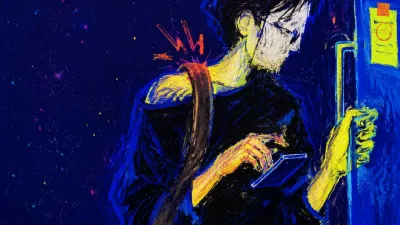
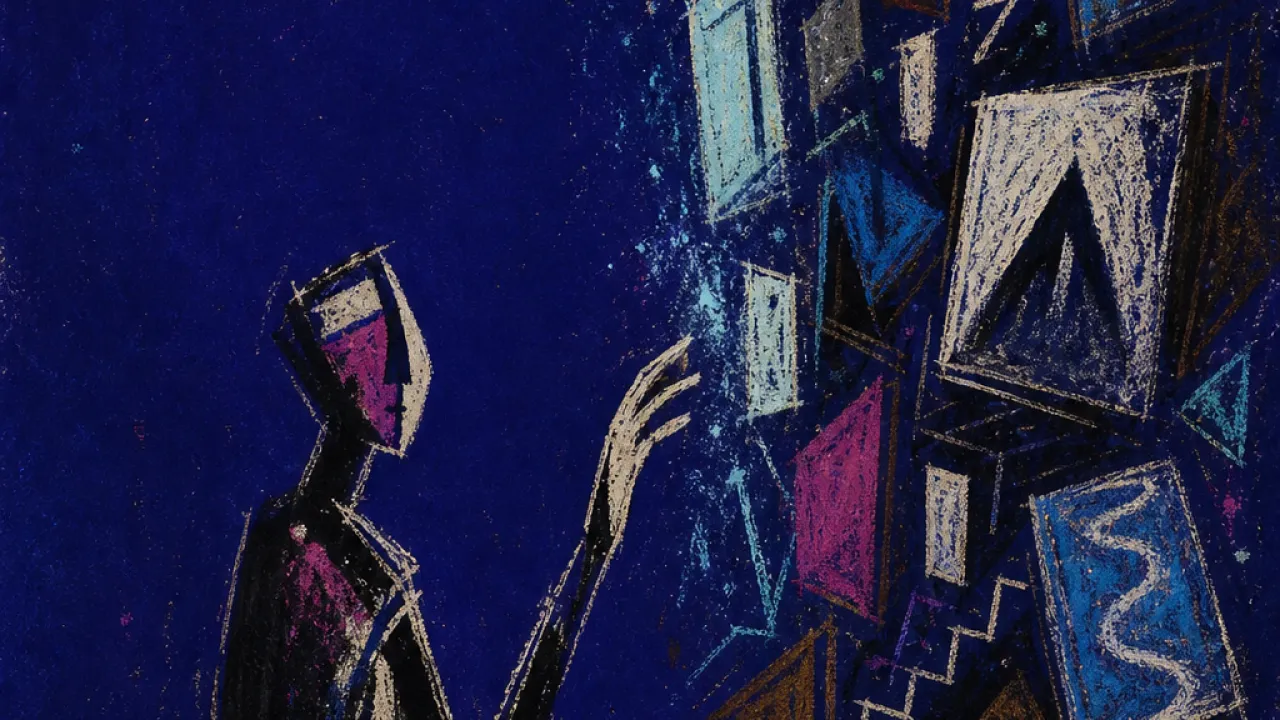
Choice Overload — you open your laptop to make one ordinary decision, and the screen turns it into a full-time sorting job. It starts with something that should be simple: choosing a course, an apartment, a career next step, a phone plan, a workout app, a date spot, or which offer to say yes to. Then the field expands. Search results multiply, tabs stack across the browser, TikTok and Reddit serve opposing takes, friends send links with 'this might help,' comparison sites rank things by criteria you did not ask for, and every option arrives with reviews, prices, timelines, identity signals, and hidden tradeoffs. Nothing is obviously wrong enough to eliminate, and nothing is obviously right enough to end the search. The power dynamic is subtle: platforms keep you scrolling, marketplaces keep you comparing, other people keep adding their preferences, and the decision slowly moves from your calendar into your body. Your shoulders tighten, your thumb hovers over the trackpad, you screenshot choices you never revisit, and by midnight you are still staring at a menu where every path looks possible but none becomes usable. What drains you is not the existence of options; it is the way they arrive flattened, vivid, and urgent, with no shared order for what matters first, much like the figure in the Seven of Cups, held still before seven floating cups where every image makes a different promise and none rests in the hand.

Why it's not you?

The problem is not that you lack discipline or that you are bad at decisions; the field around you is built to keep expanding. Platforms, advice threads, rankings, deadlines, and other people's preferences keep adding options while giving you no shared scale for what matters first. That is an overloaded decision environment, not a personal defect.

Choice Overload in Tarot Cards

Choice Overload is the moment when the menu, the tabs, the job boards, the course lists, and the group chat all compete to become the right answer. The tight shoulders and frozen thumb are part of the signal: the environment has turned comparison into a daily pressure. This is an environmental, structural dynamic, not a private failure to be decisive. Here are the Tarot Cards that tend to mirror the shape of this decision field.

The Empress Upright
The wheat, the waterfall, the forest, the soft throne, and the repeated Venus symbols all crowd the image with evidence of availability. Nothing in the scene looks scarce; the pressure comes from too much visible fertility, too many signals that something could grow if it received care. In a decision context, that abundance becomes a real structural problem. You are not choosing from emptiness, so the usual logic of survival does not sort the options for you. Each path can look nourishing, beautiful, or materially sensible, which makes the cost of choosing one path over another harder to name. The Empress points to a decision field where desire, comfort, resources, and potential are all speaking at once. The work is not to find the only good option; it is to identify which option can actually be sustained once the glow of possibility becomes daily maintenance.
The Hierophant Upright
The Hierophant's image is packed with systems of meaning: paired keys, repeated threes, ritual gestures, checkerboard bands, crosses, robes, steps, and symbolic colors. Nothing in the scene is random, but the density of signs can make the field feel over-coded. In a decision reading, that visual density mirrors the moment when every framework seems valid. Advice, values, risks, readings, pros and cons, and social expectations all compete to become the correct interpretive system. This context names overload as a structure rather than a lack of discipline. The card suggests that the decision needs a hierarchy of meaning before it needs more information.
The Lovers Upright
The card is crowded with meaningful signals: two exposed figures, two trees, different kinds of fruit, a serpent, a mountain, clouds, an angel, and the sun. None of these symbols is silent, and each one appears to offer a different standard for interpreting the choice. This is the pressure of choice overload in symbolic form. The decision becomes hard not because there is no information, but because every piece of information seems to matter at once. Desire, safety, values, timing, identity, social visibility, and future cost all compete for authority. The Lovers makes that overload inspectable. It shows the need to separate signal from noise and to identify which reference point is actually allowed to decide, rather than letting every possible consequence hold equal weight.
Reversed
The serpent at the fruit tree, the second tree behind the man, the mountain at center, and the split lines of sight turn the garden into a field of competing signals. The scene is abundant, but that abundance does not automatically create movement. For lifestyle decisions, this is what happens when every app, habit, routine, purchase, content creator, and wellness rule claims to be the correct path. You are not just choosing a schedule; you are trying to choose which version of life gets authority over your limited attention.
Wheel of Fortune Reversed
Eight spokes radiate from the wheel, while letters, alchemical signs, and surrounding figures all offer different systems of meaning at once. The image is full of direction, but it does not give a simple road across the ground. That is the pressure of choice overload inside introspection. You may have too many possible explanations, too many healing frameworks, too many readings of the same event, and too many versions of what your next self is supposed to become. The reversed wheel shows how options can become immobilizing when they lack a center. The useful question is not which interpretation sounds most complete, but which one restores enough order for you to make one honest move.
Justice Upright
The Justice figure holds more than one tool because the decision is not a single clean impulse. The scales, sword, crown, pillars, curtain, and step all compete for attention, turning the card into a scene where every detail seems relevant to the final call. That density mirrors choice overload in a decision reading. You may have enough information to act, but the external field keeps adding more variables: cost, timing, approval, future risk, personal values, reputation, and the fear of closing the wrong door. Justice does not treat the overload as a failure of willpower. It shows the need for a hierarchy of evidence, where the scales decide what deserves weight and the sword cuts away what only looks important because the moment is loud.
The Star Reversed
Eight stars mark the sky, two vessels are active, and two surfaces are being managed at once. The scene contains orientation, but it also contains a surplus of markers that can crowd the decision field when no single path is drawn. In a choice spread, this becomes the external pressure of too many plausible inputs. You may keep collecting options, opinions, readings, scenarios, and backup plans, while the real bottleneck is the lack of a ranking structure strong enough to turn possibility into commitment.
The Moon Reversed
The Moon gathers multiple visual systems into one field: phases in the lunar face, uneven rays, falling points, barking animals, a pool, a path, and two towers. The scene is not empty; it is crowded with possible meanings while the actual road remains difficult to verify. In personal growth, Choice Overload appears when too many identities, frameworks, goals, practices, and reinvention paths compete for authority. The person is not stalled because no path exists; the stall comes from an environment where every signal seems charged and none becomes decisively usable. The reversed Moon anchors this context through symbolic saturation. It shows how too many partial lights can create paralysis, and how agency returns when the field is reduced to the few signals that can genuinely support movement.
The World Reversed
The card gathers many systems into one frame: four corner figures, two wands, a wreath, red bindings, a crown, a moving ribbon, and a central body trying to coordinate them all. The image is integrated, but it is also densely loaded. In a decision reading, that density can describe a choice field with too many legitimate inputs. Every option carries career impact, relationship impact, money impact, identity impact, timing impact, and social visibility, so the mind keeps processing the whole board without selecting a playable move. The World helps by turning overload into a map. The point is not to treat every criterion as equal; it is to identify which domains are truly decision-critical and which ones are noise created by trying to complete the whole world at once.
Ace of Cups Reversed
The Ace of Cups gathers too much symbolic movement around one vessel: five streams, falling droplets, a descending bird, a marked chalice, and a pool filled with lotus forms. The image is abundant, but it is also crowded with signals competing for attention. In a decision context, that abundance can become an external problem. Every option carries some emotional logic, every consequence seems connected to another consequence, and each new piece of input creates another stream to track. The card shows why the choice feels flooded rather than empty. The work is not to find more meaning, more opinions, or more variables; it is to identify which stream actually belongs in the decision and which one is only adding volume to the system.
Four of Cups Reversed
Four cups occupy the decision field, but none of them is being actively received. The visual pressure comes from the number of available objects combined with the absence of a ranking system, a route, or a clear next move. This is not emptiness; it is saturation without hierarchy. When every option asks to be considered and no option organizes the field, the body can contract into stillness because comparison has become the environment. You may be stuck not because there are no choices, but because the choice set has become too flat. The card helps name the structural problem: the decision needs criteria, not more options, and the first act of agency is to reduce the field to what can actually be evaluated.
Seven of Cups Upright
Seven cups suspended in cloud turn the whole scene into a showroom of possible lives: home, status, wealth, recognition, desire, image, and hidden self all appear at once. None of them rests on the ground, and none of them has a clear handle, so the card makes choice visible as an environment rather than a single decision. In personal growth, that structure mirrors the moment when self-improvement becomes crowded by too many identities and methods. You are not simply choosing a habit; you are standing in front of competing versions of who your future self is supposed to become. The value of this card is its ability to separate genuine possibility from option pressure. It shows where expansion has stopped being empowering and started consuming the attention needed for one concrete path to become real.
Reversed
The body faces an airborne wall of options, but none of the cups can be touched, tested, or entered. The hands lift toward the field, while the ground offers no road or sequence for turning a vision into movement. In a career setting, this becomes the external pressure of too many plausible pathways at once: job boards, internal transfers, certificates, startup ideas, relocation plans, creator work, and peer success stories all competing for attention. The overload is not just mental noise; it is an option market with no built-in hierarchy. The card reveals the bottleneck as structural saturation. You regain clarity by identifying which choices have real constraints, real support, and real timing, rather than treating every visible option as equally alive.
Nine of Cups Upright
Nine cups in an even row create abundance that looks orderly from a distance but becomes difficult to prioritize up close. Each vessel is upright and available, so the problem is not scarcity; it is the flattening of difference inside a display of desirable options. Your decision can stall when every choice has something legitimate to recommend it. The row makes comparison feel rational, yet the visual sameness hides which option actually serves the next stage. Choice Overload in this card is not random chaos. It is curated abundance, where too many good-enough possibilities can block the decisive act of naming what matters most now.
Two of Pentacles Reversed
The two coins sit at opposite ends of the same loop, each demanding attention while neither fully exits the circuit. The body keeps moving, but the movement can become repetitive when the same options keep returning without a clean transfer of weight. For a direction question, this describes the pressure of having too many plausible futures rather than no future at all. Each path may carry real material logic, which is why simple preference does not settle the matter. The card makes the choice field visible as a system of recurring pulls. You gain leverage by seeing which option actually changes the rhythm of your life, and which one only keeps the comparison loop alive.
Eight of Swords Upright
Eight separate blades mark the ground around one body, each upright enough to read as a separate hazard. The woman cannot scan them, weigh them, or touch them, so the number of possible points of contact becomes part of the pressure. In a decision context, the crowded sword field mirrors an options environment where every route arrives with a cost, warning, or comparison point. You are not simply choosing; you are trying to stabilize attention inside a field that keeps multiplying the variables.
Two of Wands Reversed
The globe compresses the world into one object while the horizon opens into land, sea, bay, and mountains. The scene gives the figure too much scale at once: a whole field of possible routes, held from a fixed platform. For personal growth, that visual pressure turns potential into a selection burden. You are not short on options; the card exposes a system where too many plausible futures keep the body from committing to one embodied direction.
Five of Wands Reversed
The five raised wands crowd the entire field, each one held by a different body and pointed into a different line of force. With no clear opening through the group, the options stop behaving like possibilities and become competing demands for the same attention. Choice Overload is the reality structure here. You are not facing emptiness; you are facing too many live claims before a usable priority system has formed, so every path interrupts the next before it can become a decision.
Ten of Wands Reversed
The ten wands are countable, alive, and neatly clustered, but their density turns them into a wall in front of the body. The problem is not a lack of options; it is the way too many live variables arrive as one mass. That is choice overload as an external decision environment. You may be surrounded by acceptable possibilities, advice, timelines, and consequences, but the bundle prevents you from seeing which variable actually matters first. The card changes the task from choosing everything at once to separating the rods. Clarity comes from disaggregating the bundle, because the overload is produced by compression rather than by the options themselves.

Choice Overload in Tarot Card Reading Insights

For anyone sitting inside Choice Overload, the crowded tabs, advice loops, and equally plausible futures often get brought into readings. The pieces below shift from the cards themselves to how this kind of overloaded decision field appears when others ask for clarity. Tarot Reading Insights from sessions on this theme.
Psychological contexts related to Choice Overload