What Is Missing From the Map?

Explore a partial-map decision environment through grounded context, related tarot cards, and reading insights on hidden costs and missing variables.

Decision Blind Spot
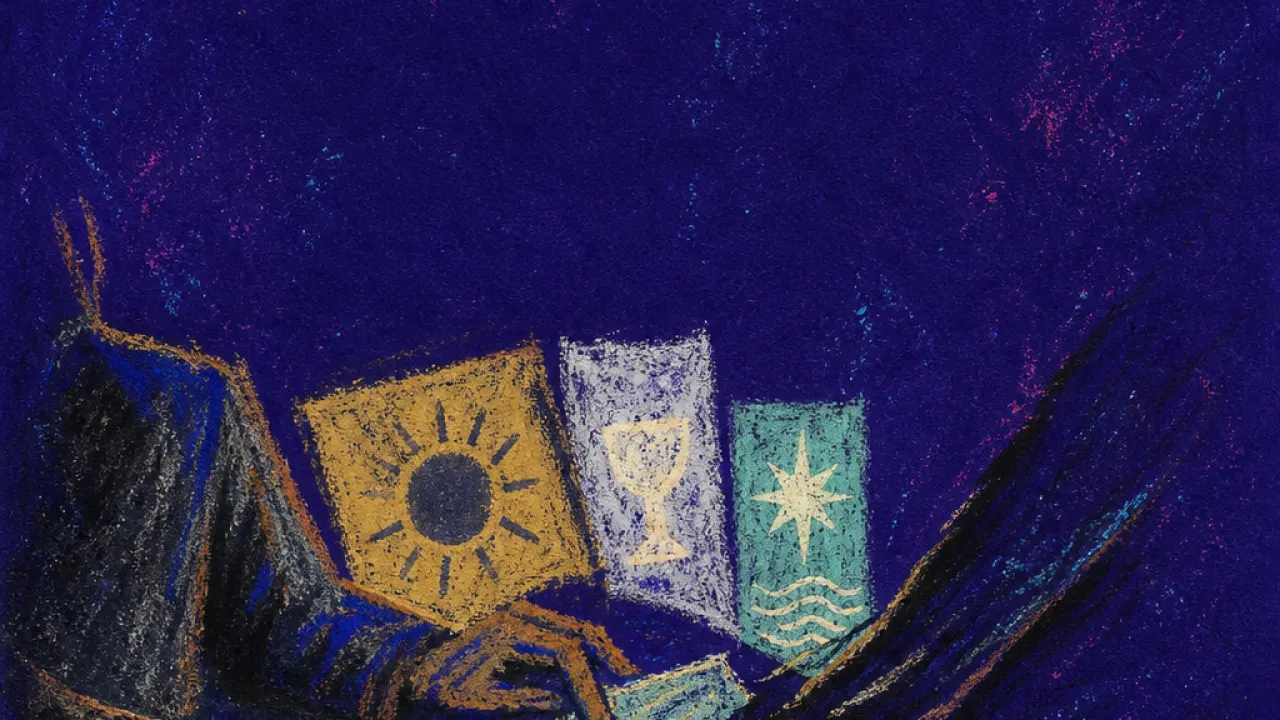
What is this situation?

Decision Blind Spot — you are standing in front of a choice that looks organized from the outside: the job offer with a polished salary range, the apartment lease with clean photos and vague fees, the relationship conversation where one person gives just enough certainty to keep the plan moving, the university or career option everyone around you can explain in one sentence. At first, the decision seems like a normal comparison: pros and cons, numbers, timelines, convenience, status, distance, who approves, who benefits. Then the pressure starts to come from the parts nobody has put on the table. A recruiter answers quickly about the title but not the team turnover; a partner talks about the future but avoids the practical details; a landlord sends the contract but not the full cost pattern; a friend, manager, parent, or algorithm keeps highlighting the shiny upside while the exit cost, hidden dependency, social pressure, or long-term tradeoff sits just outside the frame. You keep opening tabs, rereading messages, checking screenshots, asking one more person, trying to make the choice feel solid, but the information arrives unevenly: too much brightness in one corner, too much silence in another. The exhausting part is not indecision itself; it is being asked to commit while the setting keeps presenting a partial map as if it were complete. By the time you are close to choosing, your body may already be braced, not because you lack discipline, but because the visible evidence and the buried terms are pulling in different directions, much like Justice, where the scales and sword are clearly shown while the purple curtain hides the chamber’s inner workings.

Why it's not you?

The problem is not that you are overthinking or failing to be decisive; the problem is that the choice environment is withholding part of the map. When key costs, incentives, dependencies, or power dynamics are left off the visible comparison, uncertainty becomes a property of the situation itself. A Decision Blind Spot has shape: it is the gap between what is being presented and what is actually steering the outcome.

Decision Blind Spot in Tarot Cards

In a Decision Blind Spot, the pressure often starts in that moment when the offer, plan, or choice looks complete on the surface, but your shoulders stay braced because one part of the map still will not settle. The issue is not a private failure of clarity; it is an environmental, structural dynamic where visible terms can hide the forces quietly weighting the decision. The Tarot Cards below do not make the choice for you; they mirror the shape of the missing variable, the overbright evidence, and the part of the frame that needs to be brought into view.

Wheel of Fortune Reversed
The wheel is packed with letters, alchemical marks, animal figures, and directional spokes, but reversal makes that density harder to read as a coherent system. The image becomes a map overloaded with signs, where one missing interpretation can distort the whole decision. Decision Blind Spot fits because the problem is not simply lacking confidence. You are facing a choice where one variable, incentive, risk, or dependency may be hidden behind the obvious terms of the offer. The card brings the unseen factor into focus by asking what the current frame cannot account for. It restores agency by turning vague unease into a practical audit of timing, leverage, tradeoff, and omitted cost.
Justice Reversed
The purple curtain behind Justice hides the chamber’s inner workings even while the scales and sword remain visible. The scene presents fairness on the surface, but it also shows that not every force shaping the judgment is available to the eye. That is the structure of a decision blind spot. You may be comparing options with sincerity while missing the buried incentive, unspoken cost, social pressure, or assumption that is quietly weighting the scale before you touch it. Justice reversed makes the hidden variable the center of the reading. The point is not to distrust every option; it is to locate the factor that has been operating behind the curtain so the decision can become an act of awareness rather than a reaction to incomplete evidence.
The Hanged Man Reversed
The halo suggests illumination, but the body’s hands are hidden and the whole scene is organized from an inverted position. The figure can see, yet the arrangement limits what can be touched, tested, or confirmed from the ground. A Decision Blind Spot emerges when the choice looks clear in one dimension but concealed costs are operating elsewhere. The card links the blind spot to the mismatch between insight and access: you may understand part of the decision while still missing the constraint that is actually holding the structure together.
Temperance Reversed
The angel's gaze is lowered to the cups, while the road, mountains, and bright horizon sit behind the immediate task. The foreground is precise enough to command attention, but the broader landscape contains information the hands cannot gather by themselves. For a high-stakes decision, this reflects a blind spot created by over-focusing on the most visible comparison metric. You may be tracking the clean data in front of you while the real cost, route, or timing issue is sitting in the background structure.
The Star Reversed
The stars give light, and the water can reflect that light back as a second layer. In this state, the scene contains both signal and reflection, both distant markers and surface impressions, with no road drawn through the ground. That structure fits a decision where the visible comparison looks complete but something important remains outside the frame. You may be reading the brightest data point as the whole answer, while the card points to the untested assumption, hidden cost, or missing stakeholder that changes the choice once it is brought down to ground level.
The Moon Reversed
The crayfish rises from dark water onto the first edge of land, touching the start of a path it cannot fully see. Behind it is depth; ahead of it is a route lit by borrowed light and narrowed by distant towers. That visual threshold captures a career decision made before all relevant information has surfaced. A role change, transfer, resignation, promotion bid, or industry pivot may be on the table, but the consequences are still partly submerged in unknown team dynamics, hidden expectations, or unclear market signals. The Moon makes the blind spot visible without turning it into paralysis. It points to the exact place where instinct has entered the conversation but evidence has not caught up, helping you separate a real signal from a shadow cast by missing data.
The Sun Reversed
The sky is saturated with sunlight, and almost nothing in the scene has a shadowed recess. In reverse, that much brightness can become its own distortion: the most attractive option receives so much attention that the hidden cost has nowhere obvious to appear. Decision Blind Spot is not lack of information. It is an overlit choice environment where one outcome looks so clean, affirming, or socially approved that the trade-offs lose contrast. You are being given a way to inspect the light source itself. The Sun asks which facts have become too dominant, which risks have been washed out, and which part of the decision needs shade before it can be judged clearly.
Four of Cups Reversed
The offered cup is close enough to be seen by the viewer, but the seated figure's closed eyes and folded posture keep it outside his active field of engagement. The image creates a sharp difference between what is present in the scene and what the person in the scene is positioned to register. That is the logic of a decision blind spot: the missing variable is not absent, but it is not being included in the current frame. The three grounded cups can dominate the comparison so completely that the fourth option becomes functionally invisible. You may be making a decision with an uncounted option, an unexamined cost, or a leverage point that sits just outside the familiar set. The card does not ask for instant action; it asks for a wider scan of the decision field before the visible choices are mistaken for the whole map.
Five of Cups Reversed
The figure faces the overturned cups while two intact cups stand behind the black cloak. The visual field is not empty; it is misread. What remains is physically present, but the body’s orientation cuts it out of the usable frame. That makes the card a precise image of a decision blind spot. You may be treating the most visible damage as the whole situation while overlooking support, leverage, timing, or an option that sits just outside the current line of sight. The bridge reinforces this: the path is not hidden in the landscape, but it is not being used by the person whose decision depends on it. In choice work, this context asks for an audit of what the current frame excludes. The goal is not instant optimism; it is to rebuild the decision map so the remaining cups, the crossing, and the distant structure are all counted before a final move is made.
Seven of Cups Upright
The laurel wreath looks like victory until the small skull beneath it changes the object. The shrouded figure, the mask-like head, and the mist around the cups all preserve the same visual rule: the most important information is present, but not openly readable. That is the structure of a Decision Blind Spot. A choice can look polished, exciting, or socially approved while concealing the maintenance cost, the identity tradeoff, or the loss that arrives after the public win. You are not simply choosing between options; you are choosing between visible rewards and hidden terms. The card makes the blind spot inspectable. It asks the decision field to be audited for what is missing from the pitch: the skull under the trophy, the body under the cloth, the real consequence behind the image.
Reversed
The wreath carries a skull beneath the symbol of victory, while the snake, dragon, and covered figure place risk and concealment inside the same beautiful display as reward. The cups are not empty, but they do not reveal their full terms at first glance. Decision Blind Spot appears when timing is being judged through the visible prize while hidden costs remain unpriced. The card gives you a reality check without alarmism: if part of the option is shrouded, the timing signal includes what cannot yet be seen.
Eight of Cups Reversed
The missing space in the cup stack is small compared with the eight intact vessels, but it organizes the entire departure. Under the eclipsed light, the most important information is not the largest object in the scene; it is the absence that changes the utility of everything else. A decision blind spot is the external condition where an option looks complete until one non-negotiable variable appears. You are not being asked to distrust the whole structure, only to identify the gap that has been quietly setting the terms of the choice.
Nine of Cups Reversed
The blue tablecloth creates a clean presentation surface while hiding the support structure underneath. Above it, the cups look complete, symmetrical, and easy to admire, but the base carrying them is not open to inspection. Your decision may be organized around what looks finished, impressive, or already validated. The missing information is not necessarily dramatic; it may be the maintenance load, the values mismatch, the opportunity cost, or the future tradeoff sitting below the display. Decision Blind Spot fits this card because the visible evidence is strong enough to end the conversation too early. The image invites a colder audit of what the polished option is not showing before the choice hardens.
Ten of Cups Reversed
The rainbow of cups is so visually complete that it can pull attention away from what is not shown. The house, garden, family, and celebration create a persuasive surface where the option looks emotionally resolved before its hidden terms have been inspected. For a choice reading, that polished surface is the blind spot. A future can look harmonious while still carrying obligations, compromises, or opportunity costs that remain offstage because the visible benefits are so easy to recognize. The card works like a reality audit of the attractive option. It helps you look behind the glow of completion and ask what the decision requires, what it excludes, and which tradeoff has been made harder to name because the picture looks so good.
Page of Cups Reversed
The Page faces the viewer, but his attention is captured by the cup. Behind him, the sea is active and relevant, yet the living fish in the small vessel pulls the whole scene into one concentrated point. That visual imbalance is the shape of a Decision Blind Spot. A vivid detail, a tender signal, or a charming piece of evidence can dominate the field while the larger environment remains under-read: timing, context, risk, support, and hidden cost move in the background. In choice work, this card does not dismiss the detail that has your attention. It asks what has been pushed out of frame because one part of the option feels unusually alive, persuasive, or emotionally expensive to question.
Queen of Cups Reversed
The lidded chalice is unusually elaborate, and the distant wall cuts off part of the view beyond the island. The most beautiful object in the frame is also the least transparent, which matters in a decision spread. This fits a choice where the polished option may be organizing your attention around what is visible and respectable while hiding the variable that changes the outcome. You are not being told to distrust the option; the card maps the frame so the missing information can be treated as part of the decision, not an inconvenience outside it.
King of Cups Reversed
The cup receives the King’s gaze, but the sailboat, dolphin, waves, and open water continue operating beyond that narrow focal point. The scene contains more data than the object he is studying. In a choice context, that visual imbalance maps onto a decision where one emotionally charged factor becomes the whole story. The card exposes the hidden tradeoffs at the edge of the frame, so you can distinguish a meaningful signal from a signal that has crowded out the rest of the board.
Two of Pentacles Reversed
The figure's attention narrows toward one coin while ships and waves move in the background. The visible task in the hands can dominate the field so completely that wider conditions become peripheral, even when they are shaping the stakes. This is the texture of a decision blind spot: one metric, promise, or fear can monopolize the choice while the larger environment keeps moving. The card gives you a way to widen the frame and ask what part of the scene has been treated as background when it is actually steering the outcome.
Four of Pentacles Reversed
The figure faces forward, but the town sits behind him. The most socially alive part of the image is present and visible to the viewer, yet it is not part of the figure's direct field of action. Decision Blind Spot forms when one visible metric, asset, promise, or fear takes up the whole foreground. The card shows how a person can seem focused and practical while missing the wider ecology of the decision: who is affected, what future doors narrow, and what kind of life the protected option actually builds. The mountains behind the town make the blind spot structural rather than trivial. You may not be missing a small detail; you may be evaluating the decision from a seat that blocks the most important background information.
Seven of Pentacles Reversed
The pentacles are easy to count, but the whole scene is arranged around what the figure can already see. The harvested coin, the remaining fruit, and the idle hoe create an accounting system that looks concrete while leaving other routes and hidden costs outside the main frame. That visual emphasis matters because decisions often become distorted by measurable evidence. The option with the clearest proof can dominate attention, even when the most important variable is the one not hanging visibly on the vine. For a choice reading, this card points to the blind spot created by partial data. You are not lacking information entirely; you are being asked to notice which kind of information has been allowed to count, and which consequences have been kept outside the garden.
Ten of Pentacles Upright
The ten pentacles hang in a complete pattern above the scene while the actual people and property operate underneath it. The formal map looks orderly, yet it is not the same thing as the lived household. That split is the blind spot in a decision. You may be comparing impressive external markers while the decisive information sits in who has access, who carries the cost, and which part of the structure is being treated as invisible.
Page of Pentacles Reversed
The Page’s eyes are fixed so completely on the pentacle that the fertile field, tree line, and blue mountains become background data. The image is not empty of context; it is full of context that the central object has pushed out of active view. That visual tunnel is the anatomy of a Decision Blind Spot. One benefit, number, promise, or visible proof can become so legible that You stop registering the less dramatic variables around it: timeline, exit cost, support, friction, and future terrain. The reversed pressure of this card is not confusion in the abstract. It is a decision system where the brightest evidence is not necessarily the most complete evidence, and the work is to restore the surrounding landscape to the choice.
Queen of Pentacles Reversed
The coin sits exactly where the Queen's eyes settle, becoming the bright center of a much larger scene. Around it are roses, water, carved stone, green growth, and distant terrain, yet the body is visually organized around one held object. In a decision spread, this points to the variable that has become too dominant. You may be treating one practical factor as the whole truth of the choice, while the surrounding conditions, hidden supports, exit costs, and alternate routes remain under-read.
King of Pentacles Reversed
The King looks down at the pentacle while armor, prey, walls, and power symbols remain present around him. The coin is the visible focal point, but the scene contains other facts that would change the reading of the whole situation. For a choice, this marks the option whose obvious benefit is dominating the field of vision. You are being shown the difference between a clear advantage and a complete picture, especially when money, status, or stability makes hidden costs easier to ignore.
Ace of Swords Reversed
The hand arrives from a cloud, and the glowing marks around the blade make the sword look complete before the landscape below has been examined. The crown is elevated, but the ground that will absorb the consequences remains sparse and distant. That separation is the visual anatomy of a Decision Blind Spot. The option may appear clean because the visible argument is sharp, while the missing variables are outside the frame that currently feels authoritative. The reversed Ace of Swords connects here by questioning the completeness of apparent clarity. You may have a strong reason, a persuasive story, or a dazzling piece of evidence, but the card pushes the audit toward what has not yet touched the ground.
Two of Swords Reversed
The blindfold is the first fact the eye has to solve. The swords are intact and the body is capable of holding them, but the field of vision is deliberately blocked while the shoreline and water continue behind her. In personal growth, this points to a decision process where one crucial piece of reality has been excluded from the audit. The tools may be sharp, the intentions may be serious, and the analysis may be extensive, yet the missing factor keeps shaping the outcome from outside the frame. Decision Blind Spot fits because the card makes selective visibility physical. The work is to identify what has been kept out of sight, so the next choice can be made from contact with the whole field rather than from a protected partial view.
Four of Swords Reversed
The most consequential sword is not the one on the wall; it is the horizontal blade lying under the resting figure. The image places a decisive factor beneath the surface that supports the body, making the hidden element part of the foundation rather than an extra detail. For choice work, this points to a buried cost, dependency, or motive shaping the outcome before the visible comparison begins. You may be trying to choose cleanly while standing on an assumption that has not yet been pulled into the light.
Five of Swords Upright
The smiling backward glance keeps the foreground figure focused on the people behind him, while the shore and opposite bank sit outside his immediate attention. The posture is stable, but the gaze narrows the field to victory, reaction, and proof. A Decision Blind Spot forms when the loudest cost is not the most important one. In this card, the hidden issue is not whether an option can be won; it is what the winning posture prevents You from seeing, including exits, long-term fallout, and the part of the choice that is no longer about agency.
Seven of Swords Reversed
The backward glance sits beside the missing swords, showing a plan in motion that has not fully accounted for what remains behind. The figure is active, but the scene keeps a visible remainder in the frame. That remainder is the blind spot in a decision: the piece that looks small until it becomes the cost of the move. You may already have a strategy, but the card pulls attention toward the part of the choice that has not been surveyed because the visible route feels urgent or clever.
Eight of Swords Reversed
The blindfold is the first visual fact the eye registers, but the ground around the woman is not fully closed. Her hands are bound behind her back, yet her feet still occupy a pathable space, and the swords leave visible gaps. Decision Blind Spot is the external stage where the next available move is present but not recognized as an option. In personal growth, this can look like missing a simple support, a smaller practice, a delayed timeline, or a less dramatic path because attention keeps circling the most intimidating constraint. The Eight of Swords focuses the audit on perception under pressure. You do not need a grand answer before the whole structure changes; You need to identify the one opening that the current blindfolded frame has trained You to ignore.
Knight of Swords Reversed
The sword extends past the picture while the knight's gaze stays fixed ahead. Armor, weapon, horse, and wind narrow the whole field into one forward target, leaving little visual room for side information, missing costs, or anything outside the current line of attack. That is the decision stage where one option becomes so vivid that the rest of the map disappears. The card does not question your intelligence; it reveals how speed, certainty, and a dominant narrative can hide the variables that would change the choice if they were brought back into view.
Seven of Wands Reversed
The sky is clear and the figure holds the upper ground, yet the challengers themselves are hidden below the frame. The visible field looks simpler than the forces actually acting on it. That combination fits a choice where your current vantage point is real but incomplete. The card does not erase your advantage; it shows where missing information, hidden incentives, or unpriced consequences may be sitting just below the line of sight.

Decision Blind Spot in Tarot Card Reading Insights

Decision Blind Spot shows up when someone brings a choice into a reading because the visible comparison no longer feels like the whole map. These readings turn from the cards themselves toward how others have sat with hidden costs, missing context, and options that looked cleaner than they were. Tarot Reading Insights for this decision field are gathered below.

Psychological contexts related to Decision Blind Spot