What Comes After Winning?

Explore the after-phase of visible success through grounded context, related tarot cards, and tarot reading insights from sessions.

Post-achievement Plateau

What is this situation?

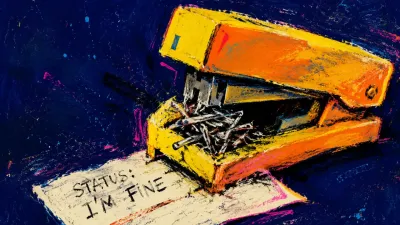
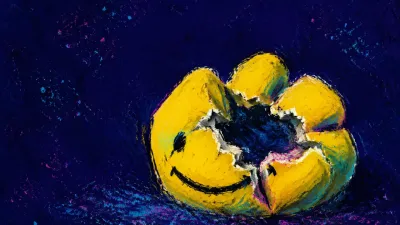
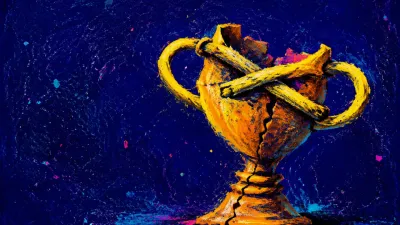
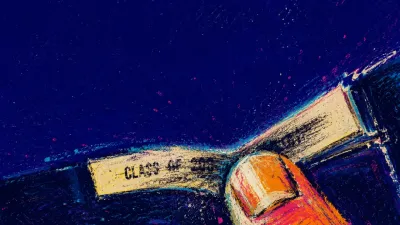
Post-Achievement Plateau — you finally reach the thing that used to organize your days, and the outside world treats it like the obvious end of the sentence. The degree is posted, the promotion is announced, the launch goes live, the move is complete, the relationship setup looks stable, the routine is upgraded, or the visible marker you were chasing is now sitting in plain sight. People congratulate you, ask what you are doing to celebrate, and assume the next step will naturally appear because the last one was so clearly named. But the structure around you changes in a quieter way: the deadline disappears, the checklist empties, the scoreboard stops updating, and the old pressure that once gave your weeks a shape is replaced by maintenance, small admin tasks, polite recognition, and the uncomfortable question of what this success is supposed to do now. You may still be expected to perform the version of yourself that won: keep the title warm, protect the new setup, answer the same questions, make the achievement look effortless, and turn a finished chapter into a stable identity. The people around you may keep pointing at the proof, while your calendar shows fewer meaningful coordinates than before. What once felt like a climb becomes a room with framed evidence on the wall, and the daily friction comes from living inside a structure that was designed to get you there, not carry you forward. The achievement is not fake, and the pause is not failure; it is the strange outer stage after arrival, much like The World, where the central figure is held inside a complete laurel wreath with no visible road drawn beyond the finished frame.

Why it's not you?

The problem is not that you are ungrateful, lazy, or impossible to satisfy. This plateau exists because many goals are built as arrival systems, not continuation systems: they can deliver proof, recognition, and status without providing a next route. When the old target stops giving direction, the blankness belongs to the structure around the achievement, not to a personal defect in you.

Post-achievement Plateau in Tarot Cards

Post-Achievement Plateau is the stage where the milestone has landed, but the environment around it no longer supplies a working route. That quiet pressure in your shoulders and the strange stillness after the congratulations are signals from an environmental, structural dynamic: the old pursuit has completed its job, while the next framework has not been built yet. The cards below do not decide your next move for you; they mirror the shape of completion, recognition, and stalled direction. Here are the Tarot Cards that often reflect this kind of plateau.

The Empress Upright
The Empress is already seated, crowned, and surrounded by harvest; the image begins after cultivation has produced visible results. Her stillness matters because the field is full, yet there is no road leaving the garden. For you, this frames the strange stall that can arrive after a goal, title, relationship setup, or lifestyle marker finally lands. The structure is not failure; it is a plateau where the old pursuit has stopped supplying direction, and a new horizon has not yet been given a shape.
Reversed
The wheat before the Empress is already mature, and the figure is seated at the point of harvest rather than shown walking toward a new field. The throne, crown, and scepter mark a level that has been reached, while the body rests inside the evidence of completion. For personal growth, this describes the pause that can follow achievement. A goal may have been met, a visible upgrade may have landed, or a former version of the self may have been outgrown, but the next organizing challenge has not yet become concrete enough to create momentum. The reversed Empress makes the plateau visible without turning it into failure. The structure asks what kind of new fertility is needed after the harvest, because maintenance alone cannot generate the next stage of development.
The Emperor Upright
The Emperor is already on the summit, surrounded by symbols of completed authority, yet the stone chair offers little comfort. The territory has been stabilized, the crown is in place, and the body remains upright because the role still demands performance. That visual structure maps cleanly onto the pause after a major goal is reached. You may have arrived at a version of success that is externally legible, while the next direction has not yet become visible enough to replace the climb that organized your life.
The Hierophant Reversed
The Hierophant is already seated at the summit of a recognized structure, crowned, robed, and surrounded by signs of rank. Yet behind the chair and between the pillars sits a deep blank, a space where the next horizon should be but does not visually appear. That is the outer shape of achievement after it has become status rather than movement. You may have reached a goal that others can recognize, while the structure that rewarded the climb now offers ceremony, repetition, and a strangely vacant sense of what comes next.
The Lovers Reversed
The garden is already bright and abundant, but the figures do not look settled into celebration. Paradise is present as a completed scene, and the next movement still has not been chosen. You may have reached something that once represented arrival, only to find that arrival does not automatically generate direction. The Lovers frames the plateau as a threshold after success, where the old target has stopped organizing your energy and a new organizing principle has not yet been built.
The Chariot Upright
Standing crowned in a parked chariot, the young commander carries the visible proof of a win while the vehicle waits at the riverbank. The city behind him reads as completed territory: walls, buildings, and recognition are present, but they sit behind the body rather than ahead of it. That visual geometry maps cleanly onto a post-achievement plateau. You may have already cleared the milestone that once organized your effort, yet the next horizon requires a different navigation system than the one that got you here. The Chariot holds that gap: achievement has produced position, but not an automatic long-range direction.
Reversed
The driver wears the crown and laurel, holding the posture of someone who has already proven capacity. Yet the chariot is stopped at the bank, and the lower body appears absorbed into the solid cube of the vehicle. For personal growth, this is the stage after a win when the old proof of progress no longer generates forward direction. You may have achieved the marker, earned the recognition, or completed the upgrade, but the card reveals the next problem: success has become a platform that still needs a new line of movement.
Strength Upright
The lion already submits: its tail is tucked, its mouth is managed, and the woman's posture has settled into control. Around them the field is bright and intact, while the mountain sits beyond the completed act as an unentered horizon. In a direction reading, this is the life stage after a major force has been mastered. You can have evidence that the old challenge was handled and still find the next route strangely unmapped. The card gives shape to the plateau by separating achievement from orientation. What has been tamed is real; what has not yet been chosen is the next structure that deserves your energy.
Reversed
The lion has been brought under control, the field is intact, and the mountain remains in the distance. Nothing is collapsing, but nothing is moving either; the achievement of containment has created a stable image with no immediate next path. That is the texture of a post-achievement plateau in personal growth. You have evidence that discipline worked, but the card shows the external direction lagging behind the mastered challenge, turning the next phase into a question of deployment rather than more restraint.
The Hermit Reversed
At the snowy summit, the Hermit stands where the climb has technically ended. The altitude proves that something has been reached, but the dark sky and unmarked ice do not provide the next road. A Post-Achievement Plateau is built from that exact geometry. You may have completed the old ascent, earned the title, finished the reset, or become the person you were aiming for, while the external marker that once gave direction no longer tells you how to move.
Wheel of Fortune Upright
The sphinx seated at the top of the wheel holds a sword in a fixed, composed position while everything below it keeps rotating. The image does not show arrival as rest; it shows arrival as a new position that must be held inside a larger cycle of movement, evaluation, and change. That structure mirrors the plateau that can follow a personal growth milestone. You may have completed the course, changed the habit, earned the recognition, or built the new identity signal, yet the wheel keeps asking for integration rather than applause. The card anchors this context because the highest point on the wheel is still attached to the mechanism. Post-achievement growth is not a failure of ambition; it is the moment when progress stops being proven through visible motion and starts being tested through steadiness, timing, and the ability to inhabit what has already changed.
Reversed
The sphinx sits at the top of the wheel, but the wheel itself is still a rotating structure. The high point is real and visible, yet it does not stop the larger system from continuing to move. That is the shape of a post-achievement plateau. An external milestone may have been reached, but the inner world is left facing the question the goal was supposed to answer: what now, and why did arrival not create the clarity it promised? The card makes the plateau less mysterious by placing it inside a cycle. You can examine whether the next push is true direction or just an attempt to escape the stillness that appears after the old measure of success has run out of authority.
Justice Upright
The balanced scales show a result that has been weighed, recorded, and brought into order, while the seated body remains in the same stone position. The hall confirms completion, but it does not automatically open a new road beyond the threshold. After a major goal, this becomes the strange plateau where the outside world can say you succeeded while your direction system has no fresh coordinates. You are facing the gap between validated achievement and a next path that has not yet earned its shape.
The Hanged Man Upright
The white space around the suspended figure removes ordinary scenery, landmarks, and forward roads. The support structure is alive and intact, but it offers stillness instead of another visible milestone. That arrangement fits the plateau that can arrive after a major achievement. The external proof of progress may still be there, yet the next direction is not automatically generated by the win itself. You may have reached something that once organized your energy, only to discover that completion does not create a new horizon on command. The card's blank field turns that anticlimax into a readable structure: the old goal carried you to this point, but it cannot choose the next axis for you.
Death Upright
The fallen ruler beneath the horse still has the crown and scepter nearby, but those objects no longer create direction. Achievement remains visible in the scene, yet it has been separated from active authority. In personal growth, this becomes the plateau after success: the milestone happened, the proof exists, and the old scoreboard still lies in view, but it no longer tells you what to build next. The card names the moment when accomplishment stops being a compass and becomes material that must be reorganized into a new chapter.
Reversed
The fallen emperor still has the crown and scepter nearby, but those symbols no longer organize the scene. The old achievement marker remains visible on the ground while the rider's movement establishes a new axis of reality above it. Academically, this maps to the plateau after a win: the high grade, admission, award, scholarship, publication, or prestigious program identity that once provided direction stops answering the next question. The achievement is real, but it no longer functions as a study system. The card connects because it shows status becoming inert when the environment changes. You regain agency by distinguishing past validation from present orientation, then asking what structure will actually carry the next phase of learning.
Temperance Reversed
The golden horizon looks like arrival from a distance, but the figure remains in the foreground repeating the same controlled exchange. The image separates the symbol of success from the lived mechanics of what comes after it. That separation is the post-achievement plateau. You may have reached the milestone that was supposed to organize the next chapter, only to find that the external marker cannot generate a fresh direction on its own. The cups still move, but the road is not being entered. The card reveals how a completed goal can leave behind a polished loop of competence, maintenance, and performance while the deeper route beyond the achievement remains unconstructed.
The Devil Upright
The black cube is solid, the symbols are fixed, and the whole scene feels complete in a heavy, static way. Nothing in the frame is collapsing, but nothing opens into a road either. That is the texture of reaching a goal that once organized everything. The proof is there, the structure is there, and the external achievement can be named, yet the future no longer expands just because the old target has been hit. The card places you in the pause after arrival, where the next direction cannot be extracted from the previous prize. The plateau becomes visible as a stage that has served its purpose but cannot generate the next horizon on its own.
The Tower Upright
The tower has already reached height before the strike arrives. Its crown, summit, and elevated figures show the architecture of achievement at the exact point where height stops functioning as safety. That is the core tension of a post-achievement plateau: the milestone was real, but it did not become a living compass. The image shows why arrival can feel structurally empty when the next horizon was never built into the goal. For your direction, the useful question is not whether the achievement counted. The card separates completed elevation from future orientation, making space to ask what kind of ground can support the next stage.
Reversed
The crown at the top of the Tower marks a summit, but it is also the first thing separated from the structure when impact arrives. The highest point becomes unstable, and the figures who occupied the elevated space are forced back toward the ground. For personal growth, this captures the strange flatness after a win. A goal may have been reached, a milestone crossed, or an identity validated, yet the achievement does not provide the next architecture for becoming. The card turns the plateau into a structural question rather than a motivation problem. It asks whether the old summit was ever designed to become a home, or whether it was only a height that now needs to be dismantled so a more usable path can appear.
The Star Upright
Kneeling at the edge of water and land, the figure has stopped climbing and is no longer fighting the terrain. One stream returns to the pool while another enters the ground, turning achievement into redistribution rather than pursuit. That visual stillness matches the strange quiet after a major goal has been reached. The sky is clear, the resources are still flowing, and the body is supported, yet there is no road cutting across the landscape to tell You what the next chase should be. Post-Achievement Plateau is not a lack of capacity; it is the external pause that appears when the old measuring system has finished its job. The Star frames that pause as a real orientation problem: You can see farther than before, but the next direction has to be chosen from a wider field, not inherited from the last milestone.
Reversed
The oasis is calm, clear, and supplied, yet the composition holds the body in a fixed kneeling position with no visible road beyond the shoreline. The water moves, but the scene itself does not advance. That is the structure of a post-achievement plateau. After a milestone, the outer world may look peaceful and functional, but the next growth container has not appeared, leaving you with maintenance rituals where a new challenge or direction should be.
The Moon Reversed
The Moon shows emergence, but not completion. The crayfish has reached the edge of the visible world, yet the road still stretches toward cold hills and distant towers under unstable light. That image maps cleanly onto Post-Achievement Plateau in personal growth. After a breakthrough, milestone, course, recovery of discipline, or visible win, the external reward signal can fade while the next stage remains vague and demanding. The reversed Moon makes the plateau feel especially real because the first emergence does not automatically provide a new structure. The card asks where the achievement ended and where the next operating system has not yet been built.
The Sun Upright
The child has already crossed the wall, sits high on the white horse, and occupies the center of a scene flooded with direct sunlight. Nothing in the image looks hidden or incomplete; the flowers are grown, the flag is raised, and the external proof of vitality is already on display. That is why this card can mirror the strange emptiness that comes after a visible win. The structure has delivered recognition, clarity, or achievement, but the old wall behind the child also shows that one phase has been completed and cannot keep giving direction forever. For a direction reading, the pressure is not failure but exposure after arrival. You may be standing in a bright public moment where the next horizon has to be chosen from the inside, because the previous goal has stopped functioning as a compass.
Reversed
The child and horse appear at the moment after clearing the wall, with the old boundary behind them and bright space ahead. Reversed, the landing becomes more important than the leap: the achievement is visible, but the next map has not arrived. For personal growth, this describes the flatness after a win, when the milestone is real but no longer supplies direction. You are standing in the bright aftermath of success, and the structure asks what container will replace the goal that used to organize your movement.
Judgement Reversed
The figures are upright, yet still rooted in the containers they have supposedly outgrown. The scene has the eerie stillness of an ending that has been reached without producing a stable next platform. In direction work, this maps to the emptiness that can follow a major achievement, graduation, milestone, or long-term goal. The external marker says something has been completed, but the landscape does not yet offer a new horizon with enough weight to organize daily movement. Judgement makes the plateau concrete. The issue is not whether the achievement mattered; the issue is that the old goal can no longer function as the container for your future.
The World Upright
The laurel wreath marks completion, and the dancer stands inside the finished frame rather than moving along an open road. The card gives the achievement a visible container, but it also shows how still the scene can become once the milestone has been reached. After a major academic win, the external structure that organized your effort can suddenly disappear. The plateau is not a failure to appreciate success; it is the practical gap between being recognized for finishing one cycle and finding a new learning direction that has enough substance to carry you forward.
Reversed
The laurel wreath is complete, the central figure is crowned by the finished frame, and there is no visible road beyond the oval. The image holds achievement in suspension, as if the stage after completion has not yet been built. For personal growth, this is the strange external quiet that can arrive after a major goal, transformation, or milestone. You have reached the edge of a system that once organized your effort, and the pressure now comes from standing inside a finished container with no obvious next structure.
Ace of Cups Reversed
The chalice is full, elevated, decorated, and overflowing, but its shallow bowl does not create a path beyond the moment of arrival. Water spills beautifully into the pool below while the hand keeps the vessel suspended in place. In a direction question, the reversed pressure in this image turns achievement into a strangely static stage. The outer marker has been reached, the cup is visibly full, and yet the scene offers no road, horizon, or next terrain to move through. You are looking at the structural gap between completion and continuation. The card names the plateau that can follow success: the life container has delivered what it promised externally, but it has not generated a new source of orientation strong enough to carry the next phase.
Three of Cups Upright
The fruit at the figures' feet marks a cycle that has ripened enough to be celebrated. The scene is full of completion signals: raised cups, mature produce, and bodies circling the result rather than moving toward a new path. For you, this describes the academic stillness that can follow a high grade, finished thesis, accepted offer, or major submission. The structure has delivered proof that the work mattered, but the next study rhythm has not yet formed, leaving achievement itself as a temporary room you can get stuck inside.
Reversed
The harvest has arrived, and the figures stand inside the completed celebration rather than on a road forward. In this reversed context, the scene holds the satisfaction of completion and the structural problem of having no visible next path. Personal growth often stalls right after a visible win: finishing a challenge, changing a habit, receiving recognition, or reaching a milestone that was supposed to create clarity. The external achievement is real, but the system around it may only know how to celebrate, not how to translate the win into a next operating rhythm. The card gives that plateau a concrete shape. The cups are raised, the fruit is present, and the circle is complete, but forward motion requires a new structure beyond the harvest moment.
Four of Cups Upright
The three cups lined in front of the seated figure are not broken, empty, or hidden. They remain visible as prior emotional material, while the fourth cup enters the scene without creating forward motion. That arrangement fits the post-achievement plateau because the old proof of progress is still present, but it no longer organizes desire or direction. You may have reached a milestone, completed a phase, or validated a capability, yet the next growth signal does not automatically reactivate momentum. The Four of Cups makes the plateau tangible through stillness around completed containers. The pressure is not failure; it is a reward system that has stopped translating past wins into a usable next step.
Reversed
The three cups on the ground look like completed experiences left in front of the seated figure. They are not broken, but they no longer produce movement. The body has folded itself beside prior fulfillment while the next cup remains separate from the lived cycle. This is the timing shape of a Post-Achievement Plateau. After a milestone, launch, relationship phase, or personal win, the next opening can arrive before the system has found a new reason to reach. The card captures the flat interval where the old cycle is complete but the next one has not become active enough to reorganize attention. For You, the plateau is not proof that the previous achievement was meaningless. It is a threshold where the timing system needs a new source of traction, because momentum built for the last chapter cannot automatically carry the next one.
Five of Cups Upright
The emptied cups in the foreground look like celebration vessels after the moment has passed, while the castle sits at a distance rather than anchoring the figure. The visible residue of achievement no longer organizes the route forward. In a direction spread, this is the plateau after a goal stops carrying meaning. You may have reached a marker that once looked stable, but the structure reveals that the next chapter depends on recognizing the two standing cups and the bridge rather than demanding that the old milestone keep supplying purpose.
Seven of Cups Reversed
The laurel wreath promises victory, yet the small skull beneath it makes the achievement image unstable. Recognition is present, but it is not presented as a permanent ground; it floats in the same mist as every other vision. That visual detail maps the plateau that can arrive after a visible win. The old goal may have been reached, but the structure that gave life direction has ended with it, leaving the next horizon strangely unformed. The card does not diminish the achievement. It shows why success can fail to answer the deeper direction question, and it invites a new map based on what remains alive after the applause, deadline, launch, graduation, promotion, or milestone has passed.
Eight of Cups Upright
The eight cups are upright, intact, and carefully arranged, so the scene begins with evidence of completion rather than failure. The gap in the arrangement and the mountains beyond it show why a finished level can still become too small. In personal growth, this describes the plateau after goals, courses, habits, or identity milestones have produced visible progress. You can honor what worked while seeing that the next stage cannot be generated by maintaining the display of achievement.
Nine of Cups Upright
The seated merchant in front of nine raised cups looks like someone who has reached the visible end of a personal checklist. The cups are not being filled, offered, or moved; they are already lined up behind him as proof that something has been acquired, completed, and made presentable. That stillness is exactly what gives this card its relevance to a post-achievement plateau. You may have external evidence that a goal worked, a phase paid off, or a version of yourself became impressive enough to display, yet the structure around you has shifted from pursuit into maintenance. In introspective work, the card does not treat the plateau as failure. It shows the moment when achievement stops being a direction and becomes a room, making the real audit less about what you gained and more about whether the life arranged behind you still gives you somewhere honest to move.
Reversed
The cups rise behind the seated man like a completed scoreboard, while the stool keeps his body fixed below the display. There is abundance in the frame, but there is no visible road, door, or next terrain. That visual structure maps cleanly onto the stage after a personal milestone. You can have the result, the proof, the praise, or the upgraded identity, and still be left inside a static room where the old target no longer organizes movement. The plateau is not a lack of achievement. It is the pressure created when achievement becomes larger than the person who has to keep growing after it, and the next metric has not yet become visible.
Ten of Cups Upright
The ten cups hang as a completed arc above the house, the couple, the children, and the green landscape. Everything in the scene has already arrived at a recognizable form: relationship, home, belonging, and visible completion. That fullness maps cleanly onto the external stage after a major goal has been reached. You may have the degree, the move, the relationship, the job title, the stable setup, or the life marker that once carried the whole direction of the journey. The pressure point is that completion can remove the old compass. The card exposes a plateau where the world confirms arrival, but the next horizon has not yet become visible enough to organize Your energy.
Page of Cups Reversed
The chalice is already in the Page's hand, polished and visible, while the sky around him remains blank. The object has been obtained, but the surrounding space does not automatically produce a next horizon. For someone asking about direction, that visual arrangement fits the plateau that can arrive after a goal stops organizing life. You may have reached something real, but the card shows how completion can become disorienting when the structure beyond achievement has not been rebuilt.
Knight of Cups Upright
An armored rider carries the cup carefully while the white horse slows at the riverbank, creating an image of success already secured but not yet translated into a new route. The object that once organized the journey now occupies the rider's attention, and the landscape asks for a crossing rather than another chase. Post-Achievement Plateau fits because the external problem is the silence after a goal stops giving direction. You may have proof that the effort worked, yet the next horizon demands a different organizing principle, not a louder version of the old ambition.
Queen of Cups Reversed
The crown, carved throne, and largest cup in the suit create a scene of arrival, but the cup is closed and the water stays still around the island. The image carries status without visible expansion, as if completion has produced containment rather than a new route. For a Post-Achievement Plateau, the external problem is the silence after a milestone stops giving instructions. You can have proof that a goal was reached and still face a future that refuses to organize itself around the same reward system.
King of Cups Reversed
The crown, throne, and golden tools show a role already assembled, yet the king remains seated while the boat continues in the distance. The scene carries the strange stillness that can arrive after completion: the structure is built, but the next movement is not yet connected to the body. This fits the plateau after a milestone, breakthrough, launch, graduation, or identity upgrade. You may have reached the thing that once organized your growth, only to discover that the achievement does not automatically generate a new direction. The floating throne makes the pressure concrete. A finished identity can become unstable when it has no next ground beneath it, and the card helps locate the missing bridge between recognition, meaning, and renewed motion.
Ace of Pentacles Reversed
The manor is beautiful from the outside, but the inside is hidden, and the far hill is pale and bare beyond the garden's lush edge. The path reaches the gate, yet the next interior stage is not fully visible. Reversed, this is the outer context of arriving at a success marker and finding no living map beyond it. You can have the achievement, the image, the stable proof, and still face a stalled horizon because the old goal was designed to get you to the gate, not to define what comes after.
Four of Pentacles Upright
The crowned figure sits in the center with the town behind him, every pentacle already claimed and every limb assigned to preserving the claim. The image has the look of arrival, but the body has no available channel for the next movement. In personal growth, this becomes the plateau after a win: the degree, promotion, body change, creative milestone, or life reset has been secured, and the external system now rewards you for protecting the old proof of value. You can see a larger world behind the seat, yet the current structure keeps asking for maintenance. The card links the plateau to a real cost of success. It shows how achievement can become infrastructure that supports you and also occupies you, making the next version of growth require a different relationship to what already worked.
Six of Pentacles Upright
The wealthy figure stands in the visual center with coins, robes, and scales already in hand. The scene begins after accumulation, not before it; the question is what happens once visible success has become a stable role. For long-range direction, that stability can create a quieter kind of pressure. You may have reached the platform you were aiming for, only to find that the next movement is no longer about proving capability but about deciding what the capability should serve. The coins suspended above the scene keep the achievement from becoming static. They show resources waiting to be assigned meaning, direction, and use, which is why the plateau asks for a new organizing principle rather than another trophy.
Seven of Pentacles Upright
One pentacle has already come down from the vine, but the larger cluster remains attached and unfinished. The scene does not stage celebration; it stages the quiet aftermath of proof, where the first result creates a new measurement problem. In personal growth, a milestone can expose a plateau because the old chase has ended before the next identity has stabilized. The card links that flat stretch to the harvest cycle itself: success has become visible, but the next field of meaning has not yet opened.
Eight of Pentacles Upright
The five finished pentacles hang in a clean line, but the craftsperson is still seated at the bench with another coin under the tools. Completion is present in the image, yet it does not release the body from the same work position. That is the texture of a post-achievement plateau in a direction reading. You can have proof that You worked hard, earned the credential, finished the project, or reached the milestone, while still finding that the next horizon has not automatically become clear. The distant town holds the social promise of the work, but the card keeps the figure in the making stage. The plateau is not emptiness for its own sake; it is the pause where completed output must be reconnected to a larger route, or the next task will simply repeat the last one.
Nine of Pentacles Upright
The woman is surrounded by signs of completion: cultivated vines, visible pentacles, a private estate, and a posture that no longer belongs to active labor. The scene holds the stillness that comes after a long push has produced something real. That stillness can become a plateau when the old cycle has finished but the next one has not yet declared itself. The card shows achievement as a place with its own timing problem: momentum slows because the structure that once demanded effort now asks for orientation. For timing, this context marks the space after arrival. You are being shown the moment when pushing harder may only repeat the previous cycle, while the real work is identifying what kind of growth belongs after the harvest.
Reversed
The harvest is already on the vine, the pentacles are already visible, and the woman stands inside a completed field of effort. The scene carries the stillness that can follow achievement when the old system has delivered its reward. In personal growth, this plateau appears after a milestone, glow-up, recovery arc, degree, promotion, or identity upgrade has been reached. The external proof exists, but the next developmental question has not yet formed a road beyond the estate. The card clarifies why success can feel structurally quiet. It shows a completed growth cycle asking for a new organizing principle, not another round of polishing the same achievement.
Ten of Pentacles Upright
The ten pentacles hang in a completed pattern above a household that already has property, status, and continuity. Nothing in the scene is missing at the surface level; the visible system has arrived at completion. Post-Achievement Plateau fits because personal growth can become unclear after the milestone has been reached. You are dealing with a stage where the old scoreboard still looks successful, but it no longer gives the next move its shape.
Page of Pentacles Reversed
The pentacle is already in the page's hands, raised high enough to dominate his field of vision. Around him, the land remains open and the mountains continue into the distance, but his body is organized around the object already obtained. This is the plateau that can arrive after a milestone becomes real. The achievement is visible, countable, and socially legible, yet it has not automatically opened the next route or answered what the larger life direction is supposed to become. For a direction question, the card shows how a completed goal can become a visual anchor that blocks the horizon. You may need to separate the value of what you earned from the assumption that it must define the next stage of your path.
Knight of Pentacles Reversed
The Knight holds one secured pentacle while looking beyond it into a field that still has to be developed. The visible gain is real, but it does not automatically provide the next route. In personal growth, that creates the quiet plateau after a win. You can have proof that an old strategy worked and still face a new field where the previous metric no longer tells you what to build next.
Queen of Pentacles Upright
The crowned figure already has the throne, the garden, and the pentacle, yet her gaze loops downward into the completed object instead of outward toward the river and hills. Achievement is visible in the scene, but the next horizon is not automatically activated by having arrived. This matches the outer stage where the goal has been reached and the old pursuit no longer supplies direction. You may have the job, degree, apartment, relationship structure, or lifestyle that once carried meaning, but the external marker has stopped functioning as a compass. The card makes the plateau visible as a real life stage, not a defect in gratitude.
King of Pentacles Upright
The crown, castle, grape-covered robe, and secured pentacle all point to a domain that has already been built. The king is not reaching toward a horizon; he is seated inside the visible proof of prior effort. That visual stillness matches a Post-Achievement Plateau because the external markers can remain impressive while the next signal goes quiet. You are facing the structure that appears after a goal has been reached: the old ladder has delivered something real, but it no longer tells you where to aim next.
Reversed
The King is already seated inside the result: the throne is built, the estate is visible, and the symbols of ownership are in hand. The scene carries the weight of arrival, but it offers little visible motion beyond maintaining what has been gained. Post-Achievement Plateau describes the timing confusion that arrives after a goal has delivered status but not a next direction. You may be standing after the milestone, not before it, and the real question becomes how to read a new season when the old success structure no longer generates movement.
Ace of Swords Upright
The sword lifts the jeweled crown above a barren blue-purple landscape, placing victory in the air while the ground below remains dry and uninhabited. Recognition is present, but the image gives it no house, road, or daily ecosystem to settle into. That visual structure mirrors the strange external stage that can arrive after a major goal: the world acknowledges the win, yet the next coordinates are missing. You may have reached the crown-shaped milestone, but the surrounding environment has not supplied a new map, only a sharper awareness that the old target can no longer organize your future. In a direction reading, this context is not about failure after success. It is the moment when achievement stops functioning as a compass, and the real task becomes separating public validation from the next route that can actually sustain your life.
Two of Swords Reversed
The scene is quiet, level, and strangely after-the-fact: the woman is already seated at the shore, with no immediate battle, road, or task in motion. The calm water and distant land create space, but not momentum. Post-Achievement Plateau fits this stillness because reaching a major target can leave the next horizon undefined. You may have completed the thing that once organized your effort, and the static shoreline shows the uncomfortable gap before a new direction has enough shape to pull you forward.
Four of Swords Upright
The armored knight is displayed in stillness, raised on a tomb-like platform with the tools of conflict arranged around him. The scene carries the weight of completion: the role has been fulfilled, the battle posture has ended, and the body no longer has a next command. For direction questions, this is the strange silence that can follow a major milestone. The structure around you may still recognize the old achievement, but recognition does not automatically generate a new horizon. A Post-Achievement Plateau appears when the symbols of competence remain intact while forward motion disappears. The card gives that emptiness a concrete shape so it can be mapped as a transitional stage, not mistaken for personal failure or permanent loss of ambition.
Five of Swords Upright
The foreground figure holds the visible prizes of the confrontation while the shoreline behind him stays gray, windy, and unresolved. The scene gives him the position of the winner, but the objects he has collected are still weapons, not tools for building a future. That is the structure of a plateau after visible success: the goal has been reached, the comparison has been won, and the social proof is technically there, yet the next horizon does not become clearer. You are left holding evidence of effort while the wider landscape offers no emotional or directional settlement. Five of Swords maps the moment when achievement stops functioning as orientation. The card does not question whether the win was real; it shows the external cost of letting a contested win become the whole map of where life should go next.
Nine of Swords Reversed
Nine swords mark an accumulated endpoint, and the bed is already prepared for rest, yet the figure is upright in the dark instead of settled. The surface is flat and unused, as if the expected relief after completion has not arrived. For direction work, Post-Achievement Plateau appears when a goal has been reached but the next horizon does not form. The card turns the hollow pause after success into a visible external stage: the old metric has finished doing its job, and a new source of orientation has to be built.
Ten of Swords Upright
The full count of ten swords creates an unmistakable endpoint, while the body lies flat beneath a sky that has not yet opened into full daylight. The far yellow horizon is present, but it sits beyond the completed collapse rather than inside it. For direction work, this is the strange geography after reaching the thing that used to organize your movement. A goal can be completed and still leave no living map for what comes next. The image helps separate the achievement itself from the empty space that appears after the old target stops giving orientation.
Page of Swords Reversed
Standing above lower mountains after a difficult climb, the Page occupies a place that looks elevated but does not look settled. The ground is still jagged, the clouds still crowd the sky, and the body turns back toward the route already taken. That is the reality of a milestone that stops functioning as a compass once it has been reached. You may have arrived at a visible height, but the card shows that achievement alone does not supply the next heading; it only creates a new exposure point where the next map has to be built.
Queen of Swords Upright
The crown, throne, and upright sword show a position that has already been earned, named, and stabilized. Around that established seat, the landscape stays sparse: low clouds, distant trees, a small trace of water, and no obvious road forward. That composition fits the plateau after achievement, where the old goal has finished doing its organizing work. You may still hold the proof of arrival, but the card makes visible the next problem: achievement is not the same thing as direction.
Ace of Wands Reversed
The castle on the raised hill is visible as a marker of completion, yet the active hand and living wand hover apart from it. The image holds accomplishment and new force in different parts of the scene, with no visible bridge connecting the summit to the next move. In a direction reading, this becomes the plateau after an external goal has stopped organizing your future. You may have reached a recognizable marker, but the structure around it no longer tells you where the living energy should go next.
Two of Wands Upright
The land below the castle is already cultivated, settled, and visibly prosperous. The figure stands above it with a globe in hand, looking beyond the very domain that proves he has accomplished something real. That visual tension is the plateau after achievement: the external markers are present, but they no longer provide a directional signal. You may have reached a goal that once organized your effort, only to find that the next horizon now matters more than maintaining the view from the tower. The card gives the emptiness a social shape. It is not a lack of gratitude or a personal defect; it is what happens when a completed structure can no longer answer the question of where your energy should go next.
Reversed
The man surveys houses, farmland, coastline, and hills from a high castle wall, with the signs of achievement already beneath him. The atmosphere stays grey and still, and the figure’s next motion is absent. For personal growth, that suspended height describes the stage after a milestone stops generating momentum. You can see what has been built, but the card exposes the harder structure: past progress has become a platform, and the next direction has not yet become a lived path.
Three of Wands Reversed
The figure has already reached the high ground. His posture carries authority, and the planted wands confirm that something has been built, but the scene holds him in a pause rather than a climb. In reverse, that height becomes a plateau after achievement. The old ascent is complete, the evidence of effort is visible, and the next field sits across the water without yet offering a clear landing point. For personal growth, this card describes the strange external stage after a breakthrough, milestone, or successful reinvention. You may have proof that the previous chapter worked, but the environment has not yet supplied the next scaffold, leaving progress visible and movement temporarily undefined.
Four of Wands Upright
The garlanded four wands frame a threshold that looks finished before anyone has moved beyond it. The flowers, fruit, raised arms, and distant home all point to a moment where the external signs of arrival are already in place, yet the scene itself is suspended in celebration rather than forward motion. That structure maps cleanly onto the plateau that can follow a major goal. You may have reached the marker that once organized your energy, received recognition, or built the stable setup you were aiming for, but the old direction has completed its job and no new horizon has fully taken over. For direction work, the pressure is not failure; it is the strange silence after proof of success. This card reveals a life stage where the visible win has become a resting platform, and the real task is naming what kind of movement can begin after the milestone stops being the map.
Reversed
The garlands show that a stage of work has produced fruit, but the bridge and castle still sit beyond the celebration. The card holds a completed milestone in the foreground while a larger structure quietly remains unfinished in the background. For personal growth, that is the plateau after success: the win is real, but the next container has not formed yet. You may have evidence of progress, recognition, or a completed phase, while the system that would carry the next level is still waiting to be built.
Six of Wands Upright
The white horse moves slowly beneath a rider who has already been crowned, making the scene less like the battle itself and more like the structured aftermath of success. The laurel wreath and decorated wand show that the achievement has landed, while the forward motion shows that life has not stopped at the win. In personal growth, that creates a very specific plateau. You have evidence that you can do the thing, but the old push toward proving yourself no longer provides enough momentum, and the next stage requires a quieter architecture of habits, standards, and direction. This card links the plateau to the gap between achievement and integration. The real work is not extracting more applause from the same win; it is seeing what kind of self-management system can carry you after the peak moment has passed.
Reversed
The horse is still moving, but the victory has already been announced through the laurel, the raised wand, and the ceremonial crowd. In reversal, the scene can linger inside the afterglow, with the route visible but the next real task not yet emotionally available. That is the post-achievement plateau. You may have completed the goal, received the external proof, or become the version of yourself you were working toward, only to find that the inner system has no clear script for what comes after the peak. For introspection, the card gives language to the quiet pause after recognition. The plateau is not failure; it is the space where an achievement stops being a finish line and becomes material that has to be integrated into a wider life.
Nine of Wands Upright
Nine grounded wands form a completed defensive line, yet the wounded figure is still standing guard instead of walking into the green hills behind him. The visual tension is not failure; it is the strange stillness after a long campaign has produced a structure but not a new horizon. You may have reached a marker that once organized your effort, only to find that the old goal no longer generates direction. The card links the plateau to a real external sequence: sustained effort, visible cost, then an empty stretch where the next course has not been socially or practically named.
Ten of Wands Upright
The ten wands are alive, bundled, and nearly delivered; the visible work has grown into something real. Yet the carrier remains bent in the foreground, still defined by transport even as the destination comes into view. This captures the strange flatness that can arrive after a major milestone. You have something to show for the effort, but the body is still organized around finishing, delivering, and holding it together, so the next horizon does not automatically appear when the goal is reached. The card frames the plateau as a transition problem rather than a lack of gratitude. The achievement has reached form, but your direction system has not yet updated from carrying the old mission to choosing what the next stretch is actually for.

Post-achievement Plateau in Tarot Card Reading Insights

Post-Achievement Plateau can show up when people bring a finished goal, public win, or upgraded life setup into a reading and ask why the next direction still feels undefined. The shift from cards to readings shows how this after-phase appears once achievement stops acting like a map. Tarot Reading Insights from sessions exploring this plateau are gathered below.

Psychological contexts related to Post-achievement Plateau