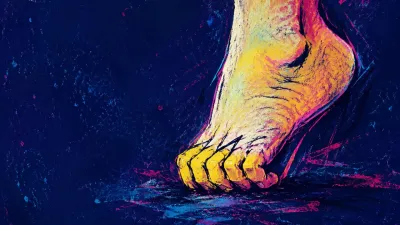
Knowing, Yet Not Producing?

Trace the gap between understanding and output, then explore related tarot cards and tarot card reading insights from sessions.

Knowledge-output Gap

What does this feel like?

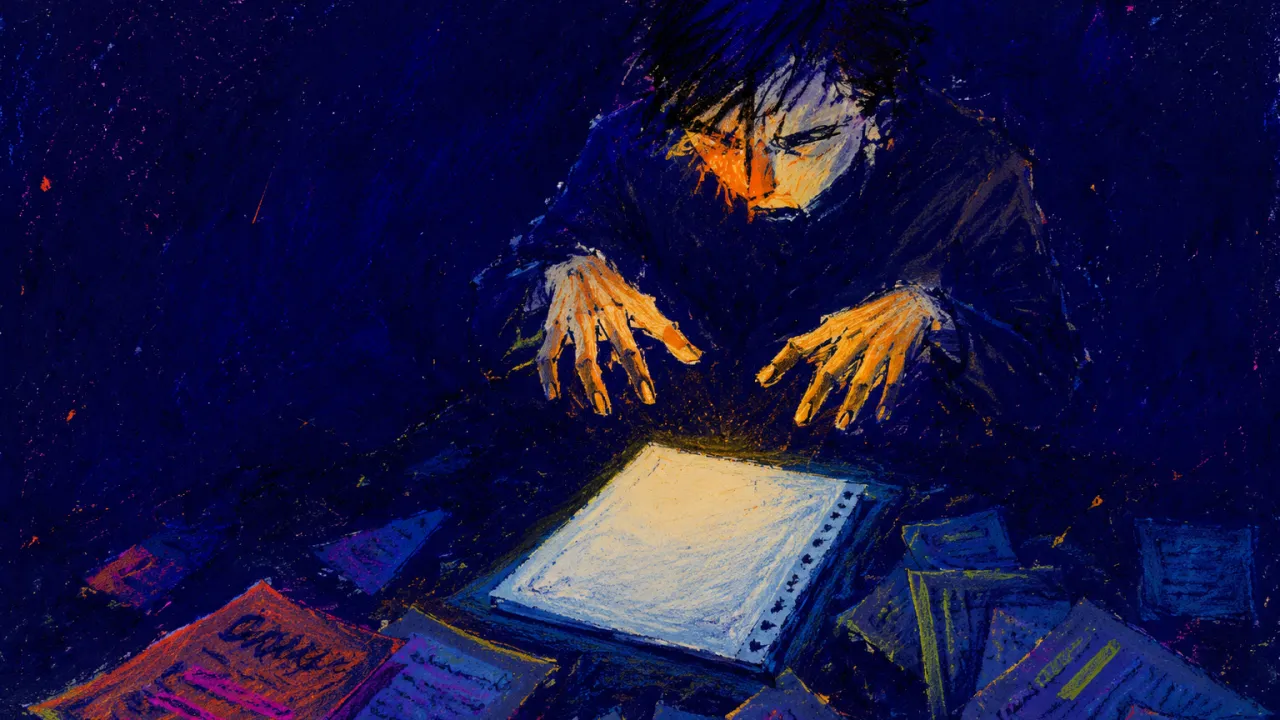
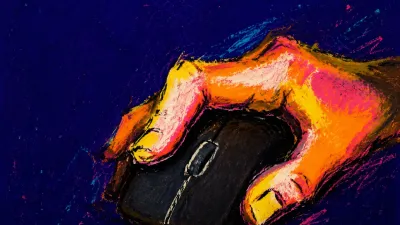
Knowledge-Output Gap is when you can understand the material in your head, maybe even explain it perfectly in the shower, but the second a blank document opens, your whole system goes quiet. You sit with twelve tabs open, a half-charged laptop, a notes app full of bullet points, and the cursor blinking like it is asking for proof you suddenly cannot provide. Your shoulders creep toward your ears; your fingers hover over the keyboard; your mouth goes dry because you know there is something there, but every sentence either sounds too obvious, too messy, or not yours enough to stand. You reread the same paragraph, highlight one more line, reorganize your outline, switch to a new font, move the deadline into your planner again, and for a few minutes it feels like movement because everything around the work is moving. Then the page is still empty, or the draft has three sentences that do not carry what you meant, and the private clarity that felt solid five minutes ago collapses as soon as it has to be seen. It happens outside school too: the podcast insight that never becomes a boundary, the saved workout plan that never becomes Tuesday morning, the sharp thing you wanted to say that turns into "never mind" because saying it would make it count. The cost is not just unfinished tasks; it is the slow doubt that starts growing around your own competence, as if knowing something only counts when it can leave your body cleanly, much like The Magician standing before a full table of tools, one hand raised and one hand lowered, while the transfer into matter still has not happened.

What's pulling at you?

You're caught between a mind that can gather, understand, and privately connect the material, and a world that only responds to what gets produced. More input feels safer because it keeps the knowledge close, but the task is asking for contact: a sentence, a choice, a draft, an answer, something outside you that can be used.

How It Shows Up?

  • You open the assignment or work doc after telling yourself you know what to say, and the blank page makes your thoughts scatter into tabs, quotes, screenshots, and half-lines. Your jaw tightens, your breathing gets shallow, and your wrists hover above the keyboard like touching the keys will make the whole thing count. The scene has the strange stillness of The Magician's full table before any tool is used: everything is present, but nothing has crossed into form yet. You can name that pause without turning it into a verdict about your ability.
  • At 1:38 AM, you are alone with your laptop open and a stack of saved videos, study guides, bookmarks, and notes that all feel useful until you ask them to become one next step. Your eyes sting, your neck feels hot at the base, and your chest holds a small pressure that gets worse every time the cursor blinks. The pile starts to feel like the Ten of Wands before the town is reached: carried material, not delivered material. It is allowed to be unfinished tonight without becoming the whole measure of you.
  • A friend or partner asks, "So what are you going to do with that?" after you explain the insight you had, and you hear yourself keep explaining instead of answering. Your throat tightens, your stomach drops, and your hands start smoothing your sleeve or phone edge because a sentence would turn private clarity into something accountable. It feels like The High Priestess's half-hidden scroll: held close, partly visible, not yet spoken into the room. You can let the conversation have a soft edge instead of forcing a final answer on demand.
  • In class, a meeting, or a group chat, someone asks a question you know how to answer until everyone is looking for a response. Heat rises behind your face, your fingers go cold, and the words line up in your head but refuse to exit your mouth before the moment moves on. For a second you are inside The Hanged Man's pause: lit up, aware, and unable to reach the rope with your hands. You can step out of that moment without deciding it means you had nothing to offer.
  • On Sunday evening, you build the clean plan: calendar blocks, meal ideas, saved routines, a reading list, maybe a habit tracker with colors that look convincing. By Monday afternoon your shoulders are tight, your lower back feels locked, and the plan is still sitting above your life like a map that never touched the street. The Knight of Pentacles holding the coin over the field has that same suspended feeling: resource in hand, ground waiting, transfer delayed. You can treat the first missed step as data, not as a moral sentence.

Knowledge-output Gap in Tarot Cards

Knowledge-Output Gap lives in the moment when private clarity has to become a paragraph, answer, decision, or visible piece of work. You feel it in the shallow breath, tight throat, and wrists hovering over the keyboard before the first usable line appears. From an existential angle, the structural framework is the distance between what you can hold inside and what the world can receive from you. The Tarot Cards below make that shape visible.

The Magician Upright
The raised wand, lowered hand, and full table create a vertical current that never visibly enters the tools. The image holds the exact friction of having the ingredients for work while the final transfer into matter remains suspended. For academic work, that suspension becomes the distance between understanding a lecture, collecting sources, and producing a paragraph, proof, or remembered answer under pressure. You are not looking at simple laziness; the card locates the block at the conversion point where knowledge must become output and the system cannot yet carry it through.
Reversed
The full table stays arranged like an inventory while the acting hand continues to signal above and below instead of touching the tools. The surface looks activated, but the visible pathway from resource to output is blocked by display, distance, and repetition. In personal growth, that structure captures the exhausted loop of learning, saving, journaling, and refining without producing a changed behavior or finished work. You are not short on input; the card locates the break at the transfer point where knowledge should become contact, friction, and evidence.
The High Priestess Upright
The scroll rests across the High Priestess's lap with only part of its lettering exposed, while one hand and part of the document disappear into the robe. Knowledge is physically present, but its transfer channel is narrowed by fabric, stillness, and the veil behind her. You meet this structure when personal growth becomes articulate but not embodied. You can name the lesson, collect the framework, and feel the symbolic charge of insight, yet the card shows why the next step stays blocked: the truth is being held at the threshold instead of being allowed to move through behavior, rhythm, and choice.
Reversed
The TORA scroll is held across the High Priestess's lap, but it is neither fully displayed nor spoken into the open space. Knowledge is physically present in the image, yet the cloak, hands, and veil interrupt its passage into language. In introspection, this points to the painful gap between insight and usable clarity. You may know something in flashes, dreams, journal fragments, or body signals, but the card names the friction that keeps inner knowledge from becoming a sentence, a decision, or a clean release.
The Empress Upright
The Empress holds the scepter lightly while the wheat and waterfall do the visible producing around her. Her hand signals sovereignty, but it never touches the grain, the water, or a working surface where raw material becomes finished output. In study, that separation becomes the gap between absorbing material and turning it into an essay, answer, grade, or defensible idea. You may be surrounded by proof that growth is possible, yet the card locates the friction at the transfer point where fertile input has to become accountable academic work.
The Emperor Upright
One hand holds the ankh and the other holds the orb, but neither object is being used to build, write, test, or move. The Emperor possesses symbols of command while the body remains fixed, and the narrow river behind the throne is visible only where the stone structure allows it to appear. In study, that becomes the strange distance between knowing the material and producing the work. You can hold concepts, collect sources, and understand the lecture, yet the flow into essays, exam answers, or drafts gets blocked at the point where knowledge must become visible output. Knowledge-Output Gap is the struggle of possession without transmission. The card gives the gap a precise image: knowledge held like authority in the hand, while the channel that would let it move into academic form remains partially obstructed.
The Hierophant Upright
The teaching scene is full of symbols of access, but none of them are being used. The hand blesses, the staff declares, the robes encode doctrine, and the keys rest crossed at the foot of the throne while the acolytes remain in a receiving posture. That stillness gives Knowledge-Output Gap its visual body. In personal growth, You may have gathered language, insight, and frameworks, yet the passage from understanding into changed behavior stays locked because knowledge is being displayed and absorbed rather than turned into movement.
The Lovers Upright
The man looks toward the woman, the woman looks upward toward the angel, and the angel hovers beyond the clouds, so the card builds a chain of attention that never becomes direct contact. Knowledge is present in the fruiting tree and guidance is present above, but the living circuit between perception and expression remains visibly unclosed. In academic life, that structure names the gap between understanding material and being able to turn it into a paper, exam answer, presentation, or thesis argument. You may not be empty of knowledge; the card shows a system where insight, approval, and embodied output sit in separate channels. The central mountain and the untouched space between the figures give this gap a boundary. It is not just procrastination or a weak study habit; it is the friction of trying to make knowledge cross from private recognition into visible academic form.
Reversed
The Tree of Knowledge stands heavy with fruit and wrapped by the serpent, while the couple remains in the pre-action space of the garden. Signal, insight, and interpretation are present before any visible step has been taken toward the mountain. You may keep collecting self-improvement language, frameworks, courses, and realizations, yet still feel no converted force in your actual life. The card locates the gap where knowledge becomes another branch of the tree instead of a path under your feet.
The Chariot Upright
The Charioteer holds a wand as a sign of command, yet no physical reins connect his hand to the sphinxes that must move the vehicle. The image separates knowing where power should go from having a visible channel that converts command into motion. That separation fits the academic experience of understanding the material but not being able to turn it into output. You can read the paper, follow the lecture, or explain the concept in your head, while the essay page, exam answer, or research proposal remains stubbornly underbuilt. The Chariot ties this struggle to the missing transmission between inner command and outer production. The problem is not that knowledge is absent; it is that the steering system between knowledge and academic performance has become structurally unreliable.
Reversed
The starry canopy hangs over the charioteer like a sky of guidance, while the wheels and road contact are easy to miss. The vehicle contains emblems, armor, and command signals, but the image withholds the simple mechanical link that would turn knowing into motion. Knowledge-Output Gap forms when insight keeps accumulating in the upper structure of growth while the output channel stays untested. You may be fluent in frameworks, self-analysis, and future-self language, but the card shows the exact blockage where meaning gathers above the vehicle and never reaches the wheels.
Strength Upright
The woman's fingers rest at the lion's mouth, where the animal's force would normally become bite, sound, and outward impact. Her touch does not remove the force; it concentrates the whole scene at the threshold between held energy and expression. In academic work, that threshold becomes the place where reading, thinking, and private understanding have to turn into essays, exam answers, seminar speech, or submitted work. You can know the material and still feel the production channel tighten, leaving effort stored as notes, outlines, and almost-finished drafts instead of visible academic form.
The Hermit Upright
The Hermit holds a lantern high enough to reveal a focused field of light, yet his head remains bowed and his body stays still on the cold summit. The image concentrates guidance inside a single hand while the path beyond the light remains largely untouched by motion. That physical arrangement gives form to a growth pattern where insight is real, refined, and hard-won, but it does not automatically become practice. You may be able to name the lesson, map the belief, or understand the pattern, while the next ordinary step still fails to materialize. The staff keeps the figure stable, and the lantern keeps the inner field illuminated, but neither one creates forward movement by itself. The struggle is not a lack of wisdom; it is the gap between seeing clearly from the summit and bringing that clarity down into habits, choices, and visible output.
Wheel of Fortune Upright
The four winged creatures hold open books at the edges of the card while the central wheel keeps turning beyond their hands. Knowledge surrounds the mechanism, but reading does not physically touch the axle that changes position. In a personal growth context, this maps the painful gap between consuming insight and becoming different in real time. You are not lacking information; the card locates the blockage where symbolic understanding remains at the perimeter while embodied action never reaches the moving center.
Justice Upright
The scale is clearer than the sword, and the purple veil behind the figure keeps the hidden machinery of the hall out of sight. The scene foregrounds assessment, measure, and discernment while the cutting edge recedes into the same gray language as the pillars. In self-development, this becomes the loop of gathering frameworks, naming patterns, and refining insight while the output channel stays closed. You keep upgrading the inner courtroom, but the verdict never leaves the room as a changed behavior, creative risk, or visible commitment. Knowledge-Output Gap is not a lack of intelligence or sincerity. It is the structural gap between the part of you that can weigh truth and the part of you that must make truth physical.
The Hanged Man Upright
A bright halo surrounds the inverted head while the hands stay hidden behind the back. The card concentrates light, awareness, and perspective at the head, but removes the ordinary channels that would let the body grasp, build, practice, or begin. That is the exact friction of personal growth knowledge that does not become output. You can recognize the lesson, name the pattern, and see the larger frame, while the practical bridge into habit remains physically missing. The Hanged Man does not reduce this to laziness. It shows a structural gap between illumination and execution: the mind receives the signal, but the body has not been given a usable point of contact.
Death Upright
The rider raises a black flag instead of a visible weapon, so the force of the card travels through signal, threshold, and recognition rather than direct contact. Around the horse, some figures pray, some look away, and one watches, but the movement continues past every incomplete response. Academic work often breaks at exactly that conversion point: knowledge is present, but it does not become a paragraph, proof, answer, or submitted draft when the evaluative moment arrives. You may have read the material and still feel the passage into output close like a gate. Knowledge-Output Gap names that broken crossing. Death's imagery makes the gap visible as a transition problem, where stored understanding has not been transformed into a form the academic system can receive.
Temperance Upright
The cups move liquid between each other while the road to the mountains remains behind the angel, visible but not entered. The hands perform a precise internal transfer, yet the body is still planted at the edge of the pool rather than walking the path. In study, this marks the gap between comprehension and production. You may be carrying real understanding, but the card shows where it remains suspended inside the learning system instead of crossing into an essay, answer, presentation, or submitted piece of work.
Reversed
The angel's hands perform a precise act of combination, but the road behind the figure remains untouched. The cups prove that something is being understood and refined, while the feet remain committed to the place of practice. Knowledge-Output Gap lives in that separation between elegant inner synthesis and usable outer movement. The symbol on the robe can look integrated, the stream can look controlled, and the whole system can still fail to become a changed rhythm in daily life. In personal growth, this card names the ache of knowing exactly what your pattern is while watching your behavior stay almost the same. The missing piece is not more insight; it is the channel that lets insight cross into repetition, embodiment, and visible choice.
The Devil Upright
The figures in The Devil still have free hands, but the restraint sits at the neck, where breath, speech, and directed expression pass through. Capacity is visible in the body, while transmission is controlled by the chain. That physical contradiction maps closely to the academic experience of knowing material internally but failing to produce it externally. You may understand the reading, follow the lecture, or hold the argument in your head, yet the moment it must become an essay, answer, or presentation, the output channel tightens. Knowledge-Output Gap names the space between comprehension and display. The downward torch and closed foreground show why more information does not automatically become usable performance: the problem is not empty hands, but a blocked path from understanding into expression.
Reversed
The inverted pentagram sits on the Devil's forehead while the torch points down into the closed space below. Knowledge, symbol, and fire are present, but their direction is vertical and sealed, feeding the chamber rather than opening a path through it. For personal growth, Knowledge-Output Gap names the friction between insight and embodiment. You can keep collecting frameworks, language, and self-awareness, but the card's geometry shows information becoming heat inside the same room unless it crosses into an action pattern that changes the body in space.
The Tower Upright
The lightning brings a clean line of force, but the stone tower has no channel for turning that force into usable motion. The windows release fire rather than passage, so the impact becomes heat inside a structure that cannot metabolize it. For personal growth, that is the shape of insight without embodiment. You can receive sharp clarity, frameworks, and awakenings, yet the card shows why they fail to become habits when the system has no grounded output path.
The Star Upright
The woman kneels at the water's edge with one hand pouring into the pool and the other onto land. The same source becomes two different outcomes: one stream disappears into depth and ripples, while the other breaks into visible channels across the ground. For study, that split gives shape to the painful gap between understanding material and producing academic work. You may have read, revised, and absorbed enough, but the card's structure shows that knowledge has to cross into a different medium before it can become an essay, exam answer, or thesis argument.
Reversed
The water leaves the vessels, but the image does not show a finished artifact, a harvested result, or a completed crossing. In the reversed Star, flow can become a closed loop of insight that never hardens into output. In personal growth, this is the familiar ache of understanding yourself better while your actual behavior, environment, creative work, or decisions remain unchanged. You may keep collecting lessons, naming patterns, and feeling breakthroughs, yet nothing visible is delivered from the inner process into life. The card identifies the gap between knowing and producing. The struggle is not ignorance; it is the missing conversion point where inner clarity becomes an external form you can test, repeat, and stand behind.
The Moon Upright
The crayfish carries the deep water with it, but the path ahead requires a different body mechanics than the pool. Its emergence is precise and awkward at once: it has reached the start of the route, yet the form that worked underwater does not naturally convert into movement across land. That is the visual logic of the Knowledge-Output Gap. You can have material inside you, notes around you, and a real route in front of you, while the conversion from absorbed knowledge to written work remains mechanically strained. In study, this is the gap between reading and drafting, understanding and solving, highlighting and producing. The Moon does not frame the issue as emptiness; it shows a transfer problem between two environments, where knowledge gathered in one medium has to survive exposure in another.
Reversed
The falling droplets keep descending from the Moon, yet the path below remains dim, narrow, and difficult to occupy. The animals keep sending sound upward, while the road that would translate signal into movement stays largely unused. In personal growth, this is the shape of Knowledge-Output Gap. Inputs keep arriving as books, notes, podcasts, journaling prompts, frameworks, and insights, but the body of the life does not move far enough down the path to make them real. The reversed Moon structure turns learning into a saturated atmosphere rather than a navigable route. You are not empty of insight; the struggle is that insight is pooling in the system without becoming traction, habit, decision, or embodied change.
The Sun Reversed
The card shows a powerful field of illumination and a clear signal of vitality, but the child's raised hand is not connected to the horse through any visible tool of guidance. In the reversed texture, the image can hold insight, enthusiasm, and transition without showing the mechanism that turns them into output. Knowledge-Output Gap appears in personal growth when you can explain the pattern, name the belief, save the framework, and feel the breakthrough, yet the result does not cross into lived behavior. The light is real, but the bridge from knowing to producing remains structurally weak. The Sun makes this gap precise because it is not a dark or confused card. It shows that being lit up by insight is not the same as being organized enough to land it, repeat it, and let it alter the visible shape of your life.
Judgement Upright
The coffins are open and the bodies are upright, but no one has stepped onto a path. The trumpet has clearly activated the scene, yet the visual motion remains suspended at the first inch of rising, with the figures still held inside the shape of what they have outgrown. For academic work, this is the exact friction between knowing and producing. You may understand the reading, see the argument, or feel the thesis forming, but the structure stalls at the crossing point where insight has to become paragraphs, answers, code, notes, or submitted work.
The World Upright
The central figure holds two wand-like tools of manifestation, but the tools never touch a page, desk, instrument, or material surface. They are integrated into a dance inside the wreath, which makes mastery visible while keeping practical production indirect. That visual structure mirrors the academic friction of knowing more than you can currently produce. You may have absorbed the reading, understood the theory, or seen the shape of the argument, but the knowledge stays suspended inside an internal performance space instead of becoming a draft, answer, citation chain, or submitted piece of work. The World carries completion, but here completion is not the same as output. The card locates your struggle in the gap between integrated understanding and embodied delivery, where the mind feels finished before the academic system has anything it can grade, review, or respond to.
Ace of Cups Upright
The chalice does not simply hold water; it receives a concentrated offering from the dove and immediately sends five streams outward into the pool below. The vessel is full of movement, but its structure is built for transmission more than storage, so insight passes through before it becomes something stable. That is the academic shape of Knowledge-Output Gap. You may absorb a lecture, feel a thesis idea forming, or recognize the emotional truth of a subject, yet the moment it has to become a paragraph, proof, revision plan, or exam answer, the flow disperses into too many channels. The hand holding the cup gives the struggle its pressure. Something real is being offered and something real is moving, but the container has to convert overflow into usable form. This card names the point where learning is alive inside you, while academic output still has not found a stable vessel.
Two of Cups Upright
The two cups are present, lifted, and aligned, yet the card freezes before anything is poured. The caduceus rises between the vessels as a communication channel, making the scene feel ready for transfer while the actual contents remain contained. For study, this is the precise shape of knowing material without being able to turn it into an essay, exam answer, or clean argument. You are not empty; the friction sits at the crossing point between stored understanding and visible academic output.
Three of Cups Reversed
The harvest is visible, the cups are raised, and the dance keeps the emotional current circulating inside the group. Reversed, the image can hold motion without conversion: the signs of insight and completion keep moving, but they do not drop into a changed pattern of action. Personal growth often stalls exactly there. The person has enough language, enough frameworks, enough moments of recognition, and enough proof that something is ready to mature, yet the energy remains inside the circle of processing rather than entering a concrete output channel. Knowledge-Output Gap names that blocked transfer. The card does not reduce the problem to laziness; it shows a system where cognitive and emotional abundance is present, but the harvest is not being carried into the daily structures that would make growth observable, durable, and usable.
Four of Cups Upright
The cups are present, arranged, and close, but the figure makes no movement that would turn their contents into action. The visual field contains material; the body does not create a transfer path. That is the academic shape of knowing enough but producing nothing. Notes, lectures, articles, and ideas may be gathered in front of you, yet the essay, exam answer, lab report, or thesis page remains untouched because intake and output are not connected. Knowledge-Output Gap locates the struggle in the conversion point. The card shows the difference between possessing material and being able to mobilize it, which is why the block feels deeper than needing one more reading.
Six of Cups Reversed
Every cup in the Six of Cups appears full, but the fullness is floral rather than functional. The vessels are rich with image, memory, and beauty, while their ordinary capacity to hold something usable has been displaced. That is the academic shape of knowing a lot without being able to produce from it. You can carry sources, ideas, highlights, and elegant concepts, yet the essay, problem set, or thesis section remains untouched because the system has mistaken symbolic fullness for usable academic transfer.
Seven of Cups Reversed
The figure receives an enormous amount of symbolic content, but the image offers no point where that content enters the hands, the ground, or a working process. The cups are full of meaning, yet the body remains outside their circuit. Knowledge-Output Gap appears here as a reversed internal loop. In personal growth, insight keeps arriving, frameworks keep stacking, and every new symbol seems like it might finally unlock movement, but the output channel stays structurally missing. The card witnesses the exhaustion of knowing more without becoming more embodied. You are not empty of knowledge; you are crowded with images that have not found a route into practice.
Eight of Cups Upright
The cups are containers, and there are many of them, but their arrangement still fails around a missing place. The staff supports movement across terrain, yet it cannot complete the structure the cups were meant to hold. In study, this is the friction between taking in knowledge and turning it into usable academic output. You can have notes, readings, lectures, and partial insights stacked in front of you, while the missing bridge to an essay, thesis argument, or exam answer remains stubbornly unbuilt. The card makes the gap visible instead of reducing it to laziness or poor discipline. It shows that the problem may sit at the conversion point, where accumulated knowledge has not yet found the form that lets it leave the container and become your own academic voice.
Nine of Cups Reversed
The cups are vessels, but in this scene they are not being lifted, poured, shared, or used; they are lined up behind the seated figure as a polished row. The hands, the tools that would turn resource into contact, are folded out of service. In personal growth, that structure becomes the stored insight that never crosses into behavior. Courses, notes, frameworks, and revelations can become a beautiful shelf behind you while the daily action system remains sealed. Knowledge-Output Gap is not a lack of intelligence or intention. The card locates the blockage at the transfer point, where accumulated value needs a usable channel before it can become lived change.
Page of Cups Upright
The Page holds the chalice at shoulder height and studies what is inside it, while the wider sea stays behind him rather than flowing through him. Knowledge is contained, watched, and protected, but the posture does not show release, delivery, or transfer. Academic output asks the inner content to become visible in a draft, exam answer, or finished assignment. The struggle takes shape when what you know remains inside the private cup of notes and understanding, unable to travel into the format where it can be seen.
Knight of Cups Reversed
The cup is full of symbolic value, but it remains contained in the rider's hand rather than poured, exchanged, or tested against the landscape. The horse supplies motion, yet the cup itself does not become a bridge across the stream. In academic life, this mirrors the gap between understanding material privately and producing work that can be seen, graded, discussed, or revised. You may have readings, concepts, and insights inside the container, but the system asks for output that exists beyond inner possession. The card makes the hidden friction visible: carrying knowledge is not the same as converting it. The struggle sits at the point where internal comprehension must leave the protected vessel and become sentences, solutions, presentations, or exam answers.
Queen of Cups Upright
The Queen sits at the water's edge holding the largest, most ornate cup in the suit, but the vessel is sealed and no liquid moves from it. Her whole posture gathers around the cup as if comprehension is being protected inside a beautiful container while the outside world receives nothing yet. In an academic setting, that image mirrors the moment when notes, lectures, and private insight feel real inside you but fail to cross into an essay, exam answer, or submitted draft. You are not looking at emptiness; you are looking at a blocked transfer channel between inner knowing and visible output. The struggle becomes sharper because the card's calm surface can make the blockage look like control. You may keep holding the material with care, but the academic system only reads what can leave the cup and take form on the page.
King of Cups Upright
The King of Cups is surrounded by motion: layered waves, a leaping dolphin, and a small boat moving through the water. Yet his own body stays centered and still, as if the inner sea is alive while visible action remains tightly contained. In academic life, this is the texture of knowing that something is happening inside your mind while the external proof refuses to appear. You may be reading, absorbing, connecting, and feeling the shape of the material, but the essay, revision plan, or exam response stays strangely motionless. Knowledge-Output Gap names the mismatch between internal movement and visible academic production. The card holds that gap without reducing it to procrastination, because the water is clearly active even when the body does not move.
Ace of Pentacles Reversed
The pentacle stays suspended instead of being planted in the garden. The hand can keep the object stable, the path can remain visible, and the arch can remain open, while nothing in the lower landscape is actually transformed by the resource above it. In academic pressure, that is the exact shape of knowing without output. You may recognize the material in your notes, understand it while reading, or feel it close in conversation, yet the knowledge does not cross into exam answers, essay paragraphs, or durable recall. The card locates the block in the stalled transfer between possession and manifestation.
Three of Pentacles Reversed
The tool touches the building, but the plan sits in someone else's hands. The scene contains knowledge, labor, structure, and a visible destination, yet those elements are not fused into one body of action. Knowledge-Output Gap appears here as a growth system where insight keeps arriving without becoming contact. You may understand the framework, save the notes, watch the course, or name the pattern, but the hand still has to meet the stone repeatedly enough for the structure to change. The card does not frame this as ignorance. It shows a translation failure between knowing and building, where the threshold stays crowded with preparation while the lived interior of change remains just out of reach.
Four of Pentacles Upright
The figure's hands, feet, and crown are all occupied by holding pentacles in place, leaving no free limb for reaching, trading, building, or moving toward the town behind him. The wealth is visible, counted, and secured, yet it is not entering any cycle of exchange. In study, the same structure appears when notes, PDFs, lectures, and highlighted chapters pile up as proof that work is happening while essays, problem sets, lab writeups, or exam practice stay untouched. You are not lacking material; the card locates the friction where material becomes safer to hold than to transform.
Reversed
The four pentacles touch the head, heart, hands, and feet, yet none of them circulate. The body is full of stored value, but every contact point is occupied by holding rather than using. In personal growth, this is where insight turns into inventory. You may have language, frameworks, and plans, but the card shows why they fail to become lived discipline: the system keeps knowledge close enough to possess, not loose enough to practice.
Seven of Pentacles Upright
The vine carries most of the pentacles, but only one has been brought down into the worker's reachable space. The hoe is in hand, close to the result, yet the scene is paused before full conversion. That physical split maps cleanly onto the Knowledge-Output Gap in academic life. You may have read, understood, highlighted, and rehearsed the material, but the work has not yet become an essay paragraph, exam answer, presentation argument, or research claim. The card gives this struggle a shape: knowledge is not absent, but it is still attached to the vine. The pressure comes from needing the harvest to become visible in a format the academic world can count.
Eight of Pentacles Upright
The craftsman bends over one pentacle with a hammer in one hand and a chisel in the other, turning a broad craft into a tiny point of contact. Five finished coins hang behind him, but the card keeps the eye on the unfinished surface under his tools, where knowledge has to become a visible mark. That is the exact academic pressure inside Knowledge-Output Gap. You may have read the material, understood the lecture, and collected enough notes, yet the evaluable thing still has to be shaped through a narrow act of translation: a paragraph, a proof, a citation, a lab result, an exam answer. The card does not frame this as laziness or lack of intelligence. It shows the friction between accumulated skill and externalized work, where mastery only becomes real once the internal pattern survives the pressure of being made visible.
Reversed
The hammer and chisel keep meeting the coin, but contact with the work surface is not the same as integration. Some pentacles are displayed, some are being worked, and others sit outside the finished row, so the scene separates knowledge, effort, and output into different physical zones. In your growth work, this structure becomes the Knowledge-Output Gap. You may have the insight, the language, the framework, or the journal entry, but the new understanding does not reliably become a different choice, rhythm, boundary, or lived result. The card gives that gap a precise shape. It is not a lack of intelligence or sincerity; it is a broken transfer channel between what has been learned and what can be produced in the actual operating field of your life.
Ten of Pentacles Upright
The ten pentacles are visible as a perfect external pattern, yet no figure touches them, uses them, or converts them into action inside the scene. The hands that are active hold a staff, gesture in conversation, or touch the dogs; the displayed resource and the embodied task remain separated. That separation is precise in academic work. Notes, readings, lectures, slides, saved articles, and feedback can accumulate into an impressive field of available material, while the essay, exam answer, or research paragraph still refuses to form. Knowledge-Output Gap is the struggle named by that distance between visible abundance and usable movement. The card does not show lack of resources; it shows resources suspended outside the channel where academic production has to happen.
Page of Pentacles Upright
The Page holds the pentacle exactly where action would normally turn outward, keeping it suspended between the eyes and the hands. His feet are ready for movement, but the body stays organized around inspection, as if the object must be fully known before it can be carried anywhere. In academic work, that same structure appears when knowledge remains vivid in the study space but refuses to become visible output. You may recognize the material, annotate it, and hold it close, while the essay, exam response, or problem solution stays just outside the body's next movement. The struggle is not a lack of intelligence or effort. The card locates the blockage at the conversion point, where absorbing information and producing something accountable no longer belong to the same motion.
Reversed
The Page's hands form a careful frame around the pentacle while his boots remain planted in the grass. Reversed, the inspection circuit hardens: attention keeps returning to the object of learning, while the field that would receive action stays untouched. For personal growth, the card locates the gap between insight and output in the eye-hand-coin loop itself. You can keep collecting language for change, but the structure shows where knowledge stops circulating through the body and never becomes a finished act.
Knight of Pentacles Upright
The pentacle stays in the Knight's hand instead of touching the field, so the seed of value remains separate from the ground that could receive it. His gaze travels beyond the coin, but the actual transfer from resource to terrain never happens. In study, that structure names the distance between absorbing material and producing an answer, draft, proof, or argument. You may have knowledge in your possession, but the card shows why possession and output are not the same operation.
Reversed
The pentacle remains lifted above the field, held as a studied object rather than placed into the soil. Around it, the open land offers a place where value could be tested, but the rider's stillness keeps knowledge, resource, and terrain from making contact. In personal growth, this image locates the gap between collecting insight and letting insight alter behavior. You may have language, frameworks, and intentions, yet the card shows the decisive break at the transfer point where inner material has to become lived output.
Queen of Pentacles Upright
The Queen sits motionless with the pentacle held in both hands, her gaze dropping into the disk while the living garden continues around her. The object is fully available to her, but it remains contained in a closed hand-eye circuit instead of becoming a tool, a page, or a visible path. In academic work, that structure gives shape to the gap between absorbing material and producing an argument, essay, exam answer, or draft. You are not empty; the card shows knowledge held too tightly at the inspection point, where understanding can feel real inside the body but cannot yet cross into output.
King of Pentacles Upright
The King holds the pentacle and scepter with all the signs of practical command, yet the card freezes him in a seated arrangement where tools are possessed more than used. The coin is visible, the authority is visible, but the body is not moving material into action. In study, this is the exact shape of having readings, notes, and frameworks but struggling to turn them into essays, answers, problem sets, or original arguments. You can be surrounded by proof that knowledge has been gathered while the output channel remains strangely inactive. The hidden armor makes the bind sharper because the capacity to act is present under the robe. The card locates the struggle at the point where academic competence is stored, displayed, and protected, but not yet converted into live production.
Ace of Swords Upright
The hand emerging from the cloud holds a clean, brilliant sword, but the card gives that hand no body, desk, page, or grounded surface where the insight can land. The blade is perfect as a line of thought, yet the scene suspends it in open air, separating mental sharpness from the slower material act of making something finished. In academic work, that separation becomes the Knowledge-Output Gap. You may understand the reading, see the thesis, or know what the essay should argue, while the transfer into writing, revision, or exam performance still jams at the point of contact. The crown at the sword's tip intensifies the pressure because the idea is not neutral; it is already carrying proof, mastery, and visible achievement. The struggle is not a lack of intelligence, but the structural distance between having a clear cut of thought and producing work that can survive being seen, marked, and judged.
Two of Swords Reversed
The woman’s arms stay lifted across her chest, but the posture produces no forward action. Its cost accumulates in the shoulders, wrists, and breath, while the sea behind her continues to move outside the body’s closed circuit. Knowledge-Output Gap is the academic version of that locked posture. You may understand the reading, have thoughts about the topic, or know what the exam requires, yet the knowledge cannot cross into paragraphs, answers, presentations, or submitted work. The card makes the gap visible as a blocked passage between inner material and outer expression. It shows the place where comprehension is real, but the structure that would translate comprehension into evidence has seized up.
Four of Swords Upright
The knight's hands hold a precise inner gesture, yet the body is laid out in a posture that cannot reach a page, a desk, or another person. One sword sits beneath the slab, parallel to the body, as if rational capacity is present but sealed into the support structure rather than available for use. That is the academic friction between knowing and producing. You may understand the reading, hold a strong argument internally, or know what the assignment requires, while the path into words, answers, drafts, or presentations remains blocked. Knowledge-Output Gap names the threshold where comprehension fails to become visible work. The card does not reduce the problem to effort; it shows a system where the tool of thought is close, aligned, and real, but not yet connected to outward movement.
Reversed
The stained-glass window holds color, meaning, and aspiration, but it sits apart from the grey body fixed on the tomb-like slab. The image of transcendence is present, yet it does not alter the physical arrangement of the knight below. In personal growth, this is the architecture of knowing more, consuming more, naming more, and still producing less of the life that knowledge was supposed to unlock. The inner world becomes rich with symbols while the output channel remains sealed. The card gives the gap a shape: color at the window, swords on the wall, body on the slab. Your struggle is not ignorance; it is the blocked conversion of internal meaning into external practice, visible habits, and lived evidence.
Six of Swords Upright
The six swords stand in careful order inside the boat, giving the passengers a visible structure to travel with. They also take up space and add weight to the vessel, so the same mental material that protects the journey also makes the crossing harder. In academic life, this mirrors the moment when notes, readings, frameworks, and concepts are all present but remain carried rather than transformed. You may have the material, yet the passage into essays, exam language, solved problems, or thesis pages requires a different kind of movement than collecting and protecting information. The ferryman's oar shows motion, but the passengers do not directly turn the swords into use. Knowledge-Output Gap is the shape of that friction: the mind has cargo, order, and direction, while the visible academic product still waits on the far side of the water.
Seven of Swords Upright
Five swords are carried away, but two remain planted in the ground. The scene turns acquisition into an incomplete transfer, where the figure has gathered much of the material but cannot carry the whole structure with him. That visual fracture maps directly onto academic work that collects more than it can output. You may have readings, notes, bookmarked papers, lecture slides, and half-formed ideas, but the moment the task demands an essay, proof, exam response, or thesis paragraph, the gathered material stops behaving like usable knowledge. The struggle lives in the gap between possession and conversion. The card shows that the issue is not simply needing more information; it is the pressure of carrying knowledge that has not yet become a form you can submit, explain, or remember under assessment.
Eight of Swords Upright
The red robe gives the figure a visible charge of life and movement, yet the white bindings hold her arms away from every usable object around her. The swords contain sharp, decisive capacity, but none of that capacity reaches her hands. That is the academic friction of knowing material while being unable to convert it into an essay paragraph, a problem set, or an exam answer under pressure. The knowledge is present as mental equipment, but the route from recognition to expression is blocked at the body-level interface where thought becomes output.
Nine of Swords Upright
The figure is upright, but her hands cover the very organs needed to look outward, speak, write, or reach for the work. Above her, the swords are perfectly ordered as mental lines, yet none of them becomes a usable tool in her hand. In study, this is the split between having material in the mind and being unable to move it onto the page. You may know more than your output shows, because the card's pressure field converts cognition into bracing before it can become an essay, problem set, or draft.
Page of Swords Upright
The sword is the Page's instrument of thought, yet it does not line up with the direction of his face or the unstable ground he must cross. The card shows mental sharpness in motion, but its force is not cleanly transferred into the path ahead. That mismatch is the academic shape of knowing more than you can produce. You may understand the reading, hold the theory, collect the sources, and still feel the essay or exam answer failing to form because the thinking system and the output system are not facing the same target. The Page of Swords makes the gap visible without reducing it to poor discipline. The struggle is a structural conversion problem: insight is present, but the channel that turns insight into submitted work is angled away from the task.
Queen of Swords Upright
The sword is precise, but it is held upright in air rather than brought down onto a workable surface. The extended hand suggests transmission, yet the seated body keeps the whole scene suspended before contact. That structure mirrors the academic gap between absorbing material and producing something that can leave your head. You may have notes, concepts, and a clean argument, but the work stalls at the conversion point where knowledge has to become paragraphs, proofs, or submitted evidence.
Ace of Wands Reversed
The sprouting wand is a conduit for making force tangible, but in the picture it has not touched the ground, the river, or the castle it points beyond. The hand holds potential with certainty while the route into a finished form remains visually absent. For study, that absence becomes the gap between knowing material and producing evidence of knowing. You may understand the lecture, gather sources, or see the argument in your head, yet the structure stalls at the point where knowledge has to become an essay, exam answer, or draft.
Two of Wands Upright
The globe is complete enough to fit in the figure's palm, but none of the wands touches the land, sea, or road below. Knowledge is contained as a model, while the tools of action stand beside it as vertical markers rather than channels of transfer. In study, that structure matches the moment when lectures, readings, or research make sense internally but fail to become a paragraph, solution, or exam answer. You are carrying the map, yet the card makes visible the missing bridge between held understanding and visible academic output.
Five of Wands Upright
The wands are solid, useful tools, but in this scene they are not forming a fence, a frame, a path, or a finished object. They remain suspended in collision, absorbing force without producing structure. That visual logic maps directly onto the Knowledge-Output Gap in academic work. You may have readings, notes, arguments, and fragments of understanding, yet the system that should convert them into an essay, exam answer, lab report, or revision plan keeps meeting resistance before it can take form. The open sky behind the figures holds the possibility of clarity, but the active ground is blocked by competing movements. The card witnesses the specific frustration of knowing there is material available while still feeling unable to turn that material into something finished, coherent, and submitted.
Eight of Wands Upright
The wands are active, aligned, and unmistakably moving, but they have not touched the ground. Their force is visible in the air, while the place where force would become consequence remains separate beneath them. That gap is the academic strain of absorbing material without being able to convert it into output. You may have readings, notes, lectures, and ideas moving through the system, yet the essay, exam answer, or problem set still refuses to take shape. The card does not frame this as laziness. It shows a clean split between movement and materialization, where learning energy travels fast but has not found the surface that can hold it as finished work.
Ten of Wands Upright
The rods are not being planted, sorted, or used; they are gathered into one dense object that occupies both hands. What could be tools of action become a screen, blocking the carrier's face and preventing any single wand from being directed with precision. That is the academic shape of knowing without producing. You may have read the papers, watched the lectures, highlighted the chapters, and still feel unable to turn the load into an essay, thesis page, exam answer, or coherent argument. The card's struggle is not ignorance. It is the conversion failure between carried material and usable output, where accumulated knowledge stays bundled instead of becoming something you can place, structure, and submit.

Knowledge-output Gap in Tarot Card Reading Insights

When Knowledge-Output Gap follows someone from saved notes, private insight, and half-written drafts into a reading, the focus often shifts from what is known to what can leave the head. Others have brought that same distance between insight and output into readings too. Tarot Reading Insights from related sessions.

Psychological struggles related to Knowledge-output Gap