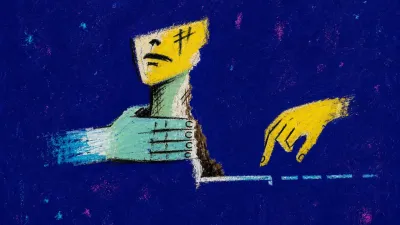
Hidden Curriculum Gap is the moment when the syllabus is visible, but the rulebook that decides access stays behind the curtain. If your shoulders tighten over the laptop or your stomach drops at feedback that names a standard no one defined, that body reaction is tracking a gap in the room, not a flaw in your work. This is an environmental, structural dynamic: the institution asks for fluency while distributing the code unevenly. The cards below reflect the shape of that threshold; here are the Tarot Cards that tend to mirror this kind of situation.
The High Priestess UprightThe partially hidden scroll rests in the Priestess's lap while the veil closes off the sanctuary behind her. Knowledge is present, but it is arranged as a threshold: visible enough to prove that a system exists, not visible enough to show every working part. That is the structure of a growth environment where the real rules are tacit. You can keep reading the public material and still miss the standard that decides whether your work, habits, or identity shift is actually being recognized.
ReversedThe scroll in the High Priestess's lap is visible, but not fully readable; the veil behind her shows patterned abundance while keeping the inner chamber out of reach. The card stages knowledge as something formally present yet socially filtered, held behind posture, fabric, and threshold rules. In an academic setting, that becomes the gap between being enrolled and being initiated into how the institution actually works. You may have the syllabus, the portal, and the official requirements, while the real logic of office hours, seminar confidence, grading taste, supervisor politics, and citation norms remains unspoken. This context is not about intelligence. It is about an external rule system that expects you to infer what more privileged or better-networked students may have been taught indirectly, and the card gives that invisible curriculum a visible architecture.
The Empress ReversedThe crown, throne, shield, and repeated symbols create a coded world where status and belonging are legible to those who know the signs. In school, that becomes the unwritten layer of office hours, recommendation culture, grading expectations, research etiquette, and insider language. You are not failing to see something obvious. The card shows a polished institutional garden whose rules are embedded in symbols, and the academic task is to make those hidden codes visible enough to navigate.
The Emperor ReversedThe crown, inherited throne, and ceremonial objects show authority as something built before the current person arrived. The Emperor does not explain the system from the ground up; he sits inside it as if its codes are already obvious. That is the academic environment where expectations travel through legacy, insider language, office-hour etiquette, citation norms, and unwritten timing rules. You may be working hard while still missing the informal map, and the card makes that gap visible as unequal access to the rules rather than a lack of intelligence or seriousness.
The Hierophant UprightThe repeated crosses, crown levels, paired flowers, checkerboard bands, and crossed keys make the scene look orderly, but the order is not self-explanatory. The followers are present inside the ritual before they fully control the code that defines it. For introspection, this points to spaces where the language of self-awareness feels already established by someone else. You can be doing the work and still feel one step behind because the rules are implied rather than spoken. The card links the gap to a real external structure: access is not missing because You lack depth; it is delayed because the map is held inside a coded system.
ReversedThe crossed keys are visible, but they rest at the Hierophant's feet rather than in the learners' hands. The temple displays access while keeping control of the code: the ritual is public, but the way through it is not fully explained. For study, this captures the hidden curriculum of academic life: how to speak to faculty, interpret a rubric, choose sources, use office hours, read feedback, or understand what a department silently rewards. You are facing rules that operate in the room even when nobody has written them on the syllabus.
The Hermit ReversedThe reversed Hermit's lantern contains real order, but that order is enclosed in a small frame while the wider landscape stays dark. The light exists; the problem is that it does not automatically become an accessible map for everyone standing outside it. In academic life, this is the gap between official instructions and the rules that actually determine success. Office-hour etiquette, citation expectations, research culture, grading preferences, scholarship language, and departmental norms may be legible to insiders while remaining invisible to students without the right informal access. The card makes the hidden curriculum concrete. You are not imagining the missing information; the route is partially lit from a distance, and the work is to identify which unwritten rules are shaping the evaluation before they silently shape the outcome.
Wheel of Fortune ReversedThe card is crowded with books and code, but the central mechanism is not explained by any single book. The visible material and the operating logic are close together, yet they are not the same thing. That is the academic texture of a hidden curriculum gap. You may be doing the assigned reading and meeting the visible requirements while still missing the unwritten rules about how to frame arguments, approach faculty, read rubrics, choose timing, or signal competence inside the institution.
Justice ReversedThe crown, veil, and balanced scales present a system that looks orderly from the front while keeping part of its knowledge behind the curtain. Justice appears legible, but the full map of how the hall operates is not handed to the person standing outside it. In school, that becomes the unspoken layer of academic life: how to use office hours, how to read a professor's expectations, how references are built, how seminar participation is valued, or which informal norms shape formal outcomes. Some students arrive with access to that code; others only meet it when their work is already being evaluated. The card gives this invisible disadvantage a clean external shape. What looked like not knowing how to be a good student becomes a gap in transmitted institutional knowledge, and that distinction matters because missing information can be mapped, named, and asked for.
The Moon ReversedThe path in The Moon is present, but it does not come with signs, markers, or daylight. The creature at the shore has reached the beginning of the route, yet the rules of the terrain have to be inferred from reflected light, animal signals, and the guarded architecture ahead. In career terms, this is the gap between doing the work and understanding the unwritten system around the work. You may know the technical task, but not the stakeholder code, meeting etiquette, political timing, feedback language, or invisible standard that turns competence into trust. The Moon gives this context its precision because the environment is not empty; it is coded. The work is to identify which parts of the career landscape were never formally taught, so you can stop mistaking an unwritten rulebook for a personal deficiency.
Eight of Cups ReversedThe moon covers the sun while the figure moves away from the cups, leaving the rule-field dim and partial. The path exists, but it is not evenly lit, and the cup structure contains a visible absence that changes the meaning of everything already built. In school, this becomes the hidden layer of academic expectations: what counts as a strong argument, how office hours actually work, which informal standards matter, or what a professor assumes everyone already knows. You may be doing visible work while missing the unspoken rule that lets the work transfer into progress. The card's pressure comes from that non-transfer. The cups stay behind because effort alone does not automatically cross into recognition when the operating rules are obscured. Naming the gap restores agency by separating your capacity to learn from the institution's failure to make the pathway fully legible.
Page of Cups ReversedA fish appears from a cup, and the Page has to respond to a rule that was never printed on the object. The scene is visually simple, but its logic is not: the container says one thing, the contents do another, and the surrounding space offers almost no explanatory signage. That is the academic pressure of unwritten rules. A prompt may look straightforward while the real expectations sit elsewhere: how to frame an argument, when to cite, what kind of originality is acceptable, how to read feedback, or how to approach a professor without sounding lost. The reversed Page links this context to the moment when the student is not short on effort but short on decoded rules. You are standing on the platform with the object in hand, yet the system has not made its operating logic fully visible.
Ace of Pentacles ReversedThe low fence, flower arch, and distant manor create a beautiful boundary system: the route exists, but the inside cannot be fully inspected from where the viewer stands. The scene shows entry as a social mechanism, with visible gates and invisible know-how. In academic life, this becomes the gap between being enrolled and knowing how the place actually works. Rubric language, supervisor expectations, seminar norms, citation habits, and office-hour etiquette may not be written clearly, so the real barrier is not intelligence but access to the rules that organize the garden.
Three of Pentacles ReversedThe Gothic arch is full of precise geometry, symbolic patterns, and embedded pentacles, but the visual code is easier to observe than to decode. The figures stand at the threshold of the structure, close to the institution but not fully inside its inner logic. In academic life, this maps to unwritten rules about office hours, citation style, professor expectations, networking, research culture, and what counts as a serious contribution. You may be doing the visible work while missing the informal operating system that more initiated students already know how to use. The card's architecture turns that gap into a real external stage. The issue is not intelligence; it is access to the coded blueprint of how academic credibility is recognized and circulated.
Five of Pentacles ReversedThe pentacles are perfectly ordered in the stained glass, but the architecture around them is obscured by night. The visible system has structure; the access logic around it is not equally visible. That is the academic texture of the hidden curriculum: knowing when to ask, how to phrase a request, which feedback matters, how to read a syllabus, or what faculty expect without saying it. The card gives shape to the invisible layer of rules that can make capable students feel shut out of a game everyone else seems to understand.
Six of Pentacles ReversedThe buildings in the distance are not centered in the scene; they appear through a small opening behind someone already positioned as dependent. The institution is there, but the route into its real operating logic is indirect. You may know the syllabus and still miss the rules that govern opportunity: when to ask, how to phrase a request, who hears about research roles, what counts as initiative, and which feedback actually matters. The card frames the gap as a social map problem, not a lack of academic seriousness.
Nine of Pentacles ReversedThe estate, the luxury robe, and the trained falcon all signal a world where success depends on codes that are learned before they are explained. The garden looks natural only because its rules have already been mastered. In school, that becomes the unwritten knowledge around office hours, recommendation letters, grading culture, research etiquette, and how to ask for help without losing status. The card reveals the gap between formal instructions and the private rules that shape who appears prepared.
Ten of Pentacles ReversedThe checkerboard, balance crest, pillar marks, and ordered pentacles turn the scene into a coded surface. Everything appears orderly, but the order is not self-explanatory; it belongs to people who already know how to read the symbols. That is the academic texture of the hidden curriculum. The syllabus may list assignments, but the real rules often live in tone, timing, office-hour etiquette, citation habits, feedback interpretation, and the difference between meeting requirements and signaling mastery. You are not facing a blank path; you are facing a path with unposted rules. The card helps separate intellectual ability from rule visibility, which is the first step in reclaiming practical agency inside the learning system.
Page of Pentacles ReversedThe Page can see the mountains, but the card does not show a paved road leading there. The pentacle is visible and tangible, yet the route from this proof of value to the larger structure remains implied rather than explained. In career terms, this is the hidden curriculum gap. The official markers may be clear enough, such as the degree, the title, the project, or the performance metric, while the real advancement rules sit elsewhere: sponsorship, timing, informal networks, taste codes, and unspoken expectations. The card exposes the difference between having the object and knowing how the field reads it. That distinction can help you locate the missing map without turning the gap into a personal failure.
King of Pentacles ReversedThe castle wall, cultivated manor, and owned land show a world with rules, boundaries, and access points already in place before anyone arrives. In study, that becomes the part of academia that is rarely written down: how office hours work, how professors choose favorites, how research opportunities circulate, and how strong students learn the language of evaluation. You are facing a system that may look orderly from the outside while hiding its real operating instructions. The card turns that invisible advantage into a visible structure, making it easier to name what has been missing from your academic map.
Seven of Swords UprightThe camp in the background is organized, but the figure's route does not run through its official center. He moves at dusk, between open visibility and darkness, carrying tools that seem to matter more in practice than any posted path. In academic life, that image captures the hidden curriculum: the unofficial knowledge about how to read a rubric, approach a professor, choose sources, join a lab, survive office hours, or understand what a department actually rewards. The rules may exist, but the working map is often passed quietly through proximity, confidence, and insider access. This card makes the gap visible without turning it into personal failure. You may be working hard inside the formal syllabus while the real leverage sits in unspoken norms that were never evenly distributed.
Page of Swords ReversedBirds cross the high sky while the Page watches the rough ground, and the important signals are spread across the whole scene rather than handed to him directly. The visible path is not the full system; part of the navigation is happening through distance, timing, and coded movement. That is the academic hidden curriculum: the unwritten rules about office hours, recommendation letters, citation etiquette, grading culture, research networking, and how to ask without sounding unprepared. The official course may be open, while the real operating manual circulates through informal access. The card gives this gap a physical shape. You are not behind because the path is impossible; you are dealing with a landscape where the map was never distributed evenly.
Queen of Swords ReversedThe throne is covered with carved angels, butterflies, clouds, and formal symbols, while the Queen's blade makes the surface rule visible. Much of the meaning is embedded in the furniture of authority rather than spoken directly. For You, this maps to university or program norms that insiders seem to understand without explanation: how to ask for help, what counts as a strong argument, when to network, or how to read a professor's silence. The card reveals a learning environment where the real rulebook is partly decorative, coded, and inherited through access.
King of Swords ReversedThe throne carries symbols of rank and transformation, but the card does not explain their code. The King knows how to sit, judge and hold the sword; the viewer is left outside the operating manual of that authority. That visual gap mirrors the hidden curriculum in academic life. Success can depend on unwritten rules: how to ask for feedback, how to frame an argument, how to read a department's preferences, how to access opportunities before they are publicly obvious. The card clarifies why effort alone may not unlock the next level. You may be working inside the visible syllabus while the real route is shaped by unspoken norms, institutional cues and forms of academic fluency that were never evenly distributed.
Five of Wands ReversedNo referee, rubric, or shared sequence appears in the scene; five people act at once on uneven ground. The rules of the contest have to be inferred from motion, status, and position rather than stated clearly. That is how the hidden curriculum shows up in school: classmates seem to know when to speak, how to challenge, which resources to ask for, and what standards actually matter, while the official instructions only describe part of the game. You are encountering an academic arena where tacit knowledge carries real weight. Hidden Curriculum Gap fits because the card makes the invisible rule problem visible. The conflict is not only between people; it is between stated expectations and the unspoken social code that decides who can move confidently.
Six of Wands ReversedThe parade is not only a celebration; it is a formal ceremony where status is announced, rank is recognized, and the route is already scripted. The rider advances because he has entered a code-governed space where symbols, timing, audience, and authority all decide what counts as legitimate recognition. In academic life, that becomes the hidden curriculum around office hours, recommendation letters, supervisor approval, honors tracks, research etiquette, and the unspoken rules of looking promising. You may be doing the visible work, but the card exposes another layer of the institution: progress often depends on reading the ceremony around the work, not only producing the work itself.
Page of Wands ReversedThe pyramids sit far behind the young Page, monumental and established, while no road across the desert explains how to reach them. In academic settings, that distance mirrors the gap between official course instructions and the unwritten rules that decide who knows how to move. The card points to a system where citation habits, advisor etiquette, office-hour norms, and departmental expectations can matter as much as the syllabus. You are not just learning content; you are decoding a social map that some students were handed earlier and others have to reconstruct under pressure.
King of Wands ReversedThe lion and lizard emblems repeat across the throne like a private code, while the desert offers no marked road through the field. The scene is full of signals, but it does not explain how to read them. That is the hidden curriculum in academic life: expectations, etiquette, office-hour strategy, research norms, grading logic, and status cues can govern progress without being formally taught. You may be working hard inside a system whose map was distributed unevenly, and the card makes that invisible rule layer visible.
No cards available for this filter.