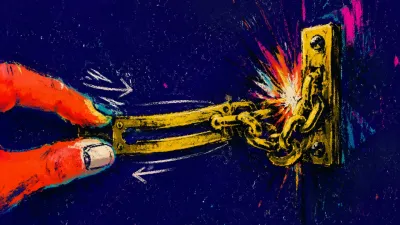
Ready, But No Ground?

A grounded look at threshold confusion, related tarot cards, and reading insights from people navigating unstable next steps.

Threshold Disorientation

What does this feel like?

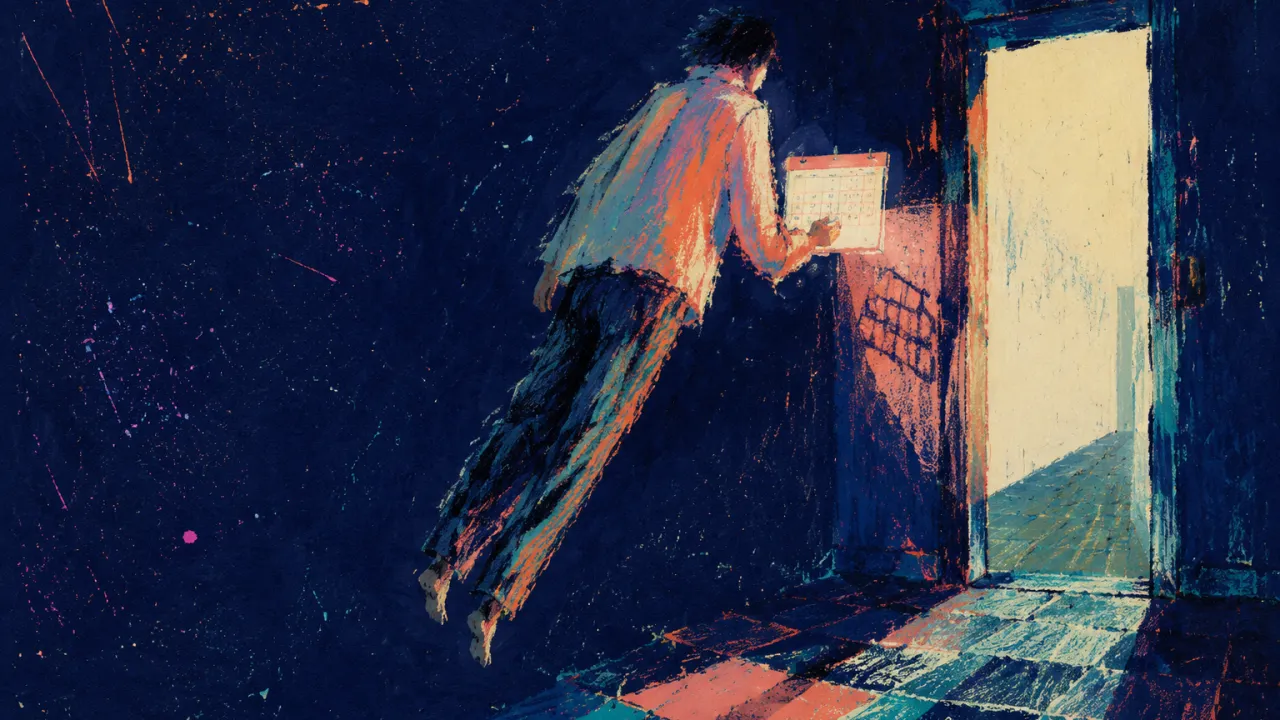
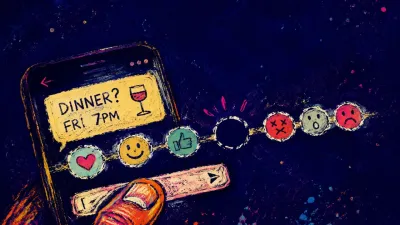
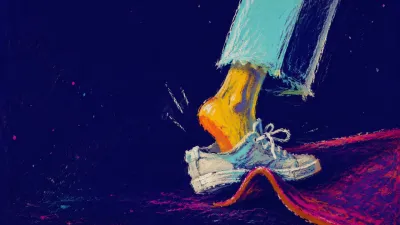
Threshold Disorientation - you find yourself on a Sunday night with three tabs open, a half-made plan in Notes, and the strange sense that your life is asking you to move before it has given you a place to land. You know the old rhythm is finished: the routine that used to keep you upright feels too small, the relationship label does not hold, the job title sounds like a costume, the city or school or friend group that once gave you coordinates now feels slightly out of frame. But the new thing is not solid yet. Your thumb hovers over the message, the application, the calendar invite; your chest tightens as if one click will change the shape of the room. You keep asking yourself whether this is intuition, avoidance, timing, fear, growth, or just overthinking, and each answer feels possible for about ten seconds before it slips away. The day becomes a series of tiny ledges: choosing what to eat, replying to a text, opening the laptop, deciding whether to stay, leave, ask, wait, commit, pause. Other people may see opportunity, but inside your body it feels more like the floor plan has been erased while you are still expected to walk through the house. The cost is not just confusion; it is the slow exhaustion of living between versions of yourself, where every ordinary next step asks for proof that the future can hold your weight, much like The Fool with one foot lifted at the cliff edge, face turned toward the bright sky while the ground beneath the next step has already run out.

What's pulling at you?

You are not stuck because nothing is available; you are stuck because the old map has stopped feeling usable while the next one still has no floor under it. One part of you is ready to begin, and another part is trying to keep you from stepping into a life that has not become trustworthy in your body yet.

How It Shows Up?

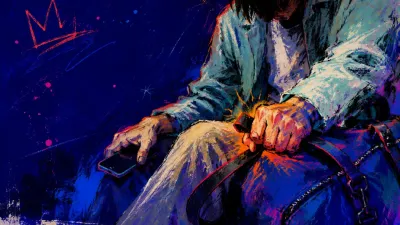
  • At 11:48 PM, you reopen the same Notes app page titled "new routine" and stare at three bullet points that looked obvious in daylight. Your shoulders creep upward, your breathing gets shallow, and your finger keeps tapping the side of the phone as if the next version of your life should load if you wait long enough. The room is quiet, but inside it has the cliff-edge stillness of The Fool's lifted foot: motion is present, landing is not. You can let the night stay unfinished without turning the unfinished feeling into a verdict.
  • Someone asks, "So what are we doing?" or sends a message that makes the next step in a relationship suddenly visible. You read it twice, lock the screen, unlock it again, and feel your throat tighten because every reply seems to build a doorway you might have to walk through. There is a High Priestess kind of veil over the moment: something is clearly behind it, but the passage is not open in a simple way. You can name the piece you do know without pretending the whole path has appeared.
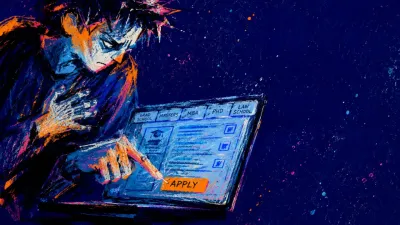
  • At work or school, you hover over a Slack reply, a LinkedIn tab, or an application form, knowing the old plan has started to feel too tight but the new one still looks like a blank field. Your jaw sets, your eyes skim the same sentence again and again, and your wrists go stiff over the keyboard. The moment carries the stalled posture of The Chariot at the city wall: departure is on the screen, but movement has not become a route. You can make the next task small enough to touch, even if the larger direction stays unresolved.
  • You arrive outside a party, class, meetup, or friend's group hang and pause with your hand on the door before anyone sees you. Your mouth goes dry, your chest gets tight, and your eyes start scanning for rules that no one has written down: how close to stand, when to speak, whether an invite means belonging or just access. The hallway feels like The Moon's narrow path between towers, visible but not fully readable. You can take the threshold at human speed; entering slowly still counts as entering.
  • On a morning that is supposed to mark a reset, you stand in the kitchen with your shoes on, keys in hand, gym bag or laptop bag by the door, and you do not leave yet. Your calves feel ready, but your stomach is braced, your neck is tight, and your tongue presses against the roof of your mouth while you try to work out why a simple departure feels loaded. It has the quiet pressure of the Six of Swords: already angled away from one shore, not yet close enough to the other to feel settled. You can give your body a minute to learn the new floor before you ask it to carry the whole change.

Threshold Disorientation in Tarot Cards

That moment when you know the old map has stopped working while the next floor has not appeared is the center of Threshold Disorientation. You can feel it in the shallow breathing before a reset, the tight throat before a relationship reply, or the stiff wrists hovering over a work decision. From an existential perspective, the structural framework here is the gap between readiness to move and a life system that has not yet become trustworthy in the body. The Tarot Cards below do not solve the edge; they make its shape visible.

The Fool Upright
The figure stands at the cliff edge with one foot committed to forward motion while the next surface is not visible. The raised face and open body keep the movement expansive, but the terrain offers no clear coordinate after the ledge. When you are trying to grow, that image mirrors the moment where the old self has already lost its full authority and the new self has not yet become navigable. You are not simply delaying the leap; you are standing inside a threshold where momentum, fear, possibility, and missing coordinates all occupy the same step.
The Magician Upright
The raised wand and the downward hand form a bridge between intention and matter, yet the cup, pentacle, sword, and wand on the table are not being touched. The image holds the exact instant before activation, where everything is prepared but the first grounded movement has not crossed the table's edge. This is Threshold Disorientation as a lifestyle struggle. You can see the life you want to build, name the habits, and assemble the resources, but the passage from setup to use loses definition. The card gives form to the moment where planning has become visible, but the first embodied sequence has not yet become real.
The High Priestess Upright
The sanctuary entrance is framed by pillars, but the veil and the seated figure make the inner space unreachable. The card does not show an open road into the hidden water; it shows a charged threshold where depth is suggested but not yet navigable. For introspection, this becomes the exact feeling of standing before your own deeper material without knowing how to enter it. You can sense that something important is behind the first layer of awareness, but the card gives form to the disorientation of being close to the door and still unable to locate the passage.
Reversed
The High Priestess sits at the threshold rather than deep inside the sanctuary or outside it, with pillars marking the gate and the veil flattening the path behind her. A body of water is visible beyond the barrier, creating depth without a traversable route. You feel this disorientation when growth has pulled you out of an old identity but has not yet given your next identity a stable floor. The card holds the exact geometry of that phase: you are no longer organized by the previous room, yet the interior you can sense has not become a place you can fully inhabit.
The Emperor Reversed
The Emperor sits high above the ground, with mountain ridges behind him and the stream partly hidden by the throne. The visible world is wide, yet the actual path out of the seat is unclear. For timing, this image carries the disorientation of not knowing whether a pause is protection or delay, whether a push is courage or poor timing. You are not facing a simple yes-or-no moment; the card frames the struggle as a missing threshold signal, where the body stays braced because the next valid step has not become legible.
The Hierophant Upright
The keys are placed at the steps, the temple opens into depth, and the Hierophant blocks the line between instruction and passage. Nothing in the scene shows whether the acolytes are about to begin, still being trained, or being held at the threshold. The card gives shape to the timing confusion that appears when every next step feels both available and not yet accessible. You are not merely choosing a date; you are trying to locate which phase of the rite you are actually standing in. Threshold Disorientation shows why timing can feel so consuming even before anything dramatic happens. The struggle is the loss of phase clarity: wait, learn, ask, enter, launch, or bow out all crowd the same doorway.
The Lovers Upright
The mountain rises between the figures like pressure gathering in the distance, while the garden still holds the calm of the moment before change. Nothing blocks the figures physically, yet the serpent, the angel, and the divided trees turn the open space into a charged threshold. That is how a career transition can feel before the visible move happens. You may have outgrown a role, industry, or identity, but the next step has not become a map yet; the old paradise is still recognizable, and the new terrain has not given you coordinates.
The Chariot Upright
The chariot has left the city wall but has not yet become motion; water, land, walls, sky, vehicle, and sphinxes all offer different coordinates. The figure stands at the edge of an old frame without a clearly drawn path into the next one. Threshold Disorientation is the timing problem of not knowing whether a pause is protection, delay, or the actual gate. You are not simply stuck; the card shows a transition zone where the old map has ended and the next rhythm has not yet become legible.
Strength Upright
The lion's mouth is caught at the border between opening and closing, and the woman's hands make that border the center of the whole scene. Around them there is sky, grass, and mountain, yet the decisive space is only the small hinge where force may either be released or held. Threshold Disorientation takes shape when your timing question gathers at a boundary that is too charged to read clearly. You can sense that a moment is near, but nearness is not the same as permission, and the card shows how a single threshold can become louder than the wider cycle around it.
The Hermit Upright
The Hermit stands at a summit rather than on an ordinary road. The sky is open, the ridge is exposed, and the body is held in careful stillness, as if the old route has already ended but the next descent has not become visible. That summit posture gives shape to the disorientation that appears before a major choice. You are not simply comparing options; you are standing in a threshold space where the old map no longer feels sufficient and the new one has not yet formed. For a decision reading, the card does not rush the crossing. It marks the exact place where wide possibility becomes difficult to navigate because there is too much sky, too little ground, and no borrowed path that can replace your own orientation.
Wheel of Fortune Upright
The rim holds bodies at different phases of the turn: one balanced above, one rising, one descending, all suspended in a sky without ground. The frame gives you positions, but it does not give you a road from one position to the next. At a threshold, that creates a precise kind of disorientation. You can feel a shift happening and still not know whether it is an opening, a warning, or a transition that needs more time. The card witnesses the instability of standing at a turning point before the direction has resolved.
Reversed
The wheel floats without a floor or horizon, with top and bottom defined only by the card's symbolic architecture. In reversed tension, that architecture no longer gives the body a stable baseline; ascent, descent, center, and edge all compete as possible coordinates. During personal growth, this is the disorientation that appears when a real transition has begun but the old identity can no longer organize the room. The card frames your freeze at the threshold as a spatial problem of becoming: movement has started before a new sense of self has somewhere solid to stand.
The Hanged Man Upright
The Hanged Man’s body creates two coordinate systems at once: the tree remains upright and stable, while the human axis is inverted against gravity. His crossed leg forms an intentional pattern, but that order exists inside a scene where every normal marker of up, down, progress, and pause has been rearranged. Threshold Disorientation appears when the timing field stops giving reliable signals. You may not be able to tell whether the suspended interval is a preparation phase, a blocked doorway, a necessary reversal, or a sign that the old route has expired. The card anchors that confusion in the body rather than in vague uncertainty. The problem is not simply that You do not know what to do; it is that the reference system used to judge when to move has been turned upside down while awareness remains sharply awake.
Death Upright
The horse moves, the figures freeze, and the horizon opens beyond them with river, towers, and a sun that does not settle into one clear reading. The card holds motion and suspension in the same frame, with the black flag and white rose binding ending and renewal into one moving sign. That is the structure of Threshold Disorientation in personal growth. You can feel that a crossing is happening, but the body cannot yet sort whether to grieve, submit, negotiate, watch, or move with it. The card gives this in-between state a visible architecture. Your confusion is not random; it belongs to the narrow zone where an old self has lost stability and the next self has not yet become a navigable place.
Temperance Upright
The road to the bright mountains begins behind the angel, but the figure remains at the waterline with both hands occupied. The route is visible, the horizon is lit, and yet the body is still positioned at the threshold before the first step. That spatial arrangement gives Threshold Disorientation its shape. You can sense the outline of the next chapter while still being physically and energetically organized around the transition point rather than the road itself. The struggle is not that the future is absent. It is that visibility has arrived before embodiment, leaving you with a path you can see but not yet inhabit without losing the careful balance that got you to the edge.
The Tower Upright
The figures hang between the broken tower and the unseen ground, with the crown, flame, and diagonal bolt scrambling every axis of orientation. The image offers movement without a stable map. For personal growth, that space names the disorientation after a real threshold has been crossed. You have left a structure that could no longer hold you, but the next direction has not yet become visible enough to organize action.
Reversed
The falling figures have left the tower but have not reached the ground, and the dark open space around them offers no usable map. In the reversed orientation, even up and down become harder to trust, because the body is still moving while the reference frame has broken. That is why a course change, failed milestone, or grad-school decision can feel so disorienting. You are between academic structures, and the card names the exact threshold where leaving the old tower happens before the next ground has appeared.
The Moon Upright
The crayfish rises from the pool at the exact place where the path begins, with one body pulled between two environments. Behind it, the road runs away into the gap between two towers, turning emergence into a passage rather than a clean arrival. That image gives Threshold Disorientation its physical shape. In personal growth, you can outgrow the old water before you have learned how to walk on the new ground, leaving you exposed at the starting line of a change you cannot fully reverse or fully inhabit yet. The Moon does not make this threshold simple or brightly mapped. It shows the strange middle state where becoming is already underway, but your identity, habits, and sense of direction have not caught up with the part of you that has surfaced.
The Sun Upright
The child and horse are placed just beyond the wall, not deep inside the garden and not yet far into the open field. The image is built around the instant after crossing, when the protected container has receded but the body is still adjusting to the new exposure. Threshold Disorientation in timing work is the confusion that arrives after a transition has technically begun. You may have left the old phase, made the move, or passed the point of no return, while your internal coordinates still search for the safety and rhythm of the previous container. The Sun gives the crossing warmth rather than threat, but warmth does not erase the need to recalibrate. The card shows a bright threshold, and its brightness can make the disorientation harder to admit because the scene appears successful before it feels stable.
Judgement Upright
The coffins are open, the bodies are upright, and the trumpet has already sounded, yet the scene offers no ordinary path across the ground. The figures occupy a threshold where the old enclosure is no longer sealed, but the new terrain has not become navigable. This is why the card can feel disorienting in introspection. You may have reached a breakthrough that proves the old self-structure cannot stay closed, while still lacking a stable inner map for what comes next. The struggle lives in that in-between geometry. The call is real, the coffin is open, and the ground beneath the transition remains mixed with water, memory, and uncertainty.
The World Upright
The dancer has crossed into a completed wreath, but the card gives no ground line, road, or horizon to orient the next step. The body is poised in motion, held between the closed oval of completion and the open sky beyond it. This is the geometry of Threshold Disorientation. In deep introspection, You may finish an old internal cycle without immediately having a new structure stable enough to stand on. The image gives that in-between state a boundary. It shows that feeling lost after growth is not failure to transform; it is the moment when the previous coordinates have dissolved and the next ones have not yet become embodied.
Ace of Cups Upright
A hand appears from the cloud, a dove descends, and the cup hangs between sky and water without ground beneath it. The whole scene marks an arrival, but it gives no ordinary road, horizon, or foothold for moving horizontally into the next stage. You can experience this as the strange disorientation that follows an opening. Something in the future has begun, yet the body still has to cross a threshold without the familiar coordinates that used to make direction feel real.
Four of Cups Upright
Three cups stand in front of the seated figure like completed emotional data, while the fourth cup enters from outside the ordinary field. The body does not move toward either set of cups, so the image becomes a suspended threshold rather than a clean yes-or-no scene. Threshold Disorientation appears when the old evidence is still concrete enough to hold you, while the new path has not yet earned a stable place in reality. You are not simply hesitating; the decision field itself is unstable because the past, the present offer, and the possible future are all asking to be measured by different rules. In a choice reading, this card marks the moment before a transition becomes legible. The struggle has a boundary: clarity is blocked at the crossing point between what has already been emotionally processed and what is arriving without a familiar container.
Reversed
The Four of Cups places several reference points in one small scene: rooted tree, seated body, grounded cups, clouded hand, and suspended cup. Each one implies a different kind of timing, but the figure's closed posture prevents them from forming a single navigable map. In timing work, that arrangement becomes Threshold Disorientation. You may be trying to decide whether the moment is too early, too late, or finally ready, while the card shows the deeper issue: the system you are using to judge timing contains incompatible baselines. The reversed card intensifies this by making the abnormal baseline feel normal. The longer the body stays folded between ground and cloud, past and incoming, pause and offer, the harder it becomes to remember what a clean threshold feels like.
Five of Cups Upright
The river divides the foreground from the castle, and the bridge offers a route that requires a turn before it can be used. The figure is close to a crossing, but the body is organized around the cups on the near bank rather than the path across. Career transitions often feel exactly like this after a setback: the next stage is visible enough to matter, but not close enough to feel inhabitable. You may know there is a route into a new role, industry, level, or leadership identity, yet the old outcome still defines where the ground begins. Threshold Disorientation names the loss of coordinates at the edge of a professional crossing. The bridge is not a motivational symbol here; it is a structural test of whether your attention can relocate from what ended to the route that still exists.
Six of Cups Upright
The courtyard opens under a clear sky, yet the children remain inside a protected estate while the patrol and older figure mark the boundary of the outer world. The space offers safety without a visible road, so movement toward the future has to begin before the next terrain is fully mapped. You stand at the same kind of threshold when the old container still works but no longer answers the larger question of where your life is going. The struggle is the loss of a reliable reference point, not a lack of will.
Eight of Cups Upright
The figure crosses water at dusk under a moon that partly covers the sun, with the cups behind and the mountains ahead. Every reference point is transitional: neither full day nor full night, neither settled foreground nor reached summit. In personal growth, that liminal geometry shows up when the old system has lost authority but the new one has not yet become navigable. You may be moving, studying, healing, or changing habits, yet the inner map keeps flickering because the terrain is not meant to feel familiar yet. Threshold Disorientation names the instability of being between structures. The card does not flatten that into confusion; it shows a crossing where clarity comes only after enough of the old ground has been left behind.
Page of Cups Upright
The platform reads like deck or shoreline, a boundary surface between solid ground and open water. The Page stands there with a fragile signal in hand, surrounded by scale but given no clear horizon line to follow. Threshold Disorientation is carried by that boundary geometry. You may feel the old life loosening its hold while the next phase is still too fluid to read, so the future arrives as open water rather than a marked road. The card gives the transition a clean edge. It shows that the difficulty is not a lack of desire for movement; it is the loss of reliable coordinates at the exact point where movement starts to matter.
Knight of Cups Upright
The horse has reached the riverbank, but the route beyond the water is not clearly mapped. The knight is close to crossing, yet his cup, reins, pace, and distant hills all compete as reference points. That suspended position mirrors the edge of a new social circle: close enough to enter, not oriented enough to know what the rules are. You can sense a possible community ahead while still lacking the cues that would make the next move feel grounded. The card holds the disorientation at the threshold rather than rushing past it. It shows the strange pressure of being almost included, where the social path exists in outline but has not yet become a place you can safely stand.
Ace of Pentacles Upright
The path through the flowered arch is visible, but the main object of the card hovers above the path rather than walking through it. The garden is near, partly open, and still bounded, so entry is clear in image but not yet inhabited in motion. You may be standing near a psychological doorway without knowing what crossing would actually require. The struggle lives in the threshold itself: the inner world is calling for movement, but the body has not yet found the coordinates for entering safely.
Reversed
The Ace of Pentacles contains several possible markers of beginning: the hand that receives, the coin that appears, the gate that opens, the path that continues, and the mountain that waits beyond the garden. Each marker is real, but none of them alone contains the whole journey. Threshold Disorientation forms when those markers collapse into one another. You may not know whether the timing question belongs to the offer, the entry point, the preparation phase, or the long climb, because the image holds all of them in a single visible field. For this topic, the card names the confusion of being near a doorway without knowing your actual position in the cycle. The struggle becomes clearer once the threshold is seen as a layered structure, not a single instant that proves you are early, late, ready, or behind.
Three of Pentacles Upright
The scene gathers around a doorway that is open to the eye but not yet functioning as a passage. The worker, the observers, and the blueprint all remain at the threshold, while the hammer hangs in the charged instant before contact. Threshold Disorientation is the confusion produced by that in-between geometry. You are close enough to the next phase to feel its pull, but the card shows that proximity is not the same as entry. For timing work, this is the card's sharpest boundary lesson: the moment before action has its own pressure, and that pressure can distort your sense of whether you are late, early, or exactly at the edge. The struggle is learning to read the threshold without forcing it to become a door before the structure can hold your weight.
Five of Pentacles Upright
The church window marks a threshold of warmth, order, and meaning, but the door is absent from the visible scene. The figures move beside the boundary without a usable crossing point, so proximity to shelter does not become entry. Threshold Disorientation is the life-direction version of standing near a new chapter without knowing where the opening is. You can sense that something beyond the current path exists, yet the transition point stays geometrically unclear, turning the future into a wall of light rather than a door.
Ten of Pentacles Upright
The archway in the Ten of Pentacles is a visible passage, but the scene does not show a clean crossing. Conversation, the seated elder, the child, the dogs, the wall, and the household beyond all gather around the threshold until the doorway becomes crowded with meaning. A choice can feel exactly like this when the next step is visible but not bodily simple. You can see the opening, yet every possible movement touches a network of consequence: who notices, what changes, what gets left behind, and what becomes permanent once you pass through. Threshold Disorientation lives in that suspended architecture. The card locates the struggle at the moment before crossing, where the problem is not that there is no path, but that the doorway has become too loaded to feel like a single step.
Ace of Swords Upright
The hand appears before the body, and the sword appears before the road. A decisive tool has entered the scene, but the rest of the system has not yet supplied footing, sequence, or a practical next surface. Threshold Disorientation is the pressure of standing at a timing edge where the signal is real but the coordinates are incomplete. You can feel the beginning, the pivot, or the opening, yet the first move still feels strangely ungrounded. The card gives that edge a clear shape. It shows the moment before action becomes embodied, when the mind has received the blade but the life around it has not yet arranged itself into a path.
Two of Swords Reversed
The card places the figure at a shoreline threshold, but the blindfold and crossed swords remove the usual cues for crossing it. Stone, sea, moon, and horizon all offer different reference points, and none of them fully takes command of the body’s next movement. In the reversed field, Threshold Disorientation appears when that ambiguity becomes familiar. You may no longer be able to tell whether you are waiting wisely, hesitating from strain, recovering your rhythm, or missing the moment altogether. The body keeps treating an abnormal pause as the baseline for judgment. For timing questions, this is the struggle of losing the felt difference between not yet and no longer. The card gives that confusion a boundary: it is a collapsed reference system, not a failure to care about the future.
Four of Swords Upright
The resting place is also a tomb, and the church wall rises above a body that cannot yet stand back into the world. The scene holds a person at a threshold without giving the threshold a door. Threshold Disorientation belongs here because the card fuses pause, ending, recovery, and potential return into one fixed image. In a direction reading, You may be unable to tell whether the old chapter is complete, whether the current stillness is necessary, or whether the next path is already forming beyond reach. The stained glass gives the scene a future-facing color, but it does not give the body a route. The struggle is the suspended interval where meaning is visible as a horizon but not yet available as a navigable direction.
Six of Swords Upright
The small boat is already angled away from the shore, but the far bank appears washed out and unfinished, more like a direction than a place. The ferryman's split stance gives the scene propulsion without giving the passengers a clear arrival point, so the card holds movement and uncertainty in the same vessel. That is the exact structure of Threshold Disorientation in personal growth: You are no longer fully organized by the old version of yourself, but the new operating system has not become physically reliable yet. The passage is real, but the coordinates are not stable enough to feel like confidence. The Six of Swords does not frame this as failure to move. It shows the disorienting middle stretch where self-evolution has begun, the previous shore is receding, and the next self is still only a pale outline across the water.
Eight of Swords Upright
One foot stands on muddy ground while the other touches pooled water, dividing the body's feedback between two unstable surfaces. Behind the figure, higher terrain and the castle offer a different reference point, but they sit outside the immediate field of movement. Threshold Disorientation lives in that split terrain. In a direction reading, You may be standing between an intuitive pull and a practical trajectory without either one becoming a stable map. The card does not frame this as simple indecision; it shows a body trying to orient itself while the ground, the water, and the distant destination all speak different spatial languages.
Ten of Swords Upright
The body lies flat in the foreground while the horizon continues to hold a thin band of yellow light. Nothing in the figure's posture answers that light; the scene separates the fact of a future from the body's ability to orient toward it. That separation is the core of Threshold Disorientation in a direction reading. You may be standing at the edge of a life phase that has already ended, but the inner compass has not caught up with the external fact of transition, so the next chapter feels both present and impossible to enter. The card does not frame this as simple indecision. It shows a nervous system still organized around impact while time has already moved to the horizon, making the threshold feel less like an invitation and more like a gap between what is over and what has not yet become real.
Page of Swords Upright
The Page stands above the lower landscape, but the height does not give him a settled map. Clouds press close, wind moves through his hair, and the open sky becomes full of competing signals rather than a simple promise of direction. In personal growth, a new threshold can feel like this. After an upgrade, a breakthrough, or a major self-audit, the old coordinates stop fitting before the new ones have become trustworthy. The card holds that exposed in-between place where progress has already happened, but orientation has not caught up. You are not back where you started; you are standing on a higher ridge without a stable inner compass yet.
Reversed
The Page has reached a height, but the summit does not behave like a clear arrival point. Sloped rock, moving clouds, horizontal wind, and the diagonal sword create too many reference lines for one stable sense of direction. Threshold Disorientation emerges when a visible crossing point fails to reveal what kind of moment it is. In timing work, the card holds the confusion of standing at an edge without knowing whether the cycle is asking for launch, pause, retreat, or recalibration. The struggle is not a lack of ambition. It is the disorientation that appears when a major timing node is real, but its function is not yet readable from inside the weather of the transition.
Two of Wands Reversed
The card is built at a border: castle and coast, land and sea, hand-held globe and real horizon. Each reference point offers a different scale, so the figure must choose between the model in his palm and the unstable vastness beyond the wall. When inner change is near, that mixed scale can make the next self feel both already imagined and impossible to enter. You can sense a transition, but the familiar map, the defensive height, and the unknown water all give competing instructions. Threshold Disorientation names the loss of coordinates at the edge of inner transformation. The card does not show failure to move; it shows a psyche standing where every compass points to a different kind of truth.
Three of Wands Upright
The double line of wands behind the figure reads like a threshold he has already passed, while the cliff edge turns the next step into a different kind of terrain. Land can hold his stance, but it cannot carry him to the ships without a change of scale. For personal growth, the pressure comes after progress has already happened: the old frame is behind you, and the next frame has not become navigable. The card gives that in-between state a boundary, showing why a bigger life can feel less stable before it feels free.
Four of Wands Upright
The garlanded wands create an entrance more than a room: open, bright, and clearly marked, but not yet the castle in the distance. The figures stand at the front of the threshold, suspended in a moment of arrival while the actual long-term shelter remains across the bridge. Threshold Disorientation emerges from that in-between geometry. You can sense that something has changed internally, yet the next stable version of the self has not become a place you can occupy without thinking about it. The card holds the exact midpoint where a transition is real but not yet metabolized. For inner work, this is the confusion that follows a breakthrough, release, or self-audit. The old psychic room is no longer convincing, but the new one is still distant, so the mind keeps asking whether it has arrived, whether it is leaving, or whether it is only standing under a beautiful sign of change.
Nine of Wands Upright
The figure stands at the edge of an opening, with the hills visible beyond the line of wands, yet his posture belongs to a checkpoint rather than a journey. The card's space is neither fully closed nor truly open; it holds him at a border where the future can be seen but not entered cleanly. This is the architecture of Threshold Disorientation. In a direction reading, the disorienting part is not that there are no options, but that the body has not updated its coordinates from survival mode to movement mode. You may be standing at a real turning point while still using the posture of someone waiting for the next impact. The card makes that liminal state visible: the horizon is present, but the inner system is still asking whether it is safe to cross.
Page of Wands Upright
The young Page stands at the edge of movement in a landscape with no road. The pyramids imply a larger journey, but the immediate field offers only exposure, distance, and the vertical wand as a first marker. Threshold Disorientation is not simple indecision; it is the body meeting a beginning before it has a map. In inner work, you may sense that something in you is ready to move, while the old coordinates have already loosened and the new ones have not yet become walkable.
Reversed
The desert around the Page is not crowded, yet reversed it can feel like a field with no coordinates. There is space everywhere, but no staged path, no boundary of progress, and no visible point where the first threshold becomes the next one. Threshold Disorientation forms when the self adapts to living in the pre-launch state. You keep sensing that a new version of life is near, but the absence of markers makes every direction feel both possible and unconfirmed. The card gives that liminal pressure a body: head lifted toward announcement, feet still planted in sand, the whole scene suspended between signal and journey. The problem is not that nothing is calling; it is that the call has not become a navigable passage.

Threshold Disorientation in Tarot Card Reading Insights

When Threshold Disorientation turns a normal next step into a ledge, others bring that same in-between feeling into readings. The pieces below move from card mirrors into readings shaped by the pause between old ground and new footing. Tarot Reading Insights for this threshold.

Psychological struggles related to Threshold Disorientation