Peace at what cost?

A clear look at conflict avoidance, the tarot cards that mirror it, and reading insights where this pattern appears.

Conflict Avoidance
What is this really?

You soften your wording, delay the reply, laugh off discomfort, or stay neutral in the meeting because a direct sentence feels like it could split the room. Underneath it, you are trying to protect connection, status, or emotional safety, so your body treats friction as something to manage quietly before anyone can feel it. Yet the calm you preserve starts carrying the pressure of everything unsaid: your boundary never enters the room, resentment does, much like the Two of Swords, where crossed blades hold a quiet truce over the heart while the tide keeps moving behind you.

Why did it happen?

Earlier on, staying agreeable may have helped you get through rooms where open disagreement made people withdraw, punish, or turn cold. Now the inner pattern can keep running after the room has changed: your chest tightens, you edit the sentence, and what was never said follows you as mental replay, irritability, or a drained feeling after everyone else has moved on.

How does it feel?

  • In a meeting, when someone adds one more task to your plate, you press your lips together, nod once, and type 'Sounds good' into the chat before your hand has fully left the keyboard. A few seconds later, your shoulders may sit higher than usual and your chest can feel held, like you are keeping the whole room level with your rib cage. You can let that held breath be noticed before deciding what comes next.
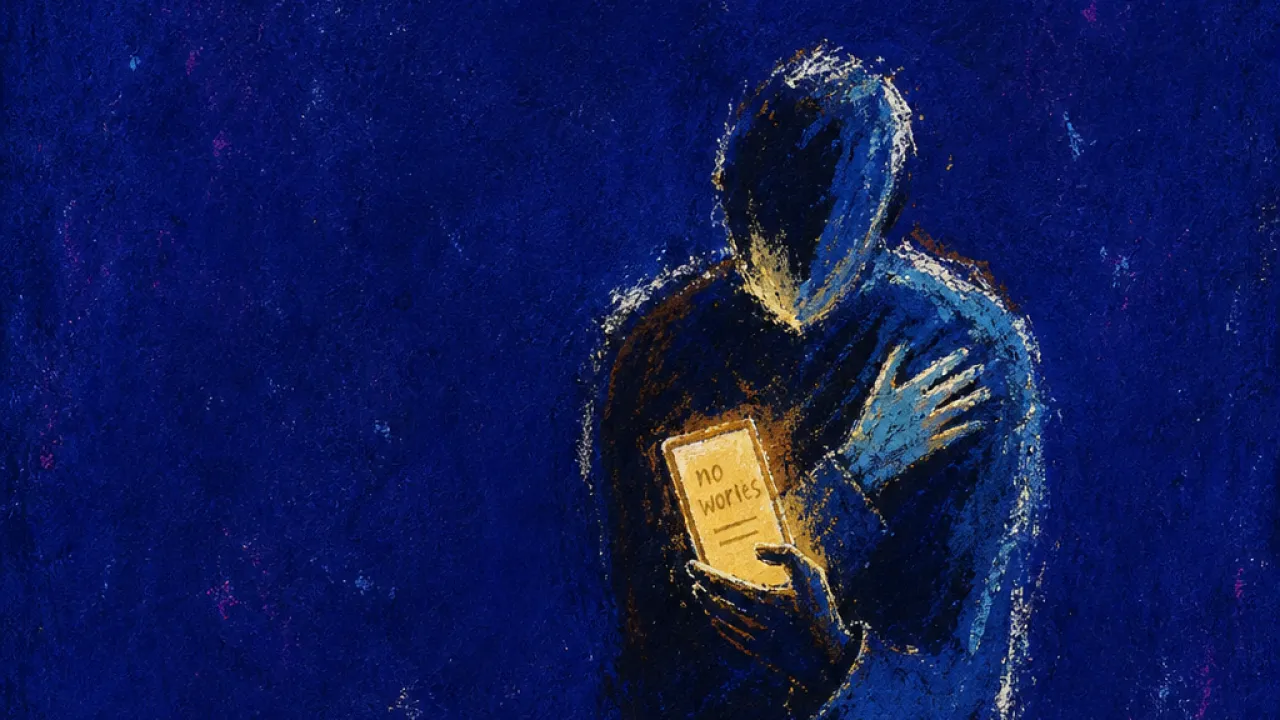
  • When a text thread starts to get tense, you reread your direct sentence, delete the sharpest line, add 'no worries' at the end, and place the phone face down beside you. In that small pause, your throat may feel dry, your breath shallow, and your thumb might still hover as if the reply is not finished. It is okay for the unfinished feeling to sit there for a moment.
  • At dinner with someone close, you hear a plan that does not work for you and glance down at the menu, stir the ice in your glass, then say, 'It's fine,' in a lighter voice. Later, the jaw can feel tight and the stomach may dip when you remember the moment. Noticing the body's quiet no can be enough for now.
  • In a group chat, someone makes a small dig and you type three different replies, erase each one, then send a reaction or a meme so the tone can stay easy. Your face may warm, your fingers may keep moving, and a pressure can gather behind the eyes after the screen goes dark. The impulse to smooth things over can be observed without being forced away.
  • When you are alone afterward, you replay the conversation while brushing your teeth or lying in bed, silently mouthing the sentence you did not say and adjusting it until it sounds safe. The neck and upper back may ache, and the mind can keep looping as if the room is still waiting for your answer. Allowing one sentence to remain unfinished for tonight can be a neutral place to start.

Conflict Avoidance in Tarot Cards

The reflex to keep the room smooth before your boundary enters is the thread under this pattern. You may recognize it in the dry throat and shallow breath that show up after you delete the sharpest line and add 'no worries.' From a Jungian archetypal theory lens, this pattern can be understood through images of held opposites: peace and pressure, contact and withdrawal. Here are the Tarot Cards that mirror those unconscious dynamics:

Two of Cups Reversed
The cups remain raised in a polite exchange while the central staff holds attention in the middle. The scene is visually organized around harmony, which makes the absence of direct confrontation easy to miss. Conflict Avoidance emerges when the ritual of staying aligned becomes more important than the information that needs to be spoken. The mind narrows around preserving rapport, and the body keeps performing cooperation even when the actual terms are unclear, unfair, or outdated. At work, this pattern can keep you stuck in roles that look functional from the outside but are internally misaligned. The card exposes the hidden bargain: avoid the awkward conversation now, pay for it later through resentment, stalled promotion, invisible labor, or a relationship that can only survive while nobody names the imbalance.
Three of Cups Reversed
The harvest, flowers, grapes, and lifted cups fill the scene with symbols of completion, pleasure, and social ease. There is so much celebration in the frame that stopping the dance would feel like breaking the atmosphere itself. When celebration becomes the only available language, friction has to wait outside the circle. You may recognize Conflict Avoidance when dates, parties, humor, sex, plans, or friend gatherings keep the relationship moving just enough to avoid the conversation that would actually repair it.
Ten of Cups Reversed
The rainbow stretches over the scene like a completed promise, while the family stands inside a composition with no visible conflict, sharp boundary, or disruptive object. The whole image is arranged to preserve peace, and the eye is guided toward unity before it can register any possible difference inside the group. Conflict Avoidance appears when the friendship's peaceful image becomes more important than the information contained in tension. You may soften your language, delay the conversation, laugh off the hurt, or keep translating resentment into understanding because directness feels like it would damage the bond. The reversed Ten of Cups does not show open hostility; it shows the pressure to keep hostility invisible. That is why the pattern can feel so confusing: the friendship still looks loving, but the unspoken rule is that truth must not disturb the picture.
Knight of Cups Upright
The horse advances without force, the cup stays upright, and the knight's whole posture is calibrated to prevent disturbance. Nothing in the scene crashes or confronts; even movement is softened into a ritual of careful emotional delivery. The visual field makes grace look like safety. Conflict Avoidance emerges when that graceful pacing becomes the main way a family system stays intact. You may choose the careful text, the softened tone, the symbolic gesture, or the delayed reply because naming the real issue would disturb the cup. The pattern protects short-term peace by keeping the deeper power dynamic unspoken. The Knight of Cups makes this pattern especially clear because the avoidance is not cold or detached. It is tender, aesthetic, and emotionally intelligent on the surface. That is the trap: the more skillfully You keep the family atmosphere smooth, the easier it becomes for the actual boundary problem to remain untouched.
Reversed
The horse moves gently, the sky is clear, and the Knight's gesture is polished enough that no conflict interrupts the scene. The cup is presented with care, but the same smoothness that makes the image beautiful can also keep the harder terrain out of view. That is the reversed shape of Conflict Avoidance. You may keep the friendship graceful by offering warmth, nuance, and emotional intelligence while avoiding the sentence that would create friction. The defense works by preserving atmosphere, not by resolving the mismatch underneath it. In friendship, this pattern often sounds like being chill, not wanting drama, or waiting for a better time. The card shows how peacekeeping can become a loop when the relationship stays calm on the surface because your actual boundary never gets to enter the room.
King of Cups Reversed
The king remains still while the water moves, and his gaze is drawn toward the cup rather than outward into the field around him. Under pressure, that stillness can stop being grounded composure and become a held pose. The body keeps the emotional surface smooth while the surrounding system continues to move. Conflict Avoidance forms when the psyche protects stability by reducing visible disturbance. In a career context, the cup becomes the private management of discomfort, while the waves become the conversation that still needs to happen: feedback, compensation, role clarity, accountability, or a power imbalance with a manager. The card makes the mechanism concrete because nothing in the image attacks, yet the whole scene is charged with motion. You may look composed from the outside while spending your energy preventing rupture. The cost is that the workplace system stays unchallenged, and the unresolved issue keeps returning as pressure rather than becoming a negotiable fact.
Knight of Pentacles Reversed
The knight looks across the open field, but the horse does not enter it. The pentacle sits between awareness and movement, turning the moment of readiness into a suspended checkpoint. Conflict Avoidance in friendship works through that suspended space. You can see the conversation that needs to happen, but the body keeps waiting for a version of it that will not disturb the bond. The reversed card shows how caution becomes a holding pattern when the fear of tension is allowed to outrank the need for clarity.
Queen of Pentacles Reversed
The Queen's gaze stays lowered to the pentacle, while the wider landscape remains outside her immediate attention. In reversal, that focus can become a way of keeping the visible surface calm by concentrating only on what feels manageable. Conflict Avoidance appears when the friendship's peace becomes more important than the truth moving through it. You may not name resentment, unequal effort, subtle jealousy, or changed boundaries because the bond feels safer when nothing disrupts its familiar atmosphere. The card shows how avoidance can wear the face of maturity. The stillness looks composed, but the unspoken material keeps gathering around the edges until the friendship is being protected from the exact conversation that could make it more honest.
Ace of Swords Reversed
The sword's edge is designed to separate, and the whole image is organized around that separating power. Reversed, the separation can become too threatening, as if any disagreement might split the social field beyond repair. Conflict Avoidance is not passivity; it is a defensive attempt to keep the relational space from being cut open. The mind senses the blade before the conversation even begins, so it chooses withdrawal, smoothing, or over-explaining to prevent a visible rupture. In groups, You may stay agreeable because tension feels like it could cost belonging. The Ace of Swords shows why the fear is so convincing: truth has an edge, and when that edge feels unsafe, silence can start to look like connection.
Two of Swords Upright
The two swords are held like a gate over the heart, and the woman stays seated instead of moving toward either side of the conflict. The scene is quiet, but the quiet is maintained by force: both arms must keep the blades suspended so the confrontation does not reach the body. Conflict Avoidance grows from that exact defensive posture. In family arguments, you may stay neutral, delay a reply, soften your wording, or hide your position because open disagreement feels like it could break the room. The card shows how short-term peace can become a locked system when the real boundary never gets spoken.
Reversed
The crossed swords create a visible truce, but the truce is being held by muscle tension rather than resolution. The woman stays seated on stone while the tide behind her implies that emotional conditions will keep changing whether she moves or not. Conflict Avoidance is the reversed form of that held truce: peace is preserved by freezing the conversation. In friendship, You may keep things pleasant in the group chat, soften every complaint, or wait for the issue to fade because naming it could disturb the bond. The card connects strongly to this pattern because its silence has a cost. The longer the swords stay raised, the more the body pays for the appearance of balance, and the more the friendship becomes organized around what cannot be said.
Four of Swords Reversed
The knight's hands are clasped over the chest, not extended toward another person, while the swords remain visible but untouched. The card holds conflict in suspension: present enough to shape the whole scene, but not engaged directly. That is the mechanism behind Conflict Avoidance in romantic dynamics. The system chooses stillness because stillness prevents immediate escalation, yet the issue stays in the room as an unspoken object that both people have to move around. You may experience this as taking the high road, needing time, or waiting until things calm down. The card's structure shows the hidden cost: peace becomes fragile when the relationship depends on keeping the sword on the wall instead of naming what it is pointing at.
Five of Swords Reversed
The two distant figures turn their backs, bow their heads, and cover their faces while the swords lie between them and the foreground figure. The battle may be over, but the scene offers no eye contact, no exchange, and no mutual processing of what happened. Conflict Avoidance grows from that unfinished exit. You may leave the chat, stop replying, skip the gathering, or let the group story form without you because direct confrontation feels too exposing. The card shows why the avoidance does not stay neutral: the swords remain on the ground, and what is not spoken still organizes the space.
Six of Swords Reversed
The passengers' backs and hidden faces turn the crossing into a silent exit. The boat moves away from the shore without any visible exchange, so movement takes over the role that speech would normally hold in a strained social field. Conflict Avoidance forms when You rely on departure to do the work of expression. In group life, the pattern can feel clean in the moment because the water creates distance, but the unspoken tension stays onboard as another sword that may be carried into the next circle.
Seven of Swords Upright
The figure does not face the camp directly; he tiptoes away from it with the swords gathered tightly in his arms. The whole body is organized around leaving quietly, not around contact, confrontation, or repair. Conflict Avoidance appears here as a tactical ritual: reduce noise, control timing, and get out before the relational field can respond. In love, that can make silence feel safer than a difficult conversation, especially when the mind is focused on avoiding fallout rather than creating understanding. You may feel like you are preventing damage by waiting, disappearing, or choosing the less explosive moment. The card shows why that works only briefly: the avoided conflict stays standing behind you, still marking the boundary of the relationship.
Reversed
The figure’s hands are full, his foot is lifted, and the sword tips gather dangerously close to his own movement. Nothing about the posture allows direct contact; the whole body is busy keeping the situation contained without stopping to face it. In the reversed orientation, that controlled stealth hardens into Conflict Avoidance. The psyche tries to get out of social tension without naming the tension, so the body chooses narrow movement, indirect routes, and unfinished exits over the discomfort of a clear conversation. The two swords left behind show why the conflict does not disappear. They remain standing at the edge of the camp like unresolved material, which is why dodging the conversation can feel like relief at first but later turns into awkwardness, guilt, unread messages, and a social field that never fully resets.
Eight of Swords Upright
The woman's stillness is striking because the swords do not touch her, yet her body behaves as if every direction might cut. The bound hands remove the most obvious gestures of refusal, explanation, or repair, leaving silence as the safest visible behavior. This is how conflict avoidance can organize itself in family dynamics. You may know that a conversation is needed, but the body reads disagreement as danger and chooses immobility, allowing the family pattern to stay intact because direct movement feels more threatening than staying stuck.
Five of Wands Reversed
The raised wands hold the conflict in the air, suspended before resolution. In the reversed texture, that suspension becomes a locked field: every body is prepared for impact, yet the real issue never lands cleanly enough to be worked through. Conflict Avoidance can look strangely active inside friendship. People keep performing normalcy, making plans, sending memes, or staying in the group chat, while the actual rupture is redirected into tension, timing, silence, and coded comments. The card shows why avoidance is not peace. You may be trying to protect the friendship from a direct clash, but the unspoken conflict keeps occupying the shared space, making every small movement feel loaded.

Conflict Avoidance in Tarot Card Reading Insights

For anyone who edits the direct sentence into 'no worries' so the room can stay smooth, this pattern also appears when people sit with cards around work, love, family, or friendship. Below are Tarot Reading Insights where Conflict Avoidance appears in the spread.

Psychological patterns related to Conflict Avoidance