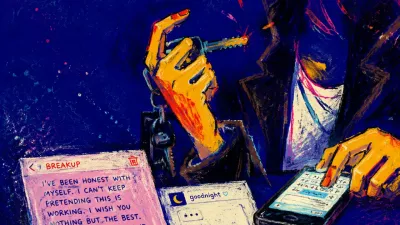
Why break your own progress?

Understand self-sabotage as a repeatable pattern, then explore tarot cards that mirror it and reading insights that show it in motion.

Self-sabotage
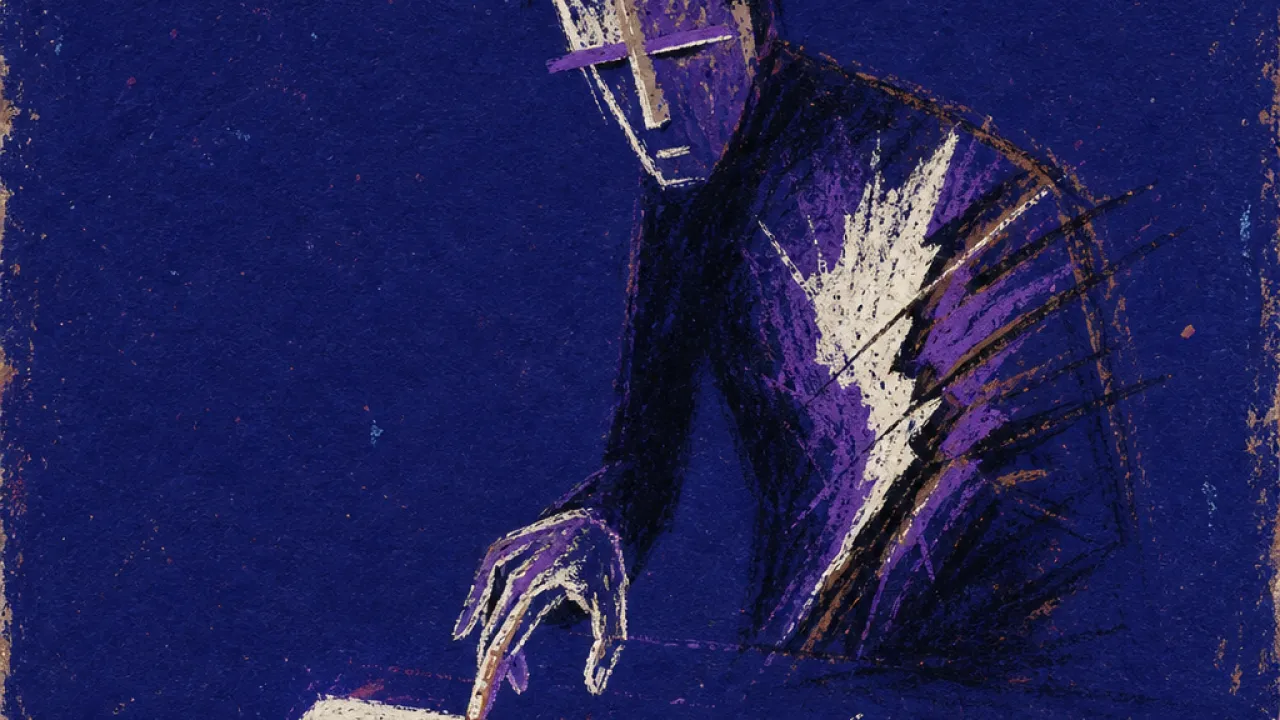
A tilted figure near a launch button and unfinished checklist, with bright white light splitting into bruised violet at thew

What is this really?

Self-sabotage is the pattern where you get close to something you said you wanted, then your hand reaches for the move that makes it harder: you delay, overcomplicate, pick the wrong moment, ignore feedback, or create a problem right where follow-through was needed. Underneath, this can work like a protective defense mechanism: it keeps success, visibility, intimacy, or commitment from getting close enough to test your identity, your boundaries, or the version of yourself that feels familiar. Yet the relief only lasts until the aftermath arrives, and you are left with the sharp cognitive dissonance of wanting the door open while watching yourself step toward the edge, much like the Fool reversed, smiling at the cliff as the dog warns at his heel.

Why did it happen?

At some point, interrupting the next step may have helped you stay in control when being seen, chosen, or measured felt too exposed. Now the same inner pattern can run before you have time to pause: the body chases relief, the mind finds a reason, and progress starts to feel strangely unsafe the moment it becomes visible. That loop can leave you psychologically spent, not because you lack ability, but because so much effort goes into moving forward and pulling the brake at the same time.

How does it feel?

  • You open the document, scroll past the part that needs polishing, then click into a new tab with your jaw set and your shoulders slightly raised... a few minutes later, your chest may feel tight, like the task is still open inside your body even while your screen says you left it. Let that unfinished feeling be noticed without turning it into a verdict.
  • You type the honest message, hover over send, then delete the line that would make your need clear and replace it with something breezy... afterward, your stomach may drop a little, as if your body knows contact was avoided before your mind catches up. It is okay to let the pause exist before deciding what the message has to become.
  • Right before a deadline, interview, review, or launch, you suddenly change the plan, add a complicated extra step, or decide the whole thing needs to be reworked... in that moment, your breathing may get shallow and fast, with a wired feeling behind the eyes. You can register the rush without obeying it immediately.
  • When someone offers help, you smile quickly, shake your head, and say you've got it before they finish the sentence... later, your neck and upper back may feel braced, like you are carrying the proof that you can handle everything alone. Receiving can stay unfamiliar without needing to be forced.
  • After a solid week, a calmer conversation, or a small win, you make one sharp move: stay up too late, pick a fight, skip the follow-through, or act like the progress never counted... the next morning, there may be a hollow pressure in the ribs, mixed with a strange relief that the uncertainty is over. That relief can be observed as a signal, not treated as the final truth.

Self-sabotage in Tarot Cards

That moment when progress starts to take shape and your hand reaches for the move that makes it harder is the pattern these cards are circling. The shallow, fast breathing before a deadline or launch is one place your body may recognize it first. Grounded in Jungian archetypal theory, this pattern can be read as a threshold where momentum, fear, and identity pull against each other without needing to be judged. The Tarot Cards below reflect the unconscious dynamics behind that self-interruption.

The Fool Reversed
The lifted body at the cliff edge creates a striking contradiction: the ground is running out, yet the posture still carries the ease of a carefree step. The smile, the upward orientation, and the lack of visible correction make risk look emotionally invisible. That is what makes the mechanism feel so precise - the system does not sabotage you by looking dark or destructive, but by making the dangerous move feel strangely clean, bright, and self-justified. In personal growth, You often meet this pattern exactly when your next level becomes real enough to require repetition, accountability, and contact with limits. Instead of crossing the threshold in a regulated way, the psyche blows open the structure around it. The result is not simple failure; it is a protective detour that saves you from the exposure of actually becoming what you said you wanted.
The Magician Reversed
Every tool needed for action is already present, but the scene depends on one narrow line of command running through the body. When that line becomes too rigid, the same force that should translate possibility into reality can begin rerouting energy into strain, overcomplication, or collapse. In personal growth, that is the anatomy of Self-Sabotage. The moment change becomes concrete enough to rearrange your identity, the system may interrupt its own momentum so the familiar self can stay intact, turning potential into another cycle of almost.
The Empress Reversed
The Empress occupies her throne so completely that the cushions seem to absorb her body, while the shield rests off to the side instead of being actively used. The garden, forest, and harvest close around her in a way that makes containment feel pleasant, protective, and difficult to leave. In personal growth, that image can describe a self-sabotaging loop where preparation, healing, and self-soothing keep going long after they stop serving the goal. You may keep caring for the idea, the conditions, and the emotional weather because that feels loving, but once visibility, judgment, or real consequences appear, the soft task replaces the exposed one. The card connects to Self-Sabotage because it shows safety becoming so well-appointed that it quietly starts competing with your own evolution.
The Emperor Reversed
His feet look ready to stamp or rise, yet he stays fixed to a throne built for permanence, not movement. The hard geometry that should support leadership starts to look like something he cannot leave without losing the identity it props up. That tension is the signature of self-defeat at the edge of expansion. In personal growth, You may get close to acting, shipping, launching, or claiming the next level, then convert all that readiness into delay and overcontrol. The card fits Self-Sabotage because the structure designed to protect progress becomes the mechanism that blocks it.
The Lovers Reversed
The serpent coils through the fertile tree while the central mountain swells like a turning point that cannot stay theoretical for long. Nothing in the image is chaotic, yet the whole card vibrates with the pressure of a choice that will change the landscape once it is made. That combination is why the card speaks so clearly to the moment just before you interrupt your own momentum. In personal growth, self-sabotage rarely begins as simple destruction. It often enters as a tempting detour, a delay, a rationalized sidestep, or a sudden split in attention right when the next level starts becoming real. The card links that derailment to threshold anxiety: part of you wants the new life, while another part would rather preserve a familiar identity than survive genuine transformation.
The Chariot Reversed
The black and white sphinxes sit angled apart, the wheels barely announce themselves, and the driver's lower half is locked inside the chariot block. The whole scene is built for movement, yet the mechanics of motion are strangely absent, so tension collects without release. In a reversed state, this becomes Self-Sabotage rather than clean command. You can reach the edge of real expansion and then split your momentum: one part of you pushes forward while another buries the instinct under control, caution, or performative certainty. The result is not a lack of desire but a system that keeps canceling its own propulsion.
Strength Reversed
The ground bunches under the lion's paws, the jaw requires constant management, and the woman's bent posture keeps her center of gravity committed to a force that never fully disappears. What looks composed from a distance is actually a high-maintenance system where energy is spent containing energy. You meet this pattern when a growth breakthrough gets close enough to threaten your old limits. Instead of moving forward, the same force that could power the leap gets redirected into second-guessing, overcorrecting, or draining your own momentum. The scene shows self-sabotage not as lack of potential, but as potential turned inward until it blocks its own release.
The Hermit Reversed
The Hermit stands on a cold, narrow summit where one careful step matters, yet his posture is so rigid that balance depends on not moving. The darkness around him and the drop beneath him turn caution into a full-body strategy, making stillness look safer than momentum. That is the psychology of Self-Sabotage in personal growth. When the next step could make your progress real, your system answers with delay, overcomplication, or withdrawal so the result never has to be tested. You are not simply failing to act; you are using friction to protect yourself from the exposure that comes with visible change.
Wheel of Fortune Reversed
The figures on the wheel are not moving from their own ground; they are being positioned by whatever direction the rim is taking them. At the same time, the letters invite multiple readings, so the mind can keep finding one more interpretation that justifies another push, another adjustment, another premature move. You are watching external change take over the steering wheel while overinterpretation tries to make that loss of center feel meaningful. That is why Self-Sabotage belongs here in reversed timing questions. The effort is real, but it is applied at the wrong leverage point, so your own urgency begins creating the friction that then feels like bad luck. Instead of working with the season, the system starts fighting it, and the damage often arrives through your most determined attempts to get things moving.
The Hanged Man Reversed
The Hanged Man’s stability depends on the very tie that immobilizes him. Gravity pulls the head downward while the ankle stays fixed above, creating a strange field where trying to force control could make the whole body twist harder. That image connects to Self-Sabotage when an academic system becomes organized around its own obstruction. The deadline, the essay, or the exam is not simply avoided; it is set up in a way that makes later success more difficult and then uses the difficulty as evidence that the fear was true. You may see this when you delay until the task becomes nearly impossible, damage a project right as it begins to work, or create a crisis that confirms the story that you were never going to manage it. The card shows how a protective arrangement can turn into a self-confirming trap.
The Devil Upright
The man and woman stand in the foreground with chains around their necks, yet the collars are loose enough to be lifted away. The image does not show a locked prison; it shows a body that has learned to behave as if the restraint is absolute. That visual contradiction is the core of Self-Sabotage. The Devil's raised hand externalizes the feeling of domination, while the loose chains reveal the quieter mechanism: part of the self keeps obeying an old limit because freedom would demand a new identity, new risk, and the loss of familiar excuses. In personal growth, this pattern appears when You know what would move your life forward but repeatedly interrupt the move at the threshold. The card does not frame this as laziness; it exposes the hidden contract between comfort and captivity, where the old self keeps paying for safety with unused potential.
Reversed
The torch in the Devil card does not illuminate a path out; it points downward into the same heated circuit that binds the figures to the altar. The bodies, chains, tails, and dark enclosure keep the scene's energy rotating around the source of charge. The more intense the fire becomes, the less spacious the field feels. That is the mechanics of self-sabotage in an introspective frame. Insight begins to form, but the psyche redirects the energy into the very behavior that will collapse the insight: another spiral, confession, impulse, fantasy, delay, argument, or private ritual. The pattern creates a strange relief because it returns the system to a known failure state. When this card appears reversed, the issue is not a lack of awareness. It is awareness being pulled into an old circuit before it can become integration. The image names the moment when You are close enough to see the chain, and the pattern reacts by making the chain feel urgent again.
The Tower Upright
The two figures do not walk out of the tower; they are expelled from it mid-collapse, upside down, with no grounded posture available. The image turns adjustment into ejection, as if the system can only change once it has been forced into a fall. That is the core mechanism behind self-sabotage in a growth cycle. A promising routine, opportunity, or identity upgrade starts to threaten the old structure, and the mind creates a rupture before the transition can become stable. The disruption can look like quitting, overreacting, procrastinating at the exact wrong moment, or deciding that one imperfection invalidates the whole path. The Tower does not frame this as a character flaw. It shows a defense system that would rather destroy the structure on its own terms than tolerate the vulnerability of gradual transformation. The audit point is the moment where growth becomes real enough that the old self tries to pull the fire alarm.
Reversed
The tower's collapse is already underway, and the figures have no stable surface from which to respond. In the reversed psychological field, the body tries to regain control after gravity has taken over, turning alarm into frantic compensation. The scene becomes a downward system rather than a single event. Self-Sabotage appears when a career shock is interpreted as proof that the whole path is already lost. Instead of using disruption as information, the pattern acts from the falling state: withdrawing, underpreparing, quitting internally, overreacting in conflict, or damaging visibility before anyone else can judge the structure. The card's visual force matters because the sabotage is not random. It is an attempt to make the collapse predictable by participating in it. You regain a distorted sense of agency by becoming part of the force that brings the tower down.
The Moon Reversed
The crayfish has surfaced from the pool and touched the start of the path, but its body still belongs partly to the water behind it. The first step into land is exposed, awkward, and unprotected, with the towers in the distance making the journey feel larger than the creature's present form. Self-Sabotage often appears at exactly this kind of threshold. The old identity is no longer fully satisfying, but the new one is not yet embodied, so the psyche creates interference: overcomplication, delay, sudden doubt, or a retreat disguised as strategy. In personal growth, the sabotage is not random failure. It is a protective maneuver that tries to keep you from discovering what would happen if you actually crossed the shore and let a different version of yourself become observable.
Four of Cups Reversed
The fourth cup is offered from an impossible place, close enough to be noticed and strange enough to matter, yet the youth's closed posture prevents any response. The opportunity does not disappear; the receiving system refuses to enter relation with it. In personal growth, Self-Sabotage can be passive rather than explosive. You may not destroy the chance directly; you simply stay sealed off until it passes, preserving the old identity at the cost of the upgrade you claimed to want.
Five of Cups Reversed
The figure stays turned toward the fallen cups while the remaining cups and bridge sit outside the chosen line of response. In the reversed psychological texture, that fixed orientation becomes active interference: the body keeps facing the evidence that will make movement feel impossible. Self-Sabotage appears when a person returns to the proof of failure at the exact moment a new route asks for commitment. The mind frames this return as realism, caution, or emotional honesty, but the effect is to break momentum before growth can test itself. In personal growth, the card shows a pattern that interrupts expansion from the inside. The bridge is not destroyed; the system keeps making the spilled cups more compelling than the crossing.
Seven of Cups Reversed
The laurel wreath shares its cup with a small skull, so the image of victory carries a concealed cost. Around it, other cups offer jewels, a castle, a snake, a dragon, and a hidden figure, giving the eye many exits from the one choice that would actually test the self. Self-Sabotage often appears when growth becomes too real to remain a fantasy. In personal growth, you may drift toward a more seductive option, an impossible standard, or a dramatic alternative right when one disciplined path would start producing evidence. The card reflects that moment when the psyche protects an old identity by making the next step look either too tempting, too risky, or too incomplete to take.
Two of Pentacles Reversed
The lifted foot, opposing pentacles, and rough background create a balancing act that can fail from its own complexity. You can see how the system becomes vulnerable not because nothing is happening, but because too much is being kept in motion at once. Self-Sabotage appears when progress is overloaded until it becomes unsustainable. In your growth work, the collapse can arrive through too many goals, too many tools, too many identity upgrades, and too little grounded capacity, allowing the breakdown to be mistaken for proof that change itself was impossible.
Four of Pentacles Reversed
The figure is working hard to stay exactly where he is: hands locked, feet planted, crown balanced, torso closed. The scene contains effort, but the effort does not travel outward into the town, the road, or any visible act of exchange. That is the reversed trap of the card. Energy is being spent, but it is spent maintaining the current structure rather than building the next one. In personal growth, this can look like disciplined routines, endless preparation, or controlled self-improvement that quietly prevents the risk of a real developmental leap. Self-Sabotage appears here as protection disguised as effort. You may be doing many things, but the card asks what those things are preserving: the future self, or the current self's fear of losing control.
Five of Pentacles Reversed
The brightest resource in the image sits beside the figures, yet their bodies keep traveling into the storm. The visual tension is not only deprivation; it is the misalignment between need, resource, and direction. Psychologically, this shows a defense that preserves a familiar hardship script by moving past the thing that could interrupt it. In personal growth, Self-Sabotage appears when progress starts becoming available and the inner system quietly chooses the harsher route because it feels more consistent with the old identity.
Ace of Swords Reversed
The sword is slightly tilted as it lifts the crown, suggesting motion, but the whole scene remains suspended above the ground. The hand is strong, yet it has no body, no feet, and no practical terrain under its control. Self-Sabotage appears when the system approaches a real breakthrough and then converts momentum into a delay mechanism. In personal growth, clarity can become pressure, pressure can become overanalysis, and overanalysis can quietly protect the old self from crossing a threshold. You can see the contradiction in the card: the tool for breakthrough is present, but the action has not landed. The pattern reveals where the mind uses its own sharpness to interrupt the change it claims to want.
Two of Swords Reversed
The swords make a barrier exactly where the body would open, and the blindfold prevents orientation toward either shore. In the reversed texture, the posture becomes less like a wise pause and more like a self-made blockade. Self-Sabotage appears when the moment of growth is met by a protective move that destroys access to the opportunity without naming the fear directly. You may freeze, overcomplicate, or keep both options armed until the opening passes. The sea behind her shows the part of the psyche that already knows change is in motion. The pattern keeps you from having to choose, but it also lets the tide decide for you, which is how an unmade decision can become a hidden act of self-protection with real consequences.
Five of Swords Reversed
The wide stance tries to claim the foreground, but the body is still turned back toward the people leaving. The apparent victory has no forward movement, only a defended position beside the water and a distant refuge that remains out of reach. In its reversed psychological texture, the defense collapses into a loop where short-term control damages long-term evolution. You may sabotage progress by choosing the move that lets you feel right, protected, or untouched in the moment, even when it quietly blocks the next version of your life.
Seven of Swords Reversed
The figure is trying to leave cleanly, but the image refuses to become clean. Five swords are awkwardly bundled in his arms, two are left behind in plain sight, and his backward glance keeps the escape psychologically attached to the scene. In reversal, the stealth strategy starts to work against itself. The more the psyche tries to avoid exposure, the more visible the avoidance becomes; the attempt to control the evidence turns into another piece of evidence. For introspection, Self-Sabotage appears when You protect Yourself from a painful truth in a way that keeps recreating the pain. The card shows an inner loop where secrecy, selective honesty, or clever self-justification may temporarily reduce shame, while also preventing the deeper integration that would let the pattern end.
Eight of Swords Reversed
The figure is not sealed in stone; the exit exists, but the body is arranged so that release feels mechanically awkward and emotionally unsafe. The bound hands cannot reach the knot, and the muddy ground makes even a small step feel compromised before it happens. Self-Sabotage appears in career development when the protective system interferes with the move that would create advancement. You may underprepare for a visibility moment, delay an application, decline stretch work, or stay silent in a room where your value needs to be named. The reversed texture of the card is not simple freedom from the bind. It is the moment the bind becomes self-reinforcing: the fear of exposure produces behavior that recreates the same blocked, undervalued position.
Ten of Swords Reversed
The swords enter in a repeated downward sequence, beginning near the head and ending across the body, while the river crossing remains painfully visible. The scene feels like an ambush at the exact edge of transition, as if the passage into a new state has been interrupted by a pattern that arrives before movement can complete. Self-Sabotage in personal growth often functions through that same timing. The collapse does not always happen when nothing is possible; it often appears when the next level is close enough to threaten the old identity, so the system creates a crisis, delay, overreaction, or self-defeating decision that makes retreat feel justified. Read this card as an audit of the interruption mechanism. You are being shown where the mind turns upgrade pressure into impact, then calls the impact proof that the upgrade was never meant to happen.
Ace of Wands Reversed
The wand is a living branch, but it is also gripped like an object that could defend, claim, or strike. Leaves scatter around the force of the hold, suggesting that the same energy that could create can also become disruptive when it is seized too tightly. Self-Sabotage forms when growth starts to threaten an older internal arrangement. You may overcommit, overforce, provoke friction, or quit just as change becomes possible because collapse restores the familiar identity that progress was beginning to disturb. The grip is the psychological clue. The spark is not rejected directly; it is pressured until it becomes unstable, allowing the old self to remain protected while the new self appears to have failed on its own.
Five of Wands Reversed
The uneven ground under the figures makes every lunge slightly unstable, and the overextended arms pull bodies into the same tangled center. What looks like effort can also become the force that knocks the effort off balance. That is the reversed texture of Self-Sabotage in personal growth. You may begin a meaningful change, then create unnecessary conflict, overcommit, switch systems, or provoke friction just as progress starts to ask for a steadier identity.
Nine of Wands Reversed
The most charged detail is the gap in the fence and the figure standing exactly where passage would be possible. He grips the ninth wand as support, but together his body and the staff also complete the barricade. Self-Sabotage appears when the protective move becomes the blocking move. The same structure that promises safety also prevents the threshold from being crossed, so the obstacle is no longer outside the self but organized through the self's own defensive logic. In personal growth, this is the pattern of wanting the next level while unconsciously making the next level inaccessible. You may call it preparation, caution, or timing, but the card shows the deeper audit: the guard at the gate may also be the gate staying closed.
Ten of Wands Reversed
The man keeps leaning into the load even though the posture that moves him forward also makes collapse more likely. The destination ahead concentrates his energy into one demand, while the wands themselves appear more vital than the carrier. That is the reversed self-defeating logic of the card. The effort meant to protect the outcome begins to damage the person who is trying to secure it. In love, Self-Sabotage can look like doing too much, holding too long, and hiding too many needs until the relationship is quietly filled with pressure. The pattern is subtle because it can disguise itself as commitment. You may be trying to prevent loss by carrying more, but the card shows how overload creates the very rupture it fears: resentment, shutdown, sudden withdrawal, or a bond that survives structurally while intimacy thins out.

Self-sabotage in Tarot Card Reading Insights

For anyone who has watched progress start to form, then felt the pull to make the next step harder, others have brought this same pattern into readings. The shift from the cards to these readings shows how that threshold can appear in different parts of life. Below are Tarot Reading Insights that speak to this pattern.
Psychological patterns related to Self-sabotage