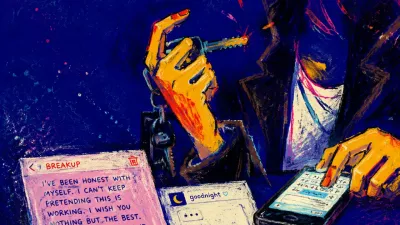
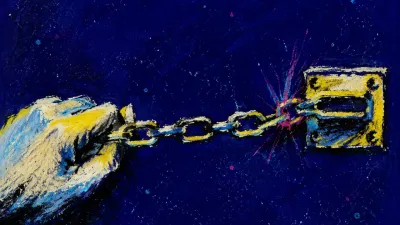
Safe, or unreachable?

Explore Emotional Cutoff through pattern definition, related tarot cards, and tarot reading insights that mirror distance, silence, and sealed feeling.

Emotional Cutoff
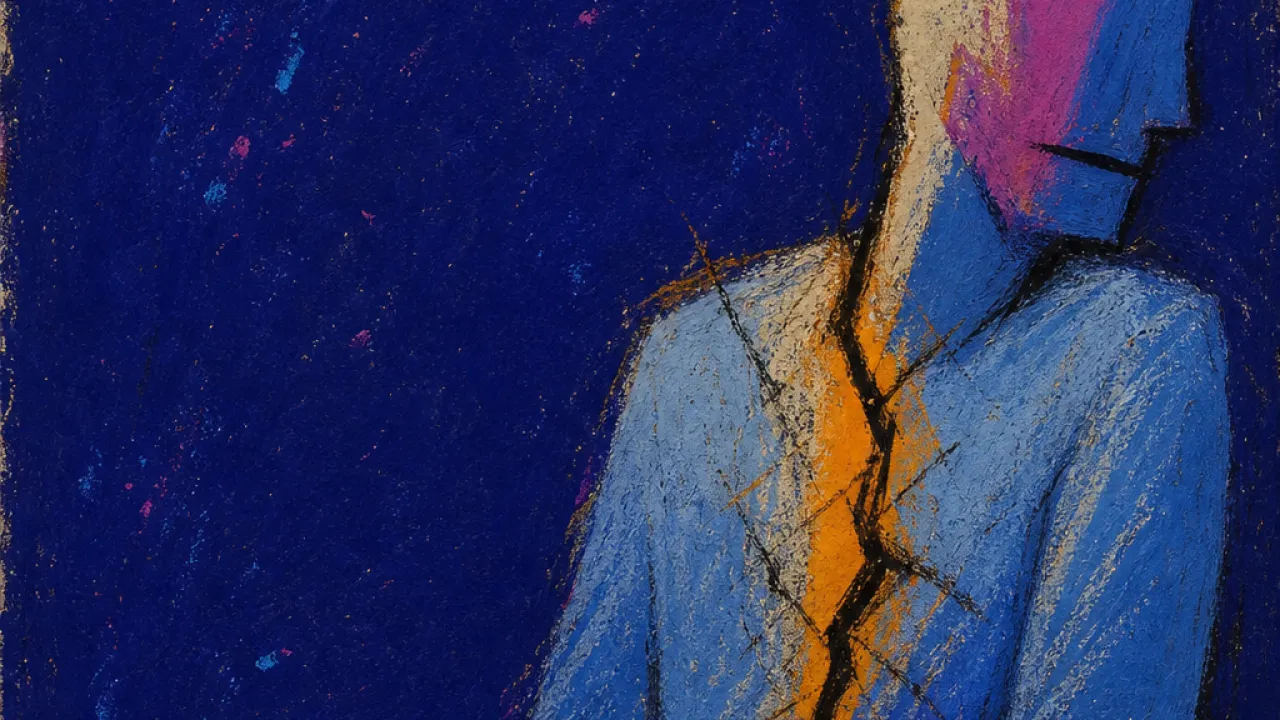
What is this really?

You go quiet, delay replies, keep conversations practical, cancel plans, or move yourself emotionally out of reach the moment contact starts to feel too loaded. It makes sense that your system learned to protect space this way: distance can feel cleaner than explaining yourself to someone who may pull you into guilt, pressure, old roles, or emotional flooding. Yet the more you create safety by vanishing instead of naming the edge, the more your inner life stays sealed off from repair, warmth, and clear boundaries—much like the Fool at the lip of the cliff, still moving forward while the dog signals from behind and the ground nearly runs out.

Why did it happen?

At some point, pulling back may have been the only way to keep your inner space from being entered, argued with, or reorganized by someone else’s reaction. Over time, your body learned an automatic route: less contact, fewer details, shorter replies, more distance. Now that inner pattern can switch on before you have checked what you actually want, leaving you with relief on the surface and a quiet, depleted feeling underneath.

How does it feel?

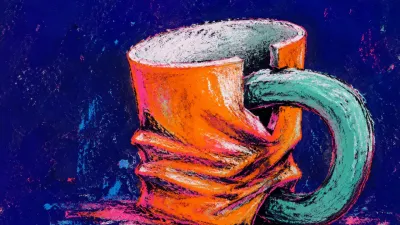
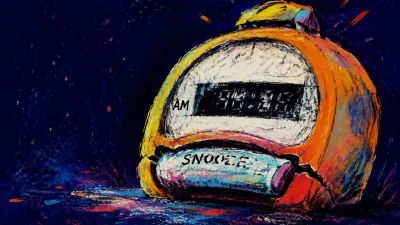
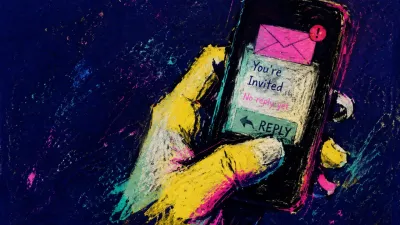
  • You see a message preview from someone close, swipe it away with your thumb, and place the phone face down before the typing bubble can pull you in. A few seconds later, your shoulders may drop while your chest stays oddly tight, like relief arrived without a full breath. It can simply be noticed as a protective pause, not a verdict on what you owe anyone.
  • During a tense conversation, you keep your voice even, nod once, and start answering only the literal question: times, dates, logistics, facts. In that moment, your jaw may set and your eyes may feel slightly unfocused, as if the room is still there but farther away. Letting yourself register the distance is enough for now; nothing has to be forced open.
  • After a small conflict with a friend, you hover over the chat, type three words, delete them, then mute the thread so the screen stops asking for a response. Later, there may be a flat, quiet feeling behind your ribs, less like calm and more like the volume has been turned down too far. That blankness can be allowed to exist without immediately turning it into a decision.
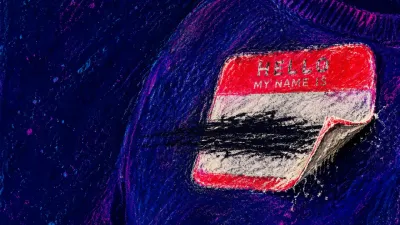
  • At work or school, feedback lands too personally, and you straighten your posture, soften your face, and say, “Got it,” while your notes become suddenly neat and exact. Inside, your breathing may get shallow and your stomach may feel still, as if the body is waiting behind glass. It is possible to let that glass be visible without breaking it on demand.
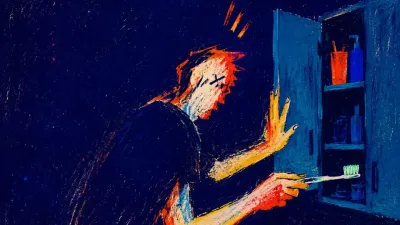
  • Alone at night, you can explain exactly what happened, maybe even name the pattern, while your hand rests on your sternum and nothing much moves underneath it. The body may feel quiet in a way that is hard to trust, like the feeling is present but stored in another room. Not reaching it right away can be part of the process; uncertainty can stay in the room too.

Emotional Cutoff in Tarot Cards

The moment you create distance faster than you create understanding is where Emotional Cutoff starts to show itself. You may recognize it in the phone turned face down, the set jaw, or that flat quiet behind the ribs after the chat goes muted. From a Jungian perspective, archetypal theory offers a way to read this as an inner threshold between contact and self-protection. The cards below reflect the unconscious dynamics of this pattern through Tarot Cards that make distance, silence, and sealed feeling visible.

The Fool Reversed
At the lip of the cliff, the figure keeps moving while the dog throws energy upward from behind and the ground nearly runs out. The body does not turn toward the signal; it creates safety by increasing distance faster than it creates understanding. You can feel the family version of this immediately. When contact starts to trigger guilt, engulfment, or regression into the old child role, the nervous system may choose silence, delayed replies, vague updates, cancelled visits, or geographic distance because disappearing feels cleaner than negotiating. Emotional Cutoff is a powerful short-term regulator, which is why it can look like freedom at first. The cost is that separation gets built through absence rather than through named boundaries, so the family field stays charged and your autonomy never feels fully settled.
The High Priestess Reversed
The High Priestess does not spill anything. Her body stays composed, one hand disappears into the robe, and the water behind her never reaches the foreground. That visual arrangement matters because it shows a system built to contain, sort, and guard inner material before it ever becomes visible. When that containment hardens, feeling gets archived instead of processed. In an introspection setting, this turns self-awareness into observation without contact. You may know exactly what your pattern is, name where it came from, and still feel strangely untouched by your own insight. The card links to Emotional Cutoff because the veil, the hidden water, and the perfectly controlled posture all describe the same mechanism: your inner world is present, but it is being kept behind glass.
The Emperor Upright
The Emperor's mouth is tight, the throat is obscured by beard and robe, armor sits under the fabric, and the only visible water is a partially blocked stream appearing at the edges of the throne. Emotion is not absent in this picture; it is managed, displaced, and kept peripheral. The card shows feeling translated into structure rather than expressed directly. In timing questions, that often becomes a habit of trusting plans more than lived signals. You may miss the body's no, the intuition that a season is closed, or the fatigue that says pacing has already broken down. The pattern is not a lack of intelligence; it is a protective preference for controllable structure over subtle internal data.
Reversed
The beard, clamped lips, and armored chest mute the body's softer signals, while the river appears only in narrow side slivers behind the throne. Feeling exists in the image, but it is displaced to the margins and blocked by the seat of authority. That is exactly how a growth process becomes emotionally sealed. You can keep the plan intact, keep the posture intact, and still feel strangely lifeless inside the effort. The card links to Emotional Cutoff because it shows control preserved by exiling the inner current that would make growth feel real, risky, and alive.
The Hierophant Reversed
The temple is formal, enclosed, and tightly controlled; access runs through steps, thresholds, and approved positions. When that kind of structure stops feeling protective, the same architecture can make closeness feel like surveillance, and the empty space behind the throne starts to read as emotional distance rather than mystery. That is where Emotional Cutoff often grows. Instead of negotiating contact inside a rigid family field, your system protects itself by going numb, disappearing, delaying replies, or reducing exposure altogether. The withdrawal is not random coldness; it is a boundary strategy that emerges when direct relational room feels unavailable.
The Lovers Reversed
The bodies are separate, the mountain rises between them, and the wide garden stops feeling spacious once every line of attention converges on the pair. What looks calm at first glance can harden into a scene with too much charge and too little room, where exposure remains high but safe contact never arrives. That is the architecture of Emotional Cutoff in a family system. You distance, go flat, or keep things purely practical because disconnection feels easier to regulate than enmeshment. The card shows withdrawal not as freedom, but as a last-resort boundary when direct truth feels likely to trigger another flood of obligation.
The Chariot Reversed
The rider stands at the threshold between the protected city and the open road, with the body half-exposed above and half-contained below. The chariot functions like a boundary device, but in reversal that device looks less like clean direction and more like a fast retreat into structure when contact becomes too charged. In family life, that often becomes Emotional Cutoff. You may go flat after a call, delay replies, or vanish just long enough to feel like yourself again, because distance regulates what direct contact overwhelms. The card fits this pattern by showing that separation is real but incomplete: the system is still in view, so disconnection becomes a shutdown strategy rather than a fully settled boundary.
Strength Reversed
The calm face in this card can read as grounded presence, but it can also read as a mask that has gone too still. When the hands at the lion's mouth stop modulating force and start locking it down, the image shifts from gentle strength to a freeze-like containment where contact with instinct is replaced by clampdown. That is the inner logic of Emotional Cutoff during shadow work. The moment anger, grief, shame, or craving gets close enough to feel dangerous, the system shuts the channel rather than risking overflow. The card shows how this can happen without outward drama: the posture stays composed, the field looks orderly, and yet the emotional signal is no longer being metabolized. The lack of distance between the woman and the lion matters here. Because the contact is so direct, the only fast defense left is to go numb, detach, or become overcontained. In your inner world, that can make introspection feel strangely blank exactly when something important is trying to surface.
The Hermit Reversed
The same distance that protects the Hermit can become absolute in the ice field: no warmth, no witness, no visible bridge back from the ledge. The landscape is so stripped down that separation itself starts to feel like the only reliable form of order. That is how Emotional Cutoff appears here. You may stay upright, articulate, and observant while quietly severing contact with the vulnerable layer underneath. During self-reflection, this looks like being able to describe your inner world with precision while remaining untouched by the feeling that needs to be metabolized.
Justice Reversed
The same composed posture that can hold truth with dignity can also freeze into a mask. The jaw stays set, the body remains formal, and the curtained stone chamber stops reading as protective and starts feeling sealed. In love, You may go cold after hurt not because nothing matters, but because feeling anything openly now feels too exposed or too easy to dismiss. The sword is still upright, yet contact has thinned. That detail matters: the system is still guarding principle, but it has withdrawn warmth from the exchange. Emotional Cutoff emerges when fairness feels violated and the safest response becomes distance, precision, and silence, leaving the relationship without the emotional access required for repair.
The Hanged Man Reversed
The figure’s face is peaceful while the body is restrained in a position that would normally create pressure, disorientation, and strain. The halo draws the eye toward the head, while the bound body quietly carries the cost. That separation is the visual mechanism of Emotional Cutoff in the reversed Hanged Man. The mind can remain observant, articulate, and even serene while the emotional body is kept at a distance. In introspection, this often appears as understanding your feelings without actually feeling them. The card makes the split visible without shaming it. Detachment may have protected you from being overwhelmed, but when it becomes the default mode, the inner audit stays incomplete because the body’s evidence has been excluded from the case.
Death Upright
The skeletal rider is almost entirely sealed inside black armor, while the skull remains exposed and unreadable. The body is protected by metal, but the face carries no visible softness, panic, or appeal for comfort; it simply advances through the scene with a fixed, hollow gaze. That visual split creates the psychology of emotional severance. The psyche keeps moving through an ending by stripping the experience down to structure, fact, and necessity, while the vulnerable emotional layer stays inaccessible. You may be able to name what is changing with impressive clarity, yet still feel strangely absent from the grief or fear that should be there. In introspective work, this pattern appears when self-protection becomes indistinguishable from numbness. The armor helps you survive the transition, but it can also keep the old pain frozen inside the very system you are trying to clear.
The Devil Reversed
The woman stares outward with a blank, unfocused gaze while the man remains fixed on the body. The pair is physically present in the same charged space, but the image separates contact from emotional availability. In its reversed texture, the card shows Emotional Cutoff as a defense that activates when the relationship becomes too loaded to process directly. You may stay in the room, keep the conversation going, or maintain the relationship label, while the part of you that could respond honestly has already stepped back. The dark, compressed field around the couple gives this cutoff its weight. The issue is not simple coldness; it is an overloaded system protecting itself by reducing feeling, narrowing response, and turning intimacy into a place where the body remains but the inner signal goes quiet.
The Tower Upright
The figures do not descend by a staircase or doorway; they are expelled from the tower in a sudden drop. The card gives them no transitional space, no landing, and no protected threshold between the burning interior and the open dark. That lack of transition mirrors a defense that cuts feeling off when the system senses too much impact at once. You may not be choosing numbness as an identity; the mind may be closing the circuit because gradual processing feels unavailable in the moment. Emotional Cutoff fits the card because the image shows separation happening faster than integration. The protective move is understandable, but the cost is that the feeling remains unprocessed, suspended like the falling bodies between the structure that failed and the ground that has not yet been reached.
Reversed
The figures are not walking out of the tower; they are thrown from it. Separation exists in the image, but it arrives as rupture rather than a paced boundary. Emotional Cutoff forms when distance becomes the only available method for protecting the self from emotional invasion. You may stop replying, disappear after conflict, or go cold because the family system has not left room for a measured no. The reversed Tower gives this pattern its psychological texture. The cutoff is not calm independence; it is an emergency exit from a container that has already started burning from the inside.
The Star Reversed
The pouring gesture is gentle and continuous, and the face is lowered into a calm, almost ceremonial focus. Water moves everywhere in the scene, yet the figure's emotional expression stays quiet and contained. Under pressure, that calm can become a way of moving feeling out of the body before it is actually experienced. You may process, journal, meditate, or explain the emotion while staying slightly outside the emotional charge itself. Emotional Cutoff shows up here as a serene release that avoids contact. The Star's reversed logic is not chaos; it is a polished quiet that can keep the inner world clean-looking while the real feeling remains untouched.
The World Reversed
The wreath can protect the dancer, but it can also place her behind a completed circle. In reversal, the same boundary that clarifies the self may harden into an enclosure where contact is controlled by distance rather than negotiated in real time. That is the defensive intelligence of Emotional Cutoff. The system feels too invasive or too repetitive, so the psyche preserves autonomy by reducing access, lowering emotional exposure, and keeping the family story at the edge of the frame. For you, this pattern does not mean distance is wrong. It shows the deeper structure: when boundaries have never been respected as boundaries, the mind may use silence or absence as the only available form of differentiation.
Four of Cups Upright
The young man sits beneath the tree with his arms crossed, legs folded, and eyes closed while four cups sit within reach of his emotional field. His body does not attack the offers or flee from them; it simply builds a sealed container where nothing can enter without his consent. That physical stillness is the visual core of emotional self-protection. In a family system, that same closure can become a precise defense against guilt, interrogation, or old role pressure. You may keep the conversation polite, factual, and low-contact because the body has learned that emotional availability can be treated as an opening for control. The pattern is not coldness for its own sake; it is a boundary strategy built around the fear that being reachable will cost you autonomy. The cost appears in the ignored cup. When every offer is filtered through the memory of past emotional pressure, even a real chance for repair or softer contact can be missed. Four of Cups links to Emotional Cutoff because the card shows the nervous system choosing numb distance over uncertain connection, then asking whether that distance is still protecting you or quietly limiting you.
Reversed
The crossed arms, crossed legs, and closed eyes can harden into a sealed circuit, with the cup hovering nearby but no pathway for it to land. In reversal, the same contained pose reads less like a chosen pause and more like an immobilized system that has protected itself by turning down reception. Emotional Cutoff appears when feeling is kept so far outside the body that even helpful material arrives as blankness. You may sit with yourself, pull cards, journal, or rest, yet the inner screen stays dark because the defense is preventing contact before meaning can form.
Five of Cups Upright
The black cloak wraps the figure into a closed silhouette, and the body faces the spilled cups rather than the standing cups behind it. The river cuts across the landscape, and the bridge remains unused in the background. Nothing in the image forces the figure to be permanently isolated, yet the posture creates a private enclosure around the hurt. That enclosure is the visual logic of Emotional Cutoff. The defense works by reducing contact before the feeling can become more exposing. In friendship, the same mechanism can appear as going quiet, muting the chat, pulling away from a close friend, or letting the relationship fade instead of naming the exact boundary that changed. This card does not frame distance as wrong. Sometimes withdrawal is the first available form of self-protection. The cost appears when the cutoff becomes the only available language, because then the friendship receives absence instead of information, and you are left alone with the feeling the distance was supposed to contain.
Reversed
The river cuts across the card between the black-cloaked figure and the distant house, while the figure's back remains turned to the two upright cups. The space makes separation look like safety, but the bridge shows that separation has become the only available language for pain. Emotional Cutoff fits when the nervous system decides that feeling less is safer than staying reachable. In family conflict, you may notice this as going blank on calls, disappearing after a tense visit, or becoming cold because any softer response feels open to pressure. The card does not frame distance as failure. It shows distance as a defense that once protected the inner space, while also revealing its cost: support, repair, and adult communication remain nearby but cannot be used while the river is treated as a wall.
Eight of Cups Upright
The figure's face is hidden, his back is fully turned, and the staff converts discomfort into forward motion before any exchange can happen with the cups behind him. The scene is quiet enough that the departure reads as physical, decisive, and unspoken. That visual chain mirrors a defensive exit that turns hurt into distance. In friendship, the cutoff can feel cleaner than explaining a boundary, especially when the bond has become emotionally swampy or when you expect your need to be minimized. You get protection from immediate conflict, but the pattern also makes absence carry the message. The cups remain standing in the foreground, which is exactly the unresolved emotional evidence that follows a friendship when leaving replaces naming.
Reversed
The figure's back is turned so completely that the cups cannot meet his face. The emotional containers are still standing, but the body has already moved them into a separate zone, as if distance alone could finish the work. That posture anchors Emotional Cutoff. The defense reduces contact with charged material by creating a clean physical exit, but the scene shows that nothing has actually been dismantled; the cups remain intact in the background, holding what has not yet been metabolized. For You, this pattern can look like clarity because the nervous system finally goes quiet. The card reveals the cost beneath that quiet: the emotional field may have been muted, not cleared, and the unfinished material can keep shaping the inner world from behind the turned back.
Nine of Cups Reversed
The same crossed arms that can signal self-possession can also become a lock. In the reversed pattern, the seated body is not simply resting; it blocks movement between the cups and the world. The emotional material exists, but it cannot circulate. Emotional Cutoff forms when distance becomes the only boundary the system trusts. In a family context, this can look like going cold after criticism, withholding updates, skipping calls, or disappearing because direct negotiation feels pointless or unsafe. The protection is understandable, but the freeze can leave everyone interacting with silence instead of clarity. You are not being asked to reopen every door. The card's audit is sharper than that: it asks whether the boundary is conscious and chosen, or whether the old family field has trained your body to survive by shutting down before you can name what you actually need.
Ten of Cups Reversed
The river moves past the house while the family looks upward into the rainbow of cups. The emotional flow is present in the landscape, but the bodies are organized around display, celebration, and the overhead symbol rather than direct inward contact. Emotional Cutoff emerges when the system keeps functioning by routing difficult feeling around awareness. In introspection, you may stay articulate, pleasant, or spiritually composed while the deeper emotional current moves somewhere off to the side, close enough to shape you but not close enough to be felt clearly.
King of Cups Reversed
The king holds the cup and scepter with controlled steadiness, and the throne keeps him lifted above the sea. In the reversed state, those stabilizing objects can become props that preserve posture while reducing direct emotional contact. The defense is not chaos; it is distance. Feeling is kept visible, named, and symbolically managed, but the body stays protected from being changed by what it knows. Emotional Cutoff fits when introspection becomes fluent but bloodless. You can explain the inner weather with precision and still remain separated from the wave that would let the system metabolize what happened.
Four of Pentacles Reversed
The figure sits in front of a visible town, yet the space between them carries no exchange. His posture, cloak, hands, and feet all reinforce the same message: the inner chamber is sealed, and nothing moves outward. Emotional Cutoff is the defensive use of disconnection to preserve control. In introspection, it can feel like going blank exactly when real material is close, or becoming calm in a way that is more sealed than regulated. You may have access to thoughts about the feeling while the living charge of the feeling remains unreachable. The card's blank foreground makes that shutdown visible. The surface looks orderly, but the lack of movement becomes its own evidence. The pattern protects the inner system from overload, yet it also blocks the emotional circulation required for release.
Five of Pentacles Reversed
The card's warm interior is separated from the figures by glass, and no doorway is visible. The bodies keep moving outside the boundary, close enough to see shelter but far enough away that contact never becomes repair. In its reversed family reading, that spatial split becomes Emotional Cutoff. Distance starts as protection from coldness, pressure, or repeated invalidation, but the same distance can harden into the only available form of control. You may stop explaining, stop visiting, stop answering, or become emotionally unreachable because vulnerability has been associated with exposure. The Five of Pentacles makes the cost of cutoff concrete. The outside path may preserve autonomy, but it also keeps warmth behind glass. The pattern is not the need for distance; it is the way distance becomes automatic before you can choose what kind of boundary, contact, or non-contact actually serves your adult self.
Nine of Pentacles Reversed
The woman is alone in a rich enclosed garden, with the house set behind her and the living field arranged around her as an extension of her control. The boundary is visually beautiful, but it is also complete enough to make contact feel optional, delayed, or carefully filtered. In the reversed state, the garden's protection can harden into emotional insulation. The psyche treats disturbance as something to be managed privately, so connection is cut off before it can introduce unpredictability. The self remains intact, but the cost is a narrowing of emotional circulation. In introspection, Emotional Cutoff often appears as calmness that has lost contact with feeling. You may retreat into silence, self-analysis, routines, or controlled solitude not because there is nothing inside, but because direct emotional exchange would disturb the carefully maintained inner estate.
Knight of Pentacles Reversed
The knight is fully armored, composed, and visually self-contained. His attention moves toward the horizon through the pentacle, while the field around him keeps the emotional atmosphere quiet, distanced, and practical. In the reversed field, that controlled distance can become Emotional Cutoff. The psyche narrows contact to facts, logistics, money, tasks, timing, or duty because those channels feel safer than direct emotional exposure inside the family system. The pattern protects You from being pulled into guilt or conflict, but it can also make your inner life unavailable even to yourself. The card shows a defense that looks mature from the outside while quietly turning intimacy into administration.
King of Pentacles Reversed
The King appears calm, but the image also shows how much of that calm is held by structure: throne, scepter, pentacle, wall, castle, and cultivated land. The body can lean back because the whole scene is already organized around control and security. In reversal, that same composure can become a shutdown system. The pentacle and scepter narrow attention toward what can be held together, while anything messy, uncertain, or emotionally inconvenient is kept outside the managed frame. Emotional Cutoff is not the absence of feeling; it is the psyche choosing distance so the stable self-image does not get disrupted. In introspection, you may sound practical, mature, or finished with something while the unfelt material keeps pressing from underneath the robe and armor.
Ace of Swords Reversed
The hand grips the sword with total precision, but the card contains no face, no chest, and no visible emotional body. The blade rises through a cold open sky while the barren hills below remain distant and untouched. In its reversed psychological texture, that same clarity can become a severing mechanism. The mind stays brilliant, fast, and articulate, while vulnerable affect is kept outside the field because feeling it would make the inner world less controllable. This is why you may be able to explain exactly why something hurt while feeling strangely detached from the hurt itself. The sword has succeeded at protecting order, but it has also cut the emotional signal away from the place where integration would actually happen.
Two of Swords Upright
The woman turns her back to the water and seals her chest behind the crossed swords. The sea remains calm, but it is positioned behind her, outside the field she is willing to face. Emotional Cutoff appears here as a controlled reduction of input. You may keep a growth process stable by muting the feelings that would complicate the decision, especially when the next level of your life asks for a more exposed version of you. The problem is not that calm is false; the problem is that the calm is maintained by separation. When feeling is kept behind the body, intuition becomes harder to read, and personal growth can start to feel oddly blank even when the mind is full of arguments.
Reversed
The blindfold, sealed chest, and locked arms create an image of calm that is also unmistakably frozen. Nothing in the body reaches toward the sea, the shore, or another person; all available energy is invested in holding the barrier in place. That frozen composure is the mechanism of Emotional Cutoff. You may become blank, quiet, or strangely functional around something that should carry emotional weight, because the system has chosen disconnection as the safest form of control. In introspection, this pattern can be hard to spot because it looks like peace. The card shows the difference: peace has movement and breath, while this stillness is maintained by muscular defense.
Three of Swords Reversed
The swords remain lodged in the heart, but the scene contains no hand, no cry, no movement, and no visible attempt to remove them. The emotional organ is shown with extreme clarity, yet the atmosphere around it is strangely suspended, as if the pain has been frozen into a static display. Emotional Cutoff forms when the system protects itself by reducing contact with feeling. The wound may still be known, named, and even shown, but the living charge of it is kept at a distance so the person can keep functioning. You may recognize this when introspection becomes strangely flat: you can talk about what hurt, but you cannot quite access the grief, anger, tenderness, or release underneath it. The card shows pain held in place without movement, which is exactly how cutoff preserves survival while delaying integration.
Four of Swords Upright
The knight rests on a tomb-like slab inside a quiet church, armored but no longer fighting. The body is not collapsed into chaos; it is placed in a deliberate pause where the mind and nervous system can stop performing contact. Emotional Cutoff, in this card, is the controlled lowering of relational signal when feeling has become too charged to process in real time. In love, it can create a necessary interval between stimulus and response, especially after conflict, uncertainty, or emotional intensity. The audit is in the duration and return. When the pause helps You come back clearer, it functions as protection; when it becomes the whole relationship strategy, the same silence begins to read as abandonment from the other side.
Reversed
The reclining body is nearly the same muted color as the tomb, with armor, stone, and skin blending into one quiet surface. The pose protects the figure by reducing emotional movement until the living body begins to resemble the object that holds it. Emotional Cutoff works by lowering the volume so sharply that pain, desire, anger, and grief all become harder to access. You may call it peace because the noise is gone, but the card shows how safety can start to feel like disappearance when feeling has been sealed away.
Five of Swords Upright
The central figure stands in the foreground with the swords held close, while the two distant figures walk away with their backs turned. The space between them is not empty; it is filled with fallen weapons, gray air, and the visible evidence that contact has been severed rather than repaired. That distance functions like an emotional defense. Instead of letting the aftermath stay relational and alive, the psyche converts separation into control. The held swords become proof that no further vulnerability is required, even though the unsettled water and bleak sky show that the emotional field has not actually settled. Emotional Cutoff appears when inner material is managed by distance. You may detach from regret, tenderness, grief, or the need for repair because staying connected would reopen the conflict. The card makes the pattern visible: the mind may call it peace, but the body of the scene still shows an unresolved emotional charge behind the wall.
Reversed
The two background figures turn away with bowed heads and covered faces while the fallen swords lie between them and the foreground. The bodies do not negotiate, argue, or return; they exit the field and let distance become the only remaining boundary. In the reversed career pattern, this image becomes a shutdown after workplace conflict. You may stop replying, stop offering ideas, or mentally leave the team after a tense meeting, not because there is no stake left, but because staying reachable feels too exposed. Emotional Cutoff protects dignity by removing contact, yet it also freezes the conflict in place. The card shows why the silence can feel clean at first and costly later, because no channel remains for repair, feedback, or influence to move through.
Six of Swords Upright
The woman and child sit with their backs turned, wrapped and lowered inside a boat that is already leaving the shore. Nothing in the image performs dramatic rejection; the defense is quiet, contained, and directional. The six swords form a narrow barrier around the passengers, making the passage safer while also limiting direct exposure to what is being left behind. That visual structure mirrors a family pattern where distance becomes the only available way to keep the nervous system from being pulled back into old roles. You may not be trying to punish anyone; the system has simply taught your body that closeness can mean guilt, interrogation, comparison, or emotional collapse. Emotional Cutoff appears here as a protective crossing rather than a final verdict. The card shows why silence, low contact, or practical-only communication can feel stabilizing, while also revealing the hidden cost: the same boundary that protects you can keep the family script unprocessed inside the boat.
Reversed
The cloaked passengers show no face to the viewer, and the swords rise like a screen between the vulnerable figures and the water ahead. The boat still moves, but the emotional surface of the figures is sealed. Emotional Cutoff appears when containment becomes disconnection. Thought and distance are used to prevent overwhelm, but the same barrier also blocks the signals that would reveal what the psyche is actually carrying. In self-reflection, You may go blank right after touching something important. The shutdown is not proof that nothing is there; it is a protective wall that has become so effective it hides the evidence from You too.
Seven of Swords Reversed
The figure's body is already leaving the camp, but the backward glance keeps the relational scene active behind him. The open ground ahead offers distance, yet it does not offer repair; it only gives the movement somewhere to go. In the reversed texture, the exit becomes a shutdown strategy. The concentrated swords pull attention toward getting away, while the two remaining swords show that emotional material is still standing in the field, unspoken and unintegrated. In friendship, Emotional Cutoff happens when You go cold, stop replying, mentally delete the person, or decide the bond is over before the rupture has been metabolized. The card connects to this pattern because it shows separation without emotional processing: the body leaves, but the unfinished structure remains behind.
Nine of Swords Reversed
The figure is visibly distressed, but the covered face makes her unreachable. The body is awake and activated, yet the gesture blocks contact, leaving the emotion sealed inside the dark room. In reversed form, this becomes Emotional Cutoff rather than simple sadness. In friendship, the system protects itself by going cold, disappearing, muting the chat, or deciding not to care because open hurt feels too vulnerable. The card shows why the cutoff can feel necessary and still cost you repair. The defense reduces immediate exposure, but it also traps the unprocessed feeling inside the same closed space where it began.
Ten of Swords Upright
The figure lies face down with the expression hidden, while the river behind him stays calm and clear. The scene withholds the face exactly where the viewer expects pain to appear, replacing visible affect with a flattened body and a silent landscape. That absence becomes the mechanism. You may be able to describe what happened with clean accuracy, yet the feeling state sits behind a sealed boundary; the cutoff protects the system from overload, but it also keeps the emotional file from being cleared.
Reversed
The figure's face is turned away from the viewer, and the calm river sits nearby without becoming a path. The other side exists, the dawn exists, but the body is no longer in contact with either one. Emotional Cutoff in a family system is often a shutdown that looks like clarity from the outside. You may stop replying, go numb after calls, or disappear after contact because the system has overloaded the available emotional bandwidth. The card does not shame that defense; it shows its structure. Cutoff protects the body from more impact, but it can also make every boundary feel like vanishing.
Page of Swords Reversed
The Page is alone on the ridge, with the sword forming a hard line between his body and the surrounding air. His posture is alert but not intimate; the card gives very little sense of being held, joined, or emotionally met. In the reversed texture, that separation can become Emotional Cutoff. The sword does not only clarify; it severs access when the family field feels too intrusive or unreadable. You may go silent, answer coldly, leave the chat, or mentally disappear because distance feels like the only boundary that will actually hold. The card links this cutoff to protection rather than cruelty. When family pressure blurs care with control, the Page's blade becomes an emergency exit from emotional overload, but the cost is that communication can vanish before the real boundary is ever named.
Knight of Swords Reversed
The armor creates a hard surface around the knight, while the gallop keeps him from settling anywhere long enough to be reached. Even in an open landscape, safety is created through speed, distance, and a body prepared for impact. That image fits Emotional Cutoff in family systems because separation becomes the only available form of self-protection. You may not be choosing distance from indifference; the psyche may be using distance because contact has been coded as engulfment, guilt, or immediate loss of autonomy. The pattern becomes costly when every boundary has to become a disappearance. The card’s charge shows the relief of escape, but it also exposes how the defense can make repair, nuance, and chosen closeness feel impossible.
Queen of Swords Upright
The Queen's face carries sorrow, but her posture does not soften around it. The low clouds gather near the throne while the air above her head remains clear, creating a visible split between emotional weather and mental command. That split is the core of Emotional Cutoff in academic pressure. You may keep submitting, reading, and responding with composed logic while the emotional cost of comparison, rejection, or disappointment is sealed off from the process. The card does not present emotional chaos; it presents emotional containment that has become too clean. When the mind stays above the clouds for too long, You can keep functioning while losing access to the signals that would tell You when to rest, ask for support, or change the strategy.
Reversed
The Queen's face carries heaviness, but the body does not soften toward it. The sword stays upright, the torso stays controlled, and the throne keeps her above the cloud layer rather than in direct contact with the emotional weather below. That visual tension shows a defense that preserves clarity by cutting feeling away from the decision-making system. You may call it maturity, discipline, or being realistic, but the cost is that desire, grief, fear, and excitement stop functioning as usable data. In personal growth, Emotional Cutoff can make evolution look clean from the outside while feeling hollow inside. The card exposes the moment when self-mastery becomes self-separation, and when the next stage requires reconnecting with the emotional signals that the mind has been trained to dismiss.
King of Swords Upright
The King's face is stern, the robe is cool blue, and the sword is held upright with almost ceremonial restraint. The red of warmth and passion is present, but it is contained under the controlled outer field of judgment, principle, and mental order. This visual containment shows a defense that cuts emotional data away before it can disrupt the self-image of being clear, composed, and rational. You may be using discipline to stay functional while quietly excluding the desire, fear, grief, or excitement that would make growth feel personally alive. In personal growth, the cost is subtle but real. The inner verdict may be accurate, yet the next evolution can stall because the part of you that wants, risks, and responds has been ruled out as unreliable evidence.
Reversed
The king's face is controlled, his spine is straight, and his body is lifted above the ground on a cold stone throne. Even the butterfly, a symbol of change, is carved into stone rather than alive in the air. Reversed, the card shows emotional life being preserved as concept while the body stays distant from direct feeling. That structure anchors Emotional Cutoff. In introspection, You may know exactly what should be felt, or what a situation should mean, while the actual emotional signal remains sealed behind a composed surface. The defense feels clean because it prevents flooding, but it also blocks the unfinished material from moving through. The card does not shame distance; it reveals when distance has become quarantine. The sword can create necessary clarity, but when it becomes the only channel, grief, anger, tenderness, and shame are kept outside the inner room that was built to understand them.
Two of Wands Reversed
The figure's posture is dignified and controlled, but his face is unreadable against the gray sky and quiet sea. The body presents command, while the emotional weather of the image remains muted, private, and difficult to decode. In reversal, that composure can become a seal over feeling. The globe and horizon offer somewhere for attention to go, letting the mind relocate inner unrest into plans, meanings, or distant possibilities instead of staying with the raw affect underneath. Emotional Cutoff is not the absence of emotion; it is emotion kept outside the room of conscious contact. The card shows You a refined version of distance, where self-awareness remains intact but the feeling itself has been placed beyond the wall.
Three of Wands Reversed
The figure's face is hidden, his back turned, and the sea places a wide emotional distance between him and the moving ships. Contact exists in the frame, but it is distant, one-directional, and stripped of visible facial exchange. Emotional Cutoff uses distance as the only reliable boundary when family contact feels too loaded to metabolize in real time. The pattern may protect your clarity for a while, but it can also turn every conflict into disappearance, coldness, or a private exit instead of a differentiated response.
Ten of Wands Reversed
The figure's face is hidden, but the work continues. The wands are still being carried, the destination is still ahead, and the relationship between body and burden has become so merged that the carrier's inner state is almost impossible to read. In the reversed card, this creates a split between functional presence and emotional availability. The body keeps performing the role, but feeling withdraws behind the load. In a relationship, Emotional Cutoff can appear when You keep doing the practical things while becoming harder to reach, harder to read, or less able to let the partner contact Your real experience. The pattern often arrives after too much unspoken strain. It is not indifference; it is a defense against further overload. The Ten of Wands shows the quiet danger: when emotional contact feels too costly, duty may remain as the last visible proof of love, even after the felt connection has retreated.
Knight of Wands Reversed
The desert behind the knight is wide, dry, and empty, while the horse is positioned as if departure can happen at any second. There is no shared room in the image, only a moving figure with armor, reins, and an open route away. Emotional Cutoff uses distance as a fast container when family contact feels too intrusive or loaded. You may stop replying, leave early, or speak in clipped practical lines because any softer exchange risks pulling you back into old guilt or obligation. The card anchors the pattern in motion across barren space: the exit protects clarity, but it can also replace the slower work of differentiated contact.

Emotional Cutoff in Tarot Card Reading Insights

For anyone who creates distance faster than they can explain what hurts, others have brought this same sealed feeling into readings too. The shift from the cards into lived readings shows how silence, practical replies, or disappearing can show up when emotional access feels too exposed. Below are Tarot Reading Insights that speak to this pattern.
Psychological patterns related to Emotional Cutoff