Need Nothing, Carry Everything?

A clear audit of self-reliance turned isolating, with related tarot cards and reading insights that mirror the pattern.

Hyper-independence
What is this really?

You keep your life self-contained: you solve problems before anyone can see them, decline offers with a quick "I've got it," pay your own way, make backup plans, and keep money, advice, care, or emotional support outside the door. Underneath, this is a boundary strategy, a learned defense mechanism that protects dignity, choice, and adult self-definition, especially if help has previously arrived with strings, correction, comparison, or a quiet claim on your future. Yet the same protection can compress autonomy into isolation: the part of you that wants support has to stay hidden until your chest is tight and the load is already bigger than it needed to be, much like the Fool carrying a small bundle at the cliff's edge, open-handed and alone, moving as if needing less were the same thing as being safer.

Why did it happen?

When help used to come with correction, comparison, guilt, or a quiet bill attached, needing little may have been the cleanest way to keep your choices yours. Over time, that private rule can become a subconscious loop: before you can check whether support is safe now, your body tightens, the request disappears, and handling it alone starts to feel like the only clean option. The result is a particular kind of inner fatigue, where capability stays intact but receiving anything feels strangely expensive.

How does it feel?

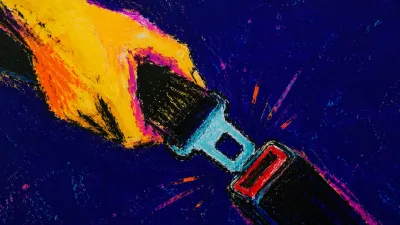
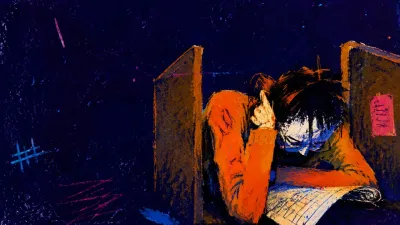
  • At work or school, when someone says, "Want me to look at this?", you give a small smile before they finish, pull the laptop closer with two fingers, and say, "No, I'm good." A few seconds later, your shoulders may creep up, your jaw gets tight, and your breathing turns shallow. You can let that first reflex be present without treating it as the final answer.
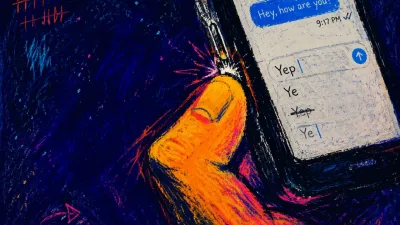
  • When a friend texts, "Do you want me to come over?", your thumb hovers over "yes, please," deletes it, and sends "no worries, all good" with a clean little period. Right after, your throat may tighten, your stomach drops, and there can be a warm pressure behind your eyes. Not knowing whether you want contact can simply be noticed for now.
  • When someone offers money, a ride, or advice, you laugh softly, lift one palm like a stop sign, and change the subject before the offer has any weight. In that beat, your ribs may brace as if you're holding a door shut from the inside, and your pulse may speed up. That bracing can be allowed as an old form of protection.
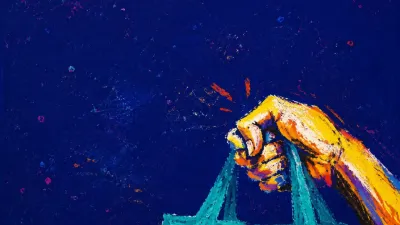
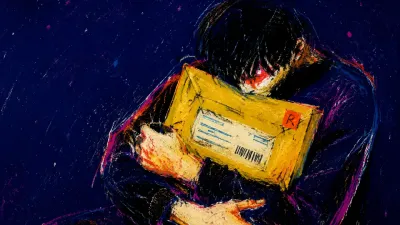
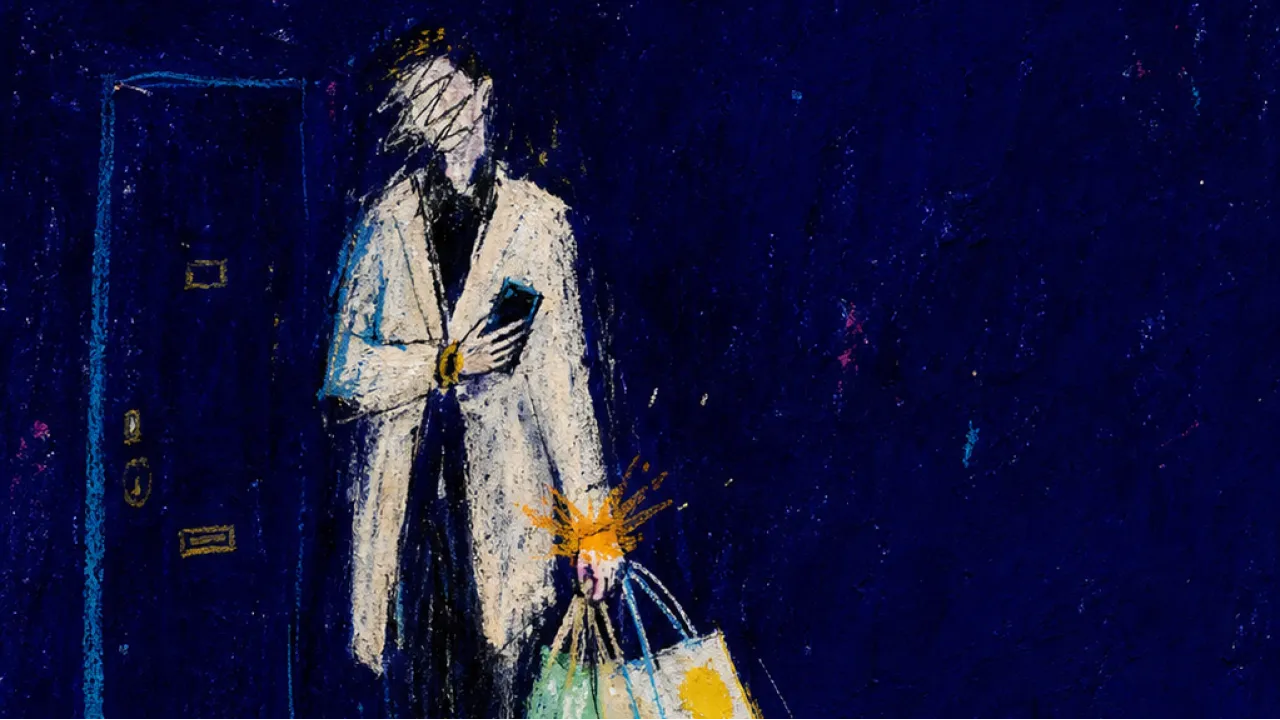
  • Coming home with too much to carry, you hook every grocery bag onto one wrist, pin the keys between your fingers, and nudge the door open with your hip rather than make a second trip. Your forearm burns, your neck stiffens, and a small flash of satisfaction can sit right beside the exhaustion. It is okay to notice the strain before deciding what to do with it.
  • Late at night, when your mind is crowded, you turn the phone face down, open a notes app, and build a plan instead of sending the half-written message at the top of the screen. Your eyes may feel dry, your chest compact, and your body tired but unable to settle. You can let the system pause without forcing a request.

Hyper-independence in Tarot Cards

That reflex to say "I'm good" while your shoulders creep up, your jaw gets tight, and your breathing turns shallow is the body-level signature of Hyper-Independence. From a Jungian perspective, archetypal theory can read this as a self-protective figure guarding autonomy at the edge of contact. The cards below do not fix the pattern; they mirror the unconscious dynamics beneath carrying everything alone. Here are the Tarot Cards that tend to map this terrain.

The Fool Upright
The figure stands alone at the threshold with only a small bundle, and even the loyal dog at the feet does not fully enter the figure's attention. The scene is open, unsupported, and self-contained. Independence here is not just a trait; it is a posture that keeps help at the edge of awareness while preserving the feeling of total authorship. In personal growth, You may turn self-trust into a closed circuit. Advice is not rejected because it is always wrong, but because needing it can feel exposing, derivative, or contaminating to your sense of becoming. The cost is subtle: growth remains yours, but it also remains under-challenged, under-supported, and easier to romanticize than to stabilize.
Reversed
The small bundle over the shoulder, the open hand, and the solitary stance at the edge create a striking image of carrying your life in the lightest possible form. Even with no rail, no enclosure, and no obvious safety net, the posture insists on moving as if needing less were the same thing as being safer. In a family system where help has come with strings, correction, comparison, or future claims, you can learn to treat self-reliance as the only uncontaminated option. That is how Hyper-Independence forms: accepting money, advice, care, or emotional support starts to feel like reopening a door to control. The pattern protects dignity, choice, and adult self-definition, so it should not be mistaken for weakness. Its hidden cost is that autonomy becomes overcompressed into isolation, and the part of you that wants support has to hide until the pressure is already bigger than it needed to be.
The Magician Upright
The Magician works alone at the center of his own table, with every suit arranged close enough to be handled without leaving his station. The scene is competent, contained, and self-sufficient. In timing questions, that can feel deeply reassuring because it suggests the right moment can be built privately, without waiting on anyone else's pace, mood, or availability. But the same structure can harden into Hyper-Independence. When every timing decision has to pass through your own hands, help starts to feel like interference and coordination starts to feel like loss of control. You may delay collaboration, refuse support, or keep carrying the whole seasonal burden yourself, which preserves autonomy but quietly narrows the opportunities that require shared timing to work.
Reversed
The figure works alone at the center of the scene, with one hand pulling from above and the other grounding below, as if the whole circuit must pass through a single body. The table marks a clean separation between self and world, and every tool stays inside his personal reach. In academic life, you can start treating help as contamination rather than support. Office hours, peer review, or supervisor input begin to feel like evidence that you should have handled it yourself, so the workload stays private until the isolation becomes part of the problem.
The High Priestess Upright
The card's stillness is not loose or social; it is load-bearing. The High Priestess rests on stone, keeps her posture perfectly contained, and holds her inner chamber together without visible assistance. That physical self-containment points to a friendship defense in which needing less feels safer than depending more. You may become the friend who can witness, absorb, and regulate without asking for much back, because asking would mean exposing the part of you that is not already composed. In a close support network, this often creates a hidden imbalance: others experience your steadiness as strength, while your own need for support disappears behind competence. The card fits Hyper-Independence because its central image is a person whose interior life is highly protected by self-sufficiency.
The Emperor Upright
The throne lifts him above the landscape, the stone arms contain his body, and the hidden stream never gets center stage. Even the armor beneath the robe says contact with the world must pass through protection first. That geometry creates a closed-loop form of strength. In personal growth, You may keep trying to evolve through self-containment, treating feedback, mentorship, or emotional reliance as threats to sovereignty. The pattern fits because the card shows power organized around distance, not exchange.
The Chariot Upright
The charioteer stands alone, elevated above the team that should be carrying him and separated from the city behind by layers of space and structure. The image does not show shared effort, mutual regulation, or any soft exchange with the environment. It shows a self-contained command position that assumes movement must be organized from within and carried alone. That makes Hyper-Independence a precise fit. You are not just private here; you are treating inner repair as a solo operation that cannot safely rely on outside holding. In introspection, that can look strong and disciplined while quietly preserving the belief that only self-control counts as safety.
Strength Upright
The woman stands alone inside the encounter, body close enough to manage the lion directly, with no second pair of hands, no tools, and no witness sharing the load. The garland loops around her body into a self-contained circuit, making the whole scene look like power must be generated, regulated, and elevated from within a single system. You see this pattern when growth only feels legitimate if you can carry it alone. Feedback, accountability, or emotional support start to feel like contamination rather than reinforcement, so self-evolution becomes a private endurance test. The image points to a control strategy that protects autonomy, but it also keeps your next level unnecessarily isolated.
The Hermit Upright
The grey cloak seals the body, the ridge cuts him off from everyone below, and the staff carries his weight without needing another hand. The card turns support inward: stability comes from what he can hold alone, and distance is built into the posture rather than added after the fact. That visual logic becomes Hyper-Independence in personal growth. You may trust your own insight so deeply that outside input starts to feel invasive, diluting, or less pure than self-authored progress. The pattern safeguards autonomy, but it also limits your evolution to what your current internal system can generate by itself.
Reversed
The Hermit stands alone on a hard ridge with no companion, no settlement, and no shared source of light; the cloak tightens the figure into a sealed outline while the staff becomes the only support point. The scene is so self-contained that outside contact barely exists as a usable option. That is the shape of Hyper-Independence when direction pressure rises. You start treating guidance as contamination and self-reliance as the only honest way to choose, so help feels more threatening than confusion. The future becomes a private burden you must solve without witness, and that closed system keeps your map narrower than your actual life.
The Tower Upright
The Tower's figures are not standing in relation to each other; they are expelled from a sealed height into open air, each body cut loose from the walls, the ground, and mutual contact. The tower itself has functioned like a rigid emotional enclosure, keeping the inner world protected, elevated, and unreachable until the strike makes that separation impossible to maintain. That visual structure maps directly onto Hyper-Independence in love: the defense is not simply distance, but the belief that safety depends on needing no one too much. You may preserve control by holding feelings inside, avoiding dependence, or refusing to let a partner see how much the relationship matters. The collapse shows the cost of that defense. When intimacy keeps getting managed from inside a private tower, the relationship does not receive enough real-time truth to repair itself gradually; it only encounters the hidden pressure once the structure breaks open.
Four of Cups Upright
The youth's crossed arms and legs form a compact personal boundary, while the offered cup remains outside that boundary. He is not chasing approval from the cups in front of him or the cup beside him; he is preserving a self-contained position. The image makes independence visible as a physical enclosure. Hyper-Independence can become especially persuasive in social ecosystems where belonging has previously felt draining, performative, or unreliable. You may learn to treat needing people as a liability and to meet every invitation with internal distance. The fourth cup then becomes uncomfortable not because it is hostile, but because accepting it would mean admitting that support can reach you. The card holds both the intelligence and the cost of that defense. Self-containment can protect your energy, but when it hardens into a default posture, the social field cannot offer reciprocity without first crossing a wall your own body keeps rebuilding.
Reversed
The seated figure creates an almost complete enclosure with his own body. Arms, legs, shade, and silence combine into a private zone where the cups remain outside the perimeter. The image makes independence look physically secure, but also shows how little emotional contact can cross that seal. In family dynamics, Hyper-Independence often forms when support has historically carried obligation, criticism, or a hidden claim on your autonomy. You may refuse help before checking whether it is safe, keep needs invisible, or treat repair as a trap because needing anyone once felt too expensive. The boundary protects selfhood, but it can become so absolute that even neutral care cannot enter. Four of Cups supports this pattern because the card does not show abundance being unavailable; it shows the body unable to receive while trying to stay sovereign. The deeper question is whether the closed perimeter still belongs to your present self or to an older survival agreement with the family system.
Eight of Cups Reversed
The figure walks alone with a single staff, leaving every cup behind rather than carrying even one piece of the old structure with him. In the reversed psychological texture, the solitude becomes rigid. The body is not only moving toward independence; it is treating dependence itself as unsafe. Hyper-Independence often forms when family closeness has been experienced as control, debt, or emotional invasion. The psyche learns to protect autonomy by refusing support before support can become leverage. What looks like strength can become a locked posture against being claimed. The barren path ahead gives the pattern its cost. You may gain distance from the family system, but the same defense can make all relational receiving feel contaminated. The card shows independence becoming less like freedom and more like a survival rule that cannot easily turn off.
Nine of Cups Upright
The seated man looks steady because everything around him is already arranged. His arms close over his chest, the bench supports him, and the cups stand behind him as if his emotional reserves are complete without anyone else's participation. The posture does not collapse; it holds. Hyper-Independence grows from that same controlled stability. The defense says, internally, that needing nothing is safer than needing the wrong people. In a family context, this can become the adult self proving it is untouchable: no help needed, no vulnerability shown, no opening where old criticism, guilt, or control can enter. You may experience this pattern as strength, and part of it is strength. The audit point is that the same self-containment that protected your autonomy can also make safe support feel like a threat, especially when family history has taught you that needing care gives others leverage.
Four of Pentacles Upright
Every pentacle is held by the figure himself: head, arms, and feet all participate in the same closed circuit. Because no limb is free, stability is achieved by refusing contact with anything outside the body's own control. Hyper-Independence follows this exact defensive design. In family contexts, you may reject help, housing, money, advice, or emotional support because dependence has previously carried a hidden claim on your choices, so self-sufficiency becomes a way to keep your adult self from being repossessed.
Five of Pentacles Upright
The man leans on a crutch and the woman wraps herself in cloth while the lit church window stays unused beside them. The available support structure is present, but the bodies continue forward with improvised aids. The psychology is a self-reliance strategy that keeps dignity intact while quietly narrowing the field of help. In personal growth, Hyper-Independence can turn self-improvement into a private endurance test, where asking for guidance feels like proof of weakness instead of a strategic use of resources.
Reversed
The crutch bears weight where a warmer structure stands nearby, and the walkers continue past the illuminated window without turning toward it. Their movement is functional, but it is also narrowed: one support tool, one direction, one exhausted way to keep going. In friendship, Hyper-Independence appears when you make self-containment look like strength. You may stop asking for help, stop clarifying hurt, or disappear when struggling, then privately read other people's silence as proof that nobody would have shown up anyway. The card links this pattern to a defense that once protected dignity but now blocks reciprocity. The issue is not independence itself; it is the invisible rule that needing a friend would make you unsafe, burdensome, or indebted.
Nine of Pentacles Upright
The woman stands alone inside a cultivated vineyard, dressed in costly fabric, with the estate behind her and the trained falcon resting on a protected hand. Nothing in the scene looks chaotic; the garden is owned, tended, and buffered from intrusion, and even the bird of prey is kept close without direct exposure to its claws. That visual order turns self-sufficiency into a psychological defense. The inner system learns to preserve clarity by reducing dependence, filtering access, and making privacy feel safer than emotional reliance. The glove is important because it shows contact without full vulnerability: connection is allowed only when it has been made manageable. In introspection, Hyper-Independence often feels like strength from the outside and isolation from the inside. You may be extremely good at processing things alone, keeping your emotional world elegant and contained, while the deeper need to be met, witnessed, or supported remains outside the garden wall.
Reversed
The falcon rests on the woman's gloved hand, trained and hooded, while she stands alone inside a cultivated estate. The scene shows competence, but it also shows how much the environment has been controlled so nothing unpredictable has to enter too quickly. In academic life, that can become the defense of having to know alone. You may avoid office hours, peer review, or admitting confusion because outside help feels like a breach in the perimeter, even when that same perimeter is quietly limiting how much you can learn.
Queen of Pentacles Reversed
The Queen sits fully resourced inside her own enclosure, with the pentacle close and the garden already flourishing around her. When that self-contained image tightens, the throne becomes less like a seat of grounded presence and more like a protected perimeter. The defense works by converting vulnerability into competence. You may offer practical care, stability, solutions, and reliability while keeping the softer need to be held out of reach. In love, this pattern can make a relationship look functional while emotional dependence remains forbidden. The card's enclosed abundance reveals the paradox: you may have built enough inner resources to survive alone, but the same structure can make receiving love feel more threatening than giving it.
Five of Swords Reversed
The central figure stands alone with the swords, visually over-equipped and emotionally isolated. The distance from the others looks protective, but it is built from the same weapons that caused the separation. Reversed, the card shows independence hardening into a survival posture. In a family system where closeness has carried guilt, control, or obligation, needing no one can feel like the only way to keep a self intact. For You, Hyper-Independence may have been an intelligent adaptation to an intrusive or scorekeeping family field. The audit point is not to surrender your autonomy; it is to notice when every offer of contact is automatically coded as a threat before it can be evaluated clearly.
Seven of Swords Upright
The man in the Seven of Swords carries the entire load by himself, with no visible partner, witness, or collaborator in the frame. The camp behind him is full of collective structure, but his body has separated from it and turned the whole operation into a private maneuver. That solitary posture becomes a psychological defense when the question is life direction. You may treat the future as something you must solve alone, not because support is unavailable, but because being seen in uncertainty feels too exposing. Hyper-Independence shows up as private planning, silent course correction, and refusing feedback until the load becomes heavier than it needs to be. The card does not shame the independence; it audits the cost of making aloneness the only trusted navigation system.
Knight of Swords Reversed
The knight has no visible shelter, room, or relational container around him. Safety is built from armor, speed, and mission, as if stillness would expose too much and reliance would slow the charge. Hyper-Independence in family systems often forms the same way. You may prove autonomy by needing nothing, asking for nothing, and staying emotionally self-contained because dependence has been associated with control, guilt, or being pulled back into an old role. The card shows the strength of self-direction, but it also reveals the cost of making self-reliance the only safe identity. The deeper pattern is not independence itself; it is the defensive belief that connection must always threaten freedom.
Queen of Swords Upright
The Queen is surrounded by open air, but she does not reach for support from the landscape. She sits contained in a stone throne, elevated above the clouds, with her body held in a posture of self-command rather than mutual reliance. That image captures the defense of becoming untouchable before anyone can make dependency costly. In a family system where closeness has been tied to control, guilt, or expectation, distance can feel less like loneliness and more like the only stable architecture of selfhood. Hyper-Independence appears when You prove safety by needing nothing. The card exposes the hidden contract inside that stance: autonomy is real, but if it depends on never receiving care, the throne becomes both protection and isolation.
Reversed
The Queen sits high above the clouds, surrounded by open air, distant trees, and a single bird moving far from the relational field. Her throne gives her sovereignty, but in a strained reading that same elevation can become a private bunker where no one can reach the real need underneath the composure. Hyper-Independence forms when distance becomes the only reliable way to stay intact. In friendship, You may become the clear-headed adviser, the strong one, or the person who never asks for support, while quietly building resentment because the people around You cannot read a need that has been trained to stay invisible.
King of Swords Reversed
The King is elevated, contained, and physically separate from the landscape around him. In the reversed texture, that separation stops functioning as discernment and becomes a wall: the throne protects autonomy by keeping dependence, need, and softness at a distance. Hyper-Independence often develops in family systems where relying on others once came with guilt, control, disappointment, or emotional debt. You may tell yourself you are simply capable, but the pattern is more specific than competence: it treats needing anyone as a risk to self-possession. The card's stillness shows why this pattern can look strong while feeling isolating. The sword preserves clarity, but it also keeps relational warmth from crossing the boundary. The audit is not about surrendering autonomy; it is about seeing where autonomy has become a defense against being known.
Two of Wands Reversed
The castle wall gives the figure a clean edge between himself and the world below. One wand is fixed to that edge, while his body remains separate, elevated, and self-contained. Reversed, that clean edge can harden into a rule that closeness itself is dangerous. You may protect independence by refusing help, hiding needs, or treating any family involvement as an attempt to regain control over you. Hyper-Independence grows from the same visual structure that makes the card powerful: the defended threshold. In family tarot, the pattern shows autonomy becoming so guarded that even supportive contact starts to feel like a breach.
Seven of Wands Upright
The figure is completely alone on the high ground; no ally, witness, or neutral space is visible behind him. Both hands are committed to the wand, so the body has no free hand left for receiving anything. That loneliness turns self-protection into a full-time posture. You may read family support as another wand pointed upward, not as a stabilizing offer, because the old system trained independence to feel safer than being held.
Nine of Wands Upright
The eight wands behind the figure make a fence, but the line is not complete without him standing in the break. His body becomes part of the structure, and the wand in his hands works less like a tool of movement than a pillar that keeps the whole defense intact. This is the visual logic of relying on the self as the only dependable support. In love, Hyper-Independence can make receiving care feel risky, because the nervous system has learned that safety depends on staying upright, useful, and hard to reach. The pattern protects dignity, but it also blocks reciprocity. You may keep proving that you can handle everything alone while quietly testing whether anyone would notice the weight you never admit you are carrying.
Reversed
The defensive wall in the Nine of Wands is not self-sufficient; the figure becomes part of it. He stands where the line is weakest, holding himself upright as if personal exposure is the price of keeping the structure intact. In a reversed social context, that posture turns into a refusal to show need. You may keep your fatigue private, avoid asking for reassurance, handle group friction alone, and maintain the image of being fine because dependence feels like a breach in the wall. Hyper-Independence is the psychological logic of becoming your own fortification. It protects autonomy, but it can also make belonging strangely unreachable, because the people around You are never allowed close enough to help carry what You are guarding.
Ten of Wands Reversed
The Ten of Wands shows a solitary worker carrying a load that has no visible helper, tool, or shared system around it. The wands stay together because his own grip keeps them together, turning direct control into the condition of progress. That visual logic fits Hyper-Independence when career pressure makes support feel unsafe. Asking for help may register as exposure, delegation may feel like loss of control, and sponsorship may feel like dependency rather than leverage. The defense protects autonomy, but it also isolates you from the relationships that often move careers forward. In the reversed texture of the card, carrying alone becomes less about strength and more about fear of distributed power. You may be guarding your competence so tightly that no one can actually support, promote, or scale it.
Knight of Wands Upright
The knight rides through a bare desert with simple tack, full armor, and no visible companion beside him. His body is protected, mobile, and already angled toward departure, as if safety depends on being able to move before anyone can hold him. Hyper-Independence uses self-containment as a boundary when family closeness has been tied to leverage, obligation, or emotional debt. You may reject help before it is offered, leave quickly after contact, or treat needing anything as a loss of agency. The card links this pattern to the lonely strength of the armored rider: capable, fast, and protected, but carrying the cost of never letting the family system see a legitimate need.
Queen of Wands Reversed
The Queen sits alone in a desert throne room, surrounded by distant pyramids and symbols of authority, with every visible tool kept within her own hands. In the reversed state, the spacious desert becomes a self-contained island where help exists at a distance but does not enter the inner field. Hyper-Independence turns academic support into a threat to autonomy. You may avoid office hours, peer review, or draft feedback because needing input feels like losing command, even when the work is asking for a wider system than one person can hold.
King of Wands Reversed
The king sits alone in a vast desert, holding the only living wand as if the entire field of vitality must pass through his hand. The throne separates him from the landscape, and no other figure shares the burden of orientation. For you, that solitude can become an inner rule that every emotion must be managed privately and every need must be solved from within. The pattern protects autonomy, but it can also make support feel like intrusion and leave the hidden self carrying more heat than one system can metabolize.

Hyper-independence in Tarot Card Reading Insights

For anyone who deletes "yes, please" and sends "all good" instead, others have brought this same self-contained stance into readings. After the cards, the next layer is seeing how this pattern appears when a reading holds similar questions. Below are Tarot Reading Insights that speak to Hyper-Independence.
Psychological patterns related to Hyper-independence