Does Routine Feel Like a Cage?

Define the avoidance loop, see tarot cards that mirror it, and browse reading insights where structure feels loaded.

Routine Avoidance
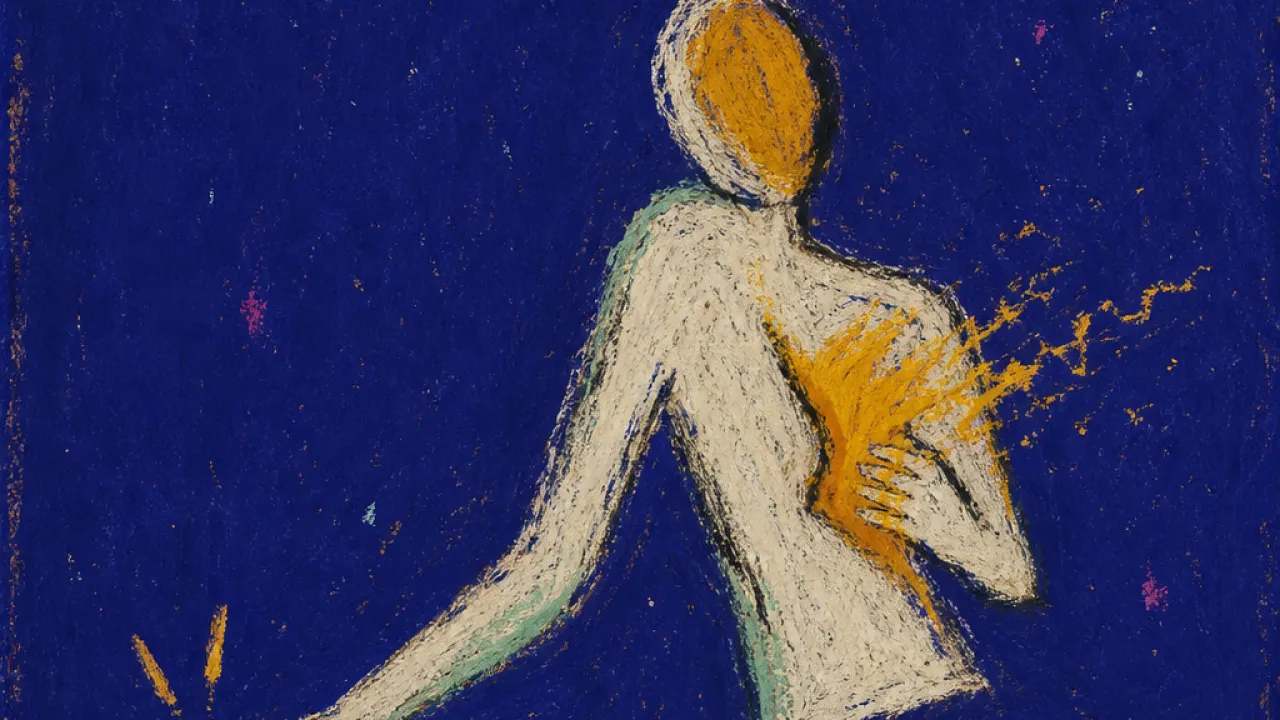
A figure turns from an open planner and laundry pile, fingers on a silenced alarm, amber light pressed into steel-blue blocks

What is this really?

You avoid routines by staying flexible just a little longer: pushing back bedtime, redesigning the plan, skipping the grocery run, letting laundry wait, or treating a ten-minute reset like it has to become a whole new life system. This usually makes sense from the inside, because routine can feel less like support and more like a loss of air, a line on the ground that might turn into pressure, proof, or someone else's control. Yet the more you protect open space by dodging repetition, the more sleep, food, chores, recovery, and time begin to drift without a frame, leaving you caught between craving steadiness and reading every structure as a cage, much like the Devil, where the chains are loose but the figures stand as if the black cube has already decided the size of their world.

Why did it happen?

If structure once arrived with pressure, shame, sudden change, or someone else taking over your time, staying unplanned may have felt like the only way to keep a little breathing room. Now that same inner pattern can switch on when you open a planner, set an alarm, or start a cleaning rhythm, so a small useful step feels like signing away the whole day. The subconscious loop protects space for a moment, but it can leave you mentally tapped out before the routine has even begun.

How does it feel?

  • You wake up, silence the alarm with two fingers, squint at the ceiling, and tell yourself the routine can start after one more scroll... in that moment, your chest may feel tight and your limbs heavy, as if standing up would lock the whole day into place. You can let the pause exist before deciding the next move.
  • At your desk, you open the habit tracker, hover over the first checkbox, then click into a different tab and straighten the same pen twice... after that tiny detour, your jaw may clench and your breathing may go shallow before you even know what you are avoiding. That signal can be noticed without turning it into a verdict.
  • In the kitchen, you hold the grocery list half-open, close the fridge with your hip, and choose something familiar instead... your stomach may drop a little, with a flatness behind the eyes that makes the smallest plan feel strangely loud. It is okay to meet that sensation without making it prove anything about you.
  • When the laundry pile is visible, you pick up one sock, smooth it between your fingers, then toss it back and walk past the basket... your shoulders may creep upward and your throat may feel dry, like the room has asked for more contact than you expected. You can allow the reaction to be present without forcing a full reset.
  • When someone asks what your week looks like, you say, "I'm keeping it loose," while rubbing your thumb along the edge of your phone case... there may be a quick buzz under your ribs, half relief and half restlessness, as if commitment and escape arrived together. Uncertainty can stay in the room for a moment.

Routine Avoidance in Tarot Cards

The reflex to keep the day loose the second structure starts to feel like a cage is the same place where your chest may feel tight and your limbs heavy. From a Jungian perspective, archetypal theory gives that freedom-versus-structure split a readable shape. These Tarot Cards mirror the unconscious dynamics underneath the skipped reset, the open planner, and the routine that suddenly feels too fixed. Here are the Tarot Cards connected to Routine Avoidance.

The Fool Reversed
The staff rests lightly on the shoulder, the bundle is small, and the yellow boots are built for motion rather than settlement. Nothing in the body says 'root here'; the whole figure is organized around departure, lightness, and staying unburdened. In daily life, that can turn repetition into a felt loss of space. You are not incapable of discipline; the pattern starts reading routines as enclosure, so skipped basics, spontaneous detours, or total resets become ways to recover freedom when maintenance begins to feel too fixed.
Death Reversed
The bodies in the foreground do not move as a coordinated system. One lies flat, one kneels and turns away, one prays, and one stands in uncertain attention, while the horse continues through them. The scene holds many responses, but almost no usable daily action. Routine Avoidance appears when ordinary maintenance starts feeling like contact with the whole collapse. A bedtime, a grocery run, a laundry cycle, or a ten-minute reset no longer feels small; it feels like stepping into the path of the horse and admitting how much has changed. The Death card gives this pattern a clear visual logic. The issue is not laziness; the body is treating routine as evidence of a larger ending. Until that ending is named, the simplest lifestyle task can feel like too much contact with reality.
The Devil Upright
The chains around the figures' necks are visibly loose, yet neither figure lifts a hand to remove them. The body has accepted the boundary before testing it, and the black cube turns a removable restraint into something that feels like the architecture of reality. Routine Avoidance grows from that same mechanism. In daily life, the helpful structure may be simple, but the nervous system reads it as another form of captivity: a sleep window, a cleaning rhythm, a food plan, or a weekly reset can start to feel like a demand rather than a support. The Devil's scene clarifies why avoidance can feel strangely safer than change. You may not be trapped by the routine itself; you may be trapped by the meaning attached to structure, where any stabilizing habit gets unconsciously coded as control, pressure, or loss of freedom.
The Tower Reversed
The figures are expelled from a structure whose walls once contained them, and there is no visible landing, doorway, or safe middle level. The body learns the tower not as shelter but as the place where collapse begins. You may recognize this when planning your week, setting alarms, or rebuilding habits makes you tense before anything has gone wrong. The Tower links to Routine Avoidance because the visual field pairs structure with shock, so the mind starts treating any routine as a potential trap rather than a support.
The Moon Reversed
The crayfish has already broken the surface, but it has not fully chosen the path. Behind it is the pool, a familiar unconscious container; ahead of it is a long, poorly lit road watched by agitated animals and framed by distant towers. The card captures the body at the moment where movement is possible but emotionally charged. Routine Avoidance grows from that split. In lifestyle imbalance, You may know exactly which structure would help: sleeping earlier, cleaning the room, planning meals, closing the laptop, stretching, replying, budgeting, or resetting the week. Yet the first action carries the feeling of entering an unknown territory, so the system retreats to the familiar pool of delay. The reversed Moon shows avoidance as a protective misread of uncertainty. The routine becomes a symbol of exposure, discipline, and future accountability, so the nervous system treats it like danger even when it is actually a stabilizing path.
Judgement Reversed
The resurrected bodies answer the trumpet with raised arms, yet every figure remains framed by the coffin that was supposed to be left behind. The image contains activation without exit: the call is heard, the lid is open, but the old container still sets the body's radius of movement. Routine Avoidance fits the reversed current because the lifestyle system can know exactly what would help and still hover at the edge of doing it. You may keep returning to the familiar coffin of disrupted sleep, clutter, reactive work, or skipped maintenance because beginning the routine would turn vague pressure into a real structural commitment.
Four of Cups Reversed
The offered cup is close enough to receive, but the folded body has no path of reach. Arms and legs are arranged like a closed circuit, and the empty space between the figure and the cups becomes a zone where nothing can be acted on. That is the body-language logic of Routine Avoidance. In a lifestyle context, the issue is not always lack of information; the next step may be visible, basic, and available, but the body treats it as emotionally expensive before it even begins. The card shows how ordinary maintenance can become charged with proof, failure, or pressure. You are looking at a loop where inaction preserves temporary relief while the daily structure quietly loses coherence.
Seven of Cups Reversed
The figure faces the cups but does not touch them, and the scene offers no table, road, tool, or grounded sequence for action. The body remains in front of possibility while the mist turns practical life into something distant and strangely weightless. That visual suspension becomes Routine Avoidance when ordinary maintenance feels too flat compared with the imagined life above it. You may know that laundry, meals, sleep, cleaning, admin, and recovery would stabilize the system, but the mind keeps escaping into redesign because repetition feels like a loss of freedom. The Seven of Cups shows the cost of that escape with unusual clarity. The visions stay beautiful because they are not repeated daily; the routine feels boring because it is where the fantasy must become physical.
Page of Cups Reversed
The Page is absorbed by the fish in the cup, but the image does not show him walking, releasing, cleaning, building, or repeating a grounded action. His body can hold the emotional object beautifully while the practical next step remains untouched. Routine Avoidance appears when the system keeps circling the emotionally interesting part of life and quietly slips away from the repeatable part. The fish is vivid, responsive, and alive; the routine is dull, flat, and not immediately rewarding, so attention keeps returning to the signal that gives the fastest feeling of contact. In your lifestyle architecture, this can look like redesigning the plan, waiting for the right mood, or giving energy to the charming fragment while sleep, food, laundry, admin, and recovery remain unheld. The pattern is not a lack of desire for stability; it is a defense against the emotional monotony required to create it.
Knight of Cups Reversed
The horse moves gently, but the rider's attention is more magnetized by the cup than by the ordinary ground beneath the hooves. The emotional object is vivid, while the repeated steps of the journey remain quiet and unglamorous. This is the structure of Routine Avoidance. The system protects emotional aliveness from the flatness of repetition, treating maintenance as if it will kill the meaning that inspired the change. In lifestyle questions, this pattern shows up when stability is desired but the rituals that create stability feel suffocating, boring, or too mundane to commit to. The card makes visible the split between wanting a beautiful life and avoiding the repetitive architecture that lets beauty become livable.
King of Cups Reversed
The King's foot reaches toward the sea without fully entering it, while both hands remain occupied by the cup and scepter. The body is poised near contact but never has to step into the water, row the boat, or alter the surrounding conditions. The image holds the exact tension between readiness and non-engagement. Routine Avoidance appears when simple structures feel emotionally loaded because they expose the gap between the life you intend and the capacity you actually have. Avoiding the routine protects you from that contact for a moment, but it also leaves sleep, health, chores, and recovery floating without a dependable frame.
Ace of Pentacles Reversed
The path is clear, the archway is open, and the garden is ready to be entered, but the only body part present is a hand suspended in the sky. The image contains a route into material life without showing a figure actually walking it. Routine Avoidance forms in that suspended space between wanting a life system and repeating the small actions that would ground it. You may understand exactly what would help: sleep timing, laundry, food prep, cleaning, body care, admin, or a simple daily reset. The reversed Ace of Pentacles shows the split between the imagined garden and the ordinary maintenance path that has to be walked for the garden to become yours.
Two of Pentacles Reversed
The figure dances instead of standing still, and the whole scene depends on keeping motion alive. You can feel how the body avoids the vulnerability of a fixed stance by turning balance into continuous choreography. Routine Avoidance arises when movement becomes more tolerable than repetition. In your growth work, changing the method, mood, app, framework, or aesthetic keeps the system stimulated, while the ordinary habit that would actually change the pattern remains unglamorous and uninstalled.
Eight of Pentacles Reversed
The card is built from repeated physical action: bench, tool, coin, strike, correction. In the reversed texture, that same repetition can feel like confinement, with the distant town promising a bigger future while the body remains stuck at the small daily surface. Routine Avoidance fits because personal growth often breaks at the point where vision has to become boring. You are not resisting transformation itself; the pattern hides in the refusal of the small repeatable behaviors that would make transformation measurable.
Eight of Swords Reversed
The woman’s stance is divided between muddy ground and pooled water, with her red robe constrained by pale bindings. The image carries a strong conflict between active life force and the fear that structure will tighten around it. Routine Avoidance grows from that conflict. In lifestyle design, a routine can be desired as a form of stability and rejected as soon as it starts to feel like confinement. The person wants sleep, order, health, clean space, and rhythm, but the moment those needs become scheduled or embodied, the system drifts back toward unstructured time because looseness feels safer than commitment. The card’s enclosure explains why the avoidance is not random. When structure has been internally coded as restriction, even a helpful routine can be perceived like another sword in the ground. You are seeing a nervous system that needs architecture, but mistrusts the feeling of being held by one.
Ten of Swords Reversed
The fallen figure is close to a river and a horizon, but the body remains fixed in the foreground under the swords. The symbols of movement and renewal are present, yet the visual attention stays locked on the place where the routine ended badly. Routine Avoidance develops when structure becomes associated with pressure, shame, or previous collapse. You may avoid planners, habit apps, cleaning systems, meal prep, sleep schedules, or wellness routines because each one feels like another reminder of failure rather than a bridge back to steadiness. The card shows how a tool can become a trigger when the nervous system associates it with impact. The pattern is not resistance to order itself; it is resistance to a version of order that has started to feel like punishment.
Ace of Wands Reversed
The card freezes the most exciting moment of the cycle: the wand has just appeared, leaves are fresh, and the landscape is still untouched by repetition. Nothing in the image shows the boring maintenance after the spark, the daily return to the same system, or the friction of ordinary upkeep. That missing middle becomes the pattern. You may feel alive when a new routine begins, then feel trapped once the same routine asks for repetition without novelty. Routine Avoidance emerges when ignition is coded as freedom and maintenance is coded as deadness. The Ace of Wands makes that split visible, showing why a lifestyle system can be loved at the moment of creation and abandoned at the moment it starts to work.
Four of Wands Reversed
The figures lift their garlands in a moment of visible completion, but the card also places the real home beyond the foreground structure. In reverse, the gesture can become the endpoint: the system celebrates being set up before it has been lived in. Routine Avoidance is the defensive drift away from maintenance. The mind prefers the emotionally legible moment of reset because repetition has no applause, no ribbon, and no dramatic identity shift. You may not be avoiding care itself; you may be avoiding the part of care that is quiet, cyclical, and never fully finished. In lifestyle architecture, this is where laundry, meal prep, sleep timing, admin, movement, and environmental upkeep become psychologically heavier than they look. The Four of Wands reveals that a stable frame only helps if the ordinary rituals inside it are allowed to repeat without needing to feel inspiring every time.
Page of Wands Reversed
The Page looks toward the wand and the horizon while the immediate ground remains plain, dry, and almost featureless. His body is invested in the symbol of possibility, but the physical environment around him still needs ordinary structure. That split is the body of Routine Avoidance. The psyche keeps contact with inspiration because inspiration feels alive, while repetitive maintenance feels too small, too boring, or too exposing. The wand holds belief; the desert holds the actual work of building a day that can repeat. In lifestyle tarot, this pattern becomes visible when the search for a better system keeps replacing the system itself. You may research routines, save templates, imagine the ideal morning, and identify with transformation, while sleep timing, dishes, meal prep, laundry, and energy pacing remain untouched. The card makes the avoidance precise: the mind is not avoiding growth, it is avoiding the friction of maintenance.
Knight of Wands Reversed
The horse's front legs are lifted away from the ground while the rider stays armored above the desert. The figure is close to the terrain but not yet in steady contact with it. The visual emphasis is transformation, display, and departure rather than grounded repetition. Routine Avoidance appears when the ordinary maintenance layer of life feels psychologically heavier than a dramatic change. Cleaning, sleeping consistently, preparing food, handling laundry, and protecting recovery can feel too small to match the inner fire, even though those are the structures that keep the system from collapsing. The card's fire makes the avoidance understandable: the psyche wants movement with meaning, not dull repetition. The audit is to notice where You keep choosing the charged threshold over the grounded contact that would let your life actually hold the change.

Routine Avoidance in Tarot Card Reading Insights

For anyone who keeps the day loose until sleep, food, laundry, and admin start floating without a frame, others have brought the same split into readings. The shift from cards to readings shows how this pattern can look when someone sits with it in a spread. Below are Tarot Reading Insights connected to Routine Avoidance.


Psychological patterns related to Routine Avoidance