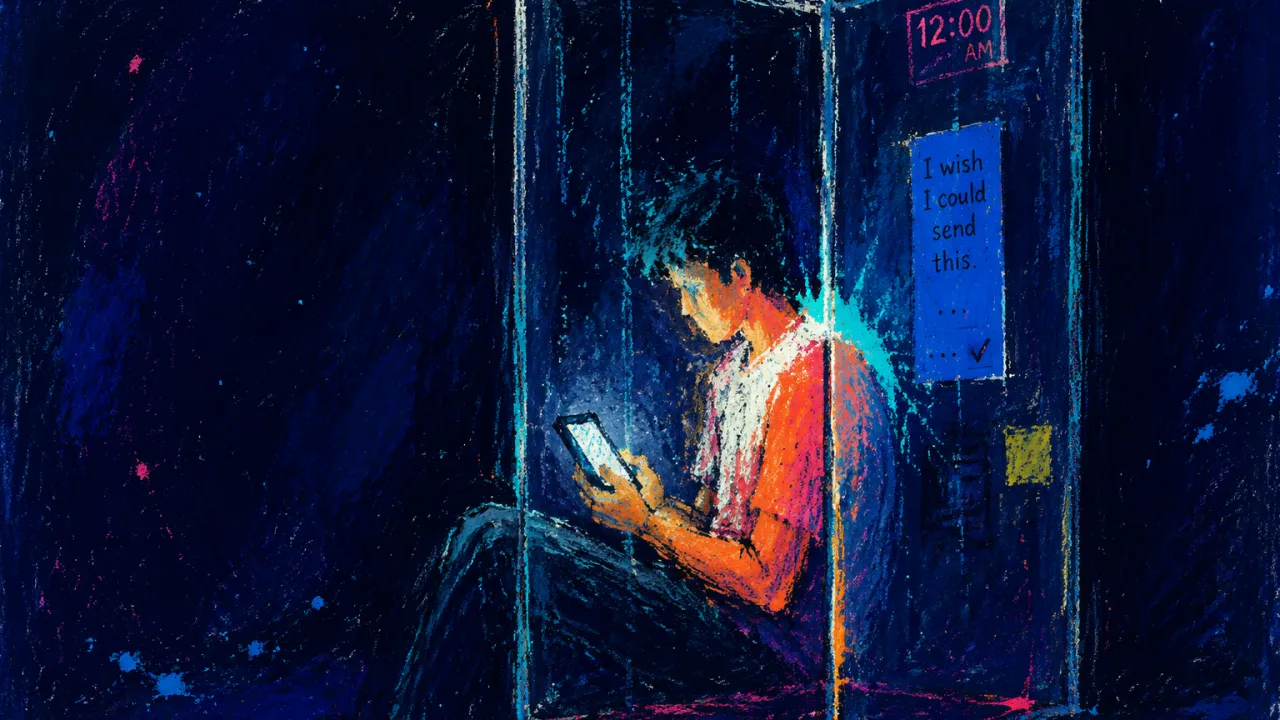
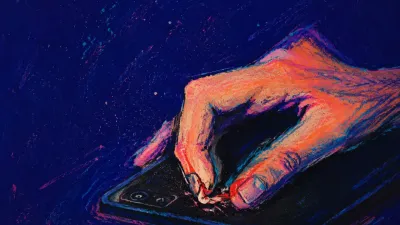
Vulnerability Containment Strain lives in the moment when closeness is wanted, but access still needs a rim, a pace, and a limit. You can feel it in the tight throat, shallow breath, and hand hovering over send when something honest is close to leaving your body. From an existential perspective, the structural framework of this struggle is about trying to stay emotionally available without becoming fully exposed. The Tarot Cards below mirror that exact shape: openness held inside protection, feeling kept alive by a container strong enough to hold it.
The Chariot UprightThe charioteer is visibly protected and visibly exposed at the same time. Armor covers the body, the squared vehicle fixes the lower half in place, and the open front leaves the figure facing the full pull of whatever comes next. That physical arrangement gives shape to a specific friendship struggle: wanting closeness while needing a container strong enough to keep closeness from becoming access without limit. You can be present, loyal, and emotionally available, yet still feel the rigid cost of having to decide exactly how much of yourself is safe to reveal. The card holds vulnerability inside structure rather than treating openness as unlimited exposure. In a friendship reading, it points to the place where connection is real, but only survivable when the terms of access are consciously held.
Strength UprightThe lion's mouth is the most charged point of the image, and the woman's hands rest exactly there. One hand touches the upper jaw while the other reaches toward the lower jaw, making expression and restraint pass through the same small opening. That narrow interface carries Vulnerability Containment Strain. You may feel something pressing toward language, tears, anger, confession, or self-recognition, while another part of the inner system keeps measuring how much exposure can be survived. The card does not turn vulnerability into weakness. It shows vulnerability as a force that needs a container strong enough to hold it without sealing it away.
The Hanged Man UprightThe figure's torso is exposed to the open air, yet his hands are folded behind his back where they cannot reach, hold, or defend. His calm face and luminous head do not erase the physical fact that the body is available to view while its tools for contact remain hidden. In a relationship, that posture reflects vulnerability without a usable channel for expression. You may feel emotionally open, deeply affected, or ready for closeness, while the actual ability to ask, touch, protest, or clarify stays contained behind the relationship's quiet surface.
Temperance UprightThe angel holds one cup above another with a stream so exact that nothing spills, while one foot rests on land and one touches water. The whole body becomes a living valve between disclosure and containment, allowing feeling to move without letting it flood the scene. In love, that structure mirrors the strain of opening only as far as the relationship can hold. You are not simply being guarded; you are trying to keep vulnerability alive inside a connection where too much force, too soon, could break the channel.
The Star UprightThe Star places a nude figure at the edge of a pool, kneeling with one part of the body on land and another touching water while both hands release what they hold. The image is open, visible, and quiet, but the body has no enclosure around its exposure. In love, that posture maps to the strain of being emotionally available without knowing whether the relationship can hold what becomes visible. You are not simply afraid of intimacy; the card locates the pressure in the gap between truthful openness and the missing container that would make openness feel safe enough to continue.
Ace of Cups UprightThe cloud-born hand supports an ornate cup with a touch light enough to keep the vessel open, while the dove and five streams converge on the same exposed center. The image does not show a sealed container; it shows a living threshold that must receive, release, and remain upright at once. In introspective work, that is the exact strain of becoming available to buried feeling without letting the whole inner system flood. You are not simply being sensitive; the struggle has a shape: openness requires a container strong enough to hold what arrives before it pours through every channel.
Two of Cups UprightThe cups are open, but they are not spilled; they are held at a measured height between two separate bodies. The image carries vulnerability as a contained exchange, where something can be offered only because the vessel still has a rim. You can meet this structure when personal growth asks you to show an unfinished goal, ask for feedback, or let someone witness the part of you that is still forming. The strain comes from needing contact without collapse, support without exposure becoming total access. The caduceus holds the middle line, but it does not remove the risk of being seen. The card frames vulnerability as something that needs a container, so the struggle is not simply whether to open up; it is whether your growth can be witnessed without your inner boundary dissolving.
Four of Cups UprightThe figure sits beneath the tree with the chest shielded, the legs folded, and the hands unavailable for contact. Around him, cups occupy both the ground and the air, yet none of them enter the protected interior space his posture has made. In a relationship, this is the structure of vulnerability needing a container and finding only a locked room. You may be close to intimacy, conflict repair, or emotional honesty, but the part that would receive it has no safe place to put the exposure. Vulnerability Containment Strain is the precise shape of that pressure. The card shows the offer of feeling and the architecture of containment at the same time, making the struggle less about refusing love and more about not having a stable inner vessel for what love would ask You to feel.
Six of Cups UprightThe boy extends the flower-filled cup with a softness that still stays inside the protected courtyard. The gesture reaches outward, but the manor walls, the clear boundaries of the garden, and the watchful background figure keep the exchange from becoming fully exposed. That is the exact shape of Vulnerability Containment Strain in introspection. You can access tenderness, memory, and care, but only inside a carefully managed inner room where the terms of exposure are controlled before feeling is allowed to move. The Six of Cups does not make vulnerability chaotic; it makes it ceremonial. It shows the part of you that wants emotional contact while still needing the whole scene to remain safe, bounded, and familiar enough to survive the contact.
Nine of Cups UprightThe crossed arms in the Nine of Cups do not move toward the cups, the viewer, or any unseen guest. They make a protective bar across the chest while the seated body stays stable, contained, and difficult to enter. For social belonging, that posture locates the strain in the act of holding your emotional supply close while still wanting contact. You are not simply closed off; the card shows a body trying to keep its inner source intact in a room where connection would require opening the guarded center.
Page of Cups UprightThe chalice is a beautiful container, but a living fish is not built for a cup. The Page holds it carefully at shoulder height, caught between display and protection, while the sea behind him marks the larger habitat that would expose the creature to real movement. In personal growth, the same tension appears when your unfinished self, creative sensitivity, or soft ambition needs both protection and contact with the world. The struggle is not fragility itself; it is the strain of trying to keep vulnerability alive without sealing it so tightly that it cannot mature.
Knight of Cups UprightThe knight is armored, but the thing he carries is open, delicate, and held out in front of him. One hand protects the cup, the other controls the horse, so the whole body becomes a moving container for something that could spill if the pace changes too quickly. That physical arrangement is the core of Vulnerability Containment Strain. In introspection, the psyche often has to bring a tender feeling into awareness without either exposing it too abruptly or locking it behind protective armor. The card does not romanticize openness. It shows the labor of holding emotional material with enough care to keep it intact and enough movement to keep it alive. You are not simply being guarded; the structure is trying to find a container strong enough for what is finally becoming visible.
Queen of Cups UprightThe lidded chalice, shell-shaped throne, and distant wall create layers around the Queen's emotional center. Nothing in the scene is violent or chaotic, yet access is carefully filtered through protection, privacy, and a controlled shoreline. That arrangement mirrors the way vulnerability can become dependent on a perfect container. You may be close to the feeling, even devoted to understanding it, while still unable to let it become fully exposed. For inner work, the card places the struggle at the boundary between safety and access. The guarded cup shows that opening is not a simple act of willingness; it is a negotiation with the structures that make softness survivable.
King of Cups UprightThe cup is small enough to hold, while the sea behind it is too vast to master by hand. The scepter repeats the cup shape, turning receptivity into an emblem of control and making vulnerability pass through the language of authority. Vulnerability Containment Strain lives in that conversion. You may have real access to tenderness, grief, longing, or sensitivity, but the card shows those signals being held in a formal vessel before they are allowed to exist. For introspection, the struggle is not that vulnerability is missing; it is that vulnerability has to become controlled, meaningful, and presentable before it can be admitted. The King of Cups gives that pressure a precise image: the heart is present, but it is being asked to sit like a ruler.
Ten of Pentacles UprightThe child reaches toward the dog from behind the mother's body, half-present and half-sheltered. The arch promises access to the household interior, but the figures remain arranged at thresholds, as if contact is possible only when exposure is carefully rationed. This is the introspective texture of Vulnerability Containment Strain. The part of you that wants to touch the feeling, memory, or need is moving forward, while another part keeps the body behind a familiar cover. The card does not frame vulnerability as a clean confession. It shows a controlled approach toward tenderness, where inner material can be sensed, named, and approached, but only within a boundary tight enough to keep the whole self from feeling overexposed.
King of Pentacles UprightThe robe is covered with vines and grapes, but armor still sits underneath it, and the sceptre remains upright in his hand. Warmth is visible on the surface, while the body stays prepared behind a layer of metal and rank. In love, this creates a precise shape for vulnerability that has to pass through competence before it can be felt. You can offer steadiness, loyalty, and practical presence, yet the tender part of the bond remains contained until the armor is seen as part of the emotional structure.
Three of Swords UprightThe heart floats without ribs, hands, ground, or shelter while rain falls through grey air around it. Nothing in the image absorbs impact for the heart; the organ is exposed directly to blade, weather, and empty space. Personal growth often asks for honesty, but this image shows honesty without enough containment. You are not simply being sensitive to self-work; the card marks the strain of trying to open a vulnerable place while no stable boundary is holding the exposure.
Eight of Swords ReversedThe red robe is vivid, but it is crossed and compressed by pale bindings until the body's expressive force has no usable route outward. The figure remains upright, yet that stability is purchased by holding movement, reach, and disclosure behind the back. Vulnerability Containment Strain is the intimate pressure of having real feeling present while keeping it tightly wrapped. You may look composed in the relationship, but the card shows the cost of containment when desire, hurt, need, and truth cannot move through the bond. In the reversed texture, the restraint has become a system rather than a moment. The struggle is not that feeling is absent; it is that feeling is held so still for so long that openness begins to feel structurally unsafe.
Nine of Swords UprightThe woman sits upright in a bed that should hold sleep, yet her hands seal her face while the swords cut across the space above her head and chest. Her body does not reach outward or collapse fully into rest; it folds the most exposed parts of the self behind a physical barrier while the pressure remains visible around her. That posture gives Vulnerability Containment Strain its exact shape. The inner material is close enough to break the surface, but the body can only manage it by covering the mouth, eyes, and breath. In introspection work, this is the private moment when You know something needs to be felt, but the system also treats that feeling as too exposed to let it move freely. The card does not frame vulnerability as weakness. It shows a containment system under load: the quilt protects, the hands shield, and the swords keep naming what cannot yet pass through the body without overwhelming it.
Page of Swords ReversedThe unarmored Page holds the sword like both a weapon and a brace, with open sky around him and unstable ground underfoot. The body has exposure, but it also has a tool raised between itself and whatever may approach. In intimacy, Vulnerability Containment Strain shows up when feeling has to be held inside careful wording, analysis, jokes, or defensive timing before it can be shared. The card gives that struggle a physical boundary: the vulnerability is real, but it is being contained inside a posture designed to keep the self from losing balance.
Queen of Swords UprightThe Queen wears the sky on her shoulders while the sword rises into clearer air above the thick clouds. Her face is controlled, her posture is steady, and the warmer signs of life sit contained beneath a severe vertical line. That image gives form to a friendship where the emotional truth is present but tightly held. You may know exactly what hurt, what changed, or what needs to be said, yet the friendship only receives the composed version because the unfiltered version feels too disruptive. Vulnerability Containment Strain lives in that suspended posture. The card shows the cost of staying lucid and restrained for the sake of the bond: your clarity remains visible, but the feeling that gave rise to it stays wrapped under the cloak.
King of Swords ReversedThe King’s red hood and sleeves show warmth at the edges, while the larger blue garments and stone throne keep the overall image controlled. Feeling is present, but it is routed through a composed surface and held inside a formal posture. In friendship, this is the shape of hurt that has learned to sound reasonable. You may state the facts, manage your tone, and keep the conversation clean, while the vulnerable center of the issue remains protected from the very people who need to understand it. The open sky behind the throne makes the containment sharper rather than softer. There is space around the King, but the seated perimeter stays intact, naming the strain of wanting a friendship to meet you while only offering it the edited version of your need.
Five of Wands UprightHard wooden wands dominate the scene, while no cup, vessel, or soft receiving surface appears anywhere in the field. The bodies have energy, but the image offers almost no structure for absorbing impact. In love, that absence matters. You may be carrying something tender, yet the relationship space converts softness into stance, defense, or counterforce before it can be held.
Nine of Wands UprightThe white bandage is visible, but the hands close tightly around the wand instead of reaching outward. The wound is not hidden, yet the body organizes itself around containment, keeping the injured point acknowledged but not directly accessible. In romantic conflict, that is the shape of Vulnerability Containment Strain. Hurt can be shown through silence, tension, distance, or guarded composure, while the actual exposed feeling remains held behind the staff. The Nine of Wands carries the cost of being visibly marked but still unable to soften into contact. You may want the relationship to understand the injury, while the defensive posture keeps translating vulnerability into controlled endurance.
Queen of Wands ReversedThe Queen's body is composed, her gaze is controlled, and the only fresh green is held rather than rooted in the desert around her. Vitality is present, but it is contained inside a careful image instead of spreading through the relational ground. In love, this is the strain of holding vulnerability inside a polished vessel. You may feel tenderness, longing, fear, or attachment, but the system translates those signals into charm, timing, distance, or self-command before they can appear directly. The card makes the containment visible. It shows that the problem is not an absence of feeling; it is the pressure required to keep feeling presentable enough to survive contact.
King of Wands UprightThe red robe, crown, clenched hand, and heavy throne contain the King's fire inside a highly controlled public shape. Even the living wand is held upright and grounded, allowed to show vitality only through a disciplined vertical line. The relationship struggle lives in that containment. You may have desire, warmth, and real attachment available, yet the card places them behind composure, confidence, and self-command, so vulnerability reaches your partner only after it has been filtered through control.
No cards available for this filter.