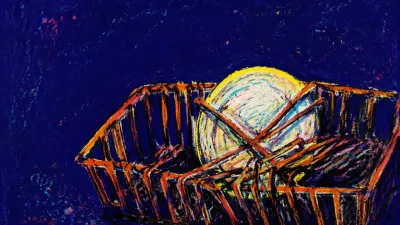
Why Does Rest Feel Crowded?

Explore this crowded inner load through a grounded struggle description, related tarot cards, and tarot reading insights from sessions.

Mental Bandwidth Depletion

What does this feel like?

Mental Bandwidth Depletion — you notice it when you sit down to rest and immediately start managing the rest itself: how long you have, what you should do after, whether you answered that message, whether tomorrow is already too full, whether the quiet you were waiting for is about to be used up before it even begins. Your body may be still, but your attention is not still; it moves from tab to tab inside your head, checking the calendar, replaying a sentence, scanning your bank app, remembering the laundry, wondering if your friend sounded off, adding one more tiny item to a list that never seems to become finished. You are not doing something dramatic. You might be standing in the kitchen with the fridge open, phone in one hand, unable to decide what to eat because choosing dinner has somehow become connected to groceries, money, energy, health, dishes, tomorrow morning, and whether you are falling behind as a person. Your eyes unfocus for a second, your shoulders rise, and a dull pressure gathers behind your forehead, not because one task is impossible, but because everything keeps arriving through the same narrow doorway. Even when you say, "I just need a break," part of you starts designing the break, measuring whether it will be enough, monitoring whether you are recovering correctly, turning recovery into another screen that has to stay open. The hardest part is how ordinary it looks from outside: you are replying, showing up, making plans, doing the basics, maybe even keeping things neat enough that no one would guess how little empty space is left inside. But the cost is quiet and specific: your life begins to feel less like something you inhabit and more like a control panel you have to keep watching, where every light might mean something and every silence still has to be checked, much like The Hermit reversed, holding a small lamp in a cold field whose edge never appears, spending fuel just to keep the nearest patch of darkness visible.

What's pulling at you?

You are caught between wanting a clearer life and needing so much mental effort to maintain that clarity that there is almost no room left to live inside it. The stuck point is not that you are bad at organizing yourself; it is that planning, tracking, deciding, recovering, and self-checking are all pulling from the same small pool of attention. So even rest can start to feel like another thing your mind has to manage.

How It Shows Up?

  • You open your laptop to do one simple thing, and fifteen minutes later you have six tabs open, a half-written note, two unread messages, and a sudden need to check your calendar again. Your eyes feel dry, your forehead tightens, and your breathing gets shallow because every small task seems attached to three other small tasks. The moment has the crowded air of the Eight of Wands, with every line already moving before you can choose which one to catch. You can let one tab stay unopened for now; the whole system does not have to be solved in one sitting.
  • A friend asks, "Are you free this weekend?" and your face goes still for a second because answering means checking energy, plans, laundry, money, transit, recovery time, and whether you will regret saying yes. Your thumb hovers over the keyboard while your chest tightens and your jaw does that small sideways clench you barely notice anymore. A simple invite starts to feel like the Two of Pentacles with no spare hand and no place to set anything down. It is allowed to take a minute before you answer.
  • You sit down to study or work, but before you touch the main task, your mind starts scanning the outline, the deadline, the unread comments, the file names, the possible mistakes, and the version you should probably make after this one. Your shoulders creep up, your stomach feels slightly hollow, and your attention keeps splitting before anything has had time to form. The page in front of you may be quiet, but the room in your head is full of stacked swords. You can start with one visible line, even if the rest stays noisy for a while.
  • You are out with people, nodding at the right moments, but part of you is also tracking tone, timing, who has gone quiet, whether you interrupted, what you said five minutes ago, and when you can leave without making it strange. Your smile stays on, but the muscles around your eyes feel tired, and your throat feels narrow from holding back half-formed explanations. The Ace of Swords stays lifted inside the conversation, sharp and useful, but never lowered. You do not have to read every signal in the room to be present in it.
  • You get into bed early because you are trying to rest, but the second the lights go off, your mind starts reviewing tomorrow's tasks, the message you forgot, the food in the fridge, the awkward comment, the budget app, the thing you need to book, and the reason your chest still feels slightly braced. Your body is still, but your scalp feels tight and there is a dull pressure behind your eyes, like sleep has to pass through a room full of objects first. It can feel like the Four of Swords: horizontal, quiet, and still surrounded by blades. You can let the list exist without completing it tonight.

Mental Bandwidth Depletion in Tarot Cards

Mental Bandwidth Depletion lives in the gap between needing clarity and having to spend your last clear space maintaining it. You can feel it in the tight jaw, shallow breath, dry eyes, and bedtimes where the mind keeps reviewing what the body has already stopped doing. From an existential perspective, the structural framework of this struggle is about a life system where awareness becomes the fuel source instead of the relief valve. The Tarot Cards below make that overloaded inner architecture visible.

The Hermit Reversed
The Hermit’s light is limited, but the darkness around him has no visible edge. The body is still, the scene is quiet, and yet the card is not restful; maintaining visibility in that cold field takes constant fuel. This is the reversed inner-work drain where You keep scanning the hidden terrain even when nothing outward is happening. Rest becomes another place where the mind checks, names, reviews, and keeps the lamp burning. Mental Bandwidth Depletion belongs to the mismatch between the lamp’s radius and the field’s scale. The card shows exhaustion created by continuous inner illumination, where clarity is no longer a pause from pressure but another system demanding power.
Wheel of Fortune Reversed
The four creatures hold open books while the wheel itself carries letters, symbols, spokes, and figures in dense rotation. Meaning enters from every side, but no empty floor or resting surface interrupts the system. You encounter this as mental exhaustion that does not lift simply because the body stopped moving. Mental Bandwidth Depletion names the way inner work can become a constant processing field, where every old conversation, mood shift, and shadow clue consumes space before it becomes clarity.
The Hanged Man Reversed
The figure is not doing many things at once, but the body is still under continuous load. One ankle carries the weight, the head remains inverted, and the empty field offers no other anchor for distributing pressure. Mental Bandwidth Depletion fits this card when introspection becomes a load-bearing posture rather than a restorative one. You may be resting, reflecting, or trying to process, but the system is still carrying itself from the same strained point. The image makes the depletion specific: the problem is not a lack of insight, and it is not solved by more self-monitoring. The card witnesses an inner circuit that keeps feeding the same suspended state without letting energy discharge back into ordinary movement.
The Star Reversed
The kneeling body has to coordinate two vessels, two surfaces, a split base of support, and a vast sky of reference above it. The scene looks calm because the strain has been distributed across the whole system rather than concentrated in one dramatic point. For introspection, that calm distribution maps the hidden labor of constantly monitoring your own mind. You may be resting on the outside while your inner bandwidth is still pouring, balancing, checking, and translating material that has nowhere simple to land.
The Moon Reversed
The dim night field functions like a closed feedback chamber: barking, reflected light, waterline, and distant gate all demand attention without confirming the safest next step. The path stays present, but the cost of reading it keeps rising. You meet this when basic life admin, chores, health maintenance, and scheduling require constant micro-interpretation. The card locates the depletion in the ongoing scan, where your bandwidth is spent proving that the ground is stable before you can actually live on it.
Ace of Cups Reversed
The reversed Ace of Cups turns the generous flow into a load-bearing problem. The hand still has to hold the chalice, but the vessel keeps operating as a channel for more water than it can retain, so support and overflow become locked together. Mental Bandwidth Depletion in study life has that same structure. Lectures, readings, notifications, deadlines, feedback, and revision cycles keep passing through the same attention system, while the mind has less and less capacity left for integration. The card does not frame the issue as weak motivation. It shows a receiving system that has been kept open for too long without enough containment, leaving You with movement everywhere and consolidation almost nowhere.
Four of Cups Reversed
The scene keeps adding cups to a body that is not open to intake. Three vessels sit in front, another arrives from the side, and the figure's posture turns the whole field into accumulation without processing. Academic overload often takes this exact shape. A new reading, comment, lecture, tab, deadline, or opportunity does not feel like support; it becomes one more object around an already compressed attention system. Mental Bandwidth Depletion names the point where more input stops increasing capacity and starts thickening the barrier. The card shows attention protecting itself through closure, which makes the struggle feel like blankness even when the academic field is crowded with material.
Five of Cups Reversed
The scene contains more information than the figure's posture can process: fallen cups, standing cups, a river, a bridge, and a distant dwelling all exist at once. Yet the gaze remains fixed on the spill, forcing a whole emotional landscape through one narrow point of attention. You meet this card when inner clearing becomes cognitively expensive. The mind keeps scanning what emptied out, trying to extract a final answer from material that cannot be re-contained, while the remaining context stays outside the working frame. Mental Bandwidth Depletion names the cost of that repeated scan. The Five of Cups shows exhaustion not as simple tiredness, but as a processing bottleneck created when the psyche keeps routing every signal through the same unresolved loss.
Seven of Cups Reversed
The seven cups keep receiving the figure's gaze, but nothing in the image shows the energy returning as resolution. Attention flows outward into the display, while the mist gives no edge, container, or endpoint where the process can complete. You may be doing the work of introspection without receiving the restoration that introspection is supposed to provide. In this reversed card, the inner audit keeps generating more material than the psyche can metabolize, so reflection becomes a drain instead of a clearing. The struggle is not laziness or lack of awareness. It is a bandwidth system caught in endless symbolic processing, where every cup asks for energy and none gives enough back.
Page of Cups Reversed
The Page appears still, but nothing around the cup is truly inert: the fish is alive, the sea is moving, and the small vessel has to keep carrying more animation than its calm outline suggests. The body becomes the quiet stabilizer for a field that is already in motion. Mental Bandwidth Depletion in this card is the hidden cost of constant inner monitoring. In introspection, the drain may not come from dramatic expression; it comes from keeping a subtle emotional system watched, contained, interpreted, and protected without a real pause. You can look still and reflective while your attention is being spent on holding the cup level, tracking the fish, and staying braced against the water behind you.
Queen of Cups Reversed
The hands, gaze, and throne all converge on the same sealed object. The Queen appears at rest, but the image assigns her attention, posture, and grip to maintaining a container that never opens. This is how depletion can hide inside stillness. You may be resting on the outside while the inner system continues to track, preserve, interpret, and stabilize material that has no visible outlet. For introspective work, the card makes the invisible workload concrete. The drain is not laziness or lack of discipline; it is the bandwidth cost of carrying a closed emotional system that keeps demanding quiet supervision.
King of Cups Reversed
The king holds the cup up for inspection while the scepter remains in the other hand, and the sea offers no visible shore where the system can set anything down. In the reversed state, the image turns into a closed monitoring loop: receiving, assessing, holding, directing, then returning to the same vessel again. That loop maps directly onto the depletion that comes from running daily life through constant mental oversight. You may be tracking sleep, messages, meals, clutter, emotional tone, deadlines, and recovery signals, but the card shows a system with no clear replenishment channel built into the structure. The struggle is not ordinary busyness. It is the moment when bandwidth becomes the hidden fuel source for every life module, while the person at the center is still expected to look steady enough to keep steering.
Two of Pentacles Reversed
The Two of Pentacles places two material weights inside one continuous loop, and the figure's attention has to keep returning to the coin most likely to drop. The movement looks flexible, but every adjustment consumes focus because the system has no spare hand, no pause point, and no stable surface where the load can be set down. In the reversed texture, the loop becomes less like coordination and more like an internal tab system that never closes. You keep moving attention from one psychological demand to another, but the motion does not create renewal; it only prevents collapse for another moment. For introspection, this is Mental Bandwidth Depletion: the private cost of running self-monitoring, emotional cleanup, image control, and recovery attempts through the same narrow circuit. The card makes the depletion visible as a closed loop of maintenance, where even rest can be converted into another thing to manage.
Four of Pentacles Reversed
The same rigid pose that appears stable also demands constant micro-maintenance. The crown must stay level, the chest must stay closed, and the feet must keep the lower pentacles pinned without allowing the body to reset. In the reversed state, the struggle is no longer simply holding on; it is the hidden cost of having to keep holding on. You may feel tired even when nothing external is happening because the inner system is using its bandwidth to monitor, brace, and prevent emotional movement.
Five of Pentacles Upright
The pair move through night snow with torn clothes, a wrapped foot, and a crutch that turns every step into a negotiated effort. The card makes effort visible at the level of gait, fabric, weather, and load transfer before it ever becomes a thought. In your inner world, that image locates depletion as a background operating cost. The mind is not merely tired from reflection; it is spending bandwidth on staying braced against old weather while trying to process what is happening now.
Reversed
The lowered heads, snow-filled air, and dark path create a field where perception itself is narrowed. The bright window remains visible, but the figures' bodies are organized around getting through the next few steps. You may be trying to redesign your routines from inside the same fog that is draining your ability to plan. The card shows bandwidth being consumed by exposure, friction, and constant micro-navigation before any higher-order life audit can begin. This struggle has a quiet cruelty: the more your lifestyle needs thoughtful restructuring, the less mental space remains to see the restructuring clearly. The image gives that depletion a boundary, a storm around the mind rather than a flaw inside it.
Eight of Pentacles Reversed
The figure's world narrows to the coin, the chisel point, and the next strike, while the remaining pentacles continue to occupy the edges of the scene. The body holds the whole system through a small focus point, with little visible space for recovery between outputs. In an introspection spread, that narrowing gives mental bandwidth depletion a concrete boundary. You are not simply tired; your inner system is being asked to process, sort, refine, and display too much at once, so even rest can feel like another crowded workstation.
Nine of Pentacles Reversed
The vine carries both grapes and pentacles, while the woman also maintains the bird, the robe, the path, and the surrounding estate. Nothing in the scene looks broken, yet every element demands a different kind of attention. In introspection, that fullness becomes a bandwidth problem rather than simple abundance. You may be trying to process feelings, preserve composure, monitor instincts, and keep your inner environment productive all at once. The card ties depletion to hidden maintenance. The mind is tired not because it has no resources, but because every resource has been assigned a role in keeping the garden stable, leaving very little open space for actual restoration.
Page of Pentacles Reversed
The raised coin asks the arms, neck, gaze, and supporting foot to keep one small object continuously loaded. Nothing in the landscape is attacking the Page, yet the posture still consumes attention because the object must remain elevated, centered, and watched. That is the reversed pressure of mental bandwidth depletion: the inner system is not flooded by everything at once, but held hostage by one active item that never fully unloads. A thought, memory, self-question, or unresolved meaning object keeps claiming the foreground. The card gives shape to the fatigue that rest alone cannot clear. You are not simply low on energy; the attention circuit is still holding the coin up, even when the rest of the field is asking to come back into view.
Knight of Pentacles Reversed
The hand keeps the pentacle lifted, the armor keeps the body protected, and the horse keeps its strength gathered without release. Nothing in the scene looks chaotic, but every part of the system is occupied with holding its position. You feel this card when the inner world is not exploding but still feels full. The strain comes from constant maintenance: monitoring what is safe to feel, preserving composure, guarding the same unresolved material, and spending mental charge on keeping the psychic field orderly rather than letting it clear.
Ace of Swords Reversed
The glowing hand keeps the sword lifted in an empty sky above barren hills. The blade is bright and exact, but the surrounding field offers no nourishment, no landing surface, and no visible circuit through which the expended force can return. In introspection, this is the shape of mental cleanup that never stops producing output. You analyze the trigger, rename the pattern, audit the memory, and sharpen the explanation, but the inner system receives no equivalent restoration. The depletion comes from a one-way current. The card's light is real, yet its isolation shows why clarity can become costly when the mind is always generating it and never allowed to be replenished by feeling, rest, or embodied closure.
Two of Swords Reversed
The posture cannot be held forever: raised arms, crossed wrists, long blades, and compressed breathing all create a silent drain. Nothing in the image is moving forward, yet the body is spending energy every second to keep the scene stable. Mental Bandwidth Depletion is the hidden cost of that stability. You may look internally composed, but the card shows attention being consumed by the maintenance of an unresolved inner arrangement. The tide behind her keeps its own schedule while the body spends itself holding the swords. The struggle is the loss of available inner space when too much of the mind is dedicated to not choosing, not feeling, and not letting the system tip.
Three of Swords Reversed
The clouds erase the horizon while the rain and swords supply the only visible lines, so the whole field is organized by pressure, impact, and gray repetition. The heart has no surrounding body to help orient it; its reference system is the wound itself. In a daily-life system, this reversed structure names the bandwidth drain of constantly processing tasks through a fogged internal dashboard. You may look functional from the outside, but the card shows attention being pulled back to the same central pressure point until clear sequencing becomes hard to sustain.
Four of Swords Upright
Three swords hang above the knight while a fourth lies hidden below the resting body. The visible pressure is only part of the structure; another blade runs underneath the pause, parallel to the body, suggesting a buried mental load that continues to shape the whole scene. In personal growth, this is the point where self-audit exceeds usable capacity. You may be tracking too many beliefs, habits, goals, fears, and future selves at once, while the root pressure underneath remains unnamed. The stained-glass window keeps a wider possibility in view, but the body cannot move toward it while the chamber is saturated with swords. The struggle is not that you lack clarity; it is that too much unresolved clarity has become weight, leaving no bandwidth for integration.
Reversed
The armored figure is placed in a chamber built for rest, but the swords keep the air above the body charged. The tomb and body share nearly the same drained color, so the support surface begins to look less like renewal and more like containment. In a choice reading, this reversed structure shows what happens when the mind has been asked to calculate beyond its usable range. The person may still be lying still, searching for clarity, but the pause no longer restores enough capacity to make the next move. Mental Bandwidth Depletion is the point where decision work stops producing insight and starts consuming the system that is supposed to decide. The card gives that depletion a physical boundary: a body under swords, resting inside the same field that keeps it activated.
Six of Swords Upright
The six swords stand in clean rows, giving the boat a visible architecture of thought and protection. Yet those same blades are metal cargo inside a small vessel, so mental order becomes something that must be physically carried across the water. For daily life, this image locates the drain inside the systems meant to keep you functional: planners, rules, trackers, backups, and constant self-monitoring. The card shows a mind trying to create safety through structure while paying for that safety with the bandwidth needed to live inside the structure.
Reversed
The ferryman's body has to stabilize a small boat carrying three figures and six fixed swords. The oar moves through rippled water, but the vessel is already burdened by the same orderly structures that make the crossing feel protected. Mental Bandwidth Depletion appears when the inner system must row, guard, contain, and transport unresolved material all at once. The problem is not a lack of effort; the card shows too many internal functions being loaded into one narrow vessel. In introspection, this is why rest can fail to restore you. The visible journey may look calm, but the psyche is still allocating capacity to old thoughts, protective barriers, hidden cargo, and the constant work of staying afloat while trying to move.
Seven of Swords Reversed
The figure's feet move away while his face keeps checking the camp behind him. His hands are full, his route is exposed, and his attention has to stay split between the load, the ground, and the risk of being seen. That split attention is the texture of mental bandwidth depletion in daily life. You are not only doing tasks; you are carrying the invisible monitoring system that tracks groceries, laundry, sleep debt, work spillover, and the next thing that could go wrong.
Eight of Swords Reversed
The woman in Eight of Swords is not collapsed; she is standing. That visible uprightness matters because the image shows a body that can maintain form while its usable channels for sight, touch, balance correction, and release are heavily restricted. In introspective work, this becomes the quiet exhaustion of a mind that is already spending its bandwidth on staying contained. Before any deeper processing can happen, energy is consumed by monitoring danger, holding the mask in place, and trying not to step wrong inside the inner enclosure. The reversed texture of this card gives depletion a structure rather than treating it as vague tiredness. It shows a system that appears operational while its available inner resources are being used to preserve restraint, leaving too little capacity for genuine integration or rest.
Nine of Swords Upright
Nine swords fill the air above a bed that should be empty enough for sleep, and the figure is already upright before the body has recovered. The image turns thought into spatial overcrowding: too many hard lines occupy the field where rest, processing, and orientation would normally happen. In personal growth, that overcrowding becomes mental bandwidth depletion. Goals, standards, self-audits, fears, and imagined consequences stack so tightly that awareness no longer increases clarity; it consumes the room needed for action. The card gives this struggle a visible boundary. You are not simply thinking too much; the structure shows a processing field overloaded by its own blades, where every new insight arrives into a space that is already occupied.
Ten of Swords Upright
Ten separate swords converge on one body, and the card makes overload visible as a physical fact rather than a vague mood. Each blade belongs to the realm of thought and language, but together they exceed the body’s capacity to process, sort, or respond. Mental Bandwidth Depletion appears here as a collapse of inner processing space. In introspection, You may still see the river, the mountains, and the thin dawn line of possible clarity, but the foreground system is already saturated by too many unresolved thoughts, private verdicts, and emotional residues at once. The card does not frame the struggle as simple tiredness. It shows a mental load concentrated so densely that even reflection becomes another demand on a system with no remaining channel for clean movement.
Reversed
The body in the Ten of Swords is not surrounded by clutter, motion, or noise; it is held under a precise accumulation of blades. That precision gives the card its lifestyle relevance: depletion can look strangely orderly from the outside when every demand has been filed into place and the person underneath has no room left to think. Reversed, the image becomes less about the visible ending and more about the hidden cost of continuing after the mind has run out of usable space. You may still keep the calendar moving, reply to the right messages, and maintain a functional surface, while the inner bandwidth needed for choice, priority, and recovery has already been occupied. The narrow bank and dark sky contain the struggle as a spatial fact. Mental Bandwidth Depletion is the moment when life still appears arranged, but every remaining inch of attention is pinned by maintenance.
Page of Swords Upright
The raised sword is a single channel of mental focus, but the sky around it is crowded with clouds, wind, and distant movement. The Page has to process terrain underfoot, weather overhead, and the possibility of something appearing behind him, all while keeping the blade active. That visual pressure names a daily life system where ordinary tasks demand more cognitive load than they should. Planning meals, answering messages, cleaning, sleeping, and resetting the week start to feel less like separate actions and more like one continuous watch shift, draining clarity before any one task is finished.
Reversed
The sword requires both hands, the wind keeps moving, and the clouds crowd close to the Page's head. In the reversed state, the posture no longer looks like flexible readiness; it becomes a compensatory hold that spends energy simply keeping the mental blade upright. This is why rest can fail to restore the inner system. The mind is not just tired from thinking; it is locked into continuous maintenance, scanning ambiguous signals, holding partial insights, and defending a sense of clarity that never gets to fully land.
Knight of Swords Reversed
The horse, wind, armor, shout, and lifted blade all demand energy at once. Nothing in the picture shows a completed strike, a rest point, or a return signal that would tell the system its expenditure has landed. When that structure is internalized, the mind keeps allocating power to invisible battles. You can look still from the outside while the inner field is spending force on bracing, aiming, resisting, and staying ready. Mental Bandwidth Depletion is the cost of that hidden output loop. The image makes the depletion concrete by showing a system that is fully mobilized without a visible place where energy can return, settle, or be received.
Queen of Swords Upright
The sword rises into a clearer sky while thick clouds still cluster around the Queen's cloak, throne, and lower horizon. The image separates high-level clarity from the clouded field where the body actually has to sit, decide, and maintain position. For a lifestyle system, that split shows why small decisions can become heavy even when you know what would be rational. You may be able to see the cleaner plan from above, but the card gives shape to the depletion caused by sorting too many ground-level details through one overworked mental blade.
Reversed
The sword, crown, clouded cloak, carved throne, low clouds, and distant bird all pull the scene into the domain of thought. The composition gives the Queen a clear headspace, but it also loads that headspace with every signal, boundary, memory, and interpretation at once. Mental Bandwidth Depletion appears when introspection keeps asking the mind to hold what the whole body should be allowed to process. You are not simply tired from thinking; the structure shows a cognitive channel carrying too many inner weather systems without enough release.
King of Swords Reversed
With the card inverted, the raised sword becomes less like a clear signal and more like a suspended load. The seated body cannot put it down, and the moving sky around the throne keeps the air of thought active even when the figure is fixed in place. In inner work, that structure shows why rest can fail to restore you. The mind keeps maintaining the posture of analysis, scanning for the cleanest truth, the correct interpretation, and the final internal ruling. The struggle is a drain created by constant cognitive enforcement. The search for order consumes the bandwidth that order was supposed to return, leaving you alert, articulate, and still depleted.
Ace of Wands Reversed
The leaves keep falling from the living wand while the hand holds its position. Movement continues, but the central grip does not change, creating a visual system where energy is being released without a clear path for absorption. In an introspective state, that looks like one realization after another landing on a mind that has no more room to process. You may still generate insight, identify triggers, or feel inner sparks, but each new signal adds load to a bandwidth already narrowed by constant activation. The thin river below cannot carry the full volume of the wand's discharge. The card gives shape to depletion as a structural mismatch between how much inner material is being stirred up and how much emotional processing capacity is actually available.
Five of Wands Reversed
The reversed Five of Wands turns the visible melee into a locked operating state. The arms are still raised, the wands still occupy the center, and the bodies still hold their positions, but the scene now reads less like a temporary contest and more like a system that cannot power down. In introspection, that structure becomes Mental Bandwidth Depletion. You keep spending attention on inner dispute management: monitoring reactions, replaying signals, comparing motives, defending against self-criticism, and trying to keep every inner part from taking over the whole field. The packed foreground shows why rest alone may not touch the exhaustion. The issue is not simply that too much is happening; it is that the inner space meant for recovery has been converted into an arena, so every new thought enters as another point of contact.
Eight of Wands Reversed
The sky should be open, but the eight wands fill it with parallel traffic. There is no figure to regulate the flow, no pause point between one moving line and the next, and no visible receiver ready to take the charge. Inside the psyche, that structure becomes an overloaded inner airspace. You may be resting, journaling, scrolling, remembering, analyzing, and self-correcting, but the field is already saturated before any single signal can be metabolized. The card does not frame depletion as weakness. It shows a system where every channel is active at once, so the mind cannot recover because nothing has actually cleared the corridor.
Ten of Wands Upright
Ten wands fill the figure's foreground until his face and route are almost absorbed by the bundle. His arms are not free to adjust, sort, or choose; every piece of the load has to be held at once just to keep moving. In an introspective reading, that physical arrangement mirrors a mind whose private bandwidth is consumed by holding unresolved thoughts, shame traces, public masks, and half-processed feelings in one cluster. You are not simply tired from thinking too much; the card locates the exhaustion in a system where attention has become a carrying device instead of a seeing device.
Reversed
The bundle rises directly in front of the man's head, turning ten separate wands into one dense wall of attention. The road may still exist, but the carrier's line of sight has been traded for the mechanics of keeping everything upright. Mental Bandwidth Depletion appears here as an internalized load, not a lack of intelligence. In a choice reading, too many consequences, obligations, and imagined futures can become a single moving obstruction, leaving you unable to tell whether an option is wrong or your view has simply been blocked. After being carried too long, the load becomes the default frame for every decision. The card restores precision by showing that your confusion has a shape: a stacked burden occupying the place where clear perception should be.

Mental Bandwidth Depletion in Tarot Card Reading Insights

Mental Bandwidth Depletion often enters readings through the same question: why does rest still feel crowded when nothing outward is happening? Other people have brought this drain into card sessions too, especially when life admin, inner review, and unfinished decisions all share one narrow channel. Tarot Reading Insights on this pattern are gathered below.

Psychological struggles related to Mental Bandwidth Depletion