Protected, But Unreachable?

A grounded look at Boundary Rigidity, related tarot cards, and tarot reading insights for guarded contact and difficult openness.

Boundary Rigidity

What does this feel like?

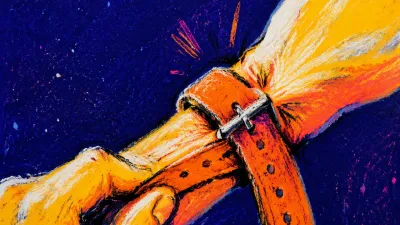
Boundary Rigidity is the feeling of realizing, halfway through an ordinary conversation, that your body has already built a wall before the other person has finished speaking. You are sitting on your bed, or in the back of a rideshare, or at your desk with one hand still on the keyboard, and someone asks a simple question like "Can we talk?" or "Are you free later?" and something in you locks into position. Your face stays composed, maybe even pleasant, but your shoulders rise a fraction, your jaw sets, and your mind starts measuring distance, wording, timing, exit routes. You know boundaries matter; you may have worked hard to stop saying yes when you meant no, to stop being available to every demand, to stop letting other people's moods walk straight into your day. But now the line that once helped you breathe has become so solid that even care has to knock like a threat. A friend checks in and you feel invaded. A partner asks for clarity and you hear pressure. A colleague offers feedback and your body prepares a defense before your mind can decide whether the feedback is useful. You tell yourself you are just being clear, just protecting your peace, just keeping things clean, and sometimes that is true. The harder part is the quiet cost: fewer spontaneous moments, fewer soft repairs, fewer chances to be affected by someone without feeling taken over. You can want closeness and still make it nearly impossible for closeness to reach you. You can miss people and still answer like a locked door. Over time, the protected life can start to feel strangely airless, as if safety has become a room with no windows, much like The Emperor on his stone throne, held upright by armor and structure, supported by the very seat that also decides where contact can and cannot enter.

What's pulling at you?

You are not rigid because you do not care; you are caught between the need to stay protected and the need to stay reachable. The line that once gave you space now has to decide, too quickly, whether every approach is care, pressure, demand, or risk. That is why even gentle contact can feel like something your whole body has to guard against.

How It Shows Up?

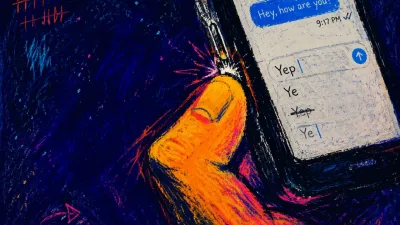
  • You are alone on a Sunday afternoon, phone face down beside you, enjoying the quiet until a message lights up the screen and your whole body tenses before you even read it. Your jaw sets, your chest pulls inward, and your first thought is not what do they need, but how much access is this going to cost me. The room stays calm, but inside you can feel the hard edge of Four of Pentacles, everything held close enough that nothing can move freely. You can notice the tightening without forcing yourself to open the door right away.
  • A friend says, "I miss you," and instead of warmth arriving first, you feel a small defensive click inside your ribs. Your face stays neutral, maybe even kind, but your throat gets narrow and your answer becomes careful, polished, almost legally precise, as if one soft sentence could create a level of closeness you did not consent to. It is allowed to take a minute before you decide whether this is pressure, care, or both.
  • At work or school, someone gives feedback that is measured and useful, but your body receives it like a breach. Your shoulders rise, your stomach tightens, and you start preparing a clean explanation before they have finished speaking, because being influenced can feel too close to being exposed. The room has the guarded shape of The Emperor's stone seat, stable and composed, but not easy to reach. You can let the information sit nearby before deciding what, if anything, you want to let in.
  • You are at a small gathering where people are talking easily, leaning in, interrupting each other in a relaxed way, and you find yourself standing half a step outside the circle. Your smile works, your timing works, but your body feels like it is behind a low fence, with your arms crossed or your hand locked around a drink just to give yourself a perimeter. The contact is not unsafe in any obvious way, but your system treats open-ended closeness as too much undefined access. You are allowed to stay at the edge of the room without turning the whole night into a verdict on you.
  • There is a place in your body that seems to hold the line for you, maybe the sternum, the jaw, the back of the neck, or the space between your shoulder blades. It tightens when someone asks for "just a quick call," when a partner wants to talk things through, when a family message appears, or when a simple plan starts becoming emotionally loaded. The feeling is not dramatic; it is more like a door quietly sliding shut before anyone reaches the handle. You can treat that signal as information, not an instruction you have to obey instantly.

Boundary Rigidity in Tarot Cards

Boundary Rigidity shows up when a protective edge stops flexing and starts treating ordinary contact, feedback, or care as possible intrusion. You can feel it in the jaw setting, the chest pulling inward, and the body preparing a clean answer before it knows what is being asked. From an existential perspective, the structural framework of this struggle is about the cost of staying intact through an enclosure that also limits exchange. The Tarot Cards below make that protected, closed-in shape visible without turning it into a judgment.

The Emperor Upright
The hidden armor, square stone throne, and carved ram heads turn protection into architecture. The Emperor is not simply guarded; the whole scene has been built so that force, boundary, and survival readiness occupy the same rigid frame. Boundary Rigidity appears when protection stops functioning as a flexible filter and becomes the only available posture. In inner work, You may be able to keep the self intact, but the cost is that softer material has nowhere to move, be received, or change shape.
Reversed
The armor beneath the robe, the square stone throne, and the compressed mouth turn protection into architecture. The figure is not merely defended; the defense has become the shape that holds the body upright. In personal growth, that rigid shell shows how standards can protect You from chaos while also blocking the feedback that would let You evolve. The struggle is not having boundaries; it is the moment boundaries become so overbuilt that softness, critique, and experimentation can no longer reach the system they are supposed to strengthen.
The Hermit Reversed
The cloak turns the figure into a narrow vertical shelter, and the staff takes the weight that the icy ground cannot safely hold. Nothing in the scene invites softness; the body survives the summit by reducing surface area, movement, and exposure. In family contact, that same structure can become the only boundary that feels stable. You do not merely want space; your system may have learned that any opening becomes a channel for criticism, guilt, or old roles, so distance hardens into the architecture of safety. The struggle lives in the cost of that architecture. The wall keeps you from being swallowed by the family pattern, but it also makes every ordinary visit, call, or holiday feel like standing on ice with no room to loosen your grip.
Four of Cups Upright
The crossed arms and folded legs are not only still; they are a physical barricade around the receiving center of the body. Even the cup offered from the cloud cannot enter without the figure first loosening the structure that keeps him intact. In introspection, this tension locates the cost of protection that has become too efficient. You can be deeply self-aware and still unable to let comfort, tenderness, or new insight reach the places the boundary was built to defend.
Reversed
The body under the tree is not simply resting; it is braced into a compact shape that can sustain itself without touching any cup. The world remains visible around the figure, but the posture turns openness into a risk the body has already pre-empted. In love, Boundary Rigidity appears when protection stops being selective. You may not be choosing between a safe offer and an unsafe one; the whole field of closeness can start to feel like one category, so every gesture meets the same locked edge. The reversed texture of this card makes the boundary feel internalized and automatic. The cups can remain present, the partner can keep trying, the relationship can still have material to work with, yet the structure keeps translating contact into something that must be held outside.
Queen of Cups Reversed
The cup is not only held; it is covered, guarded, and kept close to the body. Around the Queen, the wall, the water, and the small shore create multiple layers of protection, turning privacy into a physical architecture. In a career environment, that protective structure can harden beyond its original purpose. You may keep feedback, mentorship, informal alliance, or even recognition at a distance because access feels too close to exposure. The reversed tension does not show healthy privacy. It shows a seal that has become so complete that the same boundary preserving composure also blocks the inputs needed for growth, sponsorship, and strategic movement.
Four of Pentacles Upright
The arms form a hard ring around the chest pentacle, the feet seal the base, and the black cloak closes the figure's outline against the open town behind him. The world is visible, but the body has built a perimeter before contact can happen. In personal growth, this names the point where self-protection stops being discernment and becomes a wall around the learning process. You can want feedback, connection, and expansion while the structure still rejects the very inputs that would change it.
Reversed
The four pentacles become a closed circuit around the body: crown, chest, and both feet all require the same unmoving posture. Nothing is openly chaotic, yet the containment system has taken over the body that was supposed to use it. In career terms, Boundary Rigidity forms when protection of role, workload, knowledge, or status becomes so tight that collaboration starts to feel like intrusion. You are not simply setting limits; the limits have become a work posture that must be maintained even when the role needs movement. The deeper pressure lives in the hidden cost of neat containment. The structure may look controlled, but it keeps your professional value sealed inside a system that cannot easily delegate, share, renegotiate, or grow.
Nine of Pentacles Reversed
The falcon is close to the woman's body, yet its sight and flight are blocked so the scene can remain calm. In the reversed structure, the boundary is no longer just protection; it becomes the condition under which closeness is allowed to exist at all. Boundary Rigidity in love shows up when self-possession hardens into emotional non-negotiability. You may keep your standards, space, and independence intact, but the relationship has little room to influence you, inconvenience you, or reveal needs that cannot be managed cleanly. The card's private garden carries the cost of that rigidity. It preserves beauty and safety, but it also narrows the forms of love that are permitted to enter.
Knight of Pentacles Reversed
The armor, bridle, saddle, and planted horse form a sealed structure around the rider and the pentacle. Protection is not decorative here; it is the physical architecture that keeps the valuable thing held, guarded, and difficult to reach. In a group setting, the reversed pressure hardens that architecture until safety and isolation start using the same shape. You may stay composed, useful, and self-contained, but the card names the cost of a boundary that blocks loss by also blocking social warmth. The green leaves on metal and harness carry the sharpest detail. Organic contact is present, but it has been fastened onto a rigid system, which mirrors the way belonging can be desired while the body keeps every entrance point locked.
King of Pentacles Reversed
The armor under the robe, the wall behind the throne, and the black marble seat make protection part of the card's architecture rather than an occasional response. The King's hands close around the symbols of access and control, so openness has to pass through several hard surfaces before it reaches him. In your social world, that structure can harden into boundaries that preserve energy but also starve low-risk connection. The card witnesses a guarded system where every new person has to prove they are safe before any warmth can move, leaving you protected and underfed at the same time.
Two of Swords Upright
The crossed swords do not reach outward; they are held across the torso as a hard line of defense. Her seated body can remain composed only while the arms stay locked, and that kind of boundary depends on continuous muscular effort. Around family, the same structure names a boundary that protects by freezing. You can stay in the room, answer the call, or survive the visit, but the cost is that the protective wall also blocks warmth, repair, and spontaneous self-expression from moving through.
Reversed
The crossed swords form a clean barrier, but their clean line is made of metal and held directly across the heart. What begins as protection becomes a structure that has to exclude touch, feedback, and movement in order to stay stable. In friendship, this is the hardening of a boundary after too much ambiguity or quiet pressure. You may still care, but the card shows how care can get trapped outside the gate when the only available line feels like a total shutdown.
Four of Swords Reversed
The armored body is not simply resting; it is sealed into a straight, protected line, with the hands held tightly at the chest and the sword beneath running parallel to the body. The posture turns protection into architecture. In a social ecosystem, this becomes the boundary that can no longer flex. You may need protection from draining circles, but the protective system hardens until even low-pressure connection, repair, or genuine invitation cannot reach you without feeling like an intrusion. The card gives Boundary Rigidity a physical form: a body so well defended that it becomes difficult to distinguish safety from enclosure. The struggle is not the need for space; it is the way space becomes a wall after the nervous system has learned to survive through stillness.
Queen of Swords Reversed
The sword stands close to the Queen's body while her seat rises above the low clouds, separating her from the ground-level world. The open hand can read less like invitation and more like a controlled perimeter that determines what may approach. In self-development, that structure shows protection hardening into a growth ceiling. The boundary that once helped you think clearly now filters out challenge, feedback, and uncertainty, so your evolution stays safe but increasingly airless.
King of Swords Reversed
The same upright sword that can clarify also becomes a fixed edge when the whole posture hardens around it. The King’s stone seat and straight spine create a structure where stability is maintained by holding the line without visible adjustment. In friendship, this points to a boundary that has become too fused with control. You may be protecting yourself from emotional dumping, guilt, or subtle power games, but the protective edge can become the only language the relationship receives. The elevated throne makes the field below look smaller, which is why this struggle can feel morally clean while still relationally costly. The card names the place where being clear turns into being unreachable, and where repair starts to feel like surrendering the only protection you have.
Nine of Wands Upright
Eight wands stand in a row like a fence, and the ninth is held in front of the body as a movable extension of that same wall. The line is not sealed by wood alone; the figure completes it by standing where the gap remains. That structure gives Boundary Rigidity its exact shape in love. The relationship may still be visible from both sides, but approach is routed through a hard defensive geometry, where every attempt at closeness risks being treated as a breach. The card does not flatten boundaries into something wrong. It shows a boundary that has stopped breathing, turning from a living filter into a fixed barricade that protects the wound while also limiting repair.
Reversed
The figure's hands close tightly around the wand, and the body stands where the wall has an opening. The boundary is not only behind him; it is completed through his grip, posture, and muscular refusal to yield space. As a reversed structure, this image shows protection hardening into rigidity. In inner work, the boundary that once kept the self intact can become so fixed that even safe feelings, honest grief, or private vulnerability have to pass through a checkpoint before they can be felt. The Nine of Wands makes the cost visible without shaming the defense. You may have needed that inner wall, but the card shows the point where the wall no longer only guards the self; it starts deciding how much of the self is allowed to exist inside it.

Boundary Rigidity in Tarot Card Reading Insights

Boundary Rigidity is often brought into readings when protection has become so firm that closeness, feedback, and repair all arrive at the same locked edge. The readings below shift from the cards themselves into how this struggle appears when people ask for clarity around guarded contact. Tarot Reading Insights for Boundary Rigidity.

Psychological struggles related to Boundary Rigidity