Can Friends Hold Your Shine?

Track the social pressure around visible wins, related Tarot Cards, and reading insights shaped by group response.

Friendship Spotlight Test
What is this situation?

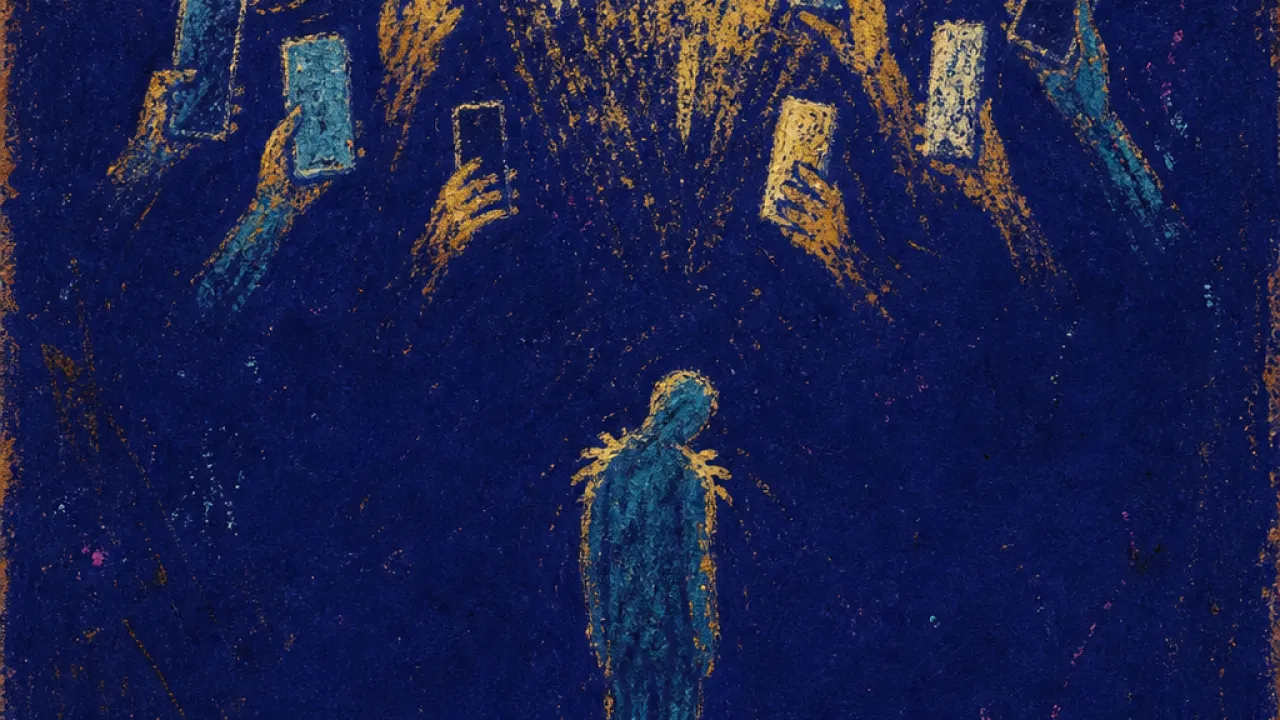
Friendship Spotlight Test — it starts the moment your good news enters the group chat: the launch, the new relationship, the apartment, the creative win, the photo where you look less apologetic than usual. At first it looks like celebration, with heart reactions, proud-of-you messages, and plans to grab drinks, but then the pattern starts to show in tiny public moves: one friend leaves the message sitting, one turns the compliment into a joke, one answers by listing their own update, one asks a question that makes your win sound smaller. The group does not have to say stop being visible for the pressure to land; it shows up in who gets invited, who gets teased, who gets tagged, who suddenly needs extra reassurance, and who expects you to keep playing the role that made everyone comfortable before. You start noticing how much editing goes into ordinary moments: waiting before posting, softening a caption, hiding part of the news until later, checking who viewed the update, feeling your shoulders tighten while your thumb hovers over send. The cost is not the milestone itself, but the way a friendship circle can reorganize around attention until celebration becomes a room where you are watched, measured, and gently pulled back down, much like the crowned rider on the Six of Wands, lifted above the crowd so every raised wand becomes both applause and a spotlight.

Why it's not you?

The issue is not that you became too visible or failed to manage everyone perfectly. The friendship circle is being asked to make room for a changed amount of attention, and some circles keep balance by pulling one person back into an old role. Delayed replies, teasing, downplayed praise, sudden scorekeeping, and invitations that shift around you are part of that social field, not proof that you asked for too much.

Friendship Spotlight Test in Tarot Cards

A Friendship Spotlight Test happens when your good news, public confidence, or visible milestone changes the shape of the group chat. The tight shoulders, hovering thumb, and edited captions from that moment show how much pressure can move around celebration. This is an environmental and structural dynamic: the friendship field reorganizes around attention, recognition, and the old roles people expected you to keep. The Tarot Cards below reflect that visible shape of raised cups, raised wands, praise, distance, and public reaction.

The Sun Upright
The giant sun, the raised red flag, and the child at the center make visibility the weather of the entire scene. The flowers stand in the light, the horse carries the figure forward, and the image has no shadowy side room where success can be hidden or minimized. That brightness becomes a friendship test when your good news, confidence, or public growth enters the group field. You can see who is able to celebrate without possession, comparison, or subtle downplaying. The card exposes whether the circle can hold your visibility as shared warmth, or whether it starts reorganizing around quiet competition.
Three of Cups Upright
Three women raise their cups in a shared public gesture, and the scene makes recognition visible rather than private. The celebration is not only about joy; it is a social stage where each person can be seen, named, and included in the win. In a friendship context, that raised-circle structure exposes how praise moves through the group. You may be looking at a moment where someone's birthday, launch, breakup recovery, new relationship, or personal milestone is testing whether the circle can celebrate without comparison, hierarchy, or quiet resentment. The card anchors this context because the cups are held upward together, not hidden at the side. The external pressure is the visibility of belonging itself: who gets centered, who gets acknowledged, and who is expected to cheer while receiving less recognition in return.
Nine of Cups Upright
The seated figure is placed directly in front of a trophy-like row of cups, with the whole scene arranged for visibility. His posture is composed, his achievements are elevated, and the social stage has no clutter to distract from the display. In friendship, that spotlight can test the bond more sharply than failure does. You may be entering a moment where a win, upgrade, glow-up, or visible satisfaction changes the emotional geometry of the group, exposing who can stand near your success without turning it into comparison, teasing, distance, or entitlement. The card's value is in naming the test as external and relational. It does not reduce the issue to ego; it shows that a friendship system reacts when one person's cups become visible, and those reactions reveal the real maturity of the support network.
Nine of Pentacles Upright
The woman is visibly surrounded by the proof of what she has cultivated: grapes, pentacles, patterned clothing, and a private estate. Her success is not abstract; it takes up space in the image and cannot be hidden without shrinking the whole scene. In friendship, that visibility can test the social field around you. A glow-up, new relationship, creative win, financial improvement, or lifestyle shift may reveal which friends can stay connected when you are no longer occupying the old familiar role. The Nine of Pentacles does not turn achievement into superiority. It shows the pressure point where a friendship must decide whether it can witness your growth without making your expansion feel socially unsafe.
Ace of Swords Upright
The crown, jewels, olive fruit, palm leaf, and yellow light gather at the top of the blade, turning the image into a concentrated display of recognition. The sword does not sit beside the crown; it pierces the center of it, linking truth with the social question of who gets seen as right, mature, loyal, or admirable. In friendship, this points to a moment where visibility becomes part of the conflict. A private issue may start attracting witnesses, social credit, or quiet comparison, and the bond begins to bend around who appears reasonable rather than what actually restores reciprocity. You may be dealing with a friendship that is being tested under the light of other people's attention. The card asks the structure to be audited before the need to look fair, calm, or morally impressive overrides the more basic question of whether the friendship is still honest.
Ace of Wands Upright
The hand lifts one sprouting wand into the open air, while the distant fortress sits above the landscape as a visible marker of position. Growth is not hidden here; it becomes something other people can see, measure, and respond to. Inside friendship, that creates a spotlight test. You may be launching a project, entering a new relationship, gaining confidence, or becoming less available to an old group pattern, and the friendship field has to reveal whether it can make room for your visibility. The Ace of Wands does not make the spotlight automatically safe. It shows the first public shape of momentum, where support, envy, comparison, and genuine celebration can all become visible through how friends respond to one person’s new fire.
Four of Wands Upright
The garlands sit high across the wands, and the foreground figures lift their arms where everyone can see them. Celebration is not hidden in this card; it becomes the organizing structure of the scene. In friendship, that visual emphasis creates a spotlight test around birthdays, moves, launches, engagements, promotions, public posts, or any moment where one friend's life becomes the center of the group's attention. The issue is not whether celebration is good; it is whether the circle can hold one person's visibility without turning it into comparison, competition, or emotional accounting. Four of Wands gives this context its specific edge because the joy is social and observable. You can track who shows up cleanly, who performs support for the room, and which bonds remain stable when one person's milestone temporarily becomes the arch everyone gathers under.
Six of Wands Upright
The crowned rider on the white horse is not alone in victory; every raised wand around him turns private success into a social event. The laurel on his head and the laurel on the wand make recognition visible, shared, and impossible to keep quiet. In friendship, this image maps cleanly onto the moment when one person's life becomes the focal point of the group. A new achievement, relationship, move, creative win, or personal glow-up does not only test the person receiving attention; it tests whether the circle can hold visibility without converting it into comparison, control, or subtle resentment. You are not looking at simple praise here. The structure asks whether celebration can remain clean when the group has to adjust to one person being seen more clearly than before.
Seven of Wands Upright
Raised above the six lower wands, the figure is not hidden inside the group; he is placed where every challenge can find him. His stance is wide, deliberate, and exposed, making the body itself a public answer to pressure from below. Friendship circles can create the same geometry when one person becomes the visible test case for a boundary, preference, or version of events. You are not only managing one exchange; you are being watched for whether you will fold, explain, over-apologize, or keep your line intact. The elevated position gives perspective, yet it also makes scrutiny unavoidable. This card anchors the spotlight test as a social pressure field where the real issue is not popularity, but whether the group allows one person to stand apart without being made into the problem.
Page of Wands Upright
The orange and yellow clothing, salamander pattern, raised head, and upright wand turn the Page into a visible signal against a bare landscape. The body is not hiding inside the group; it is being seen. Friendship can become a test when your good news, new confidence, or public growth disrupts the role others were used to assigning you. You may be watching the circle decide whether it can celebrate your visibility or quietly pull you back into a smaller place. The distant pyramids sharpen the point because recognition is present, but not fully secured. The card gives shape to the moment when being seen in friendship becomes a social audit of who is actually able to stand near your expansion.
Queen of Wands Upright
Seated in full view, crowned and framed by sunflowers and lions, the Queen occupies a bright social center without shrinking. The sunflower in her hand makes warmth and visibility tangible, turning confidence into something the whole circle can see and respond to. That visual structure fits the friendship moment when your good news, changed style, public confidence, or personal momentum becomes a test of the people around you. You are not only asking whether friends like you; you are watching whether they can hold your visibility without reducing it, competing with it, or making you manage their discomfort.
King of Wands Upright
The crown, red robe, lion symbols, and wide cloak make the King impossible to miss. The image concentrates heat, rank, and creative force around one figure, placing visibility itself at the center of the social scene. Inside friendship, that visibility can test the group's real capacity for support. When you become more confident, successful, attractive, outspoken, or socially central, the friendship has to adjust to a new distribution of attention, and the card exposes whether encouragement remains mutual when one person's light becomes harder to ignore.

Friendship Spotlight Test in Tarot Card Reading Insights

When a Friendship Spotlight Test enters a reading, it often comes through a launch, glow-up, relationship shift, birthday, move, or group celebration that changed how friends responded. Others have brought this same attention pressure into readings, watching praise, distance, and comparison move around the circle. Explore the Tarot Reading Insights below.

Psychological contexts related to Friendship Spotlight Test