Seen, but not known?

A clear audit of Social Masking, the tarot cards that mirror it, and reading insights where this pattern appears.

Social Masking
What is this really?

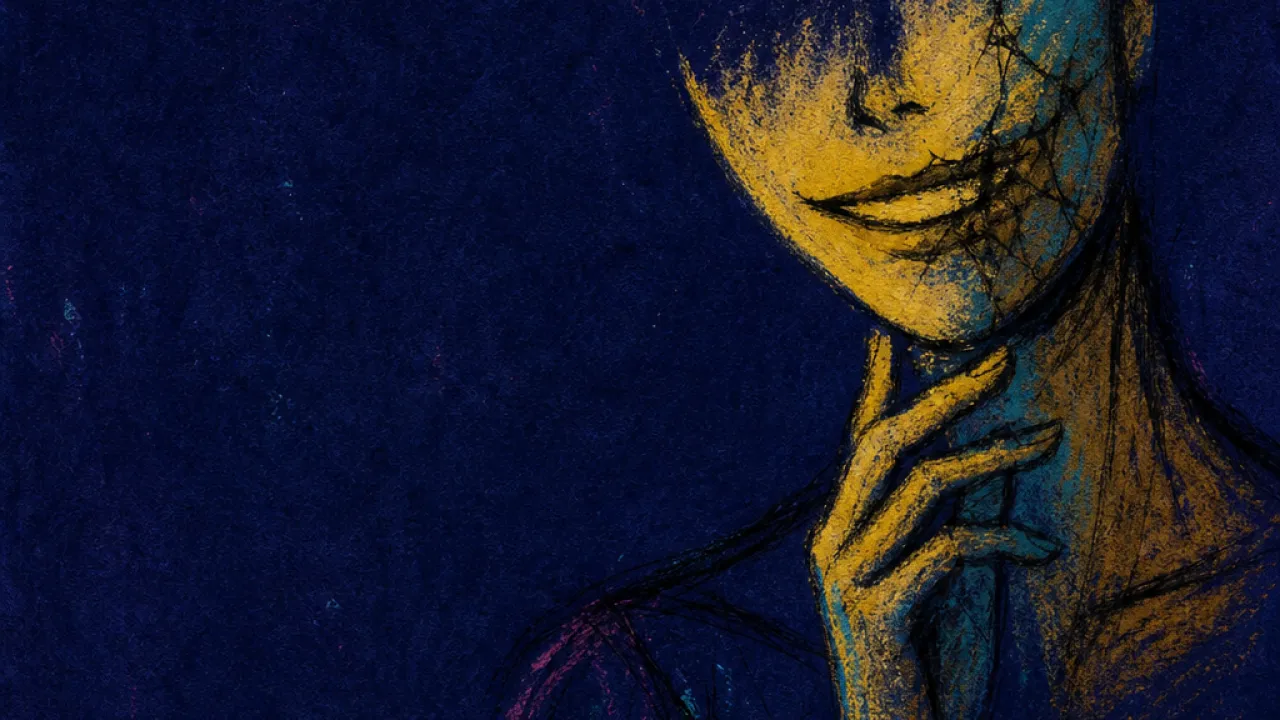
You keep yourself socially readable: the bright laugh lands on cue, the chin lifts, the tone stays easy, and the version of you in the room seems spontaneous, capable, funny, or low-maintenance even when your inner signal is more cautious, confused, tired, or unfinished. This defense mechanism often starts as a practical way to reduce friction, protect boundaries without announcing them, and avoid the cognitive dissonance of being seen before you know whether the room can hold your less edited self. Yet the performance can become a trap: people connect with the persona that passes smoothly through the room while the self underneath feels paused at the edge of contact, much like The Fool reversed, smiling brightly with one foot near the precipice while the risk beneath the next step stays out of the social script.

Why did it happen?

At some point, being easy to read may have helped you move through rooms where hesitation, disagreement, or visible need brought too much attention. Your body learned to offer a smoother version first so the moment could stay manageable. Now that inner pattern can keep running even in safer spaces, leaving you with the tired feeling of being seen all night and still going home strangely unmet.

How does it feel?

  • You laugh a half-second too quickly in a group chat, add a bright little "lol," then reread the message three times before setting your phone face down...in that pause, your jaw may feel tight and your chest a little hollow, as if the room got the polished version before your body caught up. Let that gap be visible to you for a moment; it can exist without needing an instant fix.
  • In a meeting or class discussion, you nod with your eyebrows lifted, keep your voice even, and say "Yeah, totally" while your fingers press into the edge of your notebook...right after, you may notice shallow breathing or a small heat behind your face, like your body is still holding back the part that needed more time. Not being ready to show the whole signal is allowed.
  • At a party, dinner, or work drinks, you keep your smile switched on, tilt your chin up, and angle your shoulders toward whoever is speaking even when your attention has started to fade...later, the smile may drop all at once and leave a heavy, blank tiredness behind your eyes. That drop is information, not a verdict.
  • When someone asks how you are, you give the clean version before the question fully lands: "Busy, but good" or "I'm fine, just tired," with a quick shrug and a small grin...inside, your throat may close around the words you didn't say, and your stomach may feel like it has stepped back from the conversation. It is okay if the fuller answer is not ready for public use.
  • Alone afterward, you replay the room while washing a glass, changing clothes, or staring at the ceiling, testing whether you seemed weird, flat, needy, intense, or too much...your shoulders might stay raised even though nobody is watching, and the quiet can feel less restful than expected. You can notice the leftover tension without turning it into another performance.

Social Masking in Tarot Cards

The clean version you give the room before your body has checked in is the same pattern that makes Social Masking feel smooth on the surface and costly afterward. That quick bright laugh, the tight jaw, the shallow breathing, and the throat closing around the words you didn't say all point to the split between the readable persona and the less edited self underneath. From a Jungian perspective, archetypal theory gives this split a language without turning it into a flaw. The Tarot Cards below reflect the unconscious dynamics of that polished surface, the hidden effort, and the self waiting behind the mask.

The Fool Reversed
The smile is bright, the chin is lifted, and the colorful presence stays socially readable even while the precipice sits directly under the next step. The image shows a body maintaining a clean, appealing mood that is calmer than the risk beneath it. In social life, that can become a masking strategy: you perform as the spontaneous, low-maintenance, game-for-anything version of yourself so the room never sees your caution, confusion, or depletion. What drains you is not simply being around people; it is the split between the cheerful persona being presented and the part of you that never got to say whether the space actually felt safe.
The Magician Upright
The white robe is covered by a red cloak, the face stays composed beneath the headband, and the hands keep to a precise public gesture. The card shows sincerity and intensity layered into a single presentation rather than spilled out in an unedited way. That layering matches Social Masking as an inner defense. You manage shadow material by presenting a calm, articulate version of yourself even to your own consciousness, letting polish stand in for contact. In introspection, the mask is not only social; it becomes the internal narrator that filters shame, anger, and need into something elegant enough to tolerate.
The High Priestess Upright
The High Priestess sits perfectly still between the black and white pillars, with one hand exposing the scroll and the other hidden inside her robe. That split between what is shown and what is withheld is not random secrecy; it is a controlled social presentation that lets you enter the room without giving the room full access to you. In group settings, that kind of composure can function like a polished surface over a private interior. You stay readable enough to belong, but not open enough to be fully known, which is why people may see calm while you leave socially tired from managing every layer of what gets revealed.
The Empress Reversed
The Empress sits in bright daylight and still manages to look untouched by strain, with every surface of the scene reinforcing softness, maturity, and control. When a card builds this much serenity through cushions, ornament, harvest, and cultivated landscape, the image starts to resemble a finished persona more than a spontaneous state. You can feel how much labor it would take to keep the whole environment saying that everything is fine. That is why the card can flip into Social Masking. Composure becomes a visible shell for invisible backlog, especially when shame or exhaustion feels less acceptable than beauty and grace. You may look regulated, self-aware, and easy to be around while your inner system is quietly carrying far more than the surface admits.
The Emperor Upright
The Emperor's robe covers armor, his lips stay tightly set, and the stream is pushed behind the throne instead of flowing through the center of the image. Even in full visibility, the card hides its softer material under rank, structure, and controlled posture. That is why this image maps so closely to Social Masking in introspection. You may keep the composed inner authority online even when no one else is present, editing feeling before it reaches full awareness. The mask is not superficial here; it is a private governance system that protects stability by keeping raw emotion offstage.
The Hierophant Upright
The bright papal robes and ceremonial hand gesture dominate a temple built from gray stone, while a deep blank space sits hidden behind the throne. The visual emphasis stays on the composed front, not on what remains unlit. That split is the logic of Social Masking. You can produce a coherent, respectable version of your inner life long before you let yourself inhabit the messier truth of it. The card shows how the mask is not pure fakery but a stabilizing shell; it keeps you functional, yet it also creates the ache of being polished on the surface and unreachable underneath.
The Chariot Upright
The body is presented like a finished image: upright, polished, and emotionally unreadable. Even the card's emotional symbols are displaced onto the armor, where smiling and crying become emblems to wear rather than feelings to inhabit. The geometry of the scene supports the same move by turning the whole figure into a public-facing display of order. That is why Social Masking lands so strongly here. You are not merely hiding emotion; you are translating inner life into a presentable persona that can keep functioning without visibly leaking. In introspection, this becomes especially slippery because the mask can sound honest, articulate, and self-aware while still preventing real contact with what hurts.
Strength Reversed
The woman's face stays serene while her hands remain occupied with active restraint. That split between visible calm and invisible effort is the key visual tension of the card when the mechanism turns inward on itself. The lion is still there, the pressure is still there, but the surface presentation must not show strain. In social settings, this becomes Social Masking when you present as easy, composed, and emotionally low-maintenance while privately working hard to hide irritation, insecurity, social fatigue, or overstimulation. You become highly skilled at looking fine in the room, but that skill creates distance between your public presence and your actual state. The belonging you get from that performance can feel conditional because it was won by concealment.
Justice Upright
The neutral official face, ceremonial robe, and crown turn the person into a role before she becomes an individual. Behind that polished front, the curtain keeps part of the picture hidden, so the image presents order and credibility while quietly protecting what stays offstage. That is the logic of Social Masking when you turn inward. You can speak in the language of truth, growth, and self-awareness while still protecting the less controlled layer of yourself from full exposure. In journaling or vulnerability rituals, the polished witness steps forward first, so honesty becomes curated rather than fully inhabited.
The Hanged Man Reversed
The face looks peaceful while the body is visibly constrained, inverted, and held in a position that would normally broadcast strain. That split between the polished expression and the demanding posture is exactly how a mask operates: the surface stays socially easy while the inner system does the hard labor. You may notice this in hangouts, work-adjacent circles, or broader friend groups where you seem relaxed and agreeable even when the fit is off. The pattern lowers friction in the moment, but it makes connection land on the version of you that can perform composure, not on the version that actually needs room.
Death Upright
The rider's skull is visible, but the rest of the body is sealed under black armor and lifted above the scene on the horse. The card shows a strange kind of exposure: the face is undeniable, yet the vulnerable body is inaccessible. Social Masking works through that same division. In a group, the visible self can appear composed, intense, funny, competent, or untouchable while the more uncertain self remains hidden behind a controlled presentation. The Death card sharpens the pattern because the mask is not decorative; it is protective armor during transition. You may be managing how much of yourself becomes visible in social spaces, but the cost is that belonging can start attaching to the armor instead of the person inside it.
Temperance Upright
The water beside the angel offers a faint reflection, but it is softened by ripples rather than presented as a sharp mirror. The angel's gaze stays lowered toward the controlled exchange, creating an image of self-presentation being quietly monitored through an emotional surface. Social Masking appears when the outer self becomes the polished container for a more complex inner state. The mask here is not theatrical; it is serene, balanced, and socially readable, which makes it easier for others to miss the constant internal adjustment. In a group, this pattern can help You move across different circles with low friction, but it can also leave You feeling unseen after being perceived as perfectly fine. Temperance links to the pattern through its immaculate composure: the card shows how adaptation can look like peace while still requiring continuous self-editing.
The Devil Upright
The man and woman echo the figures from The Lovers, but here their bodies have grown horns and tails and their gaze has changed. They still look recognizably human, yet the scene shows them reshaped by the territory they occupy, as if belonging has required them to adopt the costume of the room. That is the psychological logic of Social Masking in a group environment. You may perform being more chill, more provocative, more successful, more detached, or more socially fluent than you feel, not because the performance is meaningless, but because it has become the price of being readable to the circle. The Devil's stage makes the mask feel seductive because it produces instant inclusion. The cost is that the version of you being accepted may not be the version that actually needs connection.
The Tower Upright
The crown-topped tower rises as a constructed identity: stone walls, high windows, and a public crown all turn the inner self into an architecture meant to look stable from the outside. When lightning strikes the crown, the image does not show a quiet revision; it shows the top of the persona being knocked off while the figures are thrown into open view. Social Masking works the same way in a group ecology. The role may have protected access to friends, scenes, and networks, but The Tower exposes the cost of living inside a version of yourself that cannot absorb pressure. You are not being condemned for having a mask; the pattern is being named at the moment it stops functioning as protection and starts functioning as a brittle container.
The Moon Upright
The dog and wolf stand under the same moon as paired but unequal figures: one domesticated, one wild, both responding to a signal above them. The image holds two social selves in one field, the trained self that knows how to behave and the instinctive self that still reacts from underneath. Social Masking emerges when that split becomes a strategy for belonging. You may enter groups through the safer, more acceptable version of yourself, but the hidden cost is that every interaction starts to feel like a performance in moonlight: visible enough to pass, never clear enough to feel fully known.
The Sun Reversed
The red flag is held high in full view, turning the child's vitality into a clear public signal. Above it, the sun's orderly rays create an image of coherence, brightness, and unmistakable presentation. In reversal, that clean signal can become a social costume. The psyche learns to display the version of the self that is easiest for the group to receive: upbeat, clear, charming, low-friction, and visually consistent. What gets protected is not authenticity, but the social image that keeps rejection at a distance. In social life, Social Masking is the pattern of staying acceptable by editing the parts of you that might complicate the room. The Sun connects it to the cost of always appearing radiant: people may like the signal, but they never get close to the unedited source.
The World Reversed
The same exposed dancer can become a perfect image when the wreath reads as a frame and the four corner figures read as witnesses. Her visibility is total, but the image gives no access to what is happening inside the body. That is the pressure system behind Social Masking: the psyche keeps presenting completion while private material stays unprocessed behind the performance. You may look coherent, healed, or spiritually composed from the outside, while the inner system is still arranging itself around being watched.
Two of Cups Reversed
The wreaths frame both heads, the cups are held in a clean ceremonial line, and the clear sky gives the meeting a calm public surface. In a strained psychological reading, that polish can become the point: harmony is displayed before it is actually felt. Social Masking fits this reversed texture because the card's visible agreement can hide the pressure to appear emotionally balanced. You may be performing the version of inner clarity that looks acceptable from the outside, while the less presentable feelings remain uninvited to the exchange.
Three of Cups Reversed
The figures' smiles, raised cups, and synchronized posture make the emotion of the scene immediately readable from the outside. In reversal, that readability becomes the point: the face, gesture, and group rhythm can start to matter more than the private emotional truth behind them. Social Masking is the defense that keeps inner material formatted for acceptability. The body performs the correct mood, the ritual confirms belonging, and the tight circle leaves little room for a feeling that would interrupt the shared script. For introspection, this card exposes how the audience can move inside the mind. You may no longer need an actual group present to edit yourself; the psyche has learned to monitor whether each emotion looks acceptable before it is allowed to become conscious.
Seven of Cups Upright
One cup holds a human head, detached from a body and presented like an image that can be worn, admired, or evaluated. Nearby, the veiled figure remains hidden, making the card split visibility from essence: one self is displayable, while another stays covered. Social Masking operates through that split. The psyche learns to present a coherent face while keeping the unprocessed, uncertain, or vulnerable self at a distance, not because the mask is fake in a simple way, but because it has become a protective interface. In introspective tarot, this pattern shows up when the public self has become easier to recognize than the private one. You may know how to appear composed, interesting, spiritual, competent, or healed, while the covered cup holds the parts of you that have not yet been allowed to exist without performance.
Nine of Cups Reversed
The figure's face reads as content while the arms form a closed bar across the body. The bright yellow field and orderly cups make the scene look resolved from the outside, but there is no open hand, no shared cup, and no second figure to test that composure in contact. That is why Social Masking belongs here. You may present the version of yourself that seems healed, grateful, or fine, while the guarded body keeps less acceptable material out of view. Reversed, the Nine of Cups exposes the split between the smooth public surface and the private emotional workload required to keep that surface believable.
Ten of Cups Upright
The couple's embrace and raised hands create a clean public silhouette of completion, while the children dance in the foreground as visible proof that the emotional field is working. The image offers a complete social display: everyone has a role, everyone appears aligned, and private signals are absorbed into the group pose. Social Masking enters when that display becomes the safest way to keep inner disorder from being seen. During introspection, you may find that the first layer of self-report sounds composed, grateful, and functional, while the more accurate emotional material sits behind the polished image waiting to be audited.
Reversed
The bright rainbow above the family creates a perfect social image, and the raised arms make that image publicly readable. When reversed, the same visual harmony can become a display surface: the body performs ease while private friction stays out of the frame. That is the mechanism of Social Masking. You are not empty behind the performance; the pattern is trying to make you legible and acceptable inside groups where ambiguity feels unsafe. Over time, though, the social circle may start responding to the polished interface instead of the person who is tired, unsure, or quietly out of sync.
Page of Cups Reversed
The Page's charming presentation is unusually composed for a card built around a strange fish emerging from a cup. His clothing is soft, decorative, and pleasant, while the unexpected emotional object remains neatly held at shoulder height, contained inside something acceptable to display. That split between polished surface and private strangeness maps onto Social Masking in its introspective form. The psyche learns to present sensitivity, sweetness, or emotional intelligence while keeping the less convenient material sealed inside a graceful container. The platform beside the sea reinforces the distance between the public-facing self and the deeper emotional field behind it. In inner work, this pattern becomes visible when You can speak fluently about feelings without actually letting the disruptive ones alter the mask. The card exposes a refined defense: looking emotionally open while quietly controlling which parts of the inner world are allowed to be seen.
Knight of Cups Reversed
The knight's armor is softened by the ornate robe, the calm face, and the carefully lifted cup. Protection is present, but it is covered by an image of grace, sensitivity, and social ease. Social Masking appears when the outer presentation becomes smoother than the inner state. You may become the charming, emotionally intelligent, low-friction person in the room while privately tracking every reaction and suppressing anything that might disrupt the group's comfort. The card's elegance is the clue. The issue is not that the presentation is false; it is that the presentation can become so well-managed that the group bonds with the surface while your real energy is quietly depleted underneath.
Queen of Cups Reversed
The Queen's serene face stays composed while the chalice remains covered and the distant wall blocks a full view of what lies beyond. The surface is beautiful, controlled, and soothing, but the actual emotional content is not visible. That split between calm presentation and sealed interior mirrors social masking. In friend circles or networking spaces, the pattern lets You appear easy, kind, and fine while the real emotional signal is kept behind the lid, often until the body pays for the performance later.
King of Cups Reversed
The King's composure becomes more ambiguous when the same stillness is read as a locked posture. Both hands are occupied by symbols of emotional control, and the sea continues moving while the body offers almost no spontaneous signal. That is the reversed structure behind Social Masking. The image no longer shows only mature containment; it shows a polished social surface working hard to prevent the group from seeing fatigue, resentment, awkwardness, or need. In social networks, You may keep performing the calm, emotionally intelligent version of yourself because that is the version people trust. The cost is that belonging begins to attach to the mask, while the less composed parts of You remain unseen.
Ace of Pentacles Reversed
The garden in the Ace of Pentacles is ordered, attractive, and partially visible from the outside. Its low fence creates a public-facing boundary: enough separation to claim a private field, but enough openness for the image of cultivation to be seen. Social Masking fits the reversed state because the protected garden can become a display of composure rather than a truthful inner container. The psyche learns to show the polished surface of stability while keeping the neglected mountain, the unprocessed corner of the scene, out of view. In introspection, this pattern is not about being fake; it is about using a composed self-presentation to manage exposure. You may look grounded, healed, and organized from the outside while privately carrying emotional material that has never been allowed into the visible garden.
Two of Pentacles Upright
The figure's bright costume and dancing posture make a risky juggling act look almost playful. The strain is still present, but it is packaged as charm, timing, and motion. That visual split is the core mechanism of Social Masking. You keep the visible self light, funny, capable, or aesthetically composed while the private self is calculating how to keep the coins from dropping. For introspection, the card exposes the cost of making inner pressure look effortless. The mask may help you move through the world, but it can also hide the exact fatigue, resentment, or shame that needs to be brought into conscious view.
Reversed
The bright costume, high hat, and dance-like posture make the figure look playful while the arms are busy preventing a visible mistake. The performer's surface is light, but the body underneath is organized around continuous correction. Social Masking follows that split between display and internal labor. You may look easygoing in a group while privately managing tone, timing, and facial expression, and the card exposes the mask as a social defense that keeps belonging smooth at the cost of authentic energy.
Three of Pentacles Reversed
The scene is positioned at the church doorway, not deep inside the completed building. The figures gather around the visible surface of the work, while the interior remains implied, partially hidden, and not yet inhabited. In the reversed texture, the threshold becomes a defensive stage. The psyche keeps refining what can be seen from the outside: the language, the role, the visible progress, the composed self-presentation. Meanwhile the unlit interior, where the less acceptable feelings live, remains protected from contact. Social Masking is not simple dishonesty here; it is a boundary strategy that has become too expensive. In introspection, You may maintain a polished emotional architecture because letting the unfinished inner room be seen would feel too exposing, even to yourself.
Four of Pentacles Reversed
The crown and dark cloak give the figure status, while the pursed mouth and frozen posture reveal the effort required to maintain the display. The face looks controlled, but the control is rigid rather than relaxed. The mask organizes social survival around appearing composed, valuable, and unaffected. You may seem confident in group settings while privately monitoring every signal of status, approval, or exposure. Social Masking protects the public image, but it can create an after-social crash because the displayed self and the felt self never get to occupy the same room.
Nine of Pentacles Reversed
The figure's elegance is so controlled that the body can be read as a display surface: embroidered robe, composed stance, protected hand, and trained falcon all arranged into an image of complete self-possession. The hooded bird is especially revealing because instinct and vision are present, but they are covered and managed. In the reversed texture, that polish stops being simple refinement and becomes a defensive presentation. The psyche keeps the acceptable self visible while the unedited self is hooded, gloved, and held at a safe distance. The mask does not erase the inner life; it organizes which parts are allowed to appear. In introspection, Social Masking can create a painful split between the self that looks graceful and the self that feels tired of performing coherence. You may know exactly how to appear composed while privately sensing that the more instinctive, needy, angry, or uncertain parts of you have been trained not to move.
Ten of Pentacles Reversed
The wealthy household is dressed, arranged, and symbolically branded: crest on wall, ornate clothing, ten pentacles suspended over the scene, and a child half-hidden behind the mother. The image shows a public face of stability that is visually louder than any private feeling inside the figures. Social Masking appears when that polished surface becomes an emotional defense. You may keep the outer self coherent, competent, and easy to read while the unedited inner self has less and less room to breathe, creating the split feeling of being visible but not actually known.
Queen of Pentacles Reversed
The Queen's posture is dignified, composed, and carefully arranged against a dense, decorated throne. Reversed, the serenity of the pose can become a social surface that hides how much effort it takes to stay pleasant, grounded, and unfazed. That is the structure of Social Masking. You may present as the steady one in the room, but the card reveals the muscular cost of keeping the crown straight while the group never sees the fatigue underneath.
Five of Swords Reversed
The foreground figure smiles while his hands remain occupied with weapons, and the gray shoreline around him gives no warmth back. The face performs control, but the body is still braced around conflict. Social Masking appears in the gap between the smile and the grip. You may act unbothered, superior, ironic, or perfectly fine in a group after feeling exposed, rejected, or hurt. The card shows the cost of that performance: the mask protects image, but it also prevents anyone from reaching the real wound underneath.
Seven of Swords Upright
The figure's smile sits strangely on top of a body that is clearly sneaking away. The face performs confidence, even playfulness, while the feet, hands, and backward glance reveal a much more guarded operation underneath. That split between expression and action is the visual core of a managed self-presentation. The psyche learns to keep the visible surface smooth while moving vulnerable material out of view, so the outside image remains intact even when the inner system is carrying tension. For introspection, Social Masking appears when You turn self-awareness into another performance layer. You may know exactly how to sound reflective, healed, detached, or fine, while the deeper emotional truth is still being carried off-stage where no one, including You, can fully inspect it.
Eight of Swords Upright
The red robe is vivid, but it is crossed by pale bindings that restrict the woman's movement and soften the force of what is visible. The image does not erase her intensity; it contains it, wraps it, and leaves her standing inside a version of herself that can be seen without being fully expressed. Social Masking appears when connection is managed through controlled presentation. You adjust tone, humor, opinions, style, and emotional volume so the group receives a smoother version of you, while the more vivid parts stay bound underneath. In the Eight of Swords, the mask is not a performance of confidence; it is a restraint system. In social tarot, this pattern points to the hollow after-effect of being accepted for a version of yourself that required too much editing to feel like real belonging.
Reversed
The figure is visible to the viewer, but her own sight is blocked. Her red robe signals intensity, while the pale bindings impose a cleaner, controlled surface over the body. That split is the basis of Social Masking in an introspective context. The self that appears coherent can become disconnected from the self that actually feels, wants, resents, or fears. The mask does not need an audience to keep operating; it can become an internal rule for what is allowed to be known. In the reversed state, the card shows the cost of over-maintained composure. You may look articulate and self-aware while the deeper psyche remains blindfolded behind the presentation.
Four of Wands Upright
The two foreground figures lift their garlands toward the viewer while the castle, bridge, and deeper domestic space stay behind them. The card's first visible layer is not the private interior but the organized image of welcome, celebration, and composure. That visual priority mirrors a psyche that has learned to present coherence before it has checked whether the inner house is actually calm. Social Masking is not simple dishonesty here; it is an adaptive display system that keeps the visible self graceful while more complicated feelings remain farther back in the field. For introspection, the Four of Wands exposes the gap between being witnessed as stable and actually feeling integrated. You may have built a beautiful public threshold, but the card asks whether the person standing under it has been allowed to come home privately too.
Six of Wands Reversed
The rider is visible, composed, and decorated, but the image gives no access to what he feels beneath the ceremonial pose. In the reversed texture, the polished surface becomes a mask: the public version remains intact while the private self is kept out of view. Social Masking in friendship is the habit of presenting the version of yourself that the group already knows how to reward. You may stay funny, calm, successful, unbothered, or supportive because that persona keeps the bond predictable. The cost is that friends may keep responding to the mask while the parts that need care remain unseen. The Six of Wands reversed makes this more than ordinary privacy. The mask is tied to recognition, so dropping it can feel like risking your whole place in the circle. A friendship audit asks whether being admired has become easier than being known, and whether the role that protects you is also preventing reciprocity.
Page of Wands Reversed
The Page's bright costume, lifted chin, and formal grip on the wand can read as a public-facing pose held slightly before the inner state has caught up. In reversal, the open desert becomes less like freedom and more like a stage, with the body maintaining an image in a field that offers little privacy. That is the mechanism of Social Masking: the visible self performs aliveness, confidence, or originality while the unprocessed self stays hidden behind the presentation. The mask is not random vanity; it is a defense against being seen in a less edited state. In introspective work, this pattern creates a painful split because the expressive surface can become more fluent than the inner truth. You may look inspired, articulate, or transformed from the outside while privately feeling disconnected from the part of you that is still confused, ashamed, tired, or waiting to be met without performance.
Queen of Wands Reversed
The Queen's face is composed, her posture is open, and the whole surface of the card glows with sunflowers, gold, orange cloth, and lion imagery. At the same time, the black cat sits low at the feet, carrying the darker charge of the image outside the main performance of radiance. That split gives Social Masking its psychological logic here. The visible self remains warm, magnetic, and in command, while the less presentable material is kept near but displaced below the line of conscious display. For introspection, this pattern describes the moment when You keep looking confident, insightful, or fine because the polished self has become the safest interface with the world. The cost is internal separation: the more perfectly the bright face is maintained, the harder it becomes to hear the darker signal before it turns into resentment, shame, or exhaustion.

Social Masking in Tarot Card Reading Insights

For anyone who gives the room a clean version before their body has checked in, others have brought this same Social Masking pattern into readings. The shift from cards to readings shows how this polished surface can appear when someone sits with a spread. Below are Tarot Reading Insights that speak to this pattern.
Psychological patterns related to Social Masking