Who Knows the Rules?

Map the hidden codes shaping a group, then view related tarot cards and tarot reading insights.

Unspoken Social Rules
What is this situation?

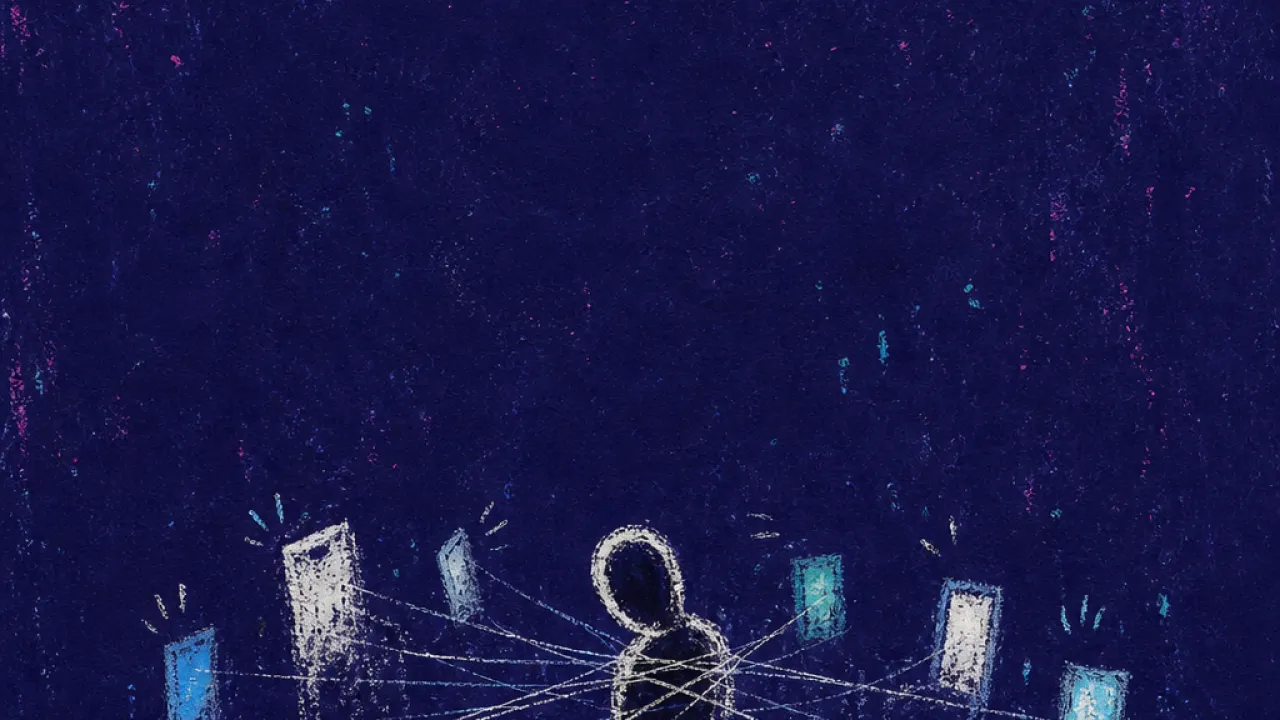
Unspoken Social Rules — you step into a friend group, group chat, creative scene, campus society, or workplace-adjacent circle and the rules are already moving before anyone explains them. At first it looks easy: people are friendly, the chat is active, the invites seem casual, and everyone talks as if there is no manual. Then you start noticing the pattern. Someone replies to one person instantly and leaves another on read. A joke lands for insiders but turns awkward when you repeat the same tone. Plans are made in the main chat, then reshaped in smaller rooms you were not added to. A dress code is never named, but you can feel it in the way people look someone over when they arrive. Disagreements are framed as “no drama,” yet certain people can be blunt while others are expected to stay light, agreeable, and available. You begin tracking response times, emojis, who likes whose post, who gets context first, who can ask for a favor, and which subjects make the room go flat. The drain is not just socializing; it is the constant translation work of trying to belong inside a system that enforces standards after the fact. Your shoulders tighten before you send a message because the risk is not one clear rejection, but the small shift in temperature that tells you a line existed only after you crossed it, much like The High Priestess seated between pillars with a scroll partly visible and a veil behind her, surrounded by order that can be seen but not fully entered without knowing the code.

Why it's not you?

This is not you failing at people; it is a group making belonging depend on rules it refuses to say out loud. A circle that tracks tone, timing, loyalty, access, and status while calling itself casual is asking you to read a code without handing you the key. The strain belongs to that setup, not to your social worth or intelligence.

Unspoken Social Rules in Tarot Cards

When Unspoken Social Rules keep deciding who gets context, invitations, or sudden distance, the tightness in your shoulders is part of reading a room that never gives you the full map. This is an environmental, structural dynamic, not a private flaw: the group’s codes live in timing, tone, inside references, and withheld explanations. The cards below do not tell you to fit in or walk away; they give the hidden social order a visible outline. Here are the Tarot Cards that tend to mirror this kind of coded social field.

The High Priestess Upright
The pillars, scroll, cross, and veil give the High Priestess card a rule-bound visual order. Nothing is chaotic, but not everything is explained; the system is structured, legible in symbols, and still withheld from casual access. That is how unspoken social rules operate inside a friend group, scene, or workplace-adjacent network. The expectations are real enough to affect belonging, but they are carried through tone, timing, inside references, dress codes, invitation rituals, and what the group quietly refuses to discuss. The card does not ask you to perform harder. It shows that the social field has a code, and the first act of agency is recognizing which expectations are shared culture, which are status tests, and which are not worth translating yourself into.
The Emperor Reversed
The square throne, vertical scepter, crown, and carved rams create a world where order exists before anyone explains it. The Emperor does not negotiate the room; the room is already arranged around his rules. In a friendship circle, that becomes the strange pressure of being judged by standards nobody has clearly named. You can sense the code through reactions, side comments, and sudden distance, and the card helps turn that invisible hierarchy into something observable.
The Hierophant Upright
Repeated crosses, paired pillars, checkerboard strips, formal robes, and crossed keys make the room feel governed by a code before anyone explains it. The visual order is dense enough that membership depends on reading the pattern as much as listening to the teacher. That is the social reality of circles where the real rules are not posted but constantly enforced. You can be present, polite, and engaged, yet still spend energy decoding who gets access, what tone is acceptable, and which signals quietly mark someone as inside.
Reversed
The Hierophant's robes, crown tiers, hand sign, crossed keys, checkerboard strips, and pillars build a dense field of symbols. The scene is full of order, but the logic of that order is not explained to the people kneeling in front of it. That makes the card a strong mirror for friendships governed by unspoken rules. You are not only reacting to friends; you are navigating a private code where expectations are enforced after the fact, and clarity becomes the first form of agency.
The Lovers Reversed
The scene is filled with rules, but none of them are written. The trees, serpent, angel, naked bodies, and separated gazes create a social code that has to be read through symbols, timing, and consequence rather than direct instruction. That is exactly how unspoken social rules operate inside groups. You may be welcomed into the garden, but belonging still depends on decoding what can be said, who can be approached, how much visibility is safe, and which loyalties are already assumed. The card's pressure comes from the fact that choice is happening inside a coded environment. It helps you separate your actual social judgment from the exhaustion of trying to obey rules that no one has named.
The Chariot Reversed
The chariot is covered in signs: stars, squares, emblems, stripes, mirrored faces, and paired guardians. The visual field is not empty decoration; it is a dense social code that sorts who can read the situation and who remains outside the operating logic. In a group, unspoken rules work through the same coded surface. You may be told that everyone is welcome, but the actual movement depends on timing, tone, insider references, and invisible permission structures that make belonging feel like a test no one admits is happening.
Justice Reversed
The scales are easy to see, but the sword nearly blends into the gray pillars. Behind the judge, the curtain covers the operating space, so the hall presents fairness while withholding part of how judgment is actually made. In a social group, this becomes the pressure of unspoken rules. The group may call itself chill, inclusive, or drama-free, yet people are still ranked by tone, timing, status cues, private loyalties, and rules that only become visible after someone breaks them. The card reveals the hidden code without turning it into a personal defect. Once the rule system is visible, you can decide whether to learn it, question it, or stop letting it define your worth in the room.
The Hanged Man Reversed
The scene is controlled by precise geometry: ankle to rope, rope to crossbar, crossed leg to fixed shape, hands removed from view. Nothing in the image looks chaotic, yet the order depends on the body accepting rules it cannot negotiate from inside the posture. In social circles, that becomes the pressure of rules no one explains but everyone seems to obey. The card reveals why direct effort may not create access; the real system is not the conversation itself, but the invisible posture the group expects you to hold.
Temperance Reversed
The angel's pouring looks effortless, but the success of the action depends on exact timing, angle, grip, and pressure. The rules are visible only after you understand the technique; until then, the scene simply presents itself as natural balance. That is how unspoken social rules operate inside a group. Who gets invited, how fast to reply, when to share, how much to joke, and which disagreements can be named may never be stated, yet the whole exchange depends on those codes being performed correctly. Temperance reveals the burden of learning a social system that pretends its rules are obvious. You are being shown the hidden mechanics behind belonging, so the issue can move from personal confusion into a more objective reading of the room's design.
The Moon Upright
The Moon lights the road without fully clarifying it; rays and drops fall like signals, but none become a written map. The paired towers, paired animals, and repeated marks create order, while the traveler still has to infer what that order demands. Socially, this is a field where people seem to know the vibe before anyone names it. You are dealing with a rule system made of timing, tone, private references, and subtle permissions, so clarity comes from mapping the structure rather than blaming yourself for missing instructions that were never plainly given.
Reversed
The Moon's rays and droplets are arranged with order, but the light they cast is indirect. The path is real, the towers are real, and the animals mark the passage, yet the rules of movement are never written on the ground. Friend groups often work this way when loyalty, tone, response speed, invitations, and disclosure are governed by codes nobody states until someone breaks them. The structure feels social rather than formal, which makes the consequences harder to challenge. The Moon reveals the presence of rules without pretending they are fair or transparent. It gives you a way to separate your actual choices from the hidden operating system of the group.
Judgement Upright
The trumpet, banner, and radiating sound in Judgement create a coded public message. No written instruction appears in the image, yet every figure below seems to know that the signal requires a response. That is how unspoken social rules operate in a new circle. The group may never explain its timing, etiquette, humor, hierarchy, or invitation logic, but people who already belong respond as if the code were obvious. The card does not make you deficient for needing translation. It shows that the social field has a signal system, and your task is to distinguish learnable norms from gatekeeping disguised as natural chemistry.
Seven of Cups Reversed
The skull tucked beneath the wreath and the covered figure make the display unreadable. The cups are full of signals, but none comes with instructions, sequence, or a clear test for what it will cost. That is the structure of a social circle governed by unnamed codes. You may be trying to read who is safe to joke with, who gets invited, what counts as too much, and what must never be said, while the group behaves as if the rules were obvious all along.
Page of Cups Reversed
The fish interrupts the ceremonial stillness of the cup, and the Page has to read the signal in real time. Around him there are no signs, companions, or written instructions, only a polished object, a living surprise, and an open horizon. That is the architecture of a group whose rules are present but rarely spoken. You may be trying to decode tone, timing, private jokes, reply speeds, or who is allowed to say what, while the circle acts as if the code should already be obvious. The card frames the problem as a social map issue, not a personal defect. The useful question is where the group makes its rules legible, where it hides them, and whether you are being asked to perform fluency without being given access.
Three of Pentacles Reversed
The blueprint in the bishop’s hands and the precise Gothic symmetry create a social code before anyone explains it. The worker can see the building, the tools, and the people in charge, but the full rule system is not equally distributed across the scene. In a group setting, this becomes the pressure of decoding etiquette that insiders treat as obvious. Tone, timing, invitations, inside jokes, response speed, and status signals can become the invisible architecture that decides who gets to relax. The card turns that hidden code into something observable. You are not failing at connection because you need the rules named; the structure itself is asking for interpretation while pretending the blueprint is already shared.
Eight of Pentacles Reversed
The pentacles repeat with disciplined precision, but the card never shows a written rulebook for how the work becomes accepted by the town. The craftsperson follows a visible standard while the larger social hierarchy remains distant and partly unreadable. In a reversed social context, that arrangement becomes the pressure of decoding a group whose expectations are implied rather than explained. You may be responding, contributing, editing your tone, and watching timing closely because the real rules of belonging sit outside the official conversation. The card clarifies why this kind of circle can drain so much energy. The problem is not ordinary social learning; it is a hidden evaluation system where every small move feels like it might confirm or disqualify your place.
Ten of Pentacles Reversed
The balance on the crest, the chessboard pattern, and the marked arch pillars create a rule-bound atmosphere, but no one in the image explains the rules. The people inside simply move as if the code is already known. That is the social pressure of unspoken rules. A group chat, creative scene, office-adjacent circle, or friendship network can appear casual while quietly tracking timing, tone, loyalty, and who is allowed to say what. The card shows why this becomes exhausting. You are not only trying to connect; you are trying to decode a private operating system in real time, and every missed cue can shift your position inside the group.
Page of Pentacles Reversed
The Page studies the pentacle as if the surface of the object contains the rules he needs. His posture is precise, focused, and suspended, with no visible guide beside him to translate the wider field. That is the social architecture of hidden norms. You may be watching tone, timing, references, group chat pace, invitations, inside jokes, aesthetics, or status cues, trying to work out what counts before making a move. The card gives this situation a concrete form: the map exists somewhere in the group’s behavior, but it has not been handed to you directly. Naming that structure helps separate real social opacity from the assumption that you are simply failing to understand people.
Ace of Swords Upright
The small yellow marks around the sword look like signs becoming legible around a central rule. The crown, guard, and blade form an ordered system rather than a loose decoration. That is the social texture of entering a group where the real code is not written down. You are trying to read who may speak directly, which boundaries are respected, which invitations count, and which forms of belonging are quietly conditional. The sword does not remove the rules; it makes their structure visible enough to examine.
Three of Swords Reversed
The three swords form a precise pattern, but the clouds behind them obscure the field that produced it. The heart is not struck randomly; it is caught inside an invisible order that only becomes readable after impact. That is how Unspoken Social Rules work in a friend group, community, or extended social network. The rules may never be stated, but they govern who gets invited, who can be blunt, who must stay agreeable, and whose mistake becomes public. The reversed Three of Swords reveals the cost of learning a group's code through injury. It gives you a way to map the hidden expectations without treating them as personal failure, so belonging can be evaluated through clarity rather than constant social guesswork.
Four of Swords Reversed
The swords are arranged with institutional precision, and one blade is hidden beneath the resting surface. The room looks orderly from a distance, but the real pressure includes both visible rules and concealed consequences. Inside a clique, friend group, or community, that becomes the structure of unspoken expectations. People learn what not to say, who to include, when to reply, and which mistakes carry silent penalties, often without anyone stating the code out loud. You are facing a social room where the rules may be real even when they are not declared. The card gives those invisible terms a shape, so the discomfort can be understood as a design of the group rather than a private inability to fit in.
Seven of Swords Upright
The tents, flags, and standing swords form a coded camp environment, and the figure moves along its edge rather than through its official entrance. Nothing in the scene needs to be spoken for the boundary to be legible. Within inner work, that structure points to settings where You constantly read the room before showing yourself. You learn which emotions, histories, or opinions can be displayed and which ones must be carried quietly past the checkpoint. The card does not frame the silence as personal weakness. It reveals a social field where belonging depends on fluency in hidden rules, and it invites You to separate actual self-knowledge from the choreography required to pass through that field.
Eight of Swords Reversed
The blindfold turns a visible environment into a rule system the figure cannot read from inside the scene. The gaps between the swords are real, but moving through them requires information she has not been given. That is how unspoken social rules operate in a group: the expectations are treated as obvious by insiders, while outsiders are left to learn through silence, correction, or delayed consequences. You can be surrounded by people and still lack the map that makes participation feel safe. The Eight of Swords gives the situation a clean outline. The question is not whether you should perform perfectly; it is which rules are actually shared, which rules are being used as quiet control, and where clarity can be requested without surrendering your own boundaries.
Nine of Swords Upright
The quilt's repeated, incomplete symbols create a surface full of codes without a usable key. Beneath the swords, the body rests on a social map that looks patterned from a distance but becomes unstable when inspected closely. That is the texture of unspoken social rules: the circle has expectations, hierarchies, and invitation logic, but the rules only become visible after someone breaks them. You are left decoding silence, tone shifts, inside jokes, and sudden distance as if the group has handed you a map with missing labels. The card links this to Nine of Swords through the precision of the blades. The pain is not simply social uncertainty; it is the experience of being held accountable to rules that were never clearly offered.
Page of Swords Upright
The Page moves through uneven ground while his face and sword answer different directions. Around him, wind, birds, and stacked clouds turn the scene into a field of signals that must be read before the next step is taken. That is the architecture of a friend group where the rules are real but rarely stated. You may be navigating timing, tone, inside jokes, loyalties, response speed, and what can or cannot be said in front of certain people without anyone openly naming the code. The card gives this situation a concrete shape. It reveals that the pressure is not simply social awkwardness; it is the labor of staying upright on a friendship path where the map is implied, the terrain is uneven, and one wrong reading can shift your position in the group.
Reversed
The Page holds a clean blade inside a sky packed with clouds, so clarity exists but it is surrounded by ambiguity. His body moves forward while looking back, as if the route can only be crossed by tracking signals from multiple directions. Unspoken Social Rules fits when a group punishes missteps without naming the map. You are not failing at connection; the structure is asking you to navigate hidden expectations, shifting norms, and consequences that appear only after a boundary has been crossed.
Queen of Swords Reversed
The Queen's robe, crown, carved throne, raised sword, and formal hand gesture create a strict symbolic code before any conversation begins. The scene is readable only if someone already understands which signals matter. Unspoken Social Rules become painful when a friend group or community enforces codes it never names. You are navigating a room where the real standard is hidden behind politeness, taste, or inside jokes, and the card's crisp geometry shows why the problem is not just communication but access to the rulebook itself.
Two of Wands Reversed
The crossed roses and lilies beneath the battlement act like a visible code embedded in the wall, while the buckle-fastened wand turns the boundary into a regulated sign system. The scene does not only show a person looking outward; it shows a social order with symbols that must be read before movement becomes possible. For you, this points to a circle governed by unwritten rules, indirect permission, and subtle markers of belonging. The card gives language to the friction of seeing the group clearly from above while still lacking the legend that explains how people actually gain access.
Three of Wands Reversed
The checkered mantle, black cap, and orderly wands create a field of signals that must be read before movement can happen. Nothing in the image is chaotic, but the order is coded through status, timing, and position. You may be inside a social space where the real rules are never written down, yet every misread signal changes your access. The card makes those silent codes visible, turning vague exclusion into a structure you can observe instead of absorbing as personal inadequacy.
Five of Wands Reversed
The wands clash in the open, but the scene still looks like a game everyone is somehow expected to understand. No referee, written rule, or shared instruction appears in the image, yet each body adjusts instantly to the others' movements. That is the exact pressure of unspoken social rules. In a group chat, friendship circle, workplace-adjacent community, or creative scene, the real codes may live in timing, tone, inside jokes, who gets contradicted, and what kind of disagreement is allowed. Reversed, the Five of Wands turns this visibility into strain: the rules are everywhere and nowhere at once. You can reclaim clarity by treating the confusion as data about the group system, rather than as evidence that you are failing to read people correctly.

Unspoken Social Rules in Tarot Card Reading Insights

When Unspoken Social Rules turn a friend group, scene, or workplace-adjacent circle into a code you have to read on the fly, other people bring that same uncertainty into readings. The shift here is from the card list to the moments when someone asks what the room is asking of them. Tarot Reading Insights from sessions shaped by this hidden-rule pressure.

Psychological contexts related to Unspoken Social Rules