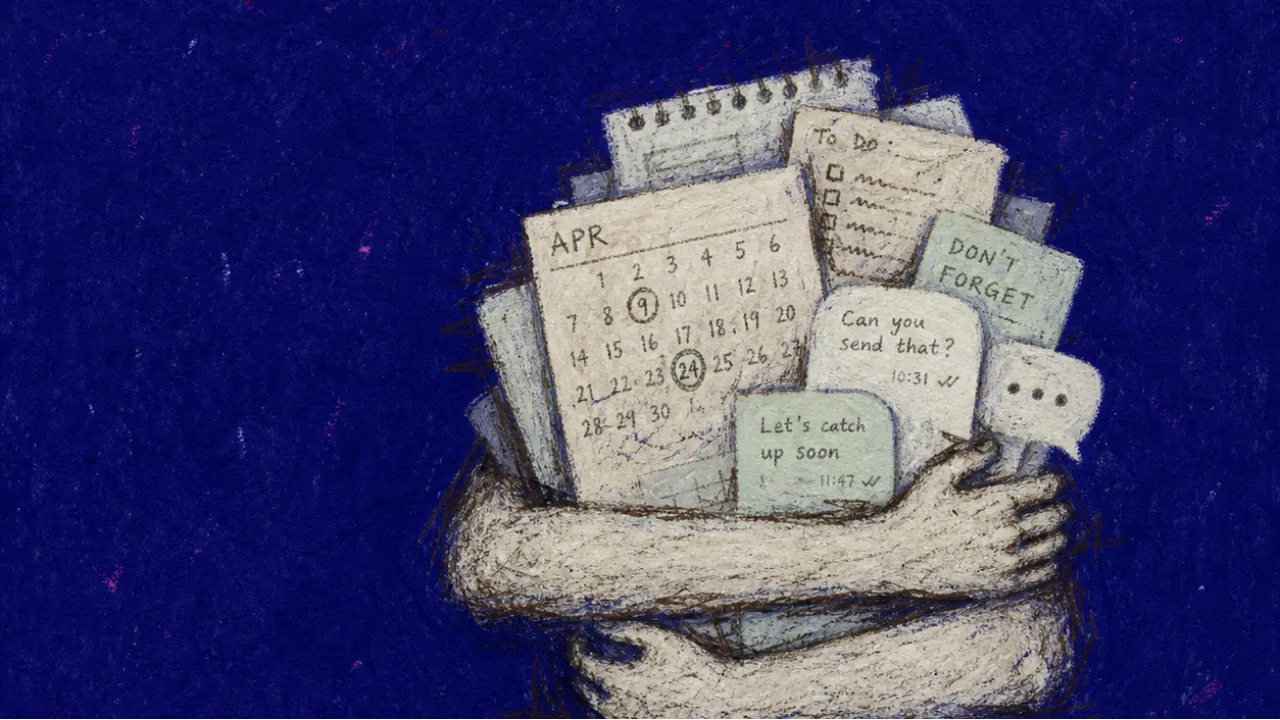
Designated Organizer Burden shows up when the group only moves because your calendar, follow-ups, bookings, and awkward repair texts keep everything from scattering. The tightness in your shoulders after another “can someone pick a date?” thread is not random; it marks an environmental, structural dynamic where coordination has been assigned to one person without being named. The Tarot Cards below do not decide what you should do with the group; they reflect the shape of this role, the weight of being useful, and the cost of sitting at the center of everyone else’s ease.
The Emperor UprightThe Emperor's throne is high, rigid, and central, built for command rather than comfort. His regalia marks control, but the stone seat also shows the cost of being the one who keeps the territory coherent. In a friend group, that becomes the burden of being treated as the default planner, mediator, reminder, and standard keeper. You may have real competence in holding the group together, but the card exposes when competence has been mistaken for endless availability.
ReversedThe Emperor's cold stone throne does not look comfortable, even though it is powerful. His posture, crown, armor, and ceremonial objects show the cost of being the point that holds the system together. In your social network, this can describe being treated as the planner, mediator, host, reminder system, and group chat engine. The card makes the unequal labor visible: the group enjoys stability while you are left sitting in the administrative seat that everyone else benefits from but rarely shares.
The Chariot ReversedThe chariot contains the equipment of movement, rank, and coordination, yet the animals are not connected by reins and the vehicle is not moving. The driver carries the visible role of command while the system around him does not supply a clean transmission channel. In a friend group, that becomes the burden of being the person who makes the social world happen. You may be the one arranging dates, smoothing conflict, initiating check-ins, and hosting the container, while everyone else experiences the friendship as effortless.
Two of Cups ReversedOne body is caught in the forward motion of the exchange while the central staff holds the whole scene in a formal axis. The image can describe a shared life where timing, reminders, coordination, and repair work gather around one person because the practical infrastructure has never been distributed. You are not just dealing with a full calendar; You are dealing with a role assignment that may never have been openly named. The card reveals the difference between being helpful and becoming the default operating center for everyone else's routines.
Three of Cups ReversedOne woman visibly carries the grapes while all three cups rise into the same effortless-looking toast. The circle presents equality, but the objects in the hands show that visible celebration can hide uneven supply, planning, and cleanup labor. For your life system, this becomes the role of the person who keeps the group calendar, the birthday plan, the dinner booking, or the shared household rhythm from collapsing. The card does not frame the burden as a personality flaw; it exposes an external arrangement where collective ease depends on one person quietly carrying the logistics.
Two of Pentacles UprightThe performer stands at the center of the exchange, and the coins keep moving because one body is doing the timing. In a friend group, that image translates into the person who sends the reminders, chooses the date, restarts the group chat, and quietly prevents the connection from going slack. You are being shown the social infrastructure that usually stays invisible. The card makes the organizer role concrete, so the question becomes whether the group can share the moving parts or whether one person is being treated as the default mechanism for everyone else's closeness.
ReversedBoth coins pass through the same pair of hands, and the figure's whole body adjusts to keep the circuit from failing. The group-like rhythm in the card is real, but its coordination is concentrated in one body. This is the social logic of becoming the default organizer. You are not simply good at planning; the structure may have trained the group to move only when you supply the timing, reminders and emotional smoothing that everyone else treats as background.
Three of Pentacles ReversedThe raised bench turns the craftsperson into the one body visibly keeping the work in motion. Others are present, engaged, and even invested, but the action concentrates around the person with the tool. That is the social shape of becoming the default organizer. The group may like the events, chats, introductions, reminders, and emotional smoothing you create, while treating the coordination behind them as if it simply happens. The card separates willingness from role capture. You can see where participation stopped being shared and started relying on your body as the group’s infrastructure.
Seven of Pentacles ReversedThe hoe that should extend the worker's agency has become the thing holding the posture up. The body bends into the tool while the vine carries most of the visible value, making the labor behind the garden more present than the reward. In a friend group, this becomes the role of the person who keeps the circle alive. You coordinate plans, revive dead chats, remember logistics, and keep the social vine watered while the group treats that effort as background infrastructure. The card's pressure sits in the imbalance between tending and being tended. It makes the organizing role visible enough to question whether the group is sharing the work of connection or quietly outsourcing it to you.
Eight of Pentacles ReversedOne worker sits at the center of the entire production scene while the town remains in the distance. The coins accumulate around his station, and the work visibly depends on the same pair of hands. In a friend group, this becomes the person who books the table, starts the group chat, follows up, remembers dates, smooths awkwardness and keeps the social machine from stalling. You may be called organized, but the card shows a role where coordination has become an external burden rather than a shared function. The distant town sharpens the social imbalance. The group benefits from the work, yet the labor stays concentrated in the foreground, making the organizer's role both visible and easy for others to take for granted.
Ten of Pentacles ReversedThe elder sits at the front of the household scene while people, dogs, property symbols, and thresholds gather around his position. Reversed, the image concentrates the whole domestic system around a single visible anchor, turning order into something one role must continuously hold together. In a lifestyle reading, this points to the person who becomes the default planner, scheduler, cleaner, reminder, bill tracker, and emotional coordinator of the home. The card makes that burden visible as infrastructure, not personality: the system runs because one body is always absorbing the coordination work.
Knight of Pentacles ReversedThe Knight is fully equipped for a long route, with reins, armor, horse, and pentacle all organized around practical execution. Reversed, that readiness can stop looking like capacity and start looking like permanent assignment. Inside a friend group, the same structure appears when one person quietly becomes the calendar, reminder system, logistics desk, birthday tracker, and conflict buffer. You may still care about the group, but the card highlights how invisible infrastructure becomes heavy when everyone else treats it as automatic.
Queen of Pentacles ReversedThe same carved throne that gives the Queen stability can become a fixed station, with both hands occupied by the pentacle and the body unable to move freely through the garden. The resource-holder is visible, seated, and expected to keep the cultivated space functioning. In a social circle, that structure becomes the burden of being the person who books the table, starts the group chat, checks in after conflict, remembers birthdays, and keeps everyone loosely connected. You are not simply good at organizing; the group has learned to route maintenance through you. The pressure of the card is practical rather than abstract. It names the point where social belonging starts costing too much because the community enjoys the garden without sharing the labor that keeps it alive.
King of Pentacles UprightThe king sits as the manager of a whole estate, with the coin, scepter, throne, vines, and castle all gathered around his position. The image does not show a casual participant; it shows the person expected to keep the domain stable. In a friendship circle, that visual structure maps onto the friend who becomes the default host, planner, driver, payer, mediator, group chat admin, or emotional logistics manager. Because the role looks competent from the outside, the labor underneath can disappear into the scenery. The card's abundance is real, but it is not effortless. This context reveals where being capable has quietly become being assigned, and where the group treats your reliability as infrastructure rather than as a contribution that also has limits.
Four of Wands ReversedThe wands stand by themselves, but the scene still needs people lifting garlands, arranging the visible welcome, and making the celebration readable to everyone else. The stable structure hides the work required to keep the social atmosphere alive. That is the burden of becoming the person who maintains the group: planning, hosting, remembering dates, smoothing logistics, and making others feel connected. You may be treated as the social infrastructure rather than a participant, and the card makes that invisible maintenance visible.
Ten of Wands UprightTen living wands are lifted off the ground and held in one tight bundle, while the carrier keeps moving toward the house in the distance. The image does not show scattered chaos; it shows organized weight, a load made manageable only because one body has become the system holding it together. That is the logic of Designated Organizer Burden in a family context. You become the person who remembers the dates, coordinates the visits, tracks the moods, and gets the household performance delivered, while everyone else treats the completed arrival as proof the arrangement is working.
ReversedThe ten wands stay together because the man is holding every piece of the bundle at once. In a friend group, that physical arrangement mirrors the person who keeps the calendar, the group chat, the birthdays, the restaurant bookings, and the awkward follow-ups from scattering. The scene still has a destination, so the pressure is not abstract. There is always a next plan, a next reminder, a next social repair, and the group can mistake that smooth movement for mutual effort because the organizing work disappears once the event happens. This card connects to Designated Organizer Burden by showing the cost of being the social infrastructure. You are not just making plans; You are carrying the conditions that allow everyone else to experience the friendship as effortless.
Queen of Wands ReversedThe wand touches the throne steps rather than the open ground, keeping action attached to the seated figure. The sunflower, throne, and centered posture make the Queen the place where social warmth is generated, displayed, and coordinated. In a friend group, that becomes the burden of being the one who starts every plan, checks every thread, hosts every gathering, and keeps the relationship network from going silent. You may have real social power here, but the card reveals when power has quietly become unpaid maintenance for everyone else's connection.
No cards available for this filter.