Where did your words go?
A clear definition of emotional self-censorship, with tarot cards that mirror it and reading insights tracking similar edits.

Emotional Self-censorship
What is this really?
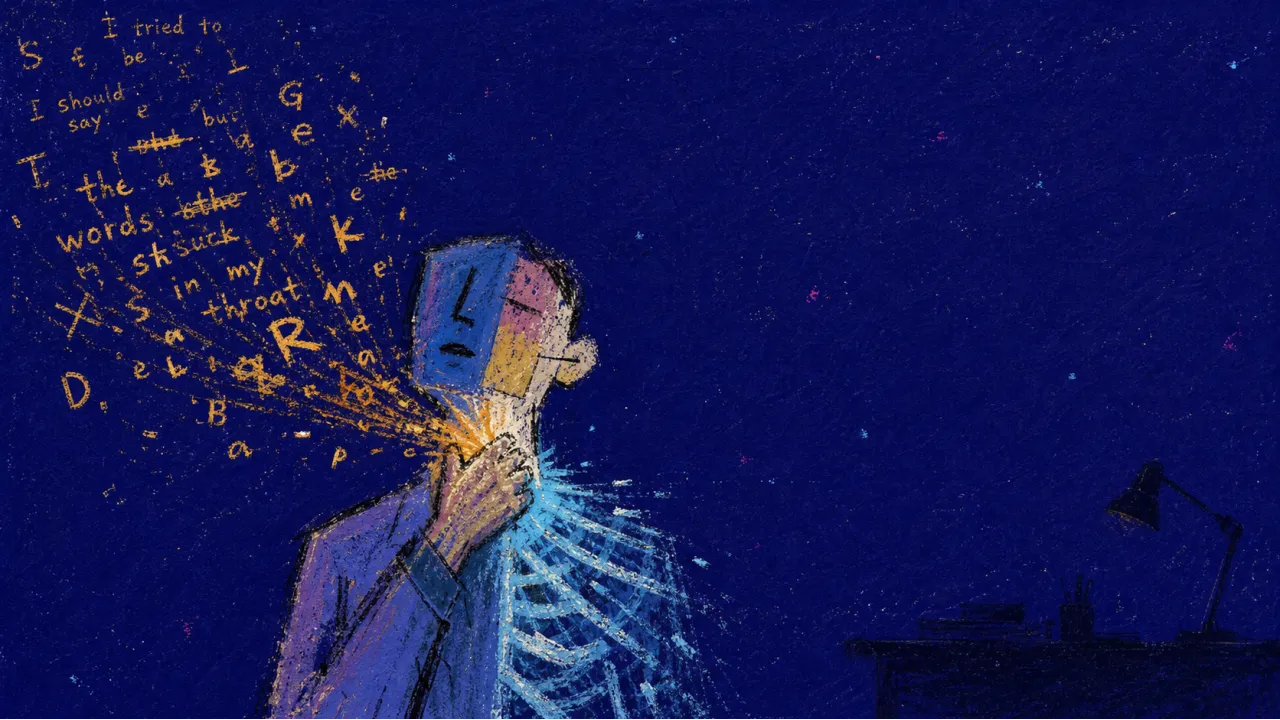
You edit your feelings before they leave your mouth: you soften the text, add a laugh, turn a clean boundary into "no worries," or say "I'm fine" before your body has caught up. Underneath, you're trying to keep connection intact and avoid the sharp drop in your stomach that comes when your needs seem to cool the room. Yet the more acceptable your words become, the less contact you have with yourself; people respond to the polished version while the unfiltered feeling stays locked behind your ribs, much like the Two of Swords, sitting still with crossed blades over her chest while the water behind her goes unspoken.
Why did it happen?
At some point, keeping your full reaction private may have helped you stay close to people whose warmth changed when you were direct, angry, needy, or unsure. Your body learned to trim the sentence before anyone else could reject it, and now that inner pattern can run even with people who would rather hear you plainly. The result is a quiet exhaustion: shallow breathing, delayed anger, and a sense that you were present in the room without fully arriving.
How does it feel?
- You type one direct sentence, stare at it for a beat, then backspace the sharpest word and add "no worries" before sending. Afterward, your thumb may hover over the screen, your jaw stays tight, and the message feels lighter than what your chest is still holding. Letting that edited version exist for now can be enough; the body cue is allowed to be noticed without fixing it immediately.
- In a meeting, you inhale to disagree, smooth your posture, and turn it into "Maybe one small thought" with a careful voice. In that pause, your throat may pinch, your shoulders lift slightly, and your breath gets narrow before the sentence is even finished. There is room to register the pinch without forcing a bigger response on the spot.
- When someone asks, "Are we good?" you nod quickly, give a small laugh, and say "Yeah, totally" while your fingers rub the edge of your sleeve. A few seconds later, your stomach may drop and your hands feel cooler, as if the answer left before the feeling did. That small mismatch can be observed gently; uncertainty does not have to be cleaned up at once.
- At dinner, a comment lands wrong and you press your lips together, take a sip, and ask the other person another question. Inside, heat may collect behind your eyes, your tongue feels heavy, and the laugh you offer sounds thin in your own ears. It is okay to let the unsaid thing have a quiet outline before deciding anything.
- Later, when you're alone, you open a notes app, write one blunt line, then rewrite it into something more reasonable before closing the screen. Your forehead may tighten, your ribs feel held in place, and a restless loop keeps replaying the line you deleted. That loop can be acknowledged as a signal, not a verdict.
Emotional Self-censorship in Tarot Cards
When a direct sentence becomes something safer before it leaves your mouth, the pattern is already visible. The throat pinch and lifted shoulders from that paused reply give it a physical shape. From a Jungian perspective, archetypal theory can frame this as the split between the public face and the feeling kept behind it. The cards below reflect the unconscious dynamics of that edit: Tarot Cards that make the silence visible.
Emotional Self-censorship in Tarot Card Reading Insights
For anyone who turns a direct sentence into something safer before it leaves the mouth, this pattern can feel oddly isolating in ordinary conversations. Others have brought that same quiet edit into readings, sitting with the cards instead of explaining it away. Below are Tarot Reading Insights for this pattern.

Closing the Laptop: From Proving Worth to Testing Reciprocity
Topic:Direction Tarot Reading
Struggle:Vulnerability Containment Strain
Context:Always On Availability

An Overground Text Edit: The Sentence That Held Truth and Privacy
Topic:Friendship Tarot Reading
Struggle:Truth-Connection Split
Context:Pathless Social Transition
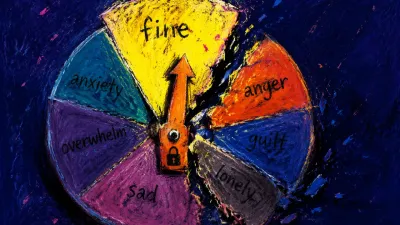
Spiritual Bypassing Behind 'I'm Fine': Name the Need First
Topic:Introspection Tarot Reading
Struggle:Masked Self-Division
Context:Quarter-Life Crisis

When the Positive Mask Slips: Naming Hurt Before Making It Useful
Topic:Introspection Tarot Reading
Struggle:Belonging-Authenticity Split
Context:Toxic Positivity Culture
Saying It in Minute Two: From Kickoff Freeze to Visible Ownership
Topic:Career Tarot Reading
Struggle:Clarity-Exposure Split
Context:Skill Underutilization Trap

Hyperconnected Loneliness on Friday Night—And One Honest Thread
Topic:Social Tarot Reading
Struggle:Reciprocity Deficit
Context:Performative Intimacy Circle

Meme Under a Serious Text: From Acting Chill to One Honest Line
Topic:Love Tarot Reading
Struggle:Vulnerability Containment Strain
Context:Situationship Ambiguity

Downplaying Your Hobbies in New Groups: One Real Detail, No Disclaimer
Topic:Social Tarot Reading
Struggle:Belonging-Authenticity Split
Context:Social Performance Loop

Editing Your Future for Family Approval—and One Truer Sentence
Topic:Direction Tarot Reading
Struggle:Internal Authority Collapse
Context:Family Script Pressure
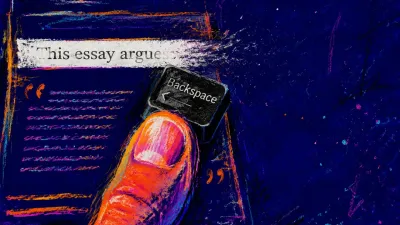
'This Essay Argues' Kept Getting Deleted—and the Claim Went First
Topic:Study Tarot Reading
Struggle:Internal Authority Collapse
Context:Authority Approval Bottleneck