When Your Day Stops Linking

Map routine collapse through a grounded situation description, related tarot cards, and reading insights from similar daily breakdowns.

Routine Collapse

What is this situation?

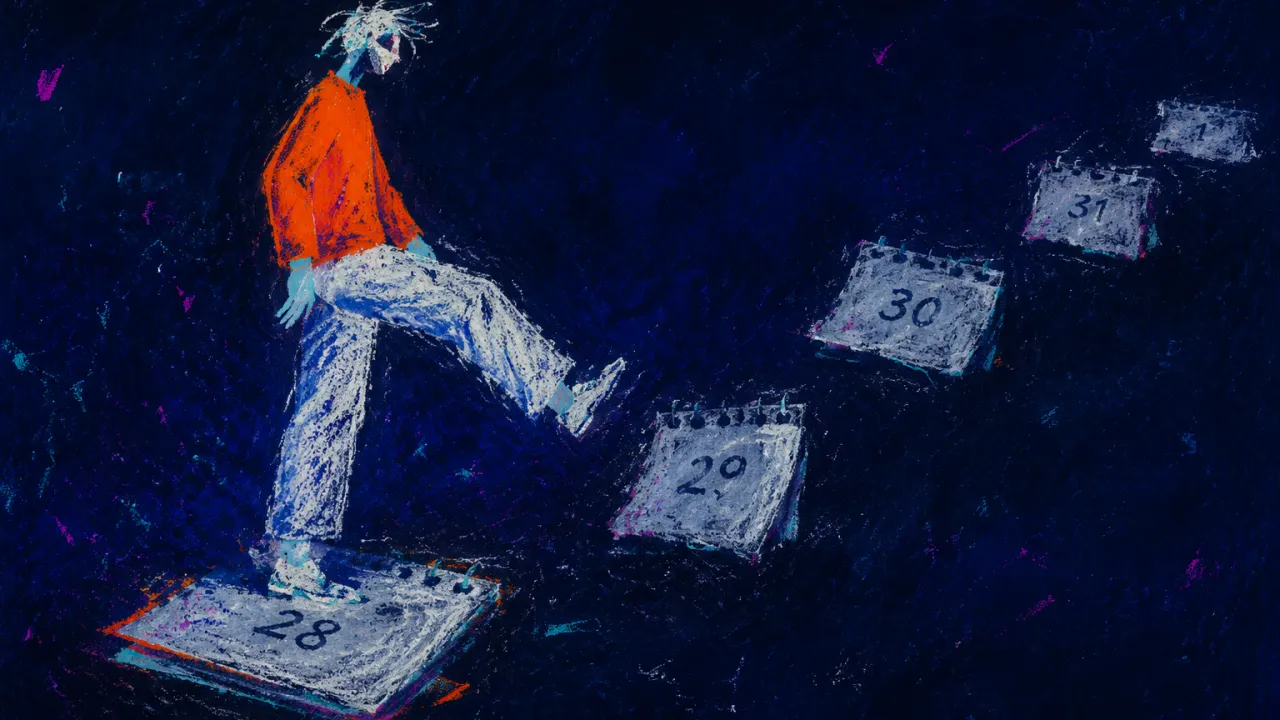
Routine Collapse - you notice it the morning your alarm becomes just another notification. You wake to a phone full of work messages, class updates, delivery reminders, app pings, and a laundry basket in the corner, and none of it arrives in an order your day can actually use. The old sequence - shower, food, commute, focus, errands, rest - has been interrupted by late shifts, changing deadlines, screen drift, shared housing noise, or one weekend that never got reset. By noon, breakfast is still a maybe, the bed is half-made, your laptop is open in the same spot where you ate last night, and every task asks you to rebuild the whole system before you can even do it. People around you still treat the day as normal: a manager asks for a quick update, a group chat expects a reply, a bill needs paying, the sink fills up, and the calendar keeps moving as if the handoffs between sleep, food, cleaning, work, and recovery are still intact. Your body starts to track the breakdown before you can explain it - tight jaw, dry mouth, shoulders braced, that small freeze when you look at a simple errand and cannot find where it fits. The cost is not one messy room or one late morning; it is the way each ordinary demand becomes its own edge, much like The Fool, reversed, with one foot lifted at the cliff while the ground stops behaving like a road.

Why it's not you?

The problem is not that you are bad at routines; the problem is that the supports around the routine have stopped connecting. Late shifts, shifting deadlines, noisy housing, constant notifications, piled-up chores, and recovery time that gets squeezed out can turn a normal day into disconnected parts. That is a failure in the day's structure, not proof that you are the problem.

Routine Collapse in Tarot Cards

Routine Collapse is the moment when the calendar, room, work or class demands, chores, and recovery time stop handing the day forward. The tight jaw, dry mouth, and braced shoulders you notice around a simple errand come from a day whose handoffs have broken. This is an environmental and structural dynamic: ordinary life keeps moving, but the sequencing supports have dropped away. The Tarot Cards below mirror the outline of that breakdown without telling you to force the old routine back into place.

The Fool Reversed
The Fool is mid-stride where the ground stops behaving like a road. There are no steps, rails, signs, schedules, or repeated markers; the environment offers a dramatic opening instead of a repeatable structure. That visual field fits routine collapse because the old container for decision-making has fallen away. In a direction reading, the card shows how every choice becomes louder when daily scaffolding disappears, and why you may need to map the structure before mistaking raw openness for freedom.
The Magician Reversed
The wand above, the pointing hand below, and the tools on the table form a circuit that has to stay coordinated. When that circuit is under strain, the idea remains elevated, the material tasks remain present, and the body in the middle has to hold the connection. Routine Collapse appears when the life system cannot keep that transfer stable. Sleep, work, food, money, cleaning, movement, and messages keep arriving, but the order that used to move them through the day has stopped carrying the load. The Magician links to this context because it shows that the failure point is not a single missing tool; it is the broken coordination between tools. You regain clarity by seeing which part of the daily circuit is carrying too many jobs at once.
The High Priestess Reversed
The seated body stays fixed at a doorway that should lead inward, while the scroll remains only partly available and the water behind the veil cannot be reached. The scene contains resources, rules, and a route, yet none of them convert into movement. That is the pressure signature of routine collapse. Your day may contain plans, calendars, intentions, and systems, but the pieces do not connect into a livable sequence; sleep, food, chores, work blocks, and recovery keep falling out of order. The card makes the collapse structural rather than moral. The problem is not that you lack discipline in a vacuum; the visible routine is sitting on top of hidden locks, missing passages, and inaccessible recovery sources.
The Empress Reversed
The same cushions, robe, wheat, and water can become a soft enclosure when the seated body never moves toward the field. The card gathers too many active life zones around a single still center, with no visible path through the tasks. In a routine collapse, your day does not break because one task is hard; it buckles because rest, meals, home upkeep, and work recovery lose their sequence. The image makes that collapse visible as abundance without routing, where comfort and supply exist but no longer translate into movement. This is a lifestyle-stage problem, not a character verdict. The useful mirror is the blocked flow between resources and execution: the garden is full, but the path through it has disappeared.
The Emperor Reversed
The Emperor's throne is massive, angular, and unmoving, while the water behind it can only appear in narrow fragments. The structure dominates the flow, and the seated body looks ready to enforce order rather than adapt to changing conditions. Routine collapse emerges when a daily system is too rigid to absorb real life. A missed sleep block, one delayed task, one meal skipped, or one unexpected demand can knock the whole structure out because the plan has no flexible joints. This card makes the collapse legible as a design failure inside the routine, not proof that structure is useless. The system needs enough authority to hold and enough movement to survive contact with an ordinary week.
The Hierophant Reversed
The ceremony directs every line of movement toward one seated authority. The followers are present, attentive, and physically arranged, but the scene gives them little room to improvise or move independently once the central instruction stops. Reversed, this becomes a strong image for a routine that works only while pressure is present. The day may hold together under deadlines, trackers, social expectations, or fear of falling behind, but it has not developed enough flexible structure to survive disruption. For lifestyle work, the collapse is not random mess. It is the visible failure of a system where too many life functions have been subordinated to one commanding priority, leaving rest, food, home care, and personal maintenance without their own protected authority.
The Chariot Reversed
The chariot is parked, the wheels are visually easy to miss, and the sphinxes face different directions without reins connecting them to the driver. The picture holds the posture of command while the mechanics of movement are strangely unavailable. That is the outer shape of a routine collapse: the calendar, sleep pattern, chores, and work blocks no longer translate intention into traction. You can still look composed from the outside, but the operating system underneath has stopped carrying the day.
Strength Reversed
The lion's claws disturb the soft ground while the mouth remains the center of the struggle. The terrain itself records the pressure, showing that containment is no longer just a calm gesture; the force is starting to reshape the surrounding field. Routine Collapse in a lifestyle spread is the point where one missed sleep window, one urgent work demand, one unwashed kitchen, or one delayed errand spreads through the whole operating system. The routine fails because too many functions are stacked on fragile ground. The card gives the collapse a concrete shape. You are not simply losing discipline; you are seeing what happens when the life structure has no buffer, no clean exit, and no secondary support once the lion starts pulling against the hands.
The Hermit Reversed
The lantern contains a precise star, but the surrounding landscape has no visible rhythm, shelter, or recurring path. The Hermit can hold a point of order, yet the body is still fixed on a frozen ridge rather than moving through a sustainable daily route. This is the visual logic of Routine Collapse: isolated moments of clarity survive, but the system that should repeat and support them has stopped functioning. Sleep, meals, movement, cleaning, focus, and recovery no longer link into a pattern that carries the day forward. The card does not reduce the collapse to laziness. It shows a disciplined figure in a severe environment, making visible the difference between having insight and having a livable structure that can repeat without constant force.
Wheel of Fortune Reversed
The wheel is held in motion by figures pulling in different directions, while the whole structure floats without a floor or horizon. Nothing in the image offers a grounded room, table, bed, doorway, or ordinary place where the moving system can land. That is the visual logic of a daily architecture losing its base. Work, sleep, food, cleaning, messages, errands, and recovery no longer behave like separate tasks; they start dragging on the same central mechanism until one slipped module pulls the others with it. You are seeing a collapse of coordination, not a moral flaw. The card makes the overloaded system visible so the pressure can be separated into parts instead of experienced as one spinning mass.
Justice Reversed
The Justice figure is tightly framed between pillars, seated in a stone hall where the tools of order have become fixed and formal. When the card turns toward blockage, that structure reads less like balance and more like a system that has hardened until daily movement has nowhere flexible to go. Routine Collapse often looks exactly like that in lived experience. The schedule may contain rules, trackers, intentions, and reset plans, but the actual day cannot move through them because the structure has become too brittle for work delays, sleep debt, errands, social obligations, and recovery needs. The card links this context to a loss of practical rhythm, not a lack of desire for order. You are seeing a system where the threshold still exists, but the body cannot pass through it because the rules are no longer proportionate to the life they are supposed to hold.
The Hanged Man Reversed
The body is upside down with no floor, no free hands, and no ordinary route into motion. The structure is still present, but it no longer functions as a bridge into action. Routine Collapse matches the reversed pressure of this image because the external system of the day has stopped converting intention into movement. Chores, meals, sleep, messages, work blocks, and basic maintenance may still be visible, but there is no workable sequence that lets one task lead into the next. The card gives the collapse a mechanical shape. You are not looking at a lack of willpower; you are looking at a daily apparatus that has locked the body into suspension while still expecting ordinary output.
Death Reversed
The foreground of the card is crowded with bodies that no longer occupy stable positions. The ruler is flat on the ground, the crown and scepter have separated from him, and the surrounding figures are caught in different forms of halted response while the horse continues forward. As a lifestyle context, this is the image of a daily system losing its organizing center. The tools that used to create order, such as calendars, habits, routines, household rules, and personal discipline, are still present in some form, but they are no longer attached to a functioning structure. Routine Collapse names the moment when life stops feeling like a sequence and starts feeling like scattered demands. The card makes the breakdown visible without turning it into a personal defect: the system has lost its hierarchy, and the first task is seeing where the structure stopped carrying the day.
Temperance Reversed
The cups, waterline, path, and horizon depend on one central act of coordination. A small break in the stream would affect the whole picture, because the scene has almost no visible buffer between balanced flow and spill. That is the lived shape of routine collapse. You may have a daily structure that works only when every variable behaves, so one late night, work spike, messy room, or missed errand can knock the entire sequence out of order.
The Devil Reversed
The two figures have loose collars and free hands, yet they remain planted at the base of the cube. The image is not a locked prison; it is a fixed arrangement where available movement fails to become actual relocation. Routine Collapse carries the same contradiction. You may know what the routine should be and even have the tools for it, but the daily structure keeps falling back into the same bottleneck of overstimulation, clutter, late nights, deferral, or fragmented attention. The card links because it shows capacity present inside a system that has stopped converting capacity into movement.
The Tower Upright
The Tower is a built system failing all at once: stone splits, fire exits through the windows, and bodies move without a chosen route. Nothing in the image suggests a gentle adjustment; the architecture itself has stopped coordinating movement. For personal growth, this points to a routine or habit system that looked strong because it was rigid. When pressure enters, the structure does not flex, absorb, or adapt; it breaks, taking the daily rhythm with it. You can read the collapse as an inventory of load-bearing routines versus decorative discipline. The card asks which habits genuinely gave you ground, and which ones only kept the tower tall until the first major strike.
Reversed
The tower's structure implies a vertical order, but the strike removes the top and breaks the path through the building. What looked like solid geometry becomes fire, smoke, and falling motion, leaving no clean route for the figures to follow. Reversed, this points to the slow failure of the systems that help You stay internally organized. The calendar may still exist, the habits may still be named, and the self-improvement logic may still be available, but the structure no longer holds the weight of the life moving through it. Routine Collapse fits because The Tower shows the difference between having a structure and being supported by one. The card helps You audit which routines are actual scaffolding and which are stone walls that crack the moment inner pressure rises.
The Star Reversed
The pitchers keep pouring, the stream on land splits into several branches, and the open ground offers no built structure to catch or organize the flow. What should become renewal can scatter into too many channels. Routine Collapse appears when the daily system loses containment: chores, meals, sleep, messages, and recovery all pull from the same limited source. The card gives shape to the collapse by showing that the problem is not effort, but the absence of channels that can hold effort long enough to matter.
The Moon Reversed
The path is visible at the shoreline, then bends away through dark ground and toward a narrow gap between towers. Nothing in the scene is broken, but the route is difficult to read: water cuts into the starting point, animals interrupt the threshold, and the far hills give no clean sense of arrival. That visual structure matches a lifestyle system where the order of the day has stopped carrying you. Sleep, food, work blocks, cleaning, movement, and downtime still exist as separate pieces, but the sequence between them has lost authority. You are dealing with a collapsed operating rhythm, and the card's value is in showing where the path becomes illegible before the whole day feels unmanageable.
The Sun Reversed
The horse has no reins, and the child is not controlling the movement with tools or force. In the card's strained state, the same openness that can feel free also leaves the scene without an obvious steering mechanism. That is the structure of routine collapse in lifestyle: the day still moves, but sleep, meals, work, cleaning, movement, and recovery stop connecting to one another. The system is active without being coordinated. The wall behind the horse shows that a threshold has been crossed, but crossing is not the same as landing. The useful clarity here is to see where the daily rhythm lost its handles, so the next structure can be built around real friction points instead of self-blame.
Judgement Reversed
The figures are upright, but their feet remain inside the coffins. The scene carries movement without relocation: the call has been heard, the lids are open, and yet the bodies are still held by the same compartments. That is the texture of routine collapse in daily life. Tasks may still happen, alarms may still ring, and obligations may still be answered, but the sequence that turns a day into a livable structure has lost its floor. You are not looking at laziness in this image. You are looking at a system where the signal to rise is louder than the available pathway, and the first act of agency is recognizing which container has stopped functioning as support.
The World Reversed
The same wreath that frames completion can become a closed loop when its rhythm stops producing closure. The dancer has no floor beneath her, the scarf circles the body, and the whole scene depends on coordination that can jam if one part falls out of time. In lifestyle terms, this maps onto the moment when sleep, chores, work blocks, meals, messages, and home maintenance start breaking sequence. You may still be moving all day, but the movement no longer creates completion; the system keeps recycling unfinished tasks back into the next morning.
Ace of Cups Reversed
The open chalice becomes an exposed channel with water moving through it faster than the shallow vessel can organize. The hand remains fixed in place while the flow keeps demanding reception, release, and regulation. That is the physical logic of a collapsed routine. You are not simply missing discipline; the structure has lost sequence, so meals, work, sleep, chores, messages, and recovery spill into each other without a usable boundary between them.
Four of Cups Reversed
The figure's body is still, the eyes are closed, and the cups remain untouched. Nothing in the scene is broken, yet nothing is moving through the system. That is the precise structure of Routine Collapse. The resources may still be present, the plan may still be visible, and the next input may even be offered, but the links between rest, work, food, chores, and recovery have stopped transferring energy from one part of the day to the next. The card gives you a clean external mirror for a routine that has become fragmented. You are not asked to force movement from nowhere; the first clarity comes from seeing which connection points in the daily architecture have gone static.
Five of Cups Reversed
The cups are not neatly paused; three are overturned, with liquid already leaving the vessels and spreading onto the ground. The distant house and bridge still exist, but the foreground system has lost its containers. Routine collapse works the same way in personal growth. A broken morning practice, abandoned plan, or derailed habit stack can turn the entire field into cleanup mode, and the card shows why rebuilding has to start with the remaining vessels rather than with a fantasy that the old structure is still intact.
Seven of Cups Reversed
The figure faces a crowded sky with no floor, no sequence, and no visible handhold. The cups are full, but they are disconnected from each other, so their contents do not flow into a workable day. Reversed, this image describes a lifestyle system losing its basic order. Sleep, meals, errands, cleaning, work blocks, messages, and recovery stop forming a chain; instead, each demand floats separately and competes for the same limited attention. The card gives collapse a map rather than a moral verdict. You can see where the hierarchy disappeared, where too many symbolic priorities are hovering at once, and where one grounded anchor has to be restored before the rest of the routine can reconnect.
Eight of Cups Reversed
The cups are still standing, but the person who maintained their meaning has left the frame. What once looked organized becomes unsupported when the body’s attention and action move elsewhere. In a lifestyle reading, this points to a collapse of sequencing rather than a single missed task. Meals, sleep, cleaning, work blocks, messages, movement, and recovery stop linking together, so the day loses the containers that used to make it navigable. The swampy ground and dim path make the collapse feel spatial, not moral. The card shows that the old coordinates no longer organize the next step, which means the repair has to begin with rebuilding containers before demanding higher output.
Ten of Cups Reversed
The house, river, garden, and paired bodies form a domestic system that only works while each channel stays open. When the overhead arc becomes a standard that everything below must match, the scene turns rigid: home, care, movement, and appearance all have to stay synchronized. In a lifestyle reading, this names the collapse that happens when daily life has no buffer. You may still know what the routine is supposed to look like, but the system cannot absorb work spillover, missed sleep, laundry, meals, errands, and recovery without one part pulling the rest down.
Page of Cups Reversed
The Page keeps the cup raised while the fish holds his attention, but the scene offers no visible next step beyond the platform. Behind him, the water keeps moving, and the empty sky gives no external schedule, wall, or structure to organize the moment. In a collapsed routine, life can look exactly like this: one vivid demand captures attention while the broader system keeps rising in the background. Sleep, meals, cleaning, messages, and recovery do not disappear; they become a moving sea without a clear dock. The card locates the pressure in the missing scaffold. You are not being shown a lack of character; you are being shown a lifestyle architecture that has become too dependent on whatever feels most immediate.
Knight of Cups Reversed
The horse, reins, cup, riverbank, and forward path all require coordination at the same time. When this image is strained, the rider can become locked between preserving the cup and actually moving through the crossing. That is the lifestyle texture of routine collapse. The day stops linking together: sleep does not support work, meals do not support energy, chores pile up around intention, and recovery is treated as something that will happen later. The card reveals collapse as a coordination failure rather than a character flaw. The point of leverage is not to demand more force from the rider, but to see which part of the system has been carrying too much symbolic weight without enough practical support.
King of Cups Reversed
The throne floats where a floor should be, with no land path close to the seated figure and only a distant ship moving through the waves. The symbols of order are present, but the platform underneath them is not grounded. That visual pressure matches a routine that keeps losing its base. You may still have calendars, intentions, apps, and rules, but sleep, meals, work blocks, admin, and recovery no longer lock together into a livable pattern, so every reset starts from the waterline.
Two of Pentacles Reversed
The raised foot, moving hands, and linked pentacles create a system with very little tolerance for interruption. Behind the figure, the sea is already uneven, so the foreground routine is being maintained inside a larger environment that keeps shifting. In personal growth, routine collapse often appears when a plan was built for ideal conditions but placed inside a life that changes. Travel, deadlines, social demands, money pressure, tiredness, and unexpected obligations can disrupt one piece of the loop and make the whole practice feel unusable. The card gives the collapse a structural explanation. It points away from self-blame and toward the design flaw: a routine that only works when nothing moves around it is not yet a life system, only a controlled performance.
Five of Pentacles Upright
The blizzard turns the street into a moving obstacle course, and the figures' clothing and crutch show a routine operating without enough insulation. There is still motion, but the motion is improvised, exposed, and dependent on fragile support. That is the texture of Routine Collapse in a lifestyle context: meals become irregular, sleep becomes reactive, chores become emergency cleanup, and the day loses its protective structure. The problem is not a single missed habit; it is the disappearance of a container that could hold ordinary life when pressure rises. The unclear architecture around the figures is important because it removes the sense of a reliable next step. The card reflects a system where the daily map has dissolved, leaving you to keep moving through weather that your routine was never built to absorb.
Reversed
The injured foot and crutch turn ordinary walking into a fragile system. Snow, cold, and inadequate clothing make the path harder than the movement itself should be. Routine Collapse in personal growth is the point where habits fail because the supporting conditions have stopped holding. Sleep, schedule, food, workspace, attention, and recovery may have become too unstable for the same routines to continue carrying your future self. The card shifts the focus from motivation to infrastructure. It shows that rebuilding consistency starts by seeing which external supports disappeared, which compensations are keeping you upright, and which path can be walked at the pace the current body can actually sustain.
Seven of Pentacles Reversed
The same tool that could support cultivation can also become a prop for stalled movement. The vine still carries pentacles, but the harvest channel is incomplete, and the figure remains fixed beside the plant while the distant horizon stays untouched. In a lifestyle context, that is the structure of a routine that still has components but has stopped converting effort into daily order. The planner exists, the sleep goal exists, the meal plan exists, or the cleaning system exists, yet the actual movement through the day keeps breaking down. The card's value is in showing collapse as a system-level blockage rather than a character flaw. It directs attention to where energy is failing to move from intention into usable structure, which is the first point where the routine can be redesigned instead of merely restarted.
Ace of Swords Reversed
The hand still holds a sharp instrument, but the landscape beneath it is dry and almost empty. In reversal, the image becomes a command with no support system: one blade, one grip, and no containers, paths, or replenishing structures around it. That is the texture of Routine Collapse. The will to get organized may still appear in bursts, yet sleep, meals, cleaning, movement, work blocks, admin, and recovery no longer connect into a functioning daily rhythm. The card does not reduce this to laziness or poor motivation. It shows a system where isolated clarity cannot compensate for missing infrastructure, and where the first honest move is to see which basic support has dropped out of the day.
Two of Swords Reversed
The posture looks controlled, but the crossed arms cannot stay raised forever. The body is already spending energy on holding the structure together before any forward movement begins. That is how routine collapse often announces itself in a lifestyle system. A schedule may appear disciplined from the outside, yet it depends on constant tension, skipped recovery, and no margin for the tide to change; once the arms give out, the whole design drops at once.
Three of Swords Reversed
The three swords do not strike around the heart; they converge into the exact center. That image turns disruption into a system event, where the impact point is not a minor task but the place every daily rhythm depends on. The grey rain removes any sense of ground, room, or ordinary sequence. In lifestyle terms, the problem is not that one habit slipped; the structure that usually orders sleep, food, cleaning, movement, and basic upkeep has been punctured. You may still be surrounded by responsibilities, but the card shows why they no longer line up. The routine has become the wound site, and clarity begins with identifying which three pressures keep routing through the same fragile center.
Five of Swords Reversed
The scattered swords do not form a line, a stack, or a usable set; they point across the ground as separate claims after the clash. The figures have already stopped coordinating, so the space itself becomes a map of broken sequence. In lifestyle terms, that is the texture of Routine Collapse. You may still have the tools, reminders, apps, intentions, and obligations, but they no longer connect into a livable rhythm. The Five of Swords in this state intensifies the image into a daily system where every task competes for priority and no shared center remains to decide what happens next.
Six of Swords Reversed
The far shore is visible but washed out, and the boat has not yet established a secure arrival point. Inside the vessel, the neat swords can become rigid fixtures, creating order that is too heavy to adapt when the crossing demands movement. As a lifestyle context, this describes a routine that has stopped carrying the day. Sleep, meals, work blocks, chores, movement, and recovery no longer connect into a reliable pattern, so the person is technically moving through time while the system underneath has lost coordination. The card's reversed logic focuses on a stalled passage, not a moral failure. It reveals where structure has hardened into dead weight and where the daily architecture needs to be made usable again before momentum can return.
Eight of Swords Reversed
One foot touches muddy ground while the other meets pooled water, placing the woman between unstable surface and unstable depth. Behind her, the castle sits at a distance on higher ground, visible as structure but not currently connected to the terrain beneath her feet. This is the lifestyle texture of routines that have stopped linking together. Sleep, food, cleaning, work blocks, errands, movement, and recovery may still exist as separate ideas, but the day no longer gives them a stable sequence to stand on. The Eight of Swords frames routine collapse as a terrain problem, not a character flaw. You are not looking for a perfect system from the castle in the distance; you are identifying where the ground under the next hour has become too wet, too interrupted, or too poorly bounded to hold the weight of ordinary life.
Nine of Swords Reversed
The bed is flat, the lower body is covered, and the figure has risen only halfway into action. Nothing in the image shows a next station, a doorway, or a usable sequence. The body is awake, but the day has not begun in any organized sense. That suspended posture is the shape of a routine system that has lost its sequencing power. Rest does not restore, movement does not start, and the basic modules of the day stop handing off to one another. In lifestyle terms, this is the collapse point where the problem is bigger than one missed task. You need to see which part of the daily chain has stopped carrying weight, because a broken sequence cannot be repaired by adding more pressure to the same overloaded body.
Ten of Swords Upright
Ten swords driven down through the spine turn the body into a map of a system that has taken every hit without a remaining place to redistribute pressure. The face-down position and interrupted river crossing show a daily architecture that cannot be carried forward by willpower, because the route exists but the body has reached a hard stop. In a lifestyle context, this matches the moment when work blocks, sleep loss, chores, meals, messages, and errands stop coordinating and begin landing on the same overstretched daily bandwidth. You are not looking at a minor habit failure; the card names a visible structural collapse of the routine that used to hide its weak points.
Reversed
The body has fallen before the river can be crossed, so the route exists while movement has stopped. That visual tension captures the specific frustration of knowing the next action, seeing the system that used to work, and still being unable to move through it. In personal growth, routine collapse happens when habits, trackers, morning rituals, or discipline structures stop carrying momentum after accumulated overload. You may still know the routine intellectually, but the card shows the body of the system pinned before execution. The insight is not that routine is useless. It is that the old routine may have been built on pressure, not resilience, and its collapse gives you hard evidence about the load it was secretly carrying.
Knight of Swords Reversed
The rider, horse, sword, wind, and landscape compress into one hard line of motion. In the reversed state, there is speed without a stabilizing rhythm, and the scene offers no visible place where the system can reset itself. That is the lived architecture of routine collapse. Meals get improvised, sleep slides, laundry and life admin accumulate, focus blocks disappear, and the week keeps moving even though the structures meant to hold it have stopped functioning. The card links to this context because the gallop keeps going after coordination has failed. It shows the difference between having momentum and having a routine: one moves you forward for a while, while the other absorbs pressure without making every day feel like emergency travel.
King of Swords Reversed
The seated body stays fixed while the sword remains raised, but no practical movement follows. Around the throne, the barren mound and sparse landscape give the authority symbols almost no living infrastructure to draw from. Reversed, that scene becomes routine collapse: rules are still present, expectations are still visible, but the support layer under the day has thinned out. Work, sleep, food, cleaning, errands, and recovery no longer pass smoothly into one another. The card’s value is its precision. It shows a system that is still judging itself by standards it no longer has the resources to operate, which is why the next useful move is not more pressure but a clearer view of where the daily structure stopped being load-bearing.
Ace of Wands Reversed
The suspended hand has force, but it has no visible body, feet, or road. The fortress remains in view while the actual route across the landscape is unclear, leaving initiative separated from the structures that would make it repeatable. That is the anatomy of routine collapse in daily life. You may still know what the system is supposed to look like, but the card shows the missing supports between intention and execution: sleep, timing, environment, and recovery have stopped functioning as a reliable pathway.
Six of Wands Reversed
The crowd holds the visible structure of the parade, while the rider's movement depends on a corridor that may disappear once the ceremony ends. The wands, applause, and route create momentum, yet the image does not show a private system that can keep carrying the same pattern afterward. In daily life, routines can hold while praise, novelty, streaks, group attention, or external deadlines are active. The card maps the collapse point where reinforcement drops away and the routine has to reveal whether it has an actual maintenance structure or only a public launch moment.
Seven of Wands Reversed
The figure’s feet do not rest on a smooth platform; they split over a stream and an uneven edge while pressure rises from below. The stance looks strong only because it is working hard against a base that is already fractured. For a lifestyle system, that is the moment when the routine no longer fails at the level of motivation. The ground itself is unstable: sleep is interrupted, meals are improvised, cleaning is delayed, messages pile up, and the day has no reliable road through it. The card names collapse as a structural break in the base layer of daily life.
Eight of Wands Reversed
The wands are close to landing, but the card holds them in midair. Below them, the ground is divided by water and distance, so the moving force has not yet become part of a stable physical order. Routine collapse lives in that suspended state. Tasks, messages, errands, sleep plans, cleaning cycles, and food routines keep moving, but they do not integrate into a dependable day; everything stays in transit until the basics begin to lose sequence. The reversed image points to a missing anchor, not a moral failure. Your lifestyle system is receiving motion faster than it can turn that motion into rhythm, so the first place to look is the landing structure where demands become scheduled, housed, and contained.
Page of Wands Reversed
The wand is held upright but not planted, and the desert offers no road, shade, water, or nearby destination. The figure has a signal, yet the environment does not provide a route for that signal to keep moving. That is why routine collapse belongs here. You may be restarting with real energy, but the system keeps failing because the routine has no recurring anchor, protective boundary, or practical path through the week.
Knight of Wands Reversed
The reversed horse rises instead of carrying the rider forward, and the desert ground provides little structural support beneath the interruption. The knight’s visible symbols remain intact, but the movement itself is no longer clean. That is the outer reality of routine collapse: the image of capability may still be present while the daily system stops coordinating. Sleep, meals, chores, errands, work blocks, movement, and admin no longer hand off cleanly to one another. The card’s value is in separating appearance from function. You may still look equipped, ambitious, or busy, but the underlying rhythm needs to be rebuilt where the forward motion keeps breaking.
King of Wands Reversed
The throne is slightly slanted in a landscape with no visible structures, plants, or secondary supports. Reversed, the wand that should organize action becomes the only prop left holding the day together. Routine Collapse is the point where lifestyle modules stop reinforcing each other. Sleep slides, meals become improvised, cleaning piles up, admin goes reactive, and recovery gets pushed out because the system has lost its load-bearing sequence. The card gives the collapse an external shape instead of treating it as a private failure. You can see the missing supports around the throne, which makes the task clearer: the routine needs reinforcement, not another act of isolated command.

Routine Collapse in Tarot Card Reading Insights

When Routine Collapse turns mornings, meals, work blocks, cleaning, and recovery into disconnected pieces, others bring that same daily breakdown into readings too. The focus shifts from the card list to what appears when this situation is named during a session. Tarot Reading Insights from related sessions.

Psychological contexts related to Routine Collapse