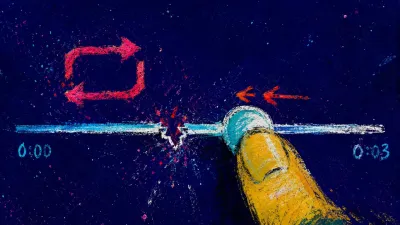
Why Won't This Ending Land?
Explore Closure Deficit through lived patterns, related tarot cards, and Tarot Reading Insights from sessions about unfinished endings.

Closure Deficit
What does this feel like?
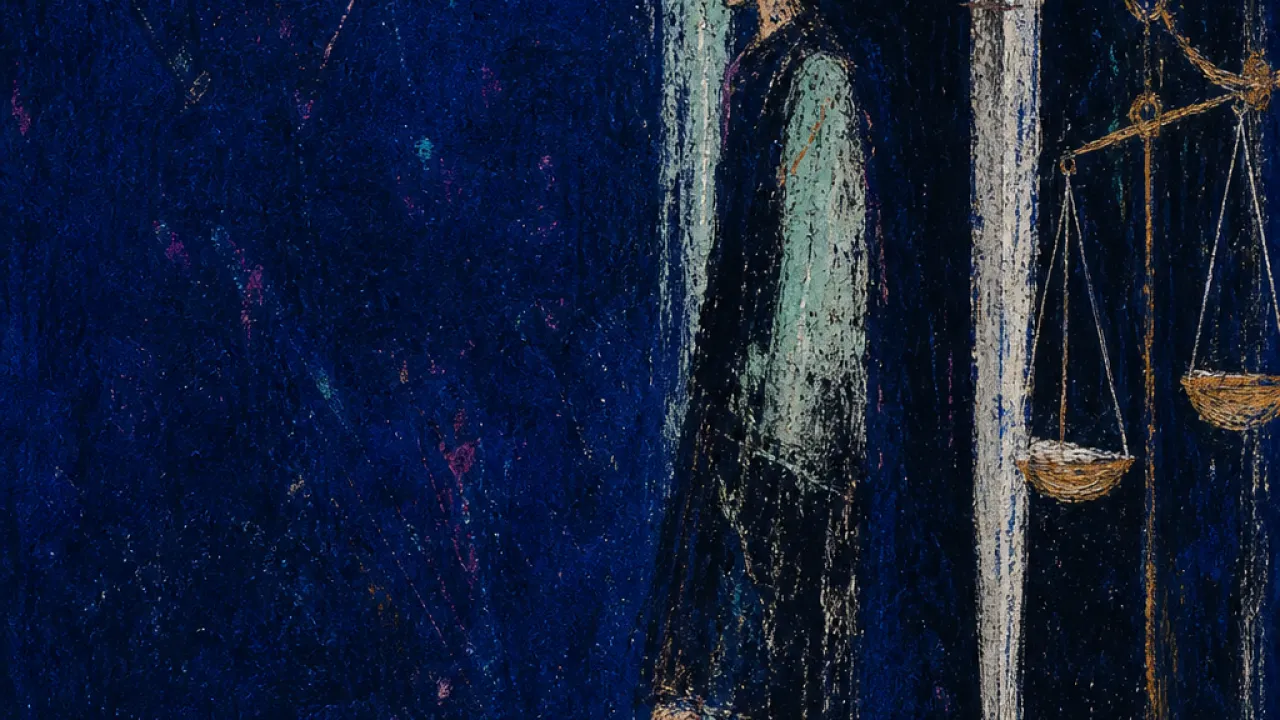
Closure Deficit is the feeling of lying awake after the conversation is over, phone face-down beside you, still rehearsing the one sentence that would have made the ending land. You know the facts: they stopped replying, the dynamic changed, the apology never came, the plan got quietly dropped, the room went calm in a way that was supposed to mean finished. But your body does not treat it as finished. Your chest keeps leaning toward the unfinished part, like a tab left open in the back of your mind; your throat tightens when a notification lights up, your stomach dips when you pass a place that belongs to the old version of things, and some small private part of you keeps preparing for a final exchange that may never arrive. You can be functioning at work, laughing at dinner, answering emails, making plans for next weekend, and still feel parked beside an invisible doorway, unable to step through because the ending has evidence but no landing. The hardest part is how reasonable it all looks from the outside: enough silence to understand, enough change to adapt, enough distance to call it over, but not enough shape for your body to believe the crossing is complete. You keep trying to be done, and then one tiny cue sends you back to the same hallway, reading the same missing line into every pause. The cost is not just missing someone or wanting an answer; it is living with your attention split between the life in front of you and the unfinished room behind the veil, much like the figure in Justice, with the sword still upright, the scales still suspended, and one foot touching the threshold without the body crossing it.
What's pulling at you?
You're not stuck because nothing happened; you're stuck because something ended without becoming livable inside you. One part of you can list the facts, while another part keeps waiting for the sentence, look, apology, or clean boundary that would let your body stop standing at the edge of it.
How It Shows Up?
- You open the old chat at 1:17 AM even though there is nothing new there; your thumb scrolls to the last message and stops, as if the blank space underneath might finally produce the sentence you needed. Your eyes burn from the screen, your chest feels pulled forward, and your throat gets tight in the exact place where a reply would have gone. The room has the stillness of The Hanged Man's pause: nothing is moving, but nothing feels finished. You can close the app without forcing the night to become a verdict.
- A friend asks if you are over it, and your face makes the small polite smile before you have decided what you mean. You nod, then feel your jaw lock and your stomach drop because the facts say one thing while your body is still waiting at the door. Somewhere inside, the scales stay in the air and the sword never comes down. You do not have to defend the pace of your own leaving.
- Halfway through an email, lecture, or shift, your attention slips sideways into the unanswered part again: what they meant, why that day ended like that, whether one more message would change the shape of it. Your shoulders creep up, your breathing gets shallow, and the cursor blinks like a tiny metronome for the loop you cannot land. The bridge in the Five of Cups is visible, but your feet have not turned toward it yet. You can finish the task in front of you without solving the ending today.
- At dinner, in a group chat, or at a party, someone mentions them or mentions something close enough, and you feel your laugh arrive half a beat late. Your cheeks warm, your chest pinches, and you start tracking every face in the room to see whether anyone noticed the shift. The World's wreath hangs in the background of the moment: a circle that looks complete, with no landing place under it. It is enough to notice the shift and let your body rejoin the room at its own speed.
- Your body keeps marking the unfinished edge in ordinary places: a station platform, a grocery aisle, the street where you used to turn left. One cue hits and your ribs tighten, your hands go cold, and your mouth fills with the metallic taste of something you never got to say. It has the weather of the Three of Swords, rain moving around the blades without pulling them out. You can name the sensation quietly and wait a few breaths before deciding what it means.
Closure Deficit in Tarot Cards
Closure Deficit lives in the moment your phone lights up and your throat tightens before you even read the name. From an existential perspective, the structural framework is the gap between knowing something changed and waiting for the clean signal that would let your body cross the threshold. The cards below do not settle the ending; they make the unfinished shape visible. Here are the Tarot Cards that mirror this pattern.
Closure Deficit in Tarot Card Reading Insights
When Closure Deficit keeps you beside an ending that never quite lands, others bring that same unfinished edge into readings too. The shift here is from the cards themselves to what appears when people ask about the conversation, silence, or boundary that never became complete. Here are Tarot Reading Insights from related sessions.

Post-Breakup Choice Paralysis: A Texting Pause Toward Self-Trust
Topic:Choice Tarot Reading
Struggle:Binary Choice Lock
Context:Strategic Pause Window

At 12:43 a.m., the Archive Reopened, but the Reply Stayed in Notes
Topic:Love Tarot Reading
Struggle:Relational Boundary Drift
Context:Strategic Pause Window

Getting Back Together Without Change: A Review Before the Old Routine
Topic:Love Tarot Reading
Struggle:On-Off Relationship Loop
Context:On Again Off Again Relationship

Slack Praise Felt Hollow, Then Two Minutes Made Room for Choice
Topic:Introspection Tarot Reading
Struggle:Achievement-Meaning Collapse
Context:Values Alignment Crossroads
From Catch-Up Mode to a Steadier Rhythm, One Closed Loop at a Time
Topic:Introspection Tarot Reading
Struggle:Mental Bandwidth Depletion
Context:Productivity Theater

Three Reply Drafts, Zero Sends—Then a Closure-First Turning Point
Topic:Choice Tarot Reading
Struggle:Control Lock
Context:Career Transition Fog

Stuck at the Delete Button, Building Self-Trust With Memory Curation
Topic:Personal Growth Tarot Reading
Struggle:Binary Choice Lock
Context:Breakup Closure Limbo
From Nighttime Lock-Checking to Settling In with Clear Boundaries
Topic:Introspection Tarot Reading
Struggle:Threshold Disorientation
Context:Solo Living Overload