Why Does Repair Always Land on You?

Name the hidden maintenance role, then explore matching tarot cards and reading insights from sessions on uneven repair.

Emotional Labor Imbalance
What is this situation?

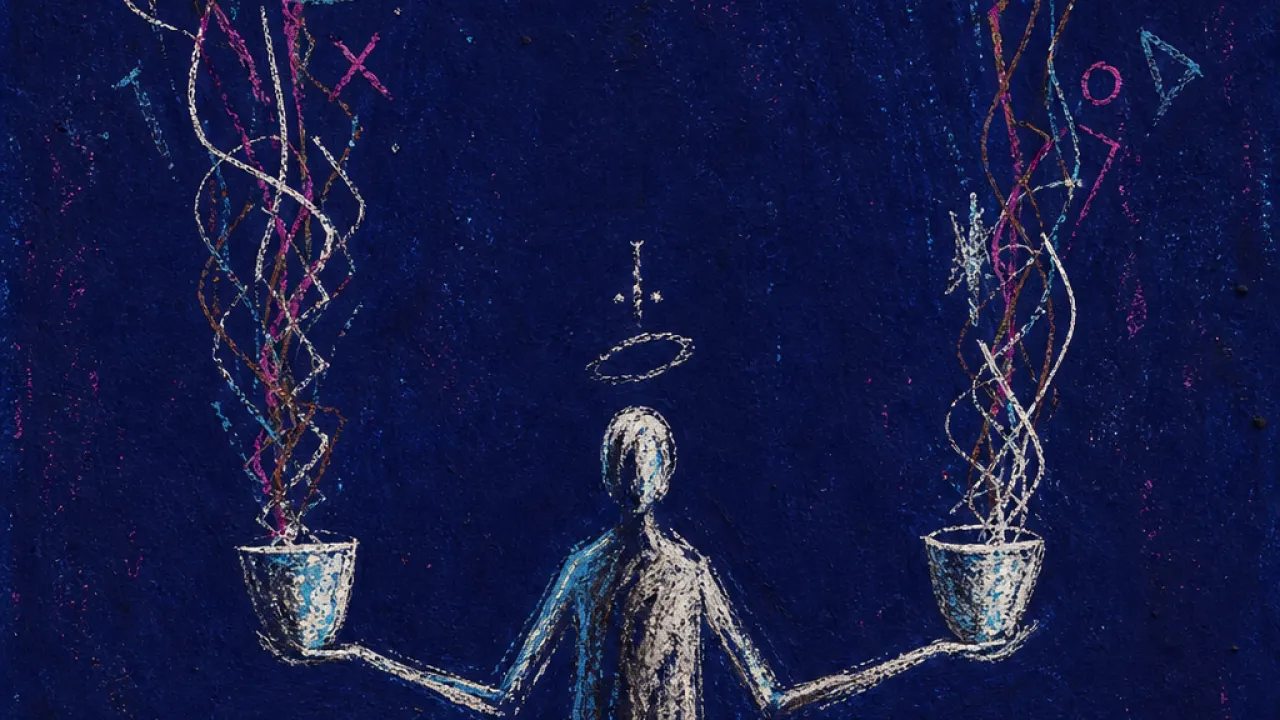
Emotional Labor Imbalance — you notice it at the exact moment a conversation starts to tilt and everyone looks, texts, or waits in your direction without naming it. It can begin on the couch after a small disagreement, in a group chat that goes tense after one blunt message, at a family dinner where the room changes temperature, or during a late-night call where someone unloads and leaves you to sort the pieces. You become the person who checks the tone, chooses the right time, softens the wording, remembers who is sensitive about what, and starts the repair before the silence hardens. The other person may still be loving, funny, or present in visible ways, which is what makes the imbalance hard to point to; from the outside, the relationship or group can look calm because you are quietly doing the work that keeps it that way. Your phone stays within reach, your shoulders lift when a notification lands, and ordinary plans get rearranged around whether someone else is ready to talk, ready to apologize, ready to be reassured, or ready to hear the thing you have already translated ten times in your head. Over time, the arrangement turns care into a background job: meals get rushed, sleep gets pushed back, your own updates get summarized, and the emotional weather of the room keeps being handed to you like a cup you are expected to keep level, much like Temperance reversed, where one controlled body holds both vessels in alignment so the whole smooth-looking flow does not spill.

Why it's not you?

The issue is not that you care too much or need less attention; the issue is that the system has learned to route repair, timing, and translation through you. When apologies, check-ins, tone control, and reassurance keep landing on one person, the imbalance belongs to the arrangement. The calm surface is being maintained by work that other people are benefiting from without equally sharing.

Emotional Labor Imbalance in Tarot Cards

In Emotional Labor Imbalance, the raised shoulders, paused typing, and mental inventory of everyone's tone are not random details; they are the body marks of work routed through one person. This is an environmental and structural dynamic, not a private flaw, because the surrounding relationship or group keeps depending on the same person to regulate repair, mood, and timing. The cards below do not tell you what to do with the people involved; they show the contours of the hidden workload. Here are the Tarot Cards that tend to mirror this kind of uneven emotional maintenance.

Temperance Reversed
The perfect pour in Temperance looks calm, but it requires continuous attention. The arms, gaze, cups, and stream all have to cooperate so that nothing spills into the surrounding scene. That physical precision mirrors the invisible work of managing a family’s emotional atmosphere. You may be tracking tone, preventing escalation, translating intentions, and absorbing reactions before anyone else even notices the room was becoming unstable. The reversed pressure in this image is not ordinary sensitivity. It is an imbalance in the family system, where emotional regulation has been concentrated into one person’s body while the rest of the structure stays dependent on that hidden labor.
The Star Reversed
The kneeling body holds both vessels and keeps the flow going alone. Nothing in the image shows another person taking a turn, refilling the containers, or sharing the physical work of tending the water. Emotional labor imbalance becomes visible when You are the one initiating repair, naming the issue, translating feelings, calming the tone, and keeping the relationship from drying out. The Star's reversed structure shows care becoming a one-person maintenance system rather than a mutual exchange.
Ace of Cups Reversed
A single delicate hand holds the ornate chalice while water spills in several directions. In reversal, the hand becomes the only visible stabilizer for a flow that is larger than one point of contact can reasonably manage. You may be carrying the relationship's processing, repair, reassurance, and timing while the other person simply participates in the overflow. The card makes that labor visible by showing how a beautiful exchange becomes unsustainable when one hand is expected to hold the entire vessel.
Two of Cups Reversed
The man's forward lean and the woman's fixed stance make the exchange look equal while the bodies tell a more complicated story. One figure supplies motion, the other supplies the checkpoint, and the relationship can start to run on invisible labor rather than mutual flow. In personal growth, this shows up when a friend, partner, peer, or accountability buddy becomes the place where every realization has to be processed. The bond may still look caring, but the structure begins to rely on one person holding the other person's reflection, reassurance, and repair work. The card gives the imbalance a visible outline. You can see where support has become an unspoken job, and where a growth relationship needs cleaner boundaries before it can become reciprocal again.
Five of Cups Upright
One figure stands alone over the spilled cups, doing all the visible accounting for what has been lost. No second body appears in the scene to help name the damage, hold the remaining cups, or participate in the crossing toward the distant house. That visual imbalance maps directly onto Emotional Labor Imbalance in love. The relationship may involve two people, but the work of processing rupture, tracking what went wrong, initiating repair, and keeping the emotional record has been concentrated onto one person. Five of Cups sharpens this context because it makes the workload visible as a posture. You are not only dealing with disappointment; you are dealing with a relationship setup where the aftermath itself has become unevenly assigned.
Page of Cups Reversed
The Page is the one holding the cup, watching it, and maintaining the delicate exchange with the fish. The entire emotional scene depends on his active handling of the vessel. In a relationship, that image can become a one-sided maintenance role. One person tracks tone, initiates repair, reads the silence, starts the hard conversation, and keeps the bond emotionally functional while the other remains mostly on the receiving end. You are looking at labor, not just love. The card makes visible the difference between mutual care and a setup where one person becomes the unofficial keeper of the relationship's emotional infrastructure.
Knight of Cups Reversed
One hand protects the cup while the other keeps the horse controlled, forcing the body to carry emotional content and manage movement at once. The scene gives the cup importance, but it does not show anyone else taking a share of the carrying. In a friendship circle, that becomes Emotional Labor Imbalance. You may be treated as the listener, smoother, mediator, or emotional first responder, while the group benefits from your steadiness without building a reciprocal structure that holds you back.
Queen of Cups Reversed
Both hands are committed to the cup, and the Queen's body has little spare movement left. Reversed, that visual arrangement becomes the social architecture of emotional labor: one person holding the vessel while the wider circle benefits from the stability it provides. The closed lid matters because the work is not fully visible. You may be tracking moods, smoothing tension, remembering sensitivities, and making conversations feel safe while the group experiences only the calm surface. This context exposes care as an unevenly distributed resource. The card turns exhaustion into evidence of a structural imbalance inside the social network, not a failure to be generous enough.
King of Cups Reversed
Both hands are occupied with emotional instruments while the throne floats in a sea that never stops moving. The King becomes the only stable container in a landscape made of waves. That image mirrors a relationship where one person is turned into the regulator, translator, and repair system. You may be praised for being calm or understanding, but the structure becomes costly when your steadiness is treated as a shared resource that never has to be replenished.
Ace of Pentacles Reversed
The hand holds one large pentacle by itself, concentrating the work of stabilization into a single point. In a friendship system, that can mirror the person who becomes the reliable container for everyone else's processing, logistics, and repair. The garden below looks abundant, but the resource is not shown circulating among many hands. You may be in a bond where support has a pleasant surface while the actual labor of holding the relationship keeps landing on you.
Two of Pentacles Reversed
One body managing both coins makes the labor of keeping motion visible. In a relationship, that becomes the partner who tracks plans, initiates repair, monitors tone, remembers dates, checks in first, and keeps the whole system from dropping. The loop still looks smooth from the outside, which is why the imbalance can be hard to prove in ordinary language. The card gives the workload a shape: you are not just reacting to a mood, you are noticing that the relationship's maintenance has been routed through one set of hands.
Five of Pentacles Reversed
The two figures are close, but the scene offers no visible flow of warmth between them. One has a crutch, one is wrapped tight against the cold, and both move beneath a window that holds the comfort they do not seem to receive. In a relationship, that image can expose an imbalance in the labor of care. One partner may become the emotional coat, the crisis manager, the translator, or the steady body that keeps the connection moving while their own need remains poorly held. You may not be lacking love; you may be lacking circulation. The card shows where care has stopped moving both ways, allowing you to distinguish devotion from the quiet exhaustion of becoming the relationship's only shelter.
Six of Pentacles Reversed
The standing figure gives to two people at once while still holding the scales, keeping the flow of support and the burden of regulation in the same body. The scene is orderly, but the central role carries the work of measuring, dispensing, and staying composed. For inner-world cleanup, this reflects the outer setup where you become the emotional resource bank for everyone else. The card makes the imbalance concrete: your bandwidth is treated like a shared supply, while your own need for containment keeps getting postponed by the role you are expected to perform.
Seven of Pentacles Reversed
The figure leans into the hoe after a long season of tending, while most of the fruit remains attached to the vine. The body has done the work, but the usable return is small compared with the visible accumulation still demanding attention. That imbalance matches a friendship where listening, remembering, soothing, and checking in have become your assigned role. The connection may look alive from the outside, but its support economy is uneven: one person receives the cultivated care while the other keeps holding the tool.
Eight of Pentacles Reversed
One person sits at the bench doing all the visible work, with every tool and every unfinished piece arranged around his body. The image has productivity, but it has no reciprocal presence; the labor is concentrated in a single set of hands. In a relationship, that concentration becomes the reality of one partner carrying the maintenance system. You may be the one initiating repair, naming problems, remembering needs, planning quality time, and translating tension into conversation while the other person benefits from the structure without equally helping to build it. The card's reversed weight lies in the difference between devotion and depletion. Effort can be loving, but when the relationship only functions because one person keeps returning to the bench, the structure itself needs to be named.
Nine of Pentacles Reversed
The garden looks effortless because every element is already tended: vines, pentacles, the falcon, the snail, the robe, and the estate all sit within one managed ecosystem. The woman’s composed posture hides the amount of coordination required to keep that world graceful. In a relationship, this becomes the imbalance of invisible upkeep. You may be in a bond where one person tracks the emotional climate, initiates repair, remembers the small details, protects the peace, and makes the partnership appear smoother than it actually is. The card brings the hidden labor into view. It shows that harmony can be real and still unevenly maintained, especially when the person doing the work has become so competent that the relationship stops noticing the work at all.
Queen of Pentacles Reversed
The Queen's lap becomes a place where the valuable object is held, contained, and watched over. Her posture is steady, but both hands are already occupied, and the surrounding symbols of care keep directing attention back to her as the resource holder. Emotional Labor Imbalance appears when other people's material repeatedly lands in that same held space. You become the stable place where everyone processes, vents, or regroups, while your own inner audit is pushed to the edges because the external system has learned to treat your steadiness as available infrastructure.
Three of Swords Reversed
The swords enter from separate directions, but the heart receives them as one combined impact. The scene is not crowded, yet it is overloaded because every line of pressure becomes inward-facing. In daily life, emotional labor works this way when other people's tension, ambiguity, venting, and repair needs are delivered into your schedule as if your bandwidth were the common container. The cost shows up in meals skipped, sleep pushed back, chores deferred, and quiet time consumed by managing the social atmosphere. The card names the imbalance through its one-way channels. You can see where care has stopped circulating and started accumulating in one exposed center.
Six of Swords Reversed
One figure stands and rows while the others sit enclosed by the boat and the swords. The scene makes labor visible through posture: one body generates the movement, while the weight belongs to the whole vessel. In friendship, this captures the imbalance of being the person who checks in, remembers the context, absorbs the tension, smooths the conflict, and keeps the bond from stalling. The work may be emotional rather than physical, but the card gives it a body, a tool, and a load. The six swords show why the imbalance becomes costly over time. Each unresolved issue adds weight, and if the same person keeps rowing every crossing, the friendship starts depending on unpaid labor instead of mutual care.
Ten of Wands Reversed
The man carries all ten wands with both arms, and the weight is not distributed across a team, a cart, or the ground. In friendship, that visual concentration mirrors the invisible work of remembering, checking in, smoothing conflict, naming problems, and making repair feel possible. The bundle is orderly, but its order depends on one body staying locked around it. That is the quiet cost of an imbalanced friendship system: the relationship can look stable from the outside because one person keeps absorbing the tension before it becomes visible. This card fits Emotional Labor Imbalance because the strain is not a single dramatic incident. It is the repeated social maintenance that becomes expected, normalized, and hard to refuse once You have become the person who keeps the bond from falling apart.

Emotional Labor Imbalance in Tarot Card Reading Insights

For people dealing with Emotional Labor Imbalance, the same pattern often enters readings as a question about why every repair, check-in, or hard conversation lands on them first. The readings below move from the card list into how others have brought this uneven maintenance into a session. Tarot Reading Insights from sessions on emotional labor, reciprocity, and repair.

Psychological contexts related to Emotional Labor Imbalance