What Are You Not Counting?

A clear audit of Resource Blindness, the tarot cards that mirror it, and reading insights where this pattern appears.

Resource Blindness
What is this really?

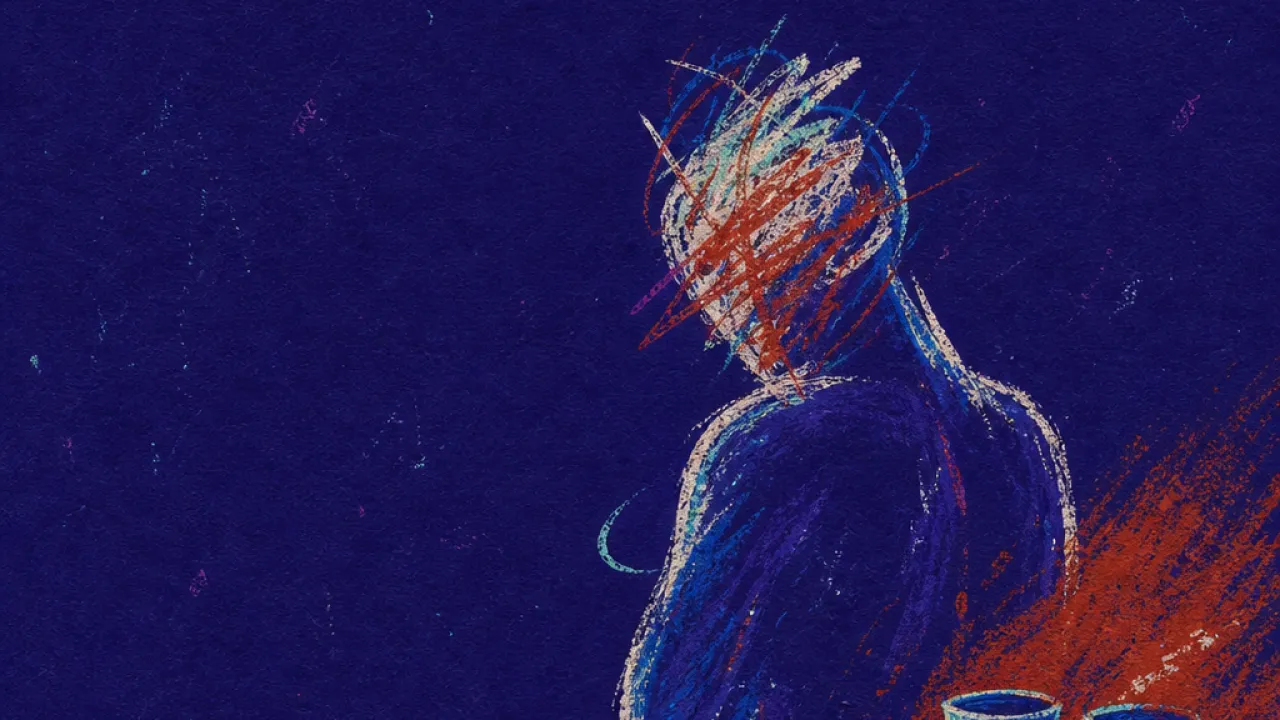
You scan your day, your relationships, your work, or your options through what just failed, got wasted, or did not arrive, while usable fragments sit nearby without feeling countable. This is a survival-shaped attention habit: your mind tries to protect you from false hope by giving the loudest loss the most screen time, tightening the internal audit around the evidence that feels safest to trust. Yet the protection can become a trap of selective attention and cognitive narrowing: you keep treating a partial spill as the whole landscape, at the cost of walking past the two upright cups and the bridge behind the cloaked figure in the Five of Cups.

Why did it happen?

At some point, focusing on what was missing may have helped you stay alert, avoid being caught off guard, or make quick choices when disappointment took up the whole room. Over time, that alertness can become an inner pattern that keeps scanning the spill first, so quieter resources feel faint, late, or not meant for you. The result is a kind of mental tunnel vision that can leave you tired from searching for support while standing beside pieces you could still use.

How does it feel?

  • You open your calendar after a rough day, see one meeting cancelled and one free hour left, then hover your cursor without clicking anything... in that pause, your shoulders may stay slightly lifted and your eyes keep returning to the lost block of time, while the available hour feels oddly weightless. Let it be a small signal, not a verdict on your whole day.
  • You stand in your room staring at the clothes on the chair, pick up one shirt, then put it back because the whole space is not clean... that moment can come with a dull heaviness behind the eyes and a tight, stuck feeling in your hands, as if one unfinished corner has swallowed the room. It is okay to notice the narrowness before asking it to widen.
  • You reread a disappointing email, scroll past one useful note from a friend, then reopen the email again with your thumb held stiff over the screen... afterward, your chest may feel flat and your breathing may get shallow, even though there was another thread sitting right there. The body can move toward the loudest thing first; that reaction can simply be observed.
  • At work or school, you miss one deadline or get one weak response, then tap your pen against the desk while ignoring the notes, examples, or feedback that could still help... you might feel a hot pressure in your face and a sinking pull in your stomach, like the failed piece has become the whole assignment. You can let that sensation exist without treating it as the full map.
  • When someone offers a low-key option, a spare ticket, a quick ride, or a half-hour of help, you give a small nod but keep your gaze on what did not happen... inside, there may be a brief blankness, a delay before the offer feels usable, and a quiet fatigue from scanning the wrong place. Not registering support right away can be part of an old protective rhythm, and uncertainty is allowed.

Resource Blindness in Tarot Cards

That moment when one spilled plan makes every remaining option feel strangely unavailable is the core pattern of Resource Blindness. You may recognize it in the lifted shoulders, shallow breathing, and the way your eyes keep returning to what fell apart. From a Jungian archetypal theory lens, this pattern can be understood as attention turning toward one charged image while the wider field drops out of view. The Tarot Cards below mirror the unconscious dynamics of this narrowed audit and the resources still waiting inside the frame.

Five of Cups Upright
The three fallen cups occupy the figure's gaze, while two upright cups remain physically close but psychologically unregistered. The bridge and castle are not hidden; they are simply outside the narrow emotional frame created by the figure's stance. This is the exact visual grammar of Resource Blindness: the system keeps counting the loss while failing to inventory what is still available. In personal growth, that can look like treating one failed attempt, one inconsistent routine, or one unfinished project as proof that no usable foundation exists. You are not empty-handed in the image; the card refuses that conclusion. It shows a mind that has lost access to its own remaining resources because the most dramatic evidence is also the most visible evidence.
Reversed
The two upright cups sit directly behind the figure, close enough to be available but outside the bowed line of sight. The bridge and house also remain present, yet the foreground spill monopolizes attention. Resource Blindness fits because the image shows support existing without being psychologically usable. In family conflict, you may become so focused on the unavailable parent, the lost approval, or the unresolved wound that chosen family, friends, partners, practical options, or your own adult capacities do not feel real. The point is not forced gratitude or denial of loss. The pattern shows an attentional trap: when one family source is treated as the only source that counts, every other cup can remain standing and still be emotionally invisible.
Six of Cups Reversed
Six cups filled with flowers surround the children, yet the eye is drawn to the single cup being offered. The scene contains multiple supports, but attention narrows around one emotionally meaningful object. Resource Blindness in study works the same way. You may have feedback, office hours, past papers, library tools, peer review, and previous notes available, while your attention keeps circling the one familiar cue that feels safest. The card makes the cost of selective attention visible. The resource field is not empty; the pattern simply filters it through comfort, so usable academic support stays present but psychologically out of reach.
Seven of Cups Reversed
The cups appear full, but they are suspended in clouds. Their images feel available even though the scene offers no visible infrastructure, path, or support beneath them. Resource Blindness forms when desire is mistaken for capacity. In timing questions, the mind may read emotional momentum as proof that the season is ready, while the practical supports are still incomplete or misaligned. You may not be wrong to want the move, launch, pivot, or threshold. The card simply shows where a vivid image of readiness can blur the difference between wanting the next phase and having the resources to sustain it.
Eight of Cups Reversed
The eight cups are close, upright, and capable of holding value, yet the figure's back and the empty gap pull attention away from what is already available. The visual field teaches a narrow audit: what is missing becomes louder than what can still be used. In study, Resource Blindness shows up when feedback, office hours, notes, past essays, library access, or peer explanations are discounted because they do not feel like the one perfect answer. The pattern keeps the academic system underused while You search for a resource that feels emotionally complete.
Nine of Cups Reversed
The cups are high, polished, and easy to count, but they sit behind the man rather than in his hands. Reversed, that arrangement can turn visible abundance into a misleading timing signal: the shelf looks full, while the actual usability of the resources remains untested. The blue cloth and table create a boundary between display and access. Psychologically, that boundary can narrow attention toward what appears complete and away from the hidden conditions that determine whether the next move can actually hold. Resource Blindness appears when timing is judged by the evidence that looks most reassuring. In a timing question, the card asks whether the moment is truly supported, or whether an attractive display of past satisfaction is hiding missing capacity, poor fit, or external resistance.
Page of Cups Reversed
The fish in the cup is the card's most revealing imbalance when the image is read under pressure. A living thing appears inside a vessel that can display it, protect it briefly, and make it feel special, but cannot replace the sea. Resource Blindness forms when emotional attachment overrides the reality of containment. The Page can cherish the signal so intensely that the size of the cup stops registering. Psychologically, the defense protects hope by ignoring capacity, timing, and the environment that would have to sustain the next move. In timing questions, this pattern shows up when a meaningful idea is pushed as if meaning alone can carry it. The card asks you to distinguish the value of the fish from the readiness of the container, because acting too soon can drain the very thing you are trying to keep alive.
Queen of Cups Reversed
Behind the island, a beige wall cuts off the distance even though another shore appears to be nearby. The Queen's attention stays on the cup, not on the possible routes, supports, or structures around her. That composition shows a perceptual narrowing rather than a lack of resources. The mind can become so invested in its private container that external help stops registering as available, relevant, or emotionally safe to use. In academic work, this pattern turns professors, peers, office hours, library systems, and source maps into background scenery. You may keep struggling alone not because support is absent, but because the learning field has been visually and emotionally narrowed around the sealed cup.
King of Cups Reversed
The cup receives the king's gaze while the ship and dolphin sit at the edges of the scene. The wider field is full of timing data, but a narrowed focus can make the most emotionally available signal feel like the only signal. Resource Blindness appears when one internal cue replaces the full resource map. The pattern makes You judge readiness from the cup alone while support, constraints, friction, and external movement fade out of the decision.
Ace of Pentacles Reversed
The pentacle shines in the foreground, while the actual garden remains partly hidden behind the fence. The mountain in the distance is visible, but it is pale and easy to overlook beside the bright symbol of value. Resource Blindness appears when attention locks onto the resource you think you still need and misses the field that is already present. The card's reversal makes existing capacity look invisible because the psyche is searching for proof somewhere else. In growth work, this pattern often sounds like needing another course, identity, credential, or sign before trusting what has already been built. The image redirects the audit toward the skills, resilience, support, and evidence that are already inside the garden.
Two of Pentacles Reversed
The foreground is dominated by the two pentacles and the cord between them, while the ships in the background continue their course across rough water. The wider field is present, but the figure's attention and movement stay trapped inside the immediate loop. In academic life, this can become a narrow resource map. You may keep managing the same two visible demands, such as readings and deadlines, while overlooking office hours, feedback, peer explanation, library systems, better sources, or a simpler way into the material. Resource Blindness appears when self-management becomes so absorbing that support stops registering as part of the system. The card shows a student trying to solve complexity by juggling harder, even though the missing resource may be outside the loop rather than inside their effort.
Three of Pentacles Reversed
The pentacles are embedded high in the arch and muted by the stonework, while attention gathers around the blueprint, pillar, and raised tool. The resources are present, but they are visually absorbed into the larger structure rather than treated as active limits. That absorption becomes Resource Blindness when the lifestyle blueprint ignores the real budget of energy, attention, money, time, and recovery. You may keep building as if capacity is implied by the plan, while the body and environment are already showing where the system cannot carry more weight.
Four of Pentacles Reversed
The same pentacle symbol is placed at the head, held at the heart, and fixed beneath both feet. The figure is surrounded by resource-signs so completely that the wider town and landscape become secondary visual information. The reversed mechanism is not a lack of resources; it is a narrowed audit of reality. Attention becomes so attached to what can be held, counted, or protected that other timing data fades out: support, fatigue, market conditions, relational readiness, seasonal resistance, or the cost of continuing. In timing questions, Resource Blindness appears when You cannot tell whether You are ready because the wrong metrics are doing the seeing. The pattern keeps checking possession while the actual cycle may be asking for a broader read of conditions.
Five of Pentacles Upright
The bright church window is the clearest object in the scene, yet both figures move past it while looking elsewhere. The symbol of support is not hidden; it is visually available and psychologically unregistered. That split turns the card into an audit of unused support. In personal growth, the pattern shows up when mentors, feedback, structure, tools, or small openings are present, but Your attention system keeps scanning for hardship and treats the usable resource as if it belongs to someone else.
Six of Pentacles Reversed
A torn opening in the blue cloth reveals distant buildings behind the waiting figure, but the eye is pulled toward the coins and scales in the foreground. The wider landscape exists, yet the exchange narrows perception to the visible offer. As Resource Blindness, the card points to a decision field where the obvious options dominate awareness. You may keep comparing A and B because they are already in front of you, while a third path, delayed resource, or overlooked constraint sits outside the immediate transaction.
Eight of Pentacles Reversed
The worker's bench is clearly separated from the town, and the completed pentacles reflect labor more than context. In reversal, that separation can become a blind spot: the craft keeps improving while the actual conditions around the next move go unread. Resource Blindness is not a lack of effort. It is the habit of treating effort as the only meaningful variable, even when timing depends on energy, support, money, demand, recovery, or the readiness of other people. The card's distant town matters because the work eventually has to meet a world beyond the bench. In timing questions, this pattern reveals why a move can feel both urgent and strangely blocked. The missing factor may not be motivation; it may be an overlooked resource that has not entered the timing audit yet.
Nine of Pentacles Reversed
The estate is full of usable supports, yet the falcon's hood blocks the very organ of perception that would scan the wider field. The garden contains abundance, but reversed abundance can become clutter when the system cannot see which resource is meant to be used next. In academic life, this shows up when feedback, office hours, library tools, peer review, or model answers are available but remain strangely unused. You may experience the problem as not having enough, while the pattern reveals attention narrowed around self-contained effort and missing the support already inside reach.
Ten of Pentacles Upright
The ten pentacles are visually dominant, yet they float as an overlay rather than as objects the figures are actually handling. Material symbols are easy to count, while the subtler exchanges between people require closer attention. That split is the anchor for Resource Blindness in decision work. You may overvalue the option with visible assets, stability, credentials, or a clean rationale, while under-reading the emotional cost, opportunity cost, or motive mismatch. The card turns the choice into an audit of what is measurable versus what is meaningful.
Reversed
The scene is saturated with resources, yet the ten pentacles hover separately from the people rather than being held, exchanged, or used. The house, wall, crest, and family network are present, but the visual abundance does not automatically become agency inside the human action. Resource Blindness shows up when what is available has not been metabolized into what feels usable. In personal growth, You may keep acting as if You are starting from nothing, while support, evidence, skills, and accumulated experience remain outside Your active self-concept.
Page of Pentacles Reversed
The landscape around the Page is fertile and spacious, but his attention behaves as though the pentacle is the only meaningful resource in the scene. Reversed, the card shows a psyche surrounded by support while perceiving only one narrow source of stability. That is Resource Blindness. The mind overvalues the one tool, explanation, person, practice, or symbol it is staring at and loses access to the wider emotional ecology that could also support regulation. In introspection, this can make healing feel more scarce than it is. You may believe the answer has to come from one perfect insight, while the body, daily rhythm, relationships, creativity, and ordinary rest are already part of the field.
Queen of Pentacles Reversed
The scene surrounds the Queen with roses, water, foothills, carved supports, and living ground, yet her attention stays fixed on the coin in her lap. In reversal, the abundance of the field becomes almost invisible because the mind is locked onto the one resource it is measuring. Psychologically, this is not simple insecurity; it is an attentional distortion around capacity. For you, personal growth may feel blocked because the existing strengths, supports, skills, and body signals that could carry the next step are being filtered out of awareness.
King of Pentacles Reversed
The King holds the pentacle directly in front of him while an entire fertile estate, throne, wall, and castle surround the scene. The visual field is full of support, yet the gaze narrows to the single object already under his hand. Resource Blindness fits this narrowed contact with available support. In study settings, you may keep trying to solve everything privately while office hours, feedback, peer explanation, past papers, or library systems remain present but psychologically unused.
Two of Swords Reversed
The woman's eyes are covered while the moon, sea, shore, island, and stone all hold information about timing, emotion, distance, and support. The scene is full of data, but her posture filters it through two rigid blades and a narrow inner listening stance. Resource Blindness shows up when your life system has useful signals that your current defense cannot register. You may miss which tasks drain you, which environments restore you, or which routines quietly cost more than they return because attention is locked onto the tension of choosing. The image does not accuse you of ignorance; it shows how a protected mind can lose sight of the resources already present in the field.
Five of Swords Upright
The upright sword dominates the visual path, while the rest of the scene carries what that focus leaves out: abandoned weapons, retreating bodies, unsettled water, and a distant shore that remains out of reach. The card makes one kind of gain obvious while surrounding it with neglected costs. That is how Resource Blindness works inside a personal life system. You may optimize the visible metric, such as completing the task, cleaning the room, hitting the deadline, or maintaining the habit, while failing to register what the system spent to make that outcome happen. Attention becomes so narrowed around the win that sleep, food, emotional bandwidth, and future capacity become background noise. Five of Swords does not condemn the desire to improve your life. It shows the difference between a real system audit and a narrow victory metric. The swords ask what has been accumulated, but the shoreline asks what has been destabilized to make that accumulation possible.
Seven of Swords Reversed
The two swords left behind are not empty decoration; they are the visible remainder of the plan. The figure's attention is locked onto the five blades he can carry, while the scene quietly preserves the evidence of what his strategy cannot include. Resource Blindness appears when the mind overvalues what is already in hand and under-sees the supports that actually keep life stable. In a lifestyle system, this can look like obsessing over apps, aesthetics, hacks, or visible productivity while ignoring sleep, food, clean space, realistic scheduling, and the boring supports that make the whole structure usable.
Knight of Swords Upright
The white horse is doing the physical work of the charge, but the eye is pulled toward the raised sword and the knight's fixed aim. The card visually separates the clean idea of progress from the body carrying its weight. Resource Blindness shows up when your lifestyle plan counts ambition but not fuel. The Knight's momentum reveals how a schedule can look decisive while silently underpricing sleep, recovery, emotional bandwidth, and the friction of ordinary maintenance.
Reversed
The knight is fully armored, decorated, mounted, and armed, yet the charge gives almost no visual space to the terrain, the weather, or the carrying capacity of the horse. Readiness is displayed on the body before it is tested by the field. Resource Blindness forms when visible preparation gets mistaken for viable timing. You may have the plan, the identity, the motivation, or the public story, but skip the quieter question of whether support, rest, money, skill, or emotional bandwidth can actually carry the move. The wind and speed expose the cost of that skipped audit. The pattern names the gap between feeling equipped and being seasonally resourced, so the real timing question becomes what must be in place before acceleration stops becoming waste.
King of Swords Reversed
The throne rises from a sparse mound while the trees, birds, and clouds remain distant. The King has clarity, posture, and authority, but the ground beneath him is visually limited, making the decision chamber feel separated from the living conditions that would have to support the next move. This is the blind spot of high-level judgment. The mind may know what should happen, but timing also depends on capacity, resources, support, and environmental readiness. You may be evaluating the decision as correct while under-reading whether the field can actually carry it. Resource Blindness appears when clarity becomes detached from conditions. In timing questions, the card asks whether the sword is naming the right move or whether it is skipping the slower audit of bandwidth, recovery, money, allies, and seasonal friction.
Ace of Wands Reversed
The wand is the loudest object in the image, but it is not the only information there. The river, trees, layered hills, and distant castle all describe the conditions that surround the spark. Resource Blindness appears when the bright signal takes over the whole field. You see the idea, the opening, or the rush of readiness, while the quieter data about capacity, timing, support, and distance gets ignored. The Ace of Wands exposes why this can feel so convincing. The spark is not fake; the blind spot is treating its intensity as proof that the environment is ready to carry it.
Three of Wands Reversed
The three wands stand firmly in the ground, and that firmness can be persuasive. From the high cliff, the destination and ships are visible, but the sea between them still carries demands the picture cannot fully measure from a distance. In reversal, the mind may overtrust the visible foundation. A clear plan, early traction, or symbolic readiness can be mistaken for enough capacity to cross the whole field. The missing resources stay hidden because the vision feels structurally convincing. Resource Blindness appears when You confuse having a starting platform with having full carrying power. The Three of Wands reversed asks whether the next cycle is being evaluated from actual capacity or from the emotional confidence of seeing the horizon clearly.
Five of Wands Upright
The crossing wands dominate the foreground so strongly that the wider field almost disappears. The blue sky is open, but the eye keeps returning to the local collisions where bodies, tools, and intentions keep interrupting one another. Resource Blindness works the same way in a disordered lifestyle system. The loudest friction takes all available attention, while quieter resources remain unseen: a recoverable hour, a simpler setup, a boundary that would protect sleep, a task that could be dropped, a space that could be redesigned instead of endured. The card shows how a clear field can still feel chaotic when attention is trapped at the collision point. The pattern is not a lack of resources; it is the narrowing of perception under daily friction.
Reversed
The five wands are solid tools, but they never assemble into a structure. Each one has force, reach, and potential, yet the scene shows no shared frame that could turn those resources into leverage. The issue is not absence of energy; it is the failure to notice what the field actually requires before action can hold. Resource Blindness appears when desire, urgency, or competitive pressure is mistaken for readiness. The psyche focuses on the visible act of moving and misses the less dramatic question of whether support, capacity, timing, and sequence are actually in place. The defense protects momentum by ignoring missing infrastructure. In timing work, this card can show the season where pushing harder will not solve the problem because the foundation is not yet coordinated. You may need to audit the field before you enter it, not because you are incapable, but because the current tools are still scattered.
Seven of Wands Reversed
The high ground gives the young man an advantage, but the ground under his feet is rugged, split, and partly crossed by a stream. His weapon is raised, yet the base carrying that effort looks less secure than the fight itself. Resource Blindness appears when the mind locks onto the contest and stops reading the terrain. You may be tracking pressure, opportunity, or competition while missing the quieter fact that the available support, energy, time, or skill base is not yet aligned. In timing questions, the card exposes the hidden cost of launching from unstable ground. The issue is not whether you are capable of effort; it is whether the structure beneath the effort can actually hold the timing you are trying to force.
Eight of Wands Reversed
The eye is pulled toward the airborne wands, while the actual receiving field sits below them: land, water, distance, and the small house on the hill. The action is visually dominant, but the resources that would make the action sustainable are quieter and farther away. In a reversed timing state, that imbalance becomes Resource Blindness. The mind tracks the launch, the signal, or the exciting opening while skipping the slower audit of bandwidth, support, emotional capacity, and real-world conditions. The defense works by keeping attention on motion so the harder question of readiness stays out of focus. You may be asking whether to move, but the deeper pattern asks whether the landing zone has been honestly checked. This card exposes the risk of treating momentum as self-sufficient when every fast cycle still needs somewhere stable to arrive.
Ten of Wands Reversed
The wands are alive with leaves, yet they block the man's face and absorb the front of his body. The most visible sign of growth is also the object preventing him from reading his own posture, field, and stamina. Resource Blindness emerges when visible possibility hides actual capacity. You may see the opportunity, deadline, or next window and miss the quieter data: support is thin, the body is depleted, and the season may not have enough resources to sustain the push.
Page of Wands Reversed
The Page's bright clothing and raised wand dominate a landscape that offers almost no visible material support. In reversal, the image can become psychologically lopsided: the symbol of possibility becomes more persuasive than the actual field. Resource Blindness appears when enthusiasm screens out missing conditions. You may treat confidence, vision, or a clean opportunity as enough, while the timing environment quietly shows gaps in energy, support, information, or recovery capacity. The card does not shame the spark. It audits the space around it, showing where a move feels ready because the inner fire is vivid, not because the season has become structurally prepared.
Knight of Wands Reversed
The desert stretches behind the rearing horse, with distant pyramids visible but no camp, supplies, or support structure in the foreground. The knight looks prepared on his own body, yet the scene gives almost no evidence of the infrastructure required for a hard crossing. Resource Blindness appears when career ambition sees the destination but skips the operating system. You may focus on the role, title, raise, pivot, or project while undercounting political capital, manager sponsorship, skill transfer, recovery time, and the resources needed to sustain the move. The card's visual tension is the gap between personal heat and environmental reality. Armor can protect the rider, but it cannot replace a map, allies, tools, or timing. The audit reveals where willpower has been asked to cover for missing infrastructure.
King of Wands Reversed
The desert behind the throne is open but sparse, with little sign of shade, water, or replenishment. The wand becomes the one visible living support, and the king's body remains braced in command rather than relaxed into receiving. Reversed, the image shows energy organized around will while the surrounding resource field goes under-read. This is the cognitive blind spot of designing life from ambition while missing capacity. The system may be full of goals, tools, and rules, but it fails to register sleep debt, sensory load, household friction, emotional bandwidth, or the body's slower signals. The result is not a lack of discipline; it is a mismatch between demand and available fuel. You may recognize this when the plan looks strong on paper but collapses in ordinary execution. The card reveals that your life architecture may not need more fire; it may need a more accurate audit of what actually sustains fire.

Resource Blindness in Tarot Card Reading Insights

For anyone who keeps staring at the lost block of time while the usable hour feels weightless, others have brought this same Resource Blindness into readings. The shift from cards to readings shows how this pattern can appear when people sit with what remains but cannot yet count it. Below are Tarot Reading Insights that speak to this pattern.

Psychological patterns related to Resource Blindness