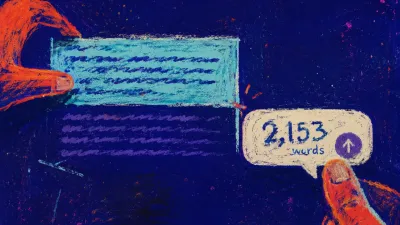
Is review becoming a verdict?

Define the inner audit clearly, then trace its matching tarot cards and related reading insights.

Self-accountability
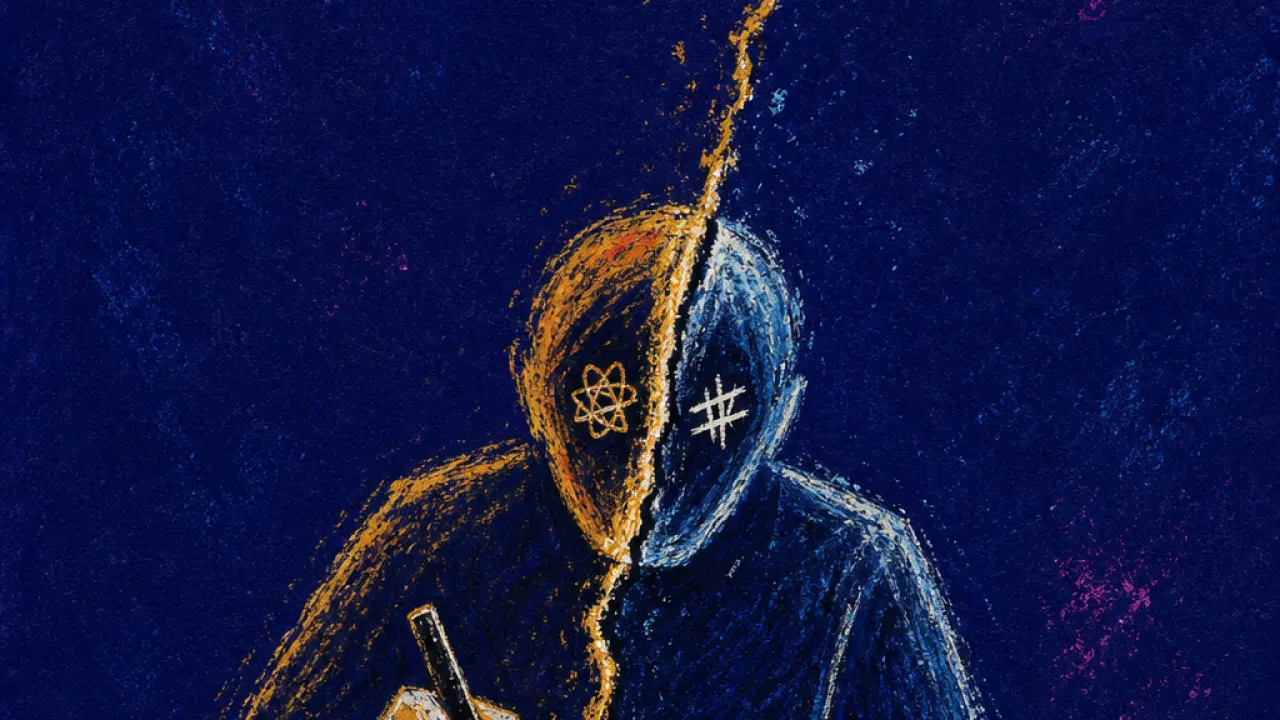
What is this really?

You use self-review as a way to stay honest: you check your tone, name your projection, notice where your boundaries got blurry, and look for your part before making the whole room responsible for your feelings. Underneath that is a real need for clean agency, for knowing that your choices have weight without letting shame run the meeting. Yet when the audit never closes, every delayed reply, messy room, skipped habit, or tense conversation starts to feel like evidence on a table against you, much like the figures in Judgement standing exposed beneath a trumpet they can hear but cannot negotiate with.

Why did it happen?

At some point, checking your own part may have made life feel less random: if you could adjust your words, clean up the mess, or make repair quickly, the room felt steadier. Now that same inner pattern can keep scanning for what you missed even after enough has been noticed, leaving a tired pressure behind the eyes and the feeling that rest has to wait until one more review is complete.

How does it feel?

  • After a tense message, you reread your own words twice, thumb hovering over the edit bubble before you send a short follow-up to clarify your tone... that moment can come with a tight jaw, shallow breath, and a small pulse of heat in your hands. Let the review be present without making the whole exchange into a verdict.
  • In a meeting, class, or team chat, you nod when feedback lands, write down the exact phrase someone used, and keep your pen still for a second longer than usual... afterward, you may notice heat in your ears and a held breath behind your ribs. Not having a clean answer right away can be allowed.
  • When you're alone at night, you stop beside the laundry pile, the dishes, or the open calendar, then start sorting one small thing while mentally counting everything left undone... your shoulders may feel heavy, with a tired pressure behind your eyes. This can be one snapshot, not a full measure of you.
  • During a tense conversation with a friend or partner, you lower your voice, say, "I can see my part," and press your fingertips into your palm while the other person is still talking... inside, your throat may tighten as if the next sentence has to be perfectly balanced. Ownership can share space with uncertainty.
  • While journaling, budgeting, or checking a habit tracker, you draw neat boxes, circle missed days, and rewrite the next step in smaller handwriting... your forehead may tense, then release slightly when the mess becomes visible on the page. The page can hold information without turning it into a sentence against you.

Self-accountability in Tarot Cards

The reflex to check your tone, your part, and the evidence before you move on is the core of Self-Accountability here. You may recognize it as the tired pressure behind your eyes after one more review. From a Jungian perspective, archetypal theory gives this pattern a way to be seen without turning it into a verdict. The cards below reflect the unconscious dynamics beneath that inner audit: Tarot Cards for Self-Accountability.

Judgement Upright
The angel's trumpet hangs above the open coffins, and every figure is upright with arms lifted toward a sound they cannot negotiate with. The scene externalizes a moment when buried material becomes visible: not as punishment, but as a call that organizes scattered experience into something that can be answered. Self-Accountability appears here because the body is no longer sealed inside the old container. You are being shown the difference between blaming yourself and naming the pattern clearly enough to work with it; the growth move is the willingness to let a wake-up call become evidence, not a verdict.
Ace of Pentacles Upright
The hand does not merely receive the pentacle; it stabilizes it with a precise grip. The coin is broad and flat, so the smallest lapse in handling could make it tilt, roll, or slip away. Self-Accountability grows from that physical demand for contact. The image frames responsibility as a steady relationship with what has been placed in your hand, not as harsh self-judgment or dramatic willpower. When the topic is growth, the card points to the gap between declaring a direction and holding it through repeatable behavior. You are being shown the mechanism that keeps an opportunity from remaining symbolic.
Seven of Pentacles Upright
The worker's gaze rests on the pentacles as concrete evidence of what his labor has produced. He is not looking at a fantasy, a promise, or an abstract ideal; he is looking at the actual state of the field after time, effort, and repeated care. That makes the card a visual audit of responsibility without punishment. The posture is still, but it is not collapsed; the scene has enough space for honest review. You can see the psyche comparing intention with outcome and asking what the evidence says before choosing the next move. In personal growth, Self-Accountability is the mechanism that lets you face your own data without turning it into shame or self-congratulation. The Seven of Pentacles supports this pattern because it holds effort and result in the same frame, making growth measurable without reducing your worth to the measurement.
Eight of Pentacles Upright
The craftsman sits in an open workspace with tools in both hands, a bench under him, and no one else directing the motion. The task is externalized into a repeatable setup: material, tool, posture, attention, next action. Self-Accountability fits because the scene removes the fantasy that transformation has to wait for a perfect mood or outside permission. You can see the psychological mechanism of ownership: the gap between intention and growth is brought down into a concrete practice that can be repeated, checked, and refined.
Nine of Pentacles Upright
The woman stands inside a garden that clearly belongs to a maintained system: vines, pentacles, home, trees, and visible borders all hold their place. Nothing in the image suggests frantic rescue from outside; the scene is organized around what has been tended, claimed, and kept in order. That visual containment maps directly onto Self-Accountability. The psychological mechanism is not harsh self-blame, but the capacity to recognize which parts of the system are yours to steward: attention, habits, resources, standards, and follow-through. In personal growth, that is the difference between wanting transformation and building the conditions that make transformation repeatable. You are not being asked to perform perfection. The card shows a grounded form of agency where ownership becomes clarifying rather than punitive, allowing the growth process to move from aspiration into structure.
Knight of Pentacles Upright
The knight does not brandish the pentacle; he holds it with controlled attention while remaining seated in a stable, armored posture. The field around him suggests work that can be cultivated over time, not drama that must be solved in one emotional surge. This is the visual logic of Self-Accountability: responsibility that has weight, shape, and limits. In a family system, the pattern becomes healthy when You can own your actions, tone, choices, and repairs without turning every unresolved family problem into your personal assignment. The card's steadiness matters because it separates accountability from self-erasure. You can hold the pentacle that belongs in your hands without accepting the entire field as proof that you must carry everyone.
Queen of Pentacles Upright
Both of the Queen's hands are on the pentacle, and the object sits within her lap rather than outside her reach. The cultivated garden supports her, but it does not take the pentacle away from her body. Psychologically, that arrangement makes responsibility concrete without turning it into punishment. For you, personal growth becomes more stable when agency is held directly: not as self-blame, but as the sober recognition that potential needs custody, repetition, and honest contact with consequence.
King of Pentacles Upright
The King does not look away from the pentacle he physically supports; his hand, knee, and armored foot make the object stable rather than decorative. The scepter in the other hand shows that control is paired with stewardship, and the wall behind him gives his responsibility a visible boundary. The psychological link is ownership without melodrama. You are invited to see growth as a domain you manage through repeated choices, where agency is grounded in what you actually hold, protect, and maintain.
Seven of Wands Upright
The young man does not outsource the defense of the ridge; he stands inside the pressure with both hands on the wand and both feet making contact with unstable ground. One foot is close to the edge, the other appears split by the small stream, so his stability comes from active participation rather than passive safety. That image carries the psychology of Self-Accountability. The wand is not just a tool in the scene; it visually merges with the figure's tree-like colors, making the body look like part of the support structure. The card frames responsibility as a stance: not self-blame, but the willingness to see where your own choices maintain or weaken the system. In lifestyle tarot, this pattern becomes especially concrete. Sleep timing, food, movement, cleaning, admin, digital boundaries, and recovery do not hold themselves together through intention alone. The card shows the dignity and strain of becoming the person who actively maintains the architecture you live inside.
King of Wands Upright
The King's torso is upright and slightly forward, and the wand does not hover as a decorative object. It touches the ground, making his authority answerable to the same terrain he claims to command. That contact matters psychologically. The card holds confidence and consequence in the same image: vision is allowed to be large, but it still has to meet reality through action, timing, and follow-through. You meet Self-Accountability when the inner leader stops using shame as enforcement and starts using grounded contact as proof of alignment.

Self-accountability in Tarot Card Reading Insights

For anyone who checks their tone, their part, and the evidence before they let themselves move on, others have brought this same inner audit into readings. Here's how the cards held that tension for them. Tarot Reading Insights for Self-Accountability.

Psychological patterns related to Self-accountability