Help With Hidden Terms?

A clear look at conditional family support, related tarot cards, and tarot reading insights about access, approval, and adult agency.

Conditional Family Support

What is this situation?

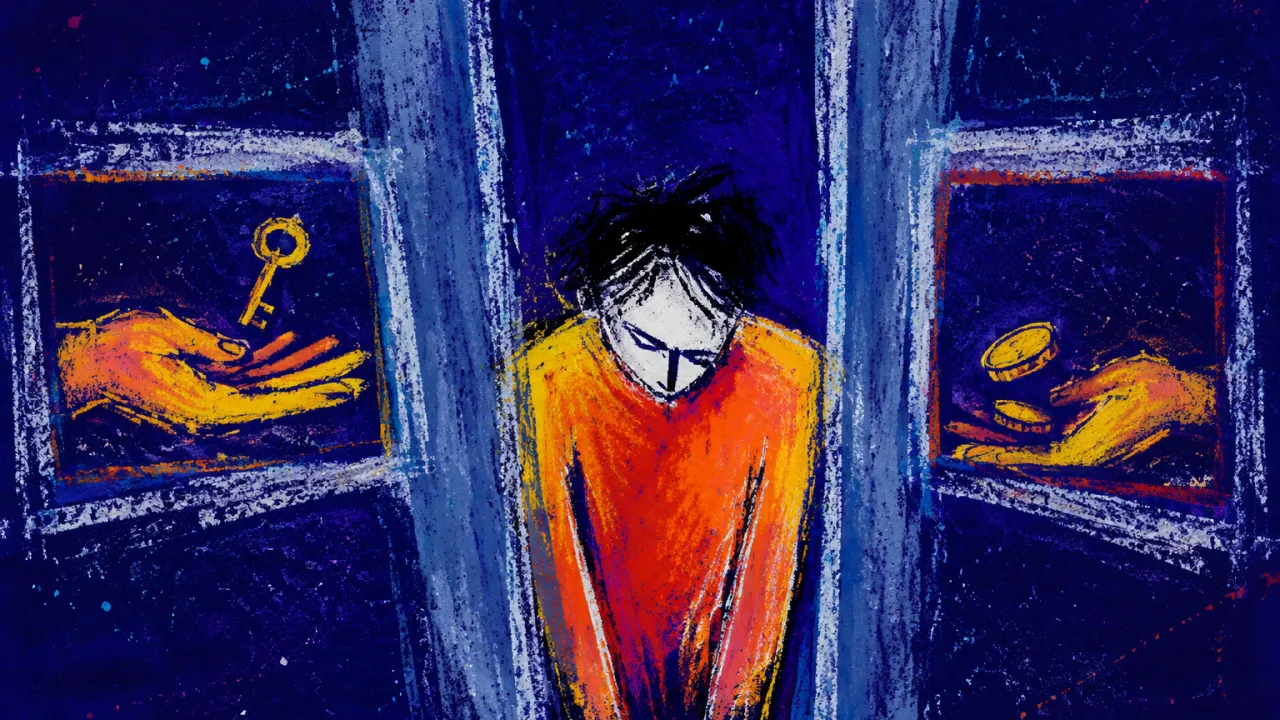
Conditional Family Support — you start noticing it the moment help is offered and your body waits for the second sentence. A parent says you can stay at home while you save money, but only if you keep them updated on where you are, who you are seeing, and whether your plans still make sense to them. A relative offers rent help, tuition help, a car, childcare, introductions, or a place to land between jobs, but the offer comes wrapped in comments about your partner, your degree, your schedule, your clothes, your politics, your work, or how often you call back. At first, it looks like practical care, and sometimes it is materially useful: the spare room is there, the transfer clears, someone drives you to the appointment, someone makes the call you could not make alone. Then the conditions start to appear in small, deniable ways. A decision they dislike turns the tone cold. A boundary becomes "after everything we've done." A plan to move cities, change careers, date someone they do not approve of, or stop sharing private details suddenly puts the support on review. You learn to measure your words before group chats, dinners, holiday visits, and late-night phone calls, because one wrong detail can reopen the contract you never agreed to sign. The daily cost is not only the money or the roof; it is the constant calculation of whether accepting help means handing over access to your adult life. You may feel your chest tighten before answering a family text, not because the resource is useless, but because the resource has a gate attached, much like the Six of Pentacles, where coins are measured out from above while the people receiving them have to remain in the position the giver has assigned.

Why it's not you?

The problem is not that you are ungrateful, dramatic, or too sensitive. The pressure belongs to a support system where housing, money, warmth, access, or practical help can be tied to approval and compliance. That is not neutral support; it is help routed through conditions that keep someone else involved in your choices.

Conditional Family Support in Tarot Cards

Conditional Family Support turns help into something you have to read carefully, because the offer and the terms arrive in the same envelope. The tightness in your chest when a family text lands is a bodily record of an environmental, structural dynamic where resources are linked to access, approval, and control. The cards below do not decide whether the help is good or bad; they reflect the shape of support when it carries conditions. Here are the Tarot Cards that tend to mirror this kind of family support structure.

The Fool Reversed
The Fool carries a bundle, but it is small, sealed, and unable to change the shape of the cliff. Bright symbols of confidence surround the scene, while the practical support available at the threshold remains limited and unclear. That visual logic fits a family system where help is present but conditional. Money, housing, emotional warmth, or approval may be offered only when you move in the approved direction, turning support into leverage rather than a stable base.
The Magician Reversed
The complete table of tools can become a display case when access is controlled by one central operator. Everything appears available, yet the arrangement makes clear that resources pass through a gate before they become usable. In family life, support can arrive with invisible strings: help with rent, introductions, favors, childcare, transport, or approval may be offered only when you stay reachable, agreeable, or loyal to a preferred version of yourself. The pressure sits in the exchange structure, not in the resource alone. The Magician reversed exposes how a gift can become a lever when one person or household controls the table. You are not simply reacting to help; you are reading the terms attached to it and noticing where access becomes a method of control.
The High Priestess Reversed
The pomegranate veil displays abundance while keeping the source behind it out of reach. The scroll is present but partly covered, and the seated figure controls the threshold where resources, permission, and information would pass. That arrangement mirrors family support that arrives with conditions attached. You may be offered help, housing, money, or approval, but the structure asks for compliance in return, turning support into a gate rather than a stable base.
The Empress Reversed
The scepter is held lightly, but the wheat, cushions, and garden still gather around the seated figure as the source of visible provision. The landscape does not show resources as neutral objects; it shows them organized around a center of authority. In family life, support can be materially real and still come with hidden terms. You might receive money, housing, help, or emotional protection while also being expected to share information, follow a preferred life path, or avoid upsetting the household order. Conditional Family Support fits this reversed Empress structure because comfort becomes a contract that was never clearly stated.
The Emperor Upright
The crown, orb, ankh, armor, and throne place resources inside one visible center of command. Nothing in the scene looks scarce, but every sign of provision is routed through the seated authority. That is the structure of family help that arrives with conditions attached. You can receive housing, money, introductions, or approval, but the support may also carry an unspoken contract about obedience, access, disclosure, or staying close enough to be managed.
The Hierophant Upright
The golden keys, the formal staff, and the protected temple show that resources exist inside the structure. Access is not absent; it is staged, supervised, and attached to the authority that controls the threshold. In family life, this maps onto support that comes with terms attached. Housing, money, introductions, emotional warmth, or practical help may be available, but the family system quietly links those resources to obedience, image management, or staying within approved choices. The card does not flatten support into control. It shows the exact pressure point: you are dealing with real help that may also carry a compliance cost, and clarity begins by naming both parts at once.
The Lovers Reversed
The garden is rich with fruit, sunlight, and shelter, but it is not an unrestricted landscape. The trees carry different rules, and the observing figure sits above the exposed humans. The Lovers shows provision inside a structure that decides what kind of choice is acceptable. In a family system, this becomes support with conditions attached. Housing, money, help, warmth, access, or approval may be available, but only if your relationship, career, schedule, beliefs, or boundaries stay inside the family-approved frame. The card exposes the hidden contract underneath the help. Seeing that contract clearly gives you a cleaner read on what is truly being offered: care, control, or a mixture that must be named before it can be negotiated.
The Chariot Reversed
The bright equipment around the charioteer looks complete, yet the wheels are visually secondary and the body is absorbed by the vehicle. Support is present, but it is built as a shell that can decide how far movement is allowed. In family life, help with housing, money, introductions, childcare, or practical stability can come with invisible steering conditions. You are not only receiving resources; you are negotiating whether those resources keep your direction open or quietly bind you to the giver's route.
Strength Reversed
The only visible bond between woman and lion is flowers, not a neutral contract or shared rule. The connection looks gentle, but it is also the mechanism through which access, restraint, and movement are managed. That visual logic matches family support that arrives with conditions attached. Money, housing, childcare, or emotional backup may be available, but the support carries an expectation that you stay agreeable, available, or inside the approved role. Strength reversed clarifies the bind by showing support and control braided into the same contact point. The useful question is not whether the help is real; it is what the help requires you to surrender in exchange for staying connected.
The Hermit Reversed
The card's light is real, but it is not shared across the landscape. It is held by one figure at a height, creating an arrangement where access comes from above rather than through mutual exchange. In a family system, that image fits support that arrives with conditions attached. Help with housing, money, approval, emotional warmth, or practical access may be available, but only if the user stays aligned with the family's preferred choices. The reversed Hermit exposes the structure of the offer. The issue is not whether support is useful; it is whether the support is being used to keep the user positioned beneath the person holding the lamp.
Wheel of Fortune Reversed
The image is full of resources: open books, complete symbols, ordered letters, and an intact central wheel. Yet none of these resources sit in a simple open pile; they are embedded in a coded mechanism with figures assigned to different levels of access and control. That visual logic fits conditional family support. Help may be available, but it comes wrapped in expectations about contact, privacy, life choices, gratitude, or future compliance. The support is real, and the strings are also real. The card clarifies the tradeoff without turning independence into a moral test. You can examine the offer as a structure: what is being given, who controls the terms, and what part of your adult agency is expected to rotate back into the family system afterward.
Justice Reversed
The scale, crown, and sword are all controlled from the same chair, and the path into the hall narrows through that central authority. Reversed, support is not absent; it is available through terms that remain partly unspoken. In family life, money, housing, approval, childcare, or practical help can become a contract disguised as care. Justice highlights the clause beneath the offer: what has to be surrendered, hidden, or performed in exchange for being supported.
The Hanged Man Reversed
The living tree can hold the suspended body, but the same support reaches him through a rope. What keeps him from falling also defines where he is allowed to stay, and the support cannot be separated from the condition attached to it. In family life, this is the structure of conditional support. Help with money, housing, favors, access, or approval may arrive as care on the surface, while quietly claiming the right to monitor your choices. The card makes the hidden contract visible: support becomes a tether when it requires your adult autonomy as repayment.
Death Reversed
The crown and scepter lying apart from the ruler show resources and authority separated from stable care. Objects that once signaled protection now sit on the ground while the mounted figure controls the visible field. Conditional family support has the same structure: help is present, but it arrives attached to terms that keep the old hierarchy intact. Money, housing, approval, or emotional access can become less like support and more like a leash disguised as generosity. The card's value is in making the transaction visible. You can examine what the support actually costs, which conditions are spoken or unspoken, and whether accepting help requires surrendering adult position.
Temperance Reversed
The liquid in Temperance is available, but it is not free-floating. It is held inside vessels, moved by a controlled hand, and governed by the demand that nothing spill outside the acceptable channel. That structure fits family support that arrives with conditions attached. Help may be offered, but the flow depends on staying agreeable, reachable, grateful, quiet, or aligned with the family’s preferred version of you. The card makes the leverage visible. It separates support as genuine care from support as a controlled transfer, allowing you to see where the family’s giving becomes a system for managing your choices.
The Devil Upright
The black cube, metal ring, symmetrical chains, and downward torch form a complete apparatus of support and control. Nothing in the image is broken; the problem is that every available resource is attached to a binding point. In family life, this matches help that arrives with invisible clauses. Money, housing, introductions, or practical care may be real, but the structure asks you to pay for them with access, compliance, silence, or a version of yourself the family can manage.
The Star Reversed
The pitchers hold value only while they are pouring, and the streams are directed into places outside the figure's own body. Under pressure, that image maps a family arrangement where support exists, but access to it depends on continuing to feed the approved channels. This context often feels confusing because the resource is real. Help, housing, money, attention, or approval may be present, yet the structure around it quietly asks for compliance with family expectations about who you date, where you live, what work you choose, or how available you remain. The Star makes the strings visible through flow. What looks like generosity becomes a negotiation over direction, and your agency begins with separating genuine support from support that requires you to keep pouring yourself into a role you did not freely choose.
The Sun Reversed
The wall protects the garden, the sun feeds the flowers, and the horse carries the child forward without visible restraints. The scene is full of support, but that support is organized inside a bounded space with a clear source of warmth and access. In family life, help can become complicated when the people offering shelter, money, introductions, childcare, or emotional backing also expect compliance in return. The warmth is real enough to matter, but it arrives with conditions that shape what choices feel available. The card points to the difference between support that strengthens movement and support that quietly buys steering rights. You may be standing in a family structure where help is not neutral, because every resource carries an implied claim on your adult direction.
The World Reversed
The wreath is lush, but it is also the condition of the scene. The figure receives recognition inside the ring, not outside it, which translates into family support that may arrive with rules about access, image, obedience, or life choices. You may be evaluating help that is materially useful but structurally expensive. The card does not reduce the situation to gratitude or refusal; it shows the contract hidden inside the support and asks where the boundary around adult agency actually sits.
Ace of Cups Reversed
The gleaming chalice is presented as a gift, but the hand holding it controls the angle, timing, and terms of reception. The water looks generous while the mechanism of the offer remains partially hidden. In family life, support can arrive as money, housing, help, approval, or emotional rescue while quietly demanding loyalty, access, or compliance in return. You gain agency by reading the whole exchange, not just the shine of the cup.
Two of Cups Reversed
The cups are offered but still held, visible as support that has not fully left the giver’s hand. The staff between the figures creates a formal channel, as if the exchange comes with terms that must be monitored. In a family system, that turns help, money, housing, attention, or approval into leverage when it remains attached to obedience. You are dealing with the structure of an offer that may solve one immediate need while tightening someone else’s access to your choices.
Three of Cups Reversed
Golden cups and harvest fruit place reward in the center of the gathering. The image is full of visible resources, yet their social meaning depends on who is allowed inside the circle and what posture they must hold to remain there. For a family question, that becomes support with conditions attached. You may be offered help, housing, money, introductions, or approval, but the card highlights the hidden contract: access to resources is being tied to obedience, image management, or continued participation in the family script.
Five of Cups Reversed
The remaining cups, the bridge, and the distant dwelling all suggest that support exists somewhere in the scene. Yet none of those supports are in the figure's hands, and the river keeps the protected place separated from the damaged foreground. That spatial arrangement fits conditional family support, where help is visible but access depends on accepting the family's preferred version of events. The home may offer resources, housing, money, approval, or contact, but the route toward it can require silence, loyalty performance, or a return to roles that keep the spill unexamined. The Five of Cups makes the cost of that support measurable. It shows that a resource is not neutral when the path to it requires You to step away from the evidence of what happened before the terms of care have been clarified.
Six of Cups Reversed
The flowered cup looks generous, but it is offered inside an estate whose boundaries, patrol, and background authority already organize the scene. The gift is not floating freely; it belongs to a household system that can decide what counts as care, what counts as gratitude, and who is allowed to receive without challenge. For you, Conditional Family Support appears when help arrives with invisible clauses. The Six of Cups makes the clause visible through the setting: the resource may be real, but the old family structure may still be using that resource to place you back inside an approved role.
Seven of Cups Upright
The castle, jewels, wreath, and covered figure look like offerings, but they remain suspended in cups that the person cannot touch. Security, status, approval, and identity are visible, yet they are not freely available. They sit above the person as possibilities held by the surrounding system. That is the visual logic of conditional support in a family setting. Help may be real, but it comes packaged with preferred choices, approved timelines, or a silent expectation that you stay within the family’s version of safety. The support becomes a floating reward rather than a stable foundation. Seven of Cups gives this situation its exact shape: the promise of care can become confusing when every form of help carries a hidden requirement. You regain clarity by naming which resources are genuinely supportive and which ones keep you dependent on approval.
Eight of Cups Reversed
The cups are intact, visible, and capable of holding something, but the figure cannot take them across the river. The resource exists, yet it belongs to the arrangement he is leaving. That is the outer structure of conditional family support: help is present, but access comes with terms around obedience, disclosure, location, contact, or identity. The reversed Eight of Cups turns the cups into support that becomes harder to use the moment you move toward autonomy. The card does not deny that the support may have been real. It shows why real support can still become a control mechanism when the price is remaining inside a family structure that no longer has room for you.
Nine of Cups Reversed
The cups are full, but they sit behind the crossed-armed figure on a raised table. Abundance is present, yet the body and furniture control the route of access. In family life, that visual logic maps onto help that arrives with a gate, a script, or an unspoken return clause. The support may look generous from the outside, but the real structure is the negotiation of what must be accepted along with it. You can recognize the resource without pretending the conditions are neutral. The card gives the arrangement edges, so the price of access can be seen clearly.
Ten of Cups Reversed
The full cups over the settled house show support as something real and visible: shelter, approval, money, introductions, childcare, meals, or emotional backup. Reversed, the same resources can sit behind an invisible gate, available only when the family recognizes Your choices as acceptable. This creates a confusing bind because the support may genuinely help while also narrowing Your autonomy. You might receive assistance for the approved degree, partner, career, location, or life timeline, while different choices are met with distance, pressure, or withdrawal. The card clarifies the hidden contract under the warmth. It asks You to examine which resources are freely offered, which ones carry behavioral terms, and where accepting help would quietly hand the family decision-making power over Your adult life.
Page of Cups Upright
The cup is intact and elevated, but what it offers is not simple supply; it contains a living fish that looks back and requires handling. The Page's soft clothing and visible posture make the exchange feel ceremonial, watched, and dependent on the correct emotional presentation. That is how conditional family support often operates. Help may exist, but it arrives with an expectation that you remain pleasant, grateful, reachable, and aligned with the family image of who you are. You may be dealing with support that appears generous on the surface while quietly charging an emotional fee. The card makes the hidden contract visible so the gift, the performance, and the cost can be separated.
Two of Pentacles Reversed
The pentacles are not loose gifts in the image; they are tied together by a single loop and kept active through the figure's performance. Reversed, that binding becomes the central fact: the resource is available, but it is not free from the system that controls its movement. Conditional family support works the same way. Money, housing, favors, childcare, or practical help may arrive with invisible terms attached, asking for gratitude, obedience, disclosure, or emotional availability in return. The exposed stage gives the exchange its pressure. You are not only receiving help; you may be watched for the correct response, and the card makes visible the difference between support that steadies you and support that keeps you governable.
Four of Pentacles Reversed
The pentacles form a closed circuit around the seated figure: head, heart, hands, and feet all occupied by keeping possession intact. The town behind him is visible, but no coin moves toward it. That still circuit mirrors support that is technically available but not freely circulating. You can receive help, shelter, money, or approval, yet the structure asks you to stay still enough that the family system does not have to renegotiate control.
Five of Pentacles Upright
The five pentacles shine from a protected church window while the figures remain outside in the storm. The resources are not absent; they are elevated, enclosed, and separated from the people who need them most. This is the visual logic of Conditional Family Support. In a family system, warmth, money, housing, introductions, or approval may be real, but the path to receiving them runs through unspoken obligations: be grateful, stay loyal, do not challenge the family story, do not ask too directly. You are not only evaluating whether support exists. The card asks what the support costs, who gets to define the terms, and whether the help restores your agency or keeps you walking under someone else's weather.
Six of Pentacles Reversed
The benefactor's red coat, the kneeling bodies, and the measured coins create a family-like scene of proximity without equality. Help is close enough to reach, but it is filtered through posture, status, and the giver's decision. In family life, this is the support that arrives with quiet terms attached: approval, access, updates, obedience, availability, or loyalty to a preferred script. The outside world may see generosity, while you have to track the invisible conditions that come after accepting it. The reversed Six of Pentacles holds the structure still long enough to examine it. The problem is not that families help each other; the problem is when help becomes the instrument that decides how adult, separate, or self-directed you are allowed to be.
Seven of Pentacles Upright
A single pentacle rests at the cultivator's feet while six remain attached to the vine, visible but still embedded in the plot that produced them. The image turns support into something measurable and available, yet still governed by the conditions of the garden around it. In a family system, that structure mirrors help that arrives with a reinvestment clause: money, housing, approval, or access may be offered, but it carries an expectation that you keep tending the same family field. The pressure is not the support itself; it is the unspoken claim that receiving one coin means owing another season of compliance.
Nine of Pentacles Reversed
The gloved hand holds the falcon safely, while the hood keeps the bird from seeing or flying. The image carries care and restriction in the same gesture: protection is real, but the terms of movement are controlled. That is why conditional family support fits this card so precisely. You may be offered money, housing, childcare, or practical help, yet the offer arrives with expectations about compliance, privacy, availability, or how much of your adult life the family gets to monitor.
Ten of Pentacles Upright
The archway, city wall, family crest, dogs, and shared household scene show a protected system where resources circulate through belonging. The child reaches outward while still staying close to the mother, and the dogs move between generations as signs of loyalty and access. Conditional family support often works like this: the help is real, but it travels through visible rules of loyalty, approval, and staying recognizable to the group. You may have shelter, advice, money, or emotional backing available, while also sensing that deeper honesty could change your access to those resources. For introspection, the card marks a practical tension between support and self-ownership. It asks the inner audit to track where care is freely given, where care quietly purchases compliance, and where your private clarity has been negotiating with the fear of losing the protected gate.
Reversed
The elder sits at the entrance while the dogs and child move toward him, and the crest on the wall marks the house as a protected domain. Access, affection, and resources all appear inside a space with visible ownership. Conditional Family Support emerges when care is real but not neutral. You may receive help, housing, money, introductions, or approval, while the same support quietly asks your growth to stay compatible with the household rules.
Page of Pentacles Reversed
The Page holds one pentacle high at eye level, both hands careful around it while the rest of the field falls out of attention. The resource is not casual background; it is displayed, inspected, and made meaningful before it can be used. In family life, that visual structure turns help into a conditional contract. You may receive rent support, tuition help, housing, gifts, or introductions, but the support arrives with a silent claim over choices, availability, gratitude, or life direction. The reversed edge is the hidden price attached to something presented as generosity. The card does not shame dependence; it reveals the structure of support when a family resource expands survival while narrowing agency.
Queen of Pentacles Upright
The pentacle rests securely in the Queen's hands while the cultivated garden around her shows that practical support is real, tangible, and close enough to touch. The throne, the roses, and the shaded estate make this support feel like it comes from a household system with its own rules, taste, and hierarchy. In a family context, that image maps to help that is available but not neutral. Money, housing, favors, introductions, or emotional backup may come wrapped in expectations about gratitude, loyalty, access, or behavioral compliance. The card gives this situation a useful shape: the resource is not imaginary, but its route is controlled. You are not simply deciding whether to accept help; you are reading the terms attached to the hand that holds it.
King of Pentacles Upright
The king's left hand pins the pentacle against his knee while the other hand keeps the scepter upright, and the manor behind him makes material security unmistakably visible. Provision is present, but it is not floating freely; it is held, named, and administered by a single authority figure. In a family context, that visual economy maps onto help that arrives with a quiet ownership clause. You may have access to money, housing, introductions, or emotional approval, yet the same structure that protects you can start measuring whether you are grateful enough, agreeable enough, or still moving inside the family-approved lane.
Six of Swords Reversed
The oar sits in one person’s hands, and everyone else depends on that person for the boat’s movement. The passengers are protected from the water, but they do not control the tool, the route, or the pace. Conditional Family Support takes that visual structure into the household system. You may be offered help with money, housing, logistics, or care, while the same help quietly decides what access the family gets in return. The card exposes the difference between support that carries you forward and support that keeps the steering mechanism out of your hands.
Eight of Swords Reversed
The castle sits on higher ground while the woman stands below it, separated by swords, mud, and restricted sight. Shelter exists in the image, but access is not neutral; it sits behind a system of conditions that she must navigate without full information. In family terms, that is support offered through a gate. Money, housing, approval, or emotional warmth may be available, but the cost is compliance with the structure that controls the route toward it.
Ace of Wands Upright
The cloud-borne hand holds a living wand over a green landscape, with a castle far across the river. The image is not just raw encouragement; it shows power, backing, and a usable resource arriving through a hand that still controls the object. In a family setting, that becomes support with a built-in claim on direction. You may receive money, housing, introductions, approval, or practical help, but the same hand that offers the launch also shapes what the launch is allowed to become.
Two of Wands Upright
The castle and prosperous land below show real support, not emptiness. At the same time, one wand is fastened to the wall, so the symbol of drive and direction is partly available and partly attached to the structure that provides safety. That is the texture of family help with conditions. You may receive housing, money, care, introductions, or approval, but the support is not fully separate from expectations about access, obedience, gratitude, or life direction. The Two of Wands makes the bargain visible before it hardens. You can see both the value of the resource and the shape of the hook, which allows the situation to be audited without pretending the help is either purely generous or purely controlling.
Three of Wands Upright
The planted wands and the green scarf show that the figure is not starting from nothing. There is a base, a resource line, and a position of some protection, but the ships remain offshore rather than fully delivered. That distance is the family condition embedded in the scene. Support may exist, but it is mediated through timing, expectations, visibility, and the unspoken question of whether you are using the help in an approved way. This card links to conditional family support because it shows resources as real but not neutral. You can work with what is available, yet the structure asks you to notice which parts of the support strengthen your autonomy and which parts keep you standing where the family can still supervise the crossing.
Four of Wands Reversed
The manor is visible, the garlands are full, and the four wands look stable, but access to the home still depends on the bridge and the ceremonial threshold in front. In reverse, the resources are not absent; they are staged behind conditions. That structure fits conditional family support. You may be offered housing, money, approval, help, or inclusion, but the card exposes the hidden exchange rate: support comes with an expected posture, a required version of gratitude, or a role that keeps the family system comfortable.
Six of Wands Reversed
The raised wands around the rider look supportive, but they also form a highly visible enclosure. The crowd's approval surrounds the central figure so closely that being celebrated and being watched become part of the same structure. In a family context, that maps onto support that arrives with conditions attached. Help, praise, money, housing, or access may be offered, but the support is tied to staying legible as the family's approved version of you. The reversed Six of Wands does not remove support from the scene; it shows support turning into leverage. You can see the difference between care that strengthens your agency and approval that keeps your choices under family review.
Ten of Wands Reversed
The carried bundle is intact and valuable, yet it cannot be separated into a lighter share without threatening the whole arrangement. The house in the distance suggests a place of support, but the image shows support tied to successful delivery. Conditional Family Support appears where help, housing, money, approval, or access comes attached to invisible repayment terms. The Ten of Wands exposes the transaction beneath the warmth: You can receive from the family system, but only while proving that you will keep moving under its load.

Conditional Family Support in Tarot Card Reading Insights

Conditional Family Support often shows up in readings when someone is trying to understand help that steadies them while also narrowing their choices. The focus shifts from the cards themselves to what appeared when people brought this family pressure into a reading. Tarot Reading Insights from sessions on support, access, and adult agency.

Psychological contexts related to Conditional Family Support