Why can't success land?

Define the pattern that turns achievement into exposure, then explore tarot cards and reading insights shaped by the same split.

Imposter Syndrome
What is this really?

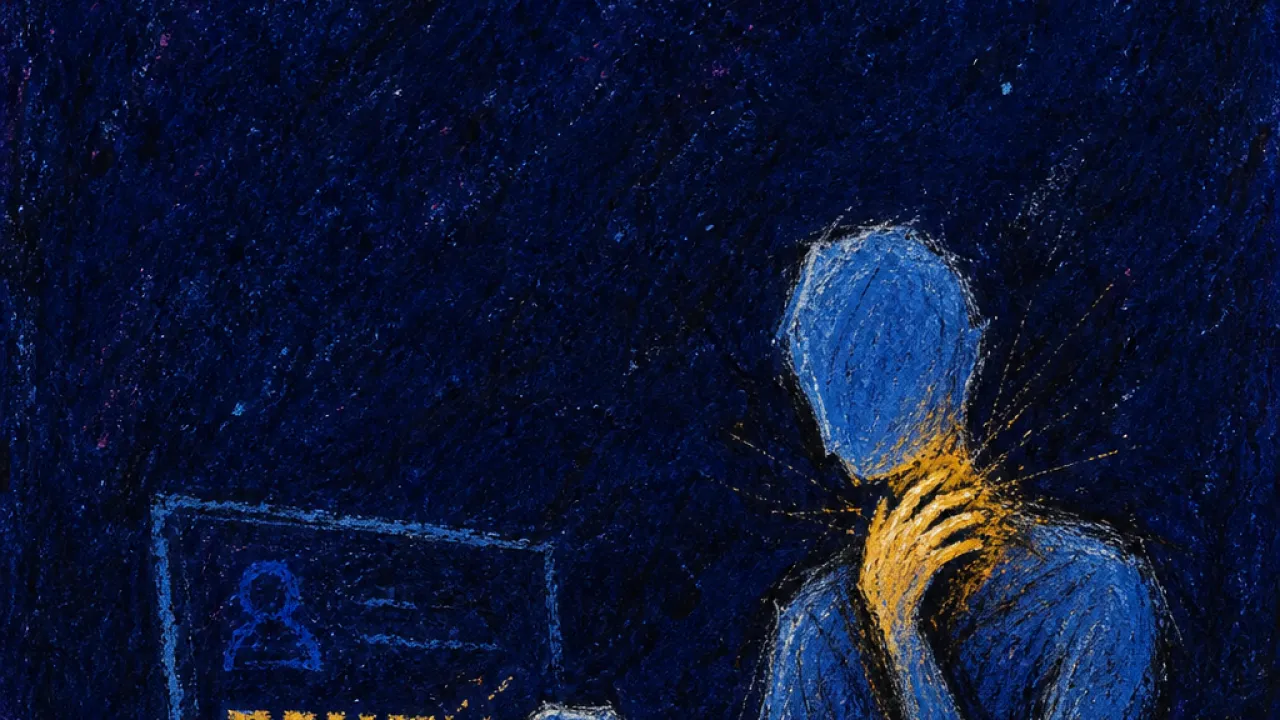
You can deliver the work, get the grade, lead the meeting, or receive the title, then immediately start checking the footnotes in your own performance: what you missed, where you improvised, who might notice. Underneath, you are trying to stay ahead of exposure by turning achievement into a private audit, a defense mechanism that reduces uncertainty for a moment and creates cognitive dissonance when the outside evidence says you belong but your body will not register it. Yet the more proof you collect, the more the public role can split from the private self, so recognition feels less like ground beneath your feet and more like a brighter spotlight on a part you are still not sure you are allowed to occupy, much like the Magician standing in full view with every tool exposed on the table.

Why did it happen?

At some point, checking your own gaps before anyone else did may have helped you stay steady in rooms where being corrected, compared, or caught unprepared felt costly. Now the same subconscious loop wakes up around praise, titles, grades, or visibility; instead of letting evidence land, it sends you back into scanning, rehearsing, and waiting for your chest to unclench.

How does it feel?

  • In a meeting, someone compliments your work and you smile before the sentence is finished, lift one shoulder, and add a quick caveat about what still needs fixing... in that moment, your chest may tighten, heat may rise in your face, and the chair can feel suddenly too exposed; let the reaction be present without making it answer for you.
  • When updating a CV, LinkedIn profile, or portfolio, your cursor hovers over a strong verb, then you swap it for something softer and reread the line three times... afterward, your throat may feel dry and your shoulders may creep toward your ears; it is allowed to feel too big for a moment.
  • In class, a stand-up, or a group chat, you type a question, backspace the first sentence, clear your throat, and decide to wait for someone else to ask... your breath may sit high in your chest, with a small clench behind the jaw; not knowing can exist here without becoming a verdict.
  • After a win, you may open the email again, scroll straight past the compliment, and zoom in on the one sentence that could be read as a correction... your eyes may ache, your stomach may dip, and your body can stay wired long after the screen goes dark; the audit can rest for now.
  • When a friend asks how the new role or program is going, you laugh under your breath, look down at the table, and say you got lucky before they finish nodding... the smile may stay in place while your ribs feel held tight, as if you are taking up less space; uncertainty can stay unnamed until you are ready to name it.

Imposter Syndrome in Tarot Cards

That reflex to turn recognition into a brighter spotlight is where Imposter Syndrome often becomes visible. When your chest tightens and heat rises in your face, the body is already marking the split between the role people see and the self still catching up. From a Jungian archetypal theory perspective, that split can be understood as a visible persona separating from lived inner ownership. The cards below mirror the unconscious dynamics under that public competence and private doubt: Tarot Cards for Imposter Syndrome.

The Magician Reversed
The Magician appears young, yet the full set of tools is already on display, as if capability has arrived before the nervous system has had time to settle into it. The pose is confident, but it is also held tightly enough that exposure remains part of the picture. That tension is exactly what Imposter Syndrome feels like in personal growth. As soon as your skill, clarity, or leadership becomes visible, an older self-image starts scanning for proof that you are only performing readiness, even when the capacity on the table is real.
The High Priestess Reversed
Her right hand and part of the scroll disappear inside the robe while only a fragment of the word can be seen. She sits at the entrance to truth rather than out in the open, holding knowledge in a way that is real but still partially hidden from view. That image matches Imposter Syndrome because progress is felt as partial permission instead of earned ground. In personal growth, every expansion can trigger the sense that you are borrowing authority rather than inhabiting it. The pattern keeps your own evidence concealed just enough that growth lands as exposure risk instead of internalized capability.
The Emperor Reversed
The crown is towering, the symbols in his hands are heavy with status, and he sits at the highest point in the scene. Yet the face is not relaxed; the gaze is burdened, the mouth tightened, and the hidden river suggests a private undercurrent the outer image cannot fully hold. That split between public authority and private uncertainty is where the pattern lives. In personal growth, You can mistake transition for fraudulence and read every unfinished edge as proof You have claimed the identity too soon. The card links to Imposter Syndrome because it shows how the pressure to embody mastery can outrun the slower emotional process of believing it.
The Hierophant Reversed
The crown, throne, staff, and formal blessing make public legitimacy unmistakable, but the dark blank behind the chair leaves a striking pocket of interior uncertainty. The role is highly visible; the inner ground beneath it is not. The visual split suggests a persona that is fully installed before private certainty has caught up. In career life, that is fertile ground for Imposter Syndrome. Promotions, title changes, and leadership visibility can feel less like recognition and more like exposure, because the external role expands faster than your internal permission does. The card points to a mismatch between institutional status and embodied self-trust, not an absence of ability.
The Lovers Reversed
The naked bodies stand under uncompromising light, with no armor, title, or tool to mediate how they are seen. Above them, the angel and blazing sun create an elevated standard that the human figures cannot occupy. That visual contrast captures the shock of being visible before you feel internally authorized. In personal growth, this pattern turns expansion into exposure. The moment you begin inhabiting more capacity, an older part of the self reads the brightness as proof that you will be judged, found lacking, or revealed as not ready. The card shows that the fraud feeling is not evidence against your growth; it is what happens when your lived self steps into a level your self-concept has not fully caught up with.
The Chariot Reversed
The figure is wrapped in victory symbols before the journey is even underway: armor, crown, laurel, star, ceremonial spear, and a bright open backdrop that makes him instantly visible. The image reads like public competence under full display, with a hard square set over the heart as if vulnerability must be sealed before advancement can continue. That arrangement speaks directly to Imposter Syndrome in personal growth when the card turns inward and brittle. You can achieve real traction and still experience each next level as exposure, as though the visible signs of progress are a costume that now has to be defended. The card shows how achievement can trigger more vigilance instead of more trust in your own earned capacity.
Strength Reversed
The woman's face remains serene while her hands stay occupied with a powerful animal mouth, creating a split between what is visible and what must be actively managed out of sight. The lion is not absent; it is simply being held in a form that can pass as grace. You feel this pattern when achievement looks polished on the outside but internally feels like emergency control. Every new level of skill or visibility can seem less like proof of capacity and more like a stage where hidden chaos might be exposed. The image ties that fraud feeling to the exhausting belief that your growth only counts if no one sees how much force it takes to hold yourself together.
The Hermit Reversed
The hood shadows his face, the grey robe mutes his presence, and even the light he carries is partly veiled inside glass. The card shows real guidance in his hand, yet his posture folds downward instead of outward, as if visibility itself must be rationed. That tension becomes Imposter Syndrome when applied to personal growth. You may carry real insight, skill, or hard-won change, but the system keeps hiding the evidence from your own self-recognition. Each time you reach a new level, legitimacy moves further away, so your growth feels borrowed or premature instead of embodied.
Wheel of Fortune Reversed
Anubis climbs, the serpent descends, and both remain attached to the wheel instead of standing on solid ground. In a sky full of clouds and mirrored symbols, rise and fall can look granted by external forces rather than anchored in something you can trust as your own. That is the emotional architecture of Imposter Syndrome in personal growth. When progress arrives, your mind explains it as timing, luck, or a temporary phase instead of integrated ability. The card exposes the cost of that frame: every new level feels borrowed, so achievement cannot settle into identity before you start bracing for reversal.
Justice Reversed
The scales and sword divide the scene into weighing and verdict, while the elevated seat and crown make evaluation feel official and final. The card suggests a split where one part of the self is always under review by another part claiming higher authority. That is the atmosphere Imposter Syndrome thrives in. In personal growth, every gain can feel like something that still needs to be cross-examined before you are allowed to trust it. You achieve, but then immediately reweigh whether it was real, deserved, or stable enough to count. Justice reversed names the hidden mechanism: your progress is present, yet your internal court keeps reopening the case.
The Devil Reversed
The figures beneath the Devil are exposed, marked with horns and tails, and held by chains that are visible but not tightly locked. The scene turns identity into something watched, judged, and altered under a larger power. Imposter Syndrome in study has the same structure. Academic competence exists, but it feels contaminated by the fear that someone will look closely enough and discover a false self underneath. The inverted pentagram sharpens that distortion. It shows a value system turned against itself, where evidence of ability is discounted and small moments of uncertainty are treated as proof of fraudulence.
The Tower Upright
The crown falls from the tower at the same time the figures are thrown into open air. What looked elevated and protected becomes suddenly exposed, and the image leaves no private room where the old presentation of competence can remain untouched. That is why The Tower can map so sharply onto imposter syndrome in a personal growth context. After a success, upgrade, or public commitment, the mind starts scanning for the lightning strike that will reveal the structure as fake. Feedback, uncertainty, or a normal learning curve gets interpreted as exposure rather than development. The card's force is not in saying that the tower was worthless. It shows how unstable it becomes when identity depends on never being seen mid-construction. The pattern softens when achievement can become evidence of practice, not proof that you must always look crowned.
Reversed
The crown is knocked loose at the same moment the figures are thrown out of the tower. Status, shelter, and exposure separate in one violent image. Imposter Syndrome in study often forms around that exact fear of exposure. A seminar question, viva, critique, exam, or supervisor meeting can feel less like a learning exchange and more like the moment the crown comes off and everyone sees the hidden inadequacy. The reversed image sharpens the internal split: visible achievement remains high, but private permission to belong is unstable. You are being shown the mechanism that turns evaluation into ejection, not evidence that you actually do not belong.
The Moon Reversed
The Moon places the path between deep water and a guarded horizon. The towers can look less like landmarks and more like a test of passage, while the dim light makes every step feel as if it might reveal something hidden. Imposter Syndrome forms when ordinary uncertainty is absorbed into identity. In academic life, not understanding quickly, needing help, or receiving critique can stop being information about the work and start feeling like proof that you do not belong in the room. You may keep performing competence to avoid being exposed, but the card shows that the exposure fear is being fed by moonlight, not by the full facts. The path is difficult because learning is uncertain, not because your presence on it is fraudulent.
The World Reversed
The dancer is centered, exposed, and watched from the four corners of the card. In the reversed psychological texture, that beautiful centeredness can harden into the pressure to appear complete while every side of the field seems to be evaluating the performance. Imposter Syndrome forms when achievement does not settle into ownership. In academic life, praise, acceptance, or a strong grade can intensify the need to defend the image rather than inhabit it. You may overprepare, hide uncertainty, or read normal feedback as proof that the polished center is about to be exposed as false. The World connects to this pattern through the tension between visibility and completion. The card shows a figure who has arrived, but the reversed experience asks what happens when being seen at the finish line feels less like freedom and more like a test you must keep passing.
Two of Cups Reversed
The figures meet each other through mirrored cups, with recognition moving across the space between them. In reversal, that mirror can stop feeling supportive and start feeling exposing, as if being seen means being measured. Imposter Syndrome emerges when the exchange of recognition becomes a threat to identity. The mind treats capable peers, tutors, or supervisors not as part of a learning network, but as witnesses who might discover the gap between outer performance and inner uncertainty. The defense is to monitor every sign of evaluation while hiding the exact confusion that could be helped. In academic life, the card makes this pattern especially clear because learning is built around being seen before mastery is complete. The Two of Cups reversed shows how a potentially healing exchange can become a fear of exposure when belonging depends on appearing already competent.
King of Cups Reversed
The King carries signs of emotional authority, yet he is surrounded by a sea that is larger than the throne holding him. In reversal, the symbols of mastery can become evidence to be constantly checked: the cup and scepter stop feeling like tools and start feeling like proof that must never fail. That is why the card can map onto imposter syndrome in academic life. The student may appear composed, credentialed, and capable, but the inner system keeps scanning for the wave that will expose the throne as unstable. Every comment, grade, or comparison becomes a test of whether the self is truly legitimate. The pattern does not come from incompetence. It comes from tying academic belonging to uninterrupted proof of mastery. The card makes visible the exhausting split between looking in command and secretly fearing that one unstable wave will reveal You were never allowed on the throne.
Ace of Pentacles Reversed
The pentacle is presented from a cloud, not grown visibly from the ground, and the hand has to hold it in suspension before it belongs anywhere. The garden promises material arrival, but the object of value still hovers above the place where it could be integrated. That suspended quality mirrors Imposter Syndrome in career settings. A promotion, raise, or high-visibility project can feel like a gift that has not yet been proven, so your attention turns to the fear of dropping it rather than the evidence that you can learn the route. The pattern is less about lack of ability than about value arriving before your internal proof system has caught up.
Three of Pentacles Reversed
The craftsman is visibly contributing to the structure, yet the pentacles above him are muted into the architecture rather than gleaming as personal proof. He stands at the threshold with others watching, close to the work but not fully absorbed into the completed building. That liminal placement is the visual core of Imposter Syndrome. In personal growth, the pattern lets evidence of progress exist without letting it register as belonging. You can build the thing, receive recognition, or cross a real milestone and still feel as if legitimacy belongs to someone else. Three of Pentacles sharpens this because the achievement is material, not imagined. The contradiction is not that nothing has been built; it is that the inner appraisal system refuses to let the built evidence update the self-image.
Six of Pentacles Reversed
One kneeling figure has blue clothing torn open to reveal a flash of red that mirrors the benefactor's red robe. The same color exists in both places, but one version is displayed as authority while the other appears hidden inside need. Imposter Syndrome is the inner misreading of that shared red. You may carry evidence of capacity, achievement, or growth, yet the psyche keeps assigning legitimacy to the figure above you and treating your own progress as something temporarily handed down.
Eight of Pentacles Reversed
The completed pentacles are visible, but the craftsman's face is still bent toward the unfinished surface under the chisel. In the reversed texture, evidence of competence does not calm the system; it intensifies the pressure on the next flaw. Imposter Syndrome fits because the visual field holds both achievement and ongoing scrutiny. You may have proof of growth, but the cognitive focus collapses around the one place that is not finished yet, turning the next level into a possible exposure rather than a continuation of learning.
Nine of Pentacles Reversed
The woman is surrounded by proof: ripe vines, golden pentacles, fine clothing, a trained falcon, and an estate that confirms the labor behind the scene. Yet her stillness can also read as containment, as if the body has learned to hold the image of success without fully relaxing into it. That tension is the psychological ground of Imposter Syndrome. The outer field displays competence, but the inner system keeps auditing whether the achievement is legitimate enough to belong to you. In personal growth, the more visible the progress becomes, the more the mind may search for a gap between the polished evidence and the private feeling of not being ready. You are not looking at failure; you are looking at a nervous system that has not integrated its own harvest. The card reveals the cost of standing inside proof while still treating proof as something that could be taken away by the next challenge.
Ten of Pentacles Reversed
The figures stand inside a prestigious scene where status is visible before inner experience is known. The crest, ornate clothing, arch, and ordered household can make belonging look effortless, as if everyone has already earned their place and knows how to inhabit it. Reversed, that visual order can become a pressure chamber for academic legitimacy. You may sit in a seminar, lab, cohort, or university space while feeling that everyone else belongs naturally and you are maintaining a convincing surface. Imposter Syndrome emerges when external recognition cannot be metabolized into internal credibility. The card's symbols of established belonging make the pattern especially sharp: the more legitimate the setting appears, the more intensely the mind searches for evidence that you are the exception who slipped through.
Page of Pentacles Reversed
The Page raises the pentacle at face level, close enough that the object can start to stand in for the face itself. In the reversed pattern, the careful display of value becomes tense, as if the body must prove legitimacy through the object it holds. That is the visual logic of Imposter Syndrome in career settings. A measurable achievement, credential, project, or salary marker becomes a mirror that never quite confirms the self; it only creates another standard to meet. You may keep preparing as if one more proof point will finally end the fear of being exposed. The card shows why that rarely settles the system: the gaze is fixed on evidence of competence, but the deeper defense is against being seen without the object doing the speaking for you.
Ace of Swords Reversed
The crown rests on the blade rather than on a head. It is present, elevated, and unmistakable, but no visible person inhabits it as part of a lived identity. Imposter Syndrome grows from that separation between achievement and embodiment. In personal growth, a breakthrough can be mentally recognized while still feeling unowned, as if the crown belongs to the moment, the method, or the performance rather than to the self that earned it. You can see the gap between the high symbol and the cold ground below. The pattern reveals why success may increase exposure instead of confidence: the result is visible before the identity has integrated it.
Two of Swords Reversed
The woman's eyes are covered, and the only illumination comes indirectly through the moon over a dark sea. In the reversed pattern, indirect perception becomes self-doubt: without clear reality testing, the mind starts using tension itself as evidence that something about the self is false or exposed. Imposter Syndrome in study grows in that gap between visible performance and inner uncertainty. You may read difficult material, ordinary feedback, or comparison with peers as proof that you do not belong, even when those experiences are normal parts of learning at a higher level. The crossed swords over the heart show why the pattern feels so personal. Academic evaluation is no longer touching only the work; it is being felt as a verdict on whether you have the right to be in the room at all.
Three of Swords Reversed
The heart remains whole enough to be recognized, yet it is visibly pierced through the center. The image holds two truths at once: the symbol still presents as intact, while its inner structure is wounded. Imposter Syndrome often carries that same split in academic life. You may appear qualified, enrolled, praised, or high achieving on the outside while privately feeling that one hard question, one weak paragraph, or one critique will reveal a hidden lack. The Three of Swords does not frame this as simple insecurity. It shows a system where visible competence and internal injury coexist, making recognition feel unstable because the wound has not been integrated into a realistic self-assessment.
Five of Swords Reversed
The card splits the scene into the one who holds the swords and the ones who walk away without them. Competence appears to belong to the figure with the blades, while the others become images of exposure, defeat, and loss of intellectual ground. Imposter Syndrome grows from that same split. In study, the mind divides people into those who truly deserve to be here and the self who might be found out. A correction, difficult reading, or strong peer performance can become projected evidence that You are closer to the retreating figures than to the competent image You are trying to maintain. The reversed energy of the Five of Swords makes the split unstable rather than triumphant. The swords no longer feel like tools; they feel like evidence that could be taken away. This is why achievements may not settle the anxiety: the pattern keeps scanning for the moment academic legitimacy will be exposed as temporary, accidental, or unearned.
Six of Swords Reversed
The boat carries more than passengers; it carries six upright swords, orderly and sharp, as if every past thought has been brought into the crossing. The adult and child sit together under concealment, making the passage feel like both a present academic move and an older vulnerability being transported with it. That visual burden maps onto Imposter Syndrome when academic progress cannot feel clean because the mind keeps carrying an internal evidence file of inadequacy. A past bad grade, a confused seminar moment, or a comparison with sharper peers becomes another sword in the boat. The reversed pressure of the card is that movement does not automatically erase the old self-story. You may be accepted, promoted, or allowed into the next academic room, yet still feel one question away from exposure because the psyche has mistaken carried history for present truth.
Seven of Swords Reversed
The figure's smile is confident, but his body is still built around not being caught. He carries the swords away from the camp while looking back over his shoulder, as if the achievement itself has to remain hidden to feel safe. The stolen quality of the image matters: progress appears real, yet internally it can feel unearned. That is the pressure point of Imposter Syndrome in personal growth. You may reach a new level, gain recognition, or build competence, while some part of the mind still frames the result as a clever escape rather than legitimate development. The reversed tension of this card is not simple insecurity. It is the mental split between visible progress and private suspicion, where success increases vigilance because it feels like evidence that there is now more to lose if you are seen clearly.
Eight of Swords Reversed
The woman cannot see the actual distance between her body, the swords, and the castle beyond them. Because sight is blocked, the mind can exaggerate the authority of the surrounding blades and turn the distant structure into an unreachable standard. The card stages a split between present capability and imagined legitimacy. Imposter Syndrome in academic life grows from that split. You may treat ordinary confusion, draft edits, or comparison with sharper classmates as proof that you have somehow slipped into a place meant for other people. Evidence of learning gets filtered out, while every uncertainty becomes evidence of being exposed. The Eight of Swords supports this pattern because the central problem is not absence of ability but blocked reality-testing. The card shows a mind surrounded by symbols of judgment, unable to verify that the enclosure is partial and temporary. In study contexts, that is how competence can exist while belonging still feels fraudulent.
Nine of Swords Upright
The woman hides her face while sitting upright beneath the swords, as if being seen would make the pain more real. Under her body, the patterned quilt offers structure, but its repeated incomplete symbols feel more like fragmented evidence than stable support. Imposter Syndrome grows from that split between visible competence and private exposure. The mind builds a case out of partial data, then hides the self behind the fear that one question, one draft, or one evaluation will reveal a hidden inadequacy. In academic life, this pattern can make ordinary learning confusion feel like a fraud alert. You may keep performing capability while privately treating every gap in knowledge as proof that you were never supposed to be in the room.
Reversed
The figure covers her face in the dark while the swords pass across the zones of thought, speech, and heart. In the reversed reading, this is not only distress; it is the posture of someone who feels exposed before an unseen judge. Imposter Syndrome works by turning progress into danger. The moment you level up, the mind narrows around the possibility of being found out, so achievement stops feeling like evidence of capacity and starts feeling like a setup for exposure. The isolation of the room makes the accusation stronger because no real witness is present to contradict it. The card links to this pattern by showing how the inner image of failure can become more convincing than the actual evidence of growth.
Page of Swords Reversed
The Page stands high on the ridge with an adult sword in both hands, yet his youth and tense backward glance remain visible. The scene holds two facts at once: he has reached a height, and his body is still learning how to inhabit it. That mismatch maps onto Imposter Syndrome because achievement can arrive before identity has caught up. You may be standing on real progress while scanning for the moment someone notices how young, new, or unfinished you still feel inside. The card's elevation matters here. The higher position does not create ease; it increases visibility, and the mind interprets visibility as a test. The pattern makes growth feel like exposure rather than evidence.
Queen of Swords Reversed
The Queen's crown, throne, and sword place her in a position of authority, yet the reversed texture makes that authority feel exposed rather than settled. The symbols of competence become objects that must be defended, as if one wrong movement could reveal the position was never secure. That is why Imposter Syndrome fits the academic field of this card. You may have evidence of ability, but every hard reading, critical comment, or slower writing day gets pulled into a single line of judgment: proof that You do not really belong at this level. The card's isolation intensifies the pattern. Because the Queen sits apart, the mind has no easy corrective mirror, so competence becomes privately audited by fear instead of realistically calibrated through practice, feedback, and time.
Three of Wands Reversed
The figure is dressed like someone of status and stands at the highest point of the landscape, but his face is hidden. The role is visible before the inner experience is available, creating a split between external authority and private uncertainty. Imposter Syndrome grows from that split when a new level of achievement feels like a costume the body has not fully inhabited. The planted wands show real structure, yet the open horizon pressures the self to keep proving it belongs there. In personal growth, this pattern often appears after progress, not before it. The card shows why leveling up can trigger self-doubt: the psyche is being asked to integrate a larger identity before the nervous system has finished updating its internal evidence.
Four of Wands Reversed
The ceremony is in the foreground, but the castle of belonging sits at a distance, separated by space and a bridge. In the reversed texture, public celebration and inner arrival do not land at the same time, leaving the visible achievement strangely disconnected from a felt sense of being secure. Imposter Syndrome is the career pattern where a promotion or recognition reaches you before your self-image updates. The card’s split between the decorated threshold and the distant home shows why success can feel staged: everyone else sees the garland, while you are still waiting to feel like you belong inside the structure.
Six of Wands Reversed
The rider has the visible signs of arrival: the wreath, the standard, the decorated horse, the red cloak, and the cheering corridor. The image is complete from the outside, but the scene gives no private space where the new role can be metabolized away from public eyes. Imposter Syndrome emerges from that gap between outer confirmation and inner integration. You may have evidence of growth, but the psyche still scans for the moment the costume will be exposed as a costume. In personal growth, the breakthrough can feel unreal because the identity system has not caught up with the milestone the world is already applauding.
Seven of Wands Reversed
The young man occupies the high ground, yet his feet are split across a rough edge and a stream-like break in the terrain. From a distance the position looks advantageous; up close it looks hard to maintain. Imposter Syndrome lives in that gap between visible elevation and private instability. You may be in the seminar, program, lab, or advanced class, but every upward question can feel like the moment the ground under your competence will be tested. The faceless wands intensify the projection. When the source of judgment is unclear, the mind can turn normal academic challenge into imagined exposure, making achievement feel less like evidence and more like a position you have to keep defending.
Nine of Wands Reversed
The eight upright wands behind the figure look like evidence of what has already been endured and built, yet he does not stand in ease before them. He stands wounded, exposed, and braced, as if the proof of survival has not become proof of belonging. Imposter Syndrome emerges through that split between achievement and internal permission. The structure behind You may show capacity, effort, and progress, but the guarded body still waits for the moment someone finds the gap. In personal growth, this pattern often appears right after a visible win. The higher platform does not feel like integration; it feels like a more dangerous place to be seen, where the next challenge might reveal that the whole fence was not solid enough.
Page of Wands Reversed
The Page looks visually confident, but he is still a young figure standing alone in a vast desert with a symbolic wand larger than his current experience. The bright costume can make the role appear more complete than the inner self has had time to feel. Imposter Syndrome grows in that gap between visible progress and internal ownership. For you, personal growth may create a strange backlash after recognition or expansion, where the new identity feels like a costume and the mind starts scanning for the moment when the performance will be exposed.

Imposter Syndrome in Tarot Card Reading Insights

For anyone who turns recognition into a brighter spotlight and then feels the chest tighten, others have brought this same public-competence and private-doubt pattern into readings. After the Tarot Cards, the view shifts from symbols to what appeared when other people sat with that pattern in a spread. Below are Tarot Reading Insights for Imposter Syndrome.

Psychological patterns related to Imposter Syndrome