Winning, then feeling hollow?

Define Achievement Fusion as a self-worth loop, then see related tarot cards and reading insights that map the pattern.

Achievement Fusion
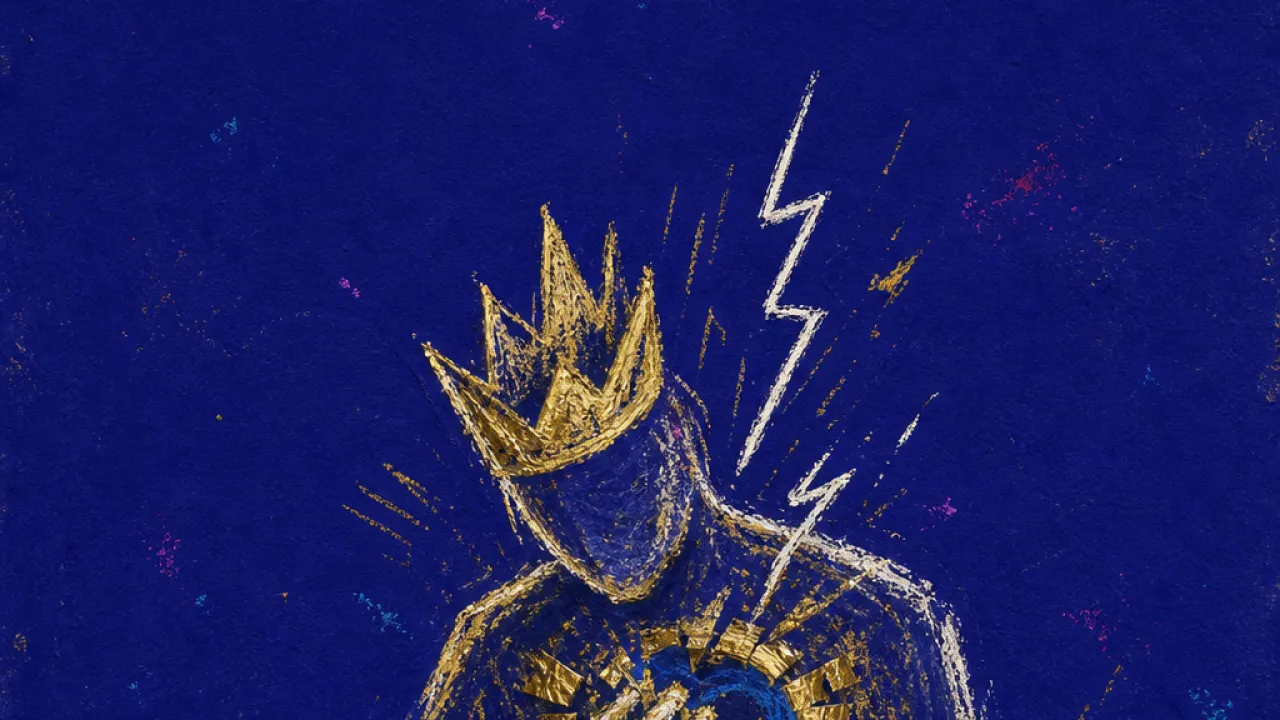
What is this really?

You turn grades, titles, polished output, streaks, and public wins into a self-worth loop: after one marker lands, your hand is already reaching for the next one, because stillness makes you feel undefined. Underneath, you are trying to keep the floor under your identity; achievement becomes the cleanest evidence that you are capable, wanted, and on track when ordinary uncertainty feels too loose to stand on. But the proof that once steadied you can start replacing you, until the successful version gets more visible while your own wants go quiet, much like The Tower, where crown, height, and stone rise as if status could hold a whole self until lightning separates the crown from the structure.

Why did it happen?

At some earlier point, visible results may have made life easier to read: finish the task, get the mark, win the role, and the room feels calmer. Over time, your body can start following that route before you have chosen it, so the subconscious cycle asks for another proof whenever uncertainty shows up. Now a pause, mixed feedback, or a normal plateau can land as a stomach drop and an emotional drain, even when nothing final has happened.

How does it feel?

  • You open a feedback email, reread the one sentence with a neutral comment, and keep the cursor parked over the reply button while your shoulders creep upward. In that pause, your stomach may drop before your mind has formed a sentence, and your jaw can lock as if the whole room has gone still. Let the first body signal be there without turning it into a verdict.
  • When someone asks how you are, you answer with a list of the new role, deadline, gym streak, and side project, then smooth your shirt before they can ask a follow-up. Afterward, your voice may feel slightly too fast in your throat, with a hollow space behind the sternum once the list is over. That blankness can be noticed without needing to fill it immediately.
  • After submitting the application or closing the laptop on a finished project, your hand drifts toward the next checklist before the screen has gone dark. The room can feel oddly flat, your breathing shallow, as if the quiet arrived a beat too soon. It is okay to let the gap stay unfilled for a moment.
  • You post the update, set the phone down, then pick it up again with your thumb already moving toward refresh, while your face holds itself still. Heat may gather behind your eyes and across your neck, even though nothing on the screen has changed yet. The urge to check can exist without becoming the next instruction.
  • On a slow morning, you open the planner from bed, tap the pen against your teeth, and turn a rest day into columns before your feet touch the floor. Your chest may tighten and your legs may feel ready to stand before you have chosen anything. Uncertainty can be allowed to remain unnamed for a little while.

Achievement Fusion in Tarot Cards

That reflex to reach for the next checklist after a win, with a hollow space behind the sternum once the list is over, is where Achievement Fusion becomes recognizable. From a Jungian archetypal theory lens, the successful image presses so tightly against the quieter self that achievement starts to look like identity. The cards below reflect the unconscious dynamics of that merge between proof and person; here are the Tarot Cards that map this pattern.

The Tower Upright
The tower is not just tall; it is crowned. Its height, stonework, and separation from the ground make achievement look like a place to live, not just a marker passed along the way. When the crown is struck, the damage is not cosmetic; the whole identity structure shakes. Achievement fusion works through that same confusion between progress and selfhood. You start using milestones, credentials, discipline streaks, public competence, or visible transformation as proof that you are allowed to exist at your current level. The danger is that any slowdown then feels like a fall from the tower rather than a normal part of learning. In personal growth, The Tower exposes the cost of building self-worth too high above ordinary ground. The pattern asks to be seen where your evolution strategy has quietly become a status structure, and where losing momentum feels like losing yourself.
The Star Reversed
The largest star in the card dominates the sky while the smaller stars form a supporting field around it. In the reversed texture, that bright orientation point can stop functioning as guidance and start functioning as identity pressure, pulling every stream of effort toward one idealized academic image. Achievement Fusion takes shape when the symbol above the work becomes indistinguishable from the self. A grade, admission result, supervisor response, or future title stops being information and starts feeling like a verdict on whether the self is coherent, valuable, or real. You may experience the assignment as strangely enormous because it is carrying more than academic weight. The Star's audit separates the guiding star from the body kneeling on the ground: your future can orient the work without swallowing your entire sense of worth.
The Sun Reversed
The child sits at the center of a success scene: high sun, white horse, red banner, flowers, open sky. Everything in the image concentrates life, brightness, and recognition around one exposed figure. Reversed, that concentration can become Achievement Fusion, where being illuminated feels identical to being valuable. In career terms, promotion, praise, high performance, and public wins stop functioning as outcomes and start functioning as identity evidence. You can recognize the pattern when a review, title, or missed opportunity lands deeper than the work itself should allow. The Sun's success imagery becomes the audit point: the achievement is real, but it cannot be the whole container for self-worth.
Judgement Upright
The pale bodies rise unclothed from the boxes that used to contain them, while the red cross hangs beneath the trumpet as if body, spirit, consequence, and renewal have been compressed into one symbol. Nothing in the image separates the exposed self from the signal calling it upward. That compression is the psychological core of Achievement Fusion. A result stops being a result and becomes a statement about identity, capability, future, and worth all at once. In academic life, this is why a mark, a supervisor's tone, or an exam outcome can feel far larger than the task itself. You are not simply receiving feedback; the nervous system is reading the academic outcome as a verdict on the whole self, which makes learning harder precisely when clarity is most needed.
The World Upright
The laurel wreath surrounds the dancer like a completed system, and the smaller wreath on her head repeats the same symbol at the level of identity. The image does not simply show success; it shows a self being framed by success, as if the boundary between achievement and personhood has become almost seamless. That is the psychological hinge of Achievement Fusion. In academic life, the grade, thesis, degree, or acceptance letter can stop functioning as evidence of work and start functioning as evidence of worth. You are not just trying to complete the task; the task begins to feel like the container that proves you are real, capable, and safe. The World gives this pattern a precise visual body because its beauty is also its trap. Completion is radiant here, but when the psyche fuses with completion, every imperfect draft or delayed milestone feels like a threat to the whole inner structure.
Reversed
The dancer's small head wreath echoes the massive laurel surrounding her, so the sign of completion starts to look inseparable from the figure herself. With no visible ground, the whole scene appears stabilized by the achievement frame rather than by ordinary footing. That is the mechanism behind Achievement Fusion: worth gets outsourced to completion symbols. For you, the milestone stops being evidence of growth and becomes the container holding identity together, which is why each achievement can feel briefly validating and then strangely unreal.
Three of Cups Reversed
The harvest lies at the women's feet as visible proof that effort has produced something real. In the upright scene, that reward can be shared with joy; in the reversed family field, the same harvest can be absorbed into the collective story until it becomes unclear whose labor, choice, or identity is being celebrated. That is the structure of Achievement Fusion. A milestone may begin as yours, but the family system quickly translates it into reputation, sacrifice, comparison, or proof that the family did something right. The celebration becomes emotionally complicated because recognition arrives with ownership claims attached. You may still want your family to witness your growth, but the card asks whether witnessing has turned into possession. The harvest can be honored without letting the circle take over the meaning of what you built.
Seven of Cups Upright
The laurel wreath appears to promise victory, yet the small skull beneath it changes the emotional temperature of the symbol. Recognition is present, but it is not clean; success and depletion sit inside the same cup. Achievement Fusion takes shape when a goal stops being a direction and becomes a container for self-worth. You may pursue the next milestone as if it will finally stabilize identity, only to discover that arrival does not answer the deeper hunger that was projected into it. The card's warning is quiet rather than dramatic. It shows how a future built around being impressive can still hover in the clouds, untethered from the inner life it was supposed to satisfy.
Nine of Cups Upright
The seated man rests in front of nine cups arranged like trophies above his shoulders, while his crossed arms seal the chest and make the body look complete without needing to reach outward. The image is not only satisfaction; it is satisfaction organized around visible proof, as if the emotional system can relax only when achievement is displayed behind it. In academic life, that structure maps onto the fusion of self-worth with measurable outcomes. Grades, offers, rankings, publications, and praise become the cups on the wall: they stabilize the inner container, but they also make unfinished learning feel like a threat to identity rather than a normal part of mastery. You may not be avoiding effort because you do not care. The pattern reveals a defensive bargain: if achievement can keep proving that you are capable, then the vulnerable state of not knowing never has to be fully felt.
Reversed
The cups stand higher than the man, almost like trophies rising over the seated body. His crossed arms and satisfied expression make the display feel personal, as if the objects behind him are not just things he has, but proof of who he is. Achievement Fusion appears when inner worth attaches itself to visible evidence of completion, progress, or emotional mastery. You may feel calm only when there is a result to point to: the breakthrough, the milestone, the polished self-image. In the reversed Nine of Cups, the display starts to outscale the person, and the audit reveals a self that is being measured by its own shelf of proof.
Ten of Cups Upright
The parents stand together with raised arms beneath the completed arc of cups, while the house, river, children, and green landscape gather into a single image of arrival. The card shows fulfillment as something visible, shareable, and structurally complete: a life that can be pointed to as proof that the journey worked. That visual wholeness can become a psychological fusion between achievement and identity. In a direction reading, the question is not whether the life picture is beautiful; it is whether You have started using that picture as the only evidence that You are on the right path. Achievement Fusion appears when a milestone stops being one part of the journey and becomes the container for the whole self. The Ten of Cups makes this pattern legible because its harmony is so total: if the outer picture looks complete, the mind may struggle to admit that the inner compass still wants something unnamed.
Reversed
The Ten of Cups places the house, family, landscape, river, and completed rainbow into one emotional image of belonging and arrival. In the reversed academic field, that wholeness can fuse too tightly with achievement, so the outcome is no longer one part of life; it becomes the symbol holding the whole imagined future together. Achievement Fusion appears when a grade, degree, offer, scholarship, supervisor response, or program decision feels like a verdict on identity, safety, and whether the life you pictured is still possible. The academic result becomes overloaded with emotional meaning. You are no longer only trying to learn; you are trying to keep the entire rainbow from disappearing. This card gives the pattern its exact shape because completion is shown as relational, domestic, emotional, and aspirational all at once. When those layers fuse, ordinary academic feedback cannot stay proportionate. The audit separates the learning event from the total identity structure, so a result can become information again instead of the container for everything you are trying to protect.
Knight of Cups Reversed
The cup is carried like the object that justifies the whole ride. The Knight's armor, posture, and attention gather around it, turning the emotional prize into the center of his role. Reversed, the same object can become too fused with identity. You may have reached something that once organized your ambition, only to find that the self still moves as if the old quest were the only proof of direction. Achievement Fusion appears when the goal and the self become difficult to separate. In life-direction work, the emptiness after arrival is not a failure of gratitude; it is the structure revealing that the inner compass was attached to the achievement more than to the living person beyond it.
Ace of Pentacles Reversed
The golden pentacle sits at the center of the image as the most visible proof of value. In the reversed psychological field, that proof-object stops being a tool and starts becoming a mirror. The clean alignment from cloud to coin to garden can harden into a single corridor where only visible achievement feels real. Achievement Fusion appears when academic output and self-worth become fused into one measurement system. You may experience a grade, supervisor comment, rejection, scholarship result, or exam score as a verdict on who You are rather than feedback on a specific performance. That fusion raises the emotional cost of learning until ordinary academic friction feels identity-threatening. The Ace of Pentacles supports this pattern because it concentrates potential into a tangible symbol of value. The coin is useful when it represents material possibility; it becomes psychologically dangerous when it is asked to carry the whole self. In study life, the audit reveals where achievement has stopped being information and started functioning as identity proof.
Four of Pentacles Upright
The pentacle at the crown sits above the figure's head while another is held tightly over the chest. Value is placed both where identity is formed and where feeling is protected, making the body look as if self-worth has been compressed into visible possession and controlled achievement. This visual link between crown, heart, and coin shows a self-image built around what can be measured and defended. The figure appears secure, but the security depends on keeping the achievement-symbols close enough to function as proof. In personal growth, that can turn self-improvement into a performance of being disciplined, successful, or untouchable. Achievement Fusion is the pattern where progress stops being something you do and starts becoming the thing that proves you are acceptable. You may chase growth intensely, but the card reveals the cost: when identity fuses with achievement, every experiment feels like a test of the self rather than a step in development.
Reversed
The same pentacle symbol appears at the crown, heart, and feet, linking thought, identity, and grounding to one visible measure of value. The man is not just holding resources; his body is organized around them as if they define where the self begins and ends. Achievement Fusion shows up when salary, title, output, or manager approval stops being feedback and becomes a mirror for worth. You can still be ambitious, but the card's rigid structure exposes the cost of letting career metrics sit on top of identity instead of beside it.
Seven of Pentacles Reversed
The figure stands beside the vine as if his own position in the world has narrowed around what this one cultivated object can show. The pentacles are visible, countable, and close enough to become more than results; they can start functioning as a mirror for identity. In reversal, the harvest stops being feedback and becomes self-definition. The body remains anchored beside the crop, while the wider landscape fades out. This creates a psychological equation where growth only feels real when it produces measurable evidence that can stabilize the self-image. In personal growth, Achievement Fusion appears when milestones, streaks, output, body changes, productivity, or visible transformation become the proof that you are allowed to feel worthy. The card anchors this pattern because its entire visual field concentrates identity around cultivated results, showing how easily progress can become a container for self-worth.
Eight of Pentacles Upright
The craftsman bends over one pentacle while five finished coins hang in a straight visible line behind him, turning private effort into a record that can be counted. His body is organized around the next unit of progress, not around emotional expression or rest. That arrangement gives Achievement Fusion its anchor: the self begins to feel coherent only when effort becomes measurable. In inner work, you may start treating clarity, healing, and self-knowledge as outputs that must prove you are becoming someone better, so the audit of the psyche becomes another scoreboard.
Reversed
The completed pentacles are displayed in a straight visible line while the worker bends over the next one. In the reversed field, those products stop being evidence of practice and start acting like mirrors that judge the person making them. Psychologically, measurable output becomes fused with identity. In study, a grade, ranking, publication decision, or supervisor comment can feel less like feedback on work and more like a referendum on who you are. The pattern links to Achievement Fusion because the card's public row of finished coins turns academic production into a visible self-image. You are not just trying to learn; the output has begun carrying too much of your worth.
Nine of Pentacles Upright
The woman's hand rests directly on the pentacles growing through the vine, as if her body is checking the evidence of what has been cultivated. Her robe, garden, grapes, coins, and estate all repeat the same visual message: value has been earned, organized, and made visible. That repetition creates a tight link between inner worth and demonstrated achievement. The psyche uses visible cultivation as a stabilizer, turning refinement, discipline, and measurable progress into proof that the self is intact. The defense works because it gives chaos a shape, but it also makes identity depend on constant evidence. In introspection, Achievement Fusion can make inner work feel like another standard to perform. You may treat healing, emotional clarity, or self-awareness as something that has to look polished before it counts, which keeps the deeper material trapped beneath a successful surface.
Reversed
The robe, pentacles, vineyard, falcon, and manor create a polished circuit of visible success. The woman is not only standing among her resources; the whole scene makes her appear continuous with what has been cultivated, displayed, and maintained. Under family pressure, that polished circuit can turn achievement into a substitute for being known. You may feel safer presenting success than showing uncertainty, because belonging has become tied to how well you perform the family's preferred image of competence, refinement, or upward movement.
Ten of Pentacles Upright
The ten pentacles hover above the household as a complete structure, while the crest, estate, arch, and elder's ornate chair make success visible before anyone's private inner life appears. The scene does not only show having resources; it shows identity being organized around proof, continuity, and public evidence that something has been built. That visual architecture mirrors Achievement Fusion because the self starts to borrow solidity from outcomes. In personal growth, You may keep translating inner evolution into credentials, visible wins, or the need to look established, so every achievement becomes another structure to maintain instead of an experience to integrate.
Reversed
The ten pentacles sit as a complete symbolic overlay above a household already full of status, property, and continuity. No single figure holds the coins; the achievement appears as a system suspended over everyone, as if the proof of arrival has become larger than any one person's inner experience. Achievement Fusion appears when that suspended proof starts doing identity work. You may keep asking the future to validate who you are through outcomes, titles, wealth, or visible completion. The card links this pattern to the hollow moment after arrival, when the structure has succeeded externally but the self underneath has not been given a separate direction to inhabit.
Page of Pentacles Upright
The Page presents the pentacle as the visible center of his identity in the scene. His clothes echo the earth around him, his hands hold the symbol carefully, and his face follows it as if worth can be stabilized through one tangible sign. This is where Achievement Fusion enters the card's psychology. A grounded aim becomes fused with self-value, so progress is no longer something you make; it becomes something that decides whether you are allowed to feel solid. In introspection, the same fusion can attach to being regulated, healed, wise, self-aware, or emotionally mature. You may not be chasing external applause, but the inner judge still wants evidence that the self is improving enough to deserve ease.
Reversed
The pentacle rises directly into the Page's line of sight, turning a practical object into the center of perception. Because his role, clothing, and environment all echo the material world of the coin, the symbol can begin to feel less like a tool and more like the axis of identity. In academic life, Achievement Fusion forms when grades, acceptances, rankings, or supervisor approval stop functioning as feedback and start functioning as a mirror. You do not simply want a result; the result appears to decide whether the self is solid. The card makes that fusion visible by placing the external token exactly where a wider self-image would normally breathe.
Knight of Pentacles Reversed
The pentacle sits directly in front of the knight like a compact symbol of value, labor, and proof. His gaze moves through it toward the future, as if the route ahead has to be interpreted through what this one object can deliver. Achievement Fusion appears when academic output becomes more than evidence of learning. Grades, admissions, supervisor approval, publication progress, or exam scores begin to feel like evidence of whether the self is valid. The reversed card shows the pentacle becoming too psychologically heavy. You may still be working hard, but the system is no longer only pursuing mastery; it is trying to keep identity from feeling exposed to a single academic result.
Queen of Pentacles Reversed
The pentacle is held in both hands as the central mirror of the scene, while the throne and cultivated landscape reinforce an image of competence, stability, and well-managed resources. The Queen's body appears calm because it is arranged around what can be held, protected, and maintained. Reversed, the reflective object can stop being a resource and become a self-worth screen. The psyche starts reading identity through usefulness, composure, capability, and the ability to keep everything materially or emotionally stable. What looks like grounded self-possession can conceal a fusion between being valuable and being constantly functional. In introspective work, this pattern names the inner pressure to be the stable one even when the psyche is asking for softness, mess, or rest. You may feel threatened by needs that do not fit the competent image, because the internal system has learned to treat disorganization as a defect instead of a signal.
King of Pentacles Upright
The King's robe is covered in vines and grapes, and those patterns visually echo the living greenery around the throne. His identity does not stop at the skin; it appears to extend into the cultivated domain, the estate, the castle, and the visible proof of what has been built. This creates a mirror between self-image and accomplishment. The armor under the robe suggests that the image of ease is supported by discipline and protection, while the pentacle and scepter keep value and control close to the body. Achievement Fusion forms when the psyche begins using visible success, composure, or self-mastery as its main reflective surface. In introspection, this can make the inner world feel strangely inaccessible: when the polished life looks stable, the shadow has to work harder to prove that something inside still needs attention.
Reversed
The King's robe blends into the greenery of the estate, and the castle, land, throne, crown, and pentacle all appear as extensions of one seated self. The figure is not simply in a domain; visually, he is wrapped into it. This is the psychological point where achievement stops being evidence and starts becoming identity armor. You may feel unable to separate who you are from what you have built, so any personal-growth challenge feels less like learning and more like a threat to the self you have carefully constructed.
Ace of Swords Upright
The sword does not merely point toward the crown; it pierces and lifts it, making mastery and achievement hang from the same blade that represents thought. The branches of peace and victory depend on that single vertical axis, so value appears fused to performance, proof, and intellectual conquest. In career pressure, Achievement Fusion turns recognition into a referendum on the self. You are not simply trying to solve a workplace problem; the pattern makes each title, review, promotion delay, or missed credit feel like evidence about whether your mind is valuable enough to deserve a place.
Three of Swords Upright
The red heart is not merely near the swords; it is pierced at its exact center, with each blade turning toward the same vital point. The image makes evaluation feel somatic: pressure does not strike the surface, it enters the place where value and vulnerability are stored. That visual compression mirrors the way academic performance can fuse with identity. A grade, critique, rejection, or stalled draft stops functioning as neutral feedback and starts feeling like proof about who You are. The mind loses the boundary between an outcome and the self that received it. Achievement Fusion shows up when studying becomes emotionally unsafe because every academic signal is treated as a verdict. The card exposes that mechanism with unusual clarity: the pain is not only that something went wrong, but that the wound has been placed in the center of the self-system.
Five of Swords Upright
The foreground figure presses the sword hilts close to his chest while standing apart from the two people who have turned away. The swords are not simply tools of thought here; they are held like trophies, pulled into the body as if possession of the argument has become possession of the self. That physical grip shows how the mind can bind competence to identity. In study settings, a grade, critique, exam score, or intellectual win can stop being information and start acting like a verdict on who You are. The smile on the figure's face makes the defense visible: superiority is being used to keep uncertainty from touching the vulnerable parts of the self. Achievement Fusion names the moment academic performance becomes too personally loaded to metabolize cleanly. The card's cost is that the figure may have won the exchange, but the field around him is bleak, separated, and emotionally drained. The pattern protects You from feeling small, but it can make learning feel dangerous because every correction seems to threaten the whole identity that has been built around being competent.
Ten of Swords Upright
The swords enter through the body's central line, not around its edges. The figure is not shown brushing off a surface-level wound; the image places the impact through the spine, the symbolic support structure that lets a person stand, move, and orient. Achievement Fusion takes shape when academic performance stops being treated as feedback and becomes the load-bearing structure of identity. A grade, application, thesis chapter, or supervisor response feels as if it has struck the self rather than the work. The riverbank sharpens the mechanism. You are close to a threshold of learning or progression, but the pattern turns that threshold into a total verdict about who you are, making academic evaluation feel existentially heavier than it objectively is.
Knight of Swords Upright
The knight does not merely ride toward a goal; his body, armor, sword, horse, and the wind-blown background all merge into a single image of forward proof. There is almost no visual separation between who he is and the mission he is charging toward. That fusion gives the card its psychological force. The sword is not only a tool of action; it becomes the object around which identity is organized. The armor protects the self, but it also makes the self harder to distinguish from performance, discipline, speed, and conquest. In personal growth, Achievement Fusion appears when You do not just pursue progress; You need progress to confirm that You are real, valuable, and becoming someone. The card reveals the hidden cost of using momentum as identity: every pause can feel like a threat to the self rather than a normal part of integration.
Reversed
The knight's armor, plume, sword, and white horse create a heroic image of pure forward purpose. The whole scene makes achievement look like identity: the rider is not only doing the mission, he is visually fused with it. In reverse, that fusion becomes psychologically expensive. Career success stops being one part of life and becomes the proof that you are sharp, valuable, and safe from being dismissed. You may feel this whenever a delayed promotion, unclear feedback, or slower season lands as a threat to who you are rather than a problem to analyze. The card reveals a self-worth system over-attached to speed, winning, and visible impact.
Ace of Wands Reversed
The hand’s grip can read as conviction, but under pressure it can also become a clamp. The living wand then stops being a channel for vitality and becomes a proof-object, something held tightly because it has been loaded with mission, inheritance, and visible legitimacy. The castle in the distance intensifies that pull toward achievement as a family-coded endpoint. Achievement Fusion forms when the self cannot easily separate personal desire from the role of carrying family expectation. You may appear driven, capable, or self-directed, but the inner engine is partly organized around proving that the family story, sacrifice, or status demand has been justified. The wand is alive, yet the grip turns life force into obligation. The reversed psychology of this card is not simple inaction. It is over-identification with action as evidence of worth. The Ace of Wands exposes how a new beginning can become emotionally captured by legacy pressure when the family system treats your success as a shared possession rather than your own unfolding life.
Two of Wands Reversed
The castle below the figure is secure, prosperous, and elevated, but the man's face remains difficult to read. He holds the world in miniature while standing above the domain already gained, as if achievement has created a wider view without necessarily creating inner relief. The scene carries command and emptiness in the same posture. Achievement Fusion appears when the built structure starts carrying the weight of identity. The castle, wand, and globe become more than resources; they become proof that the self has value, direction, and legitimacy. When that proof stops feeling alive, the psyche can experience a strange gap between external success and internal orientation. For direction questions, this card can reveal why a milestone did not answer the deeper question. You may have reached a visible ledge and discovered that the next horizon still asks who You are when accomplishment is no longer enough to organize the self.
Four of Wands Reversed
The garlands announce completion so vividly that the decorated frame can begin to outshine the people standing beneath it. The milestone is beautiful, but in a reversed reading the ritual of celebration starts to become the container for identity. Achievement Fusion shows up when a career win, title, or promotion has to prove that you are allowed to feel solid. The card’s stable pillars reveal the trap: if the structure of achievement becomes the only thing holding worth in place, every quiet stretch between milestones can feel like the ground disappearing.
Five of Wands Reversed
The figures are not just holding wands; they are visibly defined by the contest around them. Their bodies, colors, and angles create a field where identity is displayed through struggle, and there is no quiet container outside the performance. Achievement Fusion appears when academic output becomes fused with selfhood. A grade, thesis delay, rejected application, weak seminar answer, or slow reading pace stops being information about a task and starts feeling like evidence about who You are. The reversed card shows why this can become so intense. When the learning field has no inner separation between performance and identity, every academic collision lands personally, and feedback becomes harder to metabolize because it feels like an attack on the self rather than data for the work.
Six of Wands Upright
The laurel sits on the rider's head and also on the wand he grips, so the symbol of victory is attached both to the person and to the object of achievement. His red cloak, the decorated horse, and the slow public procession make the role look inseparable from the body carrying it. Achievement Fusion forms when accomplishment stops being an event and becomes the container of identity. You are not simply noticing that something worked; the psyche starts treating success as proof that the self is coherent, worthy, and allowed to exist. For inner-world work, this is the hidden pressure under the parade. The crowned role can look stable from outside while the private self becomes harder to access unless there is another win to hold.
Reversed
The laurel appears twice: once around the rider's head and again on the wand he carries. The visual field fuses the person with the symbol of success, while the horse, cloak, crowd, and parade all reinforce the same achieved identity. Achievement Fusion forms when that symbol stops being evidence of effort and starts becoming the container for self-worth. You may not simply feel proud of progress; you may feel required to keep proving that the progress defines you. In personal growth, the win becomes psychologically heavy because any pause, plateau, or ordinary imperfection seems to threaten the whole identity built around becoming better.
Seven of Wands Upright
The young man's clothes echo the color of the ground and the wand, making his body look almost rooted into the same material he is using to defend himself. He does not merely hold the staff; visually, he seems to become part of the staff, part of the ridge, part of the claim being defended. That fusion is the psychological hinge of Achievement Fusion. In work, a project, title, skill set, or reputation can stop feeling like something You do and start feeling like proof of who You are. When that happens, feedback does not land on the work; it lands on the self. The card's high ground makes the pattern especially sharp. You may have earned visibility through real effort, but if achievement becomes identity, every challenge to the role feels like a challenge to existence inside the workplace system. The task is not to abandon ambition; it is to see where ambition has become a substitute for stable self-worth.
Reversed
The figure's clothing, the green hill, and the wooden wand visually echo one another, making the person look almost continuous with the tool he uses to defend himself. The wand is not just held; it appears to extend the body. Achievement Fusion forms when academic output stops feeling separate from identity. You may experience a grade, supervisor reaction, exam score, or rejected argument as a direct reading of your worth rather than as data about a piece of work. The uneven footing sharpens the pattern. When the self is standing on the same ground as the performance, any challenge to the work can feel like the whole inner position is splitting.
Nine of Wands Reversed
The figure's wound is on the head, the part of the body most visually linked with judgment, interpretation, and mental strain. He stands inside the defensive row as if his continued value depends on staying upright at the breach. In academic life, that image maps onto the fusion of achievement and selfhood. A grade, publication, scholarship, supervisor response, or degree path stops being an external marker and becomes the wall that proves whether the self is still intact. Achievement Fusion is the reversed Nine of Wands because the defense has moved from protecting the work to protecting identity through the work. The pattern can generate endurance, but it also makes every academic demand feel existentially loaded, as if one crack in performance could crack the person behind it.
Ten of Wands Upright
The wands are alive with leaves while the carrier looks drained and obscured, as if vitality has been transferred from the person into the thing being carried. The image does not only show effort; it shows identity beginning to organize itself around effort. Achievement Fusion grows from that displacement of life force. You may feel most real when you are carrying, fixing, producing, improving, or proving. The inner cost is subtle: when there is no visible load, the self can feel strangely empty, because worth has been fused with output instead of felt from within.
Knight of Wands Upright
The salamander tunic, armor, wand, and proud mounted posture make identity and mission almost inseparable. The rider is not only going somewhere; he is wearing the role of the person who must be bold, capable, and worthy of the task. That fusion translates into academic life when grades, admissions, feedback, or research output stop feeling like information and start feeling like verdicts on the self. You are not just trying to produce work; the whole nervous system begins treating performance as proof of worth, which makes ordinary evaluation feel disproportionately loaded.
Queen of Wands Reversed
The crown, throne, lions, and repeated sunflowers build a single radiant identity system around the Queen's seated body. In the reversed state, the symbols support the persona so heavily that the person and the display begin to blur. Achievement Fusion is what happens when grades, rankings, and academic praise become the mirror that tells you who you are. You may read one mark, one rejection, or one supervisor's tone as evidence about your whole worth because the evaluation has been placed on the throne with your identity.
King of Wands Upright
The lion and salamander emblems do more than decorate the throne; they mirror the king's fire identity back at him from the structure he sits on. His wand touches the earth, his robe expands across the chair, and the whole scene turns command into a visible identity. The card makes achievement feel embodied, environmental, and hard to separate from self-image. This is where action stops being only action and becomes evidence of who you are. In a lifestyle context, the clean room, strict routine, disciplined body, optimized calendar, and constant output can all become proof that the self is still coherent. The defense is powerful because it produces results, but it also makes rest feel like a symbolic failure. You may recognize this pattern when daily order feels less like support and more like a performance you cannot drop. The card reveals the fusion point: the system is no longer just helping you live; it is carrying the burden of proving that you are competent, driven, and in control.
Reversed
The King's crown, robe, throne, and lion emblems turn achievement into a visible identity structure. The cloak spreads beyond the seated body, making the role appear larger than the private self inside it. Achievement Fusion appears in academic life when grades, titles, admissions outcomes, publications, or supervisor approval stop being feedback and start functioning as identity evidence. A confusing lecture, weak draft, or disappointing mark can feel like a verdict on the self rather than a signal about the work. The reversed card shows the cost of letting the royal image carry too much psychological weight. When achievement becomes fused with identity, every academic exposure becomes emotionally overcharged, and the learning process loses the safety it needs to stay flexible.

Achievement Fusion in Tarot Card Reading Insights

For anyone who closes the laptop after a finished project and still reaches for the next checklist, others have brought this same pressure into readings. The view shifts from the cards themselves to what appeared when someone sat with the spread. Below are Tarot Reading Insights that speak to Achievement Fusion.

Psychological patterns related to Achievement Fusion