Is the vibe still you?

A clear definition of image-fused identity patterns, tarot cards that mirror them, and reading insights for similar inner loops.

Aesthetic Identity Fusion
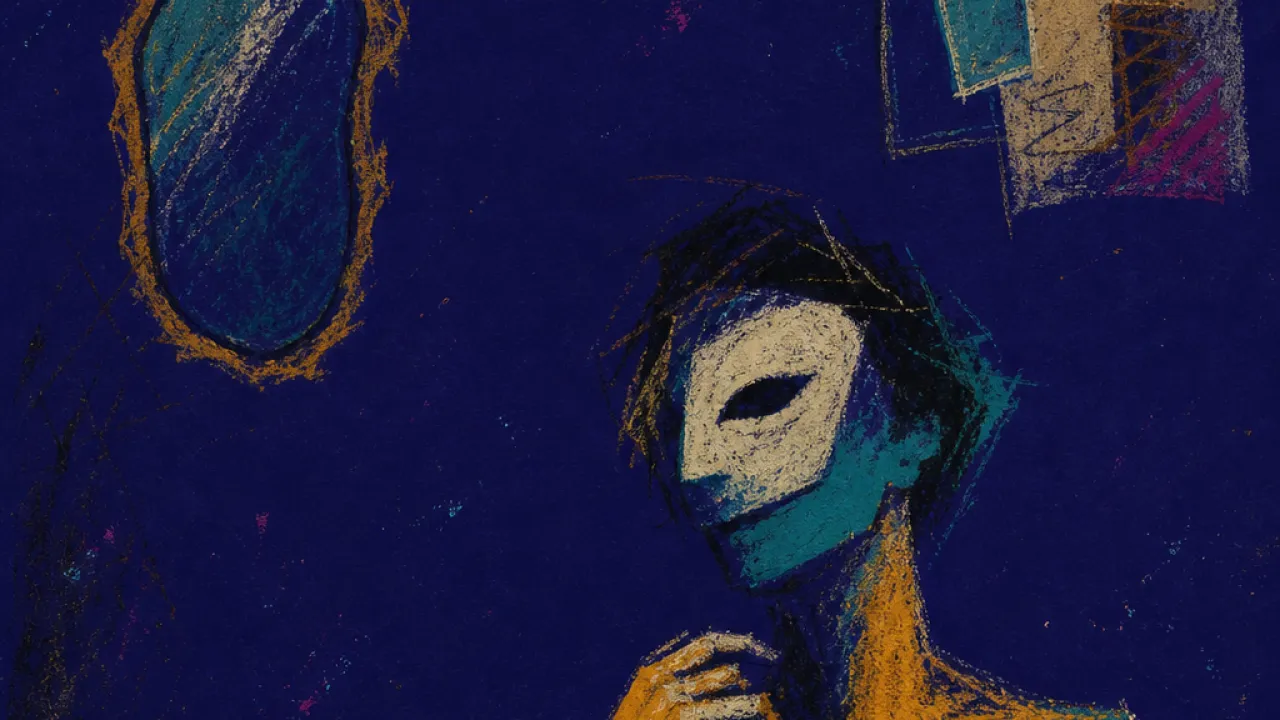
A figure beside a mirror and moodboard, one hand near the collar, amber and teal fragments splitting across the chest.

What is this really?

You turn your clothes, room, profile, playlists, and even your coffee order into one carefully coherent signal, then check every choice against whether it still matches the person you appear to be. Underneath that precision is a need for continuity: if the outside stays recognizable, the inside feels less scattered, and the world gets a simpler version of you to understand. Yet the image that once helped you feel assembled can start running the room, leaving you with cognitive dissonance when your mood, desire, or growth no longer fits the aesthetic—much like the figure in the Seven of Cups, surrounded by dazzling options that look vivid from a distance but blur the moment you try to choose one life from them.

Why did it happen?

At some point, having a clear look may have made you easier to place, safer to read, or less exposed in rooms where being undefined felt uncomfortable. Over time, that same inner pattern can start treating normal changes in taste, desire, or mood as a threat, leaving you mentally tired from checking whether every choice still belongs to the version of you people recognize.

How does it feel?

  • You hover over a checkout button for something you genuinely like, then zoom in on the color and imagine how it would look beside everything you already own. That pause can come with a tight little drop in your stomach, as if liking it is easy but letting it belong to you is harder; you can let the pause exist without forcing a verdict right away.
  • You get dressed for a low-stakes plan, swap the jacket twice, then look at your reflection less to see whether you feel comfortable and more to see whether the whole image still reads correctly. In that moment, your shoulders may lift slightly and your breathing may get shallow; it is okay for the body to notice pressure before the mind has words for it.
  • You start editing a post, shift the crop by a few millimeters, then delete a photo because the lighting feels off beside the rest of your grid. Afterward, there may be a flat, drained feeling behind your eyes, like the image took more from you than the moment gave back; that reaction can simply be observed.
  • You are with friends when someone suggests a place, hobby, or song that does not match the version of you they know, and you laugh lightly before saying, 'That's not really my thing.' A second later, your chest may feel a little hollow, as if the sentence closed a door before you checked what was behind it; uncertainty can stay open for now.
  • You sit alone at night scrolling through saved outfits, room photos, or moodboards, moving pieces around in your head until everything lines up again. Your jaw may clench without you noticing, and your thumb may keep scrolling after your interest has already gone quiet; stopping does not have to mean deciding who you are.

Aesthetic Identity Fusion in Tarot Cards

That reflex to check whether a choice still matches the person you appear to be is where this pattern becomes visible. You may feel it as a small stomach drop when something you genuinely like does not fit the palette, the outfit, or the feed. From a Jungian archetypal theory perspective, this can be understood as the tension between the social image and the less-polished self that keeps moving underneath. The Tarot Cards below reflect the unconscious dynamics behind that curated coherence.

The Emperor
Upright
The ruler sits rigidly on a ram-headed stone throne, with armour visible beneath red ceremonial robes and barren mountains forming an uncompromising backdrop. The constructed exterior communicates authority and consistency while keeping flexibility and vulnerability out of view. You may build a similarly controlled professional image through clothing, portfolio design, profile language, creative output, or a tightly defined personal brand. When that image becomes fused with competence, a career pivot or newly emerging interest can feel like a loss of authority rather than a legitimate development. The armour beneath the presentation reveals the protective function of coherence, making it possible to examine whether the professional aesthetic still supports your work or has begun deciding what work you are allowed to pursue.
The Hierophant
Upright
The central figure wears elaborate ceremonial garments between two pillars while two similarly posed acolytes kneel below and crossed keys establish a shared code at his feet. Dress, posture, and setting make membership immediately legible before any individual voice is heard. You may use a tightly recognizable aesthetic to secure placement within a scene, subculture, or professional-adjacent circle where being undefined feels socially risky. Once that code becomes fused with identity, experimenting outside it can feel less like changing clothes or interests and more like violating the terms of belonging. The formal arrangement reveals how collective legibility can offer protection while quietly narrowing the range of selves you permit others to encounter.
Wheel of Fortune
Reversed
The central wheel carries figures through ascent and descent while a sphinx remains poised at its top and four winged observers occupy the fixed corners of the image. Motion and apparent permanence coexist, creating a visual tension between a changing cycle and positions that seem safely defined. You may experience normal shifts in taste as poorly timed threats to the identity other people have learned to recognize. Instead of allowing preferences to change at their own pace, the aesthetic system may demand either immediate reinvention or rigid consistency. The wheel exposes the timing conflict beneath that pressure: change is already occurring, while the visible identity is being asked to remain fixed enough to guarantee continuity.
Justice
Reversed
The seated figure holds a level scale in one hand and an upright sword in the other, framed by symmetrical pillars and a heavy curtain. Every visual element suggests an internal tribunal built to compare evidence, impose consistency, and deliver a decisive verdict. You may recruit that tribunal whenever a genuine preference conflicts with the aesthetic identity already on record. The audit can appear objective while quietly weighting visual continuity more heavily than current mood, comfort, or desire, producing cognitive dissonance that is then misread as personal inconsistency. Recognizing the biased criterion changes the question from whether the new preference is admissible to what evidence the identity system has been excluding.
Death
Reversed
The white horse continues forward as the armoured rider crosses a field of figures whose former positions cannot organize what is arriving, while the rising sun remains visible beyond the towers. The landscape places the end of a recognizable order beside evidence that continuity will survive in another form. You may nevertheless experience aesthetic evolution as becoming unrecognizable to yourself and others. The curated persona has stored memories, belonging, effort, and social feedback, so releasing it can feel like erasing identity rather than updating its expression. The resistance shown here clarifies the developmental task: the image can be allowed to finish a phase without being treated as the total record of who has lived through it.
Temperance
Reversed
The angel pours water between two different cups while keeping one foot on land and one in water, with a winding path leading toward light in the distance. The image holds difference through active exchange; integration depends on movement between distinct containers rather than forcing them to become visually identical. You may struggle with that exchange when aesthetic coherence has become the standard for psychological coherence. Different moods, tastes, ambitions, or developmental stages can seem mutually disqualifying, so one is edited out rather than integrated into a more complex self-concept. The disrupted blending process reveals that wholeness does not require sameness, allowing contradiction to become usable information instead of evidence that your identity has failed.
The Devil
Upright
Two figures are chained to the central pedestal while their small horns and tails echo features of the larger form above them. The external structure has not only restricted them; it has begun shaping how their own bodies represent identity, making attachment and imitation part of the same visual system. You may recognize this dynamic when an aesthetic that once expressed you becomes the authority that defines what you may like, show, buy, or become. Repetition strengthens the fusion until violating the image feels like violating the self, even though the image remains a constructed relationship rather than an essential identity. The chains make that relationship visible, opening a distinction between enjoying a coherent aesthetic and granting it control over your developmental range.
Four of Cups
Upright
The seated figure withdraws beneath a tree, folds both arms, and remains focused on three known cups while another is offered from outside the existing arrangement. The posture closes the boundary before the new experience can be touched or evaluated. You may respond in the same way when a close friend suggests a hobby, place, song, or style that does not match the version of you they already know. Saying that it is not really you can protect a stable friendship role and prevent the awkwardness of becoming less predictable, even when part of you is interested. The offered cup reveals the small relational cost of that defense: a friend may be opening a door to experimentation while the aesthetic identity closes it before desire has spoken.
Seven of Cups
Upright
The observer faces seven separate containers of possibility, each offering a complete and visually compelling symbol while none provides stable ground. The self is reduced to a silhouette before the images, as though identity can only be inferred from which external picture is selected. You may become similarly fused with an aesthetic when the image carries more definition than your changing internal experience. Growth then appears to require replacing one total persona with another, rather than allowing several preferences and developmental phases to coexist. The scene reveals the projection at work, helping the aesthetic return to the role of expression instead of functioning as the sole container of identity.
Eight of Cups
Reversed
Eight cups stand in a deliberate arrangement with a visible gap while a red-cloaked figure crosses uneven ground toward distant heights under an eclipsed moon. The scene preserves the threshold between a recognizable structure and a less defined landscape that cannot yet promise coherence. You may know that a style, scene, profile, or life direction no longer reflects your current desire while still feeling unable to release the identity assembled around it. The visible arrangement contains substantial investment, so departure can feel like invalidating the person who built it. This tension clarifies that the obstacle is not an absence of direction but the cost your self-concept has assigned to becoming less immediately recognizable.
Four of Pentacles
Upright
The seated figure pins one pentacle to his crown, locks another against his chest, and plants both feet on two more while the city remains at a distance. The possessions do more than surround him; they brace his head, heart, and movement, creating a visual model of external objects being used to stabilize identity. You may experience the same mechanism when clothes, furnishings, devices, or purchases must confirm an established aesthetic before they are allowed into daily life. Holding the image this tightly protects continuity, but it also makes an ordinary preference feel like a threat to the structure supporting you. Seeing the difference between aesthetic support and aesthetic control restores room for choice without requiring you to discard the style that once helped you feel assembled.
Two of Swords
Upright
The blindfolded figure holds two swords in a rigid cross over the chest while rocks interrupt the water behind her and a narrow moon hangs overhead. Her body creates a closed internal checkpoint, using symmetrical control to prevent either side of the conflict from entering awareness fully. You may reach the same impasse when one option fits the person you appear to be and another fits what you currently want. Aesthetic identity fusion makes contact with desire feel destabilizing because it could break the symmetry of the established image. The stalemate becomes easier to understand once the decision is recognized as a conflict between self-continuity and fresh information, rather than proof that no valid preference exists.
Eight of Swords
Upright
The blindfolded and bound figure stands inside a loose enclosure of eight swords, with open ground nearby and a distant castle separated from her position. The restriction is visually real, yet the arrangement also shows that the barrier is incomplete and maintained partly by what cannot currently be seen. You may become enclosed by rules about which colors, places, interests, emotions, or ambitions are permitted to belong to your recognizable self. Because those rules are experienced as identity facts, alternatives can disappear from awareness before they are consciously rejected. The scene externalizes the rule system, making its boundaries available for inspection and separating the person inside the image from the aesthetic constraints surrounding them.
Nine of Swords
Upright
Nine swords line the dark wall above a person sitting upright in bed with both hands covering the face, while a densely patterned quilt fills the foreground. The repeated blades give mental pressure a rigid visual order, and the night setting isolates the checking mind from fresh external evidence. You may replay whether an outfit, post, purchase, room detail, or new preference still matches the whole image long after the practical decision has ended. The aesthetic system promises relief through one more correction, yet each correction teaches the mind that inconsistency is dangerous enough to keep monitoring. The scene makes that hidden cost observable: the effort to preserve external coherence can become an internal queue that never receives a final completion signal.
Six of Wands
Upright
The mounted figure wears a laurel while another wreath crowns the raised wand, and the surrounding crowd turns private movement into a publicly recognized image. Repetition between the two wreaths concentrates attention on the version of the rider that the group can immediately celebrate. You may receive social reinforcement when your profile, clothing, venues, or tastes form a clear and memorable persona. That recognition can make later variation feel costly because approval has attached itself to one fixed presentation rather than to your broader capacity to change. The scene helps distinguish the pleasure of being seen from the pressure to keep reproducing the exact image that first made you visible.
Ten of Wands
Upright
The figure gathers ten separate wands into one heavy bundle, bends under their combined weight, and loses a clear view of the destination directly ahead. What may once have been a collection of useful elements has become a single load that must be carried together. You may similarly treat clothing, décor, posts, playlists, venues, and small routines as parts of one identity package that can never contradict itself. The burden comes less from any single aesthetic decision than from maintaining all of them as one continuous signal. Naming that maintenance load separates the genuine pleasure of style from the invisible labor of making every detail prove who you are.

Aesthetic Identity Fusion in Tarot Card Reading Insights

For anyone who has felt that small stomach drop when something they like does not fit the image, others have brought this same pattern into readings. The focus shifts from the cards themselves to how this loop appears when someone sits with it. Below are Tarot Reading Insights that speak to this pattern.
After the Tea Went Cold: Putting Private Care Before Content

After the Tea Went Cold: Putting Private Care Before Content

Topic:Lifestyle Tarot Reading

Struggle:Aesthetic Self-Management Trap

Context:Productivity Theater
Creative Visibility Paralysis: Her Hand Froze, Yet the Post Stayed Up

Creative Visibility Paralysis: Her Hand Froze, Yet the Post Stayed Up

Topic:Introspection Tarot Reading

Struggle:Inner Tribunal Lock

Context:Portfolio Career Launch
A Cursor Over Publish, Then One Post Left Visible for 48 Hours

A Cursor Over Publish, Then One Post Left Visible for 48 Hours

Topic:Direction Tarot Reading

Struggle:Feedback Disconnection

Context:Personal Brand Performance
Your Turn in the Kitchen: From Crowd-Management to One Honest Song

Your Turn in the Kitchen: From Crowd-Management to One Honest Song

Topic:Introspection Tarot Reading

Struggle:Belonging-Authenticity Split

Context:Social Performance Loop
Panic-Cleaning Before a Date Meets the Warm-Not-Flawless Reset

Panic-Cleaning Before a Date Meets the Warm-Not-Flawless Reset

Topic:Choice Tarot Reading

Struggle:Belonging-Authenticity Split

Context:Small-Space Hosting Pressure

Dressing for Invisibility—and How One Visible Choice Changes It

Dressing for Invisibility—and How One Visible Choice Changes It

Topic:Introspection Tarot Reading

Struggle:Aesthetic Self-Management Trap

Context:Reinvention Culture Pressure
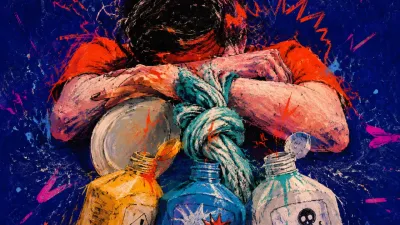
When Parent Visits Turn Home Into a Test: Choosing Good-Enough Care

When Parent Visits Turn Home Into a Test: Choosing Good-Enough Care

Topic:Friendship Tarot Reading

Struggle:Inner Tribunal Lock

Context:Family Privacy Negotiation
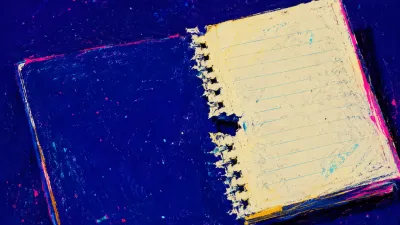
Stuck in Setup Mode? A 7-Day Draft Week to Start Using One Notebook

Stuck in Setup Mode? A 7-Day Draft Week to Start Using One Notebook

Topic:Study Tarot Reading

Struggle:Aesthetic Self-Management Trap

Context:Productivity Theater
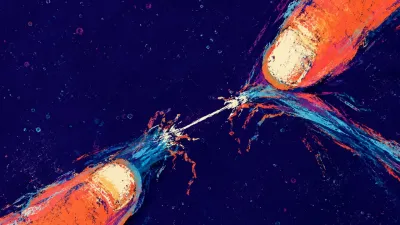
One Gray Hair Felt Like Proof I Was Slipping—Until I Stopped Scorekeeping

One Gray Hair Felt Like Proof I Was Slipping—Until I Stopped Scorekeeping

Topic:Personal Growth Tarot Reading

Struggle:Aesthetic Self-Management Trap

Context:Aesthetic Lifestyle Creep

From Outfit-Copy Panic to Self-Trust: Reclaiming Your Vibe Without Competing

From Outfit-Copy Panic to Self-Trust: Reclaiming Your Vibe Without Competing

Topic:Friendship Tarot Reading

Struggle:Aesthetic Self-Management Trap

Context:Personal Brand Performance

Psychological Patterns Related to Aesthetic Identity Fusion