Too Social To Breathe?

Explore the felt texture of Social Burnout, matching tarot cards, and tarot reading insights from emotionally drained social moments.

Social Burnout
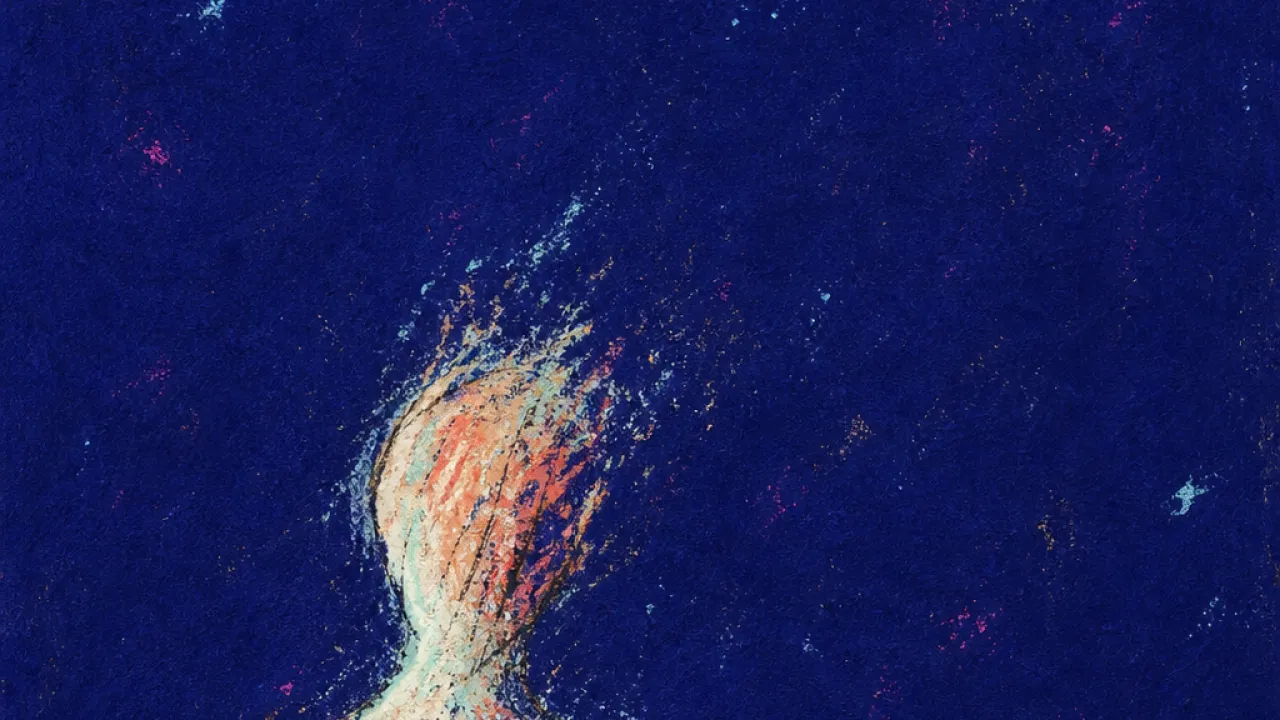
What does this feel like?

Social Burnout — you can still be surrounded by people and somehow feel completely spent, like the room is bright, the chat is moving fast, and your body is already trying to log off. It starts in small places: the tightness in your throat before you answer a message, the heat behind your eyes after a weekend that was technically fun, the way your shoulders brace when another invite lands even though you care about the person sending it. Everything social begins to feel overlit, like there is no dimmer switch: group chats, plans, work drinks, campus events, voice notes, birthdays, casual check-ins, people asking if you are free, people asking if you are okay. You keep showing up, smiling, replying, reacting, making yourself readable, keeping the tone warm enough that nobody notices how little current you have left. The hard part is that you may not want to disappear from people; you just want contact to stop costing so much. Inside, the conversation becomes quiet and repetitive: why am I tired after something I wanted, why does everyone need a version of me right now, why do I feel guilty for needing silence, why does even a good plan feel like another task. Social Burnout is not simply hating social life — it is the feeling that the part of you meant to feel connected has been poured out across too many rooms, much like The Tower with fire glowing from its own windows, the structure still standing for a moment while the inside has already burned past what it can hold.

Why you're feeling this?

Social Burnout makes sense when your capacity for warmth, response, and presence has been drawn on for too long without enough quiet return. You are not wrong for needing less input. A part of you is asking for contact to become breathable again, not endless.

Social Burnout in Tarot Cards

That overlit, used-up feeling inside Social Burnout often shows up as heat behind your eyes, a tight throat, or shoulders braced for one more reply. This is a universal emotional experience: connection can feel meaningful and still become too much when every room, thread, and invite asks for more presence than you have available. Tarot gives that pressure a visual language without explaining it away. Here are the Tarot Cards that most often mirror the shape of Social Burnout.

The Tower Reversed
The flames coming from several windows make the tower look internally consumed before it fully collapses. Around it, the dark sky leaves little breathing room, and the falling figures show what happens when the structure keeps burning past its capacity to hold human bodies safely. Social Burnout lives in that overlit, overextended interior. In a social ecosystem, it feels like every group, chat, event, and obligation is still active while the part of you that should feel connected has already been used up. The Tower anchors this emotion through visible overconsumption rather than simple tiredness. It shows a social structure that demands continued participation while its inside is on fire, giving you a clear image for the moment when connection stops nourishing you and starts spending you.
The Star Reversed
The kneeling body keeps both vessels tipped, sending one stream into the pool and another into branching lines across the land. In reversal, the same flowing gesture can read as continuous output from a body whose edges are getting thinner. Social Burnout is the feeling of being used up by maintaining contact, warmth, availability, and group presence. The card reveals the hidden cost of constant social pouring: when every circle receives something from you, the question becomes whether any circle helps you return to yourself.
The Sun Reversed
The upper half of the card is saturated with sun and rays, while the lower scene keeps adding signs of movement, flowers, flag, feather, and horse. The image carries abundance, but it also gives the eye almost no cool interval. Social Burnout appears when connection loses its recovery space. The card names the point where even warm, positive contact starts to feel like heat on bare skin, and your system needs the difference between life-giving attention and constant exposure to become clear.
Judgement Reversed
The bodies in reversed Judgement are upright, but their color and placement suggest that rising has not restored vitality. They remain inside the coffins, surrounded by cold ground and a distant sky, as if the call has reached them before their energy has returned. In social life, this becomes the feeling of answering every group signal from a depleted place. You may attend the hangout, reply to the thread, or keep the network alive, while the inner body remains at the threshold, not fully reanimated by the contact. Social Burnout connects to the card through that mismatch between external response and internal supply. The trumpet keeps sounding, but the system underneath has not refilled.
Ace of Cups Reversed
The ornate chalice is shallow and ceremonial, not built like a storage tank, yet water keeps spilling through it into a wider pool. The delicate hand remains in service to a flow larger than its own scale. Social Burnout forms when the role of being available, responsive, and emotionally generous keeps drawing from the same limited inner vessel. You may still look warm in the circle, but the card exposes the cost of constantly pouring before you have time to refill.
Two of Cups Reversed
The exchange is beautifully arranged, but the cups show no visible replenishment, and the garlands can start to read as decoration that must stay fresh for the scene to work. The space between the figures becomes dense with symbols of connection, leaving little room for the body to exhale. Social Burnout appears when every interaction asks for warmth, responsiveness, and pleasant participation, but the circuit does not give enough back. You may still be present in the group, yet the inner weather feels emptied by rituals that look mutual from the outside.
Three of Cups Reversed
Robes, cups, fruit, faces, and wreaths fill the scene with very little unused space, while the bodies keep the dance moving inside a tight group. The celebration asks for participation from every surface of the image. In academic life, Social Burnout is the drained feeling that arrives when group projects, study chats, campus events, and peer celebration all pull from the same attention reserve. The card connects that depletion to a circle that keeps moving even when your body needs quiet, making friendly contact feel like another demand to perform.
Four of Cups Reversed
The figure sits under the tree as if the body has no spare motion left for another cup. The cups in the foreground and the hovering offer compress the scene into repeated requests for attention, while the seated posture gives no sign of available response. When social life becomes a stream of plans, chats, introductions, and group obligations, this card captures the feeling of being asked for warmth after the warmth is gone. You are not refusing connection from superiority; the image shows a social battery drained past the point where even good contact feels usable.
Five of Cups Upright
The spilled cups make emotional output visible as liquid leaving the containers and soaking into the ground. The cloaked body does not reach for the bridge or the remaining cups; it stands still in the aftermath of having given too much attention to what is already drained. Social Burnout appears when every interaction starts to feel like another cup turned over. Hangouts, group chats, networking, and loose acquaintances can leave a residue of depletion that makes even good connections difficult to notice. The two upright cups matter because the card is not only showing emptiness. It shows that available connection can be missed when the nervous system is still staring at the cost of staying socially available for too long.
Seven of Cups Reversed
The seven cups are full, but none of them pours. Their contents are vivid and numerous, yet the figure receives no direct flow from any vessel; the scene offers stimulation without replenishment. That is the emotional signature of Social Burnout. Invitations, group chats, networking opportunities, and scenes may look abundant from the outside, but inside they become compartments to monitor, respond to, and perform around without actually restoring you. The card makes the exhaustion specific. It is not simple dislike of people; it is the fatigue of standing before too many socially charged images while your body waits for one form of connection that feels real enough to land.
Eight of Cups Reversed
Under the eclipsed moon, the red figure keeps moving with a staff while the foreground water sits heavy and stagnant. The body is active, but the environment feels like it has stopped giving anything fresh back. Social Burnout grows from that mismatch between continued motion and depleted return. In group chats, events, and networking spaces, you may still show up, reply, and perform warmth while the inner reservoir feels unmoving; the card turns that exhaustion into a visible energy audit.
Nine of Cups Reversed
The body is seated, contained, and still, while the cups behind it suggest more pleasure, more celebration, and more social plenty than the figure is actively using. The image can feel like a feast after the appetite has already gone quiet. In friendship, this becomes the drained feeling that arrives when social contact keeps increasing but genuine restoration does not. You may still show up, reply, attend, and laugh, while some inner part has already sat down and stopped reaching. Social Burnout fits the reversed Nine of Cups because excess is no longer nourishment. The card reveals the difference between being socially filled and being emotionally restored, which is often the exact fracture point inside overextended friendships.
Page of Cups Reversed
The cup is held at shoulder height like an assigned object while the sea keeps rising behind the Page. His body stays composed on the platform, but the surrounding water suggests that the emotional field is larger than the container he is responsible for maintaining. Social Burnout appears when connection becomes a duty of tone management, response, and availability. You may still know how to be gentle in a group, but the inner space that makes gentleness real has become cramped and overused.
Two of Pentacles Reversed
The juggling figure has no real resting place: both coins must keep moving, the cord stays taut, and the sea behind him never settles. The whole image is built around ongoing adjustment. Social Burnout emerges when that same structure moves into group life. Every message, invite, favor, update, and circle becomes another coin that cannot be dropped without consequences in the wider system. The card links this emotion to the cost of keeping circulation alive after your capacity has already thinned. You are not simply tired of people; the social field has become a moving task that keeps asking for coordination before your body can recover.
Three of Pentacles Reversed
The worker remains on the bench with tool in hand, surrounded by stone, plans, and watching figures. Nothing in the frame shows a finished resting place; the architecture holds him inside an ongoing task that still expects attention. In friendship, this becomes the exhaustion of being valued for the support you provide while your inner life has no clear place to land. Messages, crises, updates, and check-ins keep arriving as if connection is another worksite where you are expected to stay available. Social Burnout fits the reversed Three of Pentacles because the collaborative scene has lost its breathing room. The card reveals the emotional cost of becoming the reliable friend, the mediator, or the listener until closeness starts to feel less like nourishment and more like unpaid maintenance.
Five of Pentacles Reversed
The crutch, wrapped foot, and snow-packed path make movement expensive. Every step appears to require compensation, and the environment offers no visible place where the body can restore itself. Social Burnout takes that physical cost into the terrain of groups, networks, and recurring obligations. The issue is not simply being around people; it is moving through social weather that keeps asking for energy while offering little shelter back. The card turns exhaustion into an audit of exchange. It helps you see which circles create warmth, which only display it, and which require you to keep walking while already depleted.
Seven of Pentacles Reversed
The figure leans into the hoe as if the tool has become a temporary spine, with the vine still full and the work not fully complete. The scene is not chaotic; it is quiet in a way that makes the accumulated labor more visible, because there is nothing around the body except the field it has been tending. In a social network, that posture becomes the feeling of having no spare charge left for upkeep. Messages, invitations, group dynamics, professional acquaintances, and casual obligations may still be alive on the vine, but your body has moved into a pause that is closer to depletion than rest. Social Burnout names the inner weather of being surrounded by connection demands while feeling under-resourced to meet them. The card gives that depletion an objective frame, helping you see where continued tending has stopped being generous and started consuming the energy needed to remain present at all.
Eight of Pentacles Reversed
The bent torso, compressed work surface, repeated coins, and hard tools turn the card into a scene of ongoing output. In reversal, the open air no longer softens the workload; the bench becomes the place where attention is spent again and again. Social Burnout shows up when every chat, reply, gathering, and network tie feels like another coin to finish. The card reveals how a social ecosystem can start using your steadiness as fuel until connection feels less like mutual contact and more like maintenance labor.
Page of Pentacles Reversed
The Page holds the pentacle in a sustained raised posture, surrounded by open land but without any immediate place to rest. In this reversed texture, the careful focus becomes maintenance, and the spacious field stops feeling replenishing because attention cannot widen enough to receive it. Within social networks, that image becomes the depletion of always being the prepared one, the useful one, the person who keeps showing up with something to offer. Connection may still be available, but your bandwidth is narrowed to the role you keep holding. Social Burnout names the exhaustion that comes from maintaining social value while losing access to social nourishment. The card reveals a field full of potential contact, but the body has been holding the offering too long to feel fed by it.
Knight of Pentacles Reversed
The heavy armor sits on a motionless horse, and the red reins hold heat inside a body that is no longer moving. The open field should offer range, but the rider's load compresses the scene into a single point of endurance. In social life, that image becomes the drained feeling of being reliable, available, and composed long after your energy has stopped replenishing. You are still technically present in the network, but the cost of every message, invite, and group obligation has started to collect in the body.
Queen of Pentacles Reversed
The Queen sits in a garden that is visibly thriving, yet the density of roses, vines, shade, stone, and held pentacle can read as a system that must be constantly maintained. The scene has abundance, but abundance also has weight. Social Burnout emerges when the nurturing role becomes the role that never releases you. In social life, this is the drained feeling of being the steady one, the host, the reliable responder, the emotional landing place, or the person who keeps the group atmosphere alive. The card's reversed emotional logic is not simple depletion; it is depletion inside visible fullness. Everyone may see the garden and assume you are fine, resourced, and generous, while your inner system registers the cost of keeping so much social life fed. Seeing that cost clearly is the first return of agency.
Two of Swords Reversed
The pose cannot be held forever: the arms must stiffen, the shoulders must work, and the chest must keep breathing under crossed steel. What looks like a clean pause is also an expenditure of energy that accumulates in the body. In social ecosystems, this becomes the fatigue of holding your place, your tone, your boundaries, and your acceptability all at once. The card makes the depletion visible by showing that even stillness has a cost when it is maintained under pressure for too long.
Three of Swords Upright
The heart in this card is not protected by a body, a room, or a hand; it is suspended in weather while the rain keeps falling. The swords hold it in place, creating the sense of a center that must keep receiving impact without any obvious place to recover. Social Burnout emerges when the network itself starts to feel like weather you cannot step out of. Group chats, events, subtle politics, and repeated emotional calculations keep draining downward, while the part of you that wants connection remains pinned in the middle of it. The Three of Swords makes the exhaustion visible without reducing it to simple introversion. It shows a social field where contact has become costly, and where your energy is being spent absorbing the atmosphere rather than choosing the connections that actually restore you.
Four of Swords Reversed
The knight makes no outward gesture into the chamber, while the swords occupy the space above the head and chest like social contact that has become mental load. The stained glass offers color at a distance, but the body itself remains still inside a muted, enclosed field. Social Burnout appears when friendship contact stops feeling like nourishment and starts feeling like another demand on a system already paused. The group chat, the catch-up, the crisis call, and the casual invitation all press into the same limited mental space. The reversed Four of Swords shows why simply being alone may not feel restorative if the mind is still surrounded by pending replies and emotional obligations. The card names the need for a deeper reset, where connection can be chosen again instead of endured.
Five of Swords Reversed
The open shoreline offers no room that feels protected. After the confrontation, the background figures withdraw while the water keeps moving behind them, suggesting that the emotional field is still active even when the visible clash has ended. Social Burnout appears when friendship stops feeling like replenishment and starts feeling like maintenance under weather. Every reply, check-in, mediation, or group tension asks for another small piece of attention until the relationship network feels like exposure rather than support. The reversed card holds the tiredness as relational, not merely personal. It shows that the exhaustion comes from standing in a social field where conflict remains unresolved and no one has built a place to rest.
Six of Swords Reversed
The boat is small for the amount it carries: three figures, six swords, and the repeated labor of the oar. Even the move toward quieter water still requires effort because the old weight has not been unloaded. Social Burnout fits the reversed texture of this image because leaving the loud shore does not instantly restore capacity. You may still be carrying unread messages, group expectations, past awkwardness, and the pressure to keep showing up as if your social battery were untouched. The card makes that exhaustion concrete. It shows a system trying to transition while overloaded, where the need for distance is not laziness but evidence that the vessel has been carrying too much for too long.
Seven of Swords Reversed
Five swords gathered against the body make the figure’s movement look efficient but overloaded. The card does not show rest, conversation, or shared ease; it shows one person managing too many sharp social variables while trying to keep moving. In social ecosystems, that visual load becomes the fatigue of holding impressions, boundaries, exits, obligations, and unspoken group politics all at once. Connection starts to feel less like nourishment and more like a logistics problem carried in the body. Social Burnout fits the Seven of Swords because the exhaustion is not passive. It comes from constant maneuvering: taking what is useful, leaving what cannot be carried, and still needing to watch the room behind you.
Nine of Swords Reversed
The body is half-buried under the quilt and half-forced upright, caught between collapse and alertness. The repeated symbols on the covering make rest look busy, as if even the place meant to restore the body has become another coded surface to manage. Social Burnout appears when connection has become labor: tracking dynamics, replying correctly, performing warmth, managing impressions, and recovering from circles that never quite feel reciprocal. The card's bed is not restful because the mind has carried the group into the room. The Nine of Swords connects to this emotion through exhausted wakefulness. It shows the cost of staying socially available past capacity, when the need for rest is real but the pressure to remain connected still sits above the body like a row of blades.
Ten of Swords Upright
The body lies flat under the full count of swords, with the red cloak spread like a drained reservoir of will. The quiet river still runs nearby, but the figure has no remaining motion to reach it, which makes the scene feel less like a single argument and more like the endpoint of too many accumulated social demands. Social Burnout is the inner weather of being spent before the next message, invite, or group expectation even arrives. The card gives that exhaustion a hard outline: your social system has been running on impact, performance, and endurance, and the stillness now exposes how little usable energy is left.
Page of Swords Reversed
The Page is still moving, still armed, still scanning, but the ground is rough and the clouds sit heavy around him. Nothing in the scene offers softness; the whole body is asked to keep functioning inside moving air and unstable footing. Social Burnout appears when the performance of availability continues after the inner supply has thinned out. The card shows the cost of staying mentally sharp in every circle, every chat, and every casual encounter until connection starts to feel like another ridge to climb.
Knight of Swords Reversed
The horse keeps pulling forward while the rider's chest remains sealed under armor, and the whole landscape is swept backward by the speed. The image contains motion, pressure, and effort, but almost no visual space for recovery. Social Burnout grows from that same imbalance: connection becomes constant output. Networking, friend groups, event invites, group chats, and the need to stay responsive can start to feel less like belonging and more like being carried by momentum you did not fully choose. The card reflects the moment when social energy stops replenishing you. It shows a system that has confused speed with aliveness, revealing how your need for meaningful connection may be buried under the sheer force of keeping up.
Queen of Swords Reversed
The chair, cloak, and heavy cloud layer make the Queen look as if she is wearing weather. Her arm stays lifted, her spine stays formal, and the living water remains far away, creating a body that continues to hold shape even as nourishment sits at the edge of the scene. In social terms, this is the exhaustion of being constantly available, legible, and composed across loose networks. The card does not reduce that emptiness to one bad plan; it shows the cumulative drain of many small contacts that ask for presence without giving real replenishment back.
Three of Wands Reversed
The figure stays upright between three planted wands while the sea keeps moving below him. The posture is composed, but the field around it is huge, active, and full of distant routes that still require attention. In a crowded social ecosystem, that image becomes the fatigue of holding too many openings at once. You may still appear capable of scanning the room, answering the thread, and considering the next invite, but the card reveals how much energy is being spent just staying upright in the middle of it.
Five of Wands Reversed
The young men keep their wands lifted and their feet braced on uneven ground, as if the scene requires constant social exertion to stay upright. Nothing in the foreground offers a place for the force to soften, collect, or be quietly absorbed. Social Burnout forms when group life becomes a sequence of small collisions rather than a source of replenishment. The card reflects the depletion that builds from always managing presence, tone, visibility, and friction across a network that never seems to settle into mutual ease.
Seven of Wands Reversed
The young man has the high ground, but the hill is rugged and his footing is split. The stream and the cliff edge make the advantage unstable, while the six lower wands keep demanding a response from one body. Social Burnout grows from exactly that kind of sustained stance. You may still be capable, visible, and technically in control, yet the cost of constant positioning starts to drain the meaning out of connection. This card links the emotion to effort that has no clean off switch. The social field keeps asking for defense, performance, and quick reading of pressure until the body begins to treat contact as labor.
Eight of Wands Reversed
The Eight of Wands fills a wide sky with repeated motion, while the living ground and stream below wait to receive what is coming. The scene suggests a channel that can carry a lot, but the lack of pause between the wands also shows how quickly movement can become throughput. In friendship, Social Burnout appears when connection starts to feel like another system to process. Check-ins, favors, crises, updates, plans, and emotional availability keep arriving, and the support network that once restored you begins to occupy the same inner space as work. This reversed emotion grows from the card’s speed and repetition. The issue is not that friendship exists; it is that the volume and pace of relational input have exceeded your capacity to feel present inside it.
Nine of Wands Reversed
The front wand is support and burden in the same object, pressed close to a chest already narrowed by tension. Behind him, the living hills sit beyond dry staffs, visible but separated from the body that needs relief. Social Burnout gathers where connection keeps requiring defense. You can still attend, reply, show up, and hold the line, but the card exposes the cost of turning every circle into a place where your energy must be protected before it can be shared.
Ten of Wands Upright
Ten lifted wands crowd the man's upper body until the act of moving forward becomes inseparable from the weight he carries. The staffs are alive with leaves, yet his posture is folded and dry, giving the image a clear emotional logic: the social system keeps growing while the person sustaining it loses room to breathe. In a social network, that bundle becomes every group chat, invite, favor, plan, soft obligation, and emotional check-in that never fully leaves your arms. You are not simply tired of people; the card shows a connection field that has become load-bearing, where being socially available starts costing more vitality than it returns.
Knight of Wands Reversed
The desert is bright, dry, and nearly empty, while the armored rider sits on a powerful horse with no visible provisions or soft resting place. Even the movement is held in suspension, as if the whole scene is hot with output but thin on recovery. In social networks, that becomes the drained aftermath of too many interactions that required presence, speed, charm, and adaptation. Group hangouts, networking rooms, and constant social availability can leave you feeling emptied even when nothing obviously went wrong. Social Burnout belongs to the reversed Knight because the fire has not disappeared; it has overheated the container carrying it. The card shows a social system demanding motion from a body that has not been given enough shade, privacy, or emotional replenishment.
Queen of Wands Reversed
The desert around the throne is bright but dry, and the Queen's lifted pose leaves no visible place for the body to set down its role. The small green signs of life are concentrated in her hands while the wider field offers heat, exposure, and repetition. Social Burnout appears when connection stops feeling like exchange and starts feeling like constant output. You may still be surrounded by people, invitations, and signals of belonging, but the card shows how the self can become fused with its social role until recovery has no separate space to begin.
King of Wands Reversed
The desert behind the throne is vivid but bare, and the wand becomes the only visible tree of life. The hot colors keep the scene activated while the environment shows almost no sign of replenishment. Social Burnout takes shape when contact keeps demanding heat from a system that has little left to grow from. You may still show up, reply, organize, or perform warmth, but the card exposes the dry ground underneath the display.

Social Burnout in Tarot Card Reading Insights

When Social Burnout makes every message, hangout, or group plan feel like one more demand on a body that needs quiet, others have brought that same drained social weather into readings. The shift from cards to readings shows how this feeling appears when people sit with their need for connection and recovery at the same time. Tarot Reading Insights from sessions with Social Burnout.
Psychological emtions related to Social Burnout